 Перейти к содержимому
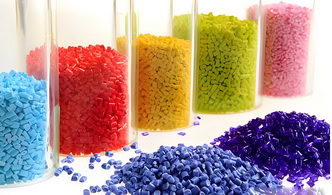
In today’s world, plastics play a crucial role in everyday life, from household items to high-tech devices. But standard plastics don’t always meet the performance requirements needed for specific applications. That’s where plastic modification comes in, offering a way to enhance and customize plastic materials for better strength, flexibility, and durability. With innovations in technology, plastic modification has become essential for industries like automotive, electronics, telecommunications and packaging.
Plastic modification is the process of changing the properties of plastics to improve their performance or adapt them for specific applications. This is done by adding additives, fillers, or using physical and chemical treatments to enhance features like strength, flexibility, heat resistance, or chemical durability.
Now that we’ve covered the basic definition of plastic modification, let’s explore the various ways this process is used, the benefits it offers, and the different techniques for modifying plastics.
What is plastic modification used for?
Plastic modification is used to enhance the properties of plastic materials to meet specific performance requirements for various applications. The primary purposes of plastic modification include:

1. Improving mechanical properties: Modifications can increase strength, toughness, or flexibility, making plastics suitable for more demanding applications.
2. Enhancing thermal stability: Additives can improve a plastic’s resistance to heat, allowing it to maintain performance in high-temperature environments.
3. Increasing chemical resistance: Modifying plastics can enhance their resistance to solvents, acids, and other chemicals, making them suitable for use in harsh environments.
4. Improving processability: Modifications can make plastics easier to process during manufacturing, improving flow characteristics and reducing energy consumption.
5. Enhancing aesthetic qualities: Colorants and other additives can be used to improve the appearance of plastics, making them more visually appealing for consumer products.
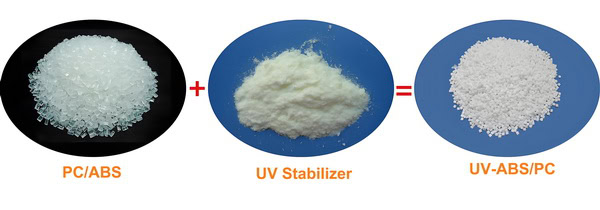
6. Improving UV stability: Additives can be used to protect plastics from degradation due to ultraviolet light, extending their lifespan when used outdoors.
7. Reducing flammability: Flame retardants can be added to plastics to reduce their flammability and improve safety in applications where fire resistance is critical.
8. Enhancing barrier properties: Modifications can improve the barrier properties of plastics, making them suitable for packaging applications that require protection against moisture, gasses, or other contaminants.
Overall, plastic modification allows manufacturers to tailor materials to specific needs, enhancing functionality and performance across a wide range of industries, including automotive, aerospace, consumer goods, and packaging.
What are the benefits of plastic modification?
Plastic modification offers several key benefits, making it essential in modern manufacturing:

- Enhanced Performance: Through modification, plastics can achieve desired mechanical properties like greater durability, flexibility, and strength, making them more suitable for demanding applications.
- Cost Efficiency: By using modified plastics, manufacturers can often substitute more expensive materials like metals or ceramics, leading to significant cost savings.
- Improved Sustainability: Some modifications focus on making plastics more environmentally friendly by enhancing recyclability or using biodegradable additives.
- Индивидуализация: Manufacturers can tailor plastic properties to fit the exact needs of their products, improving overall efficiency and performance.
How can we modify plastic?
Modifying plastic can involve several processes and techniques to alter its properties, functionality, or appearance. Here are some common methods:
1. Additives: Incorporating various additives can enhance plastic properties. Common additives include:
– Plasticizers: Increase flexibility and workability.
– Stabilizers: Improve resistance to heat and UV light.
– Fillers: Enhance strength, reduce cost, or modify density.
cURL Too many subrequests by single Worker invocation. To configure this limit, refer to https://developers.cloudflare.com/workers/wrangler/configuration/#limits.
cURL Too many subrequests by single Worker invocation. To configure this limit, refer to https://developers.cloudflare.com/workers/wrangler/configuration/#limits.
cURL Too many subrequests by single Worker invocation. To configure this limit, refer to https://developers.cloudflare.com/workers/wrangler/configuration/#limits.
cURL Too many subrequests by single Worker invocation. To configure this limit, refer to https://developers.cloudflare.com/workers/wrangler/configuration/#limits.
cURL Too many subrequests by single Worker invocation. To configure this limit, refer to https://developers.cloudflare.com/workers/wrangler/configuration/#limits.
cURL Too many subrequests by single Worker invocation. To configure this limit, refer to https://developers.cloudflare.com/workers/wrangler/configuration/#limits.
cURL Too many subrequests by single Worker invocation. To configure this limit, refer to https://developers.cloudflare.com/workers/wrangler/configuration/#limits.
cURL Too many subrequests by single Worker invocation. To configure this limit, refer to https://developers.cloudflare.com/workers/wrangler/configuration/#limits.
cURL Too many subrequests by single Worker invocation. To configure this limit, refer to https://developers.cloudflare.com/workers/wrangler/configuration/#limits.
cURL Too many subrequests by single Worker invocation. To configure this limit, refer to https://developers.cloudflare.com/workers/wrangler/configuration/#limits.
cURL Too many subrequests by single Worker invocation. To configure this limit, refer to https://developers.cloudflare.com/workers/wrangler/configuration/#limits.
cURL Too many subrequests by single Worker invocation. To configure this limit, refer to https://developers.cloudflare.com/workers/wrangler/configuration/#limits
cURL Too many subrequests by single Worker invocation. To configure this limit, refer to https://developers.cloudflare.com/workers/wrangler/configuration/#limits.
cURL Too many subrequests by single Worker invocation. To configure this limit, refer to https://developers.cloudflare.com/workers/wrangler/configuration/#limits.
cURL Too many subrequests by single Worker invocation. To configure this limit, refer to https://developers.cloudflare.com/workers/wrangler/configuration/#limits
cURL Too many subrequests by single Worker invocation. To configure this limit, refer to https://developers.cloudflare.com/workers/wrangler/configuration/#limitscURL Too many subrequests by single Worker invocation. To configure this limit, refer to https://developers.cloudflare.com/workers/wrangler/configuration/#limitscURL Too many subrequests by single Worker invocation. To configure this limit, refer to https://developers.cloudflare.com/workers/wrangler/configuration/#limits.
cURL Too many subrequests by single Worker invocation. To configure this limit, refer to https://developers.cloudflare.com/workers/wrangler/configuration/#limitscURL Too many subrequests by single Worker invocation. To configure this limit, refer to https://developers.cloudflare.com/workers/wrangler/configuration/#limitscURL Too many subrequests by single Worker invocation. To configure this limit, refer to https://developers.cloudflare.com/workers/wrangler/configuration/#limits.
cURL Too many subrequests by single Worker invocation. To configure this limit, refer to https://developers.cloudflare.com/workers/wrangler/configuration/#limits.
Overall, modified natural plastics aim to combine the sustainability of renewable resources with the functionality needed for modern applications.
What is surface modification of plastics?
Surface modification of plastics refers to the various techniques and processes used to alter the surface properties of plastic materials without changing their bulk characteristics. The primary goal of surface modification is to enhance specific properties such as adhesion, wettability, corrosion resistance, biocompatibility, or aesthetic qualities. This can be crucial for applications in industries like automotive, medical, electronics, and packaging.

Common methods of surface modification include:
1. Chemical Treatments: This involves applying chemical agents that can change the surface chemistry of the plastic. Examples include plasma treatment, chemical etching, and grafting.
2. Physical Treatments: These methods alter the surface through physical processes. Techniques include laser treatment, corona discharge, and flame treatment.
3. Coating: Applying a thin layer of another material (such as paints, adhesives, or polymers) to improve surface properties. Coatings can enhance durability, provide barrier properties, or add specific functionalities.
4. Mechanical Methods: These involve physical abrasion or polishing to change the surface texture, which can affect properties like friction and adhesion.
5. Plasma Treatment: A technique that uses ionized gasses to modify the surface properties, improving adhesion and wettability.
6. Nanostructuring: Creating nanoscale features on the surface to alter its properties, such as hydrophobicity or antimicrobial activity.
Surface modification can significantly improve the performance and longevity of plastic materials in their intended applications, making it an essential aspect of materials science and engineering.
What are plastic modification examples?
Here are some examples of commonly modified plastics and their applications:
1. ABS (Acrylonitrile Butadiene Styrene):
– Modification: Modified to improve impact resistance and toughness.
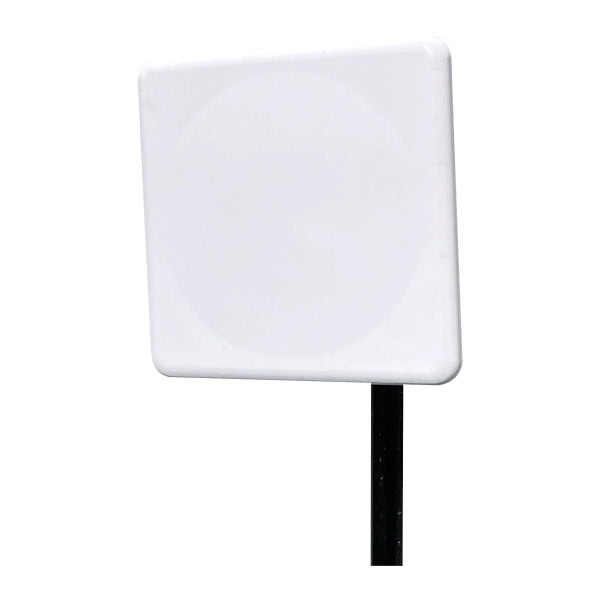
– Applications: Ideal for automotive parts, electronics, and telecommunications (like enclosure or antenna housing).
2. PVC (Polyvinyl Chloride):
– Modification: Modified with plasticizers to improve flexibility and durability.
– Applications: Used in electrical cable insulation, telecommunication parts, plumbing, flooring, and various construction materials.
3. Polypropylene:
– Modification: Often filled with glass fibers to enhance strength and rigidity.
– Applications: Commonly used in automotive parts like bumpers, dashboards, and various consumer goods.
4. UV-ABS (Ultraviolet Stabilized Acrylonitrile Butadiene Styrene):
– Modification: Enhanced with UV stabilizers to improve resistance to ultraviolet light degradation.
– Applications: Used in outdoor applications such as automotive exterior parts, outdoor furniture, telecommunication parts, and electronic housings that require protection from sun exposure.
5. Polycarbonate (PC):
– Modification: Often modified to improve impact resistance, thermal stability, and optical clarity.
– Applications: Commonly used in eyewear lenses, safety goggles, automotive headlamp lenses, telecommunication enclosures, and various electronic components.
6. ABS+PC (Acrylonitrile Butadiene Styrene + Polycarbonate Blend):
– Modification: A blend that combines the toughness of ABS with the impact resistance and heat resistance of polycarbonate.
– Applications: Ideal for applications requiring high strength and durability, such as in consumer electronics casings, automotive components, telecommunication parts, and power tool housings.
7. ASA (Acrylonitrile Styrene Acrylate):
– Modification: Modified to improve weather resistance and UV stability while maintaining good mechanical properties.
– Applications: Used in outdoor applications like roofing sheets, automotive exterior parts, and various consumer products that require resistance to UV light and environmental stress.
These modified plastics are tailored to meet specific performance requirements, making them suitable for a wide range of applications across different industries.
cURL Too many subrequests by single Worker invocation. To configure this limit, refer to https://developers.cloudflare.com/workers/wrangler/configuration/#limits
cURL Too many subrequests by single Worker invocation. To configure this limit, refer to https://developers.cloudflare.com/workers/wrangler/configuration/#limits
- cURL Too many subrequests by single Worker invocation. To configure this limit, refer to https://developers.cloudflare.com/workers/wrangler/configuration/#limitscURL Too many subrequests by single Worker invocation. To configure this limit, refer to https://developers.cloudflare.com/workers/wrangler/configuration/#limits.
- cURL Too many subrequests by single Worker invocation. To configure this limit, refer to https://developers.cloudflare.com/workers/wrangler/configuration/#limitscURL Too many subrequests by single Worker invocation. To configure this limit, refer to https://developers.cloudflare.com/workers/wrangler/configuration/#limits.
- cURL Too many subrequests by single Worker invocation. To configure this limit, refer to https://developers.cloudflare.com/workers/wrangler/configuration/#limitscURL Too many subrequests by single Worker invocation. To configure this limit, refer to https://developers.cloudflare.com/workers/wrangler/configuration/#limits.
cURL Too many subrequests by single Worker invocation. To configure this limit, refer to https://developers.cloudflare.com/workers/wrangler/configuration/#limits cURL Too many subrequests by single Worker invocation. To configure this limit, refer to https://developers.cloudflare.com/workers/wrangler/configuration/#limits cURL Too many subrequests by single Worker invocation. To configure this limit, refer to https://developers.cloudflare.com/workers/wrangler/configuration/#limits.
cURL Too many subrequests by single Worker invocation. To configure this limit, refer to https://developers.cloudflare.com/workers/wrangler/configuration/#limits
cURL Too many subrequests by single Worker invocation. To configure this limit, refer to https://developers.cloudflare.com/workers/wrangler/configuration/#limits
- cURL Too many subrequests by single Worker invocation. To configure this limit, refer to https://developers.cloudflare.com/workers/wrangler/configuration/#limitscURL Too many subrequests by single Worker invocation. To configure this limit, refer to https://developers.cloudflare.com/workers/wrangler/configuration/#limits.
- cURL Too many subrequests by single Worker invocation. To configure this limit, refer to https://developers.cloudflare.com/workers/wrangler/configuration/#limitscURL Too many subrequests by single Worker invocation. To configure this limit, refer to https://developers.cloudflare.com/workers/wrangler/configuration/#limits.
- cURL Too many subrequests by single Worker invocation. To configure this limit, refer to https://developers.cloudflare.com/workers/wrangler/configuration/#limitscURL Too many subrequests by single Worker invocation. To configure this limit, refer to https://developers.cloudflare.com/workers/wrangler/configuration/#limits.
- cURL Too many subrequests by single Worker invocation. To configure this limit, refer to https://developers.cloudflare.com/workers/wrangler/configuration/#limitscURL Too many subrequests by single Worker invocation. To configure this limit, refer to https://developers.cloudflare.com/workers/wrangler/configuration/#limits.
Summary
Plastic modification enables manufacturers to develop tailored plastic materials that fulfill specific performance needs across various industries. By incorporating additives, fillers, and surface treatments, they can enhance the durability, flexibility, heat resistance, and eco-friendliness of plastics. This customization is increasingly important in sectors like automotive, electronics, telecommunications and packaging, where the demand for high-performance materials is rising. As technology progresses, plastic modification will remain essential in advancing material science.
 Russian
  English
  Spanish
  German
  French (France)
  Korean
  Indonesian
  French (Canada)
  Vietnamese
  Armenian
  Albanian
  Assamese
  Acehnese
  Amharic
  Czech
Czech  Bulgarian
  Cebuano
  Malayalam
  German (Switzerland)
  Japanese
  Dutch
Dutch 