 Chuyển đến nội dung

In an increasingly connected world, the demand for reliable and high-performance communication systems has never been greater. Whether you’re looking to enhance your internet connectivity in remote areas, establish a robust satellite communication link, or simply improve your television reception, a parabolic dish antenna can be an invaluable tool.
Parabolic dish antennas are renowned for their ability to focus signals, making them ideal for receiving and transmitting data over long distances. Their unique design allows them to capture weak signals and amplify them, providing users with a clearer and more stable connection. However, with a myriad of options available on the market, selecting the right parabolic dish antenna can be a daunting task.
This guide aims to simplify the decision-making process by outlining the key factors to consider when choosing a parabolic dish antenna. From understanding the technical specifications to assessing your specific needs and environment, we will provide you with the insights necessary to make an informed choice. Whether you are a seasoned professional or a novice, this guide will equip you with the knowledge to select the perfect parabolic dish antenna for your requirements.
Importance of parabolic dish antennas in modern communication
Parabolic dish antennas play a crucial role in modern communication systems due to their unique design and functionality. Here are some key points highlighting their importance:
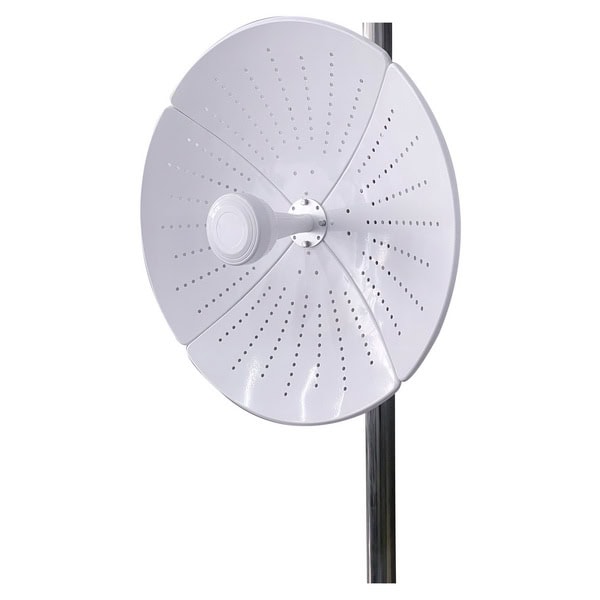
1. High Gain and Directivity: Parabolic dish antennas are designed to focus signals onto a single focal point, which significantly increases their gain and directivity. This allows for effective long-distance communication, making them ideal for point-to-point links, backhaul networks, radio telescopes, and 4G/5G communications.
2. Wide Frequency Range: These antennas can operate across a broad range of frequencies, from microwave to millimeter-wave bands. This versatility makes them suitable for various applications, including satellite TV, internet services, and radar systems.
3. Signal Quality: The focused nature of parabolic antennas minimizes noise and interference, leading to improved signal quality. This is particularly important in applications where data integrity is critical, such as in telecommunications and broadcasting.
4. Space Communication: In satellite communications, parabolic dish antennas are essential for transmitting and receiving signals between ground stations and satellites. Their ability to maintain a strong connection over vast distances is vital for global communication networks.
5. Cost-Effectiveness: While the initial setup of a parabolic dish antenna may involve significant investment, their durability and efficiency often lead to lower long-term operational costs. They require less power to transmit signals compared to other types of antennas, which can lead to savings in energy consumption.
6. Adaptability: Parabolic antennas can be easily adapted for various uses, including mobile applications (like satellite phones and portable internet) and fixed installations (like satellite TV dishes). This adaptability makes them a preferred choice for many industries.
7. Research and Development: In scientific research, parabolic dish antennas are used in radio astronomy and other fields to gather and analyze data from space. Their ability to detect weak signals from distant celestial bodies contributes to advancements in our understanding of the universe.
8. Emerging Technologies: With the rise of technologies such as 5G and the Internet of Things (IoT), parabolic dish antennas are being integrated into new communication infrastructures, providing the necessary bandwidth and connectivity for these advanced systems.
In summary, parabolic dish antennas are integral to modern communication, offering high performance, versatility, and reliability across various applications. Their continued evolution and integration into new technologies underscore their significance in facilitating global connectivity and advancing communication capabilities.
Chapter 1: Understanding Parabolic Dish Antennas
Definition and basic principles
A parabolic dish antenna, commonly referred to as a parabolic antenna, is a type of antenna that uses a parabolic reflector to direct radio waves. This design allows for the efficient transmission and reception of signals, making it widely used in various applications, including WiFi networks, mobile communications, public security and radio telescopes, etc. Here are the key definitions and basic principles associated with parabolic dish antennas:
Definition
A parabolic dish antenna consists of a parabolic-shaped reflector that collects and focuses incoming electromagnetic waves onto a single point known as the feed or feed horn. The shape of the dish allows for the focusing of signals, which enhances the antenna’s gain and directionality.
Basic Principles
1. Parabolic Shape: The parabolic reflector is defined mathematically by the property that any parallel rays coming into the dish (e.g., from a distant satellite) will reflect off the surface and converge at the focus point. This geometric property is essential for directing signals effectively.
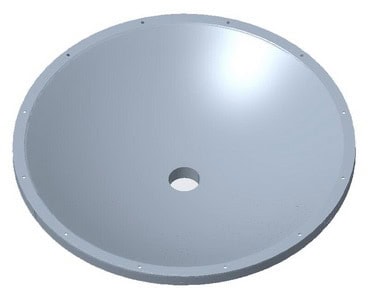
2. Focus Point: The feed horn is placed at the focal point of the parabola. When signals hit the dish, they are reflected towards this point, where the feed horn captures the concentrated energy. The placement of the feed horn is crucial for optimizing performance.

3. Gain: Parabolic antennas are known for their high gain, which is a measure of how well the antenna can direct radio waves in a particular direction compared to a standard antenna (like a dipole). The gain is influenced by the size of the dish; larger dishes generally offer higher gain.
4. Directivity: The design of the parabolic dish allows it to focus signals in a specific direction, making it highly directional. This characteristic is beneficial for reducing interference from unwanted signals coming from other directions.
5. Bandwidth: Parabolic antennas can operate over a wide range of frequencies, but their performance can vary with frequency. The bandwidth is determined by the size of the dish and the design of the feed.
cURL Too many subrequests by single Worker invocation. To configure this limit, refer to https://developers.cloudflare.com/workers/wrangler/configuration/#limits
cURL Too many subrequests by single Worker invocation. To configure this limit, refer to https://developers.cloudflare.com/workers/wrangler/configuration/#limits.
cURL Too many subrequests by single Worker invocation. To configure this limit, refer to https://developers.cloudflare.com/workers/wrangler/configuration/#limits
cURL Too many subrequests by single Worker invocation. To configure this limit, refer to https://developers.cloudflare.com/workers/wrangler/configuration/#limits
cURL Too many subrequests by single Worker invocation. To configure this limit, refer to https://developers.cloudflare.com/workers/wrangler/configuration/#limits
cURL Too many subrequests by single Worker invocation. To configure this limit, refer to https://developers.cloudflare.com/workers/wrangler/configuration/#limits.
cURL Too many subrequests by single Worker invocation. To configure this limit, refer to https://developers.cloudflare.com/workers/wrangler/configuration/#limits.

cURL Too many subrequests by single Worker invocation. To configure this limit, refer to https://developers.cloudflare.com/workers/wrangler/configuration/#limits
cURL Too many subrequests by single Worker invocation. To configure this limit, refer to https://developers.cloudflare.com/workers/wrangler/configuration/#limits
cURL Too many subrequests by single Worker invocation. To configure this limit, refer to https://developers.cloudflare.com/workers/wrangler/configuration/#limits.
cURL Too many subrequests by single Worker invocation. To configure this limit, refer to https://developers.cloudflare.com/workers/wrangler/configuration/#limits.
cURL Too many subrequests by single Worker invocation. To configure this limit, refer to https://developers.cloudflare.com/workers/wrangler/configuration/#limits
cURL Too many subrequests by single Worker invocation. To configure this limit, refer to https://developers.cloudflare.com/workers/wrangler/configuration/#limits.
cURL Too many subrequests by single Worker invocation. To configure this limit, refer to https://developers.cloudflare.com/workers/wrangler/configuration/#limits.
cURL Too many subrequests by single Worker invocation. To configure this limit, refer to https://developers.cloudflare.com/workers/wrangler/configuration/#limits
cURL Too many subrequests by single Worker invocation. To configure this limit, refer to https://developers.cloudflare.com/workers/wrangler/configuration/#limits.
cURL Too many subrequests by single Worker invocation. To configure this limit, refer to https://developers.cloudflare.com/workers/wrangler/configuration/#limits.
cURL Too many subrequests by single Worker invocation. To configure this limit, refer to https://developers.cloudflare.com/workers/wrangler/configuration/#limits.
cURL Too many subrequests by single Worker invocation. To configure this limit, refer to https://developers.cloudflare.com/workers/wrangler/configuration/#limits.
cURL Too many subrequests by single Worker invocation. To configure this limit, refer to https://developers.cloudflare.com/workers/wrangler/configuration/#limits
cURL Too many subrequests by single Worker invocation. To configure this limit, refer to https://developers.cloudflare.com/workers/wrangler/configuration/#limits.
cURL Too many subrequests by single Worker invocation. To configure this limit, refer to https://developers.cloudflare.com/workers/wrangler/configuration/#limits
- cURL Too many subrequests by single Worker invocation. To configure this limit, refer to https://developers.cloudflare.com/workers/wrangler/configuration/#limits By moving the feedhorn out of the direct signal path, offset feed designs minimize shadowing and maximize the amount of energy hitting the reflector.
- Improved efficiency: The unobstructed dish surface allows for a stronger, cleaner signal, resulting in greater overall antenna efficiency.
- Popular applications: Because of these advantages, offset feed antennas are a common sight in satellite TV dishes and point-to-point communication setups, where signal quality and efficiency are paramount.
By leveraging geometry in their favor, offset feed antennas make the most of every watt—delivering better performance with a deceptively simple structural tweak.
Prime focus antennas and their operation
A prime focus antenna is one of the classic configurations you’ll encounter among parabolic dishes, both in textbooks and out in the wild. In this design, the feed—the part that captures or transmits signals—is positioned directly at the focal point of the parabola, suspended in front of the dish like a tiny satellite taking center stage at an amphitheater.
How does it work?
- When radio waves arrive (say, from a satellite or a distant star), the parabolic surface gathers and reflects them right to the feed at the focus.
- For transmissions, the process works in reverse: the feed emits radio waves, which the dish redirects outward in a tight, concentrated beam.
This focused approach offers reliable signal capture, making prime focus antennas a go-to for satellite ground stations and radio telescopes (think Arecibo or telescopes at the VLA) where precision is paramount. However, since the feed sits directly in the signal path, it can block a small portion of incoming or outgoing waves—something engineers have to weigh when designing these systems.
Prime focus antennas are valued for their straightforward geometry and are often chosen when simplicity, robustness, and high performance on a fixed mount are required.
Specialized designs for specific applications
Parabolic dish antennas are highly versatile and can be specialized for various applications, each requiring specific design considerations to optimize performance. Here are some specialized designs for specific applications:
1. Mobile Networks
– Design Features:
– Beamforming Technology: Enhanced signal targeting to improve coverage and reduce interference.
– Compact and Lightweight: Smaller designs suitable for urban deployments and integration with existing infrastructure.
– Applications: 4G/5G network deployment, small cell solutions, and enhancing mobile data transmission.
2. WiFi Communication
– Design Features:
– Directional Antenna Design: Focused signal to extend range and improve performance in specific areas.
– High Gain: Increased gain to enhance signal strength and reduce dead zones.

– Applications: Long-range WiFi links, outdoor networks, and extending coverage in large areas.
3. CCTV Surveillance
– Design Features:
– High Sensitivity: Designed to capture high-resolution video signals even in low-light conditions.
– Weatherproofing: Durable materials and coatings to withstand environmental factors.
– Applications: Security monitoring, traffic surveillance, and perimeter protection.
4. Radio Astronomy
– Design Features:
– Low Noise: Use of low-noise amplifiers (LNAs) to minimize signal degradation.
– Wide Bandwidth: Capable of receiving a broad range of frequencies to capture faint astronomical signals.
– High Precision Tracking: Equipped with advanced tracking systems to follow celestial objects.
– Applications: Observing cosmic phenomena, studying celestial bodies, and collecting data from deep space.
5. Earth Observation
– Design Features:
– Multi-Band Capability: Designed to receive signals across multiple frequency bands for different types of data (optical, radar, etc.).
– High Resolution: Larger dishes for better image resolution and detail.
– Applications: Remote sensing, weather monitoring, and environmental studies.
cURL Too many subrequests by single Worker invocation. To configure this limit, refer to https://developers.cloudflare.com/workers/wrangler/configuration/#limits
– Design Features:
cURL Too many subrequests by single Worker invocation. To configure this limit, refer to https://developers.cloudflare.com/workers/wrangler/configuration/#limits.
cURL Too many subrequests by single Worker invocation. To configure this limit, refer to https://developers.cloudflare.com/workers/wrangler/configuration/#limits.
cURL Too many subrequests by single Worker invocation. To configure this limit, refer to https://developers.cloudflare.com/workers/wrangler/configuration/#limits.
cURL Too many subrequests by single Worker invocation. To configure this limit, refer to https://developers.cloudflare.com/workers/wrangler/configuration/#limits
– Design Features:
cURL Too many subrequests by single Worker invocation. To configure this limit, refer to https://developers.cloudflare.com/workers/wrangler/configuration/#limits.
cURL Too many subrequests by single Worker invocation. To configure this limit, refer to https://developers.cloudflare.com/workers/wrangler/configuration/#limits.
cURL Too many subrequests by single Worker invocation. To configure this limit, refer to https://developers.cloudflare.com/workers/wrangler/configuration/#limits.
cURL Too many subrequests by single Worker invocation. To configure this limit, refer to https://developers.cloudflare.com/workers/wrangler/configuration/#limits
– Design Features:
cURL Too many subrequests by single Worker invocation. To configure this limit, refer to https://developers.cloudflare.com/workers/wrangler/configuration/#limits.
cURL Too many subrequests by single Worker invocation. To configure this limit, refer to https://developers.cloudflare.com/workers/wrangler/configuration/#limits.
cURL Too many subrequests by single Worker invocation. To configure this limit, refer to https://developers.cloudflare.com/workers/wrangler/configuration/#limits.
cURL Too many subrequests by single Worker invocation. To configure this limit, refer to https://developers.cloudflare.com/workers/wrangler/configuration/#limits
– Design Features:
cURL Too many subrequests by single Worker invocation. To configure this limit, refer to https://developers.cloudflare.com/workers/wrangler/configuration/#limits.
cURL Too many subrequests by single Worker invocation. To configure this limit, refer to https://developers.cloudflare.com/workers/wrangler/configuration/#limits.
cURL Too many subrequests by single Worker invocation. To configure this limit, refer to https://developers.cloudflare.com/workers/wrangler/configuration/#limits.
cURL Too many subrequests by single Worker invocation. To configure this limit, refer to https://developers.cloudflare.com/workers/wrangler/configuration/#limits.
cURL Too many subrequests by single Worker invocation. To configure this limit, refer to https://developers.cloudflare.com/workers/wrangler/configuration/#limits
cURL Too many subrequests by single Worker invocation. To configure this limit, refer to https://developers.cloudflare.com/workers/wrangler/configuration/#limits.
cURL Too many subrequests by single Worker invocation. To configure this limit, refer to https://developers.cloudflare.com/workers/wrangler/configuration/#limits.
cURL Too many subrequests by single Worker invocation. To configure this limit, refer to https://developers.cloudflare.com/workers/wrangler/configuration/#limits
cURL Too many subrequests by single Worker invocation. To configure this limit, refer to https://developers.cloudflare.com/workers/wrangler/configuration/#limits
Parabolic dish antennas are categorized based on their reflector size, which affects their performance, gain, and application. While exact definitions can vary somewhat, the following general categories are commonly used:
1. Small Dish Antennas:
– Size: Typically less than 1 meter (typically 1.0 foot to 3.0 feet) in diameter.
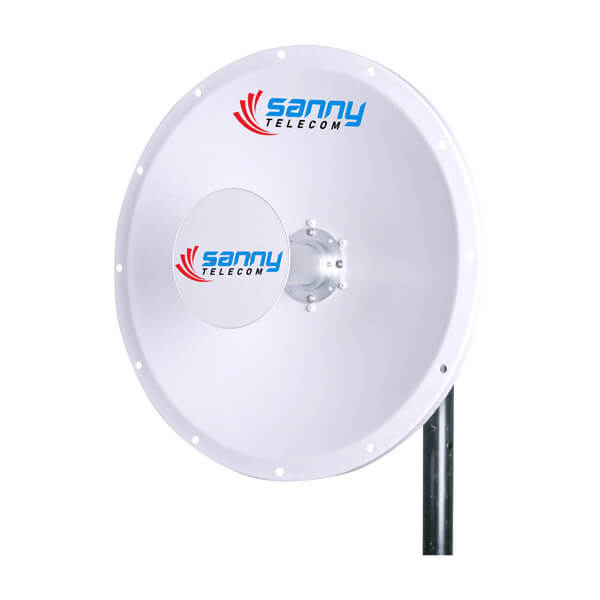
– Applications: Often used for WiFi networks, LTE/5G communications, point-to-point links, CCTV systems, consumer satellite TV reception, small-scale communication, Telemetry systems and some amateur radio applications.
– Characteristics: Easier to install and can be mounted on rooftops or balconies. They generally have lower gain and may be more susceptible to interference.
2. Medium Dish Antennas:
– Size: Ranges from about 1.2 meters to 3.0 meters (approximately 4.0 to 10.0 feet) in diameter.
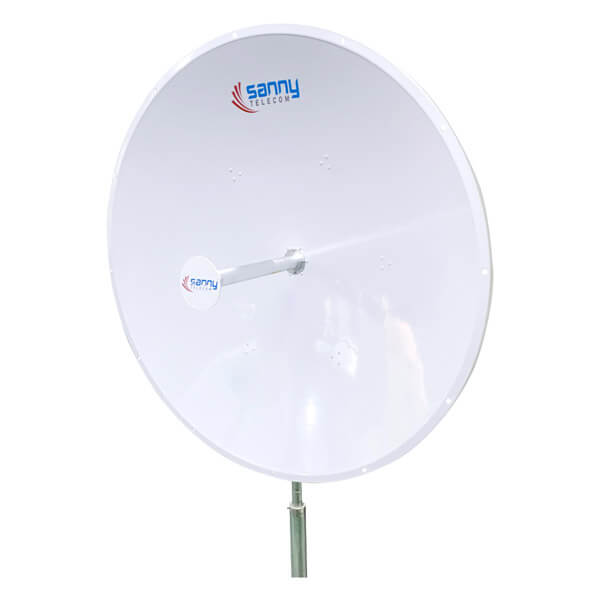
– Applications: Used in commercial applications, such as backhaul networks, microwave links, satellite internet, television broadcasting, and some scientific research, etc.
– Characteristics: Offers a good balance between size and performance, providing higher gain and better signal quality than small dishes.
3. Large Dish Antennas:
– Size: Greater than 3 meters (about 9.8 feet) in diameter.
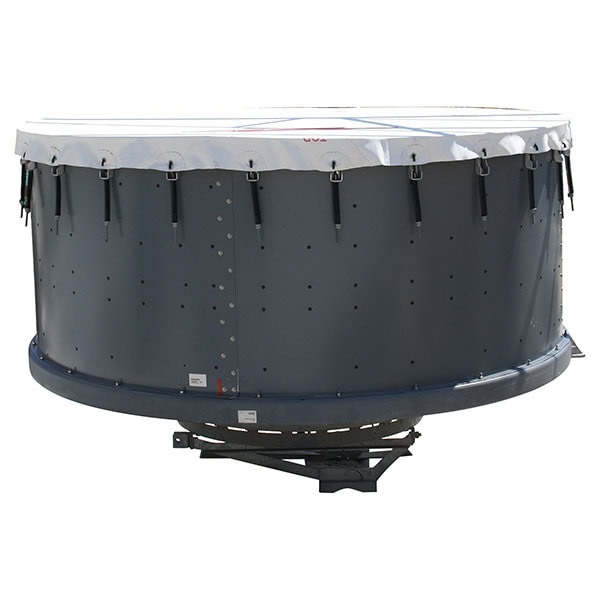
– Applications: Commonly used in specialized applications, including deep-space communication, radio astronomy, and large-scale satellite communication.
– Characteristics: High gain and excellent directivity, allowing for long-distance communication and improved signal reception. They require more robust mounting structures and can be more difficult to install.
These categories help users select the appropriate antenna for their specific needs based on factors like signal strength, distance, and application requirements.
Reflector Shape Styles
Parabolic dish antennas can come in various reflector(dish) shape styles, each designed to optimize performance, weight, and manufacturing costs. Here are the three styles you mentioned:
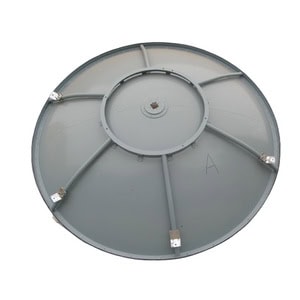
1. Solid Integrated Reflector:
– Description: This style features a solid surface that is typically made from materials like aluminum alloy, copper or steel.
– Advantages:
– Provides a smooth, continuous reflective surface that effectively focuses signals to the feed antenna.
– More durable and can withstand harsh environmental conditions, making them suitable for permanent installations.
– Generally offers higher efficiency in signal reflection.
– Disadvantages:
– Tends to be heavier, which may require more robust mounting structures.
– Can be more expensive to manufacture and transport due to the material and weight.
2. Grid Mesh Integrated Reflector:
– Description: Grid mesh reflectors use a lattice or mesh design, which reduces weight while still providing adequate reflective properties.

– Advantages:
– Lighter and easier to handle, making them suitable for installations in high-wind areas.
– Allows wind to pass through, reducing the risk of wind loading.
– Typically less expensive to manufacture due to the reduced material usage.
– Disadvantages:
– May have slightly lower efficiency compared to solid reflectors due to gaps in the mesh.
– Can be less durable in certain conditions, depending on the material used.
3. Pizza Type Reflector:
– Description: The “pizza type” reflector refers to a design that resembles a pizza shape, often with a flat or slightly curved surface.
– Advantages:
– Can have a more shallow profile, making them suitable for applications where space is limited.
– May be optimized for specific frequency ranges, enhancing performance for certain communication needs.
– Can be designed to be lightweight while still providing reasonable performance.
– Disadvantages:
– Performance may vary depending on the specific design and materials used.
cURL Too many subrequests by single Worker invocation. To configure this limit, refer to https://developers.cloudflare.com/workers/wrangler/configuration/#limits.
cURL Too many subrequests by single Worker invocation. To configure this limit, refer to https://developers.cloudflare.com/workers/wrangler/configuration/#limits
cURL Too many subrequests by single Worker invocation. To configure this limit, refer to https://developers.cloudflare.com/workers/wrangler/configuration/#limits
cURL Too many subrequests by single Worker invocation. To configure this limit, refer to https://developers.cloudflare.com/workers/wrangler/configuration/#limits
cURL Too many subrequests by single Worker invocation. To configure this limit, refer to https://developers.cloudflare.com/workers/wrangler/configuration/#limits.

cURL Too many subrequests by single Worker invocation. To configure this limit, refer to https://developers.cloudflare.com/workers/wrangler/configuration/#limits.
cURL Too many subrequests by single Worker invocation. To configure this limit, refer to https://developers.cloudflare.com/workers/wrangler/configuration/#limits.
cURL Too many subrequests by single Worker invocation. To configure this limit, refer to https://developers.cloudflare.com/workers/wrangler/configuration/#limits
cURL Too many subrequests by single Worker invocation. To configure this limit, refer to https://developers.cloudflare.com/workers/wrangler/configuration/#limits.

cURL Too many subrequests by single Worker invocation. To configure this limit, refer to https://developers.cloudflare.com/workers/wrangler/configuration/#limits.
cURL Too many subrequests by single Worker invocation. To configure this limit, refer to https://developers.cloudflare.com/workers/wrangler/configuration/#limits.
cURL Too many subrequests by single Worker invocation. To configure this limit, refer to https://developers.cloudflare.com/workers/wrangler/configuration/#limits
cURL Too many subrequests by single Worker invocation. To configure this limit, refer to https://developers.cloudflare.com/workers/wrangler/configuration/#limits.

cURL Too many subrequests by single Worker invocation. To configure this limit, refer to https://developers.cloudflare.com/workers/wrangler/configuration/#limits.
cURL Too many subrequests by single Worker invocation. To configure this limit, refer to https://developers.cloudflare.com/workers/wrangler/configuration/#limits.
cURL Too many subrequests by single Worker invocation. To configure this limit, refer to https://developers.cloudflare.com/workers/wrangler/configuration/#limits
cURL Too many subrequests by single Worker invocation. To configure this limit, refer to https://developers.cloudflare.com/workers/wrangler/configuration/#limits.

cURL Too many subrequests by single Worker invocation. To configure this limit, refer to https://developers.cloudflare.com/workers/wrangler/configuration/#limits.
cURL Too many subrequests by single Worker invocation. To configure this limit, refer to https://developers.cloudflare.com/workers/wrangler/configuration/#limits.
cURL Too many subrequests by single Worker invocation. To configure this limit, refer to https://developers.cloudflare.com/workers/wrangler/configuration/#limits
cURL Too many subrequests by single Worker invocation. To configure this limit, refer to https://developers.cloudflare.com/workers/wrangler/configuration/#limits.

cURL Too many subrequests by single Worker invocation. To configure this limit, refer to https://developers.cloudflare.com/workers/wrangler/configuration/#limits.
– Disadvantages: It may involve more assembly time and costs associated with welding.
6. CNC Machining:
– Description: Computer Numerical Control (CNC) machining can be used to mill or turn materials into the desired parabolic shape. Tooling/mold: A CNC program is developed based on a CAD model, but no traditional mold is required.
– Advantages: Offers high precision and the ability to create complex geometries. Suitable for both small and large production runs.
– Disadvantages: Can be slower than other methods for high-volume production and may involve higher costs for setup.
7. 3D Printing:
– Description: Additive manufacturing techniques can be used to create parabolic dishes from various materials. Tooling/mold: No traditional mold is needed, but a 3D model must be prepared for printing.

– Advantages: Allows for rapid prototyping and the creation of complex geometries that would be difficult to achieve with traditional methods.
– Disadvantages: Material limitations and potentially lower mechanical properties compared to traditional methods.
Each of these methods has its specific applications depending on the desired characteristics of the parabolic dish antenna, such as size, weight, cost, and production volume. The choice of method often balances these factors to achieve the best performance for the intended application.
Feedhorn
Parabolic dish antennas utilize feedhorns to collect and transmit signals. The choice of feedhorn type can significantly impact the performance of the antenna. Here are the two common types of feedhorns:
1. Waveguide Feedhorn
– Design: A waveguide feedhorn consists of a hollow metallic structure that guides electromagnetic waves. The feedhorn is typically attached to the focal point of the parabolic dish.
– Functionality: It efficiently directs the incoming signals from the dish to the receiver or vice versa, minimizing losses.
– Advantages:
– Low Loss: Waveguides have lower signal loss compared to coaxial feeds, especially at higher frequencies.
– High Power Handling: They can handle higher power levels without significant distortion.
– Reduced Interference: The design minimizes unwanted coupling and interference from external signals.
– Applications: Commonly used in microwave and satellite communications where high performance is required.
2. Coaxial Feed
– Design: A coaxial feed consists of a central conductor surrounded by a dielectric insulator and an outer conductor. The feedhorn often comes out with short pigtails such as 30cm RG58.
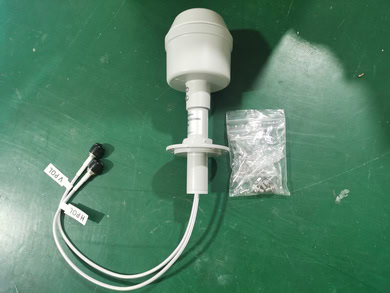
– Functionality: Signals are transmitted through the coaxial cable, and the feedhorn converts these signals into a form that can be effectively collected by the dish.
– Advantages:
– Ease of Installation: Coaxial feeds are generally easier to install and integrate with existing systems.
– Cost-Effective: They tend to be less expensive than waveguide feeds.
– Flexibility: Coaxial cables can be easily routed and are available in various lengths and configurations.
– Applications: Often used in consumer satellite dishes and some radio applications where high power and low loss are less critical.
Summary
The choice between a waveguide feedhorn and a coaxial feedhorn largely depends on the specific requirements of the application, such as frequency, power handling, installation considerations, and budget. Waveguide feeds are preferred for high-performance applications, while coaxial feeds are suitable for more general use cases.
Protection Radome
A protection radome is a structural enclosure that shields antennas, particularly parabolic dish antennas, from environmental factors such as wind, rain, snow, and debris while allowing radio waves to pass through with minimal interference. Radomes are typically made from materials that are transparent to electromagnetic signals, such as fiberglass or certain types of plastics.

Key Features of Protection Radomes:
1. Material Composition: Radomes are crafted from materials that have low dielectric loss and are lightweight yet durable. Common materials include:
– Fiberglass
Fiberglass is a widely used material in the construction of radomes due to its excellent combination of properties. It is lightweight, strong, and has low dielectric loss, making it ideal for applications that require minimal signal attenuation. Fiberglass can be molded into various shapes and sizes, allowing for versatile designs in radome construction. Additionally, it is resistant to environmental factors such as UV radiation and moisture, contributing to the durability and longevity of radomes in outdoor applications. Overall, fiberglass is a popular choice for radomes in both commercial and military communication systems.
– ABS
ABS (Acrylonitrile Butadiene Styrene) can also be used in the construction of radomes, particularly for applications where impact resistance and durability are important. While it may not have the same low dielectric loss characteristics as materials like PTFE or fiberglass, ABS can be a suitable choice for certain environments due to its strength and ease of molding. However, it is essential to consider the specific requirements of the application, such as temperature stability and dielectric properties, when selecting materials for radome construction.
cURL Too many subrequests by single Worker invocation. To configure this limit, refer to https://developers.cloudflare.com/workers/wrangler/configuration/#limits.
cURL Too many subrequests by single Worker invocation. To configure this limit, refer to https://developers.cloudflare.com/workers/wrangler/configuration/#limits.
cURL Too many subrequests by single Worker invocation. To configure this limit, refer to https://developers.cloudflare.com/workers/wrangler/configuration/#limits.
cURL Too many subrequests by single Worker invocation. To configure this limit, refer to https://developers.cloudflare.com/workers/wrangler/configuration/#limits
cURL Too many subrequests by single Worker invocation. To configure this limit, refer to https://developers.cloudflare.com/workers/wrangler/configuration/#limits cURL Too many subrequests by single Worker invocation. To configure this limit, refer to https://developers.cloudflare.com/workers/wrangler/configuration/#limits.
cURL Too many subrequests by single Worker invocation. To configure this limit, refer to https://developers.cloudflare.com/workers/wrangler/configuration/#limits.
cURL Too many subrequests by single Worker invocation. To configure this limit, refer to https://developers.cloudflare.com/workers/wrangler/configuration/#limits.
cURL Too many subrequests by single Worker invocation. To configure this limit, refer to https://developers.cloudflare.com/workers/wrangler/configuration/#limits
cURL Too many subrequests by single Worker invocation. To configure this limit, refer to https://developers.cloudflare.com/workers/wrangler/configuration/#limits
cURL Too many subrequests by single Worker invocation. To configure this limit, refer to https://developers.cloudflare.com/workers/wrangler/configuration/#limits
cURL Too many subrequests by single Worker invocation. To configure this limit, refer to https://developers.cloudflare.com/workers/wrangler/configuration/#limits
cURL Too many subrequests by single Worker invocation. To configure this limit, refer to https://developers.cloudflare.com/workers/wrangler/configuration/#limits
cURL Too many subrequests by single Worker invocation. To configure this limit, refer to https://developers.cloudflare.com/workers/wrangler/configuration/#limits.
cURL Too many subrequests by single Worker invocation. To configure this limit, refer to https://developers.cloudflare.com/workers/wrangler/configuration/#limits.
cURL Too many subrequests by single Worker invocation. To configure this limit, refer to https://developers.cloudflare.com/workers/wrangler/configuration/#limits.
cURL Too many subrequests by single Worker invocation. To configure this limit, refer to https://developers.cloudflare.com/workers/wrangler/configuration/#limits.
cURL Too many subrequests by single Worker invocation. To configure this limit, refer to https://developers.cloudflare.com/workers/wrangler/configuration/#limits
cURL Too many subrequests by single Worker invocation. To configure this limit, refer to https://developers.cloudflare.com/workers/wrangler/configuration/#limits
cURL Too many subrequests by single Worker invocation. To configure this limit, refer to https://developers.cloudflare.com/workers/wrangler/configuration/#limits
cURL Too many subrequests by single Worker invocation. To configure this limit, refer to https://developers.cloudflare.com/workers/wrangler/configuration/#limits
– Description: This type of bracket is suitable for smaller, lighter dish antennas such as 0.36m, 0.4m and 0.6m. The L bracket can be mounted to a vertical or horizontal surface, and the U-bolts secure the antenna’s pole to the bracket.

– Features:
– Easy installation.
– Cost-effective.
– Suitable for residential use or light commercial applications.
– Allows for basic adjustments to the antenna’s angle.
Heavy-Duty Mounting Brackets
2. Heavy-Duty Bracket with Tilt Adjustment Rod:
– Description: Designed for larger, heavier antennas such as 0.6m and 0.9m, this type of bracket is more robust and often includes a tilt adjustment feature that allows for precise alignment of the antenna.

– Features:
– Stronger materials (e.g., galvanized steel or aluminum).
– Enhanced stability in windy conditions.
– Adjustable tilt for optimal signal reception.
– Ideal for commercial installations or areas with high wind loads.
Considerations for Mounting Brackets
– Material: Look for corrosion-resistant materials, especially if the installation is outdoors.
– Weight Capacity: Ensure that the bracket can support the weight of the antenna.
– Installation Surface: Consider the type of surface (roof, pole, wall) where the bracket will be mounted.
– Local Regulations: Check for any local regulations or guidelines regarding antenna installations.
Additional Accessories
– Anti-Rotation Features: Some brackets come with features to prevent the antenna from rotating in high winds,especially for size larger than 0.9m.

– Cable Management: Consider brackets that provide options for securing and managing cables to prevent tangling and damage.
By choosing the appropriate mounting bracket based on the size and weight of your parabolic dish antenna, you can ensure a stable and effective installation.
Chapter 3: Key Factors in Antenna Selection
Frequency bands
Parabolic dish antennas can be classified based on the frequency bands they operate within. These classifications are important for various applications, including telecommunications, broadcasting, and satellite communications. Here are the common frequency bands associated with parabolic dish antennas:
1. L-Band (1 to 2 GHz)
– Commonly used for satellite communications, GPS, and some mobile communications.
2. LTE Bands (1710 to 2700 MHz)
– Used for mobile telecommunications and data services.
3. S-Band (2 to 4 GHz)
– Used for weather radar, some satellite communications, and certain wireless communication systems.
4. 5G Mid-bands (3300 to 4000 MHz)
– Used for next-generation mobile telecommunications, providing higher data rates and lower latency.
5. WiFi Bands

– 2.4 GHz (2.4-2.5GHz): Commonly used for WiFi networks and other wireless communication.
– 5 GHz (5.15-5.85GHz): Used for WiFi networks, providing higher speeds and less interference than 2.4 GHz.
– 6 GHz (5.925-7.125GHz): An emerging band for WiFi, offering additional bandwidth and reduced congestion.
cURL Too many subrequests by single Worker invocation. To configure this limit, refer to https://developers.cloudflare.com/workers/wrangler/configuration/#limits
cURL Too many subrequests by single Worker invocation. To configure this limit, refer to https://developers.cloudflare.com/workers/wrangler/configuration/#limits.
cURL Too many subrequests by single Worker invocation. To configure this limit, refer to https://developers.cloudflare.com/workers/wrangler/configuration/#limits
cURL Too many subrequests by single Worker invocation. To configure this limit, refer to https://developers.cloudflare.com/workers/wrangler/configuration/#limits.
cURL Too many subrequests by single Worker invocation. To configure this limit, refer to https://developers.cloudflare.com/workers/wrangler/configuration/#limits.
cURL Too many subrequests by single Worker invocation. To configure this limit, refer to https://developers.cloudflare.com/workers/wrangler/configuration/#limits.
cURL Too many subrequests by single Worker invocation. To configure this limit, refer to https://developers.cloudflare.com/workers/wrangler/configuration/#limits
cURL Too many subrequests by single Worker invocation. To configure this limit, refer to https://developers.cloudflare.com/workers/wrangler/configuration/#limits
cURL Too many subrequests by single Worker invocation. To configure this limit, refer to https://developers.cloudflare.com/workers/wrangler/configuration/#limits
cURL Too many subrequests by single Worker invocation. To configure this limit, refer to https://developers.cloudflare.com/workers/wrangler/configuration/#limits
cURL Too many subrequests by single Worker invocation. To configure this limit, refer to https://developers.cloudflare.com/workers/wrangler/configuration/#limits
cURL Too many subrequests by single Worker invocation. To configure this limit, refer to https://developers.cloudflare.com/workers/wrangler/configuration/#limits
cURL Too many subrequests by single Worker invocation. To configure this limit, refer to https://developers.cloudflare.com/workers/wrangler/configuration/#limits
cURL Too many subrequests by single Worker invocation. To configure this limit, refer to https://developers.cloudflare.com/workers/wrangler/configuration/#limits
cURL Too many subrequests by single Worker invocation. To configure this limit, refer to https://developers.cloudflare.com/workers/wrangler/configuration/#limits.
cURL Too many subrequests by single Worker invocation. To configure this limit, refer to https://developers.cloudflare.com/workers/wrangler/configuration/#limits.
cURL Too many subrequests by single Worker invocation. To configure this limit, refer to https://developers.cloudflare.com/workers/wrangler/configuration/#limits
cURL Too many subrequests by single Worker invocation. To configure this limit, refer to https://developers.cloudflare.com/workers/wrangler/configuration/#limits
cURL Too many subrequests by single Worker invocation. To configure this limit, refer to https://developers.cloudflare.com/workers/wrangler/configuration/#limits
cURL Too many subrequests by single Worker invocation. To configure this limit, refer to https://developers.cloudflare.com/workers/wrangler/configuration/#limits.
cURL Too many subrequests by single Worker invocation. To configure this limit, refer to https://developers.cloudflare.com/workers/wrangler/configuration/#limits
cURL Too many subrequests by single Worker invocation. To configure this limit, refer to https://developers.cloudflare.com/workers/wrangler/configuration/#limits.
In practice, a larger dish (greater diameter) will generally yield a higher gain, while the focal length must be optimized to ensure that the feed is positioned correctly to capture the focused energy.
Summary
– Gain is influenced by the effective aperture area, which is determined by the diameter of the dish and the wavelength of the signal.
– Focal Length is determined by the dish’s geometry and affects how well the antenna can focus signals.
– Proper design and alignment of both parameters are crucial for maximizing the performance of a parabolic dish antenna.
Directivity and Beamwidth
Definition
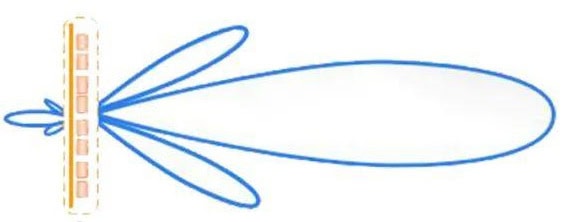
Directivity of a parabolic dish antenna refers to the measure of how effectively the antenna focuses energy in a particular direction compared to an isotropic radiator, which emits energy uniformly in all directions. It is typically expressed in decibels (dB) and is calculated as the ratio of the maximum radiation intensity in the desired direction to the average radiation intensity over all directions.
Beamwidth, on the other hand, defines the angular width of the main lobe of the antenna’s radiation pattern. It is usually measured in degrees and indicates the range of angles over which the antenna effectively radiates or receives signals. Beamwidth is often specified in terms of the half-power points (the angles at which the power drops to half of the maximum value), commonly referred to as the -3 dB points.

Importance
1. Signal Focus and Gain: High directivity allows parabolic dish antennas to focus energy more effectively, resulting in higher gain. This is crucial for applications requiring strong signals over long distances, such as satellite communications and radar systems.
2. Reduced Interference: A narrow beamwidth helps minimize interference from unwanted signals or noise coming from directions outside the main lobe. This is particularly important in crowded frequency bands or environments with multiple signal sources.
3. Improved Range and Coverage: By concentrating the signal in a specific direction, parabolic antennas can achieve greater communication ranges. This is essential for applications like point-to-point links, where long distances between transmitter and receiver are common.
4. Precision in Targeting: In applications like satellite tracking or radio astronomy, the ability to direct the antenna precisely toward a target is vital. Directivity and beamwidth play key roles in ensuring accurate alignment and tracking.
5. Design Considerations: Understanding directivity and beamwidth is fundamental for engineers when designing antenna systems. It influences the choice of antenna size, shape, and materials, as well as the overall system performance in various applications.
In summary, directivity and beamwidth are critical parameters that define the performance characteristics of parabolic dish antennas, impacting their efficiency, range, and capability to operate in complex environments.
Polarization
Definition
Polarization refers to the orientation of the electric field of an electromagnetic wave. In the context of antennas, including parabolic dish antennas, polarization describes how the electric field vector of the radiated or received signal is aligned. It can be linear, circular, or elliptical, depending on how the electric field oscillates in relation to the direction of wave propagation.
Importance
1. Signal Quality: The polarization of the transmitted signal must match the polarization of the receiving antenna to achieve optimal signal strength and quality. Mismatched polarizations can lead to significant signal loss.
2. Interference Reduction: Different polarizations can help reduce interference between multiple signals. For instance, using vertical and horizontal polarization can minimize cross-interference in communication systems.
3. Multiplexing: Polarization can be used as a method of multiplexing, allowing multiple signals to be transmitted simultaneously over the same frequency without interference.
4. Antenna Design: Understanding polarization is crucial for the design and placement of antennas. It affects the antenna’s gain, directivity, and overall performance.
5. Application Specific: Certain applications, such as satellite communications, radar, and wireless communications, may require specific polarization to optimize performance in various environmental conditions.
Types of Polarization
1. Linear Polarization: The electric field oscillates in a single plane. It can be further classified into:
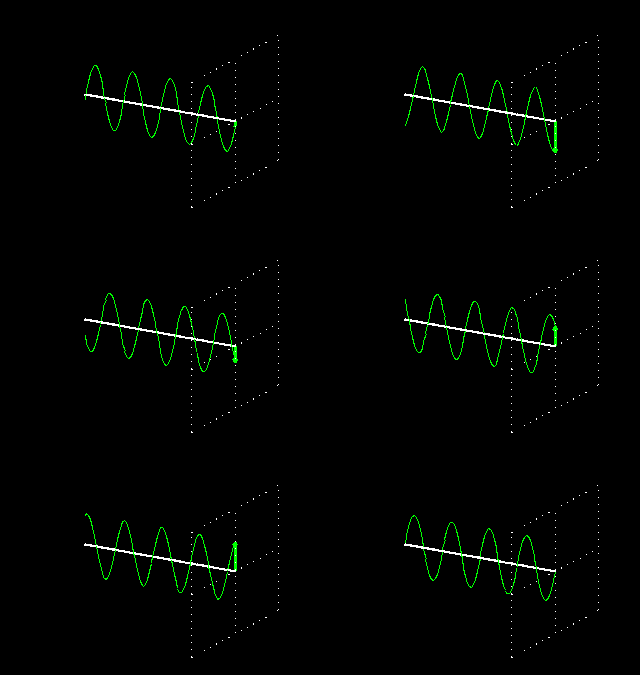
– Vertical Polarization: The electric field is vertical to the ground.
– Horizontal Polarization: The electric field is horizontal to the ground.
– Slant Polarization: The electric field is oriented at an angle to the ground, typically at 45 degrees, providing a compromise between vertical and horizontal polarization.

2. Circular Polarization: The electric field rotates in a circular motion as the wave propagates. It can be:
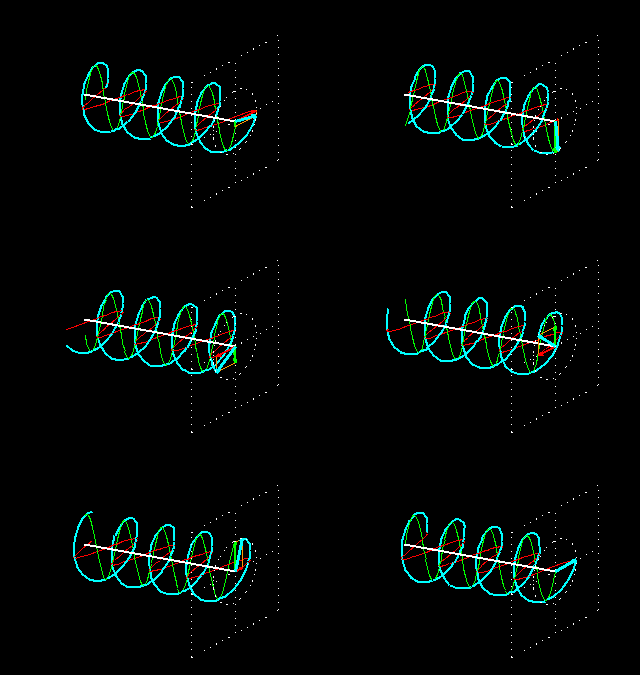
– Right-Hand Circular Polarization (RHCP): The electric field rotates clockwise when viewed from the receiver towards the source.
– Left-Hand Circular Polarization (LHCP): The electric field rotates counterclockwise under the same viewing conditions.
3. Elliptical Polarization: A general form of polarization where the electric field describes an ellipse. This can be considered as a combination of linear and circular polarization.
4. Dual Polarization: This involves the use of two different polarizations simultaneously, typically linear (vertical and horizontal) or circular (RHCP and LHCP). It allows for improved signal reception and transmission by utilizing both polarizations to enhance data throughput and reduce interference.

Understanding these types of polarization is essential for effective communication and signal transmission in various applications involving parabolic dish antennas.
VSWR (Voltage Standing Wave Ratio)
Definition
Voltage Standing Wave Ratio (VSWR) is a measure of how efficiently radio frequency (RF) power is transmitted from a power source, through a transmission line, and into a load (such as an antenna). It is defined as the ratio of the maximum voltage to the minimum voltage along the transmission line. A VSWR of 1:1 indicates perfect matching, where all the power is transferred to the load without any reflection, while higher values indicate increasing levels of reflected power due to impedance mismatches.

Importance
1. Efficiency: A low VSWR indicates that most of the power is being effectively transmitted to the antenna, which is crucial for maximizing the efficiency of the communication system.
2. Performance: High VSWR can lead to reduced performance of the antenna system, including decreased range and signal quality. This is particularly important in applications such as satellite communications, where parabolic dish antennas are used.
3. Equipment Protection: Excessive reflected power due to high VSWR can damage RF components, such as transmitters and amplifiers, leading to costly repairs and downtime.
4. System Optimization: Monitoring VSWR helps in tuning and optimizing the antenna system for better performance and ensuring that the entire RF system operates within its designed specifications.
cURL Too many subrequests by single Worker invocation. To configure this limit, refer to https://developers.cloudflare.com/workers/wrangler/configuration/#limits
cURL Too many subrequests by single Worker invocation. To configure this limit, refer to https://developers.cloudflare.com/workers/wrangler/configuration/#limits.
cURL Too many subrequests by single Worker invocation. To configure this limit, refer to https://developers.cloudflare.com/workers/wrangler/configuration/#limits.
cURL Too many subrequests by single Worker invocation. To configure this limit, refer to https://developers.cloudflare.com/workers/wrangler/configuration/#limits.
cURL Too many subrequests by single Worker invocation. To configure this limit, refer to https://developers.cloudflare.com/workers/wrangler/configuration/#limits.
cURL Too many subrequests by single Worker invocation. To configure this limit, refer to https://developers.cloudflare.com/workers/wrangler/configuration/#limits
Definition
cURL Too many subrequests by single Worker invocation. To configure this limit, refer to https://developers.cloudflare.com/workers/wrangler/configuration/#limits.
Importance
cURL Too many subrequests by single Worker invocation. To configure this limit, refer to https://developers.cloudflare.com/workers/wrangler/configuration/#limits.
cURL Too many subrequests by single Worker invocation. To configure this limit, refer to https://developers.cloudflare.com/workers/wrangler/configuration/#limits.
cURL Too many subrequests by single Worker invocation. To configure this limit, refer to https://developers.cloudflare.com/workers/wrangler/configuration/#limits.
cURL Too many subrequests by single Worker invocation. To configure this limit, refer to https://developers.cloudflare.com/workers/wrangler/configuration/#limits.
cURL Too many subrequests by single Worker invocation. To configure this limit, refer to https://developers.cloudflare.com/workers/wrangler/configuration/#limits
cURL Too many subrequests by single Worker invocation. To configure this limit, refer to https://developers.cloudflare.com/workers/wrangler/configuration/#limits
cURL Too many subrequests by single Worker invocation. To configure this limit, refer to https://developers.cloudflare.com/workers/wrangler/configuration/#limits.
cURL Too many subrequests by single Worker invocation. To configure this limit, refer to https://developers.cloudflare.com/workers/wrangler/configuration/#limits.
cURL Too many subrequests by single Worker invocation. To configure this limit, refer to https://developers.cloudflare.com/workers/wrangler/configuration/#limits.
cURL Too many subrequests by single Worker invocation. To configure this limit, refer to https://developers.cloudflare.com/workers/wrangler/configuration/#limits.
cURL Too many subrequests by single Worker invocation. To configure this limit, refer to https://developers.cloudflare.com/workers/wrangler/configuration/#limits
Definition
cURL Too many subrequests by single Worker invocation. To configure this limit, refer to https://developers.cloudflare.com/workers/wrangler/configuration/#limits.

Importance
cURL Too many subrequests by single Worker invocation. To configure this limit, refer to https://developers.cloudflare.com/workers/wrangler/configuration/#limits.
cURL Too many subrequests by single Worker invocation. To configure this limit, refer to https://developers.cloudflare.com/workers/wrangler/configuration/#limits.
cURL Too many subrequests by single Worker invocation. To configure this limit, refer to https://developers.cloudflare.com/workers/wrangler/configuration/#limits.
4. Regulatory Compliance: Many communication systems must meet specific isolation standards to comply with regulatory requirements, ensuring that they do not disrupt other services.
5. Operational Reliability: High isolation contributes to the overall reliability of the communication link, reducing the likelihood of dropped signals or communication failures.
Acceptable Isolation Values
Acceptable isolation values can vary depending on the specific application and frequency band. However, general guidelines are as follows:
– For Satellite Communication: Isolation values of 20 dB or higher are often considered acceptable, with 30 dB or more being ideal for high-performance systems.
– For Terrestrial Communication: Isolation values can range from 15 dB to 30 dB, depending on the proximity of other transmitting antennas and the frequency used.
– For Multi-User Systems: Values of 25 dB or higher are typically sought to ensure minimal interference between multiple users.
It’s important to consult specific industry standards or guidelines relevant to the application to determine the exact acceptable isolation values for a particular parabolic dish antenna system.
Antenna Size and Weight
When considering parabolic dish antennas, both physical constraints and mounting considerations play a crucial role in their design, transportation, and installation. Here’s a breakdown of these factors:
Physical Constraints and Mounting Considerations
1. Size and Weight:
– Parabolic dish antennas can vary significantly in size, from small consumer dishes (around 0.6 to 1.2 meters) to large professional or scientific dishes (over 10 meters in diameter).
– The weight of the dish increases with size, which can impact the choice of mounting structures and materials.
2. Material Selection:
– The materials used (e.g., aluminum, fiberglass, or carbon fiber) affect both the weight and rigidity of the dish. Lightweight materials can ease mounting and transportation but may require more careful handling.
3. Mounting Structures:
– Dishes must be mounted on sturdy structures that can withstand wind loads, especially for larger dishes. This may require specialized mounts or towers.
– The type of mount (fixed, motorized, or tracking) will influence installation complexity and cost.
4. Elevation and Azimuth Adjustments:
– Many dishes require precise alignment to function optimally. Mounting systems must allow for adjustments in elevation and azimuth, which can complicate installation.
5. Environmental Considerations:
– The location of installation (e.g., coastal areas, high winds, seismic zones) can dictate specific mounting requirements and additional reinforcements.
Impact on Transportation and Installation
1. Transportation Logistics:
– Larger dishes may require specialized transport vehicles (e.g., flatbed trucks) due to their size and weight.

– Disassembly for transport can be necessary, which adds to the complexity and time required for installation.
2. Site Preparation:
– Installation sites often require significant preparation, including leveling the ground, pouring concrete for mounts, and ensuring accessibility for heavy equipment.
– Ground stability is crucial, particularly for larger dishes, which may require additional support structures.
3. Installation Time and Labor:
– The size and complexity of the dish will directly affect installation time and the number of personnel needed. Larger installations may require cranes or specialized equipment.
– Training may be necessary for installation teams to ensure proper alignment and safety procedures.
4. Regulatory and Permitting Issues:
– Depending on the size and location, installation may require permits or adherence to local regulations, which can impact timelines and costs.
– Environmental assessments may also be necessary, especially for large installations.
5. Maintenance Access:
– Consideration should be given to future maintenance needs. Dishes may require regular cleaning, adjustments, or repairs, necessitating easy access without compromising the integrity of the installation.
cURL Too many subrequests by single Worker invocation. To configure this limit, refer to https://developers.cloudflare.com/workers/wrangler/configuration/#limits
cURL Too many subrequests by single Worker invocation. To configure this limit, refer to https://developers.cloudflare.com/workers/wrangler/configuration/#limits.
cURL Too many subrequests by single Worker invocation. To configure this limit, refer to https://developers.cloudflare.com/workers/wrangler/configuration/#limits
cURL Too many subrequests by single Worker invocation. To configure this limit, refer to https://developers.cloudflare.com/workers/wrangler/configuration/#limits
cURL Too many subrequests by single Worker invocation. To configure this limit, refer to https://developers.cloudflare.com/workers/wrangler/configuration/#limits
cURL Too many subrequests by single Worker invocation. To configure this limit, refer to https://developers.cloudflare.com/workers/wrangler/configuration/#limits.
cURL Too many subrequests by single Worker invocation. To configure this limit, refer to https://developers.cloudflare.com/workers/wrangler/configuration/#limits.
cURL Too many subrequests by single Worker invocation. To configure this limit, refer to https://developers.cloudflare.com/workers/wrangler/configuration/#limits.
cURL Too many subrequests by single Worker invocation. To configure this limit, refer to https://developers.cloudflare.com/workers/wrangler/configuration/#limits.
cURL Too many subrequests by single Worker invocation. To configure this limit, refer to https://developers.cloudflare.com/workers/wrangler/configuration/#limits.
cURL Too many subrequests by single Worker invocation. To configure this limit, refer to https://developers.cloudflare.com/workers/wrangler/configuration/#limits
cURL Too many subrequests by single Worker invocation. To configure this limit, refer to https://developers.cloudflare.com/workers/wrangler/configuration/#limits.
cURL Too many subrequests by single Worker invocation. To configure this limit, refer to https://developers.cloudflare.com/workers/wrangler/configuration/#limits.
cURL Too many subrequests by single Worker invocation. To configure this limit, refer to https://developers.cloudflare.com/workers/wrangler/configuration/#limits.
cURL Too many subrequests by single Worker invocation. To configure this limit, refer to https://developers.cloudflare.com/workers/wrangler/configuration/#limits.
cURL Too many subrequests by single Worker invocation. To configure this limit, refer to https://developers.cloudflare.com/workers/wrangler/configuration/#limits
cURL Too many subrequests by single Worker invocation. To configure this limit, refer to https://developers.cloudflare.com/workers/wrangler/configuration/#limits.
cURL Too many subrequests by single Worker invocation. To configure this limit, refer to https://developers.cloudflare.com/workers/wrangler/configuration/#limits.
cURL Too many subrequests by single Worker invocation. To configure this limit, refer to https://developers.cloudflare.com/workers/wrangler/configuration/#limits.
cURL Too many subrequests by single Worker invocation. To configure this limit, refer to https://developers.cloudflare.com/workers/wrangler/configuration/#limits.
cURL Too many subrequests by single Worker invocation. To configure this limit, refer to https://developers.cloudflare.com/workers/wrangler/configuration/#limits.
cURL Too many subrequests by single Worker invocation. To configure this limit, refer to https://developers.cloudflare.com/workers/wrangler/configuration/#limits.
cURL Too many subrequests by single Worker invocation. To configure this limit, refer to https://developers.cloudflare.com/workers/wrangler/configuration/#limits
WiFi Networks
Parabolic dish antennas can be effectively used in WiFi networks, particularly in specific scenarios where enhanced signal strength and directionality are required. Here are some applications of parabolic dish antennas in WiFi networks:
1. Long-Distance WiFi Links: Parabolic dish antennas can be used to establish long-range WiFi connections between two points. This is particularly useful for connecting buildings in a campus, linking remote locations, or providing internet access in rural areas.
2. Point-to-Point Communication: For organizations needing to connect two fixed locations, such as offices or buildings, parabolic dishes can provide a reliable and high-speed point-to-point wireless link.
3. Directional Coverage: The highly directional nature of parabolic antennas allows them to focus the WiFi signal in a specific direction, reducing interference from other sources and increasing the effective range. This is beneficial in crowded environments or urban areas with many competing signals.
4. Backhaul Links: In a network with multiple access points, parabolic antennas can serve as backhaul links, connecting access points to a central router or internet source over long distances.
5. Outdoor WiFi Networks: Parabolic dish antennas are suitable for outdoor WiFi installations, especially in areas where the signal needs to penetrate obstacles or cover large open spaces, such as parks or campuses.
6. Mesh Networks: In a mesh network setup, parabolic antennas can be used to connect nodes that are far apart, helping to extend the network range and improve overall performance.
7. Security and Surveillance: In security applications, parabolic antennas can be used to provide WiFi connectivity for cameras and sensors positioned at a distance from the main network infrastructure.
8. Event Connectivity: For temporary events or festivals, parabolic antennas can be deployed to provide reliable WiFi connectivity over large areas, ensuring that visitors have access to the internet.
9. Research and Development: In academic or research settings, parabolic dish antennas can be used to study signal propagation, antenna design, and wireless communication technologies.
10. Disaster Recovery: In emergency situations, parabolic antennas can be set up quickly to establish communication links in areas where traditional infrastructure has been damaged.
While parabolic dish antennas offer significant advantages in terms of range and signal quality, they also require careful alignment and positioning to ensure optimal performance. Additionally, their directional nature means that they are less suitable for general-purpose WiFi coverage in environments where users are spread out in multiple directions.
5G Networks
Parabolic dish antennas are increasingly being utilized in 5G networks due to their ability to focus signals and provide high gain, which is essential for achieving the high data rates and low latencies that 5G technology promises. Here are some key applications of parabolic dish antennas in 5G networks:

1. Backhaul Connectivity: Parabolic dish antennas are often used for backhaul connections in 5G networks. They can connect remote cell sites to the core network, providing high-capacity links that are necessary for transmitting large amounts of data.
2. Fixed Wireless Access (FWA): Parabolic dishes can be deployed for fixed wireless access, allowing internet connectivity to homes and businesses in areas where laying fiber optic cables is impractical or too expensive. They can provide high-speed internet access by connecting directly to 5G base stations.
3. High-Throughput Satellite Communications: In areas where terrestrial infrastructure is lacking, parabolic dish antennas can be used to connect to satellites that provide 5G services. This is particularly useful for rural or underserved regions.
4. Point-to-Point Communication: Parabolic dish antennas are ideal for point-to-point communication links, which are crucial in 5G networks for connecting various network nodes with minimal interference and maximum bandwidth.
5. Network Densification: As 5G networks require a denser infrastructure of small cells, parabolic dish antennas can be used to interconnect these cells over short distances, ensuring that high data rates are maintained.
6. Enhanced Coverage: In challenging environments, such as urban areas with tall buildings or rural landscapes, parabolic dish antennas can help extend the coverage of 5G networks by focusing signals in specific directions, thereby overcoming obstacles and reducing interference.
7. Research and Development: Parabolic dish antennas are also used in the research and development of new 5G technologies, including beamforming and millimeter-wave communications, allowing engineers to test and optimize performance.
Overall, the high directional gain and ability to operate effectively over long distances make parabolic dish antennas a valuable asset in the deployment and optimization of 5G networks.
CCTV
Parabolic dish antennas can be effectively utilized in various applications related to CCTV (Closed-Circuit Television) systems. Here are some key applications:
1. Long-Distance Surveillance: Parabolic dish antennas can enhance the range of CCTV systems, allowing for long-distance transmission of video signals. This is particularly useful in areas where traditional wired connections are impractical.
2. Wireless Video Transmission: By using parabolic antennas, CCTV systems can transmit high-quality video wirelessly over significant distances. This is beneficial in remote locations or where cabling is difficult to install.
3. High Gain Reception: The design of parabolic antennas allows for high gain, meaning they can pick up weak signals from CCTV cameras placed far away. This ensures clearer video quality and reliable monitoring.
4. Integration with PTZ Cameras: Parabolic dish antennas can be paired with Pan-Tilt-Zoom (PTZ) cameras to provide a comprehensive surveillance solution. The antenna can help in transmitting the video feed from these cameras over long distances.
5. Surveillance of Large Areas: For monitoring large outdoor spaces, such as parking lots, parks, or industrial sites, parabolic antennas can help extend the coverage area of CCTV systems.
6. Remote Monitoring: In scenarios where remote access to video feeds is required, parabolic dish antennas can facilitate the transmission of data to central monitoring stations, enabling real-time surveillance.
7. Disaster and Emergency Situations: In emergency response scenarios, parabolic antennas can be deployed to set up temporary surveillance systems quickly, providing critical visual information to responders.
8. Integration with IoT Systems: Parabolic antennas can be part of a larger Internet of Things (IoT) system, allowing for the integration of CCTV cameras with other smart devices for enhanced security and monitoring capabilities.
Overall, the use of parabolic dish antennas in CCTV systems enhances the flexibility, range, and reliability of surveillance solutions, making them suitable for a variety of environments and applications.
Telemetry
Telemetry refers to the process of recording and transmitting the readings of an instrument. Parabolic dish antennas are widely used in telemetry applications due to their ability to focus signals and provide high gain, which is essential for reliable data transmission over long distances. Here are some specific applications of parabolic dish antennas in telemetry:

1. Space Missions: Parabolic dish antennas are used in satellite communications for telemetry data transmission from spacecraft to ground stations. They help in collecting data about the spacecraft’s health, position, and operational status.
2. Remote Sensing: In environmental monitoring, parabolic antennas can be used to receive telemetry data from remote sensing satellites, which gather information about the Earth’s surface, atmosphere, and oceans.
3. Weather Monitoring: Meteorological satellites use parabolic antennas to transmit telemetry data regarding weather conditions, atmospheric pressure, temperature, and other critical parameters back to ground stations.
cURL Too many subrequests by single Worker invocation. To configure this limit, refer to https://developers.cloudflare.com/workers/wrangler/configuration/#limits.
cURL Too many subrequests by single Worker invocation. To configure this limit, refer to https://developers.cloudflare.com/workers/wrangler/configuration/#limits.
cURL Too many subrequests by single Worker invocation. To configure this limit, refer to https://developers.cloudflare.com/workers/wrangler/configuration/#limits.
cURL Too many subrequests by single Worker invocation. To configure this limit, refer to https://developers.cloudflare.com/workers/wrangler/configuration/#limits.
cURL Too many subrequests by single Worker invocation. To configure this limit, refer to https://developers.cloudflare.com/workers/wrangler/configuration/#limits.
cURL Too many subrequests by single Worker invocation. To configure this limit, refer to https://developers.cloudflare.com/workers/wrangler/configuration/#limits.
cURL Too many subrequests by single Worker invocation. To configure this limit, refer to https://developers.cloudflare.com/workers/wrangler/configuration/#limits
cURL Too many subrequests by single Worker invocation. To configure this limit, refer to https://developers.cloudflare.com/workers/wrangler/configuration/#limits

cURL Too many subrequests by single Worker invocation. To configure this limit, refer to https://developers.cloudflare.com/workers/wrangler/configuration/#limits.
cURL Too many subrequests by single Worker invocation. To configure this limit, refer to https://developers.cloudflare.com/workers/wrangler/configuration/#limits.
cURL Too many subrequests by single Worker invocation. To configure this limit, refer to https://developers.cloudflare.com/workers/wrangler/configuration/#limits.
cURL Too many subrequests by single Worker invocation. To configure this limit, refer to https://developers.cloudflare.com/workers/wrangler/configuration/#limits.
cURL Too many subrequests by single Worker invocation. To configure this limit, refer to https://developers.cloudflare.com/workers/wrangler/configuration/#limits.
cURL Too many subrequests by single Worker invocation. To configure this limit, refer to https://developers.cloudflare.com/workers/wrangler/configuration/#limits.
cURL Too many subrequests by single Worker invocation. To configure this limit, refer to https://developers.cloudflare.com/workers/wrangler/configuration/#limits.
cURL Too many subrequests by single Worker invocation. To configure this limit, refer to https://developers.cloudflare.com/workers/wrangler/configuration/#limits.
cURL Too many subrequests by single Worker invocation. To configure this limit, refer to https://developers.cloudflare.com/workers/wrangler/configuration/#limits.
cURL Too many subrequests by single Worker invocation. To configure this limit, refer to https://developers.cloudflare.com/workers/wrangler/configuration/#limits.
cURL Too many subrequests by single Worker invocation. To configure this limit, refer to https://developers.cloudflare.com/workers/wrangler/configuration/#limits.
cURL Too many subrequests by single Worker invocation. To configure this limit, refer to https://developers.cloudflare.com/workers/wrangler/configuration/#limits
cURL Too many subrequests by single Worker invocation. To configure this limit, refer to https://developers.cloudflare.com/workers/wrangler/configuration/#limits
cURL Too many subrequests by single Worker invocation. To configure this limit, refer to https://developers.cloudflare.com/workers/wrangler/configuration/#limits
1. Ground Mount
Description: A ground mount involves installing the antenna directly on the ground, typically using a sturdy pole or a concrete base.

Advantages:
– Stability: Ground mounts are usually very stable and can withstand strong winds.
– Height Adjustment: They can be adjusted to achieve the optimal elevation angle.
– Easy Access: Ground-mounted antennas are generally easier to access for maintenance and alignment.
Disadvantages:
– Space Requirement: Requires sufficient ground space, which may not be available in urban areas.
– Obstructions: Nearby trees, buildings, or other structures may obstruct the signal.
2. Roof Mount
Description: A roof mount involves installing the antenna on the roof of a building, typically using a mounting bracket or pole.

Advantages:
– Height Advantage: Elevation can reduce obstructions and improve signal quality.
– Space Efficiency: Saves ground space, making it ideal for urban settings.
– Less Affected by Ground Interference: Being elevated can help minimize interference from ground-level obstacles.
Disadvantages:
– Installation Complexity: May require professional installation, especially for larger dishes.
– Potential Roof Damage: Installation can risk damaging the roof or voiding warranties.
– Access Issues: Maintenance may require ladders or scaffolding.
3. Pole Mount
Description: A pole mount involves attaching the antenna to a standalone pole, which can be installed in various locations, including the ground or on a roof.

Advantages:
– Versatility: Can be placed in various locations, including remote areas for optimal signal reception.
– Height Customization: Poles can be customized in height to achieve the best line of sight.
– Reduced Ground Obstruction: Elevates the antenna above potential ground obstacles.
Disadvantages:
– Stability Concerns: If not properly secured, pole mounts can be less stable than ground or roof mounts.
– Installation Complexity: Requires careful installation to ensure stability and alignment.
– Potential for Wind Damage: Tall poles may be more susceptible to wind-related issues.
cURL Too many subrequests by single Worker invocation. To configure this limit, refer to https://developers.cloudflare.com/workers/wrangler/configuration/#limits
The choice of mounting option for a parabolic dish antenna depends on various factors, including location, available space, required height, and specific installation conditions. Each option has its pros and cons, so it’s essential to assess the specific requirements of your installation before making a decision.
Alignment techniques (azimuth and elevation adjustments)
When aligning parabolic dish antennas, there are two primary adjustments to consider: azimuth and elevation. Here’s a brief overview of each technique:
Azimuth Adjustment
1. Definition: Azimuth refers to the horizontal angle or direction in which the antenna is pointed, measured in degrees from a reference direction (usually true north).
2. Procedure:
– Identify the Target: Determine the desired signal source’s azimuth angle using a compass or a satellite tracking app.
– Initial Positioning: Position the dish roughly in the direction of the target based on the calculated azimuth.
– Fine-Tuning: Slowly adjust the dish left or right while monitoring the signal strength. Use a signal meter or the receiver’s signal quality indicator to find the optimal position.
– Locking: Once the best signal is found, securely tighten the azimuth adjustment bolts to maintain the position.
Elevation Adjustment
1. Definition: Elevation refers to the vertical angle at which the antenna is tilted upwards or downwards, also measured in degrees.

2. Procedure:
– Calculate Elevation Angle: Use geographical data and the specific requirements of the signal source to determine the correct elevation angle.
cURL Too many subrequests by single Worker invocation. To configure this limit, refer to https://developers.cloudflare.com/workers/wrangler/configuration/#limits.
cURL Too many subrequests by single Worker invocation. To configure this limit, refer to https://developers.cloudflare.com/workers/wrangler/configuration/#limits.
cURL Too many subrequests by single Worker invocation. To configure this limit, refer to https://developers.cloudflare.com/workers/wrangler/configuration/#limits.
cURL Too many subrequests by single Worker invocation. To configure this limit, refer to https://developers.cloudflare.com/workers/wrangler/configuration/#limits
cURL Too many subrequests by single Worker invocation. To configure this limit, refer to https://developers.cloudflare.com/workers/wrangler/configuration/#limits.
cURL Too many subrequests by single Worker invocation. To configure this limit, refer to https://developers.cloudflare.com/workers/wrangler/configuration/#limits.
cURL Too many subrequests by single Worker invocation. To configure this limit, refer to https://developers.cloudflare.com/workers/wrangler/configuration/#limits.
cURL Too many subrequests by single Worker invocation. To configure this limit, refer to https://developers.cloudflare.com/workers/wrangler/configuration/#limits.
cURL Too many subrequests by single Worker invocation. To configure this limit, refer to https://developers.cloudflare.com/workers/wrangler/configuration/#limits.
cURL Too many subrequests by single Worker invocation. To configure this limit, refer to https://developers.cloudflare.com/workers/wrangler/configuration/#limits
cURL Too many subrequests by single Worker invocation. To configure this limit, refer to https://developers.cloudflare.com/workers/wrangler/configuration/#limits
cURL Too many subrequests by single Worker invocation. To configure this limit, refer to https://developers.cloudflare.com/workers/wrangler/configuration/#limits
cURL Too many subrequests by single Worker invocation. To configure this limit, refer to https://developers.cloudflare.com/workers/wrangler/configuration/#limits.
cURL Too many subrequests by single Worker invocation. To configure this limit, refer to https://developers.cloudflare.com/workers/wrangler/configuration/#limits.
cURL Too many subrequests by single Worker invocation. To configure this limit, refer to https://developers.cloudflare.com/workers/wrangler/configuration/#limits.
cURL Too many subrequests by single Worker invocation. To configure this limit, refer to https://developers.cloudflare.com/workers/wrangler/configuration/#limits.
cURL Too many subrequests by single Worker invocation. To configure this limit, refer to https://developers.cloudflare.com/workers/wrangler/configuration/#limits.
cURL Too many subrequests by single Worker invocation. To configure this limit, refer to https://developers.cloudflare.com/workers/wrangler/configuration/#limits
1. cURL Too many subrequests by single Worker invocation. To configure this limit, refer to https://developers.cloudflare.com/workers/wrangler/configuration/#limits cURL Too many subrequests by single Worker invocation. To configure this limit, refer to https://developers.cloudflare.com/workers/wrangler/configuration/#limits.

cURL Too many subrequests by single Worker invocation. To configure this limit, refer to https://developers.cloudflare.com/workers/wrangler/configuration/#limits.
cURL Too many subrequests by single Worker invocation. To configure this limit, refer to https://developers.cloudflare.com/workers/wrangler/configuration/#limits.
4. International Regulations: If operating in multiple countries, be aware of the different regulatory frameworks governing telecommunications and broadcasting, including compliance with ITU (International Telecommunication Union) standards.
5. Licensing: Depending on the application (e.g., commercial broadcasting, private use, or amateur radio), specific licenses may be required. Ensure that all necessary permits are obtained before installation and operation.
cURL Too many subrequests by single Worker invocation. To configure this limit, refer to https://developers.cloudflare.com/workers/wrangler/configuration/#limits
Adhering to safety considerations and regulatory compliance is vital when working with parabolic dish antennas. It helps protect personnel, the public, and the environment while ensuring lawful and effective use of the technology. Always consult relevant guidelines and authorities to stay informed about the latest regulations and best practices.
Chapter 6: Future Trends in Parabolic Dish Antennas
Advancements in antenna technology
Advancements in antenna technology, particularly for parabolic dish antennas, are being driven by several key trends and innovations. Here are some of the notable developments:
1. Material Innovations: The use of lightweight and durable materials, such as carbon fiber and advanced composites, is helping to reduce the weight of parabolic dishes while maintaining structural integrity. This makes installation easier and allows for larger dishes to be deployed in various environments.
2. Multi-band and Wideband Capabilities: New designs are enabling parabolic antennas to operate across multiple frequency bands simultaneously. This is particularly useful for applications in satellite communications and broadband services, allowing for more versatile and efficient use of bandwidth.
3. Software-Defined Antennas: The integration of software-defined technology is enabling parabolic dish antennas to adapt their characteristics dynamically. This allows for reconfiguration based on changing signal requirements, improving performance and efficiency.
4. Beamforming and MIMO Technology: Advances in beamforming techniques and Multiple Input Multiple Output (MIMO) technology are enhancing the performance of parabolic antennas. These technologies allow for more precise targeting of signals and improved data throughput, which is crucial for applications like 5G and beyond.
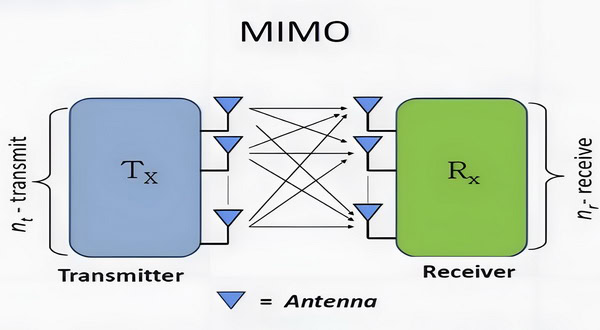
5. Integration with IoT: As the Internet of Things (IoT) continues to grow, parabolic antennas are being designed to integrate seamlessly with IoT devices. This includes the ability to communicate with a larger number of devices while maintaining high data rates.
6. Automated Tracking Systems: Enhanced tracking systems that utilize GPS and other technologies are improving the ability of parabolic dishes to maintain alignment with satellites or other communication sources. This is particularly important for mobile applications and low Earth orbit (LEO) satellite systems.
7. Smart Antenna Technology: The development of smart antennas that can adjust their orientation and focus based on real-time data is making parabolic dishes more effective. These systems can optimize signal reception and transmission dynamically, enhancing overall performance.

8. Sustainable Design Practices: There is a growing emphasis on sustainability in antenna design, with a focus on energy efficiency and the use of environmentally friendly materials. This trend aligns with broader efforts to reduce the carbon footprint of telecommunications infrastructure.
9. Miniaturization: Advances in technology are allowing for the miniaturization of parabolic antennas without sacrificing performance. This is particularly beneficial for consumer applications, such as satellite TV and internet services, where compact designs are preferred.
10. Enhanced Signal Processing: Improved signal processing algorithms and hardware are enabling better noise reduction, interference cancellation, and overall signal integrity for parabolic dish antennas. This leads to more reliable communications, especially in challenging environments.
These advancements are making parabolic dish antennas more versatile, efficient, and capable of meeting the growing demands of modern communication systems, including satellite communications, wireless networks, and IoT applications.
Integration with emerging communication technologies
The integration of parabolic dish antennas with emerging communication technologies such as 5G, satellite internet, and the Internet of Things (IoT) is poised to enhance connectivity and performance across various applications. Here are some future trends in this area:
1. Enhanced 5G Connectivity
– High-Frequency Bands: Parabolic dish antennas are being adapted to operate in higher frequency bands (like mmWave) to support the increased bandwidth and data rates required by 5G networks.
– Beamforming Technologies: The integration of advanced beamforming techniques will allow parabolic dishes to focus signals more precisely, improving coverage and capacity in dense urban environments.
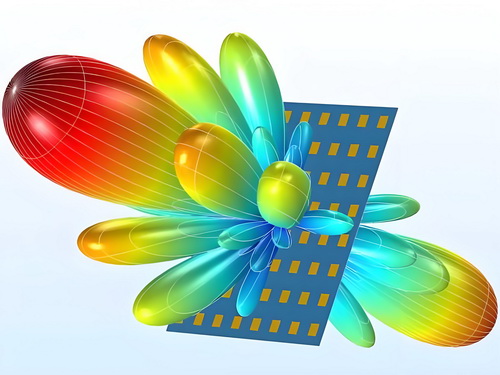
– Small Cell Integration: Parabolic dishes can be used as backhaul solutions for small cells, providing high-capacity links that complement the 5G infrastructure.
2. Satellite Internet Expansion
– Low Earth Orbit (LEO) Satellites: With the rise of LEO satellite constellations (e.g., Starlink, OneWeb), parabolic dish antennas are being designed to track moving satellites dynamically, ensuring stable and high-speed internet access.
– Multi-band Operation: Future parabolic antennas may support multiple frequency bands (Ku, Ka, and V bands) for better compatibility with various satellite services, enhancing user experience.
– Compact Designs: Innovations in materials and design are leading to smaller, more portable parabolic dishes that can be easily deployed in remote areas, facilitating global internet access.
3. IoT Connectivity
– Smart Agriculture and Remote Monitoring: Parabolic dishes can provide reliable connectivity for IoT devices in agriculture, enabling real-time data transmission from sensors monitoring soil, weather, and crop health.

– Edge Computing: Integration with edge computing solutions will allow parabolic dish antennas to process data locally, reducing latency and bandwidth usage for IoT applications.
– Mesh Networking: Future parabolic dishes may be part of mesh networks that connect various IoT devices, enhancing the resilience and coverage of IoT ecosystems.
4. Advanced Materials and Design
– Lightweight and Durable Materials: The use of advanced composites and metals will make parabolic dishes lighter and more resistant to environmental factors, improving deployment in diverse conditions.
cURL Too many subrequests by single Worker invocation. To configure this limit, refer to https://developers.cloudflare.com/workers/wrangler/configuration/#limits.
cURL Too many subrequests by single Worker invocation. To configure this limit, refer to https://developers.cloudflare.com/workers/wrangler/configuration/#limits

cURL Too many subrequests by single Worker invocation. To configure this limit, refer to https://developers.cloudflare.com/workers/wrangler/configuration/#limits.
cURL Too many subrequests by single Worker invocation. To configure this limit, refer to https://developers.cloudflare.com/workers/wrangler/configuration/#limits.
cURL Too many subrequests by single Worker invocation. To configure this limit, refer to https://developers.cloudflare.com/workers/wrangler/configuration/#limits
cURL Too many subrequests by single Worker invocation. To configure this limit, refer to https://developers.cloudflare.com/workers/wrangler/configuration/#limits.
cURL Too many subrequests by single Worker invocation. To configure this limit, refer to https://developers.cloudflare.com/workers/wrangler/configuration/#limits.
cURL Too many subrequests by single Worker invocation. To configure this limit, refer to https://developers.cloudflare.com/workers/wrangler/configuration/#limits
cURL Too many subrequests by single Worker invocation. To configure this limit, refer to https://developers.cloudflare.com/workers/wrangler/configuration/#limits.
cURL Too many subrequests by single Worker invocation. To configure this limit, refer to https://developers.cloudflare.com/workers/wrangler/configuration/#limits
cURL Too many subrequests by single Worker invocation. To configure this limit, refer to https://developers.cloudflare.com/workers/wrangler/configuration/#limits
cURL Too many subrequests by single Worker invocation. To configure this limit, refer to https://developers.cloudflare.com/workers/wrangler/configuration/#limits
cURL Too many subrequests by single Worker invocation. To configure this limit, refer to https://developers.cloudflare.com/workers/wrangler/configuration/#limits
cURL Too many subrequests by single Worker invocation. To configure this limit, refer to https://developers.cloudflare.com/workers/wrangler/configuration/#limits.
cURL Too many subrequests by single Worker invocation. To configure this limit, refer to https://developers.cloudflare.com/workers/wrangler/configuration/#limits.
cURL Too many subrequests by single Worker invocation. To configure this limit, refer to https://developers.cloudflare.com/workers/wrangler/configuration/#limits.
cURL Too many subrequests by single Worker invocation. To configure this limit, refer to https://developers.cloudflare.com/workers/wrangler/configuration/#limits
cURL Too many subrequests by single Worker invocation. To configure this limit, refer to https://developers.cloudflare.com/workers/wrangler/configuration/#limits
cURL Too many subrequests by single Worker invocation. To configure this limit, refer to https://developers.cloudflare.com/workers/wrangler/configuration/#limits.
cURL Too many subrequests by single Worker invocation. To configure this limit, refer to https://developers.cloudflare.com/workers/wrangler/configuration/#limits.
cURL Too many subrequests by single Worker invocation. To configure this limit, refer to https://developers.cloudflare.com/workers/wrangler/configuration/#limits.
cURL Too many subrequests by single Worker invocation. To configure this limit, refer to https://developers.cloudflare.com/workers/wrangler/configuration/#limits
cURL Too many subrequests by single Worker invocation. To configure this limit, refer to https://developers.cloudflare.com/workers/wrangler/configuration/#limits
– Challenge: Implementing a robust surveillance system across a sprawling urban environment with numerous blind spots.
– Solution: The city authorities deployed parabolic dish antennas to connect various CCTV cameras spread throughout the city to a central monitoring station. The dishes facilitated high-quality video feeds over long distances without significant latency.
– Outcome: The enhanced surveillance system led to a 25% reduction in crime rates in monitored areas and improved response times for law enforcement agencies.
4. Rural Connectivity Initiatives
– Location: Rural Communities in Africa
– Challenge: Lack of reliable internet access in remote areas, impacting education and economic development.
– Solution: A non-profit organization partnered with local governments to install parabolic dish antennas for point-to-point links connecting rural schools and health centers to urban internet hubs. The antennas provided a stable connection using mid-band frequencies.
– Outcome: The initiative improved educational resources and access to telemedicine services, significantly enhancing the quality of life in these communities.
5. Disaster Recovery Communications
– Location: Areas Affected by Natural Disasters in the Caribbean
– Challenge: Restoring communication networks after hurricanes disrupted existing infrastructure.
– Solution: Emergency response teams deployed temporary parabolic dish antennas to establish emergency communication links between affected areas and response coordination centers. The antennas operated on low-band frequencies to penetrate obstacles and provide reliable connections.
– Outcome: The rapid deployment of these antennas facilitated effective coordination of relief efforts, ensuring timely delivery of aid and resources to affected populations.
6. Smart City Infrastructure
– Location: Smart City Project in Singapore
– Challenge: Integrating various smart technologies (traffic management, environmental monitoring, and public safety) into a cohesive network.
– Solution: Parabolic dish antennas were deployed to create a robust communication backbone for the smart city infrastructure, connecting sensors and cameras to a central data processing center. The antennas operated in mid-band frequencies to ensure high data throughput.
– Outcome: The implementation resulted in improved traffic flow, reduced congestion, and enhanced public safety through real-time monitoring. The city reported a 15% decrease in traffic-related incidents and improved air quality monitoring.
7. Rural Internet Access via Satellite
– Location: Remote Villages in South America
– Challenge: Providing internet access in areas with no fiber or cable infrastructure.
– Solution: A telecommunications company utilized parabolic dish antennas to connect remote villages to a satellite internet service. The antennas were installed at community centers, schools, and health facilities.
– Outcome: The project enabled internet access for thousands of residents, facilitating online education, telehealth services, and economic opportunities. User engagement with digital services increased by over 60%.
8. Oil and Gas Industry Communications
– Location: Offshore Oil Platforms in the North Sea
– Challenge: Establishing reliable communication links for operational efficiency and safety in harsh environments.
– Solution: Parabolic dish antennas were installed on offshore platforms to provide robust point-to-point communication links with onshore facilities. The antennas were designed to withstand extreme weather conditions and maintain connectivity using mid-band frequencies.
– Outcome: The deployment improved real-time data transmission for monitoring operations and safety systems, leading to a 20% increase in operational efficiency and enhanced safety protocols.
9. Educational Institutions Connectivity
– Location: University Campuses in Australia
– Challenge: Connecting multiple campuses with high-speed internet for research and collaboration.
– Solution: The university deployed parabolic dish antennas to create a point-to-point network between its various campuses. The system utilized low-band frequencies to penetrate building structures and provide stable connectivity.
– Outcome: The solution allowed seamless collaboration among researchers and students, leading to an increase in joint research projects and publications by 30% over two years.
10. Emergency Services Communications
– Location: Disaster-Prone Regions in the Philippines
– Challenge: Ensuring reliable communication for emergency services during typhoons and earthquakes.
– Solution: Parabolic dish antennas were installed in strategic locations to serve as backup communication links for emergency responders. These antennas utilized low-band frequencies to maintain connectivity even in adverse weather conditions.
– Outcome: The emergency services reported improved coordination and response times during disasters, with a 40% faster deployment of resources in critical situations.
cURL Too many subrequests by single Worker invocation. To configure this limit, refer to https://developers.cloudflare.com/workers/wrangler/configuration/#limits
cURL Too many subrequests by single Worker invocation. To configure this limit, refer to https://developers.cloudflare.com/workers/wrangler/configuration/#limits
cURL Too many subrequests by single Worker invocation. To configure this limit, refer to https://developers.cloudflare.com/workers/wrangler/configuration/#limits.
cURL Too many subrequests by single Worker invocation. To configure this limit, refer to https://developers.cloudflare.com/workers/wrangler/configuration/#limits.
cURL Too many subrequests by single Worker invocation. To configure this limit, refer to https://developers.cloudflare.com/workers/wrangler/configuration/#limits.
cURL Too many subrequests by single Worker invocation. To configure this limit, refer to https://developers.cloudflare.com/workers/wrangler/configuration/#limits
cURL Too many subrequests by single Worker invocation. To configure this limit, refer to https://developers.cloudflare.com/workers/wrangler/configuration/#limits.
cURL Too many subrequests by single Worker invocation. To configure this limit, refer to https://developers.cloudflare.com/workers/wrangler/configuration/#limits
cURL Too many subrequests by single Worker invocation. To configure this limit, refer to https://developers.cloudflare.com/workers/wrangler/configuration/#limits.
cURL Too many subrequests by single Worker invocation. To configure this limit, refer to https://developers.cloudflare.com/workers/wrangler/configuration/#limits
cURL Too many subrequests by single Worker invocation. To configure this limit, refer to https://developers.cloudflare.com/workers/wrangler/configuration/#limits
cURL Too many subrequests by single Worker invocation. To configure this limit, refer to https://developers.cloudflare.com/workers/wrangler/configuration/#limits.
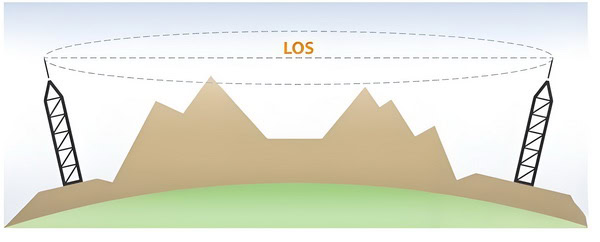
cURL Too many subrequests by single Worker invocation. To configure this limit, refer to https://developers.cloudflare.com/workers/wrangler/configuration/#limits.
cURL Too many subrequests by single Worker invocation. To configure this limit, refer to https://developers.cloudflare.com/workers/wrangler/configuration/#limits.
cURL Too many subrequests by single Worker invocation. To configure this limit, refer to https://developers.cloudflare.com/workers/wrangler/configuration/#limits.
cURL Too many subrequests by single Worker invocation. To configure this limit, refer to https://developers.cloudflare.com/workers/wrangler/configuration/#limits
cURL Too many subrequests by single Worker invocation. To configure this limit, refer to https://developers.cloudflare.com/workers/wrangler/configuration/#limits.
cURL Too many subrequests by single Worker invocation. To configure this limit, refer to https://developers.cloudflare.com/workers/wrangler/configuration/#limits.
cURL Too many subrequests by single Worker invocation. To configure this limit, refer to https://developers.cloudflare.com/workers/wrangler/configuration/#limits
cURL Too many subrequests by single Worker invocation. To configure this limit, refer to https://developers.cloudflare.com/workers/wrangler/configuration/#limits.
cURL Too many subrequests by single Worker invocation. To configure this limit, refer to https://developers.cloudflare.com/workers/wrangler/configuration/#limits.
cURL Too many subrequests by single Worker invocation. To configure this limit, refer to https://developers.cloudflare.com/workers/wrangler/configuration/#limits
cURL Too many subrequests by single Worker invocation. To configure this limit, refer to https://developers.cloudflare.com/workers/wrangler/configuration/#limits.
– Interference Management: Be aware of potential sources of interference (e.g., other electronic devices, physical obstructions) and take measures to mitigate them.
5. User Training:
– Operational Training: Provide training for users on how to operate the antenna and troubleshoot common issues.
– Safety Protocols: Ensure users are aware of safety protocols, especially when working at heights or with heavy equipment.
Best Practices
1. Use Quality Equipment:
– Invest in high-quality parabolic dishes and components (e.g., LNBs, feed horns) to ensure durability and performance.
2. Optimize Dish Size:
– Choose the appropriate dish size based on the frequency of operation and the distance to the satellite. Larger dishes can capture weaker signals but may require more robust mounting solutions.
3. Implement Redundancy:
– For critical applications, consider implementing redundant systems to ensure continuous operation in case of equipment failure.
4. Leverage Technology:
– Utilize tracking systems that can automatically adjust the dish’s alignment to maintain signal strength as satellites move.
5. Document and Analyze Performance:
– Keep detailed records of installation parameters, environmental conditions, and performance metrics. This data can help in troubleshooting and optimizing future installations.
6. Collaborate with Experts:
– Engage with engineers or consultants who specialize in satellite communications to gain insights and guidance throughout the planning and implementation process.
7. Community Engagement:
– In community-based projects, involve local stakeholders to educate them about the technology and its benefits, which can lead to increased support and collaboration.
By applying these lessons learned and best practices, organizations can maximize the effectiveness of parabolic dish antennas, leading to successful outcomes in their respective applications.
Chapter 8: Conclusion
Final thoughts on choosing the right parabolic dish antenna
When choosing the right parabolic dish antenna, there are several key factors to consider to ensure optimal performance and suitability for your specific needs. Here are some final thoughts to guide your decision:
1. Operating Frequency: Ensure that the antenna operates within the frequency range required for your specific application. Different services may operate on different frequency bands, so compatibility is crucial.
2. Polarization: Consider the polarization of the signals you intend to receive. Antennas can be designed for linear or circular polarization, and selecting the correct type will enhance signal reception and quality.
3. Size and Gain: The size of the parabolic dish directly affects its gain and ability to focus signals. Larger dishes typically provide higher gain, which can enhance signal quality, especially in areas with weak signals. However, consider the installation space and mounting requirements.
4. Material and Durability: Look for antennas made from high-quality materials that can withstand environmental conditions, such as wind, rain, and UV exposure. A durable antenna will have a longer lifespan and require less maintenance.
5. Mounting Options: Consider the mounting options available for the antenna. A stable and adjustable mount will allow for precise alignment to optimize signal reception.
6. Installation Requirements: Assess whether you will install the antenna yourself or hire a professional. Some antennas may require complex installation processes, while others are more user-friendly.
7. Local Regulations: Check for any local regulations or restrictions regarding antenna installations, especially if you live in a community with specific guidelines.
8. Budget: Set a budget that includes not only the cost of the antenna but also any additional equipment, installation fees, and potential maintenance costs.
9. Brand Reputation and Reviews: Research different brands and read customer reviews to gauge the reliability and performance of the antennas you are considering. Established brands often have better support and warranty options.
10. Future-Proofing: Consider your future needs. If you anticipate needing higher bandwidth or additional services, choose an antenna that can accommodate those changes.
By carefully evaluating these factors, you can select a parabolic dish antenna that meets your needs and provides reliable performance for years to come.
Chapter 9: Appendix
Glossary of terms
A
– Aperture: The open area of the dish that collects signals; larger apertures can capture more signal.
cURL Too many subrequests by single Worker invocation. To configure this limit, refer to https://developers.cloudflare.com/workers/wrangler/configuration/#limits.
B cURL Too many subrequests by single Worker invocation. To configure this limit, refer to https://developers.cloudflare.com/workers/wrangler/configuration/#limits.
D
cURL Too many subrequests by single Worker invocation. To configure this limit, refer to https://developers.cloudflare.com/workers/wrangler/configuration/#limits.
cURL Too many subrequests by single Worker invocation. To configure this limit, refer to https://developers.cloudflare.com/workers/wrangler/configuration/#limits.
F
cURL Too many subrequests by single Worker invocation. To configure this limit, refer to https://developers.cloudflare.com/workers/wrangler/configuration/#limits.
cURL Too many subrequests by single Worker invocation. To configure this limit, refer to https://developers.cloudflare.com/workers/wrangler/configuration/#limits.
cURL Too many subrequests by single Worker invocation. To configure this limit, refer to https://developers.cloudflare.com/workers/wrangler/configuration/#limits.
G
cURL Too many subrequests by single Worker invocation. To configure this limit, refer to https://developers.cloudflare.com/workers/wrangler/configuration/#limits.
I cURL Too many subrequests by single Worker invocation. To configure this limit, refer to https://developers.cloudflare.com/workers/wrangler/configuration/#limits.
L cURL Too many subrequests by single Worker invocation. To configure this limit, refer to https://developers.cloudflare.com/workers/wrangler/configuration/#limits.
P
cURL Too many subrequests by single Worker invocation. To configure this limit, refer to https://developers.cloudflare.com/workers/wrangler/configuration/#limits.
cURL Too many subrequests by single Worker invocation. To configure this limit, refer to https://developers.cloudflare.com/workers/wrangler/configuration/#limits.
R
cURL Too many subrequests by single Worker invocation. To configure this limit, refer to https://developers.cloudflare.com/workers/wrangler/configuration/#limits.
cURL Too many subrequests by single Worker invocation. To configure this limit, refer to https://developers.cloudflare.com/workers/wrangler/configuration/#limits.
S
cURL Too many subrequests by single Worker invocation. To configure this limit, refer to https://developers.cloudflare.com/workers/wrangler/configuration/#limits.
cURL Too many subrequests by single Worker invocation. To configure this limit, refer to https://developers.cloudflare.com/workers/wrangler/configuration/#limits.
V cURL Too many subrequests by single Worker invocation. To configure this limit, refer to https://developers.cloudflare.com/workers/wrangler/configuration/#limits.
cURL Too many subrequests by single Worker invocation. To configure this limit, refer to https://developers.cloudflare.com/workers/wrangler/configuration/#limits

cURL Too many subrequests by single Worker invocation. To configure this limit, refer to https://developers.cloudflare.com/workers/wrangler/configuration/#limits
cURL Too many subrequests by single Worker invocation. To configure this limit, refer to https://developers.cloudflare.com/workers/wrangler/configuration/#limits.
cURL Too many subrequests by single Worker invocation. To configure this limit, refer to https://developers.cloudflare.com/workers/wrangler/configuration/#limits
cURL Too many subrequests by single Worker invocation. To configure this limit, refer to https://developers.cloudflare.com/workers/wrangler/configuration/#limits.
3. What are the main components of a parabolic dish antenna?
– The main components include the parabolic reflector, feedhorn, mounting structure, and sometimes a low-noise block (LNB) converter.
4. What size parabolic dish antenna do I need?
– The size depends on the frequency of the signals you want to receive and the distance to the satellite or signal source. Larger dishes are generally better for weaker signals.
5. What frequencies can parabolic dish antennas operate on?
– They can operate across various frequency bands, including C-band, Ku-band, and Ka-band, depending on the design and application.
6. Can I use a parabolic dish antenna for Wi-Fi?
– Yes, parabolic dish antennas can be used for Wi-Fi signals, especially for long-range point-to-point connections.
7. What is the difference between a parabolic dish and a satellite dish?
– A satellite dish is a type of parabolic dish specifically designed for receiving satellite signals, while parabolic dishes can be used for various applications, including radio and microwave communications.
8. How do I align my parabolic dish antenna?
– Alignment involves adjusting the dish’s azimuth and elevation angles to point directly at the satellite or signal source, often using a signal meter for optimal reception.
9. What materials are parabolic dish antennas made from?
– Common materials include aluminum, fiberglass, and plastic, with aluminum being popular for its durability and lightweight properties.
10. Can weather affect the performance of a parabolic dish antenna?
– Yes, heavy rain, snow, or ice can attenuate signals. Proper maintenance and positioning can help minimize these effects.
11. Is it possible to install a parabolic dish antenna myself?
– Yes, many users can install them with basic tools and instructions, but professional installation is recommended for optimal alignment and performance.
12. What is the typical range of a parabolic dish antenna?
– The range can vary widely based on size, frequency, and environmental factors, but they can effectively receive signals from hundreds to thousands of miles away.
13. What is a feedhorn in a parabolic dish antenna?
– The feedhorn is the component that collects the reflected signals from the dish and directs them to the receiver or LNB.
14. Can parabolic dish antennas be used for both transmission and reception?
– Yes, they can be designed for bidirectional use, but many are optimized for either transmission or reception.
15. What is the gain of a parabolic dish antenna?
– Gain refers to the antenna’s ability to focus energy in a particular direction, typically measured in decibels (dB). Larger dishes generally have higher gain.
16. Do I need a special receiver for a parabolic dish antenna?
– Yes, you typically need a compatible receiver or satellite box that can decode the signals collected by the antenna.
17. How can I improve the performance of my parabolic dish antenna?
– Ensure proper alignment, use high-quality cables, minimize obstructions, and consider upgrading to a larger dish if necessary.
18. Are parabolic dish antennas legal to use?
– Yes, but regulations may vary by country or region regarding installation, frequency use, and licensing for transmission.
19. What maintenance do parabolic dish antennas require?
– Regular cleaning, checking for alignment, inspecting for damage, and ensuring connections are secure are important for optimal performance.
20. Can parabolic dish antennas be used for amateur radio?
– Yes, many amateur radio operators use parabolic dish antennas for satellite communications and other long-range radio applications.
Additional resources and further reading

Books
cURL Too many subrequests by single Worker invocation. To configure this limit, refer to https://developers.cloudflare.com/workers/wrangler/configuration/#limits
cURL Too many subrequests by single Worker invocation. To configure this limit, refer to https://developers.cloudflare.com/workers/wrangler/configuration/#limits.
cURL Too many subrequests by single Worker invocation. To configure this limit, refer to https://developers.cloudflare.com/workers/wrangler/configuration/#limits
cURL Too many subrequests by single Worker invocation. To configure this limit, refer to https://developers.cloudflare.com/workers/wrangler/configuration/#limits
cURL Too many subrequests by single Worker invocation. To configure this limit, refer to https://developers.cloudflare.com/workers/wrangler/configuration/#limits
cURL Too many subrequests by single Worker invocation. To configure this limit, refer to https://developers.cloudflare.com/workers/wrangler/configuration/#limits.
cURL Too many subrequests by single Worker invocation. To configure this limit, refer to https://developers.cloudflare.com/workers/wrangler/configuration/#limits
cURL Too many subrequests by single Worker invocation. To configure this limit, refer to https://developers.cloudflare.com/workers/wrangler/configuration/#limits.
cURL Too many subrequests by single Worker invocation. To configure this limit, refer to https://developers.cloudflare.com/workers/wrangler/configuration/#limits
cURL Too many subrequests by single Worker invocation. To configure this limit, refer to https://developers.cloudflare.com/workers/wrangler/configuration/#limits.
cURL Too many subrequests by single Worker invocation. To configure this limit, refer to https://developers.cloudflare.com/workers/wrangler/configuration/#limits.
cURL Too many subrequests by single Worker invocation. To configure this limit, refer to https://developers.cloudflare.com/workers/wrangler/configuration/#limits
cURL Too many subrequests by single Worker invocation. To configure this limit, refer to https://developers.cloudflare.com/workers/wrangler/configuration/#limits.
cURL Too many subrequests by single Worker invocation. To configure this limit, refer to https://developers.cloudflare.com/workers/wrangler/configuration/#limits
cURL Too many subrequests by single Worker invocation. To configure this limit, refer to https://developers.cloudflare.com/workers/wrangler/configuration/#limits.
cURL Too many subrequests by single Worker invocation. To configure this limit, refer to https://developers.cloudflare.com/workers/wrangler/configuration/#limits
cURL Too many subrequests by single Worker invocation. To configure this limit, refer to https://developers.cloudflare.com/workers/wrangler/configuration/#limits
cURL Too many subrequests by single Worker invocation. To configure this limit, refer to https://developers.cloudflare.com/workers/wrangler/configuration/#limits.
cURL Too many subrequests by single Worker invocation. To configure this limit, refer to https://developers.cloudflare.com/workers/wrangler/configuration/#limits“
cURL Too many subrequests by single Worker invocation. To configure this limit, refer to https://developers.cloudflare.com/workers/wrangler/configuration/#limits.
cURL Too many subrequests by single Worker invocation. To configure this limit, refer to https://developers.cloudflare.com/workers/wrangler/configuration/#limits
cURL Too many subrequests by single Worker invocation. To configure this limit, refer to https://developers.cloudflare.com/workers/wrangler/configuration/#limits
– NASA provides educational resources on antenna theory, including detailed explanations of parabolic antennas and their applications in space communications.
– [NASA Antenna Theory](https://www.nasa.gov)
2. ARRL Antenna Book
– The American Radio Relay League (ARRL) publishes an extensive guide on antennas, including practical designs and construction tips for parabolic antennas.
– [ARRL Antenna Book](http://www.arrl.org/)
3. YouTube Tutorials
– There are various video tutorials available on platforms like YouTube that explain the principles of parabolic antennas, their construction, and practical applications.
Software Tools
1. CST Studio Suite
– A simulation software that can be used to model and analyze the performance of parabolic antennas.
2. HFSS (High-Frequency Structure Simulator)
– Another powerful simulation tool for designing and analyzing antennas, including parabolic designs.
3. MATLAB Antenna Toolbox
– MATLAB offers an Antenna Toolbox that can be used to design and analyze various types of antennas, including parabolic dishes.
Standards and Guidelines
1. IEEE Standards for Antennas
– Review IEEE standards related to antenna design and testing, which can provide guidelines for performance metrics and compliance.
2. ITU-R Recommendations
– The International Telecommunication Union (ITU) provides recommendations that can help in understanding the regulatory aspects of antenna deployment.
These resources should provide a solid foundation for understanding parabolic dish antennas, their design, applications, and theoretical underpinnings.
Contact Information
If you need further assistance, you can contact Andrew Chen, an antenna expert with 15 years’ experience and know-how from Sanny Telecom. His contact information is as follows:
– Website: www.sannytelecom.com
– Email: andrew@sannytelecom.com
– WhatsApp: +86 189 3430 8461
 Vietnamese
  English
  Spanish
  German
  French (France)
  Korean
  Russian
  Indonesian
  French (Canada)
  Armenian
  Albanian
  Assamese
  Acehnese
  Amharic
  Czech
Czech  Bulgarian
  Cebuano
  Malayalam
  German (Switzerland)
  Japanese
  Dutch
Dutch 