

In today’s fast-paced world, reliable and efficient communication systems are more critical than ever. Whether it’s for backhaul communications, or point-to-point links, microwave antennas play a pivotal role in ensuring seamless connectivity. These antennas operate in the microwave frequency range, typically from 5.925GHz to 86GHz, and are designed to transmit and receive electromagnetic waves over long distances with minimal loss.
Choosing the right microwave antenna can be a daunting task due to the variety of options available and the technical specifications involved. Factors such as frequency range, gain, polarization, isolation, VSWR, flange interface, ODU mounting and environmental conditions all play a significant role in determining the best antenna for your application.
This ultimate guide will break down these factors into manageable sections, providing you with the knowledge and tools needed to make an informed decision. Whether you are looking to improve the performance of an existing system or design a new one from scratch, this guide will serve as your ultimate resource for microwave antenna selection.
Introduction
Overview of Microwave Antennas
Definition and Importance
Microwave antennas are specialized types of antennas designed to operate in the microwave frequency range, typically from 5.925 GHz to 86 GHz. These antennas are crucial for various applications, including telecommunications, private networks, radar, and more. Their ability to focus energy into narrow beams makes them ideal for long-distance communication links and high-capacity data transmission.
Key Characteristics
High Frequency: Operate in the microwave frequency range (5.925 GHz to 86 GHz).
High Gain: Capable of focusing energy into narrow beams, leading to high antenna gain.
Line of Sight: Generally require a clear line of sight between the transmitting and receiving antennas.
Low Interference: The high frequency allows for more channels and less interference compared to lower frequency bands.
Applications
Backhaul Networks
Backhaul refers to the intermediate links between the core network (such as the internet backbone) and the small subnetworks, typically including cell towers. Microwave antennas play a vital role in backhaul networks, especially in areas where laying fiber optic cables is impractical or too expensive.

High Capacity: Microwave links can handle large volumes of data, making them suitable for modern high-speed networks.
Flexibility: Easier to deploy in challenging terrains compared to wired solutions.
Cost-Effective: Lower installation and maintenance costs compared to fiber optics.
Microwave Links
Microwave links are point-to-point communication links that use microwave antennas to transmit data over long distances. These links are essential for various applications, including:
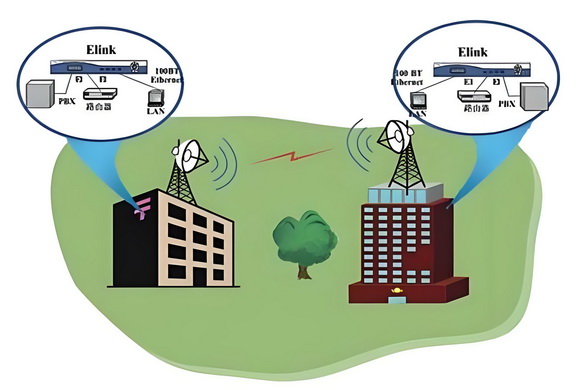
Telecommunications: Connecting remote cell towers to the core network.
Private Networks: Used by businesses and government agencies for secure, high-capacity communication links.
Types of Microwave Antennas
Parabolic dish antennas are well-known for their high gain and narrow beamwidth, making them perfect for long-range communication. They are the most commonly used type of antenna for microwave communication. In most cases, when we talk about a microwave antenna, we are referring to a parabolic dish (or reflector) antenna.
Horn Antennas
Horn antennas are another fundamental type of microwave antenna, easily recognized by their flared, horn-like shape. Essentially, a horn antenna is constructed from a section of waveguide that gradually widens outwards, resembling a megaphone. This distinctive design helps direct radio waves efficiently and minimizes signal loss as waves transition from the waveguide into open space.
Construction and Benefits
The flared section of the horn serves two main purposes:
- It provides a smooth path for electromagnetic waves to exit the waveguide, reducing reflections and mismatches.
- Its geometric shape allows it to focus energy in a specific direction, providing moderate gain and directivity.
Horn antennas typically offer:
- Broad bandwidth, making them flexible for different frequencies
- Low Voltage Standing Wave Ratio (VSWR), which means less power is lost due to reflections
- Moderate directivity, suitable for a variety of uses
- Gain values that can reach up to about 25 dB, depending on the size and shape of the horn
cURL Too many subrequests by single Worker invocation. To configure this limit, refer to https://developers.cloudflare.com/workers/wrangler/configuration/#limits
cURL Too many subrequests by single Worker invocation. To configure this limit, refer to https://developers.cloudflare.com/workers/wrangler/configuration/#limits
- cURL Too many subrequests by single Worker invocation. To configure this limit, refer to https://developers.cloudflare.com/workers/wrangler/configuration/#limits
- cURL Too many subrequests by single Worker invocation. To configure this limit, refer to https://developers.cloudflare.com/workers/wrangler/configuration/#limits
- cURL Too many subrequests by single Worker invocation. To configure this limit, refer to https://developers.cloudflare.com/workers/wrangler/configuration/#limits
- cURL Too many subrequests by single Worker invocation. To configure this limit, refer to https://developers.cloudflare.com/workers/wrangler/configuration/#limits
cURL Too many subrequests by single Worker invocation. To configure this limit, refer to https://developers.cloudflare.com/workers/wrangler/configuration/#limits.
cURL Too many subrequests by single Worker invocation. To configure this limit, refer to https://developers.cloudflare.com/workers/wrangler/configuration/#limits
cURL Too many subrequests by single Worker invocation. To configure this limit, refer to https://developers.cloudflare.com/workers/wrangler/configuration/#limits.
cURL Too many subrequests by single Worker invocation. To configure this limit, refer to https://developers.cloudflare.com/workers/wrangler/configuration/#limits.
cURL Too many subrequests by single Worker invocation. To configure this limit, refer to https://developers.cloudflare.com/workers/wrangler/configuration/#limits.
cURL Too many subrequests by single Worker invocation. To configure this limit, refer to https://developers.cloudflare.com/workers/wrangler/configuration/#limits
cURL Too many subrequests by single Worker invocation. To configure this limit, refer to https://developers.cloudflare.com/workers/wrangler/configuration/#limits.
cURL Too many subrequests by single Worker invocation. To configure this limit, refer to https://developers.cloudflare.com/workers/wrangler/configuration/#limits
- cURL Too many subrequests by single Worker invocation. To configure this limit, refer to https://developers.cloudflare.com/workers/wrangler/configuration/#limits cURL Too many subrequests by single Worker invocation. To configure this limit, refer to https://developers.cloudflare.com/workers/wrangler/configuration/#limits.
- cURL Too many subrequests by single Worker invocation. To configure this limit, refer to https://developers.cloudflare.com/workers/wrangler/configuration/#limits cURL Too many subrequests by single Worker invocation. To configure this limit, refer to https://developers.cloudflare.com/workers/wrangler/configuration/#limits.
- cURL Too many subrequests by single Worker invocation. To configure this limit, refer to https://developers.cloudflare.com/workers/wrangler/configuration/#limits cURL Too many subrequests by single Worker invocation. To configure this limit, refer to https://developers.cloudflare.com/workers/wrangler/configuration/#limits.
- cURL Too many subrequests by single Worker invocation. To configure this limit, refer to https://developers.cloudflare.com/workers/wrangler/configuration/#limits cURL Too many subrequests by single Worker invocation. To configure this limit, refer to https://developers.cloudflare.com/workers/wrangler/configuration/#limits.
cURL Too many subrequests by single Worker invocation. To configure this limit, refer to https://developers.cloudflare.com/workers/wrangler/configuration/#limits.
Tracking Antennas
A tracking antenna is engineered to automatically adjust its position and maintain precise alignment with a moving target or signal source. Unlike fixed antennas, tracking antennas can compensate for motion and environmental changes, ensuring that the link between two points remains stable—even if one or both endpoints are on the move.
These antennas are especially important in environments where platforms are constantly shifting. Common deployments include:
- Aviation: Keeping aircraft connected to ground stations for reliable communications during flight.
- Marine Operations: Maintaining links with moving vessels or offshore drilling rigs, where wave motion and drift are constant challenges.
- Mobile Platforms: Supporting vehicles or equipment requiring continuous line-of-sight (LoS) communication, even as they move through dynamic surroundings.
By continually realigning to preserve the LoS path, tracking antennas are indispensable for applications where uninterrupted, high-quality connectivity is mission critical.
cURL Too many subrequests by single Worker invocation. To configure this limit, refer to https://developers.cloudflare.com/workers/wrangler/configuration/#limits
Microwave antennas are indispensable in modern telecommunication networks, providing the necessary infrastructure for high-speed, reliable communication. Their role in backhaul and microwave links is particularly critical, ensuring that data is efficiently transmitted between different parts of the network. As the demand for data continues to grow, the importance of microwave antennas in maintaining robust and efficient telecommunication networks will only increase.
Scope of the Guide
Microwave antennas are critical components in wireless communication systems, particularly for backhaul and point-to-point communications. This guide focuses on selecting the right microwave antenna for frequencies above 5.925 GHz, addressing key considerations, types of antennas, and practical tips to ensure optimal performance.
1. Understanding Microwave Antennas
1.1. What is a Microwave Antenna?
A microwave antenna is a type of antenna designed to operate at microwave frequencies (above 1 GHz). These antennas are essential for transmitting and receiving microwave signals, which are used in various applications, including telecommunications, radar, and satellite communication.
1.2. Importance in Backhaul and Point-to-Point Communications
Backhaul: Refers to the transmission of data from remote sites to a central site or network. Microwave antennas are used to connect cellular base stations to the core network.
Point-to-Point Communications: Involves a direct communication link between two locations. Microwave antennas provide high-capacity, long-distance communication links.
2. Key Considerations for Selecting Microwave Antennas
2.1. Frequency Range
– Ensure the antenna supports the specific frequency band you require (e.g., 6 GHz, 11 GHz, 18 GHz).
– Higher frequencies typically offer higher bandwidth but shorter range.
2.2. Gain
– Gain measures the antenna’s ability to focus energy in a particular direction.
– Higher gain antennas provide longer range and better performance but have narrower beamwidth.
2.3. Beamwidth
– Beamwidth refers to the angular width of the main lobe of the antenna radiation pattern.
– Narrow beamwidth antennas are suitable for long-distance, point-to-point links, while wider beamwidth antennas are better for short-range, point-to-multipoint links.
2.4. Polarization
– Polarization indicates the orientation of the electromagnetic wave (vertical, horizontal, or circular).
– Ensure compatibility with the polarization of the transmitting and receiving equipment.
2.5. Environmental Considerations
– Consider environmental factors such as wind load, temperature range, and potential obstructions.
– Choose antennas with appropriate radomes and mounting hardware for harsh environments.
2.6. Regulatory Compliance
– Ensure the antenna complies with relevant regulatory standards and certifications (e.g., FCC, ETSI).
3. Types of Microwave Antennas
Parabolic Dish Antennas

cURL Too many subrequests by single Worker invocation. To configure this limit, refer to https://developers.cloudflare.com/workers/wrangler/configuration/#limits.
cURL Too many subrequests by single Worker invocation. To configure this limit, refer to https://developers.cloudflare.com/workers/wrangler/configuration/#limits.
cURL Too many subrequests by single Worker invocation. To configure this limit, refer to https://developers.cloudflare.com/workers/wrangler/configuration/#limits.
cURL Too many subrequests by single Worker invocation. To configure this limit, refer to https://developers.cloudflare.com/workers/wrangler/configuration/#limits.
cURL Too many subrequests by single Worker invocation. To configure this limit, refer to https://developers.cloudflare.com/workers/wrangler/configuration/#limits
cURL Too many subrequests by single Worker invocation. To configure this limit, refer to https://developers.cloudflare.com/workers/wrangler/configuration/#limits
cURL Too many subrequests by single Worker invocation. To configure this limit, refer to https://developers.cloudflare.com/workers/wrangler/configuration/#limits.
cURL Too many subrequests by single Worker invocation. To configure this limit, refer to https://developers.cloudflare.com/workers/wrangler/configuration/#limits.
cURL Too many subrequests by single Worker invocation. To configure this limit, refer to https://developers.cloudflare.com/workers/wrangler/configuration/#limits
cURL Too many subrequests by single Worker invocation. To configure this limit, refer to https://developers.cloudflare.com/workers/wrangler/configuration/#limits.
cURL Too many subrequests by single Worker invocation. To configure this limit, refer to https://developers.cloudflare.com/workers/wrangler/configuration/#limits
cURL Too many subrequests by single Worker invocation. To configure this limit, refer to https://developers.cloudflare.com/workers/wrangler/configuration/#limits.
cURL Too many subrequests by single Worker invocation. To configure this limit, refer to https://developers.cloudflare.com/workers/wrangler/configuration/#limits
cURL Too many subrequests by single Worker invocation. To configure this limit, refer to https://developers.cloudflare.com/workers/wrangler/configuration/#limits.
cURL Too many subrequests by single Worker invocation. To configure this limit, refer to https://developers.cloudflare.com/workers/wrangler/configuration/#limits
cURL Too many subrequests by single Worker invocation. To configure this limit, refer to https://developers.cloudflare.com/workers/wrangler/configuration/#limits.
cURL Too many subrequests by single Worker invocation. To configure this limit, refer to https://developers.cloudflare.com/workers/wrangler/configuration/#limits
cURL Too many subrequests by single Worker invocation. To configure this limit, refer to https://developers.cloudflare.com/workers/wrangler/configuration/#limits.
cURL Too many subrequests by single Worker invocation. To configure this limit, refer to https://developers.cloudflare.com/workers/wrangler/configuration/#limits
cURL Too many subrequests by single Worker invocation. To configure this limit, refer to https://developers.cloudflare.com/workers/wrangler/configuration/#limits
cURL Too many subrequests by single Worker invocation. To configure this limit, refer to https://developers.cloudflare.com/workers/wrangler/configuration/#limits
cURL Too many subrequests by single Worker invocation. To configure this limit, refer to https://developers.cloudflare.com/workers/wrangler/configuration/#limits.
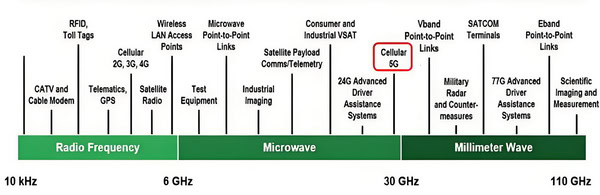
Frequency Bands and Their Characteristics for Wireless Communication (Above 5.925 GHz)
1. C-Band (5.925 – 7.125 GHz)
Applications: Wi-Fi (Wi-Fi 6E), fixed wireless access, and small cell backhaul.
Characteristics: Offers a balance between range and data throughput, relatively less susceptible to rain fade compared to higher frequencies.
2. X-Band (7.125 – 8.5 GHz)
Applications: Fixed wireless communication, radar for automotive and industrial applications.
Characteristics: Good resolution for radar imaging, moderate atmospheric attenuation.
Applications: Fixed wireless access, microwave links.
Characteristics: Offers a compromise between data rate and range, moderate atmospheric attenuation.
4. 12.75 – 13.25 GHz
Applications: Fixed wireless access, point-to-point microwave communication.
Characteristics: Higher data rates compared to lower bands, but more susceptible to rain fade.
5. 14.4 – 15.35 GHz
Applications: Fixed wireless access, point-to-point microwave communication.
Characteristics: High data rates, moderate atmospheric attenuation, used for high-resolution applications.
6. 17.1 – 17.7 GHz
Applications: Fixed wireless access, point-to-point microwave communication.
Characteristics: High data rates, increased susceptibility to rain fade compared to lower frequencies.
7. 17.7 – 19.7 GHz
Applications: Fixed wireless access, point-to-point microwave communication.
Characteristics:High data rates, significant atmospheric attenuation, especially due to rain.
8. 21.2 – 23.6 GHz
Applications: High-capacity wireless backhaul, fixed wireless access.
Characteristics: Very high data rates, considerable atmospheric attenuation, used for specialized high-resolution applications.
9. 24.25 – 26.5 GHz
Applications: 5G cellular networks, high-capacity point-to-point communications.
Characteristics: Extremely high data rates, very high atmospheric attenuation, limited range.
10. 27.5 – 29.5 GHz
Applications: 5G cellular networks, high-capacity point-to-point communications.
Characteristics: Very high data rates, significant atmospheric attenuation, particularly from rain.
11. 31.8 – 33.4 GHz
Applications: Experimental wireless communications, high-resolution radar.
Characteristics: Extremely high data rates, very high atmospheric attenuation, used for specialized applications.
12. 37.0 – 40.0 GHz
Applications: 5G, short-range high-capacity communications, and some experimental uses.
Characteristics: Extremely high data rates, very high atmospheric attenuation, limited range.
13. V-Band (40.5 – 43.5 GHz)
Applications: High-capacity point-to-point communications, 5G, and some experimental uses.
Characteristics: Extremely high data rates, very high atmospheric attenuation, limited range.
14. V-Band (60 GHz)
Applications: High-capacity wireless communications, cURL Too many subrequests by single Worker invocation. To configure this limit, refer to https://developers.cloudflare.com/workers/wrangler/configuration/#limits cURL Too many subrequests by single Worker invocation. To configure this limit, refer to https://developers.cloudflare.com/workers/wrangler/configuration/#limits.
cURL Too many subrequests by single Worker invocation. To configure this limit, refer to https://developers.cloudflare.com/workers/wrangler/configuration/#limits.
15. cURL Too many subrequests by single Worker invocation. To configure this limit, refer to https://developers.cloudflare.com/workers/wrangler/configuration/#limits cURL Too many subrequests by single Worker invocation. To configure this limit, refer to https://developers.cloudflare.com/workers/wrangler/configuration/#limits
cURL Too many subrequests by single Worker invocation. To configure this limit, refer to https://developers.cloudflare.com/workers/wrangler/configuration/#limits.
cURL Too many subrequests by single Worker invocation. To configure this limit, refer to https://developers.cloudflare.com/workers/wrangler/configuration/#limits.
cURL Too many subrequests by single Worker invocation. To configure this limit, refer to https://developers.cloudflare.com/workers/wrangler/configuration/#limits
cURL Too many subrequests by single Worker invocation. To configure this limit, refer to https://developers.cloudflare.com/workers/wrangler/configuration/#limits.

cURL Too many subrequests by single Worker invocation. To configure this limit, refer to https://developers.cloudflare.com/workers/wrangler/configuration/#limits.
cURL Too many subrequests by single Worker invocation. To configure this limit, refer to https://developers.cloudflare.com/workers/wrangler/configuration/#limits
cURL Too many subrequests by single Worker invocation. To configure this limit, refer to https://developers.cloudflare.com/workers/wrangler/configuration/#limits
cURL Too many subrequests by single Worker invocation. To configure this limit, refer to https://developers.cloudflare.com/workers/wrangler/configuration/#limits
cURL Too many subrequests by single Worker invocation. To configure this limit, refer to https://developers.cloudflare.com/workers/wrangler/configuration/#limits.
cURL Too many subrequests by single Worker invocation. To configure this limit, refer to https://developers.cloudflare.com/workers/wrangler/configuration/#limits.
cURL Too many subrequests by single Worker invocation. To configure this limit, refer to https://developers.cloudflare.com/workers/wrangler/configuration/#limits.
cURL Too many subrequests by single Worker invocation. To configure this limit, refer to https://developers.cloudflare.com/workers/wrangler/configuration/#limits
cURL Too many subrequests by single Worker invocation. To configure this limit, refer to https://developers.cloudflare.com/workers/wrangler/configuration/#limits.
cURL Too many subrequests by single Worker invocation. To configure this limit, refer to https://developers.cloudflare.com/workers/wrangler/configuration/#limits.
cURL Too many subrequests by single Worker invocation. To configure this limit, refer to https://developers.cloudflare.com/workers/wrangler/configuration/#limits
cURL Too many subrequests by single Worker invocation. To configure this limit, refer to https://developers.cloudflare.com/workers/wrangler/configuration/#limits.
cURL Too many subrequests by single Worker invocation. To configure this limit, refer to https://developers.cloudflare.com/workers/wrangler/configuration/#limits
Safety Standards: Regulatory bodies established safety standards for exposure to microwave radiation to protect public health.
Environmental Impact: Consideration of the environmental impact of deploying new technologies, especially in sensitive areas.
cURL Too many subrequests by single Worker invocation. To configure this limit, refer to https://developers.cloudflare.com/workers/wrangler/configuration/#limits
Microwave frequencies above 7.125 GHz encompass a wide range of bands, each with unique characteristics and applications. Effective regulatory frameworks are essential to manage spectrum allocation, minimize interference, and support the deployment of emerging technologies. Understanding these aspects is crucial for stakeholders in telecommunications, satellite communications, and other related fields.
Principles of Microwave Transmission
Microwave transmission is a method of transmitting information using microwave frequencies, typically in the range of 7.125 GHz to 86 GHz. This method is widely used in telecommunications, broadcasting, and satellite communications due to its ability to carry large amounts of data over long distances. Understanding the principles of microwave transmission involves recognizing the importance of line-of-sight requirements and the various propagation mechanisms and challenges that affect signal quality and reliability.
Line-of-Sight Requirements
1. Direct Line-of-Sight (LOS):
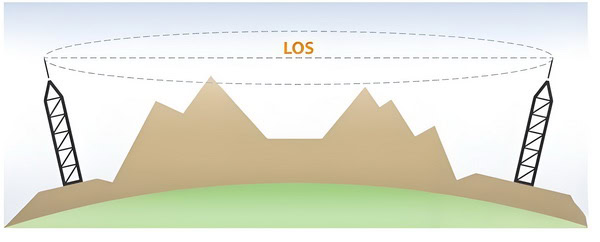
– Microwave signals travel in straight lines, so a clear, unobstructed path between the transmitting and receiving antennas is crucial.
– The Earth’s curvature can limit the effective range of line-of-sight communication. For terrestrial microwave links, the maximum distance is typically around 30-50 km, depending on the height of the antennas.
2. Fresnel Zone:
– The Fresnel zone is an elliptical area around the direct line-of-sight path that must be kept relatively clear of obstructions to avoid significant signal degradation.
– Obstructions within the Fresnel zone can cause diffraction and scattering, leading to signal attenuation and phase shifts.
3. Antenna Placement:
– Antennas are often placed on tall structures like towers, buildings, or hills to maximize the line-of-sight range and avoid obstacles.
– The height of the antennas can significantly impact the effective communication range and the quality of the signal.
Propagation Mechanisms and Challenges
1. Free-Space Propagation:
– In ideal conditions, microwave signals propagate through free space without significant loss other than the spreading of the wavefront (free-space path loss).
– The power of the received signal decreases with the square of the distance from the transmitter.
2. Atmospheric Absorption:
– The atmosphere can absorb microwave signals, especially at higher frequencies. Water vapor and oxygen are the primary absorbers in the microwave range.
– Specific frequencies, such as those around 22 GHz (water vapor resonance) and 60 GHz (oxygen resonance), experience higher absorption rates.
3. Rain Fade:
– Precipitation, particularly rain, can cause significant attenuation of microwave signals. This phenomenon is known as rain fade.
– The extent of rain fade depends on the frequency of the signal and the intensity of the rain.
4. Multipath Propagation:
– Multipath occurs when signals reflect off surfaces like buildings, water bodies, or the ground, creating multiple paths that the signal can travel to reach the receiver.
– These reflected signals can interfere with the direct signal, causing constructive or destructive interference, leading to signal fading or distortion.
5. Diffraction:
– When a microwave signal encounters an obstacle with sharp edges, it can bend around the obstacle. This is known as diffraction.
– Diffraction can help the signal reach areas that are not in the direct line-of-sight but often results in reduced signal strength.
6. Scattering:
– Scattering occurs when the microwave signal encounters small objects or irregularities in the medium, causing the signal to spread in different directions.
– Scattering can lead to signal loss and can be caused by factors such as atmospheric turbulence, foliage, and buildings.
7. Ducting:
– Under certain atmospheric conditions, layers of the atmosphere can act as a waveguide, trapping the microwave signal and allowing it to travel over longer distances than usual.
– Ducting can cause unexpected signal strength variations and can be both beneficial and detrimental to communication.
Mitigation Strategies
cURL Too many subrequests by single Worker invocation. To configure this limit, refer to https://developers.cloudflare.com/workers/wrangler/configuration/#limits
cURL Too many subrequests by single Worker invocation. To configure this limit, refer to https://developers.cloudflare.com/workers/wrangler/configuration/#limits.
cURL Too many subrequests by single Worker invocation. To configure this limit, refer to https://developers.cloudflare.com/workers/wrangler/configuration/#limits.
cURL Too many subrequests by single Worker invocation. To configure this limit, refer to https://developers.cloudflare.com/workers/wrangler/configuration/#limits
cURL Too many subrequests by single Worker invocation. To configure this limit, refer to https://developers.cloudflare.com/workers/wrangler/configuration/#limits.
cURL Too many subrequests by single Worker invocation. To configure this limit, refer to https://developers.cloudflare.com/workers/wrangler/configuration/#limits.
cURL Too many subrequests by single Worker invocation. To configure this limit, refer to https://developers.cloudflare.com/workers/wrangler/configuration/#limits
cURL Too many subrequests by single Worker invocation. To configure this limit, refer to https://developers.cloudflare.com/workers/wrangler/configuration/#limits.
cURL Too many subrequests by single Worker invocation. To configure this limit, refer to https://developers.cloudflare.com/workers/wrangler/configuration/#limits
cURL Too many subrequests by single Worker invocation. To configure this limit, refer to https://developers.cloudflare.com/workers/wrangler/configuration/#limits.
cURL Too many subrequests by single Worker invocation. To configure this limit, refer to https://developers.cloudflare.com/workers/wrangler/configuration/#limits.
cURL Too many subrequests by single Worker invocation. To configure this limit, refer to https://developers.cloudflare.com/workers/wrangler/configuration/#limits.
cURL Too many subrequests by single Worker invocation. To configure this limit, refer to https://developers.cloudflare.com/workers/wrangler/configuration/#limits
cURL Too many subrequests by single Worker invocation. To configure this limit, refer to https://developers.cloudflare.com/workers/wrangler/configuration/#limits
cURL Too many subrequests by single Worker invocation. To configure this limit, refer to https://developers.cloudflare.com/workers/wrangler/configuration/#limits cURL Too many subrequests by single Worker invocation. To configure this limit, refer to https://developers.cloudflare.com/workers/wrangler/configuration/#limits.
cURL Too many subrequests by single Worker invocation. To configure this limit, refer to https://developers.cloudflare.com/workers/wrangler/configuration/#limits.
cURL Too many subrequests by single Worker invocation. To configure this limit, refer to https://developers.cloudflare.com/workers/wrangler/configuration/#limits.
cURL Too many subrequests by single Worker invocation. To configure this limit, refer to https://developers.cloudflare.com/workers/wrangler/configuration/#limits.
cURL Too many subrequests by single Worker invocation. To configure this limit, refer to https://developers.cloudflare.com/workers/wrangler/configuration/#limits
cURL Too many subrequests by single Worker invocation. To configure this limit, refer to https://developers.cloudflare.com/workers/wrangler/configuration/#limits
cURL Too many subrequests by single Worker invocation. To configure this limit, refer to https://developers.cloudflare.com/workers/wrangler/configuration/#limits
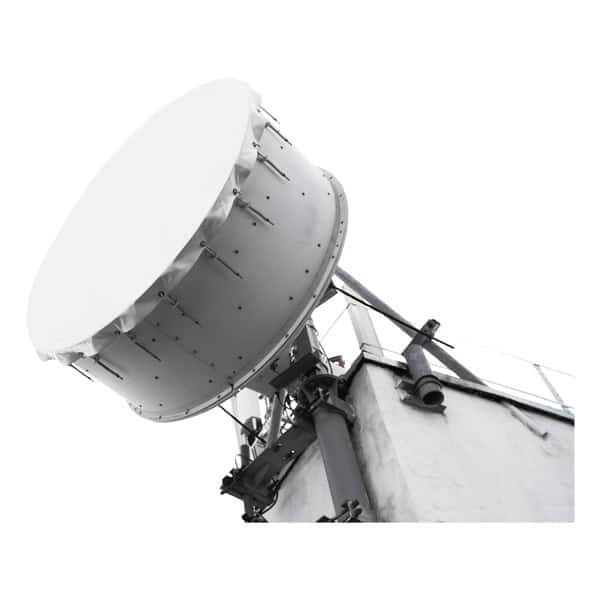
A parabolic dish antenna uses the shape of a parabola to focus microwaves onto a single point, known as the focal point. The parabolic shape has a unique geometric property: any incoming wave parallel to the axis of the parabola will reflect off the surface and converge at the focal point. Conversely, waves originating from the focal point will reflect off the surface and travel parallel to the axis.
Components
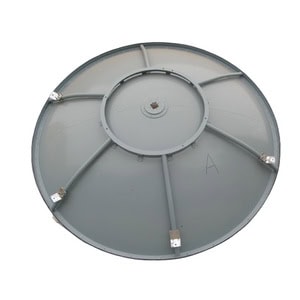
1. Parabolic Reflector (Dish): The large, curved surface that captures and focuses the microwaves. The material is typically metal or a metal-coated surface, which reflects microwave signals efficiently.
2. Feedhorn: Located at the focal point of the parabolic dish, the feedhorn is responsible for either collecting the focused microwave signals (in receiving mode) or emitting microwaves that will be reflected by the dish (in transmitting mode).
3. Waveguide: A structure that guides the microwave signals from the feed horn to the receiver or from the transmitter to the feed horn. Waveguides are typically hollow metallic tubes that confine and direct the microwaves.
4. Mounting Brackets: The framework that supports the dish and allows it to be aimed in different directions. This structure often includes motors and control systems for precise positioning.
Working Mechanism
Receiving Mode
1. Signal Capture: Incoming microwaves, such as those from a satellite, strike the parabolic dish.
2. Reflection: These waves reflect off the parabolic surface and converge at the focal point, where the feed horn is located.
3. Collection: The feed horn collects the concentrated microwaves and directs them into the waveguide.
4. Transmission to Receiver: The waveguide carries the microwaves to the receiver, where they are processed and converted into usable data.
Transmitting Mode
1. Signal Generation: A microwave signal is generated by the transmitter.
2. Guidance: The signal is sent through the waveguide to the feed horn.
3. Emission: The feed horn emits the microwaves towards the parabolic reflector.
4. Reflection and Focus: The parabolic dish reflects the microwaves, directing them into a narrow, focused beam that travels parallel to the dish’s axis.
Advantages
– High Gain: Parabolic dish antennas can achieve high gain, meaning they can focus energy into a narrow beam, which allows for long-distance communication and high signal strength.
– Directivity: The narrow beamwidth provides high directivity, which is beneficial for point-to-point communication and reduces interference from other sources.
– Efficiency: The parabolic shape ensures that most of the collected energy is focused onto the feed horn, making the antenna very efficient.
cURL Too many subrequests by single Worker invocation. To configure this limit, refer to https://developers.cloudflare.com/workers/wrangler/configuration/#limits
Parabolic dish antennas are highly effective for applications requiring high gain and directivity. By leveraging the geometric properties of a parabola, these antennas can focus and direct microwave signals with great precision, making them invaluable in various advanced communication and radar systems.
Applications of Microwave Antennas
cURL Too many subrequests by single Worker invocation. To configure this limit, refer to https://developers.cloudflare.com/workers/wrangler/configuration/#limits are integral components in various communication systems due to their ability to handle high-frequency signals. Here are some notable applications of microwave antennas, particularly in backhaul and point-to-point communication:
Backhaul Communication
Backhaul communication refers to the transmission of data from distributed network nodes to a central node or network backbone, often over long distances. Microwave antennas are commonly used in backhaul communication for several reasons:
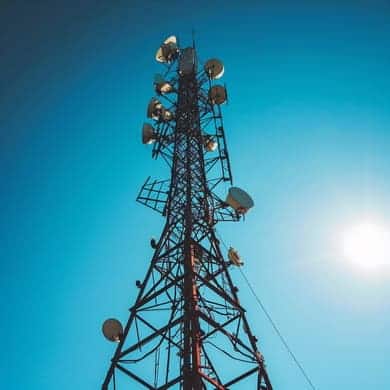
1. Telecommunication Networks: Microwave antennas are used to connect cellular base stations to the core network. This is crucial for mobile network operators to ensure reliable and high-capacity data transmission.
2. Internet Service Providers (ISPs): ISPs use microwave links to provide broadband services to remote or underserved areas where laying fiber optic cables may not be feasible.
3. Public Safety Networks: Emergency services and public safety organizations use microwave backhaul to ensure robust and reliable communication channels, especially in disaster-prone or rural areas.
cURL Too many subrequests by single Worker invocation. To configure this limit, refer to https://developers.cloudflare.com/workers/wrangler/configuration/#limits
Point-to-point communication involves a direct link between two communication nodes. Microwave antennas are ideal for such applications due to their focused beam and high data rate capabilities. Here are some common uses:
1. Private Networks: Businesses and organizations use point-to-point microwave links to connect different office locations, providing secure and high-speed data transmission without relying on public networks.
2. Military and Defense: Secure and reliable communication is critical in military operations. Microwave antennas are used for point-to-point communication to ensure encrypted and interference-resistant links.
3. Campus Networks: Universities and large enterprises often use microwave links to connect multiple buildings within a campus, facilitating seamless data transfer and communication.
4. Remote Monitoring and Control: Industries such as oil and gas, utilities, and transportation use point-to-point microwave communication for remote monitoring and control of equipment and infrastructure.
5. Surveillance and Security: High-resolution video surveillance systems often rely on microwave links to transmit video feeds from remote cameras to central monitoring stations.
Advantages of Microwave Antennas
– High Bandwidth: Capable of supporting high data rates, making them suitable for modern communication needs.
– Long Distance: Effective for long-distance communication without significant loss of signal quality.
cURL Too many subrequests by single Worker invocation. To configure this limit, refer to https://developers.cloudflare.com/workers/wrangler/configuration/#limits.
cURL Too many subrequests by single Worker invocation. To configure this limit, refer to https://developers.cloudflare.com/workers/wrangler/configuration/#limits.
cURL Too many subrequests by single Worker invocation. To configure this limit, refer to https://developers.cloudflare.com/workers/wrangler/configuration/#limits
cURL Too many subrequests by single Worker invocation. To configure this limit, refer to https://developers.cloudflare.com/workers/wrangler/configuration/#limits.
cURL Too many subrequests by single Worker invocation. To configure this limit, refer to https://developers.cloudflare.com/workers/wrangler/configuration/#limits
Reflector
cURL Too many subrequests by single Worker invocation. To configure this limit, refer to https://developers.cloudflare.com/workers/wrangler/configuration/#limits.
cURL Too many subrequests by single Worker invocation. To configure this limit, refer to https://developers.cloudflare.com/workers/wrangler/configuration/#limits
cURL Too many subrequests by single Worker invocation. To configure this limit, refer to https://developers.cloudflare.com/workers/wrangler/configuration/#limits.
cURL Too many subrequests by single Worker invocation. To configure this limit, refer to https://developers.cloudflare.com/workers/wrangler/configuration/#limits.
cURL Too many subrequests by single Worker invocation. To configure this limit, refer to https://developers.cloudflare.com/workers/wrangler/configuration/#limits.
cURL Too many subrequests by single Worker invocation. To configure this limit, refer to https://developers.cloudflare.com/workers/wrangler/configuration/#limits
cURL Too many subrequests by single Worker invocation. To configure this limit, refer to https://developers.cloudflare.com/workers/wrangler/configuration/#limits.

cURL Too many subrequests by single Worker invocation. To configure this limit, refer to https://developers.cloudflare.com/workers/wrangler/configuration/#limits
cURL Too many subrequests by single Worker invocation. To configure this limit, refer to https://developers.cloudflare.com/workers/wrangler/configuration/#limits.
cURL Too many subrequests by single Worker invocation. To configure this limit, refer to https://developers.cloudflare.com/workers/wrangler/configuration/#limits.
3. Design Considerations:
cURL Too many subrequests by single Worker invocation. To configure this limit, refer to https://developers.cloudflare.com/workers/wrangler/configuration/#limits.
cURL Too many subrequests by single Worker invocation. To configure this limit, refer to https://developers.cloudflare.com/workers/wrangler/configuration/#limits.
cURL Too many subrequests by single Worker invocation. To configure this limit, refer to https://developers.cloudflare.com/workers/wrangler/configuration/#limits.
cURL Too many subrequests by single Worker invocation. To configure this limit, refer to https://developers.cloudflare.com/workers/wrangler/configuration/#limits.
Feedhorn
cURL Too many subrequests by single Worker invocation. To configure this limit, refer to https://developers.cloudflare.com/workers/wrangler/configuration/#limits.

cURL Too many subrequests by single Worker invocation. To configure this limit, refer to https://developers.cloudflare.com/workers/wrangler/configuration/#limits
cURL Too many subrequests by single Worker invocation. To configure this limit, refer to https://developers.cloudflare.com/workers/wrangler/configuration/#limits.
cURL Too many subrequests by single Worker invocation. To configure this limit, refer to https://developers.cloudflare.com/workers/wrangler/configuration/#limits.
3. Types: There are various types of feedhorns, including scalar, corrugated, and smooth-walled horns, each with specific characteristics suited to different applications.
4. Placement: The feedhorn is usually positioned at the focal point of a parabolic reflector antenna, ensuring that it captures or transmits the maximum amount of signal.
5. Polarization: Feedhorns can also be designed to handle specific polarizations (linear, circular, etc.), which is important for minimizing signal loss and interference.
Overall, the feedhorn is an essential component that significantly impacts the performance and efficiency of a microwave antenna system.
Waveguide
The waveguide is a structure that guides electromagnetic waves from one point to another, typically from the transmitter to the antenna or from the antenna to the receiver.

Key factors
1. Material and Construction: Waveguides are often made from metals like copper or aluminum due to their excellent conductive properties. They can be rectangular, circular, or elliptical in cross-section.
2. Modes of Propagation: Waveguides support various modes of electromagnetic wave propagation, such as Transverse Electric (TE) and Transverse Magnetic (TM) modes. The specific mode depends on the waveguide’s dimensions and the frequency of the microwave signal.
3. Frequency Range: Waveguides are designed to operate within specific frequency ranges. Their dimensions are critical and are typically a fraction of the wavelength of the microwave signal they are intended to carry.
4. Impedance Matching: Proper impedance matching is crucial to ensure maximum power transfer and minimize reflections within the waveguide. This is often achieved using devices like impedance matching sections or tuning screws.
5. Losses: Waveguides generally have lower losses compared to other transmission media like coaxial cables, especially at higher frequencies. However, they still exhibit some loss due to the finite conductivity of the metal walls and dielectric losses if filled with a dielectric material.
Understanding the role and design of waveguides is fundamental for engineers working with microwave antennas and high-frequency communication systems.
Waveguide Types
Waveguides come in various types, each suited for specific applications and frequency ranges. Here are some common types of waveguides used in microwave antenna systems:
1. Rectangular Waveguide:
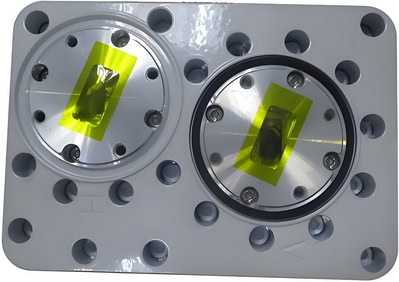
– Description: The most common type, characterized by its rectangular cross-section.
– Applications: Widely used in radar systems, satellite communications, and microwave transmission lines.
– Modes: Typically supports TE (Transverse Electric) modes, with TE10 being the dominant mode.
2. Circular Waveguide:
– Description: Features a circular cross-section, which can support both TE and TM (Transverse Magnetic) modes.
– Applications: Often used in high-power applications and where rotational symmetry is beneficial.
– Modes: The dominant mode is usually TE11.
3. Elliptical Waveguide:
– Description: Has an elliptical cross-section, combining some advantages of both rectangular and circular waveguides.
– Applications: Used in specific applications where the unique properties of elliptical shapes are advantageous.
– Modes: Supports hybrid modes, which are combinations of TE and TM modes.
4. Flexible Waveguide:

– Description: Made from a corrugated metal tube, allowing flexibility and ease of routing.
– Applications: Used in situations where rigid waveguides are impractical, such as in mobile or rotating systems.
– Modes: Typically supports the same modes as their rigid counterparts, but with slightly higher losses.
5. Ridged Waveguide:

– Description: Contains ridges along the interior walls, which lower the cutoff frequency and allow for a wider bandwidth.
– Applications: Used in broadband applications where a wide frequency range is required.
– Modes: Can support TE and TM modes, with the ridges modifying the mode structure.
6. Dielectric Waveguide:
– Description: Uses a dielectric material to guide the waves, rather than a hollow metal tube.
– Applications: Common in integrated circuits and photonics.
cURL Too many subrequests by single Worker invocation. To configure this limit, refer to https://developers.cloudflare.com/workers/wrangler/configuration/#limits.
cURL Too many subrequests by single Worker invocation. To configure this limit, refer to https://developers.cloudflare.com/workers/wrangler/configuration/#limits
cURL Too many subrequests by single Worker invocation. To configure this limit, refer to https://developers.cloudflare.com/workers/wrangler/configuration/#limits.
cURL Too many subrequests by single Worker invocation. To configure this limit, refer to https://developers.cloudflare.com/workers/wrangler/configuration/#limits.
cURL Too many subrequests by single Worker invocation. To configure this limit, refer to https://developers.cloudflare.com/workers/wrangler/configuration/#limits.
cURL Too many subrequests by single Worker invocation. To configure this limit, refer to https://developers.cloudflare.com/workers/wrangler/configuration/#limits
cURL Too many subrequests by single Worker invocation. To configure this limit, refer to https://developers.cloudflare.com/workers/wrangler/configuration/#limits.
cURL Too many subrequests by single Worker invocation. To configure this limit, refer to https://developers.cloudflare.com/workers/wrangler/configuration/#limits.
cURL Too many subrequests by single Worker invocation. To configure this limit, refer to https://developers.cloudflare.com/workers/wrangler/configuration/#limits.
cURL Too many subrequests by single Worker invocation. To configure this limit, refer to https://developers.cloudflare.com/workers/wrangler/configuration/#limits.
cURL Too many subrequests by single Worker invocation. To configure this limit, refer to https://developers.cloudflare.com/workers/wrangler/configuration/#limits
cURL Too many subrequests by single Worker invocation. To configure this limit, refer to https://developers.cloudflare.com/workers/wrangler/configuration/#limits
cURL Too many subrequests by single Worker invocation. To configure this limit, refer to https://developers.cloudflare.com/workers/wrangler/configuration/#limits
cURL Too many subrequests by single Worker invocation. To configure this limit, refer to https://developers.cloudflare.com/workers/wrangler/configuration/#limits
cURL Too many subrequests by single Worker invocation. To configure this limit, refer to https://developers.cloudflare.com/workers/wrangler/configuration/#limits.
cURL Too many subrequests by single Worker invocation. To configure this limit, refer to https://developers.cloudflare.com/workers/wrangler/configuration/#limits.
cURL Too many subrequests by single Worker invocation. To configure this limit, refer to https://developers.cloudflare.com/workers/wrangler/configuration/#limits
cURL Too many subrequests by single Worker invocation. To configure this limit, refer to https://developers.cloudflare.com/workers/wrangler/configuration/#limits.
cURL Too many subrequests by single Worker invocation. To configure this limit, refer to https://developers.cloudflare.com/workers/wrangler/configuration/#limits.
cURL Too many subrequests by single Worker invocation. To configure this limit, refer to https://developers.cloudflare.com/workers/wrangler/configuration/#limits
cURL Too many subrequests by single Worker invocation. To configure this limit, refer to https://developers.cloudflare.com/workers/wrangler/configuration/#limits.
cURL Too many subrequests by single Worker invocation. To configure this limit, refer to https://developers.cloudflare.com/workers/wrangler/configuration/#limits.
4. Standardization:
– Interchangeability: Flanges are often standardized (e.g., WR-90, WR-75, etc.) to ensure compatibility between components from different manufacturers. This standardization facilitates easier upgrades and replacements.
– Consistency: Standardized flanges ensure consistent performance and ease of integration in complex systems.
Flange Types and Standards
Flanges in microwave systems are standardized to ensure compatibility and performance. Here are some common types and standards:
1. Types of Flanges:
– Rectangular Waveguide Flanges: These are used with rectangular waveguides and are common in many microwave systems.
– Circular Waveguide Flanges: Used with circular waveguides, often in high-power applications.
– Coaxial Flanges: Used to connect coaxial cables to waveguides or other components.
– Double Ridge Waveguide Flanges: Used with double ridge waveguides, which can handle a wider bandwidth.
2. Standards for Flanges:
– IEC (International Electrotechnical Commission): Provides international standards for waveguide flanges, such as IEC 60154.
– MIL-DTL-3922: A U.S. military standard specifying the dimensions and performance of waveguide flanges.
– EIA (Electronic Industries Alliance): Provides standards for coaxial and waveguide components.
– UG (Universal Guide): A series of standardized flanges (e.g., UG-39/U, UG-149/U) commonly used in the industry.
Common Flange Standards
– WR (Waveguide Rectangular) Series: For example, WR-90, WR-75, WR-28, etc., each corresponding to specific frequency ranges.
– CPR (Cover Plate Rectangular) Flanges: These flanges are often used in applications requiring a weatherproof seal.
– PDR (Pressure Door Rectangular) Flanges: Used in high-pressure applications.
Flange Designations
Flanges are typically designated by a combination of letters and numbers that indicate their type, size, and standard. For example:
– WR-90: A rectangular waveguide flange for X-band frequencies.
– UG-39/U: A specific type of flange standardized by the Universal Guide.
cURL Too many subrequests by single Worker invocation. To configure this limit, refer to https://developers.cloudflare.com/workers/wrangler/configuration/#limits
Flanges are critical components in microwave antenna systems, ensuring proper connection and minimal signal loss. Understanding the types and standards of flanges is essential for designing and maintaining efficient microwave communication systems. By adhering to established standards, engineers can ensure compatibility and optimal performance across various components and systems.
OMT (Orthomode Transducer)
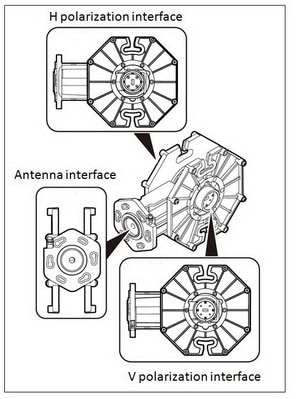
The Orthomode Transducer (OMT) is a key component of microwave antennas, particularly in applications such as satellite communications, radar systems, and radio astronomy. The OMT serves to separate or combine signals based on their polarization, allowing for efficient use of the electromagnetic spectrum and enhancing the performance of the antenna system. Here are some details about the OMT and its role in microwave antennas:
Function of OMT
1. Polarization Separation: The OMT separates incoming signals based on their polarization, typically distinguishing between horizontal and vertical polarizations or left-hand and right-hand circular polarizations. This is crucial for systems that need to handle multiple signals simultaneously without interference.
2. Signal Combination: In transmission, the OMT can combine signals of different polarizations into a single feed, which is then radiated by the antenna. This is useful in maximizing the efficiency and capacity of the communication system.
Key Feature
– High Isolation: OMTs are designed to provide high isolation between the orthogonal polarizations, minimizing cross-talk and ensuring signal integrity.
– Low Insertion Loss: Minimizing the loss of signal power as it passes through the OMT is critical for maintaining the overall efficiency of the antenna system.
– Broadband Operation: Many OMTs are designed to operate over a wide frequency range, making them versatile for various applications.
Construction
OMTs are typically constructed using waveguide technology, which is well-suited for handling high-frequency microwave signals with minimal loss. The design often involves carefully engineered junctions and transitions to ensure the desired separation or combination of polarized signals.
In summary, the Orthomode Transducer (OMT) is an essential component in many microwave antenna systems, providing the capability to handle multiple polarizations efficiently and enhancing the overall performance of the system.
Mounting Brackets
This includes the mechanical parts that hold the dish and other components in place, allowing for precise alignment and stability.

cURL Too many subrequests by single Worker invocation. To configure this limit, refer to https://developers.cloudflare.com/workers/wrangler/configuration/#limits
cURL Too many subrequests by single Worker invocation. To configure this limit, refer to https://developers.cloudflare.com/workers/wrangler/configuration/#limits.
cURL Too many subrequests by single Worker invocation. To configure this limit, refer to https://developers.cloudflare.com/workers/wrangler/configuration/#limits.
cURL Too many subrequests by single Worker invocation. To configure this limit, refer to https://developers.cloudflare.com/workers/wrangler/configuration/#limits.
cURL Too many subrequests by single Worker invocation. To configure this limit, refer to https://developers.cloudflare.com/workers/wrangler/configuration/#limits.
cURL Too many subrequests by single Worker invocation. To configure this limit, refer to https://developers.cloudflare.com/workers/wrangler/configuration/#limits.
cURL Too many subrequests by single Worker invocation. To configure this limit, refer to https://developers.cloudflare.com/workers/wrangler/configuration/#limits.
cURL Too many subrequests by single Worker invocation. To configure this limit, refer to https://developers.cloudflare.com/workers/wrangler/configuration/#limits.
cURL Too many subrequests by single Worker invocation. To configure this limit, refer to https://developers.cloudflare.com/workers/wrangler/configuration/#limits.
cURL Too many subrequests by single Worker invocation. To configure this limit, refer to https://developers.cloudflare.com/workers/wrangler/configuration/#limits
cURL Too many subrequests by single Worker invocation. To configure this limit, refer to https://developers.cloudflare.com/workers/wrangler/configuration/#limits
cURL Too many subrequests by single Worker invocation. To configure this limit, refer to https://developers.cloudflare.com/workers/wrangler/configuration/#limits cURL Too many subrequests by single Worker invocation. To configure this limit, refer to https://developers.cloudflare.com/workers/wrangler/configuration/#limits.
cURL Too many subrequests by single Worker invocation. To configure this limit, refer to https://developers.cloudflare.com/workers/wrangler/configuration/#limits
cURL Too many subrequests by single Worker invocation. To configure this limit, refer to https://developers.cloudflare.com/workers/wrangler/configuration/#limits
cURL Too many subrequests by single Worker invocation. To configure this limit, refer to https://developers.cloudflare.com/workers/wrangler/configuration/#limits.
cURL Too many subrequests by single Worker invocation. To configure this limit, refer to https://developers.cloudflare.com/workers/wrangler/configuration/#limits.
cURL Too many subrequests by single Worker invocation. To configure this limit, refer to https://developers.cloudflare.com/workers/wrangler/configuration/#limits.
cURL Too many subrequests by single Worker invocation. To configure this limit, refer to https://developers.cloudflare.com/workers/wrangler/configuration/#limits.
cURL Too many subrequests by single Worker invocation. To configure this limit, refer to https://developers.cloudflare.com/workers/wrangler/configuration/#limits
cURL Too many subrequests by single Worker invocation. To configure this limit, refer to https://developers.cloudflare.com/workers/wrangler/configuration/#limits.
cURL Too many subrequests by single Worker invocation. To configure this limit, refer to https://developers.cloudflare.com/workers/wrangler/configuration/#limits.
cURL Too many subrequests by single Worker invocation. To configure this limit, refer to https://developers.cloudflare.com/workers/wrangler/configuration/#limits.
2. Reduced Interference: Narrow beamwidth can help minimize interference from other sources. By focusing the energy in a specific direction, the antenna is less likely to pick up unwanted signals from other directions.
3. Spatial Resolution: In radar systems, high directivity and narrow beamwidth improve spatial resolution, allowing the system to distinguish between closely spaced objects.
4. Antenna Design: The design of high directivity antennas often involves complex structures like parabolic reflectors, phased arrays, or horn antennas. These designs are optimized to focus the radiated energy into a narrow beam.
cURL Too many subrequests by single Worker invocation. To configure this limit, refer to https://developers.cloudflare.com/workers/wrangler/configuration/#limits
High gain and directivity are crucial parameters for microwave antennas, impacting range, signal quality, data throughput, and energy efficiency. High gain ensures effective long-distance communication and better signal integrity, while high directivity and narrow beamwidth enhance spatial resolution and reduce interference. Understanding and optimizing these parameters are essential for the effective design and deployment of microwave communication systems.
cURL Too many subrequests by single Worker invocation. To configure this limit, refer to https://developers.cloudflare.com/workers/wrangler/configuration/#limits
Microwave antenna polarization refers to the orientation of the electric field of the electromagnetic wave transmitted or received by the antenna. The polarization of these waves is crucial because it affects signal quality, interference, and the overall performance of the communication system. There are three primary types of polarization: Linear, Circular, and Dual. Each type has distinct characteristics and applications.
Types of Polarization
1. Linear Polarization:
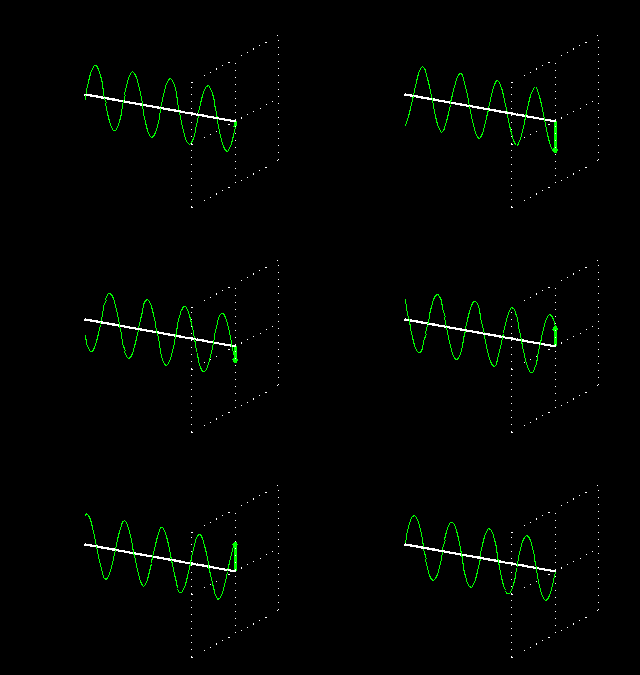
– Horizontal Polarization: The electric field oscillates horizontally.

– Vertical Polarization: The electric field oscillates vertically.

– Slant Polarization: The electric field oscillates at an angle of 45°.

– Applications: Common in terrestrial microwave links, satellite communications, and radar systems.
2. Circular Polarization:
– Right-Hand Circular Polarization (RHCP): The electric field rotates in a right-hand direction as it propagates.
– Left-Hand Circular Polarization (LHCP): The electric field rotates in a left-hand direction.
– Applications: Used in satellite communications, GPS, and mobile communications to mitigate the effects of multipath interference and signal degradation due to atmospheric conditions.
3. Dual Polarization:
– Combines two orthogonal polarizations, typically horizontal and vertical, within the same antenna system.
– Applications: Common in MIMO (Multiple Input Multiple Output) systems, weather radar, and advanced communication systems to improve data rates and signal robustness.
Impact on Signal Quality and Interference
1. Signal Quality:
– Matching Polarization: For optimal signal reception, the polarization of the transmitting and receiving antennas should match. Mismatched polarization results in significant signal loss, known as polarization mismatch loss.
– Multipath Interference: Circular polarization can reduce the effects of multipath interference, where signals reflect off surfaces and arrive at the receiver at different times, causing signal degradation.
– Atmospheric Effects: Circular polarization is less affected by rain and atmospheric conditions compared to linear polarization, making it suitable for satellite communications.
cURL Too many subrequests by single Worker invocation. To configure this limit, refer to https://developers.cloudflare.com/workers/wrangler/configuration/#limits
– Cross-Polarization Interference (XPI): Occurs when signals of different polarizations interfere with each other. Dual-polarized systems can separate these signals, reducing interference and improving system capacity.
– Frequency Reuse: Dual polarization allows for frequency reuse within the same geographical area, enhancing spectral efficiency and reducing interference.
– Polarization Purity: High polarization purity (low cross-polarization levels) is essential to minimize interference and ensure clean signal reception. Antennas with poor polarization purity may suffer from increased interference and degraded performance.
Practical Considerations
– Antenna Design: The design of an antenna must consider the desired polarization to ensure it effectively transmits and receives signals with minimal loss and interference.
– Environmental Factors: The choice of polarization can be influenced by environmental factors such as terrain, buildings, and weather conditions.
– System Requirements:The specific requirements of the communication system, such as data rate, range, and reliability, will determine the most suitable type of polarization.
In summary, understanding and selecting the appropriate polarization for microwave antennas is essential for optimizing signal quality, minimizing interference, and enhancing overall system performance. Each type of polarization has its advantages and is suited to different applications and environmental conditions.
VSWR (Voltage Standing Wave Ratio)
Definition
VSWR (Voltage Standing Wave Ratio) is a measure of how efficiently radio-frequency power is transmitted from a power source, through a transmission line, and into a load (in this context, a microwave antenna). It is a dimensionless ratio that describes the amount of reflected power due to impedance mismatches between the transmission line and the antenna.
Mathematically, VSWR is defined as:
VSWR= (1 + | Γ |)/(1 – | Γ |) or in terms of s-parameters: VSWR= (1 + | S11 |)/(1 – | S11 |)
Importance
1. Efficiency: A low VSWR indicates that most of the power sent by the transmitter is being radiated by the antenna, rather than being reflected back. This ensures efficient operation of the antenna system.
2. Power Handling: High VSWR can lead to excessive power being reflected back to the transmitter, which can cause overheating and damage to the transmitter and other components in the transmission line.
cURL Too many subrequests by single Worker invocation. To configure this limit, refer to https://developers.cloudflare.com/workers/wrangler/configuration/#limits.
cURL Too many subrequests by single Worker invocation. To configure this limit, refer to https://developers.cloudflare.com/workers/wrangler/configuration/#limits.
cURL Too many subrequests by single Worker invocation. To configure this limit, refer to https://developers.cloudflare.com/workers/wrangler/configuration/#limits
cURL Too many subrequests by single Worker invocation. To configure this limit, refer to https://developers.cloudflare.com/workers/wrangler/configuration/#limits
cURL Too many subrequests by single Worker invocation. To configure this limit, refer to https://developers.cloudflare.com/workers/wrangler/configuration/#limits
cURL Too many subrequests by single Worker invocation. To configure this limit, refer to https://developers.cloudflare.com/workers/wrangler/configuration/#limits.
cURL Too many subrequests by single Worker invocation. To configure this limit, refer to https://developers.cloudflare.com/workers/wrangler/configuration/#limits
cURL Too many subrequests by single Worker invocation. To configure this limit, refer to https://developers.cloudflare.com/workers/wrangler/configuration/#limits.
cURL Too many subrequests by single Worker invocation. To configure this limit, refer to https://developers.cloudflare.com/workers/wrangler/configuration/#limits
cURL Too many subrequests by single Worker invocation. To configure this limit, refer to https://developers.cloudflare.com/workers/wrangler/configuration/#limits.
cURL Too many subrequests by single Worker invocation. To configure this limit, refer to https://developers.cloudflare.com/workers/wrangler/configuration/#limits
cURL Too many subrequests by single Worker invocation. To configure this limit, refer to https://developers.cloudflare.com/workers/wrangler/configuration/#limits.
cURL Too many subrequests by single Worker invocation. To configure this limit, refer to https://developers.cloudflare.com/workers/wrangler/configuration/#limits
cURL Too many subrequests by single Worker invocation. To configure this limit, refer to https://developers.cloudflare.com/workers/wrangler/configuration/#limits.
cURL Too many subrequests by single Worker invocation. To configure this limit, refer to https://developers.cloudflare.com/workers/wrangler/configuration/#limits
cURL Too many subrequests by single Worker invocation. To configure this limit, refer to https://developers.cloudflare.com/workers/wrangler/configuration/#limits.
cURL Too many subrequests by single Worker invocation. To configure this limit, refer to https://developers.cloudflare.com/workers/wrangler/configuration/#limits
cURL Too many subrequests by single Worker invocation. To configure this limit, refer to https://developers.cloudflare.com/workers/wrangler/configuration/#limits
cURL Too many subrequests by single Worker invocation. To configure this limit, refer to https://developers.cloudflare.com/workers/wrangler/configuration/#limits
cURL Too many subrequests by single Worker invocation. To configure this limit, refer to https://developers.cloudflare.com/workers/wrangler/configuration/#limits
cURL Too many subrequests by single Worker invocation. To configure this limit, refer to https://developers.cloudflare.com/workers/wrangler/configuration/#limits.

cURL Too many subrequests by single Worker invocation. To configure this limit, refer to https://developers.cloudflare.com/workers/wrangler/configuration/#limits.
cURL Too many subrequests by single Worker invocation. To configure this limit, refer to https://developers.cloudflare.com/workers/wrangler/configuration/#limits
– The envelope in the context of radiation patterns refers to the boundary that encompasses the maximum radiation levels at various angles.
– It serves as a limit or a boundary within which the actual radiation pattern must lie.
Components of RPE
1. Main Lobe:
– The main lobe is the region around the direction of maximum radiation. It represents the primary direction in which the antenna is intended to radiate or receive signals.
2. Side Lobes:
– Side lobes are the smaller lobes that appear around the main lobe. They represent radiation in undesired directions and are usually minimized to reduce interference and improve antenna performance.
3. Back Lobe:
– The back lobe is the radiation emitted in the direction opposite to the main lobe. It is generally undesirable and is minimized in well-designed antennas.
Importance of RPE
1. Compliance with Standards:
– Many regulatory bodies and standards organizations specify limits for the radiation patterns of antennas, especially for microwave antennas used in communication systems. The RPE helps ensure compliance with these standards.
cURL Too many subrequests by single Worker invocation. To configure this limit, refer to https://developers.cloudflare.com/workers/wrangler/configuration/#limits
– By understanding the RPE, engineers can design antennas that minimize interference with other systems and optimize performance in the desired directions.
3. Antenna Performance:
– The RPE helps in assessing the efficiency and effectiveness of an antenna. It provides insights into how well the antenna focuses energy in the desired direction and suppresses it in undesired directions.
4. Design Optimization:
– Engineers use the RPE to optimize the design of antennas. By analyzing the envelope, they can make adjustments to the antenna structure to improve its radiation characteristics.
Analyzing RPE
1. Plotting:
– RPE is typically plotted on a polar or Cartesian coordinate system. The radial distance from the origin represents the relative power level, and the angle represents the direction of radiation.
2. Measurement:
– The RPE can be measured using various techniques, including anechoic chamber measurements and field tests. These measurements are then compared to the theoretical or desired envelope.
3. Simulation:
– Modern antenna design often involves computer simulations to predict the RPE. Software tools like HFSS, CST Microwave Studio, and others are used to simulate and visualize the radiation patterns.
cURL Too many subrequests by single Worker invocation. To configure this limit, refer to https://developers.cloudflare.com/workers/wrangler/configuration/#limits
The Radiation Pattern Envelope is a vital tool for understanding and optimizing the performance of microwave antennas. It helps ensure that antennas meet regulatory standards, minimize interference, and perform efficiently in their intended applications. By carefully analyzing and designing around the RPE, engineers can develop antennas that meet the stringent requirements of modern communication systems.
ISO(Isolation)
Isolation in microwave antennas refers to the ability of an antenna system to prevent unwanted coupling between different antenna elements or between the antenna and other components in the system. High isolation is important to ensure that the signals transmitted or received by one antenna do not interfere with the signals of another antenna or with other electronic components. This is crucial in applications where multiple antennas are used in close proximity, such as in MIMO (Multiple Input Multiple Output) systems, satellite communications, and radar systems.

Here are some key points about isolation in microwave antennas:
1. Decoupling Techniques: Various techniques can be employed to improve isolation, such as spatial separation, polarization diversity, and the use of decoupling networks or structures. For example, placing antennas at an optimal distance apart can reduce mutual coupling.
2. Design Considerations: The design of the antenna itself can influence isolation. For instance, using directional antennas can help to focus the radiation pattern away from other antennas, thus reducing interference.
3. Material and Shielding: The use of materials with specific electromagnetic properties and physical shielding can also enhance isolation. For example, using absorptive materials or metallic shields can block unwanted signals.
4. Frequency Planning: Careful frequency planning and channel allocation can minimize interference and improve isolation. Ensuring that antennas operating at different frequencies or with different bandwidths are properly managed can reduce potential overlap.
5. Simulation and Testing: Advanced simulation tools can model the electromagnetic behavior of antenna systems and predict isolation performance. Physical testing and measurement in anechoic chambers or other controlled environments are also essential to validate isolation characteristics.
6. Isolation Metrics: Isolation is typically measured in decibels (dB) and represents the ratio of the power received by one antenna to the power transmitted by another. Higher dB values indicate better isolation. For example, an isolation of 30 dB means that the received power is 30 dB lower than the transmitted power, indicating good isolation.
Improving isolation in microwave antennas is crucial for maintaining signal integrity, reducing interference, and ensuring the overall performance and reliability of communication systems.
F/B (Front-to-back ratio)
The Front-to-Back (F/B) ratio of a microwave antenna is an important parameter that measures the directional performance of the antenna. It is defined as the ratio of the power radiated in the main lobe (the forward direction) to the power radiated in the opposite direction (the back lobe). This ratio is usually expressed in decibels (dB).
Mathematically, the F/B ratio can be expressed as:

cURL Too many subrequests by single Worker invocation. To configure this limit, refer to https://developers.cloudflare.com/workers/wrangler/configuration/#limits.
cURL Too many subrequests by single Worker invocation. To configure this limit, refer to https://developers.cloudflare.com/workers/wrangler/configuration/#limits.
cURL Too many subrequests by single Worker invocation. To configure this limit, refer to https://developers.cloudflare.com/workers/wrangler/configuration/#limits.
cURL Too many subrequests by single Worker invocation. To configure this limit, refer to https://developers.cloudflare.com/workers/wrangler/configuration/#limits
cURL Too many subrequests by single Worker invocation. To configure this limit, refer to https://developers.cloudflare.com/workers/wrangler/configuration/#limits cURL Too many subrequests by single Worker invocation. To configure this limit, refer to https://developers.cloudflare.com/workers/wrangler/configuration/#limits.
cURL Too many subrequests by single Worker invocation. To configure this limit, refer to https://developers.cloudflare.com/workers/wrangler/configuration/#limits
cURL Too many subrequests by single Worker invocation. To configure this limit, refer to https://developers.cloudflare.com/workers/wrangler/configuration/#limits
cURL Too many subrequests by single Worker invocation. To configure this limit, refer to https://developers.cloudflare.com/workers/wrangler/configuration/#limits.
cURL Too many subrequests by single Worker invocation. To configure this limit, refer to https://developers.cloudflare.com/workers/wrangler/configuration/#limits.
2. Huawei
cURL Too many subrequests by single Worker invocation. To configure this limit, refer to https://developers.cloudflare.com/workers/wrangler/configuration/#limits.
cURL Too many subrequests by single Worker invocation. To configure this limit, refer to https://developers.cloudflare.com/workers/wrangler/configuration/#limits.
cURL Too many subrequests by single Worker invocation. To configure this limit, refer to https://developers.cloudflare.com/workers/wrangler/configuration/#limits.
cURL Too many subrequests by single Worker invocation. To configure this limit, refer to https://developers.cloudflare.com/workers/wrangler/configuration/#limits.
cURL Too many subrequests by single Worker invocation. To configure this limit, refer to https://developers.cloudflare.com/workers/wrangler/configuration/#limits.
cURL Too many subrequests by single Worker invocation. To configure this limit, refer to https://developers.cloudflare.com/workers/wrangler/configuration/#limits.
cURL Too many subrequests by single Worker invocation. To configure this limit, refer to https://developers.cloudflare.com/workers/wrangler/configuration/#limits.
cURL Too many subrequests by single Worker invocation. To configure this limit, refer to https://developers.cloudflare.com/workers/wrangler/configuration/#limits.
cURL Too many subrequests by single Worker invocation. To configure this limit, refer to https://developers.cloudflare.com/workers/wrangler/configuration/#limits.
– Known for WTM and CTR series.
7. NEC
– Offers advanced microwave communication solutions.
– Known for its iPASOLINK series.
Direct Mount vs. Split Mount
Direct Mount
In a direct mount configuration, the ODU is mounted directly on the back of the microwave antenna. This setup has several advantages and disadvantages:

Advantages
– Reduced Losses: Since the ODU is directly connected to the antenna, there are minimal losses due to cabling.
– Simpler Installation: Fewer components and cables make the installation process simpler and quicker.
– Compact Design: The integrated unit is more compact and can be easier to manage in tight spaces.
Disadvantages
– Heat Management: The ODU mounted directly on the antenna can be more susceptible to heat issues, especially in hot climates.
– Maintenance: Any issues with the ODU might require the entire antenna unit to be serviced or replaced, which can be more challenging.
Split Mount
In a split mount configuration, the ODU is separated from the antenna and connected via a waveguide or coaxial cable. The ODU is usually mounted at a more accessible location, such as at the base of the tower.

Advantages
– Ease of Maintenance: Since the ODU is more accessible, maintenance and replacements are easier.
– Better Heat Management: The ODU can be placed in a cooler, more controlled environment, improving its longevity and performance.
– Flexibility: Allows for more flexible installations, especially in environments where space is a concern.
Disadvantages
– Increased Losses: The separation between the ODU and the antenna can introduce additional losses due to the cabling.
– Complex Installation: More components and cabling can make the installation process more complex and time-consuming.
cURL Too many subrequests by single Worker invocation. To configure this limit, refer to https://developers.cloudflare.com/workers/wrangler/configuration/#limits
Choosing between direct mount and split mount configurations depends on the specific requirements of the installation, including factors like ease of maintenance, environmental conditions, and installation complexity. Each brand offers unique features and benefits, so it’s essential to evaluate your specific needs and budget when selecting a microwave antenna and ODU solution.
Antenna Size and Weight
When considering microwave antennas, their size and weight are critical factors that impact their installation, maintenance, and overall effectiveness. Here are key points to consider:
Physical Constraints and Mounting Considerations
Antenna Size
– Frequency and Gain: Higher frequency antennas typically have smaller dimensions due to shorter wavelengths. Conversely, to achieve higher gain, antennas usually need to be larger.
– Space Availability: The physical space available for mounting the antenna can limit the size. Rooftops, towers, and masts have finite space and structural capacity.
– Wind Load: Larger antennas present a greater surface area, which can be affected by wind load, requiring robust mounting structures and potentially increasing the risk of wind-induced vibrations or damage.
Antenna Weight
– Structural Support: Heavier antennas require stronger mounting structures. This can increase the cost and complexity of the installation.
– Transport and Handling: Heavier and bulkier antennas can be more challenging to transport and handle, necessitating specialized equipment and more personnel for installation.
– Balance and Stability: The weight distribution of the antenna must be carefully managed to ensure stability, especially on high towers or poles.
Impact on Installation and Maintenance
Installation
– Site Survey: A thorough site survey is essential to assess the feasibility of installing large or heavy antennas. This includes evaluating the structural integrity of the mounting location.
– Permits and Regulations: Larger installations may require specific permits and adherence to local regulations, which can add time and cost to the project.
– Safety: The installation of large or heavy antennas involves significant safety considerations, including the risk of falls, handling heavy equipment, and working at heights.
Maintenance
– Accessibility: Larger antennas may be more difficult to access for routine maintenance and repairs, particularly if they are mounted at great heights or in confined spaces.
cURL Too many subrequests by single Worker invocation. To configure this limit, refer to https://developers.cloudflare.com/workers/wrangler/configuration/#limits.
cURL Too many subrequests by single Worker invocation. To configure this limit, refer to https://developers.cloudflare.com/workers/wrangler/configuration/#limits.
cURL Too many subrequests by single Worker invocation. To configure this limit, refer to https://developers.cloudflare.com/workers/wrangler/configuration/#limits
cURL Too many subrequests by single Worker invocation. To configure this limit, refer to https://developers.cloudflare.com/workers/wrangler/configuration/#limits.
cURL Too many subrequests by single Worker invocation. To configure this limit, refer to https://developers.cloudflare.com/workers/wrangler/configuration/#limits.
cURL Too many subrequests by single Worker invocation. To configure this limit, refer to https://developers.cloudflare.com/workers/wrangler/configuration/#limits.
cURL Too many subrequests by single Worker invocation. To configure this limit, refer to https://developers.cloudflare.com/workers/wrangler/configuration/#limits.
cURL Too many subrequests by single Worker invocation. To configure this limit, refer to https://developers.cloudflare.com/workers/wrangler/configuration/#limits.
cURL Too many subrequests by single Worker invocation. To configure this limit, refer to https://developers.cloudflare.com/workers/wrangler/configuration/#limits.
cURL Too many subrequests by single Worker invocation. To configure this limit, refer to https://developers.cloudflare.com/workers/wrangler/configuration/#limits
cURL Too many subrequests by single Worker invocation. To configure this limit, refer to https://developers.cloudflare.com/workers/wrangler/configuration/#limits
cURL Too many subrequests by single Worker invocation. To configure this limit, refer to https://developers.cloudflare.com/workers/wrangler/configuration/#limits
cURL Too many subrequests by single Worker invocation. To configure this limit, refer to https://developers.cloudflare.com/workers/wrangler/configuration/#limits
cURL Too many subrequests by single Worker invocation. To configure this limit, refer to https://developers.cloudflare.com/workers/wrangler/configuration/#limits.
cURL Too many subrequests by single Worker invocation. To configure this limit, refer to https://developers.cloudflare.com/workers/wrangler/configuration/#limits.
cURL Too many subrequests by single Worker invocation. To configure this limit, refer to https://developers.cloudflare.com/workers/wrangler/configuration/#limits
cURL Too many subrequests by single Worker invocation. To configure this limit, refer to https://developers.cloudflare.com/workers/wrangler/configuration/#limits.
cURL Too many subrequests by single Worker invocation. To configure this limit, refer to https://developers.cloudflare.com/workers/wrangler/configuration/#limits.
cURL Too many subrequests by single Worker invocation. To configure this limit, refer to https://developers.cloudflare.com/workers/wrangler/configuration/#limits
cURL Too many subrequests by single Worker invocation. To configure this limit, refer to https://developers.cloudflare.com/workers/wrangler/configuration/#limits.
cURL Too many subrequests by single Worker invocation. To configure this limit, refer to https://developers.cloudflare.com/workers/wrangler/configuration/#limits.
cURL Too many subrequests by single Worker invocation. To configure this limit, refer to https://developers.cloudflare.com/workers/wrangler/configuration/#limits
– Stainless Steel Fasteners: Use stainless steel or other corrosion-resistant materials for mounting hardware.
– Vibration Dampening: Incorporate vibration dampening materials to protect the antenna from mechanical stress.
Temperature and Humidity Resistance
1. Temperature Range:
– Wide Operating Range: Select antennas designed to operate within a broad temperature range, typically from -40°C to +85°C, to handle extreme weather conditions.
– Thermal Management: Implement passive or active cooling solutions if the antenna generates significant heat or is deployed in a high-temperature environment.
2. Humidity Control:
– Desiccants: Use desiccants within the enclosure to absorb moisture and prevent condensation.
– Vapor Barriers: Incorporate vapor barriers in the design to limit moisture ingress.
3. Material Selection:
– Thermally Stable Materials: Use materials that maintain their structural integrity and performance characteristics across the expected temperature range.
– Moisture-Resistant Materials: Select materials that do not absorb moisture and are resistant to mold and mildew.
4. Sealing and Ventilation:
– Breather Vents: Use breather vents with hydrophobic membranes to equalize pressure while preventing water ingress.
– Hermetic Sealing: In some cases, hermetically sealed enclosures may be necessary to completely isolate the internal components from the external environment.
Additional Considerations
1. Lightning Protection:
– Grounding: Properly ground the antenna and supporting structures to protect against lightning strikes.
– Surge Protectors: Install surge protectors to safeguard electronic components from voltage spikes.
2. Wind Load:
– Structural Design: Ensure the antenna and its mounting structure can withstand high wind speeds, especially in hurricane-prone areas.
– Aerodynamic Shapes: Consider aerodynamic designs to reduce wind resistance and minimize mechanical stress.
3. Ice and Snow:
– De-Icing Solutions: Implement de-icing or anti-icing systems, such as heating elements, to prevent ice buildup.
– Snow Shields: Use snow shields or covers to protect the antenna from snow accumulation.
By addressing these environmental considerations, you can enhance the reliability and durability of microwave antennas, ensuring consistent performance even in harsh conditions.
Chapter 5: Installation and Alignment
Site Survey and Preparation
Conducting a site survey and preparing the installation site are crucial steps in setting up a microwave antenna system. Proper planning ensures optimal performance, safety, and compliance with regulations. Below are the steps involved in conducting a site survey and preparing the installation site.
Conducting a Site Survey
1. Pre-Survey Planning:
– Objective Definition: Clearly define the purpose of the microwave link, such as data transmission, voice communication, or video broadcasting.
– Gather Requirements: Understand the bandwidth, frequency, and distance requirements for the link.
2. Site Selection:
– Location Identification: Identify potential sites for the antenna installation, considering both ends of the microwave link.
– Access and Permissions: Ensure you have access to the sites and obtain necessary permissions from property owners or authorities.
3. Line-of-Sight (LOS) Analysis:
– Visual Inspection: Perform a visual inspection to ensure there are no obstructions like buildings, trees, or hills between the two sites.
cURL Too many subrequests by single Worker invocation. To configure this limit, refer to https://developers.cloudflare.com/workers/wrangler/configuration/#limits.
cURL Too many subrequests by single Worker invocation. To configure this limit, refer to https://developers.cloudflare.com/workers/wrangler/configuration/#limits.
cURL Too many subrequests by single Worker invocation. To configure this limit, refer to https://developers.cloudflare.com/workers/wrangler/configuration/#limits
cURL Too many subrequests by single Worker invocation. To configure this limit, refer to https://developers.cloudflare.com/workers/wrangler/configuration/#limits.
cURL Too many subrequests by single Worker invocation. To configure this limit, refer to https://developers.cloudflare.com/workers/wrangler/configuration/#limits.
cURL Too many subrequests by single Worker invocation. To configure this limit, refer to https://developers.cloudflare.com/workers/wrangler/configuration/#limits
cURL Too many subrequests by single Worker invocation. To configure this limit, refer to https://developers.cloudflare.com/workers/wrangler/configuration/#limits.
cURL Too many subrequests by single Worker invocation. To configure this limit, refer to https://developers.cloudflare.com/workers/wrangler/configuration/#limits.
cURL Too many subrequests by single Worker invocation. To configure this limit, refer to https://developers.cloudflare.com/workers/wrangler/configuration/#limits
cURL Too many subrequests by single Worker invocation. To configure this limit, refer to https://developers.cloudflare.com/workers/wrangler/configuration/#limits.
cURL Too many subrequests by single Worker invocation. To configure this limit, refer to https://developers.cloudflare.com/workers/wrangler/configuration/#limits.
cURL Too many subrequests by single Worker invocation. To configure this limit, refer to https://developers.cloudflare.com/workers/wrangler/configuration/#limits
cURL Too many subrequests by single Worker invocation. To configure this limit, refer to https://developers.cloudflare.com/workers/wrangler/configuration/#limits.
cURL Too many subrequests by single Worker invocation. To configure this limit, refer to https://developers.cloudflare.com/workers/wrangler/configuration/#limits.
cURL Too many subrequests by single Worker invocation. To configure this limit, refer to https://developers.cloudflare.com/workers/wrangler/configuration/#limits
cURL Too many subrequests by single Worker invocation. To configure this limit, refer to https://developers.cloudflare.com/workers/wrangler/configuration/#limits
cURL Too many subrequests by single Worker invocation. To configure this limit, refer to https://developers.cloudflare.com/workers/wrangler/configuration/#limits.
cURL Too many subrequests by single Worker invocation. To configure this limit, refer to https://developers.cloudflare.com/workers/wrangler/configuration/#limits.
cURL Too many subrequests by single Worker invocation. To configure this limit, refer to https://developers.cloudflare.com/workers/wrangler/configuration/#limits
cURL Too many subrequests by single Worker invocation. To configure this limit, refer to https://developers.cloudflare.com/workers/wrangler/configuration/#limits.
cURL Too many subrequests by single Worker invocation. To configure this limit, refer to https://developers.cloudflare.com/workers/wrangler/configuration/#limits.
cURL Too many subrequests by single Worker invocation. To configure this limit, refer to https://developers.cloudflare.com/workers/wrangler/configuration/#limits
3.1 Antenna Alignment:
– Alignment: Carefully align the antenna to ensure it is pointing directly at the corresponding site. Use alignment tools such as a compass, inclinometer, or a GPS to achieve precise alignment.
– Locking: Securely lock the antenna in place once alignment is confirmed to avoid misalignment due to wind or other factors.
3.2 OMT (Orthomode Transducer) Installation:
– Mounting: Attach the OMT to the antenna feed horn. Ensure it is securely fastened to avoid any signal loss or misalignment.
– Connection: Connect the OMT to the RF cables or waveguides. Make sure all connections are tight and properly weatherproofed to prevent water ingress.
3.3 ODU Installation:
– Direct Mount:
– Mounting: Directly attach the ODU (Outdoor Unit) to the antenna. This setup minimizes cable losses and is often used in compact installations.
– Connection: Connect the ODU to the antenna and secure all fasteners. Ensure the weatherproofing is intact to protect against environmental elements.
– Split Mount:
-Mounting: In a split mount configuration, the ODU is mounted separately from the antenna, typically on a nearby pole or wall.
3.4 Cabling:
– RF Cables: Run and secure all necessary RF cables between the ODU and the antenna (if using a split mount configuration). Ensure all connections are tight and weatherproofed.
– Power Cables: Connect power cables to the ODU and ensure they are properly secured and weatherproofed.
– Grounding: Properly ground the antenna, ODU, and any associated equipment to protect against lightning strikes and electrical surges.
3.5 Waveguide Installation:
-Installation: If using waveguides, ensure they are properly installed between the ODU and the antenna. Follow manufacturer guidelines for installation.
– Weatherproofing: Apply waterproofing materials to all waveguide connections to prevent water ingress and corrosion.
– Support: Use appropriate supports and clamps to secure the waveguide and prevent any movement or strain that could affect performance.
4. Power and Grounding:
– Power Connection: Connect the antenna system to the power source, ensuring all connections are secure.
– Grounding: Implement grounding measures to protect against lightning and electrical surges.
5. Testing and Calibration:
– Initial Testing: Perform initial power-up and basic functionality tests.
– Signal Strength: Measure and adjust the signal strength to achieve optimal performance.
– Final Calibration: Fine-tune the antenna alignment and settings for maximum efficiency.
6. Safety and Compliance:
– Safety Checks: Conduct safety checks to ensure all installations are secure and comply with safety standards.
– Regulatory Compliance: Verify that the installation meets all regulatory requirements and standards.
7. Documentation and Handover:
– Installation Report: Document the installation process, including alignment data, test results, and any issues encountered.
– Handover: Provide the client or site owner with documentation and training on the system’s operation and maintenance.
By following these steps, you can ensure a successful microwave antenna installation that meets performance, safety, and regulatory standards.
Mounting and Securing the Antenna
Mounting and securing a microwave antenna is critical to ensure optimal performance, safety, and longevity. Here’s a detailed overview covering the types of mounting hardware and best practices for ensuring stability and security:
Types of Mounting Hardware
1. Pole Mounts:
cURL Too many subrequests by single Worker invocation. To configure this limit, refer to https://developers.cloudflare.com/workers/wrangler/configuration/#limits.

cURL Too many subrequests by single Worker invocation. To configure this limit, refer to https://developers.cloudflare.com/workers/wrangler/configuration/#limits.
cURL Too many subrequests by single Worker invocation. To configure this limit, refer to https://developers.cloudflare.com/workers/wrangler/configuration/#limits.
cURL Too many subrequests by single Worker invocation. To configure this limit, refer to https://developers.cloudflare.com/workers/wrangler/configuration/#limits
cURL Too many subrequests by single Worker invocation. To configure this limit, refer to https://developers.cloudflare.com/workers/wrangler/configuration/#limits.
cURL Too many subrequests by single Worker invocation. To configure this limit, refer to https://developers.cloudflare.com/workers/wrangler/configuration/#limits.

cURL Too many subrequests by single Worker invocation. To configure this limit, refer to https://developers.cloudflare.com/workers/wrangler/configuration/#limits
cURL Too many subrequests by single Worker invocation. To configure this limit, refer to https://developers.cloudflare.com/workers/wrangler/configuration/#limits.
cURL Too many subrequests by single Worker invocation. To configure this limit, refer to https://developers.cloudflare.com/workers/wrangler/configuration/#limits.
cURL Too many subrequests by single Worker invocation. To configure this limit, refer to https://developers.cloudflare.com/workers/wrangler/configuration/#limits
cURL Too many subrequests by single Worker invocation. To configure this limit, refer to https://developers.cloudflare.com/workers/wrangler/configuration/#limits.
cURL Too many subrequests by single Worker invocation. To configure this limit, refer to https://developers.cloudflare.com/workers/wrangler/configuration/#limits.
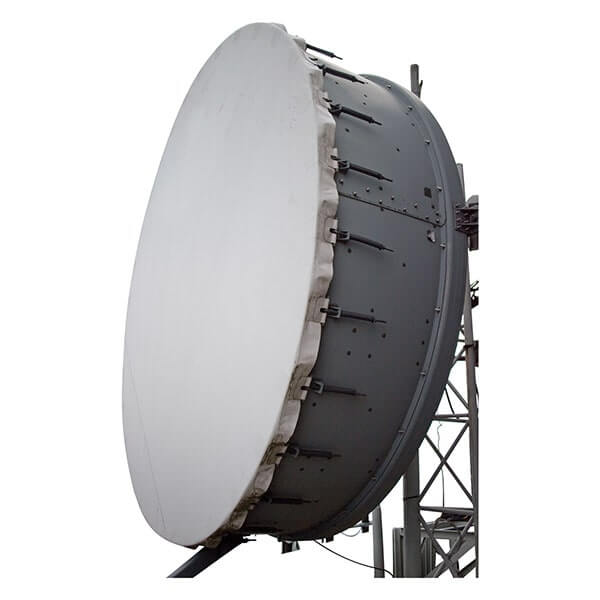
cURL Too many subrequests by single Worker invocation. To configure this limit, refer to https://developers.cloudflare.com/workers/wrangler/configuration/#limits
cURL Too many subrequests by single Worker invocation. To configure this limit, refer to https://developers.cloudflare.com/workers/wrangler/configuration/#limits
cURL Too many subrequests by single Worker invocation. To configure this limit, refer to https://developers.cloudflare.com/workers/wrangler/configuration/#limits.
cURL Too many subrequests by single Worker invocation. To configure this limit, refer to https://developers.cloudflare.com/workers/wrangler/configuration/#limits.
cURL Too many subrequests by single Worker invocation. To configure this limit, refer to https://developers.cloudflare.com/workers/wrangler/configuration/#limits
cURL Too many subrequests by single Worker invocation. To configure this limit, refer to https://developers.cloudflare.com/workers/wrangler/configuration/#limits.
cURL Too many subrequests by single Worker invocation. To configure this limit, refer to https://developers.cloudflare.com/workers/wrangler/configuration/#limits.
cURL Too many subrequests by single Worker invocation. To configure this limit, refer to https://developers.cloudflare.com/workers/wrangler/configuration/#limits.
cURL Too many subrequests by single Worker invocation. To configure this limit, refer to https://developers.cloudflare.com/workers/wrangler/configuration/#limits
cURL Too many subrequests by single Worker invocation. To configure this limit, refer to https://developers.cloudflare.com/workers/wrangler/configuration/#limits.
– Seismic Considerations: In earthquake-prone areas, additional bracing or damping mechanisms may be necessary to prevent damage.
4. Guying and Bracing:
– Guy Wires: Use guy wires for tall masts to provide additional stability. Ensure they are tensioned correctly and anchored securely.
– Cross-Bracing: For larger structures, cross-bracing can provide additional support and stability.
5. Regular Maintenance:
– Inspections: Conduct regular inspections to check for signs of wear, corrosion, or damage.
– Tightening: Periodically check and retighten any fasteners that may have loosened over time.
– Cleaning: Keep the antenna and mount clean to prevent buildup of dirt or debris that could affect performance.
6. Grounding and Lightning Protection:
– Grounding: Properly ground the antenna and mounting structure to protect against lightning strikes and electrical surges.
– Lightning Arrestors: Install lightning arrestors to protect the antenna and connected equipment from lightning damage.
By carefully selecting the appropriate mounting hardware and following best practices for installation and maintenance, you can ensure that your microwave antenna remains stable and secure, providing reliable performance over its operational lifespan.
Alignment and Calibration
Accurate alignment and calibration of microwave antennas are critical for ensuring optimal performance, minimizing signal loss, and maximizing communication efficiency. Below are detailed techniques and tools for achieving precise alignment and calibration.
Techniques for Accurate Alignment
1. Line-of-Sight Verification:
– Visual Inspection: Ensure there are no physical obstructions between the transmitting and receiving antennas.
– Use of Binoculars: For long-distance alignments, binoculars can help verify the line of sight.
2. Azimuth and Elevation Adjustments:
– Azimuth Alignment: Rotate the antenna horizontally to align with the target.
– Elevation Alignment: Adjust the vertical angle to ensure the antenna is pointing at the correct height.
3. Signal Strength Measurement:
– Spectrum Analyzer: Measure the signal strength and quality to ensure the antenna is properly aligned.
– Signal Meters: Use signal strength meters to find the peak signal during alignment.
4. Two-Way Communication:
– Walkie-Talkies or Mobile Phones: Coordinate with a partner at the other end to make real-time adjustments.
– Remote Monitoring: Use remote monitoring systems to observe signal changes during alignment.
5. Polarization Adjustment:
– Cross-Polarization Isolation: Adjust the antenna to match the polarization of the transmitted signal, reducing interference and improving signal quality.
6. Fine-Tuning:
– Incremental Adjustments: Make small incremental adjustments to azimuth, elevation, and polarization while monitoring signal strength.
– Locking Mechanisms: Once aligned, secure the antenna using locking mechanisms to maintain alignment.
Tools and Equipment for Calibration
1. Spectrum Analyzers:
– Function: Measure and analyze the frequency spectrum of the signal.
– Use: Identify signal strength, interference, and noise levels.
2. Signal Generators:
– Function: Generate a known signal for testing and calibration.
cURL Too many subrequests by single Worker invocation. To configure this limit, refer to https://developers.cloudflare.com/workers/wrangler/configuration/#limits.
cURL Too many subrequests by single Worker invocation. To configure this limit, refer to https://developers.cloudflare.com/workers/wrangler/configuration/#limits
cURL Too many subrequests by single Worker invocation. To configure this limit, refer to https://developers.cloudflare.com/workers/wrangler/configuration/#limits.
cURL Too many subrequests by single Worker invocation. To configure this limit, refer to https://developers.cloudflare.com/workers/wrangler/configuration/#limits.
cURL Too many subrequests by single Worker invocation. To configure this limit, refer to https://developers.cloudflare.com/workers/wrangler/configuration/#limits
cURL Too many subrequests by single Worker invocation. To configure this limit, refer to https://developers.cloudflare.com/workers/wrangler/configuration/#limits.
cURL Too many subrequests by single Worker invocation. To configure this limit, refer to https://developers.cloudflare.com/workers/wrangler/configuration/#limits.
cURL Too many subrequests by single Worker invocation. To configure this limit, refer to https://developers.cloudflare.com/workers/wrangler/configuration/#limits
cURL Too many subrequests by single Worker invocation. To configure this limit, refer to https://developers.cloudflare.com/workers/wrangler/configuration/#limits.
cURL Too many subrequests by single Worker invocation. To configure this limit, refer to https://developers.cloudflare.com/workers/wrangler/configuration/#limits.
cURL Too many subrequests by single Worker invocation. To configure this limit, refer to https://developers.cloudflare.com/workers/wrangler/configuration/#limits
cURL Too many subrequests by single Worker invocation. To configure this limit, refer to https://developers.cloudflare.com/workers/wrangler/configuration/#limits.
cURL Too many subrequests by single Worker invocation. To configure this limit, refer to https://developers.cloudflare.com/workers/wrangler/configuration/#limits.
cURL Too many subrequests by single Worker invocation. To configure this limit, refer to https://developers.cloudflare.com/workers/wrangler/configuration/#limits
cURL Too many subrequests by single Worker invocation. To configure this limit, refer to https://developers.cloudflare.com/workers/wrangler/configuration/#limits.
cURL Too many subrequests by single Worker invocation. To configure this limit, refer to https://developers.cloudflare.com/workers/wrangler/configuration/#limits.
cURL Too many subrequests by single Worker invocation. To configure this limit, refer to https://developers.cloudflare.com/workers/wrangler/configuration/#limits
cURL Too many subrequests by single Worker invocation. To configure this limit, refer to https://developers.cloudflare.com/workers/wrangler/configuration/#limits.
cURL Too many subrequests by single Worker invocation. To configure this limit, refer to https://developers.cloudflare.com/workers/wrangler/configuration/#limits.
cURL Too many subrequests by single Worker invocation. To configure this limit, refer to https://developers.cloudflare.com/workers/wrangler/configuration/#limits
cURL Too many subrequests by single Worker invocation. To configure this limit, refer to https://developers.cloudflare.com/workers/wrangler/configuration/#limits.
cURL Too many subrequests by single Worker invocation. To configure this limit, refer to https://developers.cloudflare.com/workers/wrangler/configuration/#limits.
10. Alignment Tools:
– Wrenches, Screwdrivers, and Hex Keys: Essential for making mechanical adjustments.
– Mounting Brackets and Clamps: Ensure the antenna is securely mounted and can be finely adjusted.
cURL Too many subrequests by single Worker invocation. To configure this limit, refer to https://developers.cloudflare.com/workers/wrangler/configuration/#limits
– Regular Maintenance: Perform regular checks and recalibrations to maintain optimal performance.
– Documentation: Keep detailed records of alignment and calibration settings for future reference.
– Environmental Considerations: Account for environmental factors such as weather, temperature, and potential obstructions that may affect alignment.
– Training: Ensure personnel are well-trained in using alignment and calibration tools and techniques.
By following these techniques and utilizing the appropriate tools and equipment, you can achieve precise alignment and calibration of microwave antennas, ensuring reliable and efficient communication.
Interference Mitigation
Microwave antennas are critical components in communication systems, and interference can significantly degrade their performance. Effective interference mitigation involves identifying the sources of interference and implementing strategies to minimize their impact.
Identifying Sources of Interference
1. Natural Sources:
– Atmospheric Conditions: Rain, snow, fog, and other weather conditions can cause signal attenuation and scattering.
– Solar Activity: Solar flares and other cosmic phenomena can introduce noise and signal degradation.
2. Man-Made Sources:
– Other Communication Systems: Nearby microwave links, cellular towers, Wi-Fi networks, and broadcast transmitters can cause co-channel or adjacent-channel interference.
– Industrial Equipment: Machines and electronic devices that emit electromagnetic radiation, such as motors, microwave ovens, and power lines, can introduce interference.
– Intentional Jamming: Deliberate attempts to disrupt communication by broadcasting interfering signals.
3. Internal Sources:
– Hardware Issues: Faulty or improperly shielded equipment, poor waveguide/cabling, and connectors can introduce noise.
– Intermodulation Products: Non-linearities in amplifiers and mixers can generate unwanted signals.
Strategies to Minimize Impact
1. Site Selection and Antenna Placement:
– Line of Sight: Ensure a clear line of sight between transmitting and receiving antennas to minimize obstructions.
– Elevation: Place antennas at higher elevations to avoid ground-based obstructions and reduce multipath interference.
– Separation: Maintain adequate physical separation from other transmitting devices and sources of interference.
2. Antenna Design and Selection:
– Directional Antennas:Use Ultra high performance dish antennas to focus the signal and reduce susceptibility to off-axis interference.
– Polarization: Employ different polarization schemes (vertical, horizontal, or dual) to minimize cross-polarization interference.
– Antenna Gain: Select antennas with appropriate gain to ensure strong signal reception while minimizing the reception of unwanted signals.
3. Frequency Management:
– Frequency Planning: Carefully plan and coordinate frequencies to avoid overlap with other systems.
– Channel Selection: Use channels with minimal interference and consider dynamic frequency selection (DFS) to automatically switch to cleaner channels.
– Guard Bands: Implement guard bands to provide a buffer zone between adjacent channels.
4. Signal Processing Techniques:
– Filtering: Use high-quality bandpass filters to block out-of-band interference.
– Adaptive Filtering: Implement adaptive filtering algorithms to dynamically adjust filter parameters based on the interference environment.
– Error Correction: Employ forward error correction (FEC) techniques to detect and correct errors caused by interference.
5. Shielding and Grounding:
cURL Too many subrequests by single Worker invocation. To configure this limit, refer to https://developers.cloudflare.com/workers/wrangler/configuration/#limits.
cURL Too many subrequests by single Worker invocation. To configure this limit, refer to https://developers.cloudflare.com/workers/wrangler/configuration/#limits.
cURL Too many subrequests by single Worker invocation. To configure this limit, refer to https://developers.cloudflare.com/workers/wrangler/configuration/#limits
cURL Too many subrequests by single Worker invocation. To configure this limit, refer to https://developers.cloudflare.com/workers/wrangler/configuration/#limits.
cURL Too many subrequests by single Worker invocation. To configure this limit, refer to https://developers.cloudflare.com/workers/wrangler/configuration/#limits.
cURL Too many subrequests by single Worker invocation. To configure this limit, refer to https://developers.cloudflare.com/workers/wrangler/configuration/#limits.
7. Regulatory Compliance:
cURL Too many subrequests by single Worker invocation. To configure this limit, refer to https://developers.cloudflare.com/workers/wrangler/configuration/#limits.
cURL Too many subrequests by single Worker invocation. To configure this limit, refer to https://developers.cloudflare.com/workers/wrangler/configuration/#limits.
cURL Too many subrequests by single Worker invocation. To configure this limit, refer to https://developers.cloudflare.com/workers/wrangler/configuration/#limits.
cURL Too many subrequests by single Worker invocation. To configure this limit, refer to https://developers.cloudflare.com/workers/wrangler/configuration/#limits
cURL Too many subrequests by single Worker invocation. To configure this limit, refer to https://developers.cloudflare.com/workers/wrangler/configuration/#limits

cURL Too many subrequests by single Worker invocation. To configure this limit, refer to https://developers.cloudflare.com/workers/wrangler/configuration/#limits
cURL Too many subrequests by single Worker invocation. To configure this limit, refer to https://developers.cloudflare.com/workers/wrangler/configuration/#limits

cURL Too many subrequests by single Worker invocation. To configure this limit, refer to https://developers.cloudflare.com/workers/wrangler/configuration/#limits.
cURL Too many subrequests by single Worker invocation. To configure this limit, refer to https://developers.cloudflare.com/workers/wrangler/configuration/#limits
cURL Too many subrequests by single Worker invocation. To configure this limit, refer to https://developers.cloudflare.com/workers/wrangler/configuration/#limits.
cURL Too many subrequests by single Worker invocation. To configure this limit, refer to https://developers.cloudflare.com/workers/wrangler/configuration/#limits.
cURL Too many subrequests by single Worker invocation. To configure this limit, refer to https://developers.cloudflare.com/workers/wrangler/configuration/#limits.
cURL Too many subrequests by single Worker invocation. To configure this limit, refer to https://developers.cloudflare.com/workers/wrangler/configuration/#limits
cURL Too many subrequests by single Worker invocation. To configure this limit, refer to https://developers.cloudflare.com/workers/wrangler/configuration/#limits.
cURL Too many subrequests by single Worker invocation. To configure this limit, refer to https://developers.cloudflare.com/workers/wrangler/configuration/#limits
cURL Too many subrequests by single Worker invocation. To configure this limit, refer to https://developers.cloudflare.com/workers/wrangler/configuration/#limits.
cURL Too many subrequests by single Worker invocation. To configure this limit, refer to https://developers.cloudflare.com/workers/wrangler/configuration/#limits.
cURL Too many subrequests by single Worker invocation. To configure this limit, refer to https://developers.cloudflare.com/workers/wrangler/configuration/#limits.
3. Bandwidth and Capacity
– Challenge: High data demands in urban areas require backhaul networks to support large bandwidths and high capacity.
cURL Too many subrequests by single Worker invocation. To configure this limit, refer to https://developers.cloudflare.com/workers/wrangler/configuration/#limits
– Carrier Aggregation: Combine multiple frequency bands to increase the overall bandwidth available for data transmission.
– Higher Order Modulation: Use higher-order modulation schemes (e.g., 256-QAM) to increase data rates.
– Dual-Polarization Antennas: Employ dual-polarization antennas to effectively double the capacity of a single link.
4. Environmental Factors
– Challenge: Weather conditions such as rain, fog, and snow can significantly impact microwave signal propagation, especially at higher frequencies.
cURL Too many subrequests by single Worker invocation. To configure this limit, refer to https://developers.cloudflare.com/workers/wrangler/configuration/#limits
– Link Budget Planning: Design the link budget to account for potential signal degradation due to weather.
– Redundancy: Implement redundant paths and automatic failover mechanisms to ensure network reliability during adverse weather conditions.
– Adaptive Power Control: Use adaptive power control to increase transmission power during periods of signal degradation.
5. Regulatory Constraints
– Challenge: Different countries have varying regulations regarding frequency usage, power levels, and licensing requirements.
cURL Too many subrequests by single Worker invocation. To configure this limit, refer to https://developers.cloudflare.com/workers/wrangler/configuration/#limits
– Compliance: Ensure compliance with local regulatory requirements during the planning and deployment phases.
– Flexible Equipment: Use equipment that can be easily reconfigured to meet different regulatory standards.
Example Implementations
1. Small Cell Backhaul in Dense Urban Areas
– Implementation: Small cells are deployed on street furniture (e.g., lamp posts, traffic lights) to enhance network coverage and capacity. Microwave antennas are used to backhaul traffic from these small cells to the core network.
– Technology: E-band microwave links are often used due to their high capacity and small form factor, which is suitable for urban deployments.
2. High-Capacity Links for Data Centers
– Implementation: Data centers in urban areas require high-capacity backhaul links to handle large volumes of data. Microwave antennas are used to establish direct, high-speed connections between data centers.
– Technology: Multi-gigabit microwave links using higher-order modulation and dual-polarization antennas to maximize throughput.
3. Public Safety Networks
– Implementation: Urban public safety networks often rely on microwave backhaul to ensure reliable communication between various agencies and command centers.
– Technology: Robust, high-availability microwave links with redundancy and failover capabilities to ensure continuous operation during emergencies.
4. Enterprise Connectivity
– Implementation: Enterprises in urban areas use microwave backhaul to connect multiple office locations or to provide a backup connection to the primary fiber link.
– Technology: Point-to-point microwave links with adaptive modulation and interference mitigation to ensure high reliability and performance.
By addressing these challenges with innovative solutions, microwave antennas can effectively support the demanding requirements of urban backhaul networks, ensuring robust and high-capacity connectivity.
Rural and Remote Point-to-Point Links
cURL Too many subrequests by single Worker invocation. To configure this limit, refer to https://developers.cloudflare.com/workers/wrangler/configuration/#limits are critical for establishing reliable communication links in rural and remote areas where traditional wired infrastructure is either impractical or too expensive to deploy. These antennas facilitate long-distance point-to-point communication by transmitting and receiving high-frequency microwave signals.

Addressing Long-Distance Communication
cURL Too many subrequests by single Worker invocation. To configure this limit, refer to https://developers.cloudflare.com/workers/wrangler/configuration/#limits
– Clear Path: Microwave communication requires a clear line of sight between the transmitting and receiving antennas. This means there should be no physical obstructions like hills, buildings, or trees in the direct path of the microwave signal.
– Fresnel Zone Clearance: Ensuring the Fresnel zone (an elliptical area around the line of sight) is clear of obstacles is crucial for minimizing signal loss and maintaining a strong connection.
cURL Too many subrequests by single Worker invocation. To configure this limit, refer to https://developers.cloudflare.com/workers/wrangler/configuration/#limits
– Common Bands: Frequencies typically used for long-distance microwave communication include 6 GHz, 11 GHz, 18 GHz, and 23 GHz. Lower frequencies (e.g., 6 GHz) are preferred for longer distances due to their lower attenuation.
– Regulatory Considerations: Frequency selection must comply with local regulations and spectrum availability.
3. Antenna Types
– Parabolic Dish Antennas: These are the most common for long-distance links due to their high gain and narrow beamwidth, which helps in focusing the signal over long distances.
– Grid Antennas: These are lighter and can be less expensive than parabolic dishes, but they offer slightly lower gain.
cURL Too many subrequests by single Worker invocation. To configure this limit, refer to https://developers.cloudflare.com/workers/wrangler/configuration/#limits
cURL Too many subrequests by single Worker invocation. To configure this limit, refer to https://developers.cloudflare.com/workers/wrangler/configuration/#limits.
cURL Too many subrequests by single Worker invocation. To configure this limit, refer to https://developers.cloudflare.com/workers/wrangler/configuration/#limits.
cURL Too many subrequests by single Worker invocation. To configure this limit, refer to https://developers.cloudflare.com/workers/wrangler/configuration/#limits
cURL Too many subrequests by single Worker invocation. To configure this limit, refer to https://developers.cloudflare.com/workers/wrangler/configuration/#limits.
cURL Too many subrequests by single Worker invocation. To configure this limit, refer to https://developers.cloudflare.com/workers/wrangler/configuration/#limits.
Example Implementations
cURL Too many subrequests by single Worker invocation. To configure this limit, refer to https://developers.cloudflare.com/workers/wrangler/configuration/#limits

cURL Too many subrequests by single Worker invocation. To configure this limit, refer to https://developers.cloudflare.com/workers/wrangler/configuration/#limits.
cURL Too many subrequests by single Worker invocation. To configure this limit, refer to https://developers.cloudflare.com/workers/wrangler/configuration/#limits
cURL Too many subrequests by single Worker invocation. To configure this limit, refer to https://developers.cloudflare.com/workers/wrangler/configuration/#limits.
cURL Too many subrequests by single Worker invocation. To configure this limit, refer to https://developers.cloudflare.com/workers/wrangler/configuration/#limits.
cURL Too many subrequests by single Worker invocation. To configure this limit, refer to https://developers.cloudflare.com/workers/wrangler/configuration/#limits.
cURL Too many subrequests by single Worker invocation. To configure this limit, refer to https://developers.cloudflare.com/workers/wrangler/configuration/#limits.
cURL Too many subrequests by single Worker invocation. To configure this limit, refer to https://developers.cloudflare.com/workers/wrangler/configuration/#limits.
cURL Too many subrequests by single Worker invocation. To configure this limit, refer to https://developers.cloudflare.com/workers/wrangler/configuration/#limits
cURL Too many subrequests by single Worker invocation. To configure this limit, refer to https://developers.cloudflare.com/workers/wrangler/configuration/#limits.
cURL Too many subrequests by single Worker invocation. To configure this limit, refer to https://developers.cloudflare.com/workers/wrangler/configuration/#limits
cURL Too many subrequests by single Worker invocation. To configure this limit, refer to https://developers.cloudflare.com/workers/wrangler/configuration/#limits.
cURL Too many subrequests by single Worker invocation. To configure this limit, refer to https://developers.cloudflare.com/workers/wrangler/configuration/#limits.
cURL Too many subrequests by single Worker invocation. To configure this limit, refer to https://developers.cloudflare.com/workers/wrangler/configuration/#limits.
cURL Too many subrequests by single Worker invocation. To configure this limit, refer to https://developers.cloudflare.com/workers/wrangler/configuration/#limits.
cURL Too many subrequests by single Worker invocation. To configure this limit, refer to https://developers.cloudflare.com/workers/wrangler/configuration/#limits.
cURL Too many subrequests by single Worker invocation. To configure this limit, refer to https://developers.cloudflare.com/workers/wrangler/configuration/#limits
– Project Overview: Establishing a temporary communication link for emergency response teams in a disaster-affected remote area.
cURL Too many subrequests by single Worker invocation. To configure this limit, refer to https://developers.cloudflare.com/workers/wrangler/configuration/#limits
– Rapid Deployment: Use portable microwave antenna systems that can be quickly deployed and aligned.
– Frequency Selection: Choose a frequency band that offers a good balance between range and equipment availability.
– Antenna Installation: Set up temporary towers or use existing structures to mount the antennas.
– Alignment and Testing: Quickly align the antennas and conduct basic testing to ensure a reliable link.
– Mobility: Ensure the system is easily transportable and can be redeployed as needed.
cURL Too many subrequests by single Worker invocation. To configure this limit, refer to https://developers.cloudflare.com/workers/wrangler/configuration/#limits
Microwave antennas are a versatile and effective solution for establishing long-distance point-to-point communication links in rural and remote areas. By carefully considering factors such as line-of-sight, frequency selection, antenna type, power amplification, and weather conditions, reliable and high-performance communication links can be achieved. These implementations can significantly enhance connectivity for rural communities, remote industrial operations, and emergency response efforts.
Enterprise and Campus Networks
cURL Too many subrequests by single Worker invocation. To configure this limit, refer to https://developers.cloudflare.com/workers/wrangler/configuration/#limits play a crucial role in enterprise and campus networks, especially in scenarios where high-density communication and reliable, high-speed connectivity are essential. These antennas are utilized for point-to-point (PtP) and point-to-multipoint (PtMP) links, providing robust wireless backhaul solutions that can complement or replace traditional wired infrastructure.
High-Density Communication Needs
1. Bandwidth and Speed: Enterprises and campuses often require high bandwidth to support activities such as video conferencing, VoIP, data transfer, and cloud applications. Microwave antennas can deliver gigabit speeds to meet these demands.
2. Scalability: Microwave solutions can be scaled to accommodate growing network needs. Adding new links or upgrading existing ones can be done relatively easily compared to laying new fiber optic cables.
3. Reliability and Redundancy: Microwave links can offer high reliability with minimal downtime. Redundant links can be set up to ensure continuous connectivity even if one link fails.
4. Cost-Effectiveness: Deploying microwave antennas can be more cost-effective than laying fiber, especially in areas where trenching and cabling are difficult or expensive.
5. Latency: Microwave links typically offer low latency, which is crucial for real-time applications like video conferencing and online gaming.
Example Implementations
1. Campus Network Backbone
A university campus with multiple buildings spread over a large area can use microwave antennas to create a high-speed wireless backbone. This backbone can connect various buildings, providing high-speed internet access, VoIP, and other network services.

– Scenario: A university with multiple academic buildings, dormitories, and administrative offices.
– Solution: Deploying PtP microwave links to connect each building to a central network hub.
– Benefits: High-speed connectivity across the campus without the need for extensive cabling.
2. Enterprise Data Center Connectivity
An enterprise with multiple data centers in different locations can use microwave antennas to ensure high-speed, redundant connections between these facilities.
– Scenario: A company with data centers located in different parts of a city.
– Solution: Using PtP microwave links to connect the data centers, ensuring data replication and backup processes are fast and reliable.
– Benefits: Reduced latency and high-speed data transfer between data centers.
3. Temporary Event Networks
Large events such as conferences, festivals, or sports events often require temporary high-speed networks. Microwave antennas can be quickly deployed to provide the necessary connectivity.
– Scenario: A large outdoor music festival requiring high-speed internet for vendors, staff, and attendees.
– Solution: Setting up PtMP microwave links to provide coverage across the event area.
– Benefits: Rapid deployment and high-bandwidth connectivity without the need for extensive infrastructure.
4. Remote Office Connectivity
Enterprises with remote offices in areas where laying fiber is not feasible can use microwave antennas to connect these offices to the main corporate network.
– Scenario: A company with a remote office in a rural area.
– Solution: Establishing a PtP microwave link from the remote office to the nearest urban area with fiber connectivity.
– Benefits: Reliable and high-speed internet access for the remote office.
Technical Considerations
1. Frequency Bands: Microwave antennas operate in various frequency bands (e.g., 6 GHz, 11 GHz, 18 GHz, 23 GHz). The choice of frequency band depends on factors such as distance, required bandwidth, and regulatory constraints.
2. Line of Sight (LoS): Microwave links require a clear line of sight between antennas. Obstacles such as buildings, trees, and hills can affect signal quality.
cURL Too many subrequests by single Worker invocation. To configure this limit, refer to https://developers.cloudflare.com/workers/wrangler/configuration/#limits.
cURL Too many subrequests by single Worker invocation. To configure this limit, refer to https://developers.cloudflare.com/workers/wrangler/configuration/#limits.
cURL Too many subrequests by single Worker invocation. To configure this limit, refer to https://developers.cloudflare.com/workers/wrangler/configuration/#limits.
cURL Too many subrequests by single Worker invocation. To configure this limit, refer to https://developers.cloudflare.com/workers/wrangler/configuration/#limits
cURL Too many subrequests by single Worker invocation. To configure this limit, refer to https://developers.cloudflare.com/workers/wrangler/configuration/#limits.
cURL Too many subrequests by single Worker invocation. To configure this limit, refer to https://developers.cloudflare.com/workers/wrangler/configuration/#limits
cURL Too many subrequests by single Worker invocation. To configure this limit, refer to https://developers.cloudflare.com/workers/wrangler/configuration/#limits cURL Too many subrequests by single Worker invocation. To configure this limit, refer to https://developers.cloudflare.com/workers/wrangler/configuration/#limits cURL Too many subrequests by single Worker invocation. To configure this limit, refer to https://developers.cloudflare.com/workers/wrangler/configuration/#limits

cURL Too many subrequests by single Worker invocation. To configure this limit, refer to https://developers.cloudflare.com/workers/wrangler/configuration/#limits
cURL Too many subrequests by single Worker invocation. To configure this limit, refer to https://developers.cloudflare.com/workers/wrangler/configuration/#limits
cURL Too many subrequests by single Worker invocation. To configure this limit, refer to https://developers.cloudflare.com/workers/wrangler/configuration/#limits.
cURL Too many subrequests by single Worker invocation. To configure this limit, refer to https://developers.cloudflare.com/workers/wrangler/configuration/#limits.
cURL Too many subrequests by single Worker invocation. To configure this limit, refer to https://developers.cloudflare.com/workers/wrangler/configuration/#limits
cURL Too many subrequests by single Worker invocation. To configure this limit, refer to https://developers.cloudflare.com/workers/wrangler/configuration/#limits.
cURL Too many subrequests by single Worker invocation. To configure this limit, refer to https://developers.cloudflare.com/workers/wrangler/configuration/#limits.
cURL Too many subrequests by single Worker invocation. To configure this limit, refer to https://developers.cloudflare.com/workers/wrangler/configuration/#limits
cURL Too many subrequests by single Worker invocation. To configure this limit, refer to https://developers.cloudflare.com/workers/wrangler/configuration/#limits.
cURL Too many subrequests by single Worker invocation. To configure this limit, refer to https://developers.cloudflare.com/workers/wrangler/configuration/#limits.
cURL Too many subrequests by single Worker invocation. To configure this limit, refer to https://developers.cloudflare.com/workers/wrangler/configuration/#limits
cURL Too many subrequests by single Worker invocation. To configure this limit, refer to https://developers.cloudflare.com/workers/wrangler/configuration/#limits.
cURL Too many subrequests by single Worker invocation. To configure this limit, refer to https://developers.cloudflare.com/workers/wrangler/configuration/#limits.
Example Implementations
cURL Too many subrequests by single Worker invocation. To configure this limit, refer to https://developers.cloudflare.com/workers/wrangler/configuration/#limits
– Scenario: Following a natural disaster, communication infrastructure is often damaged or destroyed, necessitating the rapid deployment of temporary communication systems.
– Implementation: Deploy a vehicle-mounted microwave antenna system with auto-tracking capabilities. The vehicle can quickly move to the affected area, and the antenna can be set up and aligned within minutes to establish a communication link with a central hub or satellite.
2. Military and Tactical Deployments:
– Scenario: Military operations often require the rapid establishment of secure communication links in various field environments.
– Implementation: Use pre-configured, ruggedized communication kits that include microwave antennas, encryption devices, and power sources. These kits can be air-dropped or transported by military vehicles and quickly set up by personnel on the ground.
3. Event Coverage and Broadcasting:
– Scenario: Large-scale events such as sports games, concerts, or political rallies require temporary communication infrastructure for live broadcasting and coordination.
– Implementation: Deploy portable masts with microwave antennas that can be erected on-site. These systems can be integrated with broadcasting equipment to provide real-time video and audio feeds.
4. Remote Area Connectivity:
– Scenario: Providing internet and communication services to remote or underserved areas where permanent infrastructure is not feasible.
– Implementation: Utilize flyaway kits with microwave antennas that can be transported by helicopter or small aircraft. These kits can be set up in remote locations to establish point-to-point or point-to-multipoint communication links, providing connectivity to local communities.
cURL Too many subrequests by single Worker invocation. To configure this limit, refer to https://developers.cloudflare.com/workers/wrangler/configuration/#limits
Rapid deployment of microwave antennas for emergency and temporary deployments is critical for ensuring effective communication in various scenarios. By utilizing pre-configured kits, quick-deploy mounting solutions, integrated communication platforms, and automated alignment systems, deployment can be achieved swiftly and efficiently. These techniques and example implementations highlight the versatility and importance of microwave antennas in maintaining communication during critical situations.
Chapter 7: Future Trends and Innovations
Advancements in Antenna Technology

Advancements in microwave antenna technology have been substantial in recent years, driven by the need for higher performance, integration with smart systems, and the advent of new materials and innovative designs. Here are some key advancements in this field:
Emerging Materials and Designs
1. Metamaterials:
– Definition: Metamaterials are artificially structured materials engineered to have properties not found in naturally occurring materials.
– Applications: These materials can be used to create antennas with unique properties such as negative refraction, which can lead to highly directive antennas with smaller sizes and improved performance.
– Benefits: Enhanced control over electromagnetic waves, reduced antenna size, and improved bandwidth.
2. Graphene-based Antennas:
– Properties: Graphene is a single layer of carbon atoms with exceptional electrical, thermal, and mechanical properties.
– Advantages: High conductivity, flexibility, and the potential for miniaturization.
– Applications: Suitable for flexible and wearable electronics, as well as high-frequency microwave applications due to its excellent conductive properties.
3. 3D-Printed Antennas:
– Technology: Additive manufacturing allows for the creation of complex antenna geometries that are difficult or impossible to achieve with traditional manufacturing techniques.
– Benefits: Customizable designs, reduced weight, and the ability to integrate with other components seamlessly.
– Use Cases: Aerospace, defense, and consumer electronics where lightweight and bespoke designs are crucial.
4. Fractal Antennas:
– Design: These antennas use self-similar, repeating patterns at different scales, known as fractals.
– Advantages: Compact size, multi-band performance, and wideband capabilities.
– Applications: Ideal for applications requiring compact, multi-functional antennas such as mobile devices and IoT applications.
Integration with Smart Systems
1. Smart Antenna Systems:
– Definition: Smart antennas use advanced signal processing techniques to dynamically adjust their radiation patterns.

– Types: Includes adaptive arrays and multiple-input multiple-output (MIMO) systems.
– Benefits: Improved signal quality, increased capacity, and better interference management.
cURL Too many subrequests by single Worker invocation. To configure this limit, refer to https://developers.cloudflare.com/workers/wrangler/configuration/#limits.
cURL Too many subrequests by single Worker invocation. To configure this limit, refer to https://developers.cloudflare.com/workers/wrangler/configuration/#limits
cURL Too many subrequests by single Worker invocation. To configure this limit, refer to https://developers.cloudflare.com/workers/wrangler/configuration/#limits.
cURL Too many subrequests by single Worker invocation. To configure this limit, refer to https://developers.cloudflare.com/workers/wrangler/configuration/#limits.
cURL Too many subrequests by single Worker invocation. To configure this limit, refer to https://developers.cloudflare.com/workers/wrangler/configuration/#limits.
cURL Too many subrequests by single Worker invocation. To configure this limit, refer to https://developers.cloudflare.com/workers/wrangler/configuration/#limits
cURL Too many subrequests by single Worker invocation. To configure this limit, refer to https://developers.cloudflare.com/workers/wrangler/configuration/#limits.
cURL Too many subrequests by single Worker invocation. To configure this limit, refer to https://developers.cloudflare.com/workers/wrangler/configuration/#limits.
cURL Too many subrequests by single Worker invocation. To configure this limit, refer to https://developers.cloudflare.com/workers/wrangler/configuration/#limits.
cURL Too many subrequests by single Worker invocation. To configure this limit, refer to https://developers.cloudflare.com/workers/wrangler/configuration/#limits
cURL Too many subrequests by single Worker invocation. To configure this limit, refer to https://developers.cloudflare.com/workers/wrangler/configuration/#limits.
cURL Too many subrequests by single Worker invocation. To configure this limit, refer to https://developers.cloudflare.com/workers/wrangler/configuration/#limits.
cURL Too many subrequests by single Worker invocation. To configure this limit, refer to https://developers.cloudflare.com/workers/wrangler/configuration/#limits
cURL Too many subrequests by single Worker invocation. To configure this limit, refer to https://developers.cloudflare.com/workers/wrangler/configuration/#limits.

cURL Too many subrequests by single Worker invocation. To configure this limit, refer to https://developers.cloudflare.com/workers/wrangler/configuration/#limits.
cURL Too many subrequests by single Worker invocation. To configure this limit, refer to https://developers.cloudflare.com/workers/wrangler/configuration/#limits.
cURL Too many subrequests by single Worker invocation. To configure this limit, refer to https://developers.cloudflare.com/workers/wrangler/configuration/#limits
cURL Too many subrequests by single Worker invocation. To configure this limit, refer to https://developers.cloudflare.com/workers/wrangler/configuration/#limits.
cURL Too many subrequests by single Worker invocation. To configure this limit, refer to https://developers.cloudflare.com/workers/wrangler/configuration/#limits
cURL Too many subrequests by single Worker invocation. To configure this limit, refer to https://developers.cloudflare.com/workers/wrangler/configuration/#limits.
cURL Too many subrequests by single Worker invocation. To configure this limit, refer to https://developers.cloudflare.com/workers/wrangler/configuration/#limits
cURL Too many subrequests by single Worker invocation. To configure this limit, refer to https://developers.cloudflare.com/workers/wrangler/configuration/#limits
cURL Too many subrequests by single Worker invocation. To configure this limit, refer to https://developers.cloudflare.com/workers/wrangler/configuration/#limits.

– Beamforming and MIMO: Advanced microwave antennas support beamforming and Multiple Input Multiple Output (MIMO) technologies, which are critical for improving signal strength, coverage, and capacity in 5G networks. Beamforming allows the antenna to focus the signal in a specific direction, enhancing performance and reducing interference.
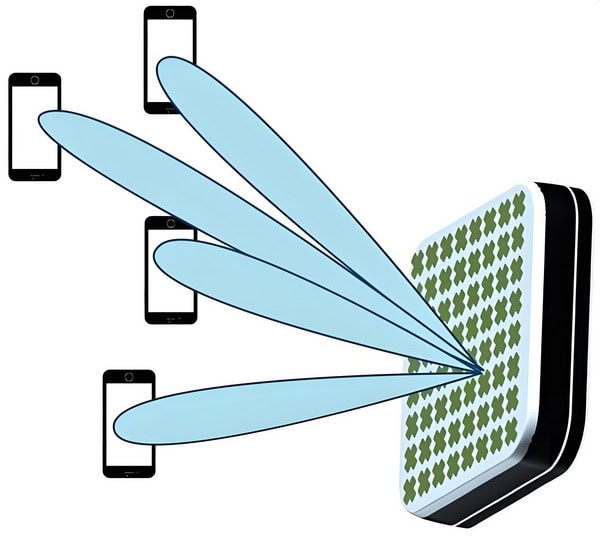
2. Small Cell Deployment:
– Dense Network Architecture: 5G requires a denser network of small cells to provide consistent coverage and high data rates. Microwave antennas are integral to these small cells, offering compact, efficient, and high-gain solutions suitable for urban environments.
– Backhaul Solutions: Microwave antennas are also used in backhaul networks, connecting small cells to the core network. They provide high-capacity, point-to-point links essential for handling the increased data traffic in 5G networks.
3. Low Latency and High Reliability:
– Critical Applications: Microwave antennas contribute to the low latency and high reliability required for critical applications such as autonomous vehicles, remote surgery, and industrial automation. Their ability to provide stable and high-speed connections is vital for these applications.
Future Frequency Bands and Applications
1. Higher Frequency Bands:
– Terahertz (THz) Communication: Beyond 5G, research is focusing on even higher frequency bands, such as the terahertz spectrum (0.1 THz to 10 THz). Microwave antennas capable of operating in these bands will be essential for achieving ultra-high data rates and supporting future applications like holographic communications and ultra-high-definition video streaming.
– Sub-THz Bands: Frequencies between 100 GHz and 300 GHz are being explored for 6G and beyond. Microwave antennas designed for these bands will need to address challenges related to propagation loss and atmospheric absorption.
2. Advanced Applications:
– Internet of Things (IoT): The proliferation of IoT devices will require efficient microwave antennas to handle massive connectivity and diverse communication requirements. Antennas will need to be adaptable, energy-efficient, and capable of supporting various IoT applications.
– Augmented and Virtual Reality (AR/VR): Future AR/VR applications will demand high data rates and low latency. Microwave antennas will play a key role in providing the necessary wireless infrastructure to support these immersive experiences.
– Smart Cities and Infrastructure: The development of smart cities will rely on microwave antennas for various applications, including smart grid management, intelligent transportation systems, and public safety networks. These antennas will need to be robust, reliable, and capable of integrating with other technologies.
3. Integration and Miniaturization:
– Antenna-in-Package (AiP): The trend towards integrating antennas with other components, such as RF front-ends and baseband processors, will continue. AiP solutions will help reduce the size and cost of devices while improving performance.
– Flexible and Wearable Antennas: Future applications will also see the rise of flexible and wearable antennas, enabling seamless integration into clothing, accessories, and other wearable devices. These antennas will need to be lightweight, durable, and capable of maintaining performance under various conditions.
cURL Too many subrequests by single Worker invocation. To configure this limit, refer to https://developers.cloudflare.com/workers/wrangler/configuration/#limits
cURL Too many subrequests by single Worker invocation. To configure this limit, refer to https://developers.cloudflare.com/workers/wrangler/configuration/#limits are pivotal to the success of 5G and future wireless communication technologies. Their ability to operate at high frequencies, support advanced technologies like beamforming and MIMO, and integrate into various applications makes them indispensable. As we move towards 6G and beyond, the development of new frequency bands and innovative applications will continue to drive advancements in microwave antenna technology, shaping the future of wireless communication.
Sustainability and Green Technology
In an era where sustainability and environmental consciousness are increasingly prioritized, the field of microwave antenna technology is not exempt from this trend. Integrating eco-friendly practices and green technologies in the design, manufacturing, and deployment of microwave antennas can significantly reduce their environmental impact.

Eco-friendly Antenna Solutions
1. Materials Innovation:
– Recycled Materials: Using recycled metals and plastics in the construction of antennas can reduce the need for virgin materials, minimizing the ecological footprint.
– Biodegradable Materials: Research into biodegradable composites for antenna components can help reduce waste and pollution.
– Non-toxic Coatings: Employing non-toxic, environmentally friendly coatings and paints can prevent harmful chemical leaching into the environment.
2. Energy Efficiency:
– Low-Power Designs: Developing antennas that operate efficiently at lower power levels can reduce energy consumption.
– Energy Harvesting: Incorporating energy-harvesting technologies, such as solar panels or ambient RF energy harvesting, can make antennas self-sufficient and reduce reliance on external power sources.
3. Manufacturing Processes:
– Green Manufacturing: Implementing green manufacturing processes that minimize waste, reduce emissions, and use renewable energy sources can make antenna production more sustainable.
– Additive Manufacturing: Utilizing 3D printing and other additive manufacturing techniques can reduce material waste and energy consumption during production.
4. Lifecycle Management:
– Modular Designs: Creating modular antennas that can be easily upgraded or repaired can extend their lifespan and reduce electronic waste.
– Recycling Programs: Establishing recycling programs for end-of-life antennas can ensure that valuable materials are recovered and reused, rather than ending up in landfills.
Reducing Environmental Impact
1. Deployment Strategies:
– Optimized Placement: Careful planning of antenna placement to minimize environmental disruption, such as avoiding sensitive ecosystems and reducing visual pollution.
– Shared Infrastructure: Encouraging the use of shared infrastructure, such as multi-tenant towers, can reduce the number of individual antennas needed, thus minimizing the environmental footprint.
cURL Too many subrequests by single Worker invocation. To configure this limit, refer to https://developers.cloudflare.com/workers/wrangler/configuration/#limits
cURL Too many subrequests by single Worker invocation. To configure this limit, refer to https://developers.cloudflare.com/workers/wrangler/configuration/#limits.
cURL Too many subrequests by single Worker invocation. To configure this limit, refer to https://developers.cloudflare.com/workers/wrangler/configuration/#limits.
cURL Too many subrequests by single Worker invocation. To configure this limit, refer to https://developers.cloudflare.com/workers/wrangler/configuration/#limits
cURL Too many subrequests by single Worker invocation. To configure this limit, refer to https://developers.cloudflare.com/workers/wrangler/configuration/#limits.
cURL Too many subrequests by single Worker invocation. To configure this limit, refer to https://developers.cloudflare.com/workers/wrangler/configuration/#limits.
cURL Too many subrequests by single Worker invocation. To configure this limit, refer to https://developers.cloudflare.com/workers/wrangler/configuration/#limits
cURL Too many subrequests by single Worker invocation. To configure this limit, refer to https://developers.cloudflare.com/workers/wrangler/configuration/#limits.
cURL Too many subrequests by single Worker invocation. To configure this limit, refer to https://developers.cloudflare.com/workers/wrangler/configuration/#limits.
cURL Too many subrequests by single Worker invocation. To configure this limit, refer to https://developers.cloudflare.com/workers/wrangler/configuration/#limits
cURL Too many subrequests by single Worker invocation. To configure this limit, refer to https://developers.cloudflare.com/workers/wrangler/configuration/#limits.
cURL Too many subrequests by single Worker invocation. To configure this limit, refer to https://developers.cloudflare.com/workers/wrangler/configuration/#limits
cURL Too many subrequests by single Worker invocation. To configure this limit, refer to https://developers.cloudflare.com/workers/wrangler/configuration/#limits
cURL Too many subrequests by single Worker invocation. To configure this limit, refer to https://developers.cloudflare.com/workers/wrangler/configuration/#limits
1. Frequency Range
cURL Too many subrequests by single Worker invocation. To configure this limit, refer to https://developers.cloudflare.com/workers/wrangler/configuration/#limits.
cURL Too many subrequests by single Worker invocation. To configure this limit, refer to https://developers.cloudflare.com/workers/wrangler/configuration/#limits
cURL Too many subrequests by single Worker invocation. To configure this limit, refer to https://developers.cloudflare.com/workers/wrangler/configuration/#limits.
cURL Too many subrequests by single Worker invocation. To configure this limit, refer to https://developers.cloudflare.com/workers/wrangler/configuration/#limits
cURL Too many subrequests by single Worker invocation. To configure this limit, refer to https://developers.cloudflare.com/workers/wrangler/configuration/#limits.
cURL Too many subrequests by single Worker invocation. To configure this limit, refer to https://developers.cloudflare.com/workers/wrangler/configuration/#limits
cURL Too many subrequests by single Worker invocation. To configure this limit, refer to https://developers.cloudflare.com/workers/wrangler/configuration/#limits.
cURL Too many subrequests by single Worker invocation. To configure this limit, refer to https://developers.cloudflare.com/workers/wrangler/configuration/#limits
cURL Too many subrequests by single Worker invocation. To configure this limit, refer to https://developers.cloudflare.com/workers/wrangler/configuration/#limits.
cURL Too many subrequests by single Worker invocation. To configure this limit, refer to https://developers.cloudflare.com/workers/wrangler/configuration/#limits
cURL Too many subrequests by single Worker invocation. To configure this limit, refer to https://developers.cloudflare.com/workers/wrangler/configuration/#limits.
7. Environmental Factors
– Weather Resistance: Choose antennas with appropriate IP ratings for outdoor use.
– Temperature Range: Ensure the antenna can operate within the expected temperature range.
8. VSWR (Voltage Standing Wave Ratio)
– Low VSWR: Indicates better impedance matching, which minimizes signal reflection and loss.
10. Regulatory Compliance
– Certification: Ensure the antenna complies with relevant regulations and standards (e.g., FCC, CE).
11. Cost
– Budget Considerations: Balance performance requirements with budget constraints. Higher performance antennas typically cost more.
12. Manufacturer Reputation
– Reliability and Support: Choose antennas from reputable manufacturers known for quality and good customer support.
Recap of Essential Considerations
– Frequency Range: Match with your application’s requirements.
– Gain and Beamwidth: Align with your performance needs.
– Polarization: Choose the appropriate type for your system.
– Antenna Type: Select based on specific application needs.
– Physical Constraints: Ensure the antenna fits the installation environment.
– Environmental Durability: Suitable for operating conditions.
– VSWR: Look for low values for better performance.
– Connector Compatibility: Match with your equipment.
– Regulatory Compliance: Adhere to standards.
– Cost and Manufacturer: Consider budget and reliability.
By thoroughly evaluating these factors, you can choose the right microwave antenna that meets your specific needs and ensures optimal performance for your application.
Final Recommendations
Choosing the right microwave antenna is crucial for ensuring optimal performance in your communication system. Here are some final recommendations and best practices for antenna selection and deployment:
1. Define Your Requirements
– Frequency Range: Ensure the antenna supports the frequency range of your system.
– Gain: Higher gain antennas focus the signal more narrowly, which can improve performance over long distances.
– Beamwidth: Narrower beamwidths provide better directionality and reduced interference but require more precise alignment.
– Polarization: Choose between vertical, horizontal, or dual polarization based on your application needs.
– VSWR (Voltage Standing Wave Ratio): A lower VSWR indicates better efficiency and less signal reflection.
2. Consider Environmental Factors
– Weather Conditions: Select antennas with appropriate radomes and materials to withstand local weather conditions like rain, snow, and wind.
– Terrain: For hilly or uneven terrain, consider antennas with higher gain and narrower beamwidth to overcome obstacles.
– Interference: In urban areas with high interference, directional antennas with high front-to-back ratios can help minimize unwanted signals.
3. Evaluate Installation and Maintenance
– Mounting Options: Ensure the antenna can be securely mounted on your existing infrastructure.
– Ease of Alignment: Choose antennas with alignment aids if precise pointing is critical.
cURL Too many subrequests by single Worker invocation. To configure this limit, refer to https://developers.cloudflare.com/workers/wrangler/configuration/#limits.
cURL Too many subrequests by single Worker invocation. To configure this limit, refer to https://developers.cloudflare.com/workers/wrangler/configuration/#limits
cURL Too many subrequests by single Worker invocation. To configure this limit, refer to https://developers.cloudflare.com/workers/wrangler/configuration/#limits.
cURL Too many subrequests by single Worker invocation. To configure this limit, refer to https://developers.cloudflare.com/workers/wrangler/configuration/#limits.
cURL Too many subrequests by single Worker invocation. To configure this limit, refer to https://developers.cloudflare.com/workers/wrangler/configuration/#limits
cURL Too many subrequests by single Worker invocation. To configure this limit, refer to https://developers.cloudflare.com/workers/wrangler/configuration/#limits.
cURL Too many subrequests by single Worker invocation. To configure this limit, refer to https://developers.cloudflare.com/workers/wrangler/configuration/#limits.
cURL Too many subrequests by single Worker invocation. To configure this limit, refer to https://developers.cloudflare.com/workers/wrangler/configuration/#limits
cURL Too many subrequests by single Worker invocation. To configure this limit, refer to https://developers.cloudflare.com/workers/wrangler/configuration/#limits.
cURL Too many subrequests by single Worker invocation. To configure this limit, refer to https://developers.cloudflare.com/workers/wrangler/configuration/#limits.
cURL Too many subrequests by single Worker invocation. To configure this limit, refer to https://developers.cloudflare.com/workers/wrangler/configuration/#limits
cURL Too many subrequests by single Worker invocation. To configure this limit, refer to https://developers.cloudflare.com/workers/wrangler/configuration/#limits.
cURL Too many subrequests by single Worker invocation. To configure this limit, refer to https://developers.cloudflare.com/workers/wrangler/configuration/#limits.
cURL Too many subrequests by single Worker invocation. To configure this limit, refer to https://developers.cloudflare.com/workers/wrangler/configuration/#limits.
cURL Too many subrequests by single Worker invocation. To configure this limit, refer to https://developers.cloudflare.com/workers/wrangler/configuration/#limits.
cURL Too many subrequests by single Worker invocation. To configure this limit, refer to https://developers.cloudflare.com/workers/wrangler/configuration/#limits.
cURL Too many subrequests by single Worker invocation. To configure this limit, refer to https://developers.cloudflare.com/workers/wrangler/configuration/#limits.
cURL Too many subrequests by single Worker invocation. To configure this limit, refer to https://developers.cloudflare.com/workers/wrangler/configuration/#limits
Books

1. “cURL Too many subrequests by single Worker invocation. To configure this limit, refer to https://developers.cloudflare.com/workers/wrangler/configuration/#limits”cURL Too many subrequests by single Worker invocation. To configure this limit, refer to https://developers.cloudflare.com/workers/wrangler/configuration/#limits
cURL Too many subrequests by single Worker invocation. To configure this limit, refer to https://developers.cloudflare.com/workers/wrangler/configuration/#limits.
2. “Antenna Theory: Analysis and Design” by Constantine A. Balanis
cURL Too many subrequests by single Worker invocation. To configure this limit, refer to https://developers.cloudflare.com/workers/wrangler/configuration/#limits.
Papers and Articles
1. “Design and Analysis of Microwave Antennas” by Prof. Amitabha Bhattacharya | IIT Kharagpur
– Collection of research papers on the latest advancements in microwave antenna design.
2. “Microwave Antenna Theory and Design” by Samuel Silver
– Classic text on the fundamental principles and design techniques for microwave antennas.
Online Resources
1. IEEE Xplore Digital Library
– Access to a vast repository of research papers and articles on microwave antennas.
2. Antenna Theory Website (www.antenna-theory.com)
– Educational resources covering various types of antennas, including microwave antennas.
3. Microwaves & RF (www.mwrf.com)
– Industry news, technical articles, and product information related to microwave technology.
Appendices
Regulatory Standards
When selecting a microwave antenna, it is crucial to adhere to regulatory standards to ensure compliance, safety, and optimal performance. Here are some of the key regulatory bodies and standards to consider:
1. Federal Communications Commission (FCC) – USA
– FCC Part 15: Governs unlicensed transmissions and outlines the requirements for intentional, unintentional, or incidental radiators.
– FCC Part 101: Covers fixed microwave services, including point-to-point microwave links.
2. European Telecommunications Standards Institute (ETSI) – Europe
– ETSI EN 302 217: Specifies requirements for fixed radio systems, including point-to-point and point-to-multipoint systems.
– ETSI EN 300 833: Pertains to antennas for fixed radio links.
3. International Telecommunication Union (ITU)
– ITU-R F.1245: Provides guidelines for the radiation characteristics of antennas used in point-to-point fixed wireless systems.
– ITU-R S.580: Covers radiation diagrams for use in the design of Earth station antennas in the fixed-satellite service.
– RSS-210: Regulates license-exempt radio frequency devices.
– SRSP-301.7: Specifies the technical requirements for fixed point-to-point systems.
Troubleshooting Guide
Common Issues and Solutions

1. Poor Signal Quality
cURL Too many subrequests by single Worker invocation. To configure this limit, refer to https://developers.cloudflare.com/workers/wrangler/configuration/#limits
cURL Too many subrequests by single Worker invocation. To configure this limit, refer to https://developers.cloudflare.com/workers/wrangler/configuration/#limits.
cURL Too many subrequests by single Worker invocation. To configure this limit, refer to https://developers.cloudflare.com/workers/wrangler/configuration/#limits
cURL Too many subrequests by single Worker invocation. To configure this limit, refer to https://developers.cloudflare.com/workers/wrangler/configuration/#limits.
cURL Too many subrequests by single Worker invocation. To configure this limit, refer to https://developers.cloudflare.com/workers/wrangler/configuration/#limits
cURL Too many subrequests by single Worker invocation. To configure this limit, refer to https://developers.cloudflare.com/workers/wrangler/configuration/#limits.
cURL Too many subrequests by single Worker invocation. To configure this limit, refer to https://developers.cloudflare.com/workers/wrangler/configuration/#limits
cURL Too many subrequests by single Worker invocation. To configure this limit, refer to https://developers.cloudflare.com/workers/wrangler/configuration/#limits
cURL Too many subrequests by single Worker invocation. To configure this limit, refer to https://developers.cloudflare.com/workers/wrangler/configuration/#limits.
cURL Too many subrequests by single Worker invocation. To configure this limit, refer to https://developers.cloudflare.com/workers/wrangler/configuration/#limits
cURL Too many subrequests by single Worker invocation. To configure this limit, refer to https://developers.cloudflare.com/workers/wrangler/configuration/#limits.
3. Interference
cURL Too many subrequests by single Worker invocation. To configure this limit, refer to https://developers.cloudflare.com/workers/wrangler/configuration/#limits
cURL Too many subrequests by single Worker invocation. To configure this limit, refer to https://developers.cloudflare.com/workers/wrangler/configuration/#limits.
cURL Too many subrequests by single Worker invocation. To configure this limit, refer to https://developers.cloudflare.com/workers/wrangler/configuration/#limits
cURL Too many subrequests by single Worker invocation. To configure this limit, refer to https://developers.cloudflare.com/workers/wrangler/configuration/#limits.
cURL Too many subrequests by single Worker invocation. To configure this limit, refer to https://developers.cloudflare.com/workers/wrangler/configuration/#limits
cURL Too many subrequests by single Worker invocation. To configure this limit, refer to https://developers.cloudflare.com/workers/wrangler/configuration/#limits
cURL Too many subrequests by single Worker invocation. To configure this limit, refer to https://developers.cloudflare.com/workers/wrangler/configuration/#limits.
cURL Too many subrequests by single Worker invocation. To configure this limit, refer to https://developers.cloudflare.com/workers/wrangler/configuration/#limits
cURL Too many subrequests by single Worker invocation. To configure this limit, refer to https://developers.cloudflare.com/workers/wrangler/configuration/#limits.
cURL Too many subrequests by single Worker invocation. To configure this limit, refer to https://developers.cloudflare.com/workers/wrangler/configuration/#limits
cURL Too many subrequests by single Worker invocation. To configure this limit, refer to https://developers.cloudflare.com/workers/wrangler/configuration/#limits
– Solution: Verify the transmitter power settings and ensure they meet the required levels.
b. Antenna Gain
– Solution: Consider using a higher-gain antenna if the current one is insufficient.
6. No Signal
a. Power Supply Issues
– Solution: Check the power supply to the antenna and ensure it is functioning correctly.
b. Faulty Equipment
– Solution: Test with a known good antenna and transmission line to isolate the issue.
7. Polarization Mismatch
a. Incorrect Polarization
– Solution: Adjust the antenna polarization to match the transmitter/receiver.
Supplier and Manufacturer Directory
Here is the updated list of reputable microwave antenna suppliers and manufacturers, including Shenglu, Tongyu, and Sanny Telecom:
1. CommScope
– Website: [CommScope](https://www.commscope.com)
– Description: CommScope is a global leader in infrastructure solutions for communications networks. They offer a wide range of microwave antennas and related products.
2. Radio Frequency Systems (RFS)
– Website: [RFS](https://www.rfsworld.com)
– Description: RFS is a global designer and manufacturer of cable and antenna systems, including microwave antennas for various applications.
3. Shenglu
– Website: [Shenglu](https://www.shenglu.com)
– Description: Shenglu is a leading manufacturer of microwave antennas and other communication equipment, offering innovative solutions for various applications.
4. Tongyu Communication
– Website: [Tongyu Communication](http://www.tycc.cn)
– Description: Tongyu Communication specializes in the design and manufacture of microwave antennas and other RF products for the telecommunications industry.
5. Sanny Telecom
– Website: [Sanny Telecom](http://www.sannytelecom.com)
– Description: Sanny Telecom provides a range of microwave antennas and related products, focusing on high quality and reliable performance.
This updated list includes the newly added companies and removes the specified items, providing a comprehensive guide to reputable microwave antenna suppliers and manufacturers.
FAQ

1. What is a Microwave Antenna?
A microwave antenna is a type of antenna that is specifically designed to transmit and receive microwave frequencies, typically in the range of 5.925 GHz to 87 GHz. These antennas are used in various applications, including satellite communication, radar systems, and wireless networks.
2. What are the common types of Microwave Antennas?
Parabolic Dish Antenna is the most common microwave antenna for various applications.
Beyond the parabolic dish, several other microwave antenna types serve unique roles across communications, navigation, and scientific fields:
Microstrip Patch Antenna
Often fabricated from metals like copper or gold, these antennas are known for their low profile, lightweight design, and ease of mass production. They’re widely used in devices like paging systems, cellular phones, personal communication systems, and GPS receivers.
Horn Antenna
Easily recognized by their flared, megaphone-like shape, horn antennas excel at higher frequencies (above 300 MHz). They provide broad bandwidth, moderate directivity, and are often used for equipment calibration and applications such as microwave radio meters and automatic door openers.
cURL Too many subrequests by single Worker invocation. To configure this limit, refer to https://developers.cloudflare.com/workers/wrangler/configuration/#limits
cURL Too many subrequests by single Worker invocation. To configure this limit, refer to https://developers.cloudflare.com/workers/wrangler/configuration/#limits.
cURL Too many subrequests by single Worker invocation. To configure this limit, refer to https://developers.cloudflare.com/workers/wrangler/configuration/#limits
cURL Too many subrequests by single Worker invocation. To configure this limit, refer to https://developers.cloudflare.com/workers/wrangler/configuration/#limits.
cURL Too many subrequests by single Worker invocation. To configure this limit, refer to https://developers.cloudflare.com/workers/wrangler/configuration/#limits
cURL Too many subrequests by single Worker invocation. To configure this limit, refer to https://developers.cloudflare.com/workers/wrangler/configuration/#limits.
cURL Too many subrequests by single Worker invocation. To configure this limit, refer to https://developers.cloudflare.com/workers/wrangler/configuration/#limits
cURL Too many subrequests by single Worker invocation. To configure this limit, refer to https://developers.cloudflare.com/workers/wrangler/configuration/#limits.
cURL Too many subrequests by single Worker invocation. To configure this limit, refer to https://developers.cloudflare.com/workers/wrangler/configuration/#limits
cURL Too many subrequests by single Worker invocation. To configure this limit, refer to https://developers.cloudflare.com/workers/wrangler/configuration/#limits.
cURL Too many subrequests by single Worker invocation. To configure this limit, refer to https://developers.cloudflare.com/workers/wrangler/configuration/#limits
cURL Too many subrequests by single Worker invocation. To configure this limit, refer to https://developers.cloudflare.com/workers/wrangler/configuration/#limits.
cURL Too many subrequests by single Worker invocation. To configure this limit, refer to https://developers.cloudflare.com/workers/wrangler/configuration/#limits.
cURL Too many subrequests by single Worker invocation. To configure this limit, refer to https://developers.cloudflare.com/workers/wrangler/configuration/#limits
cURL Too many subrequests by single Worker invocation. To configure this limit, refer to https://developers.cloudflare.com/workers/wrangler/configuration/#limits.
cURL Too many subrequests by single Worker invocation. To configure this limit, refer to https://developers.cloudflare.com/workers/wrangler/configuration/#limits.
cURL Too many subrequests by single Worker invocation. To configure this limit, refer to https://developers.cloudflare.com/workers/wrangler/configuration/#limits.
cURL Too many subrequests by single Worker invocation. To configure this limit, refer to https://developers.cloudflare.com/workers/wrangler/configuration/#limits.
cURL Too many subrequests by single Worker invocation. To configure this limit, refer to https://developers.cloudflare.com/workers/wrangler/configuration/#limits.
cURL Too many subrequests by single Worker invocation. To configure this limit, refer to https://developers.cloudflare.com/workers/wrangler/configuration/#limits
cURL Too many subrequests by single Worker invocation. To configure this limit, refer to https://developers.cloudflare.com/workers/wrangler/configuration/#limits.
cURL Too many subrequests by single Worker invocation. To configure this limit, refer to https://developers.cloudflare.com/workers/wrangler/configuration/#limits.
In addition to these, microwave antennas play a key role in radar systems for air traffic control and weather monitoring, as well as in satellite uplinks and downlinks for broadcasting and broadband services. Each type of microwave antenna is engineered with specific features that suit particular environments and requirements—whether it’s a parabolic dish for deep space communication or a horn antenna for laboratory measurements. Gaining familiarity with these applications and the underlying principles of microwave antennas is essential for anyone working with modern communication systems.
5. How does a Parabolic Dish Antenna work?
A parabolic dish antenna uses a parabolic reflector to focus incoming microwave signals onto a single point, known as the feed horn. This design allows for high gain and directivity, making it ideal for long-distance communication.
6. What factors affect the performance of a Microwave Antenna?
– Frequency: The operational frequency band affects the antenna’s size and design.
– Gain: Higher gain antennas provide better signal strength and range.
– Beamwidth: Narrow beamwidth antennas offer higher directivity.
– Polarization: Matching the polarization of the transmitting and receiving antennas is crucial for optimal performance.
– Environmental Conditions:** Weather conditions like rain, fog, and obstacles can affect signal propagation.
7. What is the difference between Gain and Directivity?
– Gain: Measures how well an antenna converts input power into radio waves in a specific direction. It includes the antenna’s efficiency.
– Directivity: Measures the concentration of radiated power in a particular direction, ignoring losses.
8.How do you align a Microwave Antenna?
Aligning a microwave antenna typically involves:
– Pointing: Adjusting the antenna to face the desired direction.
– Elevation: Adjusting the vertical angle to match the target’s altitude.
– Polarization: Ensuring the antenna’s polarization matches the transmitted signal.
9. What is Microwave Antenna Polarization?
Polarization refers to the orientation of the electric field of the radio wave. It can be linear (horizontal or vertical) or circular (left-hand or right-hand). Matching the polarization of the transmitting and receiving antennas is essential for maximizing signal strength.
10. What maintenance is required for Microwave Antennas?
Regular maintenance includes:
– Visual Inspections: Checking for physical damage or misalignment.
– Cleaning: Removing dirt, ice, or debris that may obstruct the signal.
– Testing: Verifying performance with signal strength measurements and diagnostic tools.
– Calibration: Ensuring the antenna alignment and polarization are correct.
cURL Too many subrequests by single Worker invocation. To configure this limit, refer to https://developers.cloudflare.com/workers/wrangler/configuration/#limits
cURL Too many subrequests by single Worker invocation. To configure this limit, refer to https://developers.cloudflare.com/workers/wrangler/configuration/#limits
cURL Too many subrequests by single Worker invocation. To configure this limit, refer to https://developers.cloudflare.com/workers/wrangler/configuration/#limits
– Email: andrew@sannytelecom.com
– WhatsApp: +86 189 3430 8461
 Malayalam
  English
  Spanish
  German
  French (France)
  Korean
  Russian
  Indonesian
  French (Canada)
  Vietnamese
  Armenian
  Albanian
  Assamese
  Acehnese
  Amharic
  Czech
Czech  Bulgarian
  Cebuano
  German (Switzerland)
  Japanese
  Dutch
Dutch