
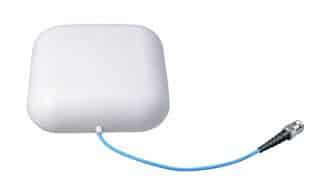
In the age of new technology, 5G antennas are becoming very important. They will change how we connect to the internet and talk to each other. People want faster and better internet and 5G antennas will help with that. It’s important for everyone to know about 5G antennas, not just people who love technology or work with it.
A 5G antenna is a technologically advanced component of the 5G network, designed to transmit and receive the high-frequency signals that enable the fifth generation of wireless technology. Compared to its predecessors, a 5G antenna is capable of supporting significantly faster data transmission speeds, handling more simultaneous connections, and efficiently managing the vast data volumes characteristic of modern digital communication. This makes 5G antennas fundamental to delivering the ultra-fast, reliable, and wide-reaching connectivity promised by 5G networks, marking a pivotal evolution in telecommunications infrastructure.
Meeting the Surge in Data Demand
With the explosion of services like HD video streaming, online gaming, and cloud-based applications, the world’s appetite for data has grown dramatically. Earlier generations of cellular networks—3G and 4G—were engineered for a time when people consumed far less data and the number of connected devices was relatively small. Today’s networks face unprecedented congestion as more users demand higher speeds and more bandwidth for everyday activities.
Traditional network infrastructure often struggles to keep up with this relentless surge in data consumption. 5G antennas, however, are specifically engineered to manage these heavier loads, allowing for more efficient data transfer and supporting the ever-increasing number of connected devices. In this way, 5G antennas are not just an upgrade; they’re a necessary advancement to sustain and enhance the digital experiences that have become integral to modern life.
But beyond the technical marvel, why do 5G antennas matter, and what makes them a critical component of our connected future?
How 5G Antennas Drive Innovation Across Industries
While 5G antennas are impressive in their own right, their true transformative power is revealed in how they are fueling new possibilities across a variety of industries. Enhanced communication infrastructure doesn’t just mean smoother video calls at home—it lays the foundation for economic growth and industry-wide innovation.

Take smart cities as an example. By leveraging 5G antenna networks, city managers can optimize public safety systems, streamline traffic management, and improve overall energy efficiency. This kind of intelligent infrastructure isn’t wishful thinking; cities around the world are already running pilots that use 5G’s real-time data capabilities to orchestrate traffic lights, dispatch emergency services faster, and reduce energy waste.
Businesses are also reaping the benefits. With the ultra-reliable, low-latency connections (often called URLLC) and enhanced mobile broadband (eMBB) offered by 5G antennas, organizations can support advanced applications like high-definition remote conferencing, instant data sharing, and next-level remote monitoring. These features are especially crucial in sectors like healthcare—where real-time consultations and remote diagnostics are becoming routine—and in manufacturing, where factories are shifting toward automation and robotics powered by 5G connectivity.
Simply put, without the advancements brought by 5G antennas, many of these progressions—including telemedicine, autonomous vehicles, and smart logistics—would remain out of reach. As businesses and industries adapt to this new era of connectivity, the role of 5G antennas will only continue to grow in significance.
What are the requirements for a 5G antenna?
The requirements for a 5G antenna include:
1. Frequency Range: 5G operates in high-frequency bands such as millimeter wave (mmWave) bands and sub-6 GHz bands. The antenna should be able to support the specific frequency range required by the 5G network.
mmWave Antennas in 5G
Millimeter wave antennas work at extremely high frequencies—typically 24 GHz and above—enabling the ultra-fast speeds that set 5G apart from previous generations. These antennas offer exceptionally high bandwidth, making them ideal for transferring large amounts of data in a short time. However, mmWave antennas usually have a shorter range compared to lower frequency antennas and are more susceptible to physical obstructions such as buildings, trees, and even heavy rain.
To counteract these limitations, mmWave antennas often use advanced technologies like beamforming and highly directional designs, which focus the signal toward users and improve performance in dense environments.
Where are mmWave antennas used?
- Dense Urban Deployments: They are perfect for city centers where high-speed connections are needed for many people at once.
- High-Capacity Venues: Stadiums, arenas, and concerts benefit from mmWave antennas to keep thousands of devices online seamlessly.
- Short-Range Fixed Wireless Access (FWA): In specific locations where high bandwidth is essential over short distances, mmWave delivers reliable, lightning-fast service.
By supporting these diverse frequency ranges and leveraging the unique properties of mmWave, 5G antennas are tailored to meet the demanding requirements of modern wireless communication.
2. Gain: The antenna should have sufficient gain to provide adequate coverage and range for 5G communication.
3. Low PIM Requirement: Passive Intermodulation (PIM) is the unwanted generation of additional signals caused by nonlinearities in the antenna system. For 5G communication, low PIM is crucial to maintain signal quality and avoid interference. A low PIM requirement ensures that the antenna has minimal intermodulation distortion, which is typically specified as a maximum PIM level in dBc (decibels relative to the carrier).
4. MIMO (Multiple-Input Multiple-Output) Support: 5G networks utilize MIMO technology to increase data throughput and capacity. The antenna should support multiple antennas to enable MIMO transmission and reception.
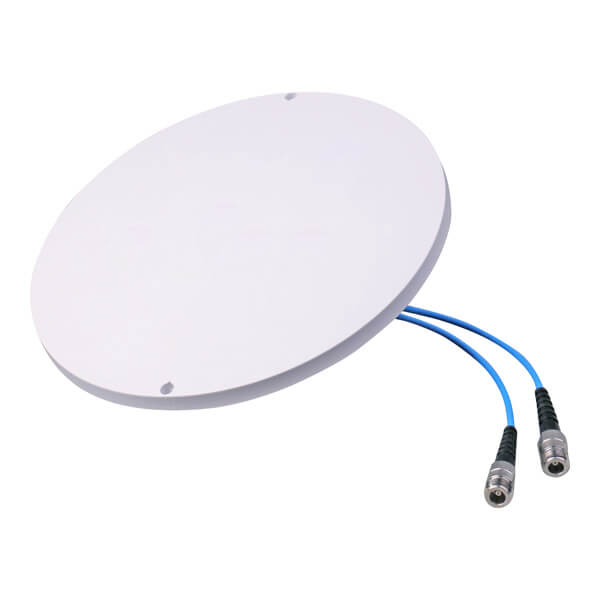
Why MIMO Matters for 5G
cURL Too many subrequests by single Worker invocation. To configure this limit, refer to https://developers.cloudflare.com/workers/wrangler/configuration/#limits
- cURL Too many subrequests by single Worker invocation. To configure this limit, refer to https://developers.cloudflare.com/workers/wrangler/configuration/#limits cURL Too many subrequests by single Worker invocation. To configure this limit, refer to https://developers.cloudflare.com/workers/wrangler/configuration/#limits.
- cURL Too many subrequests by single Worker invocation. To configure this limit, refer to https://developers.cloudflare.com/workers/wrangler/configuration/#limits cURL Too many subrequests by single Worker invocation. To configure this limit, refer to https://developers.cloudflare.com/workers/wrangler/configuration/#limits.
- cURL Too many subrequests by single Worker invocation. To configure this limit, refer to https://developers.cloudflare.com/workers/wrangler/configuration/#limits cURL Too many subrequests by single Worker invocation. To configure this limit, refer to https://developers.cloudflare.com/workers/wrangler/configuration/#limits.
- cURL Too many subrequests by single Worker invocation. To configure this limit, refer to https://developers.cloudflare.com/workers/wrangler/configuration/#limits cURL Too many subrequests by single Worker invocation. To configure this limit, refer to https://developers.cloudflare.com/workers/wrangler/configuration/#limits.
cURL Too many subrequests by single Worker invocation. To configure this limit, refer to https://developers.cloudflare.com/workers/wrangler/configuration/#limits.
cURL Too many subrequests by single Worker invocation. To configure this limit, refer to https://developers.cloudflare.com/workers/wrangler/configuration/#limits.
cURL Too many subrequests by single Worker invocation. To configure this limit, refer to https://developers.cloudflare.com/workers/wrangler/configuration/#limits.
cURL Too many subrequests by single Worker invocation. To configure this limit, refer to https://developers.cloudflare.com/workers/wrangler/configuration/#limits.
cURL Too many subrequests by single Worker invocation. To configure this limit, refer to https://developers.cloudflare.com/workers/wrangler/configuration/#limits.
cURL Too many subrequests by single Worker invocation. To configure this limit, refer to https://developers.cloudflare.com/workers/wrangler/configuration/#limits.
cURL Too many subrequests by single Worker invocation. To configure this limit, refer to https://developers.cloudflare.com/workers/wrangler/configuration/#limits
cURL Too many subrequests by single Worker invocation. To configure this limit, refer to https://developers.cloudflare.com/workers/wrangler/configuration/#limits.
cURL Too many subrequests by single Worker invocation. To configure this limit, refer to https://developers.cloudflare.com/workers/wrangler/configuration/#limits
- cURL Too many subrequests by single Worker invocation. To configure this limit, refer to https://developers.cloudflare.com/workers/wrangler/configuration/#limits cURL Too many subrequests by single Worker invocation. To configure this limit, refer to https://developers.cloudflare.com/workers/wrangler/configuration/#limits.
- cURL Too many subrequests by single Worker invocation. To configure this limit, refer to https://developers.cloudflare.com/workers/wrangler/configuration/#limits cURL Too many subrequests by single Worker invocation. To configure this limit, refer to https://developers.cloudflare.com/workers/wrangler/configuration/#limits.
- Compact Design: Multiple elements fit in a small footprint, making them ideal for urban deployments—think city light poles, building sides, or even vehicles.
- Dynamic Performance: With the ability to rapidly adapt, phased arrays can maintain strong connections in environments where users and obstacles are constantly changing.
In practice, phased array antennas are found at the heart of 5G base stations and in advanced mobile devices operating over demanding millimeter wave (mmWave) frequencies. This technology makes it possible for 5G networks to deliver the lightning-fast speeds and low latency people associate with next-generation wireless, even in crowded city centers or on the move.
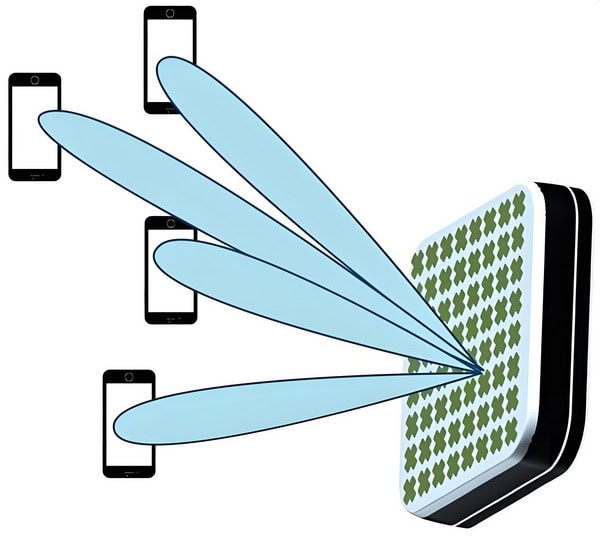
Phased arrays are also used in other fields—such as automotive radar and satellite communication—but in 5G, they’re instrumental in overcoming signal challenges at higher frequencies, ensuring reliable, high-capacity connectivity for everything from streaming to smart city infrastructure.
When discussing cutting-edge 5G antennas, phased array technology often takes center stage. At its core, a phased array antenna is built from a collection of smaller antenna elements. But unlike the old-school dish that needs to swivel mechanically, phased arrays can adjust the direction of their signal—using clever electronic wizardry—without so much as a wiggle. It’s a bit like having a street performer who manages to face every angle of the crowd at once, keeping everyone engaged.
Key Features of Phased Array Antennas
- Electronic Beam Steering: Rather than physically turning the antenna, these systems tweak the timing (or phase) of each element’s signal. This lets them “point” the beam quickly and precisely wherever it’s needed.
- High Gain & Focus: By focusing the signal in a specific direction, they boost strength and improve coverage, essential for maintaining solid 5G connections—especially in urban jungles littered with glass and concrete.
- Dynamic Beamforming: Need to track a moving device or dodge interference in a crowded spectrum? Phased arrays can shift their focus in real time, delivering reliable connectivity—even as users or obstacles move.
- Space-Saving Design: By packing multiple elements into a small footprint, phased arrays fit unobtrusively on lamp posts, building facades, and even inside 5G-enabled gadgets.
Typical Applications
- 5G Base Stations: Major wireless providers like Verizon and AT&T rely on phased arrays to deliver strong, targeted signals in dense city areas, leveraging beamforming to direct fast data to where it’s needed most.
- Millimeter Wave (mmWave) Devices: These antennas tackle the unique challenges of mmWave by overcoming short range and high attenuation—making them invaluable in high-speed hotspots or large venues.
- Advanced Radar Systems: Beyond telecom, phased array antennas are crucial in automotive radar, weather forecasting, and aerospace—where rapid, precise signal direction can be mission-critical.
Best Use Scenarios
Phased array antennas shine in advanced 5G deployments where pinpoint accuracy, efficient signal delivery, and the agility to adapt to a shifting environment are essential. Whether blanketing a stadium with high-speed data, supporting autonomous vehicles with real-time radar, or extending service to the ever-mobile urban user, they’re the go-to solution when your wireless ambitions outgrow traditional antennas.
What are the features, applications, and suitable scenarios for directional antennas?
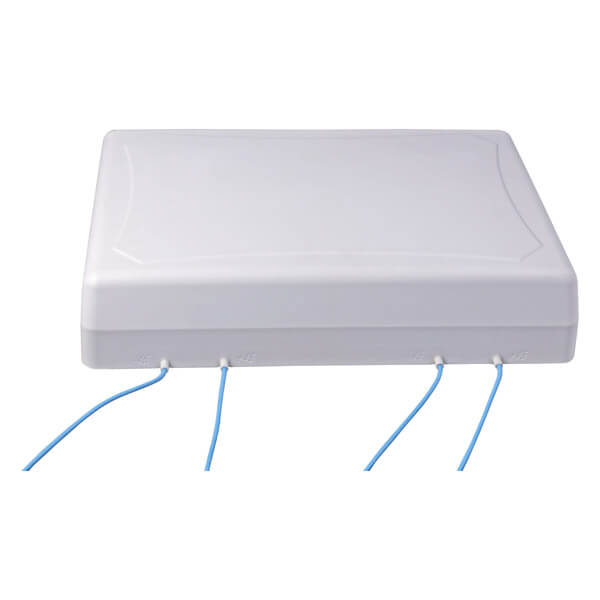
Directional antennas play a unique role in modern wireless networks, including 5G, by shaping their coverage to focus energy in a specific direction rather than broadcasting equally in all directions. This design offers several distinctive advantages and is especially useful for certain deployment scenarios.
Key Features of Directional Antennas
- Focused Signal Strength: These antennas concentrate energy in a particular direction, resulting in enhanced signal strength and increased range along that path.
- Higher Gain: By sharpening the radiation pattern, directional antennas achieve greater gain, which translates to stronger, more reliable communication over longer distances.
- Interference Reduction: Focusing the signal also means less power is wasted in unnecessary directions, reducing susceptibility to interference from surrounding wireless devices.
- Targeted Coverage: They make it possible to deliver connectivity precisely where it’s needed—ideal for reaching specific users, buildings, or high-traffic corridors.
Typical Applications
- Fixed Wireless Access (FWA): Directional antennas are commonly used to establish stable, point-to-point connections—think delivering fast 5G or 4G internet to a remote home, business, or facility where fiber is impractical.
- Inter-Base Station Links: cURL Too many subrequests by single Worker invocation. To configure this limit, refer to https://developers.cloudflare.com/workers/wrangler/configuration/#limits.
- cURL Too many subrequests by single Worker invocation. To configure this limit, refer to https://developers.cloudflare.com/workers/wrangler/configuration/#limits cURL Too many subrequests by single Worker invocation. To configure this limit, refer to https://developers.cloudflare.com/workers/wrangler/configuration/#limits.
cURL Too many subrequests by single Worker invocation. To configure this limit, refer to https://developers.cloudflare.com/workers/wrangler/configuration/#limits
- cURL Too many subrequests by single Worker invocation. To configure this limit, refer to https://developers.cloudflare.com/workers/wrangler/configuration/#limits cURL Too many subrequests by single Worker invocation. To configure this limit, refer to https://developers.cloudflare.com/workers/wrangler/configuration/#limits.
- cURL Too many subrequests by single Worker invocation. To configure this limit, refer to https://developers.cloudflare.com/workers/wrangler/configuration/#limits cURL Too many subrequests by single Worker invocation. To configure this limit, refer to https://developers.cloudflare.com/workers/wrangler/configuration/#limits.
- cURL Too many subrequests by single Worker invocation. To configure this limit, refer to https://developers.cloudflare.com/workers/wrangler/configuration/#limits cURL Too many subrequests by single Worker invocation. To configure this limit, refer to https://developers.cloudflare.com/workers/wrangler/configuration/#limits.
cURL Too many subrequests by single Worker invocation. To configure this limit, refer to https://developers.cloudflare.com/workers/wrangler/configuration/#limits.
cURL Too many subrequests by single Worker invocation. To configure this limit, refer to https://developers.cloudflare.com/workers/wrangler/configuration/#limits
cURL Too many subrequests by single Worker invocation. To configure this limit, refer to https://developers.cloudflare.com/workers/wrangler/configuration/#limits.
cURL Too many subrequests by single Worker invocation. To configure this limit, refer to https://developers.cloudflare.com/workers/wrangler/configuration/#limits
cURL Too many subrequests by single Worker invocation. To configure this limit, refer to https://developers.cloudflare.com/workers/wrangler/configuration/#limits.
cURL Too many subrequests by single Worker invocation. To configure this limit, refer to https://developers.cloudflare.com/workers/wrangler/configuration/#limits
- cURL Too many subrequests by single Worker invocation. To configure this limit, refer to https://developers.cloudflare.com/workers/wrangler/configuration/#limits
- cURL Too many subrequests by single Worker invocation. To configure this limit, refer to https://developers.cloudflare.com/workers/wrangler/configuration/#limits
- cURL Too many subrequests by single Worker invocation. To configure this limit, refer to https://developers.cloudflare.com/workers/wrangler/configuration/#limits
cURL Too many subrequests by single Worker invocation. To configure this limit, refer to https://developers.cloudflare.com/workers/wrangler/configuration/#limits
cURL Too many subrequests by single Worker invocation. To configure this limit, refer to https://developers.cloudflare.com/workers/wrangler/configuration/#limits.
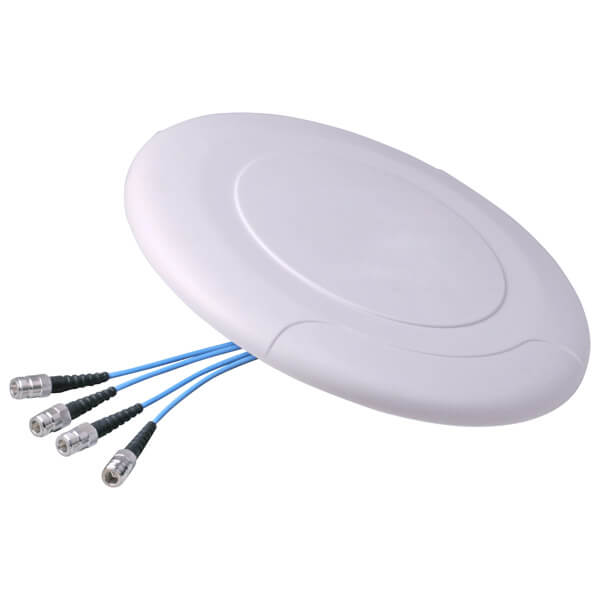
cURL Too many subrequests by single Worker invocation. To configure this limit, refer to https://developers.cloudflare.com/workers/wrangler/configuration/#limits
- Indoor 5G access points in homes or offices
- Small cell deployments in busy urban areas
- 5G IoT (Internet of Things) networks, where many devices need reliable but broad connectivity
Key Differences at a Glance:
- Coverage: Directional antennas have a focused, long-range coverage; omnidirectional antennas provide wide, general coverage.
- Signal Strength: Directional models deliver a stronger signal where aimed, while omnidirectional types offer less gain but reach everywhere around them.
- Typical Use: Use directional antennas for targeted links, and omnidirectionals for all-around coverage in open or indoor spaces.
Selecting the right type is all about matching your application—if you need to reach far or focus your connection, go directional. For blanket coverage in busy spots, stick with omnidirectional antennas.
What are the features, applications, and suitable scenarios for omnidirectional antennas?
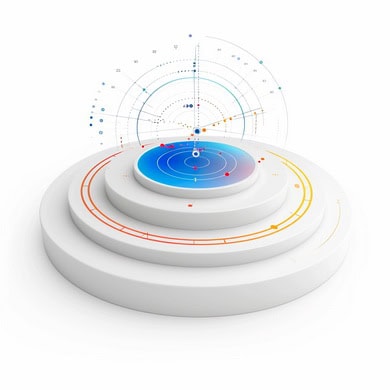
Omnidirectional antennas, true to their name, are designed to radiate signals equally in all horizontal directions. Imagine a lighthouse casting its beam all around, rather than just in a single direction. This unique property makes omnidirectional antennas an attractive choice for many situations where wide, even coverage is required.
Key Features of Omnidirectional Antennas
- 360-Degree Horizontal Coverage: These antennas provide signal reception and transmission all around their axis, making them excellent for ensuring devices can connect from any direction.
- Ease of Installation: With their simple design, omnidirectional antennas are generally easier and quicker to install compared to highly specialized directional types.
- Moderate Gain and Range: Because the signal spreads evenly in every direction, the effective range can be shorter and gain lower than directional antennas—but the trade-off is comprehensive coverage.
- Reliable Signal Distribution: Ideal for reducing dead zones, especially in places where users or devices are moving about unpredictably.
Common Applications
- Wi-Fi Routers and Access Points: Whether at home or in the office, you’ll often find omnidirectional antennas distributing wireless signals evenly throughout the space.
- 5G In-Building Solutions: Perfect for office buildings, airports, and shopping malls that require consistent network access for users regardless of where they are inside.
- Public Networks in Open Spaces: Parks, campuses, or public plazas use these antennas to create broad coverage areas without focusing signal in a particular direction.
- IoT Networks: Supporting a wide variety of connected devices, such as sensors and smart meters, that may be scattered in unpredictable patterns.
Best Use Scenarios
Omnidirectional antennas shine in environments where it’s essential to blanket an area with reliable connectivity, rather than targeting coverage in a specific direction. Examples include:
- Open-plan offices and homes where users move freely
- Outdoor venues or public gathering spaces
- Deployments needing rapid installation with minimal planning
Their versatility and simplicity make omnidirectional antennas foundational in widespread 5G rollouts, ensuring that high-speed connectivity is accessible wherever it’s needed most.
What is the difference between 2×2 MIMO and 4×4 MIMO in 5G antennas?
When we talk about 2×2 MIMO and 4×4 MIMO in 5G antennas, we’re referring to the number of separate antennas used for both transmitting and receiving signals—on both the device and the cell tower. In a 2×2 MIMO (Multiple-Input Multiple-Output) setup, there are two transmitting antennas and two receiving antennas at each end of the connection. In contrast, 4×4 MIMO uses four of each.
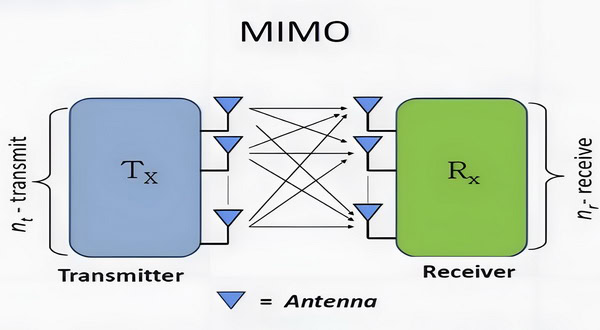
So, what does this mean for your connection? Simply put:
- 2×2 MIMO provides two separate data streams, which boosts your throughput and improves signal reliability compared to a single antenna system.
- 4×4 MIMO cURL Too many subrequests by single Worker invocation. To configure this limit, refer to https://developers.cloudflare.com/workers/wrangler/configuration/#limits.
cURL Too many subrequests by single Worker invocation. To configure this limit, refer to https://developers.cloudflare.com/workers/wrangler/configuration/#limits.
cURL Too many subrequests by single Worker invocation. To configure this limit, refer to https://developers.cloudflare.com/workers/wrangler/configuration/#limits
cURL Too many subrequests by single Worker invocation. To configure this limit, refer to https://developers.cloudflare.com/workers/wrangler/configuration/#limits.
cURL Too many subrequests by single Worker invocation. To configure this limit, refer to https://developers.cloudflare.com/workers/wrangler/configuration/#limits
- cURL Too many subrequests by single Worker invocation. To configure this limit, refer to https://developers.cloudflare.com/workers/wrangler/configuration/#limits cURL Too many subrequests by single Worker invocation. To configure this limit, refer to https://developers.cloudflare.com/workers/wrangler/configuration/#limits.
- cURL Too many subrequests by single Worker invocation. To configure this limit, refer to https://developers.cloudflare.com/workers/wrangler/configuration/#limits cURL Too many subrequests by single Worker invocation. To configure this limit, refer to https://developers.cloudflare.com/workers/wrangler/configuration/#limits.
- cURL Too many subrequests by single Worker invocation. To configure this limit, refer to https://developers.cloudflare.com/workers/wrangler/configuration/#limits cURL Too many subrequests by single Worker invocation. To configure this limit, refer to https://developers.cloudflare.com/workers/wrangler/configuration/#limits.
- cURL Too many subrequests by single Worker invocation. To configure this limit, refer to https://developers.cloudflare.com/workers/wrangler/configuration/#limits cURL Too many subrequests by single Worker invocation. To configure this limit, refer to https://developers.cloudflare.com/workers/wrangler/configuration/#limits.
cURL Too many subrequests by single Worker invocation. To configure this limit, refer to https://developers.cloudflare.com/workers/wrangler/configuration/#limits.
cURL Too many subrequests by single Worker invocation. To configure this limit, refer to https://developers.cloudflare.com/workers/wrangler/configuration/#limits
cURL Too many subrequests by single Worker invocation. To configure this limit, refer to https://developers.cloudflare.com/workers/wrangler/configuration/#limits.
cURL Too many subrequests by single Worker invocation. To configure this limit, refer to https://developers.cloudflare.com/workers/wrangler/configuration/#limits
cURL Too many subrequests by single Worker invocation. To configure this limit, refer to https://developers.cloudflare.com/workers/wrangler/configuration/#limits cURL Too many subrequests by single Worker invocation. To configure this limit, refer to https://developers.cloudflare.com/workers/wrangler/configuration/#limits.
cURL Too many subrequests by single Worker invocation. To configure this limit, refer to https://developers.cloudflare.com/workers/wrangler/configuration/#limits cURL Too many subrequests by single Worker invocation. To configure this limit, refer to https://developers.cloudflare.com/workers/wrangler/configuration/#limits.
cURL Too many subrequests by single Worker invocation. To configure this limit, refer to https://developers.cloudflare.com/workers/wrangler/configuration/#limits Fractal designs naturally extend the range of frequencies the antenna can handle, making it easier to maintain strong connections across different parts of the 5G network.
Enhanced Performance: With better radiation properties, fractal antennas improve overall signal quality and reliability, helping ensure reliable 5G connectivity in dense, challenging environments.
Where Are Fractal Antennas Used?
- 5G Mobile Devices: Fractal antennas make it possible to fit the necessary multi-band support into modern smartphones and tablets.
- IoT Devices: Many IoT devices need to communicate over multiple bands, and small, efficient fractal antennas serve this need well.
- 5G Small Cells: Compact fractal designs are perfect for the small cells that provide targeted 5G coverage in urban and indoor settings.
In summary, the smart design of fractal antennas directly addresses the demanding requirements of 5G technology—offering flexibility, compactness, and broad-spectrum support for today’s increasingly connected world.
What are typical applications for fractal antennas in 5G environments?
Fractal antennas are making waves in the world of 5G due to their ability to handle multiple frequency bands within compact footprints. But where do they actually show up in the real world?
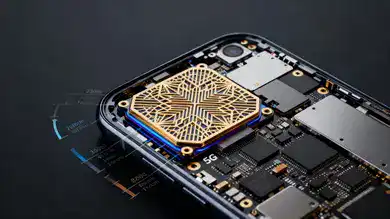
Advanced 5G Mobile Devices: Fractal antennas are frequently used in smartphones and tablets that demand support for a wide array of frequencies, from low-band to mmWave. Their flexible design makes it easier for devices like the newest Samsung Galaxy or iPhone to pack in the broad spectrum coverage that 5G requires—all without getting bulky.
Internet of Things (IoT) and Smart Devices: From smart meters and security cameras to industrial sensors, 5G-enabled IoT devices benefit from fractal antennas’ ability to fit into tight spaces while still providing reliable, multi-band connectivity. This is crucial when you want your device to work anywhere—in your home, at the factory, or out in the wild experiencing the joys of weather resistance.
Small Cell Installations: With 5G’s need for dense network coverage, small cells are being tucked into streetlights, bus stops, and building facades. Fractal antennas shine here thanks to their ability to deliver broad frequency support in the most space-constrained environments.
In short, fractal antennas are a key ingredient wherever 5G demands flexibility, space efficiency, and strong signal performance across a range of applications.
What features make fractal antennas advantageous for 5G use?
Fractal antennas bring a unique set of benefits to the 5G landscape, making them a popular choice for the latest wireless networks. Here’s why they stand out:
- Multiband Operation: Thanks to their intricate geometric patterns, fractal antennas can support multiple frequencies at once—a critical requirement for 5G, which utilizes a broad range of bands from sub-6 GHz to millimeter wave.
- Space Efficiency: Their compact and self-repeating design means fractal antennas can deliver strong performance in a smaller footprint. This is particularly handy when 5G networks call for dense deployments in space-constrained urban environments, such as lamp posts and building facades.
- cURL Too many subrequests by single Worker invocation. To configure this limit, refer to https://developers.cloudflare.com/workers/wrangler/configuration/#limits Fractal geometry gives these antennas wider bandwidth, allowing them to handle the high data rates and diverse applications expected from 5G service.
- Improved Signal Behavior: The shape and structure of fractal antennas naturally enhance radiation patterns and minimize signal loss, resulting in better coverage and more reliable connections—even when many users are online simultaneously.
With these advantages, fractal antennas are helping to make 5G deployments more flexible, robust, and suitable for the always-connected world ahead.
In which 5G applications are magnetoelectric dipole antennas most suitable?
Magnetoelectric dipole antennas are particularly well-suited for advanced 5G scenarios that demand high performance and reliability. Thanks to their wider bandwidth capabilities, excellent impedance matching, and efficient signal transmission, these antennas shine in environments where robust and stable connectivity is critical.
You’ll often find magnetoelectric dipole antennas deployed in:
- Urban small cell installations, where space is limited but high data throughput is essential.
- Dense, high-traffic venues—think stadiums, airports, or convention centers—where many users connect simultaneously.
- Advanced IoT networks supporting applications like autonomous vehicle communications or smart city infrastructure.
- Enterprise and industrial campuses requiring reliable, high-capacity wireless performance.
cURL Too many subrequests by single Worker invocation. To configure this limit, refer to https://developers.cloudflare.com/workers/wrangler/configuration/#limits.
cURL Too many subrequests by single Worker invocation. To configure this limit, refer to https://developers.cloudflare.com/workers/wrangler/configuration/#limits
cURL Too many subrequests by single Worker invocation. To configure this limit, refer to https://developers.cloudflare.com/workers/wrangler/configuration/#limits.
cURL Too many subrequests by single Worker invocation. To configure this limit, refer to https://developers.cloudflare.com/workers/wrangler/configuration/#limits
- cURL Too many subrequests by single Worker invocation. To configure this limit, refer to https://developers.cloudflare.com/workers/wrangler/configuration/#limitscURL Too many subrequests by single Worker invocation. To configure this limit, refer to https://developers.cloudflare.com/workers/wrangler/configuration/#limits.
- cURL Too many subrequests by single Worker invocation. To configure this limit, refer to https://developers.cloudflare.com/workers/wrangler/configuration/#limitscURL Too many subrequests by single Worker invocation. To configure this limit, refer to https://developers.cloudflare.com/workers/wrangler/configuration/#limits.
- cURL Too many subrequests by single Worker invocation. To configure this limit, refer to https://developers.cloudflare.com/workers/wrangler/configuration/#limitscURL Too many subrequests by single Worker invocation. To configure this limit, refer to https://developers.cloudflare.com/workers/wrangler/configuration/#limits.
- Performance ConsiderationscURL Too many subrequests by single Worker invocation. To configure this limit, refer to https://developers.cloudflare.com/workers/wrangler/configuration/#limits.
cURL Too many subrequests by single Worker invocation. To configure this limit, refer to https://developers.cloudflare.com/workers/wrangler/configuration/#limits
cURL Too many subrequests by single Worker invocation. To configure this limit, refer to https://developers.cloudflare.com/workers/wrangler/configuration/#limits
- cURL Too many subrequests by single Worker invocation. To configure this limit, refer to https://developers.cloudflare.com/workers/wrangler/configuration/#limits.
- cURL Too many subrequests by single Worker invocation. To configure this limit, refer to https://developers.cloudflare.com/workers/wrangler/configuration/#limits.
- cURL Too many subrequests by single Worker invocation. To configure this limit, refer to https://developers.cloudflare.com/workers/wrangler/configuration/#limits.
cURL Too many subrequests by single Worker invocation. To configure this limit, refer to https://developers.cloudflare.com/workers/wrangler/configuration/#limits.
cURL Too many subrequests by single Worker invocation. To configure this limit, refer to https://developers.cloudflare.com/workers/wrangler/configuration/#limits.
cURL Too many subrequests by single Worker invocation. To configure this limit, refer to https://developers.cloudflare.com/workers/wrangler/configuration/#limits
cURL Too many subrequests by single Worker invocation. To configure this limit, refer to https://developers.cloudflare.com/workers/wrangler/configuration/#limits
- cURL Too many subrequests by single Worker invocation. To configure this limit, refer to https://developers.cloudflare.com/workers/wrangler/configuration/#limits cURL Too many subrequests by single Worker invocation. To configure this limit, refer to https://developers.cloudflare.com/workers/wrangler/configuration/#limits.
- Strong Impedance Matching: Their design allows for better impedance matching across bands, which means they minimize signal loss and promote more efficient power transfer between the antenna and transceiver equipment.
- High Radiation Efficiency: By effectively radiating signals with minimal power waste, these antennas help maintain strong signal quality and lower energy consumption, supporting the high capacity and sustainability goals of next-generation networks.
- Stable and Consistent Coverage: Magnetoelectric dipole antennas are known for their stable radiation patterns, which helps ensure more uniform coverage and reliable performance—key for dense urban deployments and challenging environments.
- Improved MIMO Performance: Their inherent wide bandwidth and controlled radiation characteristics can help facilitate advanced https://en.wikipedia.org/wiki/MIMO configurations, allowing for increased throughput and a better overall wireless experience.
In short, magnetoelectric dipole antennas address many of the technical demands of 5G, supporting robust, high-speed, and reliable wireless connectivity in modern network infrastructures.
What is a magnetoelectric (ME) dipole antenna and how does it function?
A magnetoelectric (ME) dipole antenna is a unique type of antenna that leverages both electric and magnetic field components to enhance its overall performance. Unlike traditional dipole antennas, which primarily rely on electric fields, the ME dipole integrates magnetic excitation, offering several notable benefits for modern wireless communication.
Key characteristics of a magnetoelectric dipole antenna include:
Broader Bandwidth: By combining electric and magnetic field operation, ME dipole antennas can function efficiently across a wider range of frequencies. This makes them especially useful in environments where flexible frequency coverage is essential, such as 5G and emerging wireless applications.
Efficient Signal Transfer: These antennas are designed to achieve good impedance matching, meaning they transfer power more efficiently between the radio and the airwaves. This reduces signal loss and helps maintain strong connectivity.
High Radiation Efficiency: The dual-field design enables ME dipole antennas to radiate signals more effectively, which means lower power consumption and better overall performance, particularly in high-density deployments.
Consistent Coverage: The stable radiation patterns produced by ME dipole antennas ensure reliable coverage over various frequencies, which is critical as network operators deploy antennas in a variety of challenging environments.
Altogether, magnetoelectric dipole antennas represent an important advancement for wireless systems that require wide bandwidth, high efficiency, and stable signal coverage, supporting the demands of advanced networks like 5G.
What are the main features of monopole antenna elements?
Monopole antennas have long been a staple in wireless communications, and their popularity continues into the 5G era for certain applications. Here’s what sets them apart:
Straightforward Design: Monopole antennas are known for their uncomplicated structure, which typically consists of a single conductor, making them easy to manufacture and install.
Omnidirectional Pattern: These antennas radiate signals in all directions perpendicular to the antenna, delivering broad, 360-degree horizontal coverage—ideal for applications where uniform signal distribution is desirable.
Affordability: Thanks to their simple construction and minimal material requirements, monopole antennas offer a cost-effective solution, particularly well-suited to budget-conscious deployments.
Moderate Efficiency: While monopole antennas are reasonably efficient, they often lag behind more advanced designs like Yagi or patch antennas, especially at higher frequencies.
In essence, monopole antennas balance cost and ease of use with reliable, general-purpose coverage—although they may not be the top pick for environments demanding high efficiency or advanced beamforming capabilities.
What is the difference between 4G and 5G antennas?
The main difference between 4G and 5G antennas is the frequencies they operate on. 5G antennas use higher frequencies, typically in the millimeter wave (mmWave) spectrum, while 4G antennas operate on lower frequencies in the sub-6 GHz range. Usually, 4G antennas operate from 698MHz to 2700MHz while the 5G antennas are from 617MHz to 6000MHz for low band and middle band all over the world.

The higher frequency of 5G antennas allows for smaller antenna sizes. This means that 5G antennas can be more compact and can be easily integrated into various devices, such as smartphones, IoT devices, and even wearable devices.
Common Applications of 5G Antennas
- 5G Smartphones and Tablets: Modern mobile devices benefit from compact, integrated 5G antennas, allowing for sleek designs without sacrificing connectivity.
- 5G Small Cells: These are deployed in targeted locations to provide enhanced signal coverage and boost network capacity in busy areas.
- cURL Too many subrequests by single Worker invocation. To configure this limit, refer to https://developers.cloudflare.com/workers/wrangler/configuration/#limits cURL Too many subrequests by single Worker invocation. To configure this limit, refer to https://developers.cloudflare.com/workers/wrangler/configuration/#limits.
cURL Too many subrequests by single Worker invocation. To configure this limit, refer to https://developers.cloudflare.com/workers/wrangler/configuration/#limits.
cURL Too many subrequests by single Worker invocation. To configure this limit, refer to https://developers.cloudflare.com/workers/wrangler/configuration/#limits.
cURL Too many subrequests by single Worker invocation. To configure this limit, refer to https://developers.cloudflare.com/workers/wrangler/configuration/#limits.
cURL Too many subrequests by single Worker invocation. To configure this limit, refer to https://developers.cloudflare.com/workers/wrangler/configuration/#limits.
cURL Too many subrequests by single Worker invocation. To configure this limit, refer to https://developers.cloudflare.com/workers/wrangler/configuration/#limits
cURL Too many subrequests by single Worker invocation. To configure this limit, refer to https://developers.cloudflare.com/workers/wrangler/configuration/#limits
cURL Too many subrequests by single Worker invocation. To configure this limit, refer to https://developers.cloudflare.com/workers/wrangler/configuration/#limits.
cURL Too many subrequests by single Worker invocation. To configure this limit, refer to https://developers.cloudflare.com/workers/wrangler/configuration/#limits.
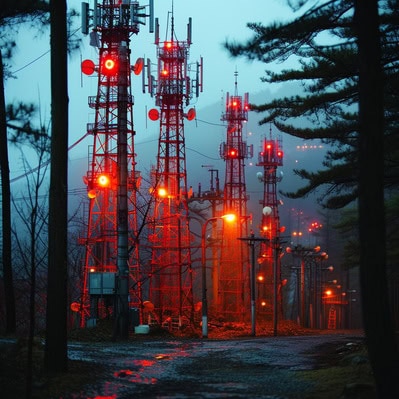
cURL Too many subrequests by single Worker invocation. To configure this limit, refer to https://developers.cloudflare.com/workers/wrangler/configuration/#limits.

cURL Too many subrequests by single Worker invocation. To configure this limit, refer to https://developers.cloudflare.com/workers/wrangler/configuration/#limits.
cURL Too many subrequests by single Worker invocation. To configure this limit, refer to https://developers.cloudflare.com/workers/wrangler/configuration/#limits cURL Too many subrequests by single Worker invocation. To configure this limit, refer to https://developers.cloudflare.com/workers/wrangler/configuration/#limits cURL Too many subrequests by single Worker invocation. To configure this limit, refer to https://developers.cloudflare.com/workers/wrangler/configuration/#limits.

cURL Too many subrequests by single Worker invocation. To configure this limit, refer to https://developers.cloudflare.com/workers/wrangler/configuration/#limits.
cURL Too many subrequests by single Worker invocation. To configure this limit, refer to https://developers.cloudflare.com/workers/wrangler/configuration/#limits
cURL Too many subrequests by single Worker invocation. To configure this limit, refer to https://developers.cloudflare.com/workers/wrangler/configuration/#limits.
Key Features of Omnidirectional Antennas
- cURL Too many subrequests by single Worker invocation. To configure this limit, refer to https://developers.cloudflare.com/workers/wrangler/configuration/#limits cURL Too many subrequests by single Worker invocation. To configure this limit, refer to https://developers.cloudflare.com/workers/wrangler/configuration/#limits.
- Ease of Installation: cURL Too many subrequests by single Worker invocation. To configure this limit, refer to https://developers.cloudflare.com/workers/wrangler/configuration/#limits.
- cURL Too many subrequests by single Worker invocation. To configure this limit, refer to https://developers.cloudflare.com/workers/wrangler/configuration/#limits Because the signal is dispersed in all directions, the tradeoff is a lower signal gain and a somewhat shorter effective range compared to directional antennas.
Typical 5G Applications
You’ll often find omnidirectional antennas in:
- Indoor 5G access points: Perfect for blanket coverage throughout homes, offices, or retail spaces, ensuring consistent connectivity everywhere.
- Small cell deployments: Used in places like stadiums, transit hubs, or city blocks, where distributing a 5G signal broadly (rather than to a specific corner) is more effective.
- IoT environments: Connecting an array of devices scattered throughout a space—think smart sensors or appliances in a smart building.
Omnidirectional antennas are the go-to choice when the goal is reliable, uniform 5G coverage without the need to direct the signal toward a particular area. For environments where the layout or user locations are unpredictable, these antennas offer a practical, adaptable solution.
What are the typical use cases for monopole antennas in 5G?
Monopole antennas find their niche in a range of scenarios within 5G networks, particularly where affordability and straightforward deployment are key priorities. Here are a few common use cases:
- Low-Band 5G Coverage: Monopole antennas are often selected for low-band (sub-1 GHz) 5G deployments, which focus on delivering broad, basic coverage rather than blazing fast speeds. This makes them a practical choice for extending signal reach in suburban and rural environments.
- IoT Connectivity: They’re widely used in general-purpose IoT applications, where the emphasis is on connecting a large number of simple devices—think smart meters, environmental sensors, or asset trackers. The cost-effectiveness and compactness of monopole antennas allow for easy integration into these types of devices.
- Indoor Wireless Solutions: Within buildings and indoor facilities, monopole antennas can be used to bolster wireless coverage with minimal installation complexity. Commercial offices, retail spaces, and warehouses frequently utilize monopole antennas to ensure consistent 5G connectivity for staff and smart equipment.
Overall, monopole antennas are ideal when the goal is basic 5G connectivity across a wide area—rather than high-speed performance—thanks to their balance of simplicity, cost, and effectiveness for foundational network needs.
Do I need an antenna for 5G?
Yes, you need an antenna for 5G. Most devices come with internal antennas that are sufficient for regular use. However, in areas with weak 5G coverage, you may need to use an external antenna to improve signal strength and reliability. This can help ensure a consistent and high-speed 5G connection.
Which 5G antennas are best suited for home internet providers?
For home internet providers looking to deliver reliable 5G connectivity, choosing the right antenna type is crucial for maximizing performance and coverage. Several types of antennas are commonly used, each suited to different needs and environments:
cURL Too many subrequests by single Worker invocation. To configure this limit, refer to https://developers.cloudflare.com/workers/wrangler/configuration/#limits These antennas distribute signal in all directions, making them a popular choice in areas where the 5G signal comes from multiple sources or when devices move around the space. They are particularly useful for general indoor use and suburban installations.
Directional (Panel or Yagi) Antennas: If you know the direction of your nearest 5G tower, a directional antenna such as a panel or Yagi antenna can help focus the signal, increasing reach and potentially boosting speeds. These are ideal for rural or fringe areas where the signal might be weak or inconsistent.
CPE (Customer Premises Equipment) Antennas: Designed specifically for home internet use, CPE antennas often combine both omnidirectional and directional designs, optimized for ease of setup and reliable connection. Models from brands like Netgear, TP-Link, Huawei, and Ubiquiti are frequently recommended for home installations.
When selecting a 5G antenna, consider the following:
- Your location relative to the nearest 5G tower
- The level of signal obstruction (walls, trees, etc.)
- The desired coverage area within your home
Professional installation or consultation with your internet provider can help determine the most suitable antenna type for your situation.
What does a 5G antenna look like?
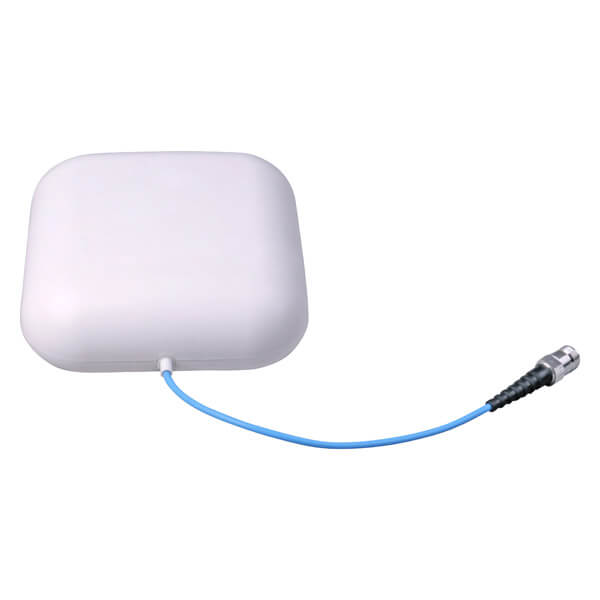
A cURL Too many subrequests by single Worker invocation. To configure this limit, refer to https://developers.cloudflare.com/workers/wrangler/configuration/#limits can take various forms depending on its location and purpose. Here are a few examples:
1. cURL Too many subrequests by single Worker invocation. To configure this limit, refer to https://developers.cloudflare.com/workers/wrangler/configuration/#limits: These are small, low-power antennas that are typically mounted on utility poles, streetlights, or rooftops. They are often cylindrical or rectangular in shape and can be as small as a shoebox.
2. Massive MIMO Antennas: These antennas are used in densely populated areas to provide high-capacity coverage. They consist of multiple panels or arrays of antennas grouped together. Each panel can have a dozen or more individual antenna elements.
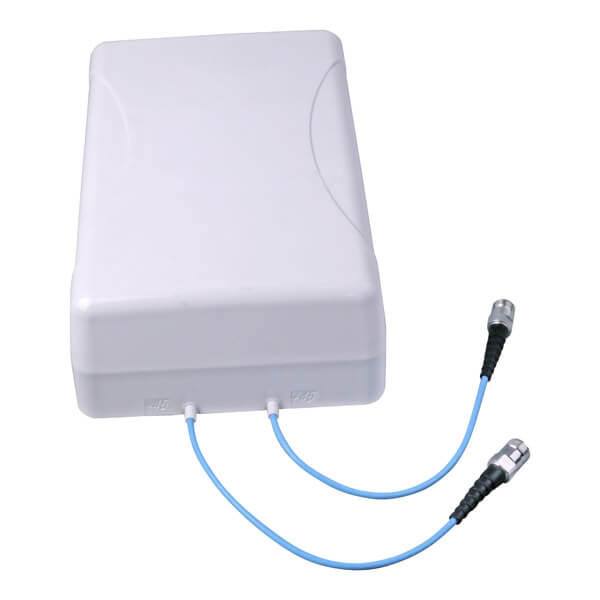
3. Integrated Antennas: Some 5G antennas are integrated into existing structures or street furniture. For example, they can be concealed within bus stops, benches, or traffic lights. These antennas are designed to be inconspicuous and blend seamlessly into the environment.
4. cURL Too many subrequests by single Worker invocation. To configure this limit, refer to https://developers.cloudflare.com/workers/wrangler/configuration/#limitscURL Too many subrequests by single Worker invocation. To configure this limit, refer to https://developers.cloudflare.com/workers/wrangler/configuration/#limits.
cURL Too many subrequests by single Worker invocation. To configure this limit, refer to https://developers.cloudflare.com/workers/wrangler/configuration/#limits.
cURL Too many subrequests by single Worker invocation. To configure this limit, refer to https://developers.cloudflare.com/workers/wrangler/configuration/#limits
cURL Too many subrequests by single Worker invocation. To configure this limit, refer to https://developers.cloudflare.com/workers/wrangler/configuration/#limits.
cURL Too many subrequests by single Worker invocation. To configure this limit, refer to https://developers.cloudflare.com/workers/wrangler/configuration/#limits
cURL Too many subrequests by single Worker invocation. To configure this limit, refer to https://developers.cloudflare.com/workers/wrangler/configuration/#limits
cURL Too many subrequests by single Worker invocation. To configure this limit, refer to https://developers.cloudflare.com/workers/wrangler/configuration/#limits.
cURL Too many subrequests by single Worker invocation. To configure this limit, refer to https://developers.cloudflare.com/workers/wrangler/configuration/#limits
cURL Too many subrequests by single Worker invocation. To configure this limit, refer to https://developers.cloudflare.com/workers/wrangler/configuration/#limits.
cURL Too many subrequests by single Worker invocation. To configure this limit, refer to https://developers.cloudflare.com/workers/wrangler/configuration/#limits.
cURL Too many subrequests by single Worker invocation. To configure this limit, refer to https://developers.cloudflare.com/workers/wrangler/configuration/#limits.
cURL Too many subrequests by single Worker invocation. To configure this limit, refer to https://developers.cloudflare.com/workers/wrangler/configuration/#limits.
cURL Too many subrequests by single Worker invocation. To configure this limit, refer to https://developers.cloudflare.com/workers/wrangler/configuration/#limits.
cURL Too many subrequests by single Worker invocation. To configure this limit, refer to https://developers.cloudflare.com/workers/wrangler/configuration/#limits
cURL Too many subrequests by single Worker invocation. To configure this limit, refer to https://developers.cloudflare.com/workers/wrangler/configuration/#limits.
cURL Too many subrequests by single Worker invocation. To configure this limit, refer to https://developers.cloudflare.com/workers/wrangler/configuration/#limits.
cURL Too many subrequests by single Worker invocation. To configure this limit, refer to https://developers.cloudflare.com/workers/wrangler/configuration/#limits.
 Cebuano
  English
  Spanish
  German
  French (France)
  Korean
  Russian
  Indonesian
  French (Canada)
  Vietnamese
  Armenian
  Albanian
  Assamese
  Acehnese
  Amharic
  Czech
Czech  Bulgarian
  Malayalam
  German (Switzerland)
  Japanese
  Dutch
Dutch