 Skip to content
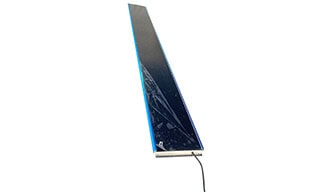
Are you experiencing difficulties with weak signal reception or interference in your RFID systems? A cabinet RFID antenna could be the solution you are looking for. Engineered to enhance and direct signals efficiently, these devices play a critical role in a variety of technological settings, from busy office environments to remote industrial locations.
A cabinet RFID antenna is a specific type of antenna that is enclosed in a cabinet to improve the transmission and protection of RFID signals. It is designed to enhance connectivity and performance in difficult conditions by shielding the antenna components from any physical or electromagnetic disturbances.
Now that you understand the basic concept of a cabinet RFID antenna, let’s delve deeper into its applications, how it works, and the benefits it offers to modern communication systems.
What Is A Shelving and Cabinet RFID Antenna?
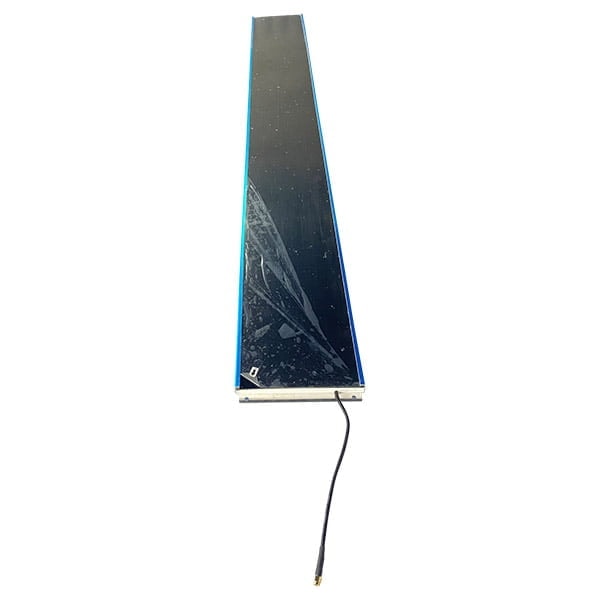
A shelving and cabinet RFID antenna is a type of antenna used to read and detect radio frequency identification (RFID) tags on items placed on shelves or stored inside cabinets. It is designed to be mounted on or near the shelves or cabinets to enable efficient inventory management and tracking. The antenna uses RFID technology to communicate with the RFID tags on the items, allowing for real-time data on the location and movement of items. This type of antenna is commonly used in retail stores, warehouses, libraries, and other environments where efficient inventory management is crucial.
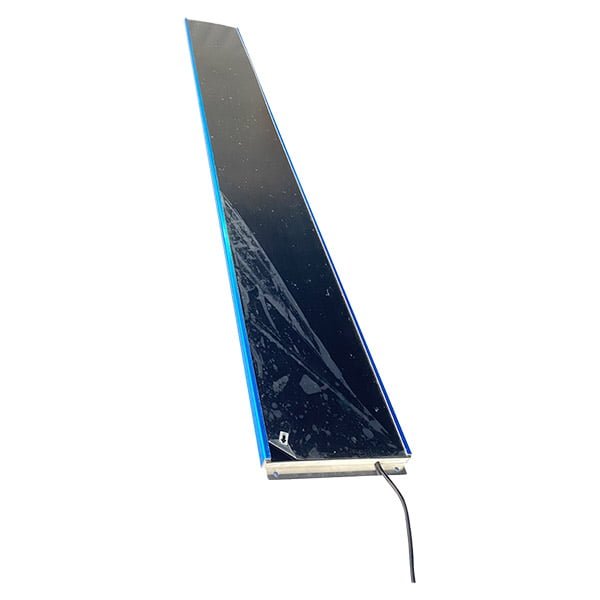
These antennas are designed to be discreet and blend into the environment, while still providing accurate and reliable RFID tracking. They are typically thin and low profile, allowing them to be easily installed in various locations such as on the underside of shelves or inside cabinets.
RFID shelving and cabinet antennas are used to improve inventory management and reduce manual labor by automating the tracking of items. They can be used in a wide range of industries including retail, healthcare, manufacturing, and logistics.
These antennas work by emitting radio waves that power and communicate with RFID tags attached to items. When an item with an RFID tag passes within range of the antenna, the tag is energized and transmits its unique identifier to the antenna. This information is then sent to the RFID system for processing and tracking purposes.
Overall, RFID shelving and cabinet antennas are a key component of RFID systems, enabling businesses to efficiently and accurately track and manage their inventory.
What is a cabinet RFID antenna used for?
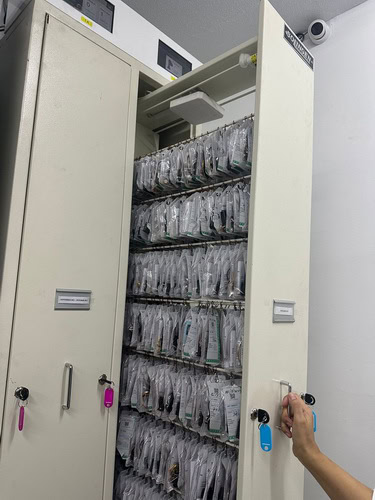
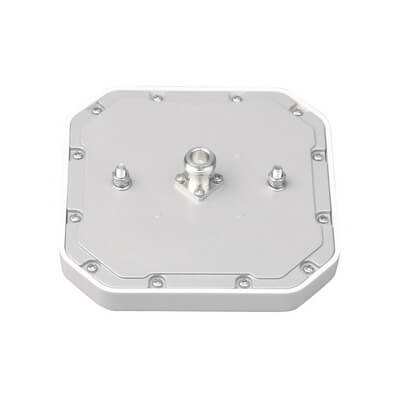
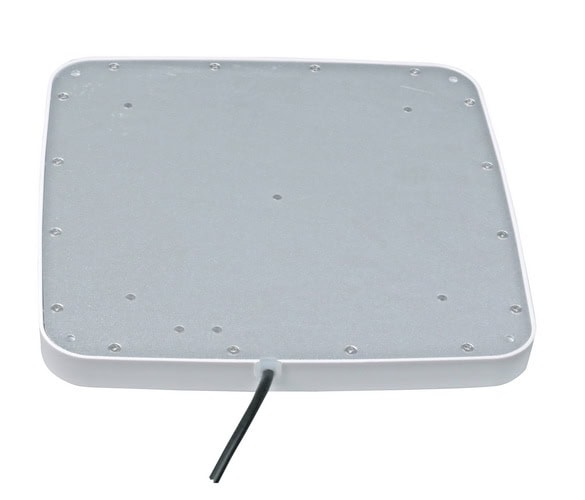
An indoor cabinet RFID antenna is used to read and write RFID tags in an indoor environment. It is typically installed inside a cabinet or enclosure and connected to an RFID reader. The antenna emits radio waves and captures the response from the RFID tags, allowing for the identification and tracking of items or assets within the cabinet or enclosure. It is commonly used in applications such as inventory management, access control, and asset tracking in indoor settings like warehouses, data centers, and storage facilities.
How does the cabinet RFID antenna work?
cURL Too many subrequests. cabinet RFID antenna works by using radio frequency identification (RFID) technology to communicate with RFID tags.
The antenna emits radio waves that are picked up by the RFID tags in its vicinity. These tags are typically attached to items or products that need to be tracked or identified. When the tags receive the radio waves, they respond by transmitting their unique identification information back to the antenna.
The antenna captures this information and sends it to an RFID reader or a central database for processing. The reader or database can then use this information to track the location of the tagged items, monitor their movements, or perform other relevant actions.
The cabinet RFID antenna is designed specifically for use in indoor environments, such as warehouses, retail stores, or other enclosed spaces. It is typically mounted on a wall, ceiling, or inside a cabinet to provide optimal coverage and range for reading the RFID tags.
What are the benefits of cabinet RFID antennas?
There are several benefits of cabinet RFID antennas, including:
1. Space-saving: Cabinet RFID antennas are designed to be compact and can easily fit inside or outside cabinets or other confined spaces. This allows for efficient use of space and does not require additional floor or wall space for antenna installation.
2. Easy integration: These antennas are designed for easy integration with cabinets, shelves, or other storage units. They can be easily mounted or attached to the inside or outside of the cabinet, making installation quick and hassle-free.
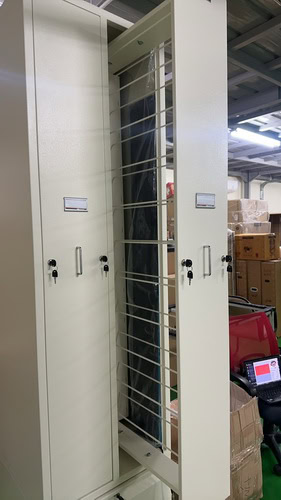
3. Improved accuracy: Cabinet RFID antennas are designed to provide accurate and reliable RFID readings within the cabinet. This ensures that the RFID tags or items inside the cabinet are accurately identified and tracked, reducing the chances of errors or misreads.
4. Enhanced security: By installing RFID antennas inside cabinets, it becomes easier to track and monitor the movement of items within the cabinet. This can help in preventing theft, unauthorized access, or loss of valuable assets or inventory.
5. Increased efficiency: Cabinet RFID antennas enable faster and more efficient inventory management. By using RFID technology, cabinets can be quickly and accurately scanned, allowing for real-time inventory updates and reducing the time and effort required for manual inventory checks.
6. Cost-effective: Cabinet RFID antennas are a cost-effective solution for RFID tracking and inventory management. They eliminate the need for additional external antennas or infrastructure, reducing the overall cost of implementing an RFID system.
7. Flexibility: Cabinet RFID antennas can be easily moved or repositioned within the cabinet as per the changing needs of the organization. This flexibility allows for easy customization and adaptation of the RFID system to suit different cabinet layouts or storage requirements.
How do Cabinet RFID Antennas integrate with technology?
Cabinet RFID antennas integrate with technology through the following steps:
1. Installation: The RFID antenna is mounted inside the cabinet or on the cabinet door. It is connected to a power source and a reader/controller device.
2. RFID Tags: Each item or asset that needs to be tracked is affixed with an RFID tag. These tags contain a unique identification number that can be read by the RFID antenna.
3. Communication: The RFID antenna emits radio waves that activate the RFID tags within its range. When the tags are activated, they respond by transmitting their identification number back to the antenna.
4. Reader/Controller: The RFID antenna is connected to a reader/controller device, which receives the identification numbers from the antenna and processes the information.
5. Data Processing: The reader/controller device processes the identification numbers received from the RFID antenna and performs various actions based on the programmed instructions. This can include updating inventory records, triggering alarms, or providing real-time location information.
6. Integration with Software: The reader/controller device can be integrated with software systems such as inventory management or asset tracking software. This allows for seamless integration of the RFID antenna data into existing technology infrastructure.
Overall, the RFID antenna acts as a bridge between the physical assets and the technology systems, enabling the tracking and management of assets within a cabinet.
What are the specifications for an antenna cabinet?
cURL Too many subrequests.
cURL Too many subrequests.
cURL Too many subrequests.
cURL Too many subrequests.
cURL Too many subrequests.

cURL Too many subrequests.
cURL Too many subrequests.
cURL Too many subrequests.
cURL Too many subrequests.
cURL Too many subrequests.
cURL Too many subrequests.
cURL Too many subrequests.
cURL Too many subrequests.
cURL Too many subrequests.
cURL Too many subrequests.
cURL Too many subrequests.
cURL Too many subrequests.
cURL Too many subrequests.
cURL Too many subrequests.
6. Easy installation: The antenna is designed for quick and easy installation. It typically comes with mounting hardware and connectors, making it convenient to connect to the communication equipment.
7. Wide coverage: The antenna provides wide coverage across multiple frequency bands, ensuring reliable communication over a large area.
8. Low interference: The antenna is designed to minimize interference from other nearby electronic devices, ensuring clear and uninterrupted communication.
9. Cost-effective: A Cabinet Mount Combination Antenna offers a cost-effective solution by combining multiple antennas into one unit, reducing the need for separate antennas for each frequency band.
10. Customizable options: Some manufacturers offer customizable options for Cabinet Mount Combination Antennas, such as different cable lengths, connector types, and mounting options, to meet specific application requirements.
Cabinet RFID Antenna Frequency
RFID antennas for cabinets typically operate in the UHF frequency range, specifically around 860-960 MHz. This frequency range is commonly used for RFID applications due to its ability to provide long read ranges and support a large number of tags simultaneously. Additionally, UHF frequencies are less prone to interference from other devices and offer better penetration through materials, making them suitable for cabinet applications.
Cabinet RID Antenna Gain and Range
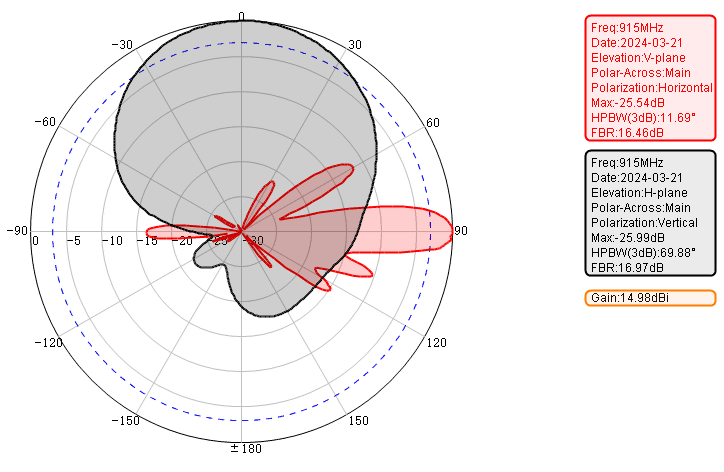
The gain of an RFID antenna refers to its ability to focus and direct the radio frequency energy in a specific direction. It is measured in decibels (dB). A higher gain indicates a more focused and directional antenna, while a lower gain indicates a more omnidirectional antenna.
The range of an RFID antenna refers to the distance over which it can effectively communicate with RFID tags. It is influenced by factors such as the antenna gain, transmit power of the RFID reader, frequency of operation, and environmental conditions.
In the case of a cabinet RFID antenna, the gain and range can vary depending on the specific design and specifications of the antenna. However, in general, cabinet RFID antennas tend to have lower gain and shorter range compared to larger and more powerful antennas used in outdoor or long-range applications.
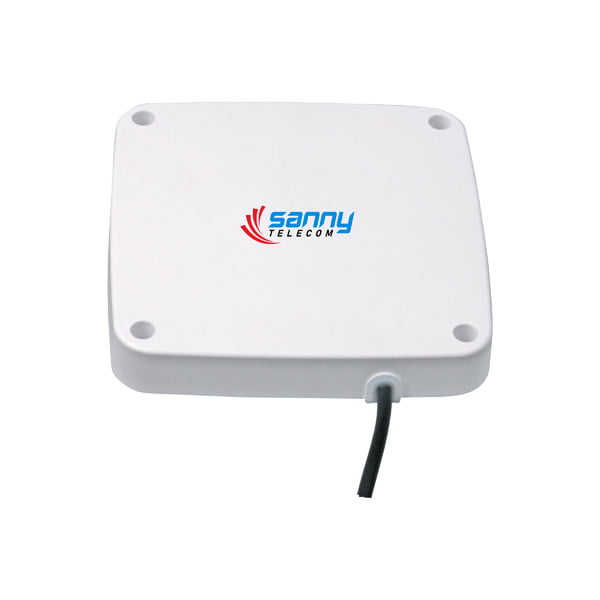
The lower gain of a cabinet RFID antenna is usually sufficient for communication within a confined space, such as a cabinet or a small room. The range of a cabinet RFID antenna is typically limited to a few meters or yards. However, it can be extended by increasing the transmit power of the RFID reader or using a higher gain antenna.
It is important to note that the gain and range of an RFID antenna are not the only factors that determine the performance of an RFID system. Other factors, such as the sensitivity of the RFID tags, interference from other RF devices, and the presence of metal or other obstacles, can also affect the overall performance and range of the system.
Cabinet RFID Antenna Polarization
RFID (Radio Frequency Identification) technology uses electromagnetic fields to automatically identify and track tags attached to objects. In an RFID system, an RFID reader sends out radio waves to communicate with RFID tags. One important consideration in designing an RFID system is the polarization of the RFID antenna.
Antenna polarization refers to the orientation of the electromagnetic fields radiated by the antenna. In RFID systems, the two most common types of antenna polarizations are linear and circular.
1. Linear polarization: In linear polarization, the electromagnetic fields radiated by the antenna are oriented in a straight line. Linear polarization can be either vertical or horizontal. Vertical linear polarization means that the electromagnetic fields radiate in a vertical direction, while horizontal linear polarization means that the fields radiate in a horizontal direction. Linear polarization is commonly used in RFID systems because it provides a longer read range and better signal penetration through materials like liquids and metals.
2. Circular polarization: In circular polarization, the electromagnetic fields radiated by the antenna rotate in a circular pattern. Circular polarization can be either right-hand circular polarization (RHCP) or left-hand circular polarization (LHCP). Circular polarization is used in situations where the orientation of the RFID tag cannot be controlled or is unknown. It provides a more consistent read range regardless of the tag orientation.
When designing an RFID system for cabinets, the choice of antenna polarization depends on the specific requirements of the application. If the tags are always placed in a specific orientation, linear polarization can be used to optimize the read range and signal penetration. However, if the tags can be placed in any orientation or the orientation is unknown, circular polarization may be a better choice to ensure consistent and reliable tag reading.
In conclusion, the choice of RFID antenna polarization in cabinet RFID systems depends on factors such as the tag orientation, read range requirements, and the presence of materials that can interfere with the signal. Both linear and circular polarizations have their advantages and should be carefully considered during system design.
Cabinet RFID Antenna Range
cURL Too many subrequests. RFID antenna for a cabinet depends on several factors including the frequency of the RFID system, the power output of the RFID reader, the type of antenna used, and any interference or obstacles in the environment.
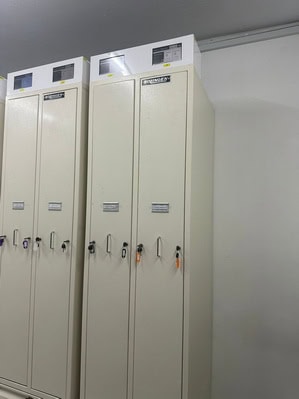
Generally, the range of an RFID antenna for a cabinet is relatively short, typically ranging from a few centimeters to a few meters. This is because cabinets are typically small and made of materials that can interfere with the radio waves used by RFID systems, such as metal or dense plastic.
In addition, the range of an RFID antenna can be affected by the orientation and positioning of the RFID tags on the items inside the cabinet. If the tags are not aligned properly or are obstructed by other items, the range of the antenna may be reduced.
Overall, the range of an RFID antenna for a cabinet is limited and typically designed for close proximity reading, rather than long-range tracking.
Cabinet RFID Antenna Types
There are several types of RFID antennas that can be used in a cabinet for RFID tagging and tracking purposes. Some of the common types include:
1. Linear Polarized Antennas: These antennas are designed to provide a strong and focused read range in a specific direction. They are typically used in applications where tags are moving past the antenna in a straight line.
2. Circular Polarized Antennas: These antennas are designed to provide a wider read range in multiple directions. They can read tags that are moving in any direction, making them suitable for applications where tags can be placed in different orientations.

3. Near Field Antennas: These antennas are designed for short-range read applications. They are typically used when tags are placed very close to the antenna, such as inside a cabinet.
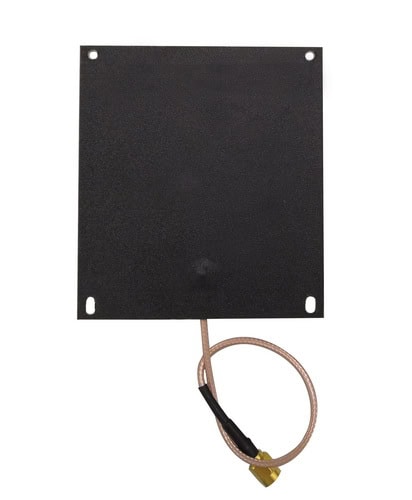
4. Far Field Antennas: These antennas are designed for long-range read applications. They can read tags from a distance, making them suitable for applications where tags are placed far away from the antenna.
5. Loop Antennas: These antennas consist of a loop of conductive material. They are typically used for short-range read applications and can be mounted inside a cabinet.
The choice of RFID antenna type will depend on factors such as the read range required, the orientation of the tags, and the size and shape of the cabinet.
How to install the cabinet RFID antenna?
Installing a cabinet RFID antenna typically involves the following steps:
1. Choose the location: Select a suitable location on the cabinet where you want to install the RFID antenna. Ensure that the location is easily accessible and allows for proper signal transmission and reception.
2. Prepare the cabinet: Clean the surface of the cabinet where you will be installing the RFID antenna. Make sure it is free from dirt, dust, and any other obstructions.
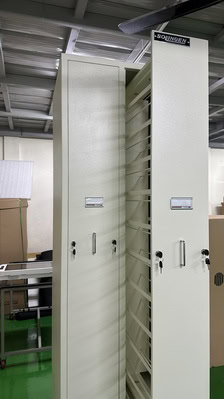
3. Position the antenna: Place the RFID antenna in the chosen location on the cabinet. Ensure that it is aligned properly and in the desired orientation for optimal performance.
cURL Too many subrequests.
cURL Too many subrequests.
cURL Too many subrequests.
cURL Too many subrequests.
cURL Too many subrequests.
cURL Too many subrequests.
cURL Too many subrequests.
cURL Too many subrequests. cURL Too many subrequests.
 German (Switzerland)
  English
  Spanish
  German
  French (France)
  Korean
  Russian
  Indonesian
  French (Canada)
  Vietnamese
  Armenian
  Albanian
  Assamese
  Acehnese
  Amharic
  Czech
Czech  Bulgarian
  Cebuano
  Malayalam
  Japanese
  Dutch
Dutch