 Skip to content

Radio Frequency Identification (RFID) technology uses electromagnetic fields to automatically identify and track tags attached to objects. The tags contain electronically stored information, which can be read by RFID readers through antennas. This technology has revolutionized data tracking and management across numerous industries. Below are the part 2 of the top 20 applications of RFID antennas, showcasing the broad spectrum of their utility.
Event Management
Some of the specific benefits of using RFID wristbands and badges for event management include:
1. Cashless Payments: RFID technology allows attendees to load money onto their wristbands or badges and then use them to make purchases at the event. This eliminates the need for attendees to carry cash or credit cards, making transactions faster and more convenient for everyone involved.
2. Access Control: RFID wristbands and badges can be programmed to grant access to specific areas or activities within the event. This helps to streamline the entry process and ensures that only authorized individuals are able to enter restricted areas.
3. Social Media Integration: Many RFID systems can be linked to attendees’ social media accounts, allowing them to easily share their experiences and interact with others at the event. This can help to generate buzz and increase engagement both during and after the event.
4. Data Collection: RFID technology provides event organizers with valuable data about attendee behavior, such as which areas of the event were the most popular, how long people spent at each location, and what items they purchased. This information can be used to improve future events and make data-driven decisions.
5. Security: RFID wristbands and badges can be personalized and linked to an individual’s registration information, making it easier to identify attendees and prevent unauthorized access. This helps to enhance overall event security and reduce the risk of fraud or theft.
6. Branding and Sponsorship Opportunities: RFID wristbands and badges can be customized with event logos, sponsors’ branding, or other promotional materials. This provides additional exposure and marketing opportunities for both the event and its sponsors.
7. Efficiency and Speed: RFID technology allows for fast and efficient scanning, reducing wait times and congestion at entry points, concession stands, and other areas of the event. This helps to improve the overall attendee experience and increase customer satisfaction.
In summary, RFID wristbands and badges provide numerous benefits for event management, including cashless payments, access control, social media integration, data collection, security, branding opportunities, and increased efficiency. By utilizing this technology, event organizers can enhance the attendee experience and gather valuable insights to improve future events.
Healthcare Patient Tracking
RFID tags can be attached to patient wristbands, allowing healthcare providers to accurately identify and track patients throughout their stay in the hospital. This helps to ensure that patients receive the correct medications, treatments, and procedures, as well as reducing the risk of patient mix-ups or errors.

RFID tags can also be attached to staff identification badges, enabling hospitals to monitor the location and movements of healthcare providers. This can be particularly useful during emergency situations, as it allows hospitals to quickly locate and deploy staff to where they are needed most.
Additionally, RFID tags can be attached to medical equipment, such as IV pumps, defibrillators, and wheelchairs. By tracking the location of this equipment, hospitals can reduce the time spent searching for items, improving efficiency and patient care.
Overall, RFID technology in healthcare patient tracking improves hospital management, patient care, and safety by reducing errors, response times, and improving efficiency.
Manufacturing Automation
RFID stands for Radio Frequency Identification, which is a technology that uses radio waves to transmit data from a tag attached to an object. In the context of manufacturing automation, RFID technology is used to track components and products as they move through the production process.
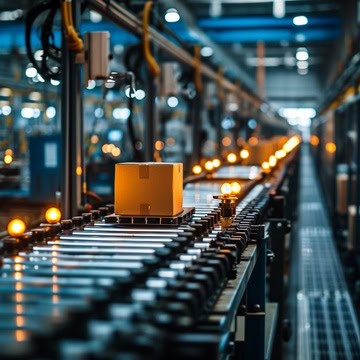
One of the main advantages of using RFID technology in manufacturing is the ability to automate the tracking of components and products. Instead of relying on manual processes, such as barcodes or paper-based systems, RFID tags can be attached to items and automatically scanned as they pass through different stages of the manufacturing process. This not only saves time and reduces the risk of errors, but it also allows for real-time visibility into the status and location of components and products.
By automating the tracking of components and products, RFID technology enables manufacturers to enhance efficiency. For example, RFID tags can be used to automatically trigger the next step in the production process when a component or product reaches a certain stage. This eliminates the need for manual intervention and speeds up the overall production time.
In addition to improving efficiency, RFID technology also reduces errors in manufacturing. By automatically scanning and tracking components and products, manufacturers can ensure that the right items are being used at each stage of the production process. This helps to eliminate mistakes, such as using the wrong part or assembling products incorrectly, which can lead to costly rework or quality issues.
Another benefit of using RFID technology in manufacturing automation is the ability to enable more sophisticated production processes. For example, RFID tags can be used to store information about a component or product, such as its specifications or history. This information can then be accessed and used to optimize production processes, such as adjusting machine settings or identifying potential quality issues.
Overall, RFID technology plays a crucial role in manufacturing automation by automating the tracking of components and products. By enhancing efficiency, reducing errors, and enabling more sophisticated production processes, RFID technology helps manufacturers improve their operations and deliver high-quality products to customers.
Smart Appliances
These smart appliances include refrigerators, washing machines, ovens, and coffee makers, among others. By incorporating RFID technology, these appliances can communicate with other smart devices in the home, such as smartphones, tablets, and voice assistants.
For example, a smart refrigerator with an RFID antenna can scan the items inside and keep track of their expiration dates. It can then send notifications to the homeowner’s smartphone when items are about to expire or run out. This allows the homeowner to easily keep track of their groceries and reduce food waste.
Similarly, a smart washing machine with an RFID antenna can read the tags on clothing items and automatically adjust the washing cycle based on the fabric type and care instructions. It can also send notifications to the homeowner’s smartphone when the laundry is done or if any issues are detected.
RFID-enabled ovens can read the tags on food packaging and automatically set the cooking time and temperature accordingly. This ensures that the food is cooked perfectly without the need for manual input from the user.
Finally, coffee makers with RFID antennas can read the tags on coffee pods and automatically adjust the brewing settings for each type of coffee. This allows users to enjoy their favorite coffee with the perfect strength and flavor every time.
Overall, the integration of RFID antennas into smart appliances allows for seamless communication and automation, making these appliances more convenient and user-friendly.
Waste Management
The use of RFID tags in waste management has several benefits. First, it allows municipalities to track the location of waste containers in real-time. This helps optimize waste collection routes, ensuring that trucks are sent to areas where containers are full and need to be emptied. By avoiding unnecessary trips, municipalities can reduce fuel consumption and lower their carbon footprint.
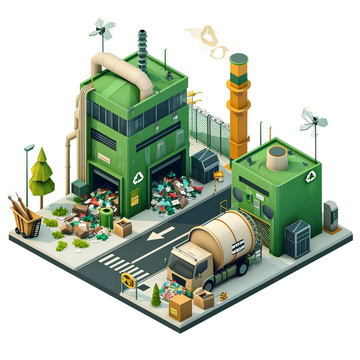
Second, RFID tags provide data on the weight of waste containers. This information allows municipalities to identify containers that are consistently overweight. This can be an indication that the container is being used for the wrong type of waste or that the waste is not being properly sorted. By addressing these issues, municipalities can improve recycling rates and reduce the amount of waste that ends up in landfills.
Third, RFID tags can be used to monitor the recycling process. By attaching tags to recycling containers, municipalities can track when and how often containers are being emptied. This data can be used to optimize recycling collection schedules and ensure that recycling facilities are operating efficiently.
Overall, the use of RFID tags in waste management helps municipalities improve their waste collection processes, increase recycling rates, and reduce their environmental impact.
Document Tracking
cURL Too many subrequests.

cURL Too many subrequests.
cURL Too many subrequests.
cURL Too many subrequests.
cURL Too many subrequests.
cURL Too many subrequests.
cURL Too many subrequests.
cURL Too many subrequests.

cURL Too many subrequests.
cURL Too many subrequests.
cURL Too many subrequests.
cURL Too many subrequests.
cURL Too many subrequests.
cURL Too many subrequests. cURL Too many subrequests. cURL Too many subrequests.

cURL Too many subrequests.
cURL Too many subrequests.
cURL Too many subrequests.
Overall, RFID technology plays a vital role in military logistics by improving the tracking, management, and security of supplies, equipment, and personnel. By leveraging RFID technology, military organizations can enhance operational efficiency and effectiveness.
Educational Resources
RFID technology has revolutionized the way educational resources are managed in schools and universities. Here are some of the ways RFID is being used in educational institutions:
1. Library Management: RFID tags are attached to books, allowing librarians to easily track and manage their inventory. RFID-enabled self-checkout machines allow students to borrow and return books without the need for librarian assistance. This saves time for both students and librarians and reduces the chances of books being misplaced or lost.
2. Equipment Tracking: Schools often have a wide range of equipment, such as laptops, projectors, and scientific instruments, that need to be tracked and managed. RFID tags can be attached to these items, making it easy for the school to keep track of their location and usage. This helps prevent loss and theft and ensures that equipment is available when needed.
3. Attendance Tracking: RFID technology can be used to track student attendance. Students are provided with RFID cards or tags that they scan when entering or leaving the school premises. This data is then automatically recorded, making it easy for the school to track attendance and identify students who are absent or late.
4. Access Control: RFID technology can be used to control access to certain areas of the school, such as computer labs, libraries, or restricted areas. Students and staff can be provided with RFID cards or tags that grant them access to these areas. This improves security by preventing unauthorized access and ensures that only authorized individuals can enter certain areas.
5. Student Tracking: In some cases, RFID technology is used to track the location of students within the school premises. RFID tags are attached to student ID cards or uniforms, and RFID readers are installed at various locations throughout the school. This allows the school to track the movement of students and ensure their safety.
Overall, the use of RFID technology in educational institutions has improved administrative processes, increased security, and enhanced the overall learning experience for students.
Food Safety
RFID tags are small electronic devices that can be attached to food products or their packaging. These tags contain a unique identification number that can be read by RFID readers, allowing for the tracking and tracing of food products throughout the supply chain.

One of the major benefits of using RFID technology in the food industry is the enhancement of food safety. By tracking food products from the farm to the table, RFID tags enable quick identification of potential sources of contamination. If a food product is found to be contaminated, the unique identification number on its RFID tag can be used to determine where the contamination occurred and which other products may be affected.
For example, if there is an outbreak of foodborne illness linked to a particular brand of lettuce, RFID tags can be used to trace the contaminated lettuce back to the specific farm it came from. This allows for a targeted recall, preventing the further spread of the contaminated lettuce and reducing the risk to consumers.
RFID tags can also be used to monitor the temperature of food products during transportation and storage. Temperature is a critical factor in food safety, as improper temperature control can lead to the growth of bacteria and other pathogens. RFID tags equipped with temperature sensors can continuously monitor the temperature of food products and provide real-time alerts if the temperature falls outside the safe range. This allows for immediate corrective action to be taken, ensuring that the food products remain safe for consumption.
Overall, RFID tags play a crucial role in enhancing food safety by enabling traceability and quick identification of potential sources of contamination. By using this technology, food companies can better protect consumers and prevent the spread of foodborne illnesses.
The applications of RFID antennas span across various sectors, from retail to healthcare, supply chain management, and beyond. This technology offers a powerful tool for enhancing operational efficiency, improving safety and security, and providing valuable insights into numerous processes. As RFID technology continues to evolve, its applications are set to expand, promising even greater innovations in data management and operational workflows. The future of RFID is bright, with endless possibilities for transforming the way industries operate and interact with the physical world.
 German (Switzerland)
  English
  Spanish
  German
  French (France)
  Korean
  Russian
  Indonesian
  French (Canada)
  Vietnamese
  Armenian
  Albanian
  Assamese
  Acehnese
  Amharic
  Czech
Czech  Bulgarian
  Cebuano
  Malayalam
  Japanese
  Dutch
Dutch