 Skip to content

In the intricate network of modern telecommunications, the base station antenna stands out as a fundamental component. Crucial for the transmission and reception of radio signals, these antennas facilitate our daily digital communications, from simple voice calls to high-speed data transfer.
A base station antenna is a crucial component of wireless communication networks, primarily used to facilitate the transmission and reception of radio waves between a network and mobile devices. It plays a pivotal role in ensuring stable and continuous connectivity across various communication platforms.
Having understood what a base station antenna is and its pivotal role, let’s delve deeper into how it operates within the broader network infrastructure.
What is A Base Station Antenna Used For?
A base station antenna is used to transmit and receive radio signals between a base station and mobile devices or other base stations in a wireless communication network. It is typically mounted on a high structure, such as a tower or building, to provide a wide coverage area for the network. The base station antenna ensures efficient communication by transmitting signals at high power and receiving weak signals from mobile devices over long distances.

How Does the Base Station Antenna Work?
The base station antenna operates by transmitting and receiving electromagnetic waves. When a user makes a call or accesses the internet on their mobile device, the signal is sent to the nearest base station. The base station antenna then receives the signal and converts it into an electrical current.
The electrical current is then amplified and sent to the base station equipment, which processes the signal and connects the call or enables the internet connection. Similarly, when the base station wants to send information to the user’s device, it converts the electrical current into an electromagnetic wave and transmits it through the base station antenna.
The base station antenna is designed to radiate the electromagnetic waves in a specific pattern, known as the radiation pattern. This pattern is carefully engineered to provide coverage to a specific area, known as the cell. The cell is the geographical area that the base station antenna is responsible for covering.

The base station antenna is typically mounted on a tower or rooftop to achieve the desired coverage area. It is also designed to minimize interference from other antennas and maximize signal strength and quality.
Overall, the base station antenna is a crucial component of the mobile network infrastructure. It enables the exchange of information between the user’s device and the network, allowing for seamless communication and data transfer.
What Does a Base Station Antenna Consist Of?
A base station antenna typically consists of the following components:
1. Radiating elements: These are the main components that transmit and receive radio signals. They can be in the form of dipoles, monopoles, or arrays of elements.

2. Reflector: The reflector is a metallic surface placed behind the radiating elements. It helps to focus the radio signals in a specific direction and increases the antenna’s gain.

3. Director: In some antenna designs, one or more metallic elements called directors are placed in front of the radiating elements. These directors further focus the radio signals in a specific direction and increase the antenna’s gain.
4. Feed system: The feed system connects the antenna to the transmission line or coaxial cable that carries the radio signals to and from the base station equipment. It consists of a connector, balun (a device that converts between balanced and unbalanced signals), and other components.
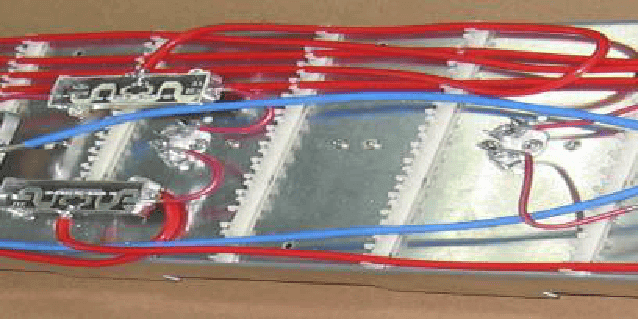
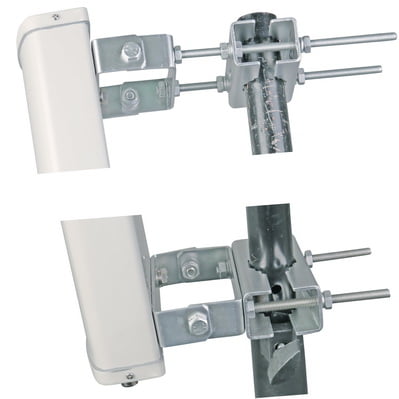
5. Mounting hardware: The antenna is mounted on a mast or tower using various mounting hardware, such as brackets, clamps, and bolts.
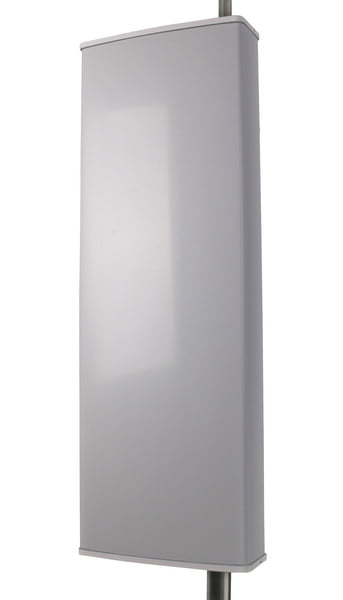
6. Radome: A radome is a protective cover that encloses the antenna to protect it from environmental factors like rain, wind, and UV radiation. It is typically made of a weather-resistant material such as fiberglass or plastic.
7. Grounding system: A base station antenna requires a proper grounding system to protect against lightning strikes and to ensure the safety of the equipment and personnel. This includes grounding rods, conductors, and connectors.
These components work together to transmit and receive radio signals efficiently and reliably for communication between the base station and mobile devices.
What Are the Advantages of Base Station Antennas?
The advantages of using base station antennas include:
1. Increased coverage: Base station antennas have a higher gain compared to other types of antennas, which means they can transmit and receive signals over a larger distance. This allows for wider coverage and better connectivity in a larger area.
2. Improved signal quality: Base station antennas are designed to provide a high-quality signal, with minimal interference and noise. This ensures a clear and reliable connection for users.
3. Multiple connections: Base station antennas can support multiple connections simultaneously, allowing for a larger number of users to be connected to the network at the same time. This is especially important in areas with high population density or heavy network usage.
4. Flexibility: Base station antennas can be designed to be directional or omnidirectional, depending on the specific needs of the network. This flexibility allows for optimization of coverage and signal strength in different scenarios.
5. Scalability: Base station antennas can be easily added or upgraded to expand the capacity or coverage of a network. This makes them a cost-effective solution for network operators who need to scale up their infrastructure to meet growing demand.
6. Compatibility: Base station antennas are designed to work with various wireless communication standards and technologies, such as 4G, 5G, Wi-Fi, and others. This ensures compatibility with a wide range of devices and networks.
7. Durability: Base station antennas are built to withstand harsh environmental conditions, such as extreme temperatures, strong winds, and precipitation. This makes them suitable for outdoor installations and ensures long-term reliability.
8. Cost-effective: Base station antennas offer a cost-effective solution for network operators, as they provide a high-performance signal and coverage at a relatively low cost compared to other infrastructure components.
Overall, base station antennas play a crucial role in providing high-quality wireless connectivity in a wide range of applications, from mobile networks to Wi-Fi hotspots and IoT deployments.
What Is the Range of Base Station Antennas?
The range of base station antennas can vary depending on various factors such as the type of antenna, its height, the power of the transmitter, and the surrounding environment. Generally, base station antennas can have a range of a few miles to several tens of miles.
Base Station Antenna Types
There are several types of antennas used in base stations, including:
1. Omni-directional Antennas: These antennas radiate and receive signals in all directions equally. They are typically used in urban areas where there are multiple users in different directions.

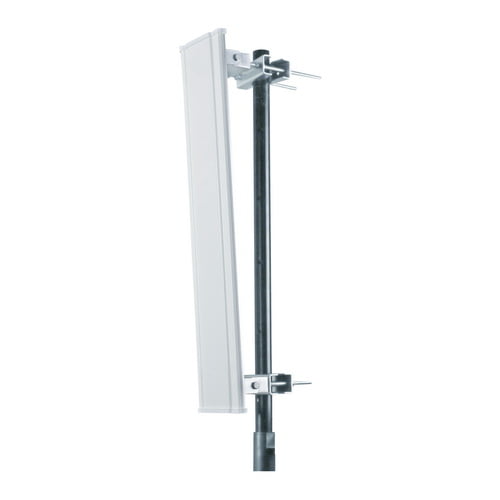
2. Sector Antennas: These antennas have a wider coverage area than directional antennas but are still focused in a specific direction. They are commonly used in cellular networks to cover a sector of a cell.
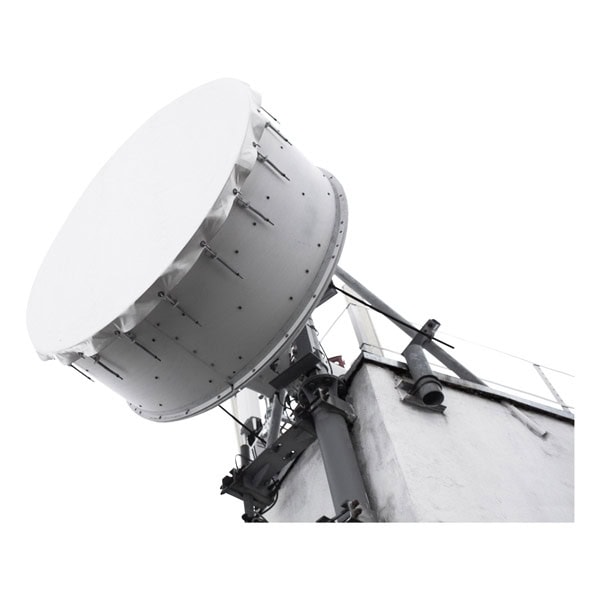
3. Parabolic Dish Antennas: These antennas have a very high gain and are used for long-range communication. They are commonly used in point-to-point links or in satellite communication.
cURL Too many subrequests.
cURL Too many subrequests.
cURL Too many subrequests.
cURL Too many subrequests.
cURL Too many subrequests.
cURL Too many subrequests.
cURL Too many subrequests.
cURL Too many subrequests.
cURL Too many subrequests.
cURL Too many subrequests.
cURL Too many subrequests.
cURL Too many subrequests.
cURL Too many subrequests.
cURL Too many subrequests.
cURL Too many subrequests.
cURL Too many subrequests.
cURL Too many subrequests.
cURL Too many subrequests.
 German (Switzerland)
  English
  Spanish
  German
  French (France)
  Korean
  Russian
  Indonesian
  French (Canada)
  Vietnamese
  Armenian
  Albanian
  Assamese
  Acehnese
  Amharic
  Czech
Czech  Bulgarian
  Cebuano
  Malayalam
  Japanese
  Dutch
Dutch