 Skip to content

In the world of electromagnetic wave transmission, a flexible waveguide, also known as a flexguide, stands out as a versatile solution. But what exactly is it, and how does it differ from traditional rigid waveguides? Let’s dive into the intricacies of flexible waveguides to uncover their uses, benefits, and applications.
A flexible waveguide is a conduit for guiding electromagnetic waves, characterized by its unique ability to bend and twist while maintaining signal integrity. Unlike traditional rigid waveguides, which are fixed in shape, flexible waveguides utilize helically wound silver-coated brass strips surrounded by a durable neoprene sleeve, allowing for adaptable transmission paths. This flexibility enables them to navigate through tight spaces and conform to complex installations, making them indispensable in applications where rigid waveguides may be impractical.
As we delve deeper into the realm of flexible waveguide, let’s explore how it works, benefits and the applications.
What is a flexible waveguide in microwave applications?
A flexible waveguide is a type of waveguide designed to transmit microwave signals while allowing for some degree of physical flexibility. This flexibility is particularly useful in applications where rigid waveguides would be impractical due to space constraints, movement, or the need for frequent reconfiguration.
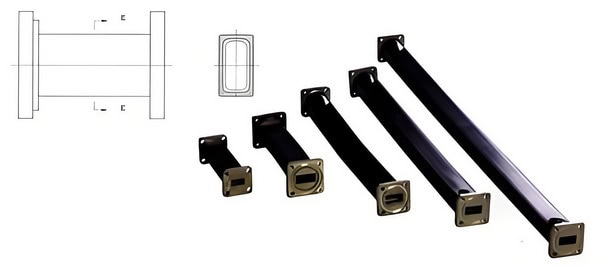
Key Characteristics
1. Construction: Flexible waveguides are typically made from materials like brass, copper, or aluminum and are often coated with a flexible, protective outer layer. They may include a corrugated or helical structure to provide the necessary flexibility while maintaining the ability to guide electromagnetic waves efficiently.
2. Frequency Range: They are designed to operate over specific frequency ranges, just like rigid waveguides. The dimensions of the waveguide are crucial for determining the frequency range it can support.
3. Losses: Flexible waveguides generally have higher insertion losses compared to rigid waveguides due to their construction. The corrugations or helical structures introduce additional resistance and potential for signal attenuation.
4. Applications: Flexible waveguides are used in various microwave applications, including:
Radar Systems: To connect moving parts such as rotating antennas.
Satellite Communications: Where precise alignment of components is difficult.
Test Equipment: To allow easy reconfiguration of test setups.
Aerospace: For connecting components where vibration and movement are factors.
5. Types: There are several types of flexible waveguides, including:
Twistable: Can be twisted along their length to accommodate complex routing.
Bendable: Can be bent to a certain radius without significant signal degradation.
Flexible-Twistable: Combines both twisting and bending capabilities.
Advantages
Versatility: Allows for routing in tight spaces and around obstacles.
Ease of Installation: Easier to install and adjust compared to rigid waveguides.
Reduced Stress: Can absorb mechanical stresses and vibrations, protecting the system.
Disadvantages
Higher Losses: Increased insertion loss compared to rigid waveguides.
Limited Power Handling: Typically cannot handle as much power as rigid waveguides due to their construction.
In summary, flexible waveguides are essential components in microwave systems where flexibility, ease of installation, and the ability to accommodate movement are critical. Despite their higher losses and power limitations, their advantages in specific applications make them indispensable.
What is a flexible waveguide used for?
A flexible waveguide is used to transmit electromagnetic waves, typically in the microwave and millimeter-wave frequency ranges, while allowing for physical flexibility in the routing of the waveguide. This flexibility is crucial in various applications where rigid waveguides would be impractical due to space constraints, movement, or the need for frequent adjustments. Some common uses of flexible waveguides include:
1. Radar Systems: In both military and civilian radar systems, flexible waveguides can be used to connect components that need to move or be adjusted frequently.
2. Satellite Communications: They are used in satellite ground stations and on satellites themselves to connect different microwave components where rigid waveguides cannot be easily employed due to the need for flexibility and space constraints.
3. Telecommunications: Flexible waveguides are used in various telecommunication systems to connect different pieces of equipment, especially when space is limited or the equipment needs to be reconfigured.
4. Industrial and Medical Equipment: In industrial microwave heating and medical devices like MRI machines, flexible waveguides help in routing microwave energy to specific locations.
5. Aerospace and Defense: In aircraft, missiles, and other defense applications, flexible waveguides are used to connect microwave components in confined spaces where rigid waveguides would be difficult to install and maintain.
6. Test and Measurement: In laboratory environments, flexible waveguides are used to connect test equipment to devices under test, allowing for easy reconfiguration and movement.
Overall, flexible waveguides provide the necessary adaptability and ease of installation for complex systems that require precise microwave signal transmission in constrained or dynamic environments.
How does the flexible waveguide work?
A flexible waveguide is a type of waveguide that can bend and flex while still guiding electromagnetic waves, typically in the microwave and millimeter-wave frequency ranges. The basic principle of a waveguide is to confine and direct electromagnetic energy from one point to another with minimal loss. Flexible waveguides achieve this while allowing for physical movement and adjustments that rigid waveguides cannot accommodate. Here’s an overview of how they work:
Structure and Materials
1. Core Conductor: The core of a flexible waveguide is made of a conductive material, usually metal, which forms the path for the electromagnetic waves. This core can be made of a continuous metal tube or a helical structure that provides flexibility.
2. Outer Shield: Around the core, there is often an outer shielding layer, also made of conductive material, which helps to contain the electromagnetic field and prevent interference from external sources.
3. Dielectric Layer: Some flexible waveguides include a dielectric layer between the core and the outer shield, which can help to support the wave propagation and maintain the waveguide’s structural integrity.
cURL Too many subrequests.
cURL Too many subrequests.
cURL Too many subrequests.
cURL Too many subrequests.
cURL Too many subrequests.
cURL Too many subrequests.
cURL Too many subrequests.
cURL Too many subrequests.
cURL Too many subrequests.
cURL Too many subrequests.
cURL Too many subrequests.
cURL Too many subrequests.
cURL Too many subrequests.
cURL Too many subrequests.
cURL Too many subrequests.
cURL Too many subrequests.
cURL Too many subrequests.
cURL Too many subrequests.
cURL Too many subrequests.
The price of flexible waveguides can vary widely depending on several factors including the frequency range, material, length, and specific application requirements. Generally, you can expect the following price ranges:
1. Standard Flexible Waveguides: These are typically used for common applications and can range from $100 to $500 per unit.
2. High-Performance Flexible Waveguides: These are designed for more demanding applications, such as those requiring higher power handling or specific environmental conditions, and can range from $500 to $1,500 or more per unit.
3. Custom or Specialized Flexible Waveguides: For unique or highly specialized applications, prices can exceed $1,500 and may go up to several thousand dollars depending on the complexity and specifications required.
It’s important to note that these are general estimates and prices can vary based on the manufacturer, market conditions, and specific technical requirements. Always consult with suppliers or manufacturers to get accurate pricing for your specific needs.
What is the difference between flexible and rigid waveguides?
Waveguides are structures that guide electromagnetic waves from one point to another, and they are essential components in various applications such as telecommunications, radar systems, and microwave engineering. The two main types of waveguides are flexible and rigid waveguides, each with its own characteristics and applications. Here are the key differences between them:
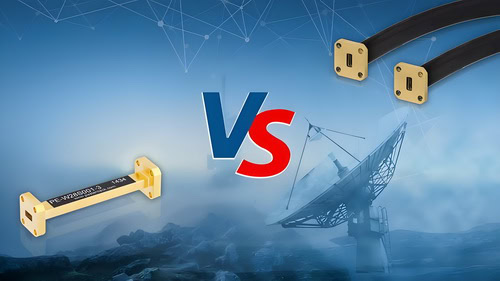
Rigid Waveguides
1. Construction:
Rigid waveguides are typically made from metal, such as aluminum, copper, or brass.
They have a fixed, solid structure with a defined shape, usually rectangular or circular.
2. Mechanical Properties:
They offer high mechanical strength and stability.
Rigid waveguides maintain their shape under various conditions, making them suitable for fixed installations.
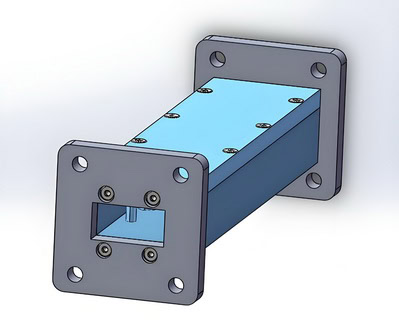
3. Electrical Performance:
They have low insertion loss and high power handling capabilities.
The solid metal construction provides excellent shielding and minimal signal leakage.
cURL Too many subrequests.
Used in environments where the waveguide can be securely mounted and does not need to be moved frequently.
Common in radar systems, satellite communications, and high-power microwave transmission.
5. Installation:
Installation can be more challenging due to their inflexibility and the need for precise alignment.
Often requires custom bending and fittings to navigate around obstacles.
Flexible Waveguides
1. Construction:
Flexible waveguides are typically made from a combination of metal and dielectric materials.
They have a corrugated or braided structure that allows them to bend and flex.
2. Mechanical Properties:
They offer flexibility and can be easily routed around obstacles.
They are less mechanically robust compared to rigid waveguides and may require additional support to maintain their shape.
3. Electrical Performance:
They generally have higher insertion loss compared to rigid waveguides.
Power handling capabilities are usually lower, and there may be some signal leakage due to the flexible structure.
cURL Too many subrequests.
Ideal for situations where the waveguide needs to be frequently moved or adjusted.
Common in test and measurement setups, temporary installations, and applications requiring frequent reconfiguration.
5. Installation:
Easier to install due to their flexibility, which allows them to navigate around tight spaces and obstacles.
Can be quickly connected and disconnected, making them suitable for dynamic environments.
cURL Too many subrequests.
Rigid Waveguides: Offer high mechanical strength, excellent electrical performance, and are suitable for fixed installations but are less flexible and harder to install in complex paths.
Flexible Waveguides: Provide ease of installation and flexibility to navigate around obstacles, but have higher insertion loss and lower power handling capabilities, making them more suitable for dynamic or temporary setups.
Choosing between flexible and rigid waveguides depends on the specific requirements of the application, including the need for flexibility, mechanical stability, electrical performance, and ease of installation.
What are common types of flexible waveguides?
Flexible waveguides are essential components in microwave and RF systems, allowing for the transmission of high-frequency signals with minimal loss while accommodating physical constraints. Several types of flexible waveguides are commonly used in various applications.
Common Types
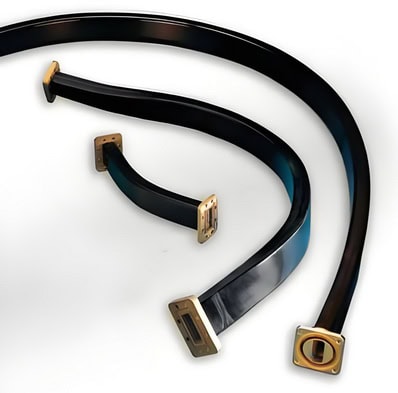
1. Twistable Flexible Waveguides
These waveguides can be twisted and bent, making them suitable for applications where the waveguide needs to navigate around obstacles or fit into tight spaces.
cURL Too many subrequests.
cURL Too many subrequests.
cURL Too many subrequests.
cURL Too many subrequests.
cURL Too many subrequests.
cURL Too many subrequests.
cURL Too many subrequests.
cURL Too many subrequests.
cURL Too many subrequests.
cURL Too many subrequests.
cURL Too many subrequests.
cURL Too many subrequests.
cURL Too many subrequests.
cURL Too many subrequests.
cURL Too many subrequests.
cURL Too many subrequests.
cURL Too many subrequests.
cURL Too many subrequests.
cURL Too many subrequests.
cURL Too many subrequests.
cURL Too many subrequests.
In summary, flexible waveguides provide a versatile and dependable means for transmitting electromagnetic waves across a range of industries and applications. Their capacity to bend, twist, and conform to intricate environments makes them an ideal choice for demanding situations. Whether utilized in telecommunications, aerospace, or industrial automation, flexible waveguides are driving innovation and progress in contemporary technology.
 German (Switzerland)
  English
  Spanish
  German
  French (France)
  Korean
  Russian
  Indonesian
  French (Canada)
  Vietnamese
  Armenian
  Albanian
  Assamese
  Acehnese
  Amharic
  Czech
Czech  Bulgarian
  Cebuano
  Malayalam
  Japanese
  Dutch
Dutch