 Skip to content

Reconfigurable antennas are gaining significant attention in the field of wireless communication. With the growing need for adaptable systems that can operate across multiple frequency bands and serve different applications, traditional antennas often fall short. This is where reconfigurable antennas come in, providing a dynamic and versatile solution that can change their properties on demand, making them ideal for modern communication systems.
A reconfigurable antenna is a special type of antenna that can change its operating frequency, radiation pattern, and polarization properties to meet different communication needs. This ability to adapt to various configurations based on user preferences or external factors makes it very useful for modern wireless systems, such as smartphones, satellite communications, and military applications.
Reconfigurable antennas come in various designs and types, each suited for a specific function. In this article, we’ll explore the core aspects of these antennas, including their working mechanisms, benefits, and real-world applications.
What are the Reconfigurable Techniques?
Reconfigurable techniques refer to the methods and approaches used to modify or change the configuration or behavior of a system or device. These techniques are commonly used in various fields, including computer science, electronics, and engineering. Some of the reconfigurable techniques are:
1. Reconfigurable computing: This technique involves using hardware devices that can be reconfigured to perform different functions or tasks. Field-Programmable Gate Arrays (FPGAs) are commonly used in reconfigurable computing.

2. Software-defined networking: This technique allows the network infrastructure to be reconfigured and managed using software, instead of relying on hardware-based network devices.
3. Reconfigurable antennas: These antennas can be adjusted or modified to operate at different frequencies or in different directions, based on the requirements of the communication system.
4. Reconfigurable manufacturing systems: These systems are designed to be flexible and adaptable, allowing the production process to be changed or modified easily to accommodate different products or production requirements.
5. Reconfigurable robots: These robots can be modified or reprogrammed to perform different tasks or operate in different environments.
6. Reconfigurable sensors: These sensors can be adjusted or reprogrammed to detect different types of signals or physical parameters, depending on the application.
7. Reconfigurable software: This technique involves designing software systems that can be easily modified or adapted to meet changing requirements or to support different platforms or environments.
8. Reconfigurable communication systems: These systems can be adjusted or modified to support different communication protocols or standards, depending on the network or devices being used.
Overall, reconfigurable techniques provide flexibility and adaptability to systems and devices, allowing them to be modified or adjusted to meet changing requirements or conditions.
What is a Reconfigurable Antenna Used For?
A reconfigurable antenna is designed to dynamically alter its frequency, polarization, or radiation pattern in response to changing operating conditions or requirements. These antennas are used in various applications due to their adaptability and efficiency. Here are some common uses:
1. Wireless Communication: Reconfigurable antennas are employed in mobile devices to support multiple frequency bands (like 3G, 4G, and 5G), allowing for efficient use of spectrum and improved signal quality.

2. Cognitive Radio: In cognitive radio systems, these antennas can adjust their frequency to avoid interference and optimize the use of available spectrum, enhancing communication reliability and efficiency.This adaptability is especially valuable in environments where spectrum usage is dynamic and unpredictable.
3. MIMO Channels: Multiple Input Multiple Output (MIMO) systems benefit from reconfigurable antennas, as they can dynamically adjust their characteristics to improve data throughput and signal robustness in wireless networks.
4. Satellite Communication: They can be used in satellite systems to dynamically adjust coverage areas or switch between different communication bands, improving connectivity and bandwidth usage.This flexibility is important for both commercial and scientific space applications, where mission requirements may evolve over time.
5. Military and Defense: Reconfigurable antennas are valuable in military applications for secure and adaptable communication systems, electronic warfare, and radar systems, where they can quickly change frequencies to avoid jamming or detection.
6. Internet of Things (IoT): In IoT networks, these antennas can help manage multiple devices and data streams by adapting to different communication protocols and frequencies.

7. Automotive: In vehicles, reconfigurable antennas can support various functions such as GPS, Wi-Fi, and cellular communication, optimizing connectivity and reducing the number of antennas needed.

8. Research and Development: They provide a versatile tool for testing and developing new communication technologies and protocols, allowing researchers to explore a wide range of frequencies and configurations without needing multiple antenna setups.
9. Space Applications: Beyond satellite communication, reconfigurable antennas are increasingly used in deep space missions and spacecraft, where the ability to retarget or adapt to new frequencies is crucial as mission parameters or environments change.
Overall, reconfigurable antennas offer flexibility, efficiency, and cost-effectiveness in various communication systems, making them a critical component in modern and future wireless technologies.Their applications continue to expand as communication demands evolve, particularly in areas like cognitive radio, MIMO systems, and advanced space missions.
Why Integrate Multiple Radios into a Single Platform?
cURL Too many subrequests.
cURL Too many subrequests.
cURL Too many subrequests.
cURL Too many subrequests.
cURL Too many subrequests.
cURL Too many subrequests.
cURL Too many subrequests.
cURL Too many subrequests.
cURL Too many subrequests.
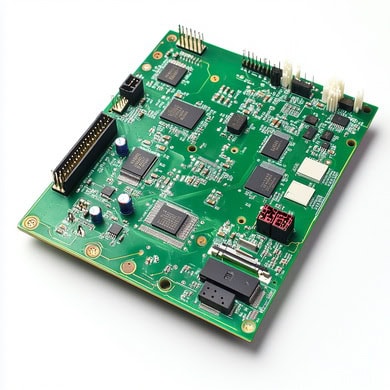
cURL Too many subrequests.
cURL Too many subrequests.
cURL Too many subrequests.
cURL Too many subrequests.
cURL Too many subrequests.
cURL Too many subrequests.
- cURL Too many subrequests. cURL Too many subrequests.
- cURL Too many subrequests. cURL Too many subrequests.
- Programmable Platforms: When these intelligent algorithms and models are implemented on programmable hardware, such as FPGAs (Field Programmable Gate Arrays) or SDRs (Software Defined Radios), antennas become even more responsive. This integration enables rapid, efficient switching of frequencies or radiation patterns, keeping up with the varied demands of modern communication environments.
Together, neural networks and graph models provide reconfigurable antennas with a level of intelligence and flexibility that goes far beyond traditional designs. This smart approach enables better connectivity, faster adaptation, and improved performance across a variety of demanding wireless applications.
What are the Benefits of a Reconfigurable Antenna?
Reconfigurable antennas offer several benefits, making them an attractive choice for various applications in modern wireless communication systems. Here are some of the key advantages:
1. Frequency Agility: Reconfigurable antennas can dynamically change their operating frequency, allowing a single antenna to support multiple frequency bands. This is particularly useful for devices that need to operate across different communication standards (e.g., 4G, 5G, Wi-Fi).

2. Size and Cost Efficiency: By replacing multiple antennas with a single reconfigurable antenna, the overall size and cost of the device can be reduced. This is particularly beneficial in compact devices like smartphones and IoT devices.
3. Improved Performance: These antennas can optimize their radiation pattern and polarization to improve signal quality and reduce interference. This adaptability can enhance the overall performance of the communication system.
4. Enhanced Connectivity: Reconfigurable antennas can switch between different radiation patterns or polarizations to maintain optimal connectivity, even in challenging environments with obstacles or interference.
5. Energy Efficiency: By dynamically adjusting to the current communication needs, reconfigurable antennas can help reduce power consumption, which is crucial for battery-powered devices.
6. Versatility and Flexibility: They provide greater flexibility in system design, allowing for easy adaptation to new standards and technologies without the need for hardware changes.
7. Increased Capacity and Throughput: By optimizing the antenna characteristics in real-time, reconfigurable antennas can support higher data rates and increased network capacity.
8. Support for Multiple Applications: These antennas can be used in a wide range of applications, from mobile communications and satellite systems to military and aerospace applications, due to their adaptability.
9. Future-Proofing: As communication standards evolve, reconfigurable antennas can adapt to new requirements without the need for complete hardware overhauls, providing a level of future-proofing for communication systems.
Overall, the flexibility and adaptability of reconfigurable antennas make them a valuable component in modern wireless communication systems, helping to meet the demands of increasingly complex and dynamic communication environments.
How Do Reconfigurable Antennas Deliver High Throughput Without Taking Up Extra Space?
Reconfigurable antennas can match the data throughput of traditional multiantenna systems by leveraging clever design rather than sheer numbers. Instead of installing several fixed antennas—which can quickly consume valuable space in compact devices—reconfigurable antennas use techniques like tunable elements and adaptive geometries to mimic the effects of multiple antennas within the footprint of a single unit.
By dynamically adjusting their configuration—either changing shape, length, or electrical properties in real time—these antennas can efficiently handle multiple communication tasks one after another, or even simultaneously, without crowding the device with additional hardware. This means a single reconfigurable antenna can perform the job that would otherwise require an array, helping keep devices sleek, lightweight, and cost-effective while still delivering robust connectivity and high data rates.
What is the Difference Between a Smart Antenna and a Reconfigurable Antenna?
Smart antennas and reconfigurable antennas are both advanced types of antenna technologies used to enhance communication systems, but they serve different purposes and operate in distinct ways. Here’s a breakdown of their differences:
Smart Antennas
1. Functionality:
– Smart antennas are designed to improve signal quality and communication capacity by dynamically adjusting their radiation patterns.
– They use signal processing techniques to direct the antenna beam towards the desired signal while minimizing interference and noise from other directions.

2. Types:
– Switched Beam Systems: Utilize a finite number of fixed beam patterns and switch between them to maximize signal reception.
– Adaptive Array Systems: Continuously adjust the beam pattern in real-time to track the desired signal and suppress interference.
3. Components:
– Consist of multiple antenna elements and a signal processing unit that works together to form and steer beams.
cURL Too many subrequests.
– Commonly used in wireless communication systems, such as cellular networks and Wi-Fi, to enhance signal quality and network capacity.
5. Advantages:
– Increased range and coverage.
– Improved signal quality and reduced interference.
– Enhanced capacity by allowing multiple users to share the same frequency band.
Reconfigurable Antennas
1. Functionality:
– Reconfigurable antennas can alter their physical or electrical properties to change their operating frequency, radiation pattern, or polarization.
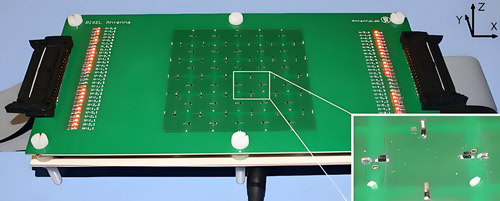
– They adapt to different communication standards or environmental conditions without the need for multiple antennas.
2. Types:
– Frequency Reconfigurable: Change operating frequency to support multiple bands.
– Pattern Reconfigurable: Adjust radiation pattern to optimize coverage or reduce interference.
– Polarization Reconfigurable: Switch between different polarizations to improve signal reception.
3. Components:
– Typically involve a single antenna element with tunable components like varactors, RF switches, or MEMS to achieve reconfigurability.
cURL Too many subrequests.
– Useful in multi-standard communication devices, cognitive radio systems, and applications requiring space and cost efficiency.
5. Advantages:
cURL Too many subrequests.
cURL Too many subrequests.
cURL Too many subrequests.
cURL Too many subrequests.
cURL Too many subrequests.
cURL Too many subrequests.
cURL Too many subrequests.
cURL Too many subrequests.
cURL Too many subrequests. cURL Too many subrequests. cURL Too many subrequests.
cURL Too many subrequests.
cURL Too many subrequests.
cURL Too many subrequests.
cURL Too many subrequests.
cURL Too many subrequests.
cURL Too many subrequests.
cURL Too many subrequests.
cURL Too many subrequests.
cURL Too many subrequests.
– Pixel Antennas: By using a grid of small, reconfigurable elements, pixel antennas can dynamically alter their shape and size to achieve different radiation patterns and frequency bands.
– Fractal Designs: These offer multiband capabilities and compact size, making them ideal for space-constrained applications.
– Conformal Antennas: Designed to fit the shape of the mounting surface, these antennas are useful for applications in vehicles or wearables where aerodynamic or ergonomic considerations are crucial.
4. Performance, Cost, and Complexity Balance
– Performance: The antenna’s gain, efficiency, bandwidth, and pattern reconfigurability must meet the specific requirements of the intended application, whether it’s for telecommunications, radar, or IoT devices.
– Cost: Material and manufacturing costs must be considered, especially for consumer electronics where price sensitivity is high.
– Complexity: The design should minimize complexity to ensure reliability and ease of integration, particularly in mass-market applications.
By carefully considering these factors, designers can create reconfigurable antennas that meet the diverse needs of modern communication systems and emerging technologies. Collaboration between material scientists, electrical engineers, and application specialists is essential to develop innovative solutions that push the boundaries of current antenna technology.
Optimizing Reconfigurable Antenna Design
To further enhance the efficiency and reliability of reconfigurable antennas, one effective strategy is streamlining the switching architecture. By carefully analyzing the design, unnecessary or redundant switches can be eliminated, reducing both circuit complexity and potential biasing complications. This targeted approach not only simplifies the control network but also minimizes signal losses associated with excessive switching components.
A more elegant switch configuration can have several positive effects:
- Improved Performance: Fewer switches mean reduced insertion loss and enhanced overall antenna efficiency.
- Simplified Biasing: With a reduced number of components requiring control voltages, managing bias lines becomes more straightforward, decreasing the risk of interference and improving reliability.
- Lower Power Consumption: Minimizing active switching elements translates to less power draw, which is particularly helpful for battery-powered or portable devices.
Additionally, adopting advanced simulation tools—like CST Microwave Studio or HFSS—during the design phase can help designers identify and remove redundant paths before prototyping. Opting for modular or reconfigurable sub-arrays, where only essential elements are individually controllable, is another practical method to trim down complexity without sacrificing performance.
By integrating these optimization strategies, engineers can achieve a more robust, energy-efficient, and high-performance reconfigurable antenna system—a win-win for both designers and end users alike.
Reconfigurable Antenna Frequency
Frequency reconfigurability is indeed a significant advancement in antenna technology, offering several advantages across various communication scenarios. Here are some key points highlighting its importance:
1. Cellular Communication:
– Seamless Connectivity: As cellular networks evolve, devices need to switch between different standards like 4G, 5G, and even Wi-Fi. A frequency reconfigurable antenna can dynamically adjust to these different bands, ensuring seamless connectivity and optimal performance across diverse network environments.

– Cost-Effectiveness: By replacing multiple antennas with a single reconfigurable unit, manufacturers can reduce the cost and complexity of mobile devices, making them more affordable for consumers.
2. Satellite Communication:
– Adaptability: Satellites operate across various frequency bands (e.g., L-band, C-band, Ku-band, Ka-band). A reconfigurable antenna can adjust to these bands as needed, maintaining reliable communication links without the need for multiple dedicated antennas.
– Enhanced Coverage: This adaptability ensures that communication systems can maintain connectivity even as satellites move or as users switch between different satellite services.
3. Military and Defense:
– Operational Flexibility: Military communication systems often require operation across a wide range of frequencies to avoid detection and jamming. Frequency reconfigurable antennas provide the necessary flexibility to adapt to changing operational requirements.
– Simplified Logistics: Reducing the number of antennas needed for different frequencies simplifies the logistics of equipment deployment and maintenance in the field.
4. Internet of Things (IoT):
– Versatile Connectivity: IoT devices often need to connect to various networks (e.g., cellular, Wi-Fi, Bluetooth). A reconfigurable antenna allows these devices to operate efficiently across different frequency bands, enhancing their versatility and connectivity options.

5. Automotive Applications:
– Integrated Systems: Modern vehicles incorporate numerous wireless systems for navigation, communication, and entertainment. A frequency reconfigurable antenna can support these diverse systems, reducing the number of individual antennas required and streamlining vehicle design.
Overall, frequency reconfigurability in antennas contributes to more efficient, versatile, and cost-effective communication systems, meeting the demands of increasingly complex and dynamic wireless environments.
Reconfigurable Antenna Polarization
cURL Too many subrequests. cURL Too many subrequests.
cURL Too many subrequests.
cURL Too many subrequests.
cURL Too many subrequests.
cURL Too many subrequests.
cURL Too many subrequests.
cURL Too many subrequests.
cURL Too many subrequests.
 German (Switzerland)
  English
  Spanish
  German
  French (France)
  Korean
  Russian
  Indonesian
  French (Canada)
  Vietnamese
  Armenian
  Albanian
  Assamese
  Acehnese
  Amharic
  Czech
Czech  Bulgarian
  Cebuano
  Malayalam
  Japanese
  Dutch
Dutch