 Skip to content
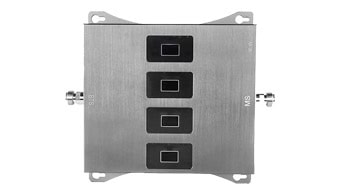
Do you experience frequent call drops, slow data speeds, or poor cell signal reception at home or in your office? You’re not alone. Many face these frustrating issues daily, which can disrupt both personal communications and business transactions. Signal boosters offer a simple yet effective solution to these problems, enhancing your connectivity where it matters most.
A signal booster is an electronic device designed to amplify weak cellular signals to provide enhanced signal strength in areas of poor connectivity. This enables stronger connections, fewer dropped calls, and more reliable data speeds, improving your mobile experience significantly.
After understanding what a signal booster is and its fundamental operation, let’s delve deeper into how it works and why it might be the crucial solution you need to end your communication woes.
What does a signal booster do?
A signal booster, also known as a cellular repeater, is a device that is used to amplify or boost the signal strength of a wireless signal. It receives weak signals from cellular towers, Wi-Fi routers, or other wireless devices, amplifies them, and rebroadcasts them to extend their reach and improve connectivity. Signal boosters are commonly used in areas with poor or weak signal coverage to enhance signal strength, increase signal range, and improve signal quality for better call quality, faster data speeds, and improved internet connectivity.
How does the signal booster work?
A signal booster, sometimes referred to as a cell phone repeater or amplifier, is a device that improves cell phone signal strength and quality. It consists of three main components: an external antenna, an amplifier, and an internal antenna.
The external antenna, usually mounted on the roof or outside a building, captures the weak cell phone signal. It then sends the signal to the amplifier.
The amplifier boosts the signal’s power and cleans up any noise or interference that may be present. Once the signal has been amplified, it is sent to the internal antenna.
The internal antenna broadcasts the amplified signal inside a building or vehicle, allowing cell phones and other devices to receive a better quality signal.
The signal booster effectively enhances weak signals and extends cell phone coverage by amplifying the weak signals from the cell tower, increasing their strength, and then rebroadcasting them to improve coverage inside buildings and vehicles.
What are the benefits of a signal booster?
Here are some specific benefits of using a signal booster:
1. Improved call quality: A stronger cell signal means clearer calls with no or minimal disturbances, such as dropped calls or static noise.
2. Enhanced data speed: With a stronger signal, you can experience faster data speeds on your mobile device, resulting in quicker web browsing, video streaming, and downloading/uploading files.
3. Extended battery life: Weak cell signal forces your phone to work harder to establish and maintain a connection, draining your battery faster. By boosting the signal, your phone doesn’t need to work as hard, thus conserving battery life.
4. Increased coverage area: A signal booster amplifies the signal, extending the coverage range for your phone. This means better reception and connectivity in more areas, particularly in remote or rural locations.
5. Reliable connectivity: Whether you’re in a basement, a high-rise building, or a place with dense foliage, a signal booster can help you stay connected when you otherwise wouldn’t have signal or weak reception.
6. Lower radiation exposure: When you have a weak signal, your phone emits more radiation as it searches for and tries to maintain a connection. By using a signal booster and having a stronger signal, your phone emits less radiation, reducing your exposure.
7. Improved device performance: By boosting the cell signal, you allow your phone to work optimally, as it was designed to with a decent signal strength. This can improve the performance of various phone functions and apps.
Overall, a signal booster can improve your cell phone experience by providing a strong and reliable signal, allowing you to make clear calls, access high-speed data, and stay connected in areas with poor signal coverage.
Signal Booster Antenna Types
There are several types of signal booster antennas, each designed for specific applications and signal frequencies. Here are some common types:
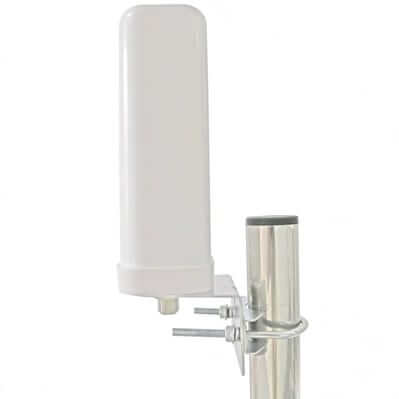
1. Omni-directional antenna: This type of antenna radiates and receives signals in all directions. It is suitable for boosting signals from multiple cell towers that are located in different directions.
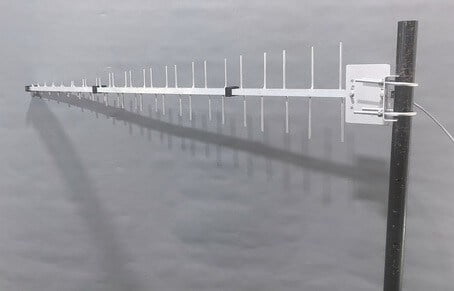
2. Yagi antenna: Yagi antennas are highly directional and focus their signal in a specific direction. They are used to boost signals from a single cell tower that is located far away.
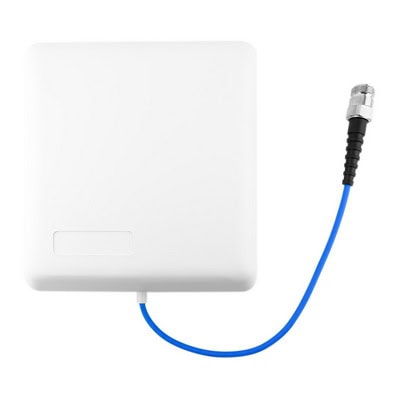
3. Panel antenna: Panel antennas are also directional but have a wider beamwidth compared to Yagi antennas. They are used to boost signals in specific areas or buildings.
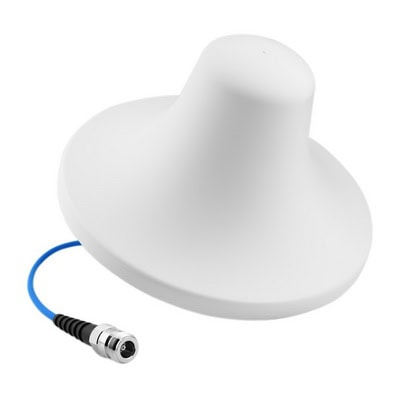
4. Dome antenna: cURL Too many subrequests. are omni-directional antennas that are often used indoors. They are designed to provide signal coverage in a specific area, such as a room or office.
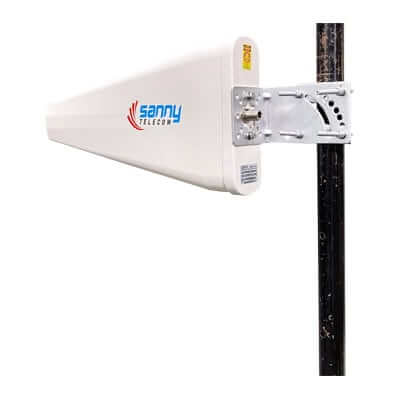
5. Log-periodic antenna: Log-periodic antennas are used for wideband applications. They can cover a wide range of frequencies and are commonly used in signal boosters that support multiple frequency bands.
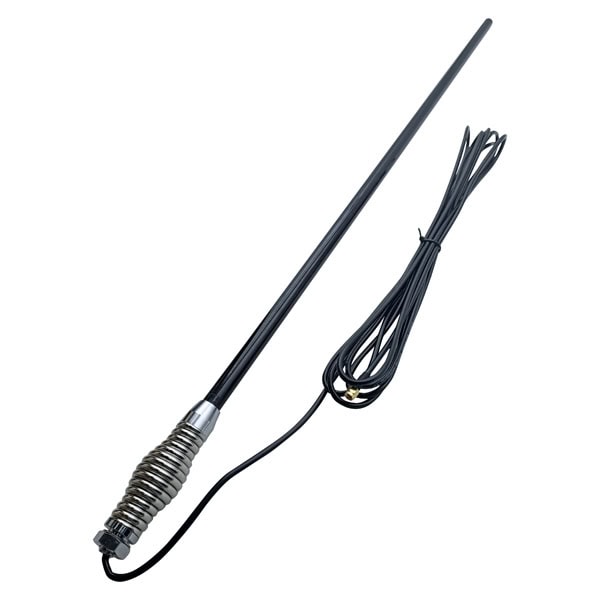
6. Whip antenna: Whip antennas are flexible, rod-like antennas commonly used in vehicle signal boosters. They can be mounted on the roof or trunk of a vehicle to boost signals while on the move.
It is important to select the right type of antenna for your specific signal booster and application to ensure optimal signal reception and transmission.
What are the disadvantages of signal boosters?
There are several disadvantages of signal boosters, including:
1. Increased signal interference: Signal boosters can pick up and amplify interference from other electronic devices, such as televisions, radios, or microwaves. This can result in a degraded signal quality or even complete disruption of the signal.
2. Legal restrictions: The use of signal boosters is regulated by law in many countries due to their potential to interfere with cellular networks. In some cases, using signal boosters without proper authorization can lead to fines or other legal consequences.
cURL Too many subrequests.
cURL Too many subrequests.
cURL Too many subrequests.
cURL Too many subrequests.
cURL Too many subrequests.
cURL Too many subrequests.
cURL Too many subrequests.
cURL Too many subrequests.
cURL Too many subrequests.

cURL Too many subrequests.
cURL Too many subrequests.
cURL Too many subrequests.
cURL Too many subrequests.
cURL Too many subrequests.
cURL Too many subrequests.
cURL Too many subrequests.
cURL Too many subrequests.
cURL Too many subrequests.
cURL Too many subrequests.

What is a signal booster for a car?
A signal booster for a car, also known as a mobile signal booster or cell phone signal booster, is a device that enhances and amplifies the existing cellular signal strength in a vehicle. It consists of three main components: an external antenna that captures weak signals, an amplifier that boosts the signal, and an internal antenna that rebroadcasts the amplified signal within the vehicle. This process improves the overall cell phone reception in the car, resulting in better call quality, faster data speeds, and increased signal coverage.

In conclusion, signal boosters are an effective solution for addressing the problem of weak cell phone reception. They can be used at home, in the workplace, or inside a vehicle, and they have the potential to greatly improve connectivity, making communication easy and efficient. If you have specific needs and are looking for a way to enhance your cell phone reception, a signal booster is worth considering.
 German (Switzerland)
  English
  Spanish
  German
  French (France)
  Korean
  Russian
  Indonesian
  French (Canada)
  Vietnamese
  Armenian
  Albanian
  Assamese
  Acehnese
  Amharic
  Czech
Czech  Bulgarian
  Cebuano
  Malayalam
  Japanese
  Dutch
Dutch