 Skip to content
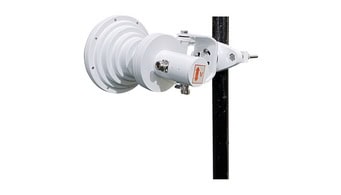
Discover the innovative world of symmetrical horn antennas, pivotal game-changers in wireless communication technology. With their unique design and efficiency, these antennas revolutionize signal distribution and network performance, offering unparalleled benefits to techies, hackers, technicians, engineers, and product managers alike.
A symmetrical horn antenna is a specialized type of radio antenna characterized by its symmetrical beam radiation pattern, ensuring uniform signal distribution in both horizontal and vertical planes. This unique design feature makes symmetrical horn antennas highly efficient for directing radio waves precisely where needed, resulting in enhanced signal strength and coverage. With their balanced beam pattern, symmetrical horn antennas offer superior performance in minimizing interference and optimizing network connectivity, making them indispensable tools in modern wireless communication systems.
But what sets them apart from other antenna types? Let’s dive deeper.
What Does Symmetrical or Asymmetrical Mean?
Symmetrical antennas have a consistent and uniform beam pattern in both the horizontal and vertical planes. This means that the antenna distributes signals evenly, providing consistent coverage in all directions.
Asymmetrical antennas, on the other hand, have varied beam patterns. These antennas can be designed to provide specific coverage in certain directions or areas. However, the non-uniform beam pattern can make it more difficult to distribute signals evenly and consistently.
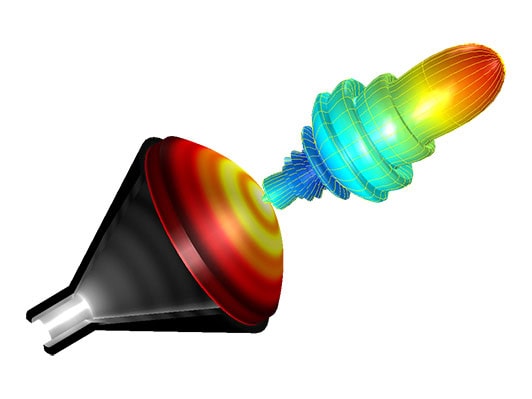
In summary, symmetrical antennas provide consistent coverage in all directions, while asymmetrical antennas can be designed to provide specific coverage but may have challenges in distributing signals uniformly.
How Do You Know if It’s Symmetrical or Asymmetrical?
Symmetrical antennas often have a circular or square waveguide opening, while asymmetrical antennas may have a rectangular or oval shape, indicative of their differing beam patterns.
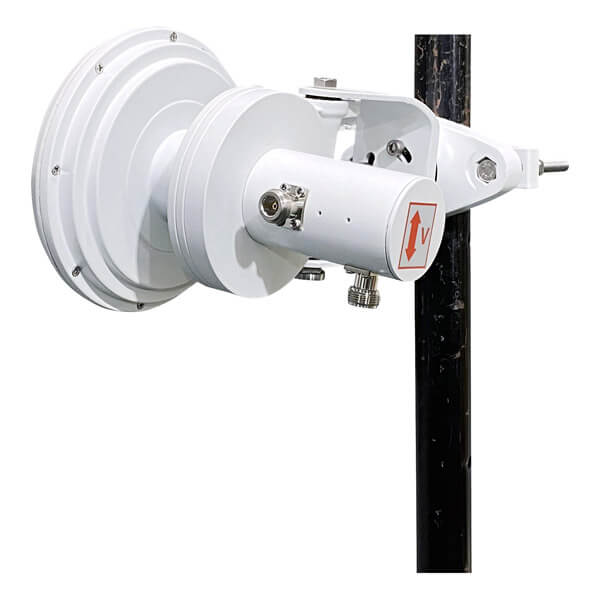
Additionally, symmetrical antennas tend to have a balanced feed, meaning that the electrical current is evenly distributed on both sides of the antenna. This can be seen in the presence of a balun or a center-fed dipole.
On the other hand, asymmetrical antennas usually have an unbalanced feed, where the electrical current is concentrated on one side of the antenna. This can be observed in the absence of a balun or the use of a coaxial cable for feeding the antenna.

In terms of performance, symmetrical antennas often produce a more uniform radiation pattern in all directions. This means that the signal strength is relatively equal in all directions around the antenna.
Asymmetrical antennas, on the other hand, may have a directional radiation pattern, where the signal is stronger in one direction and weaker in others. To determine if an antenna is symmetrical or asymmetrical, one can examine its physical characteristics, such as the shape of the waveguide opening and the presence or absence of a balun. Additionally, analyzing the radiation pattern of the antenna can provide insights into its symmetry.
What Is A Symmetrical Horn Antenna Used For?
A symmetrical horn antenna is commonly used in wireless local area network (WLAN) applications, particularly for point-to-multipoint communication in high-density coverage scenarios.
These antennas are designed to provide a symmetrical radiation pattern, meaning that the signal is distributed evenly in all directions. This makes them ideal for applications where coverage needs to be provided to multiple devices in a specific area, such as in crowded public spaces, stadiums, or large office buildings.
Symmetrical horn antennas offer high gain and low side lobe levels, which helps in reducing interference and improving signal quality. They are typically used in conjunction with access points or base stations to provide reliable and consistent wireless connectivity to a large number of users in a specific area.
How Does the Symmetrical Horn Antenna Work?
Symmetrical horn antennas achieve their symmetrical radiation pattern through their unique shape. They have a flared, conical structure that gradually expands from the feed point to the aperture. This shape allows the waves to propagate in a consistent manner, eliminating any distortion or unevenness in the signal.
When a radio signal is fed into the horn antenna through the feed point, it travels down a waveguide and enters the conical section. As the waves encounter the expanding walls of the horn, they spread out evenly in a circular pattern. This pattern is maintained as the waves exit the aperture and propagate into the surrounding space.
The symmetrical radiation pattern of the horn antenna ensures that the signal is evenly distributed in all directions. This is particularly useful in wireless communication systems where multiple devices need to connect to a central access point. The symmetrical pattern minimizes interference and allows devices to connect from any direction around the antenna.
Additionally, the symmetrical horn antenna provides a consistent signal strength across its coverage area. This helps to improve connectivity and reduce dead zones, where the signal is weak or non-existent. The uniform distribution of waves ensures that devices located at different distances or angles from the antenna receive a similar signal strength, enhancing the overall performance of the wireless network.
What Does A Symmetrical Horn Antenna Consist of?
A symmetrical horn antenna consists of the following components:

1. Horn Body: It is the main part of the antenna and is typically made of metal. The horn body is a hollow, tapered structure that helps in shaping and directing the electromagnetic waves.
2. Plastic Protecting Cover: The horn body is covered with a plastic protecting cover to provide mechanical protection and insulation from external elements.
3. Flange: The horn body is attached to a flange, which is a flat, circular plate made of metal. The flange helps in mounting the antenna and connecting it to other components.
4. Circular Waveguide: The flange is connected to a circular waveguide, which is a cylindrical metal tube that guides the electromagnetic waves from the source to the horn body. The circular waveguide is responsible for maintaining the symmetry of the antenna.
5. Feed: The circular waveguide is connected to a feed, which is a component that feeds the electromagnetic waves into the waveguide. The feed is usually a coaxial cable or a waveguide probe.
6. Connector: The feed is connected to a connector, which is a device that allows the antenna to be connected to a transmitter or receiver. The connector provides a secure and reliable electrical connection between the antenna and the electronic equipment.

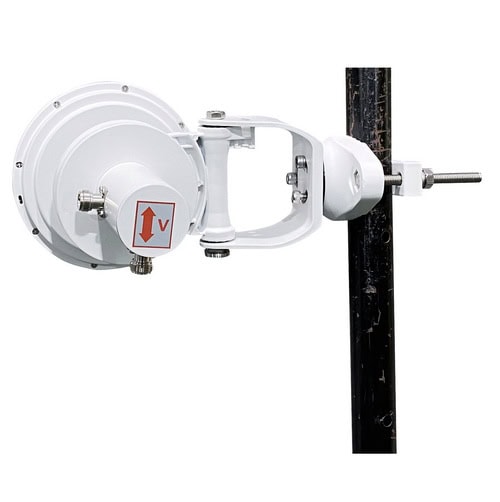
7. Mounting Bracket: The antenna is mounted on a bracket, which is a support structure that holds the antenna in place. The mounting bracket allows the antenna to be positioned and oriented in the desired direction.
What’s the Beamwidth of the Symmetrical Horn Antennas?
The beamwidth of symmetrical horn antennas typically ranges from 30 degrees to 90 degrees.This uniform beamwidth ensures consistent signal coverage, crucial for maintaining high-quality connectivity across various deployment scenarios.
What Are the Benefits of Symmetrical Horn Antennas?
Symmetrical horn antennas also have a narrower beamwidth compared to other types of antennas, which allows for more precise targeting of the signal. This can result in increased network capacity and improved signal quality.
cURL Too many subrequests.
cURL Too many subrequests.
cURL Too many subrequests.
cURL Too many subrequests.
cURL Too many subrequests.
cURL Too many subrequests.
cURL Too many subrequests.
cURL Too many subrequests.
cURL Too many subrequests.
cURL Too many subrequests.
cURL Too many subrequests.
cURL Too many subrequests.
cURL Too many subrequests.
cURL Too many subrequests.

cURL Too many subrequests.
cURL Too many subrequests.
Symmetrical horn antennas cURL Too many subrequests.
cURL Too many subrequests.
cURL Too many subrequests.
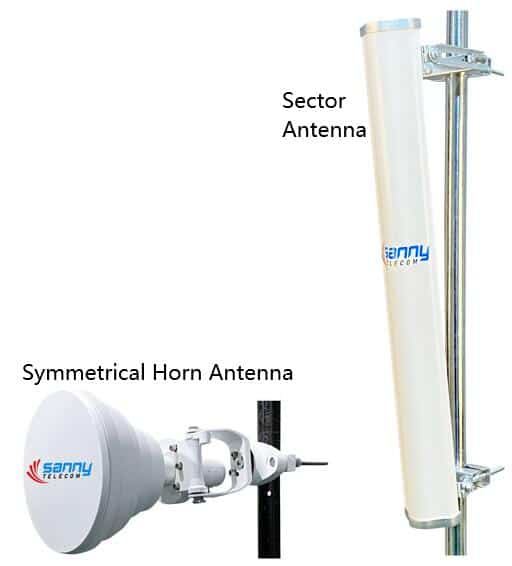
However, sector antennas have their own advantages. They are typically more cost-effective and easier to install compared to symmetrical horn antennas. Sector antennas also have a wider coverage area, making them suitable for providing coverage to a large number of users in a specific direction.
In summary, symmetrical horn antennas are more suitable for applications that require precise beamwidth control, side lobe suppression, and long-distance communication. On the other hand, sector antennas are more cost-effective and provide wider coverage, making them suitable for applications where cost and coverage area are more important factors.
cURL Too many subrequests.
In conclusion, the symmetrical horn antenna is a highly efficient and high-performing antenna that is ideal for modern wireless networks. Whether you are a technician, engineer, or product manager, understanding these antennas can greatly impact your projects and innovations, guiding you towards more effective and efficient network solutions.
 German (Switzerland)
  English
  Spanish
  German
  French (France)
  Korean
  Russian
  Indonesian
  French (Canada)
  Vietnamese
  Armenian
  Albanian
  Assamese
  Acehnese
  Amharic
  Czech
Czech  Bulgarian
  Cebuano
  Malayalam
  Japanese
  Dutch
Dutch