 Skip to content
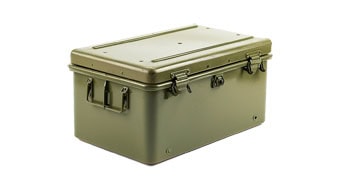
In the complex and ever-evolving world of telecommunications, protecting the backbone of our communication networks is paramount. This is where telecommunication enclosures come into play, serving as the guardians of critical communication equipment.
Telecommunication enclosures, often referred to as telecommunications cabinets, are indispensable components designed to safeguard electrical cabling and equipment. These robust guardians shield against environmental threats like dust, rain, ice, and external heat, ensuring that our voices, data, and digital connections remain uninterrupted.
Understanding the nuances of telecommunication enclosures illuminates their crucial role in the telecommunications industry, bridging the gap between technological advancement and environmental challenges.
What is an Enclosure in Telecommunication?
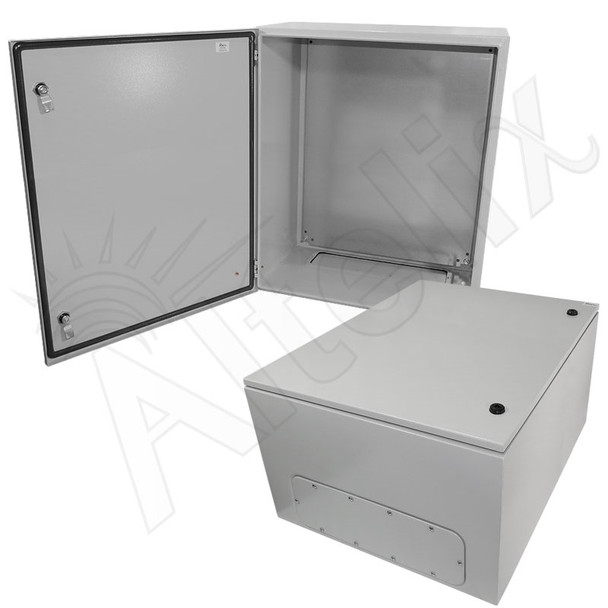
These enclosures are typically made of durable materials such as plastic(ABS), fiberglass, die-casting aluminum or stainless steel and are designed to withstand harsh weather conditions, extreme temperatures, and other potentially damaging elements. They are also built to resist tampering and unauthorized access.
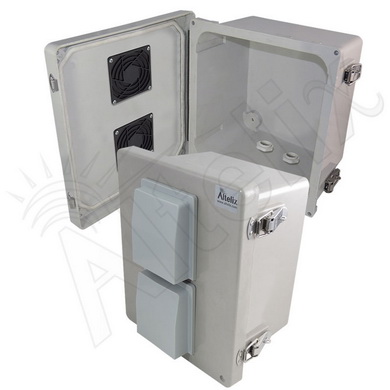
Telecommunication enclosures come in various sizes and configurations to accommodate different equipment and installation requirements. They can be small wall-mounted enclosures used to house a single piece of equipment, or they can be large freestanding enclosures used to house multiple devices and systems.
Some common types of telecommunication enclosures include:
1. Outdoor Cabinets: These enclosures are designed to be installed outdoors and protect equipment from the elements. They often have weatherproof seals and insulation to prevent water, dust, and other contaminants from entering.
2. Rack Cabinets: These enclosures are designed to hold standard 19-inch rack-mounted equipment such as servers, switches, and routers. They typically have removable front and rear doors, as well as side panels for easy access to the equipment.
3. Wall-Mounted Enclosures: These enclosures are designed to be mounted on walls and are often used in areas where floor space is limited. They are typically smaller in size and can house a single piece of equipment or a small network.
4. Modular Enclosures: These enclosures are designed to be customizable and expandable. They consist of multiple modules that can be interconnected to create a larger enclosure as needed. This allows for easy scalability and flexibility in the telecommunications infrastructure.
In addition to providing physical protection, telecommunication enclosures often include features such as cooling systems, power distribution units, cable management, and security locks to ensure the reliable operation and security of the equipment housed inside.
How Does the Enclosure Work?
The enclosure is typically made of durable materials such as plastic(ABS), fiberglass, die-casting aluminum or stainless steel to provide strength and protection. It is designed with various features to ensure the equipment inside remains safe. Here are some key components and functions of a telecommunication enclosure:
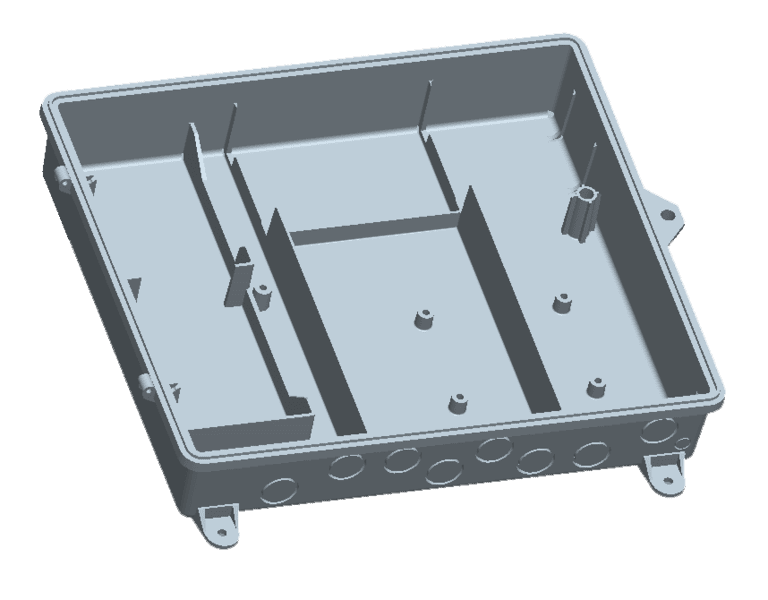
1. Weatherproofing: The enclosure is designed to be weatherproof, protecting the equipment from rain, snow, dust, and other environmental elements. It typically has a sealed door with gaskets or weather stripping to prevent water and moisture from entering.
2. Ventilation: To prevent the equipment from overheating, the enclosure is equipped with ventilation systems such as fans or vents. These allow air to circulate and dissipate heat generated by the equipment.
3. Cooling: In addition to ventilation, some enclosures have cooling systems such as air conditioners or heat exchangers. These help maintain the temperature inside the enclosure within the optimal range for the equipment.
4. Security: Enclosures are designed to prevent unauthorized access to the equipment. They often have locks on the doors, as well as tamper-proof features such as alarm systems or security cameras.
5. Cable management: The enclosure provides a neat and organized space to manage the cables connecting the equipment. It may have cable entry points, cable management racks, or cable trays to keep the cables organized and protected.
6. Power distribution: Enclosures often include power distribution units (PDUs) to distribute power to the equipment inside. These PDUs may have surge protection or other safety features to safeguard the equipment from power fluctuations or electrical surges.
7. Monitoring and control: Some advanced enclosures have monitoring and control systems to remotely monitor the status of the equipment inside. This can include temperature monitoring, power usage monitoring, or remote control capabilities.
Overall, telecommunication enclosures provide a controlled and protected environment for sensitive equipment, ensuring its functionality and longevity.
What are the Benefits of Enclosure?
Some of the benefits of telecommunication enclosure are as follows:
1. Equipment longevity: Telecommunication enclosures protect sensitive equipment from dust, dirt, and other contaminants that can cause damage and reduce the lifespan of the equipment. Enclosures also provide protection against physical damage from accidental bumps or drops.
2. Operational reliability: Enclosures help maintain the optimal operating conditions for telecommunication equipment. They can regulate temperature, humidity, and airflow, preventing overheating and ensuring that the equipment functions at its best. Enclosures can also reduce the risk of electrical interference and noise, improving signal quality and reliability.
3. Environmental protection: Telecommunication enclosures are designed to withstand harsh environmental conditions such as extreme temperatures, moisture, rain, snow, and dust. By providing a sealed and protected environment, enclosures safeguard the equipment from these elements, minimizing the risk of equipment failure or service disruption.
4. Security: Enclosures can be equipped with locks and security features to prevent unauthorized access to the equipment. This helps protect against theft, vandalism, and tampering, ensuring the integrity and security of the telecommunication system.
cURL Too many subrequests.
cURL Too many subrequests.
cURL Too many subrequests.
cURL Too many subrequests.
cURL Too many subrequests.
cURL Too many subrequests.
cURL Too many subrequests.
cURL Too many subrequests.
cURL Too many subrequests.
cURL Too many subrequests.
cURL Too many subrequests.
cURL Too many subrequests.
cURL Too many subrequests.
cURL Too many subrequests.

cURL Too many subrequests.
cURL Too many subrequests.
cURL Too many subrequests.
cURL Too many subrequests.
cURL Too many subrequests.
To put it simply, telecommunication enclosures are important for keeping our communication networks working properly. In today’s world, where being connected is very important, knowing about and using these enclosures is necessary for people who work with or manage telecommunications systems. Using telecommunication enclosures is not just about keeping equipment safe; it’s about keeping our connected world safe to
 German (Switzerland)
  English
  Spanish
  German
  French (France)
  Korean
  Russian
  Indonesian
  French (Canada)
  Vietnamese
  Armenian
  Albanian
  Assamese
  Acehnese
  Amharic
  Czech
Czech  Bulgarian
  Cebuano
  Malayalam
  Japanese
  Dutch
Dutch