 Skip to content
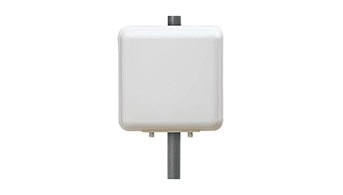
In the evolving landscape of wireless communication, Television White Space (TVWS) technology emerges as a groundbreaking solution to connect underserved regions. But what anchors this technology? At the heart of it are TVWS antennas—key components that exploit underused broadcast frequencies to deliver robust and widespread internet coverage. Let’s explore how these antennas function and their pivotal role in bridging the digital divide.
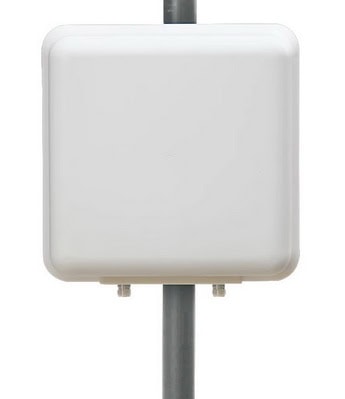
A TVWS antenna is a device designed to operate within the unused TV White Space frequencies, primarily between 470 MHz and 698 MHz. These antennas are crucial for transmitting and receiving signals capable of penetrating various obstructions, offering a reliable communication link in rural and remote areas.
Why Are TV White Spaces So Valuable?
The growing demand for wireless connectivity has made efficient use of the radio spectrum more important than ever. TV White Space represents a unique opportunity: these are the frequency bands originally reserved for television broadcasting but left unused—either because they serve as guard bands to prevent interference between channels, or simply because technological advances have freed them up.
Thanks to their long-range capabilities and impressive ability to penetrate obstacles like trees, hills, and buildings, TVWS frequencies are especially well-suited for environments where traditional infrastructure falls short. Whether it’s rugged mountainsides, dense forests, or sprawling rural communities, TVWS antennas can deliver connectivity where it’s needed most.
Unlocking Spectrum Through Digital Transition
A major driver behind the availability of TV White Space is the global shift from analog to digital television. Digital signals can be packed more efficiently into adjacent channels, freeing up large portions of valuable spectrum—particularly from around 50 MHz to 700 MHz. This liberated bandwidth allows for more flexible broadcast arrangements and opens the door for innovative uses like rural broadband.
By tapping into these underused frequencies, TVWS antennas enable wider, more inclusive coverage—bringing reliable internet access to communities that have long been left off the digital map.
Armed with a basic understanding of what a TVWS antenna is and its importance, let’s delve deeper into how these antennas operate and the various applications they support.
What is TV white space?
TV white space refers to the unused or underutilized portions of the radio frequency spectrum that were originally allocated for television broadcasting. These are the frequencies between television channels, which were left vacant to prevent interference between TV stations. With the transition from analog to digital television, these white spaces have become available for other wireless communication applications. TV white space can be used for various purposes, such as wireless broadband internet access, machine-to-machine communication, and other wireless applications.

What are the benefits of TVWS?
There are several benefits of TVWS (Television White Space) technology:
1. Improved connectivity: TVWS can provide broadband connectivity to rural and remote areas where traditional wired or wireless technologies may not be available or economically viable. It can bridge the digital divide and bring internet access to underserved communities.
2. Extended coverage: TVWS signals can travel longer distances and penetrate obstacles like buildings and trees better than higher frequency signals. This allows for wider coverage areas, making it suitable for providing connectivity in challenging terrains or areas with sparse populations.Thanks to their operation in lower frequency bands (typically VHF and lower UHF, 470–698 MHz), TVWS signals exhibit exceptional propagation characteristics:
- Extended range: Coverage can extend for several kilometers, dramatically reducing the need for multiple base stations or repeaters, especially in rural and suburban environments.
- Obstacle penetration: The ability to pass through walls, foliage, and other physical barriers makes TVWS technology versatile for deployment not just in open countryside, but also in more built-up or wooded regions.
- Reduced interference: Operating within less congested portions of the spectrum helps ensure more stable, interference-free connections—even in denser environments.
As a result, TVWS is especially well-suited for applications that demand broad transmission range, reliable connectivity, and the flexibility to reach areas where traditional wireless signals struggle.
3. Increased bandwidth: TVWS technology utilizes unused or underutilized TV broadcast frequencies, which are typically in the lower frequency bands. These lower frequencies can offer larger bandwidths, resulting in faster and more reliable internet connections.
4. Cost-effective: Deploying TVWS networks can be more cost-effective than laying down new cables or building cellular towers. The existing TV broadcast infrastructure can be leveraged, reducing the need for additional infrastructure investment.
5. Dynamic spectrum access: TVWS devices use a spectrum database to identify and access available frequencies in a specific location. This dynamic spectrum access allows for efficient and interference-free utilization of the spectrum, maximizing the use of available resources.
6. Interference mitigation: TVWS devices are designed to operate without causing interference to existing TV broadcasts or other licensed services. They employ techniques like spectrum sensing and geo-location databases to ensure interference-free operation.
7. Versatility: TVWS technology can be used for various applications, such as providing internet access, supporting IoT (Internet of Things) devices, enabling smart agriculture, facilitating emergency communications, and extending Wi-Fi coverage in urban areas.
These applications span a wide range of industries. For example, TVWS antennas are used to connect IoT devices for smart city infrastructure, agriculture, and environmental monitoring. Thanks to their long-range and obstacle-penetrating capabilities, TVWS networks make it possible to power solutions like smart farming, wildlife tracking, air quality monitoring, and traffic management—even across difficult terrain or in sparsely populated regions. In less crowded areas, the use of TVWS often supports more simultaneous device connections and allows for larger data transmissions per device, making it ideal for expanding connectivity and supporting a variety of modern, data-driven applications.
How does reduced interference benefit TVWS networks?
Reduced interference is a major advantage of using TV white space (TVWS) frequencies. Since these bands are less crowded than the bands used by conventional Wi-Fi or cellular networks, devices experience fewer disruptions from competing signals. This low level of congestion means that even in areas teeming with wireless activity—like city centers or event venues—connections remain stable, secure, and reliable.
For rural deployments, lower interference translates into consistent broadband performance across wide distances. It also means streaming, VoIP calls, and real-time applications can run smoothly without the hiccups typically caused by signal clashes. In short, the peace and quiet on these spectrum lanes empower communities and organizations to deploy robust, dependable internet access where other solutions might falter.
Overall, TVWS offers a cost-effective, efficient, and versatile solution to expand connectivity and provide internet access to underserved communities.
How does TVWS compare to cellular networks (4G/5G) in terms of coverage, speed, and spectrum usage?
When it comes to coverage, TVWS technology has a distinct advantage over traditional cellular networks like 4G and 5G—especially in rural or sparsely populated regions. Thanks to its ability to utilize lower-frequency TV channels, TVWS signals can travel farther and more easily penetrate obstacles such as hills, dense foliage, and buildings. This translates into cost-effective and expansive coverage, reaching locations where building out cellular infrastructure (think rows of cell towers) would be prohibitively expensive.
In terms of speed, however, cellular networks tend to lead the pack. 4G and 5G technologies are specifically engineered for high data throughput and can achieve much faster connection speeds, making them ideal for bandwidth-hungry applications in urban settings. TVWS offers solid performance for general internet access and many digital services, but may not match the peak speeds or ultra-low latency that 4G/5G can deliver in ideal conditions.
Looking at spectrum usage, the key difference is that TVWS makes use of unlicensed, underutilized TV broadcast frequencies. This not only lowers operational costs but also sidesteps some of the regulatory hurdles often associated with licensed spectrum. Networks built on TVWS can dynamically tap into available frequencies without interfering with licensed broadcast services, whereas cellular networks depend on licensed spectrum, requiring significant ongoing investment and regulatory compliance.
In summary, TVWS excels where wide coverage and affordability are vital, such as connecting rural communities, while cellular networks shine in delivering high-speed, high-capacity service in densely populated areas. Both technologies have their place, and together they help fill the gaps left by traditional connectivity options.
What are the disadvantages of TVWS?
While TVWS (TV White Space) technology has several advantages, it also has a few disadvantages. Here are some of them:
1. Larger Antennas: TVWS requires larger antennas compared to other wireless technologies. This can make it difficult to integrate into small devices or deploy in areas where space is limited.While these antennas are generally more substantial, there are also considerations related to their size and weight—bulkier equipment can pose challenges for installation and transportation, especially in remote or hard-to-reach areas. This added heft may complicate mounting on existing infrastructure or limit placement options, making it less convenient when space or aesthetics are a concern. On the other hand, the larger antenna size is often necessary to achieve the extended coverage that makes TVWS attractive for rural and expansive deployments.
cURL Too many subrequests.
cURL Too many subrequests.
cURL Too many subrequests.
cURL Too many subrequests.
cURL Too many subrequests.
cURL Too many subrequests.
cURL Too many subrequests.
cURL Too many subrequests.
cURL Too many subrequests.
cURL Too many subrequests.
cURL Too many subrequests.
cURL Too many subrequests.
cURL Too many subrequests.
cURL Too many subrequests.
cURL Too many subrequests.
cURL Too many subrequests. cURL Too many subrequests.
cURL Too many subrequests.
cURL Too many subrequests.
How are TVWS antennas used in maritime communication systems?
TVWS antennas are increasingly being utilized in maritime environments to enhance communication capabilities between vessels and coastal stations, as well as among ships themselves. By tapping into unused frequencies in the TV broadcast spectrum, these antennas make it possible to establish stable wireless links even over long distances at sea—where traditional cell towers or fiber connections aren’t practical.
In a typical maritime communication setup, a TVWS antenna is connected to an Access Point (AP) onboard the ship. This access point can offer both Ethernet (wired) and Wi-Fi (wireless) connections to on-ship devices, enabling seamless data exchange between shipboard systems and external networks. This means crew and operational equipment can stay connected for real-time navigation updates, emergency communications, and even routine internet use.
Additionally, TVWS-enabled maritime systems commonly support advanced features, including:
- GPS tracking for accurate vessel positioning
- Transmission of ship-to-ship or ship-to-shore messages, including text, images, audio, and video
- Remote monitoring using onboard cameras, with video streams efficiently compressed using formats like H264 to maintain quality and reduce data load over limited bandwidth connections
The robust, adaptable nature of TVWS antennas helps ensure reliable, interference-minimized maritime communications—an essential advantage for both safety and operational efficiency at sea.
Video Surveillance and Security Applications
TVWS antennas are particularly valuable in the field of video surveillance and security systems, especially in scenarios where laying cables is difficult or cost-prohibitive. Thanks to their ability to transmit data over long distances and through obstacles like buildings and trees, these antennas make it possible to install cameras in remote or otherwise hard-to-reach locations—such as agricultural sites, parking lots, or along extensive property boundaries.
Some of the key benefits TVWS antennas offer for surveillance include:
- Extended Coverage: Surveillance cameras connected via TVWS can send high-quality images and video to monitoring centers located several kilometers away, ensuring security even in isolated areas.
- Improved Flexibility: As no physical wires are required, cameras can be placed wherever coverage is needed without the constraints of existing infrastructure.
- Reliable Connectivity: TVWS is less likely to suffer signal degradation over distance compared to traditional Wi-Fi or cellular connections, delivering more consistent performance for real-time monitoring.
- Rapid Deployment: Because extensive trenching or wiring isn’t necessary, setting up a surveillance network can be accomplished quickly and with fewer logistical hurdles.
These features make TVWS antennas a strong solution for both temporary event security and permanent installations in locations where connectivity is typically a barrier.
How does the TVWS antenna work?
The TVWS (TV White Space) antenna works by receiving and transmitting radio signals in the TV white space spectrum. TV white space refers to the unused or underutilized portions of the television frequency spectrum.
The antenna is designed to operate in the UHF (Ultra High Frequency) band, which is typically used for television broadcasting. It can receive and transmit signals in the frequency range of 470 MHz to 698 MHz, which is the range allocated for TV broadcasting.
The TVWS antenna utilizes a combination of hardware and software to access and utilize the available TV white space spectrum. It scans the local area to detect the available TV channels and identifies the unused or underutilized frequencies. It then selects the best available channel and configures itself to operate on that frequency.
The antenna has a built-in database that provides information about the available TV channels and the locations of television transmitters. It uses this information to ensure that it does not interfere with existing TV broadcasts. It also continuously monitors the spectrum to detect any changes in the channel availability and adjusts its operation accordingly.
Overall, the TVWS antenna uses advanced technology to access and utilize the unused TV white space spectrum, enabling the provision of broadband internet access in areas where it was previously not feasible.
What’s the range of TVWS antennas?
The range of TVWS (TV White Space) antennas can vary depending on various factors such as the transmit power of the antenna, the frequency being used, the terrain, and any obstacles in the environment.
In general, TVWS antennas can have a range of several kilometers, but it is important to note that the range can be affected by factors such as interference, line-of-sight obstructions, and signal propagation characteristics at the specific frequency being utilized.
What does a TVWS Antenna consist of?
A TVWS (TV White Space) antenna consists of several key components:
1. Antenna Element: This is the main part of the antenna that receives and transmits radio frequency signals. It is designed to operate in the TVWS frequency range, typically between 470 MHz and 698 MHz.
2. Feedline: The feedline connects the antenna element to the radio equipment. It is a cable or transmission line that carries the radio signals to and from the antenna.
3. Mounting Hardware: The antenna is usually mounted on a mast, tower, or pole. The mounting hardware includes brackets, clamps, or other mechanisms to securely attach the antenna to the structure.
4. Radome: A radome is a protective cover that encloses the antenna. It is typically made of plastic or fiberglass and shields the antenna from environmental factors like rain, wind, and UV radiation.
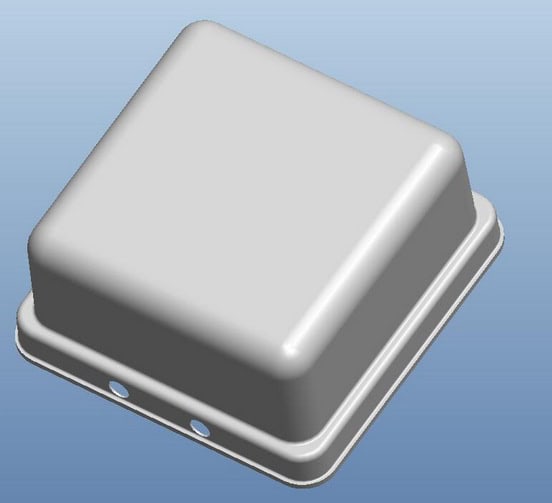
5. Grounding System: TVWS antennas often require grounding to protect against lightning strikes and to ensure proper electrical safety. The grounding system consists of grounding rods, conductors, and other components that provide a safe path for electrical current.
6. RF Connector: The antenna is connected to the radio equipment using an RF connector. It is a type of electrical connector that ensures a secure and reliable connection between the antenna and the radio.
To guarantee smooth integration with various communication systems and devices, TVWS antennas are typically equipped with connectors that are compatible with widely used formats and standards. For instance, TVWS sector antennas often use TNC connectors, while TVWS Yagi antennas might come with coaxial pigtails featuring N-male connectors, such as those offered by KP Performance Antennas. This variety in connector types allows for flexibility in installation and ensures that the antenna can be easily integrated with different radio equipment setups.
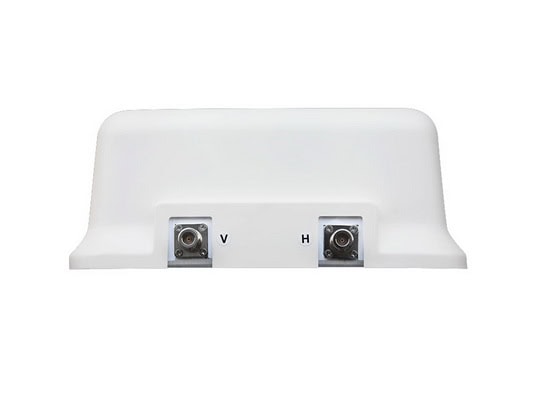
These components work together to enable the TVWS antenna to send and receive radio signals in the TVWS frequency band, allowing for wireless communication over long distances.
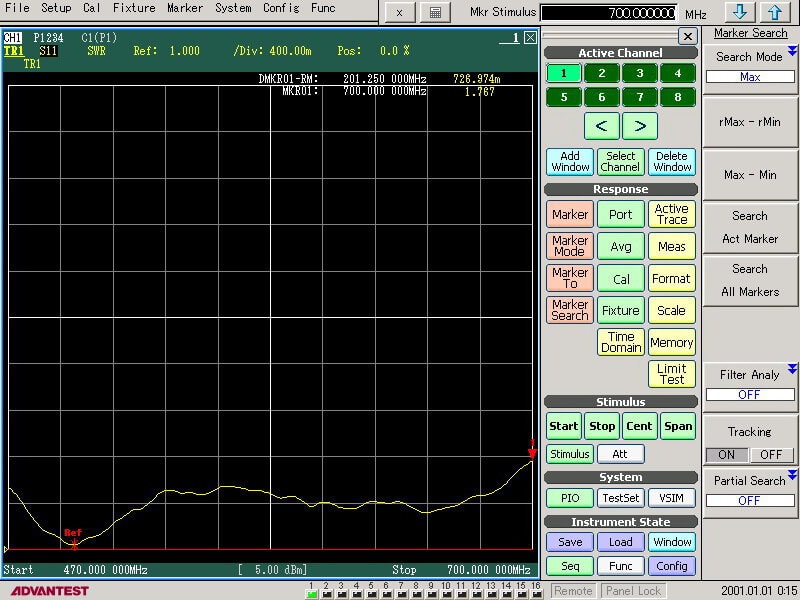
TVWS Antenna Frequency
TVWS stands for Television White Space. It refers to the unused or underutilized frequencies between television channels. These frequencies were originally allocated to television broadcasters to transmit their signals. However, due to the transition from analog to digital television, some of these frequencies have become available for other uses.
cURL Too many subrequests.
cURL Too many subrequests.
cURL Too many subrequests.
cURL Too many subrequests.
cURL Too many subrequests.
cURL Too many subrequests.
Speed
cURL Too many subrequests.
cURL Too many subrequests.
cURL Too many subrequests.
cURL Too many subrequests.
cURL Too many subrequests.
Applications
cURL Too many subrequests.
cURL Too many subrequests.
cURL Too many subrequests.
cURL Too many subrequests.
cURL Too many subrequests.
cURL Too many subrequests.
cURL Too many subrequests.
cURL Too many subrequests.
cURL Too many subrequests.
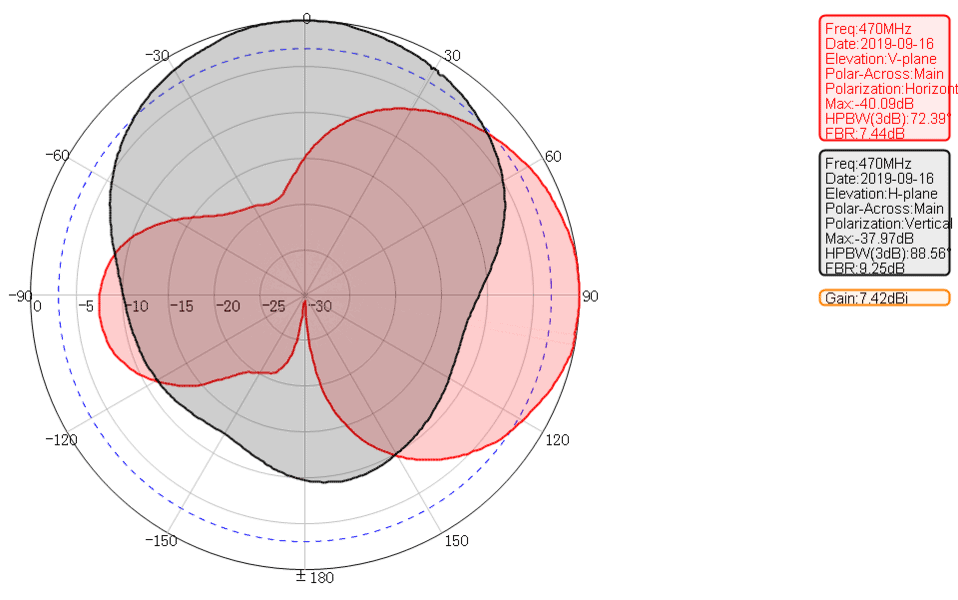
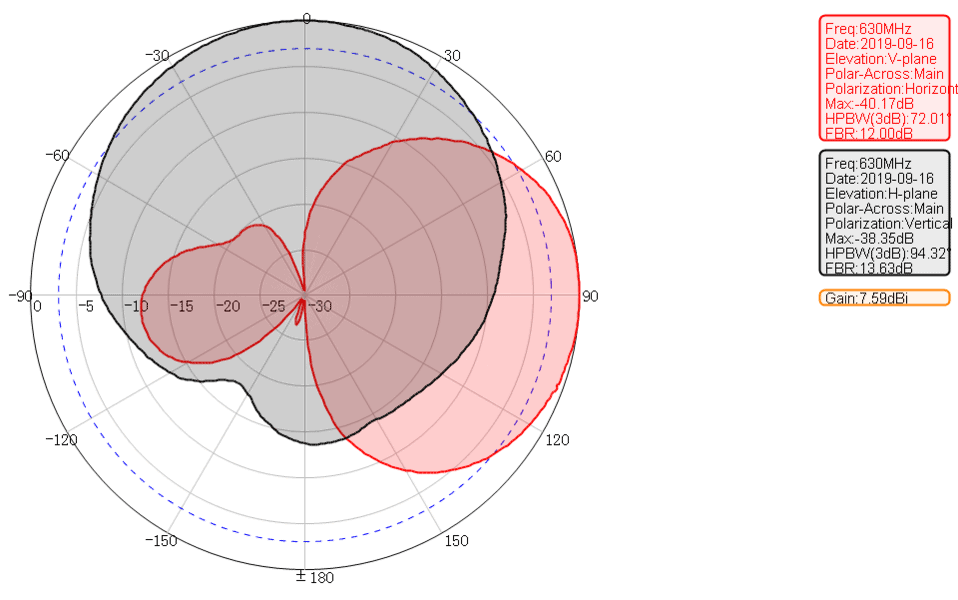
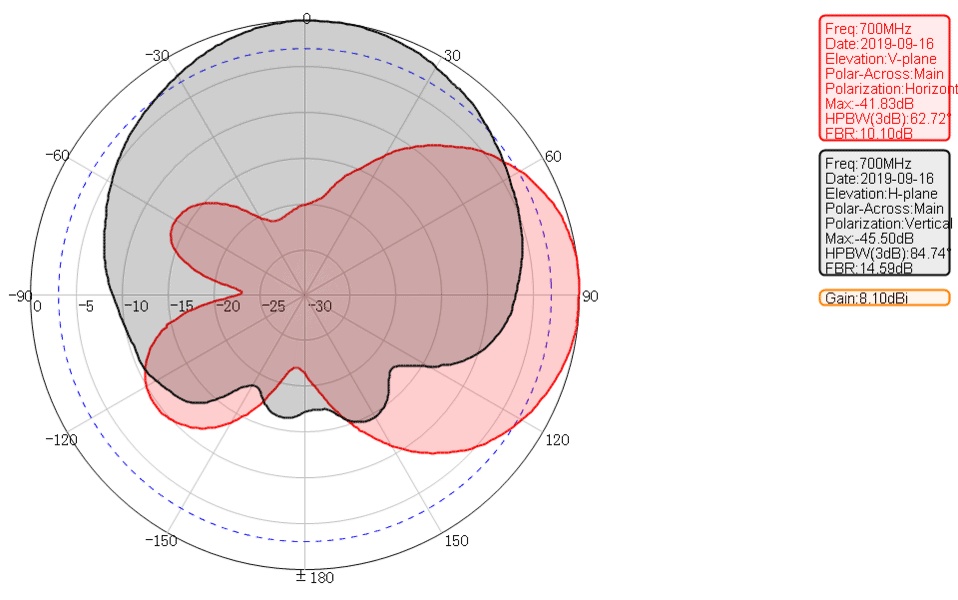
TVWS Antenna Polarization
TVWS (TV White Space) antennas can be polarized in different ways, including vertical, horizontal, and slant polarization. Slant polarization refers to the orientation of the electric field of the radio waves, which can be at a 45-degree angle with respect to the ground. This polarization can be either positive (+45 degrees) or negative (-45 degrees) slant.
The +/- 45 slant polarization is often used in TVWS applications because it offers several advantages.
1. Reduced Multipath Interference: Multipath interference occurs when signals reflected off objects reach the receiver at different times, causing signal cancellation or degradation. Slant polarization helps reduce multipath interference because the reflected signals are less likely to be in the same polarization as the direct signal. This improves the overall signal quality and reliability.
2. Improved Signal Penetration: Slant polarization provides better signal penetration through obstacles such as buildings, trees, and foliage. It allows the signal to bypass some obstructions that would otherwise block or weaken a vertically or horizontally polarized signal.
3. Diversity Reception: Slant polarization can be used in diversity reception systems, where multiple antennas receive the same signal. By using antennas with different slant polarizations, the system can mitigate fading and improve signal reception in challenging environments.
4. Interference Mitigation: Slant polarization can help reduce interference from other nearby wireless systems. By using a different polarization than the interfering signals, the system can minimize the impact of co-channel interference.
In summary, the +/- 45 slant polarization is a popular choice for TVWS antennas due to its ability to reduce multipath interference, improve signal penetration, enable diversity reception, and mitigate interference from other wireless systems.
TVWS Antenna Type
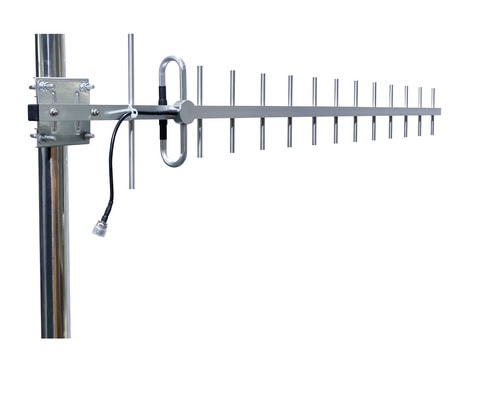
Common types of TVWS antennas include Yagi, omnidirectional, and panel antennas, each suited to different use cases and deployment scenarios.
Yagi antennas are directional antennas that provide high gain and are ideal for point-to-point connections over long distances. They are commonly used in rural areas where the TVWS signal needs to be transmitted over a long distance.
Omni-directional antennas radiate the signal in all directions, providing 360-degree coverage. They are typically used in urban areas where there are multiple TVWS base stations and the signal needs to reach multiple devices in different directions.

Panel antennas are also directional antennas but provide a wider beamwidth compared to Yagi antennas. They are used in scenarios where there is a need for both long-distance coverage and coverage in multiple directions. Panel antennas are commonly used in suburban areas where there are multiple TVWS base stations and the signal needs to reach devices in different directions over varying distances.
TVWS Antennas Bridging Connectivity Gaps
TVWS antennas play a vital role in bridging coverage gaps, especially in places where traditional cellular or Wi-Fi signals are spotty or unreliable. While their ability to connect rural neighborhoods is well documented, TV white space technology has also made significant impacts in urban and suburban settings. For example, a Microsoft Research project used TVWS and a dynamic database to bring internet access to residents in an urban housing scheme in Cambridge, UK. More than thirty people living in government-subsidized social housing found their free internet connection to be life-changing, highlighting how TVWS antennas can address connectivity challenges not just in remote areas but also in the heart of cities.
Whether providing long-range coverage in the countryside or overcoming obstacles like buildings and dense urban infrastructure, the right TVWS antenna can help ensure reliable internet access where it’s needed most.
Sector TVWS Antennas
Sector antennas are another important option when deploying TVWS networks, particularly in busy environments. Unlike omnidirectional antennas that broadcast evenly in all directions, sector antennas focus their coverage into specific sections or “sectors” of an area—much like slicing a pie.
This targeted approach makes sector antennas highly effective in scenarios where you need to manage connections for a large number of devices clustered in several directions, such as crowded urban centers, industrial complexes, or campus environments. By dividing the coverage area into multiple sectors, these antennas help reduce interference between users, increase overall network capacity, and allow for more efficient use of spectrum.
For example, in a city park or stadium where many users are grouped together in various spots, sector antennas can be positioned to ensure consistent and reliable service across each section, rather than stretching one antenna’s resources too thin. This makes them an ideal choice when there’s a need for high-density coverage or when optimizing performance in environments with heavy wireless traffic.
How to design a TVWS antenna?
Here are the steps to design a TVWS antenna:
1. Determine the antenna type: There are various types of antennas available for TVWS, such as dipole, Yagi, panel, and panel antennas. Choose the type that suits your specific requirements, considering factors like range, directionality, and form factor.
2. Select the frequency range: TVWS operates in the frequency range between 470 MHz and 698MHz. Determine the specific frequency or frequency band you want your antenna to operate in. This will depend on the available TV channels in your region and the regulatory requirements.
3. Calculate the gain: The gain of an antenna determines its ability to focus the transmitted or received signal in a specific direction. Calculate the gain required for your application based on the desired range and directionality. Higher gain antennas have a narrower beamwidth but offer longer range.
- Antenna gain is typically measured in decibels (dB) and represents how well the antenna can concentrate energy in a particular direction. Higher gain antennas can boost signal strength, allowing for longer distances between the user and the base station—especially useful in rural or underserved areas.
- Keep in mind that a higher gain narrows the antenna’s beamwidth. This means precise alignment is crucial; misalignment can significantly reduce signal strength.
- Additionally, antennas with greater gain can help reduce interference from other devices by focusing energy in a specific direction, which is particularly important when multiple systems are operating in the same frequency range.
4. Design the antenna: Once you have determined the type, frequency, and gain, you can start designing the antenna. Use antenna design software or consult antenna design resources to create the antenna structure. Consider factors like size, shape, and materials to ensure optimal performance.
5. Test and optimize: Once you have designed the antenna, build a prototype and test it in real-world conditions. Measure its performance, including gain, impedance, and radiation pattern. Make any necessary adjustments or optimizations to improve its performance.
6. Consider environmental and regulatory requirements: Ensure that your antenna design meets specific environmental and regulatory requirements for TVWS operation. This may include compliance with regulations related to maximum transmit power, interference mitigation, and antenna placement.
Remember that the range of TVWS antennas can be several kilometers, but environmental factors such as topography, line-of-sight obstacles, and local interference can significantly impact performance. Always evaluate your antenna in the context of the actual deployment environment to ensure reliable operation.
7. Manufacture the antenna: Once you are satisfied with the antenna design and it meets all the necessary requirements, you can proceed with manufacturing it. This may involve outsourcing the manufacturing to a specialized antenna manufacturer or building it in-house if you have the necessary equipment and expertise.
8. Install and test the antenna: Install the antenna at the desired location and test its performance in the real-world environment. Measure its performance and make any necessary adjustments to ensure optimal operation.
By following these steps, you can design a TVWS antenna that meets your specific requirements and provides reliable and efficient operation in the TVWS frequency range.
How to install a TVWS antenna?
Here is a step-by-step guide on how to install a TVWS antenna:
1. Site Selection:
– Choose a location that has a clear line of sight to the TV White Space (TVWS) transmitters.
– Avoid obstructions such as trees, buildings, and hills that may block the signal.
cURL Too many subrequests.
cURL Too many subrequests.
cURL Too many subrequests.
cURL Too many subrequests.
cURL Too many subrequests.
cURL Too many subrequests.
cURL Too many subrequests.
cURL Too many subrequests.
cURL Too many subrequests.
cURL Too many subrequests.
cURL Too many subrequests.
cURL Too many subrequests.
cURL Too many subrequests.
cURL Too many subrequests.
cURL Too many subrequests.
cURL Too many subrequests.
cURL Too many subrequests.
cURL Too many subrequests.
cURL Too many subrequests.
6. Testing and Maintenance:
– Once the installation is complete, test the TVWS antenna and equipment to ensure proper functionality.
– Use a spectrum analyzer or TVWS database to verify that the device is using the correct frequencies and channels.
– Regularly inspect the antenna and cables for any signs of damage or wear.
– Perform maintenance tasks such as cleaning the antenna and tightening any loose connections.
It is recommended to consult the manufacturer’s instructions and seek professional assistance if needed, especially if you are not familiar with antenna installations or working at heights.
cURL Too many subrequests.
The role of TVWS antennas in modern communication is transformative, particularly in facilitating internet access where it is most needed. By understanding the mechanics and applications of these antennas, stakeholders can better harness the potential of TV White Space to meet growing connectivity demands effectively.
The Future Impact of TVWS Antennas on Global Connectivity
Looking ahead, TVWS antennas are poised to have a profound effect on global communication networks. By making use of otherwise unused television spectrum, these antennas offer a practical and scalable way to bridge the digital divide—particularly in rural or hard-to-reach regions where traditional infrastructure, like fiber optics or cellular towers, can be prohibitively expensive or difficult to deploy.
What sets TVWS antennas apart is their ability to cover long distances and penetrate obstacles such as trees and buildings. This makes them well-suited for challenging environments, whether you’re setting up broadband access in remote villages or supplementing network coverage in busy urban corridors.
As technology continues to evolve—driven by innovations from research institutions, industry leaders like Microsoft’s Airband Initiative, and changing regulatory landscapes—TVWS antennas are likely to become an integral building block in the expansion of global internet access. Their affordability and flexibility could help deliver meaningful connectivity solutions, foster economic development, and promote digital inclusivity for millions who are currently underserved.
In essence, TVWS technology isn’t just a stopgap; it’s a long-term catalyst for more equitable global communication, bringing us one step closer to a truly connected world.
 German (Switzerland)
  English
  Spanish
  German
  French (France)
  Korean
  Russian
  Indonesian
  French (Canada)
  Vietnamese
  Armenian
  Albanian
  Assamese
  Acehnese
  Amharic
  Czech
Czech  Bulgarian
  Cebuano
  Malayalam
  Japanese
  Dutch
Dutch