 Skip to content

We are now living in the age of the Internet of Things (IoT), where ordinary objects are becoming more intelligent and interconnected. Whether it’s smart homes, wearable gadgets, industrial sensors, or smart cities, IoT is changing the way we live, work, and interact with the world. In this ultimate guide, we will explore the world of IoT, including what it is, its uses, advantages, and much more. Whether you’re a curious consumer, a tech geek, or a business person, come with us on this adventure to discover the incredible potential of IoT technology.
The Internet of Things (IoT) is a global network of physical objects that are embedded with sensors, software, and other technologies to connect and exchange data with other devices and systems over the internet. This interconnectedness allows devices to collect, analyze, and act upon data, enhancing efficiency and enabling a multitude of smart applications across various industries.
As we learn more about IoT, it’s important to understand how it works. From how IoT devices collect and send data to how they affect our lives and the economy, every aspect is important. So, let’s keep learning about IoT and how it’s used, the good things about it, the problems with it, and everything else.
What is the correct definition of the IoT ?
The Internet of Things (IoT) is a system of interrelated physical devices, vehicles, buildings, and other objects embedded with sensors, software, and network connectivity that enable these objects to collect and exchange data.
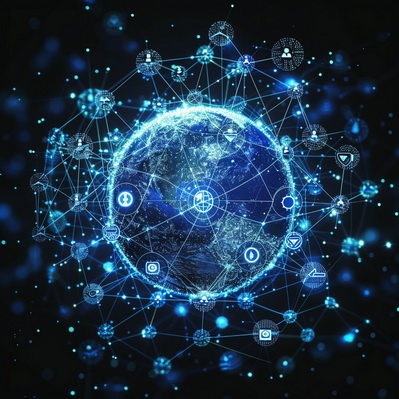
What is IoT and examples?
IoT stands for Internet of Things. It refers to the network of physical devices, vehicles, appliances, and other objects embedded with sensors, software, and connectivity, enabling them to connect and exchange data over the internet.
Examples of IoT devices include:
1. Smart Home Devices: Devices like smart thermostats, smart lights, smart locks, and smart cameras that can be controlled remotely and automate tasks.
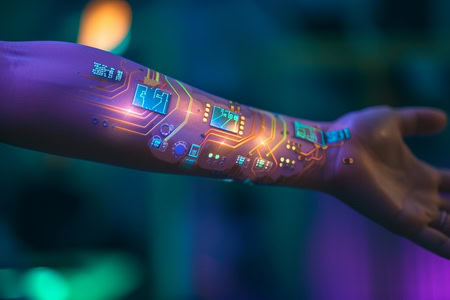
2. Wearable Devices: Devices like smartwatches, fitness trackers, and health monitors that collect and transmit data about the user’s health and activity.
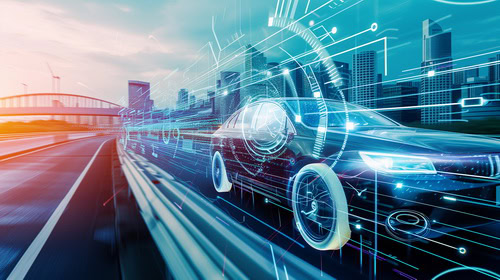
3. Connected Cars: Cars with built-in sensors and internet connectivity that can provide real-time traffic updates, navigation assistance, and remote control features.
4. Industrial IoT: Sensors and monitoring devices used in industries for tracking and optimizing processes, such as monitoring machinery performance or managing inventory.
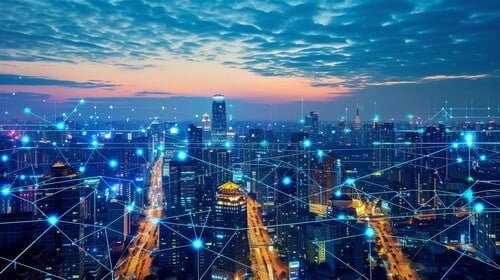
5. Smart Cities: IoT devices used in urban areas to monitor and manage things like traffic flow, parking, waste management, and energy usage.
6. Agriculture: IoT devices used in farming for soil monitoring, weather tracking, automated irrigation, and livestock monitoring.
7. Healthcare: Devices like remote patient monitoring systems, smart pills, and medical wearables that collect and transmit data for remote patient care.
8. Retail: IoT devices used in retail stores for inventory management, customer tracking, and personalized shopping experiences.
9. Smart Grids: IoT devices used in power grids to monitor and control energy distribution, optimize power usage, and enable smart metering.
10. Environmental Monitoring: Sensors and devices used to monitor air quality, water quality, and climate conditions for research and environmental management.
What is the Internet of Things (IoT) used for?
The Internet of Things (IoT) is used for a wide range of applications and purposes. Some common uses of IoT include:
1. Smart Homes: IoT enables automation and control of various home devices such as lights, thermostats, security systems, and appliances, making homes more efficient, secure, and convenient.
2. Industrial Automation: IoT allows for the monitoring and control of industrial processes, optimizing efficiency, reducing costs, and improving safety. It includes applications like predictive maintenance, remote monitoring, and asset tracking.
3. Healthcare: IoT devices can collect and transmit health-related data, enabling remote patient monitoring, real-time health tracking, and smart medical devices. It helps in improving patient care, reducing hospital visits, and enabling early detection of health issues.
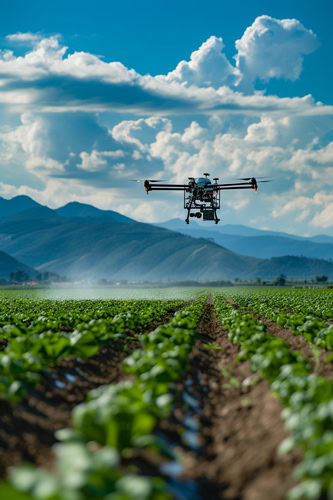
4. Agriculture: IoT can be used in agriculture for precision farming, where sensors and devices monitor soil moisture, temperature, and humidity, allowing farmers to optimize irrigation, fertilization, and crop growth. It also helps in livestock monitoring and tracking.
5. Transportation and Logistics: IoT enables tracking and monitoring of vehicles, goods, and shipments, optimizing routes, reducing fuel consumption, and improving supply chain efficiency. It includes applications like fleet management, smart parking, and asset tracking.
6. Energy Management: IoT can be used to monitor and control energy usage in buildings, optimizing energy efficiency, reducing costs, and enabling smart grid management. It includes applications like smart meters, energy monitoring systems, and demand response.
7. Retail: IoT devices and sensors can be used in retail to enhance customer experience, improve inventory management, and enable personalized marketing. It includes applications like smart shelves, beacons for location-based marketing, and smart payment systems.
8. Environmental Monitoring: IoT devices can monitor and collect data on environmental parameters like air quality, water quality, and weather conditions, helping in pollution control, disaster management, and climate monitoring.
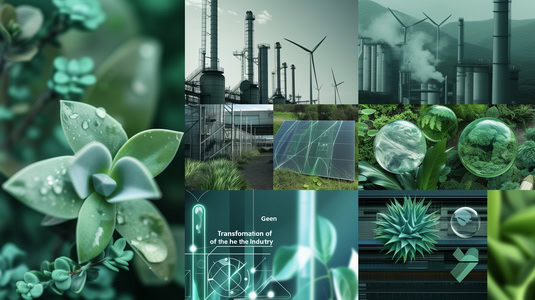
9. Smart Cities: IoT can be used to make cities more efficient, sustainable, and livable. It includes applications like smart street lighting, waste management, traffic management, and public safety systems.
10. Wearables: IoT enables the development of wearable devices like smartwatches, fitness trackers, and health monitors that collect and transmit data for personal health and fitness tracking.
These are just a few examples, and the potential applications of IoT are continually expanding as technology advances.
How does the Internet of Things (IoT) work?
The Internet of Things (IoT) is a network of physical devices, vehicles, appliances, and other objects embedded with sensors, software, and connectivity, which enables these objects to connect and exchange data over the internet.
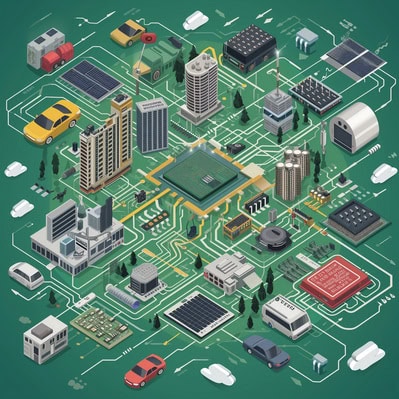
Here’s how it works:
1. Sensors and Devices: IoT devices are equipped with various sensors (such as temperature, motion, light, etc.) and actuators (such as motors, switches, etc.) that collect and transmit data.
2. Connectivity: These devices use various communication technologies to connect to the internet, such as Wi-Fi, Bluetooth, cellular networks, or even satellite connections.
3. Data Collection: The devices collect data from their surroundings through the sensors. This data can include anything from temperature readings, location information, health metrics, or any other relevant data.
4. Data Processing: Once the data is collected, it is processed and analyzed either on the device itself or in the cloud. This can involve filtering, aggregating, or transforming the data into a more useful format.
5. Data Transmission: Processed data is then transmitted to the appropriate destination, such as a cloud platform or a specific application, using the internet connection.
cURL Too many subrequests.
cURL Too many subrequests.
cURL Too many subrequests.
cURL Too many subrequests.
cURL Too many subrequests.
cURL Too many subrequests.
cURL Too many subrequests.
cURL Too many subrequests.
cURL Too many subrequests.
cURL Too many subrequests.
cURL Too many subrequests.
cURL Too many subrequests.
cURL Too many subrequests.
cURL Too many subrequests.
cURL Too many subrequests.
cURL Too many subrequests.
cURL Too many subrequests.
cURL Too many subrequests.
cURL Too many subrequests.
1. Chip antennas: These are small, compact, and low-cost antennas that are suitable for short-range IoT devices. They are often used in Bluetooth and Wi-Fi enabled devices.
2. PCB antennas: Printed Circuit Board (PCB) antennas are integrated directly onto the circuit board of IoT devices, making them a popular choice for space-constrained applications. They can be designed for specific frequency bands and can offer good performance.
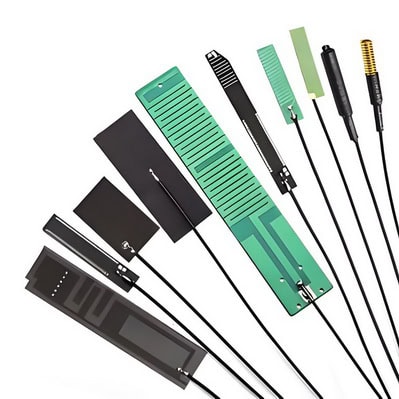
3. External antennas: For devices that require longer range or operate in environments with signal interference, external antennas may be preferred. These antennas can be mounted outside the device and offer higher gain and better signal quality.
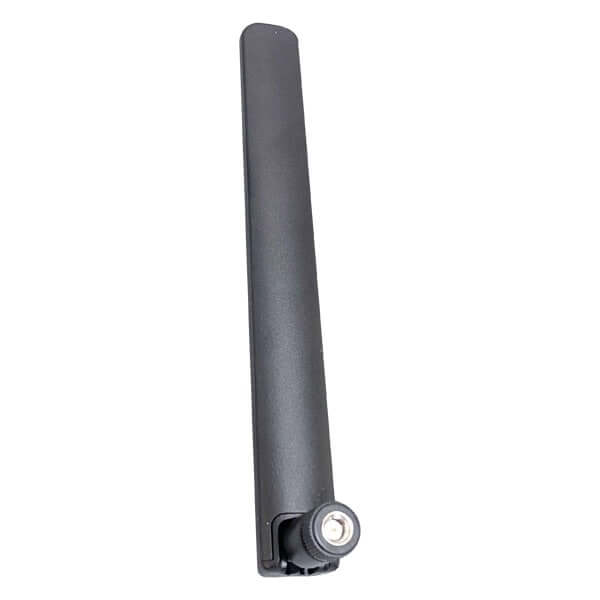
4. LoRa antennas: For LoRaWAN-based IoT applications, antennas designed specifically for the LoRa frequency bands (868 MHz, 915 MHz, or 433 MHz) are commonly used. These antennas are optimized for long-range communication and can be either chip or external antennas.
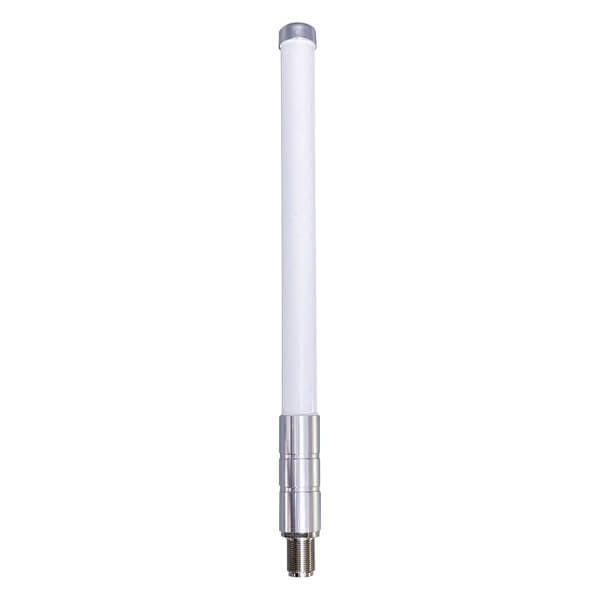
It is recommended to consult with an RF engineer or antenna specialist to select the best antenna for a specific IoT use case, taking into consideration the technical requirements and constraints.
Who invented IoT?
The concept of the Internet of Things (IoT) was first proposed by Kevin Ashton in 1999. However, the term “Internet of Things” was coined by British entrepreneur and innovator, Peter T. Lewis, in a speech he made in 1985.
What is the difference between IoT and Internet?
The Internet is a global network that connects computers and devices, allowing them to communicate and exchange information. It is a network infrastructure that enables the transfer of data between users and devices worldwide.
The Internet of Things (IoT), on the other hand, is a concept that refers to the interconnection of everyday objects or devices with the internet. These objects, which can range from household appliances to vehicles to industrial machinery, are embedded with sensors, software, and connectivity capabilities that allow them to collect and exchange data with other devices and systems over the internet.
In summary, the Internet is the network infrastructure that connects devices and allows them to communicate, while the Internet of Things refers to the network of interconnected objects or devices that are embedded with sensors and software and can communicate with each other and exchange data over the internet.
What are the disadvantages of IoT?
1. Security risks: IoT devices can be vulnerable to cyberattacks, as they often lack proper security measures. This can lead to unauthorized access to personal data, privacy breaches, and even control of devices by malicious actors.
2. Privacy concerns: With the vast amount of data collected by IoT devices, there are concerns about the privacy of individuals. Personal information can be shared with third parties without consent, leading to potential misuse or abuse of data.
3. Compatibility issues: Different manufacturers may use different protocols and standards for IoT devices, making it difficult for them to work together seamlessly. This can create compatibility issues and hinder the interoperability of devices.
4. Reliability and stability: IoT devices heavily rely on connectivity, and any disruption in network availability can render them useless or malfunctioning. Additionally, software bugs or glitches can cause devices to crash or behave unexpectedly.
5. Complexity and management: With the proliferation of IoT devices, managing and maintaining them can become challenging. It requires expertise to configure, update, and troubleshoot these devices, especially in large-scale deployments.
6. Cost: IoT devices can be expensive, especially when considering the need for multiple devices to cover a wide area. Additionally, the cost of connectivity and data storage for these devices can add up, making it a costly investment for individuals and organizations.
7. Energy consumption: Many IoT devices require a constant power supply, which can lead to increased energy consumption. This can have environmental implications and increase utility costs.
8. Ethical concerns: IoT devices can raise ethical concerns, such as the potential for surveillance and loss of autonomy. The collection of personal data without consent or the ability for devices to make decisions on behalf of individuals can be seen as ethically problematic.
9. Overreliance on technology: As IoT devices become more integrated into daily life, there is a risk of overreliance on technology. This can lead to a loss of critical thinking and problem-solving skills, as well as reduced human interaction and social isolation.
10. Data overload: The vast amount of data collected by IoT devices can overwhelm individuals and organizations. Sorting through and analyzing this data to extract meaningful insights can be a complex and time-consuming task.
Why do we need IoT?
There are several reasons why we need the Internet of Things (IoT):
1. Efficiency and productivity: IoT can help optimize processes and improve efficiency in various sectors such as manufacturing, agriculture, transportation, and healthcare. By connecting devices and systems, IoT enables automation, real-time data collection, and analysis, leading to increased productivity and cost savings.
2. Improved quality of life: IoT can enhance the quality of life by making our homes smarter and more convenient. It enables the automation and control of various devices and appliances, allowing us to remotely monitor and manage our homes for energy efficiency, security, and comfort.

3. Safety and security: IoT can be used to enhance safety and security in various domains. For example, in smart cities, IoT can monitor traffic flow, detect accidents, and optimize emergency response. In healthcare, IoT devices can monitor patients remotely and alert medical professionals in case of emergencies.
4. Environmental sustainability: IoT can help in building a more sustainable future by enabling better management of resources. For instance, IoT can be used in smart grid systems to optimize energy distribution and reduce waste. It can also be used in agriculture to monitor soil moisture levels and optimize irrigation, leading to water conservation.
5. Data-driven insights: IoT generates massive amounts of data that can be analyzed to gain valuable insights. This data can be used for predictive maintenance, supply chain optimization, customer behavior analysis, and many other applications. These insights can help businesses make better decisions and improve their operations.
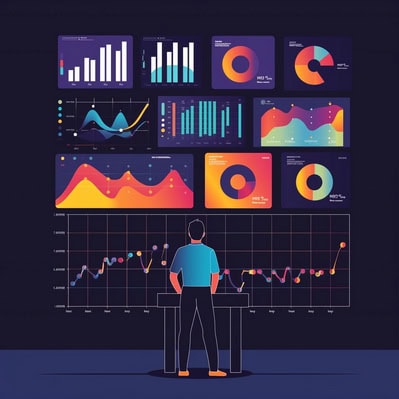
Overall, IoT has the potential to revolutionize industries, improve our lives, and create new opportunities by connecting the physical and digital worlds.
How is IoT used at home?
IoT, or the Internet of Things, is used in various ways at home to enhance convenience, efficiency, and comfort. Here are some common applications of IoT at home:
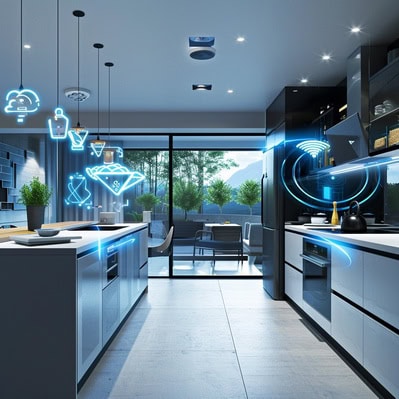
1. Smart Home Automation: IoT devices like smart thermostats, smart lighting systems, smart locks, and smart appliances can be controlled remotely through smartphones or voice assistants. They can also be programmed to perform tasks automatically based on specific conditions or schedules.

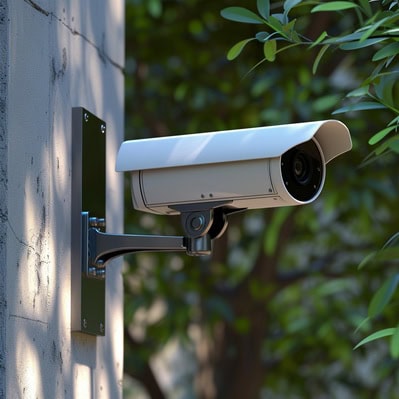
2. Security Systems: IoT-enabled security cameras, door/window sensors, and motion detectors provide real-time monitoring and alerts. These devices can be accessed remotely, allowing homeowners to keep an eye on their property even when they are away.
cURL Too many subrequests.
cURL Too many subrequests.
cURL Too many subrequests.
cURL Too many subrequests.
cURL Too many subrequests.
cURL Too many subrequests.
cURL Too many subrequests.
cURL Too many subrequests.
cURL Too many subrequests. cURL Too many subrequests. cURL Too many subrequests.
cURL Too many subrequests. cURL Too many subrequests. cURL Too many subrequests.
3. cURL Too many subrequests.cURL Too many subrequests.
4. cURL Too many subrequests.cURL Too many subrequests.
5. cURL Too many subrequests.: Honeywell is a well-known supplier of IoT equipment, primarily in the areas of building automation and industrial control systems. They offer a range of IoT products like sensors, controllers, and software platforms. Honeywell’s IoT solutions are used in industries such as aerospace, buildings, and oil & gas.
6. Schneider Electric: Schneider Electric is a leading supplier of IoT equipment, particularly in the field of energy management and automation. They provide a range of IoT products like sensors, controllers, and software platforms. Schneider Electric’s IoT solutions are used in sectors like buildings, data centers, and utilities.
7. IBM: IBM is a renowned supplier of IoT equipment and offers a wide range of products and services. They provide IoT solutions for various industries like manufacturing, transportation, and agriculture. IBM’s IoT products include sensors, gateways, and cloud-based platforms.
8. Amazon Web Services (AWS): AWS is a major player in the IoT equipment market, providing a comprehensive suite of IoT services. They offer IoT products like sensors, gateways, and cloud-based platforms. AWS IoT solutions are widely used in industries such as retail, automotive, and healthcare.
9. Microsoft: Microsoft is a leading supplier of IoT equipment and offers a range of products and services. They provide IoT solutions for industries like manufacturing, retail, and smart cities. Microsoft’s IoT products include sensors, gateways, and cloud-based platforms.
10. Intel: Intel is a prominent supplier of IoT equipment, particularly in the areas of embedded systems and edge computing. They offer a range of IoT products like processors, modules, and software platforms. Intel’s IoT solutions are used in industries such as healthcare, retail, and transportation.
What is the current biggest challenge for the IoT?
The current biggest challenge of IoT is security and privacy concerns. As more and more devices are connected to the internet, there is an increased risk of cyberattacks and data breaches. Many IoT devices have weak security measures, making them vulnerable to hacking and unauthorized access. Additionally, the vast amount of data collected by IoT devices raises concerns about privacy and how that data is being used. Addressing these security and privacy challenges is crucial to ensure the widespread adoption and success of IoT technologies.
What are the trends of IoT?
The trends of IoT (Internet of Things) include:
1. Increased connectivity: IoT devices are becoming more connected, allowing for seamless communication and data exchange between devices and systems. This connectivity enables a wide range of applications and services.
2. Edge computing: With the growth of IoT, there is a need for processing and analyzing data closer to the source. Edge computing allows for data processing and analysis to occur on the device itself or in close proximity, reducing latency and improving efficiency.
3. Artificial Intelligence (AI) integration: AI technologies such as machine learning and deep learning are being integrated with IoT devices to enable advanced analytics, automation, and decision-making capabilities. This integration allows IoT devices to become smarter and more autonomous.
4. Security and privacy concerns: As the number of connected devices increases, so does the potential for security breaches and privacy issues. Ensuring the security and privacy of IoT devices and the data they collect is a growing concern for individuals, organizations, and governments.
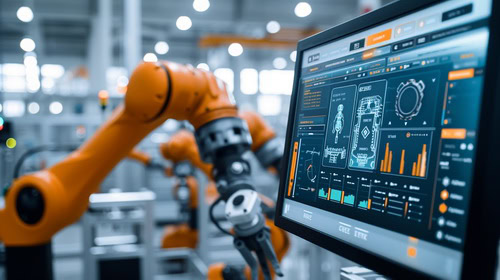
5. Industrial IoT (IIoT): The application of IoT in industrial settings, often referred to as IIoT, is gaining traction. IIoT enables the monitoring and optimization of industrial processes, predictive maintenance, and improved efficiency and productivity in various sectors such as manufacturing, energy, and agriculture.
6. Smart cities: IoT is being leveraged to build smart cities, where various systems and infrastructure are connected and optimized to enhance the quality of life for citizens. This includes applications such as smart transportation, waste management, energy management, and public safety.
7. Environmental sustainability: IoT is being utilized to promote environmental sustainability by monitoring and managing resources such as water, energy, and waste. It enables efficient use of resources, reduces waste, and helps in environmental conservation efforts.
8. Wearable devices: The popularity of wearable devices such as smartwatches, fitness trackers, and health monitors is increasing. These devices are becoming more advanced, integrating IoT capabilities to provide real-time data tracking, analysis, and personalized feedback.
9. Health and wellness applications: IoT is being used to improve healthcare and wellness services. Connected medical devices, remote patient monitoring systems, and smart healthcare facilities enable better patient care, early detection of health issues, and personalized treatment plans.
10. Data analytics and insights: The massive amount of data generated by IoT devices is being leveraged to gain valuable insights and make data-driven decisions. Advanced analytics tools and technologies are being used to process and analyze this data, uncover patterns, and drive business intelligence.
cURL Too many subrequests.
In conclusion, the Internet of Things (IoT) is a revolutionary concept that is transforming the way we live and work. By connecting devices and objects to the internet, we can collect and analyze data to make better decisions and improve our lives. From smart homes and cities to connected cars and wearables, IoT is already changing the world. As the technology continues to evolve, we can expect even more exciting advancements and opportunities. However, we must also address the challenges and risks associated with IoT, such as security and privacy concerns. By doing so, we can fully unlock the potential of IoT and create a future that is smarter, more efficient, and more connected.
 German (Switzerland)
  English
  Spanish
  German
  French (France)
  Korean
  Russian
  Indonesian
  French (Canada)
  Vietnamese
  Armenian
  Albanian
  Assamese
  Acehnese
  Amharic
  Czech
Czech  Bulgarian
  Cebuano
  Malayalam
  Japanese
  Dutch
Dutch