 Skip to content
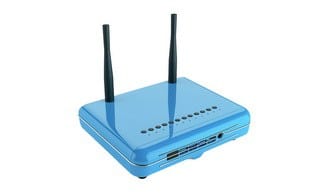
Ever struggled with weak WiFi signals or patchy internet coverage at home or in the office? A WiFi antenna could be the solution you’re looking for. This article dives into the essential device that might just revolutionize your online connectivity experience.
A WiFi antenna is a device designed to improve signal strength and range for wireless networks. By capturing and transmitting electromagnetic waves, it enhances connectivity, ensuring a stable and faster internet connection. Whether you’re battling interference from walls or seeking an extended reach, a WiFi antenna can make all the difference.
When your WiFi struggles to reach every corner of your home or office—thanks to thick walls, metal surfaces, or simply too much distance—a WiFi antenna steps in as your secret weapon. These antennas come in two main types: directional, which focuses the signal in one direction for targeted coverage, and omnidirectional, which radiates signal in all directions for broader reach. This flexibility makes them ideal for both indoor setups (like boosting WiFi in a multi-story house) and outdoor applications (such as extending your network to a garden or outbuilding).
WiFi antennas work by capturing electromagnetic waves from your router or access point and converting them into radio signals your devices—phones, tablets, laptops—can use. They typically operate on the 2.4 GHz or 5 GHz frequency bands, the same used by most modern WiFi networks, ensuring compatibility and improved performance.
Adding an omnidirectional WiFi antenna to your system can help maintain a consistent stream of data, especially when downloading large files, streaming in high definition, or joining video calls. Rather than relying solely on your internet service provider or the basic antenna built into your router, upgrading to a dedicated WiFi antenna is a practical way to boost your connection—indoors or out—without rewiring your entire network.
In short, if you’re tired of dead zones and slow speeds, a WiFi antenna is a simple, effective upgrade to help you tap into the full potential of your wireless network.
But how exactly does this game-changing device work? Let’s delve deeper.
How does the WiFi antenna work?
WiFi antennas are designed to transmit and receive radio waves at specific frequencies, typically 2.4 GHz or 5 GHz. These antennas are used in wireless routers, access points, and other WiFi devices to establish a wireless connection with other devices such as smartphones, laptops, and IoT devices.
The primary function of a WiFi antenna is to transmit and receive signals. When transmitting, the antenna converts electrical signals into radio waves and broadcasts them into the air. When receiving, the antenna captures radio waves from the air and converts them back into electrical signals that can be processed by the WiFi device.
WiFi antennas come in various shapes and sizes, but the two most common types are omnidirectional and directional antennas.
1. Omni-directional Antennas: These antennas radiate signals in all directions, similar to a light bulb emitting light in all directions. They are typically used in home WiFi routers and access points where coverage needs to be spread evenly in all directions. Omni-directional antennas provide a 360-degree coverage pattern, meaning they transmit and receive signals in all directions equally. However, the range and signal strength of omni-directional antennas are limited compared to directional antennas.
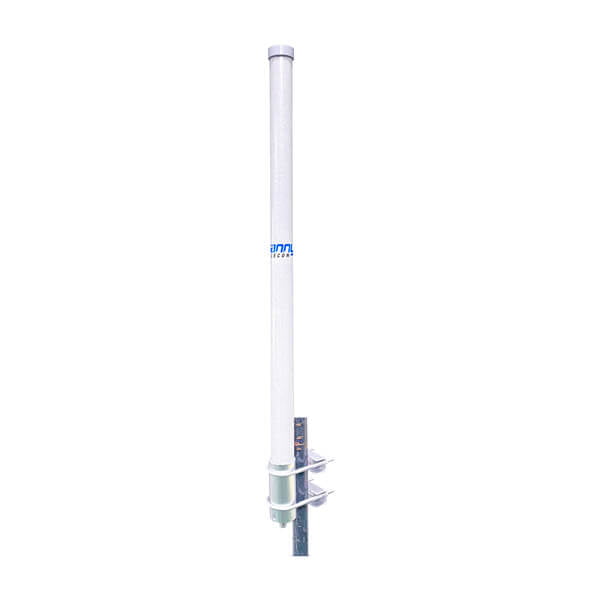
2. Directional Antennas: These antennas focus the signal in a specific direction, similar to a flashlight beaming light in a specific direction. Directional antennas are used when a WiFi network needs to cover a specific area or point in a particular direction. These antennas provide a higher gain, which means they can transmit and receive signals over longer distances and with greater signal strength. Directional antennas are commonly used in outdoor WiFi deployments, point-to-point links, and long-range WiFi networks.
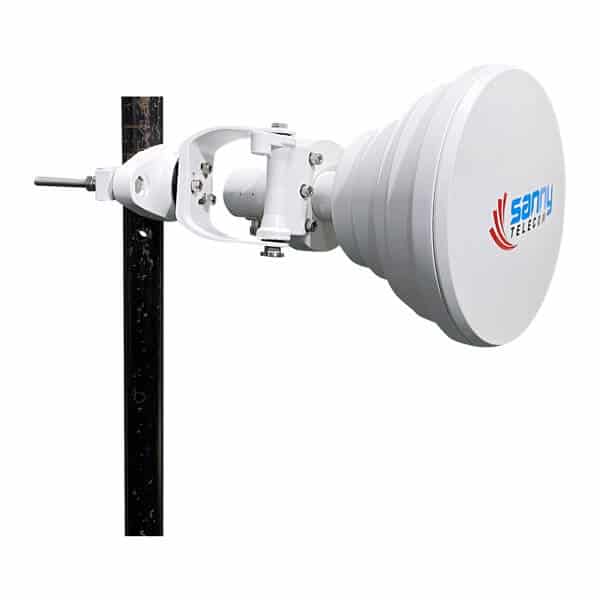
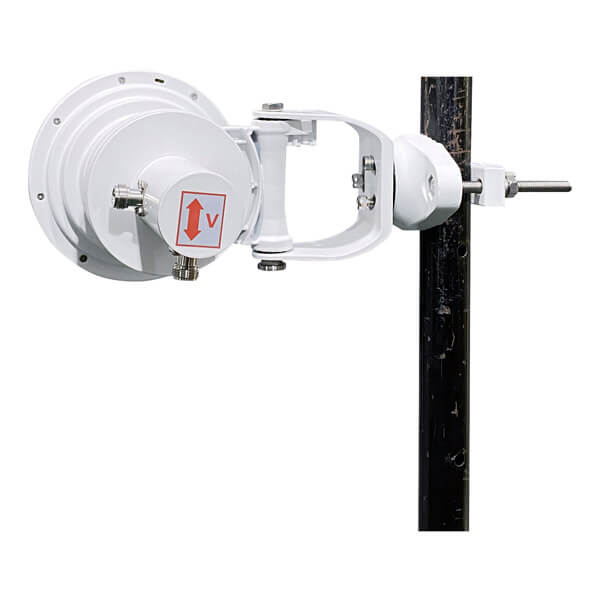
The efficiency and reach of a WiFi network can be significantly improved by using directional antennas. By focusing the signal in specific directions, these antennas reduce interference and increase the signal strength, allowing for better coverage and higher data rates. However, directional antennas have a narrower coverage pattern, meaning they need to be pointed towards the devices they are communicating with. This requires careful alignment and positioning of the antennas to ensure optimal performance.
In summary, WiFi antennas play a crucial role in the transmission and reception of data through electromagnetic waves. By focusing the signal in specific directions, these antennas can significantly improve the efficiency and reach of a WiFi network, providing better coverage, higher data rates, and reduced interference.
Benefits of Using WiFi Antennas Indoors and Outdoors
Whether you’re trying to binge your favorite Netflix series from the comfort of your couch or connecting surveillance cameras across a spacious warehouse, WiFi antennas provide real, tangible advantages in both indoor and outdoor settings.
Indoor Benefits:
- Better Signal Penetration: Walls, floors, and even rogue steel filing cabinets can wreak havoc on your wireless coverage. High-quality WiFi antennas help your signal navigate these obstacles, ensuring stronger, more consistent connectivity in every corner of your home or office.
- Wider Coverage: Omnidirectional antennas, often found in popular brands like TP-Link and Netgear routers, distribute your WiFi signal evenly so you can roam from the kitchen to the garage without worrying about dropped video calls or painfully slow downloads.
- Reduced Interference: By optimizing antenna placement and selecting the right antenna type, you can sidestep many common sources of household interference—from microwave ovens to neighboring WiFi networks—resulting in a smoother online experience.
Outdoor Benefits:
- Extended Range: Directional antennas, like those made by Cisco or Ubiquiti, are masters of long-distance coverage. Perfect for linking remote buildings, setting up backyard smart devices, or beaming internet to a distant guest house, these antennas can maintain a stable connection even over hundreds of meters.
- Improved Reliability: Outdoor WiFi antennas are designed to withstand the elements, providing steady internet access for IoT devices, cameras, and point-to-point links regardless of rain, shine, or the relentless onslaught of squirrels.
- Customizable Coverage: By mixing omnidirectional and directional antennas, you gain the flexibility to tailor your network to unique environments—blanketing large buildings with WiFi or creating laser-focused links across car parks, gardens, or campus quads.
Ultimately, whether you’re battling dead zones inside or stretching your signal outdoors, the right WiFi antenna acts like a megaphone for your wireless network—amplifying coverage, ramping up reliability, and keeping all your gadgets happily connected.
cURL Too many subrequests.
cURL Too many subrequests.
cURL Too many subrequests.
cURL Too many subrequests.
cURL Too many subrequests.
cURL Too many subrequests.
WiFi antennas cURL Too many subrequests.
cURL Too many subrequests.
cURL Too many subrequests.
cURL Too many subrequests.
cURL Too many subrequests.
cURL Too many subrequests.
cURL Too many subrequests.
cURL Too many subrequests.
cURL Too many subrequests.
cURL Too many subrequests.
cURL Too many subrequests.
cURL Too many subrequests.
cURL Too many subrequests.MIMO) technology, can improve the performance of a WiFi connection by providing better signal diversity and quality. With multiple antennas, the WiFi router or device can transmit and receive data through different signal paths simultaneously, resulting in increased speed and reliability.
Which antenna shall I use for WiFi?
When it comes to selecting a WiFi antenna, it is important to consider your specific requirements. There are two main types of WiFi antennas: omni-directional and directional.
Omni-directional antennas provide a 360-degree coverage pattern, meaning they broadcast and receive signals in all directions. These antennas are ideal for general use and are commonly found in homes, offices, and public WiFi hotspots. Omni-directional antennas are designed to provide coverage over a wide area, making them suitable for situations where you need WiFi access in multiple locations within a space.

On the other hand, directional antennas focus the WiFi signal in a specific direction. These antennas are used to extend the range of WiFi communication in a particular direction. Directional antennas are particularly useful when you need to establish a long-range WiFi link between two locations. For example, if you want to connect two buildings that are far apart, a directional antenna can be used to transmit the WiFi signal directly between them.
In summary, if you require WiFi coverage over a wide area, an omnidirectional antenna is the right choice. However, if you need to extend the range of your WiFi signal in a specific direction, a directional antenna is the better option.
How far can a Wi-Fi antenna reach?
The range of a Wi-Fi antenna can vary depending on several factors such as the type of antenna, the power of the transmitter, and the environment. In general, a typical Wi-Fi antenna can reach up to 150 feet (45 meters) indoors and up to 300 feet (90 meters) outdoors. However, with specialized equipment and antennas, it is possible to extend the range to several miles or even tens of miles.
To summarize, improving your internet experience involves more than just your internet service provider. The right WiFi antenna can greatly enhance your connection, making your online activities smoother. This guide covers everything from how antennas function to choosing the right type and positioning. Are you ready to improve your WiFi performance?
 German (Switzerland)
  English
  Spanish
  German
  French (France)
  Korean
  Russian
  Indonesian
  French (Canada)
  Vietnamese
  Armenian
  Albanian
  Assamese
  Acehnese
  Amharic
  Czech
Czech  Bulgarian
  Cebuano
  Malayalam
  Japanese
  Dutch
Dutch