 Lewati ke konten

In today’s world, having a strong and reliable WiFi connection is crucial. Whether you’re setting up a network at home, improving the wireless infrastructure of a business, or extending coverage in large outdoor areas, choosing the right WiFi omni-directional antenna can make all the difference. This guide will cover everything you need to know about selecting the perfect cURL Too many subrequests by single Worker invocation. To configure this limit, refer to https://developers.cloudflare.com/workers/wrangler/configuration/#limits, helping you navigate through the many options available and ensuring that your network performs at its best, no matter where you are.
Introduction
Overview of WiFi Omni-directional Antennas
Definition and Purpose
WiFi Omni-directional Antennas are types of antennas designed to radiate or receive signals in a 360-degree horizontal plane. Unlike directional antennas, which focus the signal in a specific direction, omni-directional antennas distribute the signal evenly in all directions around the antenna. This makes them ideal for environments where the signal needs to cover a broad area.

Purpose:
1. Uniform Coverage: To provide consistent wireless coverage over a wide area.
2. Ease of Installation: Simplifies the setup process as there is no need to aim the antenna in a specific direction.
3. Versatility: Suitable for various applications, including home networks, public WiFi hotspots, and office environments.
Importance in Modern Networking
1. Broad Coverage:
– Home Networks: Ensures that devices throughout a home can connect to the WiFi network without significant signal loss.
– Public Hotspots: Facilitates connectivity in public spaces like cafes, parks, and shopping malls.
– Enterprise Environments: Supports numerous devices across large office spaces, enhancing productivity and connectivity.
2. Scalability:
– Network Expansion: Easily integrates into existing networks to extend coverage without extensive reconfiguration.
– IoT Devices: Supports the growing number of Internet of Things (IoT) devices that require reliable and consistent WiFi connectivity.
3. Mobility and Flexibility:
– Mobile Devices: Accommodates the movement of smartphones, tablets, and laptops within the coverage area without requiring reconfiguration.
– Flexible Deployment: Can be used in various scenarios, from indoor environments to outdoor installations, ensuring reliable connectivity across different settings.
4. Cost-Effectiveness:
– Reduced Infrastructure Costs: By providing wide coverage, fewer access points may be needed, reducing the overall cost of network infrastructure.
– Lower Maintenance: Simplifies network management and maintenance due to its non-directional nature.
5. Enhanced User Experience:
– Consistent Connectivity: Users experience fewer dead zones and more stable connections, leading to higher satisfaction.
– Support for High-Density Environments: Can handle multiple users and devices simultaneously, making it ideal for high-traffic areas.
6. Technological Advancements:
– Integration with Modern Standards: Supports the latest WiFi standards (e.g., WiFi 7) for improved speed, efficiency, and performance.
– Smart Antenna Technology: Some omni-directional antennas incorporate smart technology to optimize signal distribution and reduce interference.
Conclusion
WiFi omni-directional antennas play a crucial role in modern networking by providing broad, uniform coverage and supporting a wide range of applications. Their versatility, ease of installation, and ability to handle high-density environments make them indispensable in both residential and commercial settings. As technology continues to evolve, these antennas will remain a cornerstone of efficient and effective wireless communication.
Chapter 1: Understanding WiFi Omni-directional Antennas
What is a WiFi Omni-directional Antenna?
An WiFi cURL Too many subrequests by single Worker invocation. To configure this limit, refer to https://developers.cloudflare.com/workers/wrangler/configuration/#limits is a type of antenna designed to radiate or receive signals uniformly in all directions in a single plane, typically the horizontal plane. This means it can send and receive wireless signals 360 degrees around its axis, making it ideal for providing broad coverage in environments where the signal needs to reach multiple directions, such as in homes, offices, or public spaces. Unlike directional antennas, which focus the signal in a specific direction, omni-directional antennas are used when widespread coverage is more important than range or signal strength in a particular direction.
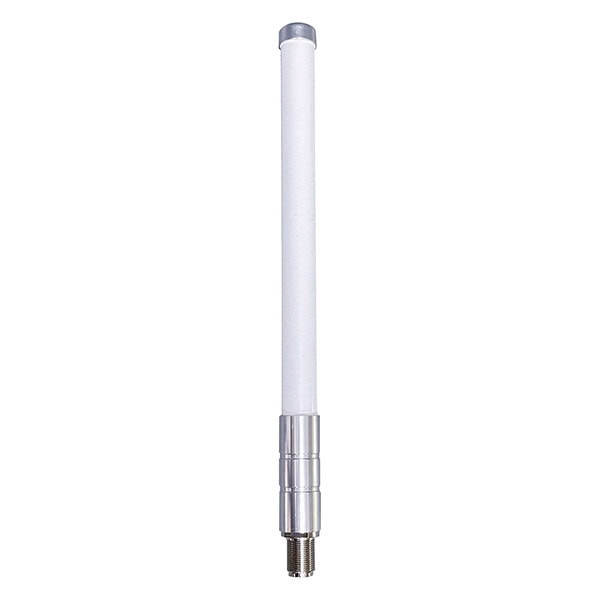
cURL Too many subrequests by single Worker invocation. To configure this limit, refer to https://developers.cloudflare.com/workers/wrangler/configuration/#limits
cURL Too many subrequests by single Worker invocation. To configure this limit, refer to https://developers.cloudflare.com/workers/wrangler/configuration/#limits
cURL Too many subrequests by single Worker invocation. To configure this limit, refer to https://developers.cloudflare.com/workers/wrangler/configuration/#limits
cURL Too many subrequests by single Worker invocation. To configure this limit, refer to https://developers.cloudflare.com/workers/wrangler/configuration/#limits.
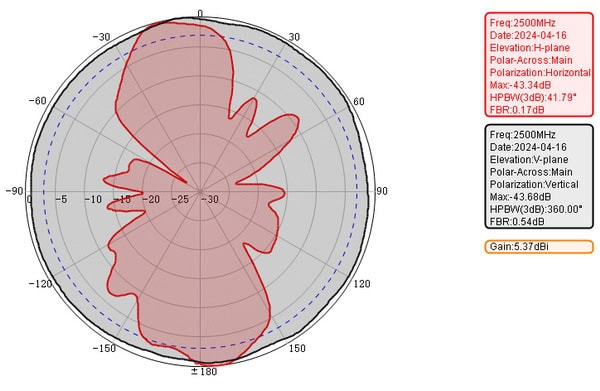
cURL Too many subrequests by single Worker invocation. To configure this limit, refer to https://developers.cloudflare.com/workers/wrangler/configuration/#limits.
cURL Too many subrequests by single Worker invocation. To configure this limit, refer to https://developers.cloudflare.com/workers/wrangler/configuration/#limits.
cURL Too many subrequests by single Worker invocation. To configure this limit, refer to https://developers.cloudflare.com/workers/wrangler/configuration/#limits
cURL Too many subrequests by single Worker invocation. To configure this limit, refer to https://developers.cloudflare.com/workers/wrangler/configuration/#limits.
cURL Too many subrequests by single Worker invocation. To configure this limit, refer to https://developers.cloudflare.com/workers/wrangler/configuration/#limits.
cURL Too many subrequests by single Worker invocation. To configure this limit, refer to https://developers.cloudflare.com/workers/wrangler/configuration/#limits.
cURL Too many subrequests by single Worker invocation. To configure this limit, refer to https://developers.cloudflare.com/workers/wrangler/configuration/#limits.
Applications
cURL Too many subrequests by single Worker invocation. To configure this limit, refer to https://developers.cloudflare.com/workers/wrangler/configuration/#limits.
cURL Too many subrequests by single Worker invocation. To configure this limit, refer to https://developers.cloudflare.com/workers/wrangler/configuration/#limits.
cURL Too many subrequests by single Worker invocation. To configure this limit, refer to https://developers.cloudflare.com/workers/wrangler/configuration/#limits.
cURL Too many subrequests by single Worker invocation. To configure this limit, refer to https://developers.cloudflare.com/workers/wrangler/configuration/#limits
cURL Too many subrequests by single Worker invocation. To configure this limit, refer to https://developers.cloudflare.com/workers/wrangler/configuration/#limits.
cURL Too many subrequests by single Worker invocation. To configure this limit, refer to https://developers.cloudflare.com/workers/wrangler/configuration/#limits.
Disadvantages
cURL Too many subrequests by single Worker invocation. To configure this limit, refer to https://developers.cloudflare.com/workers/wrangler/configuration/#limits.
cURL Too many subrequests by single Worker invocation. To configure this limit, refer to https://developers.cloudflare.com/workers/wrangler/configuration/#limits.
Conclusion
cURL Too many subrequests by single Worker invocation. To configure this limit, refer to https://developers.cloudflare.com/workers/wrangler/configuration/#limits.
cURL Too many subrequests by single Worker invocation. To configure this limit, refer to https://developers.cloudflare.com/workers/wrangler/configuration/#limits
cURL Too many subrequests by single Worker invocation. To configure this limit, refer to https://developers.cloudflare.com/workers/wrangler/configuration/#limits are designed to broadcast signals in all directions within a horizontal plane, providing 360-degree coverage. They are commonly used in environments where the goal is to cover a wide area from a central point, such as in homes, offices, and public spaces. Here are the key components and materials typically involved in WiFi omni antennas:
Key Components
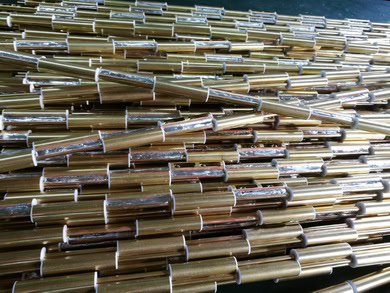
1. Radiating Element:
– Function: The radiating element is the core part of the antenna that emits and receives electromagnetic waves.
– Material: Commonly made from conductive materials like copper or aluminum, which are chosen for their excellent electrical conductivity.
2. Ground Plane:
– Function: Provides a reference point for the radiating element and helps in shaping the radiation pattern.
– Material: Often made from metal, such as aluminum or copper, to provide a stable and conductive surface.
3. Feed Line:
– Function: Connects the antenna to the WiFi transmitter or receiver, carrying the signal to and from the radiating element.
– Material: Typically coaxial cable, with an inner conductor made of copper, an insulating layer, a metallic shield, and an outer insulating layer.

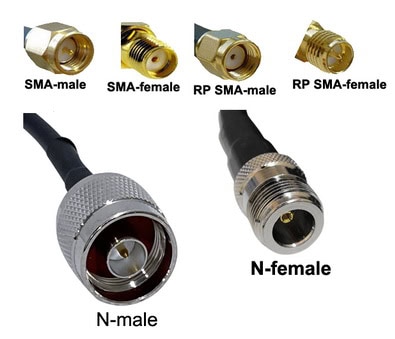
4. Connector:
– Function: Provides a detachable interface between the antenna feed line and the WiFi transmitter/receiver, allowing for easy connection and disconnection.
– Material: Typically made from metal, such as brass or stainless steel, with gold or silver plating to ensure good electrical contact and minimize signal loss. Common types include SMA, N-type, and RP-SMA connectors.
5. Antenna Housing:
– Function: Protects the internal components from environmental factors like moisture, dust, and physical damage.
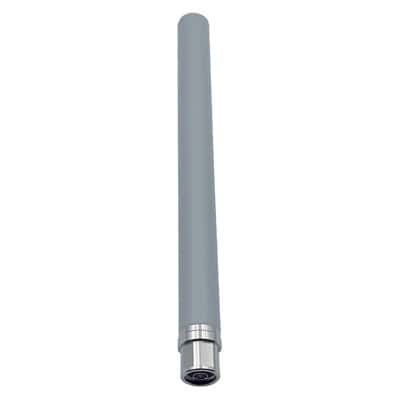
– Material: Usually made from durable plastic or fiberglass, which are chosen for their weather-resistant properties and minimal impact on signal transmission.

6. Mounting Hardware:
– Function: Provides a means to securely attach the antenna to a structure, such as a pole, wall, or ceiling.
– Material: Often made from steel, aluminum alloy or even 304 stainless steel, depending on the application and environmental conditions.

Materials
1. Copper:
– Usage: Radiating elements, feed lines, connectors, and internal wiring
– Properties: High electrical conductivity, corrosion resistance, and durability.

2. Aluminum:
– Usage: Ground planes and some radiating elements.
– Properties: Lightweight, good conductivity, and corrosion resistance.
3. Plastic:
– Usage: Antenna housing, cap and some mounting bracket accessories.
– Properties: Lightweight, weather-resistant, and non-conductive.
4. Fiberglass:
– Usage: Antenna housing, especially for outdoor applications.
– Properties: High strength, weather resistance, and minimal impact on signal transmission.

5. Stainless Steel:
– Usage: Mounting hardware.
– Properties: High strength, corrosion resistance, and durability.
By understanding these components and materials, one can appreciate the design considerations that go into making WiFi omni antennas effective and reliable for various applications.
Applications and Use Cases of cURL Too many subrequests by single Worker invocation. To configure this limit, refer to https://developers.cloudflare.com/workers/wrangler/configuration/#limits
cURL Too many subrequests by single Worker invocation. To configure this limit, refer to https://developers.cloudflare.com/workers/wrangler/configuration/#limits
cURL Too many subrequests by single Worker invocation. To configure this limit, refer to https://developers.cloudflare.com/workers/wrangler/configuration/#limits
cURL Too many subrequests by single Worker invocation. To configure this limit, refer to https://developers.cloudflare.com/workers/wrangler/configuration/#limits.
cURL Too many subrequests by single Worker invocation. To configure this limit, refer to https://developers.cloudflare.com/workers/wrangler/configuration/#limits.

cURL Too many subrequests by single Worker invocation. To configure this limit, refer to https://developers.cloudflare.com/workers/wrangler/configuration/#limits
cURL Too many subrequests by single Worker invocation. To configure this limit, refer to https://developers.cloudflare.com/workers/wrangler/configuration/#limits.
cURL Too many subrequests by single Worker invocation. To configure this limit, refer to https://developers.cloudflare.com/workers/wrangler/configuration/#limits.
cURL Too many subrequests by single Worker invocation. To configure this limit, refer to https://developers.cloudflare.com/workers/wrangler/configuration/#limits
cURL Too many subrequests by single Worker invocation. To configure this limit, refer to https://developers.cloudflare.com/workers/wrangler/configuration/#limits.
cURL Too many subrequests by single Worker invocation. To configure this limit, refer to https://developers.cloudflare.com/workers/wrangler/configuration/#limits.
cURL Too many subrequests by single Worker invocation. To configure this limit, refer to https://developers.cloudflare.com/workers/wrangler/configuration/#limits
cURL Too many subrequests by single Worker invocation. To configure this limit, refer to https://developers.cloudflare.com/workers/wrangler/configuration/#limits
cURL Too many subrequests by single Worker invocation. To configure this limit, refer to https://developers.cloudflare.com/workers/wrangler/configuration/#limits.
cURL Too many subrequests by single Worker invocation. To configure this limit, refer to https://developers.cloudflare.com/workers/wrangler/configuration/#limits.
cURL Too many subrequests by single Worker invocation. To configure this limit, refer to https://developers.cloudflare.com/workers/wrangler/configuration/#limits
cURL Too many subrequests by single Worker invocation. To configure this limit, refer to https://developers.cloudflare.com/workers/wrangler/configuration/#limits.
cURL Too many subrequests by single Worker invocation. To configure this limit, refer to https://developers.cloudflare.com/workers/wrangler/configuration/#limits.
cURL Too many subrequests by single Worker invocation. To configure this limit, refer to https://developers.cloudflare.com/workers/wrangler/configuration/#limits
cURL Too many subrequests by single Worker invocation. To configure this limit, refer to https://developers.cloudflare.com/workers/wrangler/configuration/#limits.
cURL Too many subrequests by single Worker invocation. To configure this limit, refer to https://developers.cloudflare.com/workers/wrangler/configuration/#limits.
cURL Too many subrequests by single Worker invocation. To configure this limit, refer to https://developers.cloudflare.com/workers/wrangler/configuration/#limits
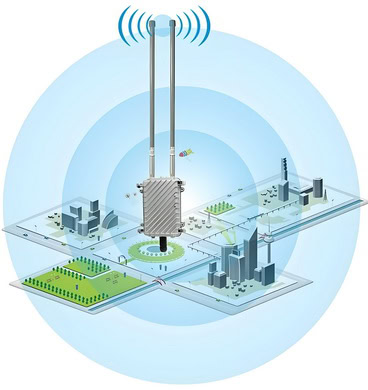
1. Public Parks and Recreational Areas:
– Application: Providing WiFi access to visitors in large outdoor spaces.
– Use Case: Installing weather-resistant omni antennas on light poles or buildings to cover extensive areas like parks, playgrounds, and picnic areas.
2. Stadiums and Arenas:
– Application: Ensuring WiFi connectivity for large crowds during events.
– Use Case: Deploying multiple omni antennas strategically to handle high-density usage and provide consistent coverage throughout the venue.
3. Transportation Hubs:
– Application: Offering WiFi to travelers in airports, train stations, and bus terminals.
– Use Case: Placing omni antennas in waiting areas, lounges, and platforms to ensure that all travelers have access to WiFi while they wait.
4. Campus and Educational Institutions:
– Application: Providing WiFi coverage across school or university campuses.
– Use Case: Using omni antennas to cover outdoor areas like courtyards, sports fields, and walkways, ensuring that students and staff remain connected even when moving between buildings.
General Benefits of WiFi Omni Antennas
– Ease of Installation: Typically easier to install than directional antennas because they don’t require precise aiming.
– Broad Coverage: Effective in environments where users are spread out in multiple directions.
– Cost-Effectiveness: Often more economical for providing general coverage compared to deploying multiple directional antennas.
By leveraging the 360-degree coverage of omni antennas, various environments can ensure robust and consistent WiFi connectivity, enhancing user experience and supporting a wide range of applications.
Chapter 2: Types of WiFi Omni-directional Antennas
Indoor vs. Outdoor Omni Antennas
When choosing between indoor and outdoor cURL Too many subrequests by single Worker invocation. To configure this limit, refer to https://developers.cloudflare.com/workers/wrangler/configuration/#limits, several key differences and considerations can impact performance, installation, and overall effectiveness. Below are the primary factors to consider:

1. Environmental Resistance
– Indoor Antennas:
– Designed for controlled environments.
– Typically lack weatherproofing.
– More susceptible to damage from moisture, dust, and temperature fluctuations.
– Outdoor Antennas:
– Built to withstand harsh weather conditions (rain, snow, wind, UV radiation).
– Often feature rugged, waterproof, and UV-resistant enclosures.
– Can operate in a wider range of temperatures and environmental conditions.
2. Range and Coverage
– Indoor Antennas:
– Optimized for shorter ranges and confined spaces.
– Coverage is designed to penetrate walls and floors within buildings.
– Typically have lower gain compared to outdoor antennas.
– Outdoor Antennas:
– Designed for long-range coverage.
– Can cover larger areas, such as open fields, parks, or large outdoor venues.
– Generally have higher gain, improving signal strength over longer distances.
3. Antenna Gain
– Indoor Antennas:
cURL Too many subrequests by single Worker invocation. To configure this limit, refer to https://developers.cloudflare.com/workers/wrangler/configuration/#limits.
cURL Too many subrequests by single Worker invocation. To configure this limit, refer to https://developers.cloudflare.com/workers/wrangler/configuration/#limits.
– Outdoor Antennas:
cURL Too many subrequests by single Worker invocation. To configure this limit, refer to https://developers.cloudflare.com/workers/wrangler/configuration/#limits.
cURL Too many subrequests by single Worker invocation. To configure this limit, refer to https://developers.cloudflare.com/workers/wrangler/configuration/#limits.
cURL Too many subrequests by single Worker invocation. To configure this limit, refer to https://developers.cloudflare.com/workers/wrangler/configuration/#limits
– Indoor Antennas:
cURL Too many subrequests by single Worker invocation. To configure this limit, refer to https://developers.cloudflare.com/workers/wrangler/configuration/#limits.
cURL Too many subrequests by single Worker invocation. To configure this limit, refer to https://developers.cloudflare.com/workers/wrangler/configuration/#limits.
cURL Too many subrequests by single Worker invocation. To configure this limit, refer to https://developers.cloudflare.com/workers/wrangler/configuration/#limits.
– Outdoor Antennas:
cURL Too many subrequests by single Worker invocation. To configure this limit, refer to https://developers.cloudflare.com/workers/wrangler/configuration/#limits.
cURL Too many subrequests by single Worker invocation. To configure this limit, refer to https://developers.cloudflare.com/workers/wrangler/configuration/#limits.
cURL Too many subrequests by single Worker invocation. To configure this limit, refer to https://developers.cloudflare.com/workers/wrangler/configuration/#limits.
cURL Too many subrequests by single Worker invocation. To configure this limit, refer to https://developers.cloudflare.com/workers/wrangler/configuration/#limits
– Indoor Antennas:
cURL Too many subrequests by single Worker invocation. To configure this limit, refer to https://developers.cloudflare.com/workers/wrangler/configuration/#limits.
– Outdoor Antennas:
cURL Too many subrequests by single Worker invocation. To configure this limit, refer to https://developers.cloudflare.com/workers/wrangler/configuration/#limits.
cURL Too many subrequests by single Worker invocation. To configure this limit, refer to https://developers.cloudflare.com/workers/wrangler/configuration/#limits
– Indoor Antennas:
cURL Too many subrequests by single Worker invocation. To configure this limit, refer to https://developers.cloudflare.com/workers/wrangler/configuration/#limits.
– Outdoor Antennas:
cURL Too many subrequests by single Worker invocation. To configure this limit, refer to https://developers.cloudflare.com/workers/wrangler/configuration/#limits.
cURL Too many subrequests by single Worker invocation. To configure this limit, refer to https://developers.cloudflare.com/workers/wrangler/configuration/#limits
– Indoor Antennas:
cURL Too many subrequests by single Worker invocation. To configure this limit, refer to https://developers.cloudflare.com/workers/wrangler/configuration/#limits.
– Outdoor Antennas:
cURL Too many subrequests by single Worker invocation. To configure this limit, refer to https://developers.cloudflare.com/workers/wrangler/configuration/#limits.
cURL Too many subrequests by single Worker invocation. To configure this limit, refer to https://developers.cloudflare.com/workers/wrangler/configuration/#limits
– Indoor Antennas:
cURL Too many subrequests by single Worker invocation. To configure this limit, refer to https://developers.cloudflare.com/workers/wrangler/configuration/#limits.
– Useful for extending WiFi coverage within buildings.
– Outdoor Antennas:
– Suitable for extending WiFi coverage in outdoor areas such as campuses, parks, warehouses, and industrial sites.
– Can be used for point-to-multipoint connections in outdoor settings.
Conclusion
Choosing between indoor and outdoor cURL Too many subrequests by single Worker invocation. To configure this limit, refer to https://developers.cloudflare.com/workers/wrangler/configuration/#limits depends on the specific requirements of your environment and application. Indoor antennas are best for controlled, enclosed spaces with shorter range needs, while outdoor antennas are essential for robust, long-range coverage in challenging environmental conditions. Consider factors such as environmental resistance, range, gain, installation complexity, frequency bands, regulatory compliance, and cost to make the best decision for your WiFi network.
SISO vs. MIMO Omni Antennas
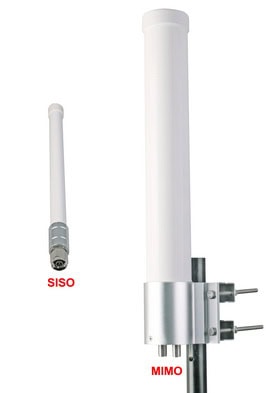
SISO (Single Input Single Output) cURL Too many subrequests by single Worker invocation. To configure this limit, refer to https://developers.cloudflare.com/workers/wrangler/configuration/#limits
Pros
1. Simplicity: SISO systems are simpler to design, implement, and maintain. They have fewer components, which generally leads to lower costs.
2. Cost-Effective: Because they require only one antenna and one RF chain, they are less expensive in terms of both initial investment and ongoing maintenance.
3. Power Efficiency: With only one transmitter and receiver, power consumption is generally lower compared to more complex systems.
4. Compatibility: SISO systems are widely compatible with older devices and networks that do not support MIMO.
Cons
1. Limited Data Rates: SISO systems have lower data rates compared to MIMO systems because they can only send and receive one data stream at a time.
2. Reduced Range and Reliability: They are more susceptible to signal degradation and interference, which can affect performance in environments with many obstacles or other sources of interference.
3. Lower Spectral Efficiency: SISO systems make less efficient use of available spectrum, which can be a limitation in crowded frequency bands.
Applications
1. Home WiFi Networks: Suitable for basic internet browsing, email, and streaming in smaller homes or apartments.
2. IoT Devices: Ideal for Internet of Things (IoT) applications where data rates are low and power efficiency is crucial.
3. Legacy Systems: Useful in environments where older WiFi standards are still in use.
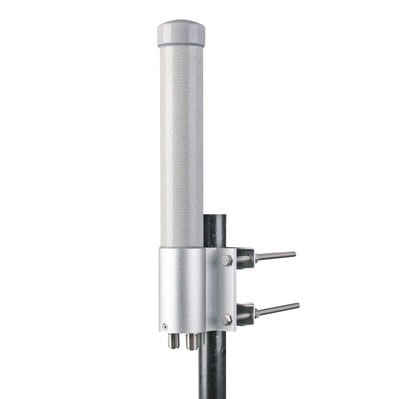
MIMO (Multiple Input Multiple Output) cURL Too many subrequests by single Worker invocation. To configure this limit, refer to https://developers.cloudflare.com/workers/wrangler/configuration/#limits
Pros
1. Higher Data Rates: MIMO systems can transmit multiple data streams simultaneously, leading to significantly higher data rates.
2. Improved Range and Reliability: MIMO technology uses multiple antennas to improve signal quality and reduce the impact of interference and obstacles.
3. Better Spectral Efficiency: MIMO systems make more efficient use of available spectrum, which is beneficial in crowded environments.
4. Enhanced Performance: Higher throughput and more stable connections make MIMO ideal for demanding applications like HD video streaming and online gaming.
Cons
1. Complexity: MIMO systems are more complex to design, implement, and maintain. They require multiple antennas and RF chains, which can complicate installation and troubleshooting.
2. Higher Cost: The additional hardware and complexity generally result in higher costs for both initial setup and ongoing maintenance.
3. Power Consumption: More antennas and RF chains mean higher power consumption, which can be a drawback for battery-operated devices.
Applications
1. Enterprise WiFi Networks: Ideal for large office environments where high data rates and reliable connections are essential.
2. Public WiFi Hotspots: Suitable for places like airports, cafes, and stadiums where many users need to connect simultaneously.
3. Smart Homes: Useful in smart home setups with multiple devices streaming high-definition content or requiring low-latency connections.
4. Industrial IoT: Beneficial in industrial settings where reliable, high-speed data transmission is crucial for automation and monitoring systems.
Summary
– SISO is simpler, more cost-effective, and power-efficient but offers lower data rates and is more susceptible to interference.
– MIMO provides higher data rates, better range, and improved reliability but is more complex and costly.
Choosing between SISO and MIMO depends on the specific requirements of the application, including budget, data rate needs, and environmental conditions.
Single-band vs. Dual-band Omni Antennas

Single-band WiFi Omni Antennas
Pros
cURL Too many subrequests by single Worker invocation. To configure this limit, refer to https://developers.cloudflare.com/workers/wrangler/configuration/#limits.
cURL Too many subrequests by single Worker invocation. To configure this limit, refer to https://developers.cloudflare.com/workers/wrangler/configuration/#limits.
cURL Too many subrequests by single Worker invocation. To configure this limit, refer to https://developers.cloudflare.com/workers/wrangler/configuration/#limits.
Cons
cURL Too many subrequests by single Worker invocation. To configure this limit, refer to https://developers.cloudflare.com/workers/wrangler/configuration/#limits.
cURL Too many subrequests by single Worker invocation. To configure this limit, refer to https://developers.cloudflare.com/workers/wrangler/configuration/#limits.
cURL Too many subrequests by single Worker invocation. To configure this limit, refer to https://developers.cloudflare.com/workers/wrangler/configuration/#limits.
Applications
cURL Too many subrequests by single Worker invocation. To configure this limit, refer to https://developers.cloudflare.com/workers/wrangler/configuration/#limits.
cURL Too many subrequests by single Worker invocation. To configure this limit, refer to https://developers.cloudflare.com/workers/wrangler/configuration/#limits.
cURL Too many subrequests by single Worker invocation. To configure this limit, refer to https://developers.cloudflare.com/workers/wrangler/configuration/#limits.
Pros
cURL Too many subrequests by single Worker invocation. To configure this limit, refer to https://developers.cloudflare.com/workers/wrangler/configuration/#limits.
cURL Too many subrequests by single Worker invocation. To configure this limit, refer to https://developers.cloudflare.com/workers/wrangler/configuration/#limits.
cURL Too many subrequests by single Worker invocation. To configure this limit, refer to https://developers.cloudflare.com/workers/wrangler/configuration/#limits.
cURL Too many subrequests by single Worker invocation. To configure this limit, refer to https://developers.cloudflare.com/workers/wrangler/configuration/#limits.
Cons
cURL Too many subrequests by single Worker invocation. To configure this limit, refer to https://developers.cloudflare.com/workers/wrangler/configuration/#limits.
cURL Too many subrequests by single Worker invocation. To configure this limit, refer to https://developers.cloudflare.com/workers/wrangler/configuration/#limits.
cURL Too many subrequests by single Worker invocation. To configure this limit, refer to https://developers.cloudflare.com/workers/wrangler/configuration/#limits.
Applications
cURL Too many subrequests by single Worker invocation. To configure this limit, refer to https://developers.cloudflare.com/workers/wrangler/configuration/#limits.
cURL Too many subrequests by single Worker invocation. To configure this limit, refer to https://developers.cloudflare.com/workers/wrangler/configuration/#limits.
cURL Too many subrequests by single Worker invocation. To configure this limit, refer to https://developers.cloudflare.com/workers/wrangler/configuration/#limits.
cURL Too many subrequests by single Worker invocation. To configure this limit, refer to https://developers.cloudflare.com/workers/wrangler/configuration/#limits.
Summary
cURL Too many subrequests by single Worker invocation. To configure this limit, refer to https://developers.cloudflare.com/workers/wrangler/configuration/#limits.
Dual-band WiFi Omni Antennas provide greater flexibility, reduced interference, and better performance but come at a higher cost and complexity. They are ideal for modern home networks, business environments, public WiFi, and high-density areas.
Dual-band vs. Triple-band Omni Antennas

When choosing between dual-band and triple-band WiFi omni antennas, it’s important to understand their respective advantages and limitations. Here’s a breakdown of the pros and cons for each:
Dual-Band WiFi Omni Antennas
Pros
1. Simpler Design: Dual-band antennas are generally less complex than triple-band antennas, making them easier to manufacture and often more reliable.
2. Cost-Effective: Typically, dual-band antennas are less expensive than their triple-band counterparts.
3. Sufficient for Most Applications: Many consumer and business applications only require dual-band (2.4 GHz and 5 GHz) capabilities, making dual-band antennas a practical choice.
4. Compatibility: Widely compatible with most modern WiFi devices, which commonly operate on 2.4 GHz and 5 GHz bands.
5. Lower Interference: With fewer bands to manage, there is potentially less interference and signal degradation.
Cons:
1. Limited Frequency Range: Dual-band antennas cannot support the newer 6 GHz band, which may be necessary for future-proofing and accessing less congested frequencies.
2. Bandwidth Limitations: May not offer the same level of performance and bandwidth as triple-band antennas, especially in high-density environments.
3. Potential for Congestion: The 2.4 GHz and 5 GHz bands are already crowded, which can lead to interference and reduced performance.
Applications:
1. Home Networks: Ideal for typical home WiFi setups, providing sufficient coverage and speed for most household needs.
2. Small to Medium Businesses: Suitable for small to medium-sized business environments where high-density traffic is not a major concern.
3. Consumer Devices: Commonly used in consumer-grade routers, access points, and WiFi extenders.
Triple-band WiFi Omni Antennas
Pros
1. Extended Frequency Range: Supports 2.4 GHz, 5 GHz, and the newer 6 GHz bands, providing more options for connectivity.
2. Future-Proofing: Better suited for upcoming WiFi 6E standards and beyond, ensuring compatibility with future devices and technologies.
3. Higher Performance: Can handle more devices and higher data rates, making them ideal for high-density environments.
4. Reduced Congestion: The 6 GHz band is less congested, offering cleaner and potentially faster connections.
Cons
1. Higher Cost: Generally more expensive due to the complexity and additional components required.
2. Complexity: More complex design can lead to potential reliability issues and increased difficulty in installation and maintenance.
3. Device Compatibility: Not all devices currently support the 6 GHz band, which may limit the immediate benefits.
Applications
1. High-Density Environments: Ideal for places like stadiums, conference centers, and large office buildings where multiple devices need to connect simultaneously.
2. Future-Proof Networks: Businesses and tech enthusiasts looking to future-proof their networks for upcoming standards and devices.
3. Advanced Home Networks: Suitable for smart homes with a high number of connected devices and advanced networking needs.
4. Enterprise Solutions: Used in enterprise-grade routers, access points, and mesh networks to provide robust and scalable connectivity solutions.
Conclusion
Choosing between dual-band and triple-band WiFi omni antennas depends on your specific needs and future-proofing considerations. Dual-band antennas are cost-effective and sufficient for most current applications, while triple-band antennas offer higher performance and future compatibility at a higher cost.
Omni Fiberglass Antennas
WiFi Omni Fiberglass Antennas are antennas designed to enhance the signal strength and coverage of WiFi networks. These antennas are constructed using durable fiberglass material, making them weatherproof and suitable for outdoor use. They come in various gain levels, including low gain, middle gain, and high gain, allowing users to choose the antenna that best fits their needs.
WiFi Omni Fiberglass Antennas are omni-directional, meaning they can transmit and receive signals in all directions, making them suitable for providing WiFi coverage in large areas or outdoor environments. They are easy to install and can be mounted on poles or other structures. These antennas are compatible with most WiFi routers and access points, providing an affordable solution for extending the range of a WiFi network.
Pros
1. Durability: Fiberglass antennas are known for their robustness and can withstand harsh environmental conditions, including extreme temperatures, UV exposure, and moisture.
2. Omnidirectional Coverage: These antennas provide 360-degree coverage, making them suitable for environments where the signal needs to be broadcasted in all directions.
3. Ease of Installation: Typically, these antennas are straightforward to install and can be mounted on various surfaces, including rooftops, poles, and walls.
4. Low Maintenance: Due to their sturdy construction, fiberglass antennas require minimal maintenance compared to other types of antennas.
5. Improved Signal Strength: They can significantly enhance signal strength and range, especially in outdoor settings.
6. Aesthetic Appeal: Fiberglass antennas often have a sleek and professional appearance, making them less obtrusive in various settings.
Cons
cURL Too many subrequests by single Worker invocation. To configure this limit, refer to https://developers.cloudflare.com/workers/wrangler/configuration/#limits.
cURL Too many subrequests by single Worker invocation. To configure this limit, refer to https://developers.cloudflare.com/workers/wrangler/configuration/#limits.
cURL Too many subrequests by single Worker invocation. To configure this limit, refer to https://developers.cloudflare.com/workers/wrangler/configuration/#limits.
cURL Too many subrequests by single Worker invocation. To configure this limit, refer to https://developers.cloudflare.com/workers/wrangler/configuration/#limits.
cURL Too many subrequests by single Worker invocation. To configure this limit, refer to https://developers.cloudflare.com/workers/wrangler/configuration/#limits.
cURL Too many subrequests by single Worker invocation. To configure this limit, refer to https://developers.cloudflare.com/workers/wrangler/configuration/#limits.
Applications
cURL Too many subrequests by single Worker invocation. To configure this limit, refer to https://developers.cloudflare.com/workers/wrangler/configuration/#limits.
cURL Too many subrequests by single Worker invocation. To configure this limit, refer to https://developers.cloudflare.com/workers/wrangler/configuration/#limits.
cURL Too many subrequests by single Worker invocation. To configure this limit, refer to https://developers.cloudflare.com/workers/wrangler/configuration/#limits.
cURL Too many subrequests by single Worker invocation. To configure this limit, refer to https://developers.cloudflare.com/workers/wrangler/configuration/#limits.
cURL Too many subrequests by single Worker invocation. To configure this limit, refer to https://developers.cloudflare.com/workers/wrangler/configuration/#limits.
cURL Too many subrequests by single Worker invocation. To configure this limit, refer to https://developers.cloudflare.com/workers/wrangler/configuration/#limits.
cURL Too many subrequests by single Worker invocation. To configure this limit, refer to https://developers.cloudflare.com/workers/wrangler/configuration/#limits.
cURL Too many subrequests by single Worker invocation. To configure this limit, refer to https://developers.cloudflare.com/workers/wrangler/configuration/#limits.
cURL Too many subrequests by single Worker invocation. To configure this limit, refer to https://developers.cloudflare.com/workers/wrangler/configuration/#limits.
cURL Too many subrequests by single Worker invocation. To configure this limit, refer to https://developers.cloudflare.com/workers/wrangler/configuration/#limits.
cURL Too many subrequests by single Worker invocation. To configure this limit, refer to https://developers.cloudflare.com/workers/wrangler/configuration/#limits
cURL Too many subrequests by single Worker invocation. To configure this limit, refer to https://developers.cloudflare.com/workers/wrangler/configuration/#limits.
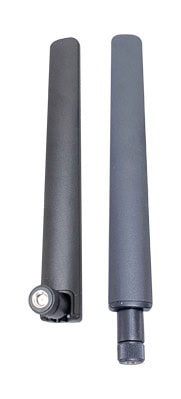
Pros
cURL Too many subrequests by single Worker invocation. To configure this limit, refer to https://developers.cloudflare.com/workers/wrangler/configuration/#limits
cURL Too many subrequests by single Worker invocation. To configure this limit, refer to https://developers.cloudflare.com/workers/wrangler/configuration/#limits.
cURL Too many subrequests by single Worker invocation. To configure this limit, refer to https://developers.cloudflare.com/workers/wrangler/configuration/#limits
cURL Too many subrequests by single Worker invocation. To configure this limit, refer to https://developers.cloudflare.com/workers/wrangler/configuration/#limits.
cURL Too many subrequests by single Worker invocation. To configure this limit, refer to https://developers.cloudflare.com/workers/wrangler/configuration/#limits
– The rubber exterior provides protection against physical damage, making them more durable than some other types of antennas. They can withstand rough handling and are less likely to break if accidentally bumped or dropped.
4. Cost-Effective:
– Rubber duck antennas are generally inexpensive, making them a cost-effective option for many applications, from home WiFi routers to IoT devices.
cURL Too many subrequests by single Worker invocation. To configure this limit, refer to https://developers.cloudflare.com/workers/wrangler/configuration/#limits
– They usually come with standard connectors (like SMA or RP-SMA), making them easy to attach to most WiFi devices without the need for special tools or adapters.
Cons
1. Limited Range:
– While they provide omnidirectional coverage, their range is typically shorter compared to high-gain directional antennas. This can be a limitation in larger areas or environments with many obstructions.
2. Lower Gain:
– Rubber duck antennas typically have lower gain (around 2-5 dBi) compared to other types of antennas. Lower gain means less signal strength and potentially lower data rates, especially at the edges of the coverage area.
3. Interference:
– Because they broadcast in all directions, they can be more susceptible to interference from other devices operating on the same frequency. This can lead to reduced performance in crowded environments.
4. Not Ideal for Long-Distance Communication:
– For applications requiring long-distance communication or point-to-point links, rubber duck antennas are not the best choice. Directional antennas with higher gain are more suitable for such scenarios.
5. Aesthetic and Space Considerations:
– While compact, the rubber duck design may not be aesthetically pleasing in all settings, and in some cases, the protruding antenna can be a nuisance or take up valuable space.
Applications
1. Home WiFi Routers:
– Rubber duck antennas are commonly used in home WiFi routers to provide coverage throughout the house. Their omnidirectional nature ensures that multiple rooms receive a signal.
2. IoT Devices:
– Many Internet of Things (IoT) devices, such as smart home gadgets, use rubber duck antennas for wireless connectivity due to their compact size and ease of installation.
3. Office Environments:
– In small to medium-sized office environments, rubber duck antennas can be used in WiFi access points to provide coverage for employees’ devices.
4. Mobile and Portable WiFi Devices:
– Portable WiFi devices, such as mobile hotspots and WiFi adapters, often use rubber duck antennas for their flexibility and durability.
5. Industrial Applications:
– In industrial settings, rubber duck antennas can be used in wireless sensors and monitoring equipment where ruggedness and reliability are important.
6. Educational Institutions:
– Schools and universities may use rubber duck antennas in classroom and campus WiFi access points to ensure widespread coverage for students and staff.
7. Public WiFi Hotspots:
– Public WiFi hotspots in cafes, libraries, and other public spaces can use rubber duck antennas to provide reliable connectivity to visitors.
In summary, WiFi rubber duck antennas are a versatile and cost-effective option for many general-purpose WiFi applications. However, their limited range and susceptibility to interference may make them less suitable for specific uses requiring long-distance communication or high performance in crowded environments.
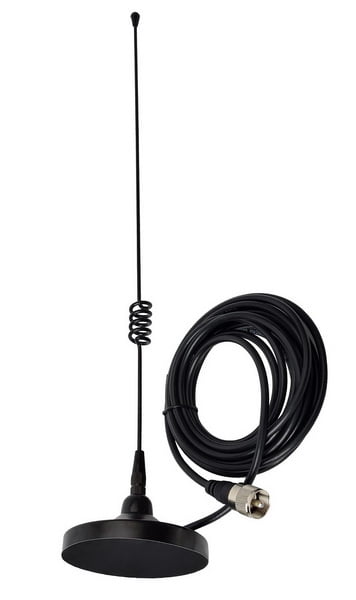
Magnetic Antennas
WiFi magnetic antennas are small, portable antennas that can be easily attached to a metallic surface, such as a car roof or a window, to enhance the WiFi signal reception. These antennas are designed to work with WiFi routers or access points and can improve the range and coverage of the WiFi network. They are typically used in situations where the WiFi signal is weak or there are obstacles, such as walls or trees, that block the signal. The magnetic base allows for easy installation and repositioning of the antenna for optimal signal strength.
Pros
1. Ease of Installation: Magnetic antennas can be easily attached to metal surfaces without the need for drilling or permanent fixtures.
2. Portability: They can be moved and repositioned effortlessly, making them ideal for temporary setups or situations where the optimal position needs to be found.
3. Improved Signal Quality: By positioning the antenna in an optimal location (e.g., higher up or away from obstructions), users can often achieve better signal strength and quality.
4. Versatility: Suitable for both indoor and outdoor use, provided the magnetic base is strong enough to withstand environmental conditions.
5. Cost-Effective: Generally, they are affordable and can be an economical solution for improving WiFi coverage.
Cons
1. Limited to Metal Surfaces: Magnetic antennas require a metal surface to attach to, which might limit their placement options.
2. Potential for Damage: If not secured properly, the antenna might fall and get damaged, especially in high-wind conditions outdoors.
cURL Too many subrequests by single Worker invocation. To configure this limit, refer to https://developers.cloudflare.com/workers/wrangler/configuration/#limits.
cURL Too many subrequests by single Worker invocation. To configure this limit, refer to https://developers.cloudflare.com/workers/wrangler/configuration/#limits.
cURL Too many subrequests by single Worker invocation. To configure this limit, refer to https://developers.cloudflare.com/workers/wrangler/configuration/#limits.
Applications
cURL Too many subrequests by single Worker invocation. To configure this limit, refer to https://developers.cloudflare.com/workers/wrangler/configuration/#limits.
cURL Too many subrequests by single Worker invocation. To configure this limit, refer to https://developers.cloudflare.com/workers/wrangler/configuration/#limits.
cURL Too many subrequests by single Worker invocation. To configure this limit, refer to https://developers.cloudflare.com/workers/wrangler/configuration/#limits.
cURL Too many subrequests by single Worker invocation. To configure this limit, refer to https://developers.cloudflare.com/workers/wrangler/configuration/#limits.
cURL Too many subrequests by single Worker invocation. To configure this limit, refer to https://developers.cloudflare.com/workers/wrangler/configuration/#limits.
cURL Too many subrequests by single Worker invocation. To configure this limit, refer to https://developers.cloudflare.com/workers/wrangler/configuration/#limits.
cURL Too many subrequests by single Worker invocation. To configure this limit, refer to https://developers.cloudflare.com/workers/wrangler/configuration/#limits.
cURL Too many subrequests by single Worker invocation. To configure this limit, refer to https://developers.cloudflare.com/workers/wrangler/configuration/#limits.
cURL Too many subrequests by single Worker invocation. To configure this limit, refer to https://developers.cloudflare.com/workers/wrangler/configuration/#limits.
cURL Too many subrequests by single Worker invocation. To configure this limit, refer to https://developers.cloudflare.com/workers/wrangler/configuration/#limits
cURL Too many subrequests by single Worker invocation. To configure this limit, refer to https://developers.cloudflare.com/workers/wrangler/configuration/#limits
WiFi omni-directional antennas cURL Too many subrequests by single Worker invocation. To configure this limit, refer to https://developers.cloudflare.com/workers/wrangler/configuration/#limits
cURL Too many subrequests by single Worker invocation. To configure this limit, refer to https://developers.cloudflare.com/workers/wrangler/configuration/#limits
cURL Too many subrequests by single Worker invocation. To configure this limit, refer to https://developers.cloudflare.com/workers/wrangler/configuration/#limits
cURL Too many subrequests by single Worker invocation. To configure this limit, refer to https://developers.cloudflare.com/workers/wrangler/configuration/#limits.
cURL Too many subrequests by single Worker invocation. To configure this limit, refer to https://developers.cloudflare.com/workers/wrangler/configuration/#limits
cURL Too many subrequests by single Worker invocation. To configure this limit, refer to https://developers.cloudflare.com/workers/wrangler/configuration/#limits.
cURL Too many subrequests by single Worker invocation. To configure this limit, refer to https://developers.cloudflare.com/workers/wrangler/configuration/#limits.
cURL Too many subrequests by single Worker invocation. To configure this limit, refer to https://developers.cloudflare.com/workers/wrangler/configuration/#limits
– More susceptible to interference from other devices like microwaves, Bluetooth devices, and cordless phones.
– Usually more crowded due to the limited number of channels and widespread use.
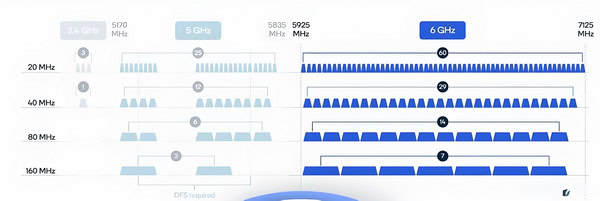
5 GHz Band
– Frequency Range: 5.15 GHz to 5.85 GHz (varies by region)
– Channels: More channels available compared to 2.4 GHz, typically 23 non-overlapping channels in the U.S.
cURL Too many subrequests by single Worker invocation. To configure this limit, refer to https://developers.cloudflare.com/workers/wrangler/configuration/#limits
– Higher data rates and less interference compared to 2.4 GHz.
– More channels available, reducing congestion.
cURL Too many subrequests by single Worker invocation. To configure this limit, refer to https://developers.cloudflare.com/workers/wrangler/configuration/#limits
– Shorter range and less effective at penetrating obstacles.
– Not all older devices support this band.
6 GHz Band
– Frequency Range: 5.925 GHz to 7.125 GHz (varies by region)
– Channels: Significantly more channels available, providing a much larger spectrum.
cURL Too many subrequests by single Worker invocation. To configure this limit, refer to https://developers.cloudflare.com/workers/wrangler/configuration/#limits
– Even higher data rates and reduced latency.
– More spectrum and less congestion, ideal for dense environments.
– Designed to support the latest WiFi 6E standard, which offers improved performance.
cURL Too many subrequests by single Worker invocation. To configure this limit, refer to https://developers.cloudflare.com/workers/wrangler/configuration/#limits
– Limited range and penetration capabilities similar to the 5 GHz band.
– Requires devices that support WiFi 6E.
Applications
– 2.4 GHz: Suitable for general use, including web browsing, email, and IoT devices.
– 5 GHz: Better for high-bandwidth applications like HD video streaming, online gaming, and video conferencing.
– 6 GHz: Ideal for ultra-high-bandwidth applications, future-proofing networks, and environments with many connected devices.
When choosing an omni-directional antenna, it’s essential to consider the specific frequency bands it supports, the environment in which it will be used, and the types of devices that will connect to the network.
Gain (dBi)
Definition
The gain of a WiFi omni antenna, often measured in decibels relative to an isotropic radiator (dBi), indicates how effectively the antenna can direct radio frequency energy in a particular direction compared to an ideal isotropic antenna, which radiates equally in all directions. For an omni-directional antenna, this gain is typically achieved by compressing the radiation pattern vertically, which extends the horizontal coverage area.
Impact on Coverage
– Higher Gain (e.g., 12 dBi): A higher gain omni antenna will have a flatter, more compressed radiation pattern. This means it can cover a larger horizontal distance but with reduced vertical coverage. This is ideal for large, flat areas like warehouses, open office spaces, or outdoor environments where you need to cover a broad area horizontally.
– Lower Gain (e.g., 2 dBi): A lower gain antenna has a more spherical radiation pattern, providing more vertical coverage but less horizontal reach. This is suitable for multi-story buildings or environments where coverage in all directions (including vertically) is necessary.
How to Choose the Appropriate Gain Level
Selecting the right gain level for your WiFi omni antenna depends on several factors:
1. Environment:
– Indoor Multi-Story Building: Opt for a lower gain antenna (3-5 dBi) to ensure coverage across different floors.
– Large Open Spaces: Choose a higher gain antenna (9-12 dBi) to maximize horizontal reach.
2. Coverage Area:
– Small Area: A lower gain antenna is sufficient and will provide more uniform coverage.
– Large Area: A higher gain antenna will extend the coverage area, but ensure it’s installed at an optimal height to avoid dead zones.
3. Antenna Placement:
– Central Location: If the antenna is centrally located, a lower gain antenna might be more appropriate to provide even coverage.
– Perimeter Location: A higher gain antenna can be beneficial to project the signal across the area more effectively.
cURL Too many subrequests by single Worker invocation. To configure this limit, refer to https://developers.cloudflare.com/workers/wrangler/configuration/#limits
cURL Too many subrequests by single Worker invocation. To configure this limit, refer to https://developers.cloudflare.com/workers/wrangler/configuration/#limits.
cURL Too many subrequests by single Worker invocation. To configure this limit, refer to https://developers.cloudflare.com/workers/wrangler/configuration/#limits.
cURL Too many subrequests by single Worker invocation. To configure this limit, refer to https://developers.cloudflare.com/workers/wrangler/configuration/#limits
cURL Too many subrequests by single Worker invocation. To configure this limit, refer to https://developers.cloudflare.com/workers/wrangler/configuration/#limits.
cURL Too many subrequests by single Worker invocation. To configure this limit, refer to https://developers.cloudflare.com/workers/wrangler/configuration/#limits.
Practical Examples
cURL Too many subrequests by single Worker invocation. To configure this limit, refer to https://developers.cloudflare.com/workers/wrangler/configuration/#limits.
cURL Too many subrequests by single Worker invocation. To configure this limit, refer to https://developers.cloudflare.com/workers/wrangler/configuration/#limits.
cURL Too many subrequests by single Worker invocation. To configure this limit, refer to https://developers.cloudflare.com/workers/wrangler/configuration/#limits.

Conclusion
cURL Too many subrequests by single Worker invocation. To configure this limit, refer to https://developers.cloudflare.com/workers/wrangler/configuration/#limits.
cURL Too many subrequests by single Worker invocation. To configure this limit, refer to https://developers.cloudflare.com/workers/wrangler/configuration/#limits
WiFi omni-directional antennas cURL Too many subrequests by single Worker invocation. To configure this limit, refer to https://developers.cloudflare.com/workers/wrangler/configuration/#limits
cURL Too many subrequests by single Worker invocation. To configure this limit, refer to https://developers.cloudflare.com/workers/wrangler/configuration/#limits

cURL Too many subrequests by single Worker invocation. To configure this limit, refer to https://developers.cloudflare.com/workers/wrangler/configuration/#limits.
cURL Too many subrequests by single Worker invocation. To configure this limit, refer to https://developers.cloudflare.com/workers/wrangler/configuration/#limits.
cURL Too many subrequests by single Worker invocation. To configure this limit, refer to https://developers.cloudflare.com/workers/wrangler/configuration/#limits.
cURL Too many subrequests by single Worker invocation. To configure this limit, refer to https://developers.cloudflare.com/workers/wrangler/configuration/#limits

cURL Too many subrequests by single Worker invocation. To configure this limit, refer to https://developers.cloudflare.com/workers/wrangler/configuration/#limits.
cURL Too many subrequests by single Worker invocation. To configure this limit, refer to https://developers.cloudflare.com/workers/wrangler/configuration/#limits.
cURL Too many subrequests by single Worker invocation. To configure this limit, refer to https://developers.cloudflare.com/workers/wrangler/configuration/#limits.
cURL Too many subrequests by single Worker invocation. To configure this limit, refer to https://developers.cloudflare.com/workers/wrangler/configuration/#limits

cURL Too many subrequests by single Worker invocation. To configure this limit, refer to https://developers.cloudflare.com/workers/wrangler/configuration/#limits.
cURL Too many subrequests by single Worker invocation. To configure this limit, refer to https://developers.cloudflare.com/workers/wrangler/configuration/#limits.
– Advantages: Provides better performance in multipath environments by offering two distinct polarization angles, improving signal reliability and throughput.
4. Dual Polarization:

– Description: Combines two orthogonal polarizations, typically vertical and horizontal, or +45° and -45°.
– Applications: Widely used in modern WiFi systems, particularly in MIMO and beamforming technologies to enhance data rates and reliability.
– Advantages: Maximizes the use of available spectrum and improves signal robustness by effectively doubling the communication channels.
Choosing the Right Polarization
– Environment: Consider the physical environment and typical orientation of devices. Vertical polarization is often a safe default for general use.
– Interference: Horizontal or slant polarizations can help mitigate interference in crowded RF environments.
– Performance: For high-performance applications, such as high-speed data transfer or long-range communication, dual polarization is often the best choice due to its ability to support advanced technologies like MIMO.
Conclusion
The choice of polarization for a WiFi omni antenna depends on the specific application and environment. Vertical and horizontal polarizations are straightforward and commonly used, while slant and dual polarizations offer enhanced performance in complex or high-demand scenarios.
VSWR (Voltage Standing Wave Ratio)
The Voltage Standing Wave Ratio (VSWR) is a critical parameter in the performance of WiFi antennas, including omni-directional antennas. It measures the efficiency of power transfer from the transmission line to the antenna. A lower VSWR indicates better impedance matching and, consequently, more efficient power transfer, which is crucial for optimal antenna performance.
Importance of VSWR
1. Efficiency: A low VSWR indicates that most of the power is being radiated by the antenna rather than being reflected back to the transmitter. This improves the overall efficiency of the system.
2. Signal Quality: Better impedance matching (low VSWR) ensures that the signal quality is maintained, reducing the chances of signal loss and degradation.
3. Transmitter Protection: High VSWR can result in significant power being reflected back to the transmitter, potentially causing damage to the transmitter’s output stage.
4. Range and Coverage: Efficient power transfer (low VSWR) ensures that the antenna can cover the intended range and area effectively.
Acceptable VSWR Ranges
– Ideal VSWR: 1:1 (This indicates perfect impedance matching with no reflected power. However, achieving a perfect 1:1 VSWR in practical scenarios is challenging.)
– Good VSWR: ≤ 1.5:1 (This is typically considered very good and indicates minimal power reflection.)
– Acceptable VSWR: ≤ 2:1 (This is generally acceptable for most WiFi applications, indicating that the antenna is performing adequately with some minor reflection.)
– Marginal VSWR: ≤ 3:1 (This may be acceptable in some less critical applications, but performance could be noticeably degraded.)
– Poor VSWR: > 3:1 (This indicates significant power reflection and poor impedance matching, which could lead to inefficient performance and potential damage to the transmitter.)
Practical Considerations
– Antenna Design: Omni-directional WiFi antennas are designed to have a low VSWR over their operating frequency range (typically 2.4 GHz and/or 5 GHz bands).
– Installation: Proper installation and positioning of the antenna can help maintain a low VSWR. Factors such as the length and quality of the coaxial cable, connectors, and environmental conditions can affect VSWR.
– Testing and Tuning: Regular testing using VSWR meters or network analyzers can help in maintaining optimal performance. In some cases, tuning the antenna or the matching network can help achieve a better VSWR.
In summary, maintaining a low VSWR is essential for the efficient performance of WiFi omni-directional antennas. An acceptable VSWR range for most WiFi applications is typically ≤ 2:1, with values closer to 1:1 being ideal. Regular testing and proper installation practices can help achieve and maintain good VSWR levels.
Unroundness

Impact on Performance
1. Radiation Pattern Distortion:
– Ideal Case: An ideal omni-directional antenna radiates uniformly in all horizontal directions, creating a perfect 360-degree horizontal radiation pattern.
– Unroundness Impact: Any deviation from this ideal shape can cause the radiation pattern to become uneven, leading to areas with weaker signal strength and others with stronger signals. This can result in inconsistent coverage and potential dead zones.
2. Signal Strength Variability:
– Ideal Case: Consistent signal strength in all directions at a given distance from the antenna.
– Unroundness Impact: Variations in signal strength can occur, causing fluctuations in data rates and potential connectivity issues for devices located in areas affected by the weaker signal.
3. Interference and Noise:
– Ideal Case: Uniform radiation minimizes interference and noise issues.
cURL Too many subrequests by single Worker invocation. To configure this limit, refer to https://developers.cloudflare.com/workers/wrangler/configuration/#limits.
cURL Too many subrequests by single Worker invocation. To configure this limit, refer to https://developers.cloudflare.com/workers/wrangler/configuration/#limits
cURL Too many subrequests by single Worker invocation. To configure this limit, refer to https://developers.cloudflare.com/workers/wrangler/configuration/#limits.
cURL Too many subrequests by single Worker invocation. To configure this limit, refer to https://developers.cloudflare.com/workers/wrangler/configuration/#limits.
cURL Too many subrequests by single Worker invocation. To configure this limit, refer to https://developers.cloudflare.com/workers/wrangler/configuration/#limits
cURL Too many subrequests by single Worker invocation. To configure this limit, refer to https://developers.cloudflare.com/workers/wrangler/configuration/#limits
cURL Too many subrequests by single Worker invocation. To configure this limit, refer to https://developers.cloudflare.com/workers/wrangler/configuration/#limits.
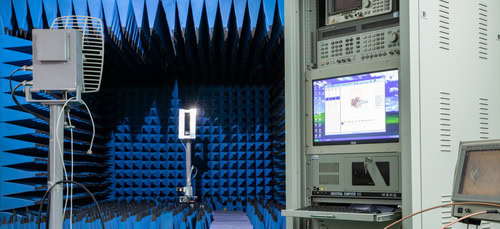
cURL Too many subrequests by single Worker invocation. To configure this limit, refer to https://developers.cloudflare.com/workers/wrangler/configuration/#limits.
cURL Too many subrequests by single Worker invocation. To configure this limit, refer to https://developers.cloudflare.com/workers/wrangler/configuration/#limits.
cURL Too many subrequests by single Worker invocation. To configure this limit, refer to https://developers.cloudflare.com/workers/wrangler/configuration/#limits
cURL Too many subrequests by single Worker invocation. To configure this limit, refer to https://developers.cloudflare.com/workers/wrangler/configuration/#limits.
cURL Too many subrequests by single Worker invocation. To configure this limit, refer to https://developers.cloudflare.com/workers/wrangler/configuration/#limits.
cURL Too many subrequests by single Worker invocation. To configure this limit, refer to https://developers.cloudflare.com/workers/wrangler/configuration/#limits
cURL Too many subrequests by single Worker invocation. To configure this limit, refer to https://developers.cloudflare.com/workers/wrangler/configuration/#limits.
cURL Too many subrequests by single Worker invocation. To configure this limit, refer to https://developers.cloudflare.com/workers/wrangler/configuration/#limits.
cURL Too many subrequests by single Worker invocation. To configure this limit, refer to https://developers.cloudflare.com/workers/wrangler/configuration/#limits
cURL Too many subrequests by single Worker invocation. To configure this limit, refer to https://developers.cloudflare.com/workers/wrangler/configuration/#limits.
cURL Too many subrequests by single Worker invocation. To configure this limit, refer to https://developers.cloudflare.com/workers/wrangler/configuration/#limits.
cURL Too many subrequests by single Worker invocation. To configure this limit, refer to https://developers.cloudflare.com/workers/wrangler/configuration/#limits.
cURL Too many subrequests by single Worker invocation. To configure this limit, refer to https://developers.cloudflare.com/workers/wrangler/configuration/#limits
Bandwidth
cURL Too many subrequests by single Worker invocation. To configure this limit, refer to https://developers.cloudflare.com/workers/wrangler/configuration/#limits
cURL Too many subrequests by single Worker invocation. To configure this limit, refer to https://developers.cloudflare.com/workers/wrangler/configuration/#limits.
– Narrow Bandwidth: Limits the data throughput, reducing the overall performance of the WiFi network.
2. Interference Handling:
– Wider Bandwidth: Can be more susceptible to interference from other devices operating in the same frequency range.
– Narrow Bandwidth: May experience less interference but at the cost of lower data rates.
3. Channel Availability:
– Wider Bandwidth: Provides more channels for communication, which can reduce congestion and improve performance in dense environments.
– Narrow Bandwidth: Fewer channels available, which can lead to congestion and reduced performance.
Efficiency
1. Signal Strength:
– High Efficiency: Results in better signal strength and coverage, leading to more reliable connections and higher data rates.
– Low Efficiency: Poor signal strength, reduced coverage, and potential for dropped connections and lower data rates.
2. Power Consumption:
– High Efficiency: More effective use of power, leading to longer battery life for portable devices.
– Low Efficiency: Higher power consumption, which can reduce battery life and increase operational costs for powered devices.
3. Range and Coverage:
– High Efficiency: Greater range and coverage area, reducing the need for additional access points.
– Low Efficiency: Limited range and coverage, potentially requiring more access points to cover the same area.
How to Measure
Bandwidth
1. Network Analyzer:
– Use a network analyzer to measure the frequency response of the antenna. This will show the range of frequencies over which the antenna can operate effectively.
2. Spectrum Analyzer:
– A spectrum analyzer can help observe the bandwidth by displaying the frequencies over which the antenna radiates or receives signals.
3. Data Throughput Tests:
– Perform data throughput tests using tools like iPerf or speed test applications to measure the actual data rates achievable over the network.
Efficiency
1. Antenna Analyzer:
– Use an antenna analyzer to measure parameters such as Voltage Standing Wave Ratio (VSWR) and Return Loss, which can indicate the efficiency of the antenna.
2. Radiation Pattern Measurement:
– Measure the radiation pattern of the antenna in an anechoic chamber to determine how efficiently it radiates energy in different directions.
3. Link Budget Analysis:
– Perform a link budget analysis to calculate the expected performance of the antenna in terms of signal strength and coverage area.
4. Field Tests:
– Conduct field tests to measure signal strength (RSSI) and quality (SNR) at various distances and locations to assess real-world efficiency.
By understanding and measuring these parameters, you can optimize the performance of WiFi networks using omni-directional antennas.
Isolation
1. Impact on Performance

Isolation between antennas in a Multiple Input Multiple Output (MIMO) system is crucial for optimal performance. Here’s how isolation impacts various performance metrics:
– Signal Interference: Poor isolation leads to mutual coupling between antennas, causing interference. This degrades signal quality and can lead to higher error rates.
– Channel Capacity: MIMO systems rely on multiple independent signal paths. Poor isolation reduces the independence of these paths, thereby reducing the system’s capacity to handle multiple data streams.
– Signal-to-Noise Ratio (SNR): Good isolation helps maintain a high SNR by minimizing the noise and interference from adjacent antennas.
cURL Too many subrequests by single Worker invocation. To configure this limit, refer to https://developers.cloudflare.com/workers/wrangler/configuration/#limits.
cURL Too many subrequests by single Worker invocation. To configure this limit, refer to https://developers.cloudflare.com/workers/wrangler/configuration/#limits.
cURL Too many subrequests by single Worker invocation. To configure this limit, refer to https://developers.cloudflare.com/workers/wrangler/configuration/#limits.
cURL Too many subrequests by single Worker invocation. To configure this limit, refer to https://developers.cloudflare.com/workers/wrangler/configuration/#limits
cURL Too many subrequests by single Worker invocation. To configure this limit, refer to https://developers.cloudflare.com/workers/wrangler/configuration/#limits
cURL Too many subrequests by single Worker invocation. To configure this limit, refer to https://developers.cloudflare.com/workers/wrangler/configuration/#limits
cURL Too many subrequests by single Worker invocation. To configure this limit, refer to https://developers.cloudflare.com/workers/wrangler/configuration/#limits
cURL Too many subrequests by single Worker invocation. To configure this limit, refer to https://developers.cloudflare.com/workers/wrangler/configuration/#limits
cURL Too many subrequests by single Worker invocation. To configure this limit, refer to https://developers.cloudflare.com/workers/wrangler/configuration/#limits
cURL Too many subrequests by single Worker invocation. To configure this limit, refer to https://developers.cloudflare.com/workers/wrangler/configuration/#limits
cURL Too many subrequests by single Worker invocation. To configure this limit, refer to https://developers.cloudflare.com/workers/wrangler/configuration/#limits
cURL Too many subrequests by single Worker invocation. To configure this limit, refer to https://developers.cloudflare.com/workers/wrangler/configuration/#limits.
cURL Too many subrequests by single Worker invocation. To configure this limit, refer to https://developers.cloudflare.com/workers/wrangler/configuration/#limits
cURL Too many subrequests by single Worker invocation. To configure this limit, refer to https://developers.cloudflare.com/workers/wrangler/configuration/#limits.
cURL Too many subrequests by single Worker invocation. To configure this limit, refer to https://developers.cloudflare.com/workers/wrangler/configuration/#limits.
cURL Too many subrequests by single Worker invocation. To configure this limit, refer to https://developers.cloudflare.com/workers/wrangler/configuration/#limits
cURL Too many subrequests by single Worker invocation. To configure this limit, refer to https://developers.cloudflare.com/workers/wrangler/configuration/#limits.
cURL Too many subrequests by single Worker invocation. To configure this limit, refer to https://developers.cloudflare.com/workers/wrangler/configuration/#limits.
cURL Too many subrequests by single Worker invocation. To configure this limit, refer to https://developers.cloudflare.com/workers/wrangler/configuration/#limits
cURL Too many subrequests by single Worker invocation. To configure this limit, refer to https://developers.cloudflare.com/workers/wrangler/configuration/#limits.
cURL Too many subrequests by single Worker invocation. To configure this limit, refer to https://developers.cloudflare.com/workers/wrangler/configuration/#limits
cURL Too many subrequests by single Worker invocation. To configure this limit, refer to https://developers.cloudflare.com/workers/wrangler/configuration/#limits.
– Environment: Conduct measurements in an environment that mimics the intended operational setting, as reflections and other environmental factors can affect isolation.
– Frequency Range: Measure isolation across the entire frequency range of interest to ensure consistent performance.
d. Additional Considerations:
– Isolation Improvement Techniques:
– Physical Separation: Increasing the distance between antennas.
– Shielding: Using materials to physically shield antennas from each other.
– Antenna Design: Using designs that inherently provide better isolation.
– Decoupling Networks: Employing circuits that help reduce mutual coupling.
By paying careful attention to antenna isolation, you can significantly enhance the performance of a WiFi MIMO system, leading to more reliable and higher-speed wireless communication.
Impedance Matching
Impedance matching is a crucial aspect of ensuring the efficient operation of WiFi omni antennas and their compatibility with other network components. Here’s a step-by-step guide to help you achieve proper impedance matching and maintain compatibility across your network:

1. Identify the Impedance of Your Components
– WiFi Omni Antenna: Typically, WiFi antennas are designed with a standard impedance of 50 ohms.
– Cables: Use coaxial cables with a 50-ohm impedance to match the antenna.
– Connectors and Adapters: Ensure that all connectors (e.g., SMA, N-type) and adapters used in the network also have a 50-ohm impedance.
– Network Devices: Verify that the network devices (e.g., routers, access points) are designed to operate with a 50-ohm impedance.
2. Use Quality Cables and Connectors
– Coaxial Cables: cURL Too many subrequests by single Worker invocation. To configure this limit, refer to https://developers.cloudflare.com/workers/wrangler/configuration/#limits, LMR195, LMR240 or cURL Too many subrequests by single Worker invocation. To configure this limit, refer to https://developers.cloudflare.com/workers/wrangler/configuration/#limits are common types that have a 50-ohm impedance. Choose cables with low loss for better performance.
– Connectors: Use high-quality connectors to minimize signal loss and reflections. Poor quality connectors can introduce impedance mismatches.
3. Minimize Cable Lengths
– Shorter Cables: Use the shortest possible cable length to reduce signal loss and potential impedance mismatches.
– Cable Management: Properly manage and secure cables to avoid kinks and bends that can affect impedance.
4. Check for Impedance Matching Components
– Impedance Matching Transformers: If there is a need to connect components with different impedances (e.g., 75-ohm to 50-ohm), use impedance matching transformers or baluns.
– Matching Networks: Design or use matching networks (combinations of inductors and capacitors) to match impedances at specific frequencies.
5. Measure and Verify Impedance Matching
– Network Analyzer: Use a network analyzer to measure the impedance of your antenna system. This device can help you identify mismatches and losses.
– SWR Meter: Measure the Standing Wave Ratio (SWR). A SWR close to 1:1 indicates good impedance matching. An SWR higher than 2:1 suggests significant impedance mismatch.
6. Adjust and Fine-Tune
– Antenna Tuning: If your antenna has adjustable elements, fine-tune them to achieve the best impedance match.
– Component Replacement: Replace any mismatched or poor-quality components identified during measurement.
7. Testing and Validation
– Signal Strength Testing: Use WiFi signal strength analysis tools to ensure that the antenna is performing well and that there are no significant losses.
– Network Performance: Monitor the overall network performance to ensure that data rates and connectivity are optimal.
cURL Too many subrequests by single Worker invocation. To configure this limit, refer to https://developers.cloudflare.com/workers/wrangler/configuration/#limits
cURL Too many subrequests by single Worker invocation. To configure this limit, refer to https://developers.cloudflare.com/workers/wrangler/configuration/#limits.
cURL Too many subrequests by single Worker invocation. To configure this limit, refer to https://developers.cloudflare.com/workers/wrangler/configuration/#limits.
cURL Too many subrequests by single Worker invocation. To configure this limit, refer to https://developers.cloudflare.com/workers/wrangler/configuration/#limits.
cURL Too many subrequests by single Worker invocation. To configure this limit, refer to https://developers.cloudflare.com/workers/wrangler/configuration/#limits
cURL Too many subrequests by single Worker invocation. To configure this limit, refer to https://developers.cloudflare.com/workers/wrangler/configuration/#limits cURL Too many subrequests by single Worker invocation. To configure this limit, refer to https://developers.cloudflare.com/workers/wrangler/configuration/#limits cURL Too many subrequests by single Worker invocation. To configure this limit, refer to https://developers.cloudflare.com/workers/wrangler/configuration/#limits
cURL Too many subrequests by single Worker invocation. To configure this limit, refer to https://developers.cloudflare.com/workers/wrangler/configuration/#limits.
cURL Too many subrequests by single Worker invocation. To configure this limit, refer to https://developers.cloudflare.com/workers/wrangler/configuration/#limits.
cURL Too many subrequests by single Worker invocation. To configure this limit, refer to https://developers.cloudflare.com/workers/wrangler/configuration/#limits.
cURL Too many subrequests by single Worker invocation. To configure this limit, refer to https://developers.cloudflare.com/workers/wrangler/configuration/#limits.
cURL Too many subrequests by single Worker invocation. To configure this limit, refer to https://developers.cloudflare.com/workers/wrangler/configuration/#limits
cURL Too many subrequests by single Worker invocation. To configure this limit, refer to https://developers.cloudflare.com/workers/wrangler/configuration/#limits.
cURL Too many subrequests by single Worker invocation. To configure this limit, refer to https://developers.cloudflare.com/workers/wrangler/configuration/#limits.
Practical Considerations
cURL Too many subrequests by single Worker invocation. To configure this limit, refer to https://developers.cloudflare.com/workers/wrangler/configuration/#limits.
cURL Too many subrequests by single Worker invocation. To configure this limit, refer to https://developers.cloudflare.com/workers/wrangler/configuration/#limits.
cURL Too many subrequests by single Worker invocation. To configure this limit, refer to https://developers.cloudflare.com/workers/wrangler/configuration/#limits.
cURL Too many subrequests by single Worker invocation. To configure this limit, refer to https://developers.cloudflare.com/workers/wrangler/configuration/#limits.
cURL Too many subrequests by single Worker invocation. To configure this limit, refer to https://developers.cloudflare.com/workers/wrangler/configuration/#limits
cURL Too many subrequests by single Worker invocation. To configure this limit, refer to https://developers.cloudflare.com/workers/wrangler/configuration/#limits

cURL Too many subrequests by single Worker invocation. To configure this limit, refer to https://developers.cloudflare.com/workers/wrangler/configuration/#limits
cURL Too many subrequests by single Worker invocation. To configure this limit, refer to https://developers.cloudflare.com/workers/wrangler/configuration/#limits.
2. Area Size: Measure the physical dimensions of the area you want to cover (square footage or square meters).
3. Obstacles: Consider obstacles such as walls, floors, and furniture that can affect signal strength.
4. Devices: Estimate the number and type of devices that will connect to the network.
5. Bandwidth Requirements: Determine the bandwidth needs of your applications (e.g., streaming, gaming, browsing).
6. Interference: Assess potential sources of interference (e.g., other WiFi networks, electronic devices).
Calculating Coverage
1. Antenna Specifications: Obtain the specifications of the WiFi omni antenna, including gain (measured in dBi), frequency band (2.4 GHz, 5 GHz, etc.), and power output.
2. Propagation Characteristics:
– 2.4 GHz Band: Generally provides better range but can be more susceptible to interference.
– 5 GHz Band: Offers higher speeds and less interference but has a shorter range.
3. Free Space Path Loss (FSPL): Calculate the theoretical signal loss over a distance using the FSPL formula:

Where:
d is the distance between the transmitter and receiver (in meters).
f is the frequency of the signal (in Hertz).
c is the speed of light in a vacuum, approximately 3×10^8 meters per second.
This can be simplified to:

The constant 147.55 is derived from the logarithmic conversion and the speed of light.
To use the formula, ensure the distance d is in meters and the frequency f is in Hertz. The result will be in decibels (dB), representing the path loss of the signal as it travels through free space.
4. Link Budget: Calculate the link budget to determine the maximum distance the signal can travel while maintaining a usable signal strength. The link budget is calculated as:
Formula
Link Budget (dB)=Transmit Power (dBm)+Antenna Gain (dBi)−Receiver Sensitivity (dBm)−FSPL (dB)
Transmit Power (Pt): _dBm
Antenna Gain (Gt): _ dBi
Receiver Sensitivity (Sr):_ dBm
Frequency (f): _Hz
5. Practical Considerations:
– Indoor Range: Typically, an omni antenna in the 2.4 GHz band might cover 50-100 meters indoors, while the 5 GHz band might cover 20-50 meters.
– Outdoor Range: Outdoors, the 2.4 GHz band might cover up to 200-300 meters, and the 5 GHz band might cover up to 100-200 meters, depending on environmental factors.
6. Coverage Map: Create a coverage map using the calculated ranges and consider areas of weak signal. Tools like heat mapping software can help visualize coverage.
Example Calculation
Let’s say you have a WiFi omni antenna with the following specs:
– Gain (Gt) cURL Too many subrequests by single Worker invocation. To configure this limit, refer to https://developers.cloudflare.com/workers/wrangler/configuration/#limits
cURL Too many subrequests by single Worker invocation. To configure this limit, refer to https://developers.cloudflare.com/workers/wrangler/configuration/#limits cURL Too many subrequests by single Worker invocation. To configure this limit, refer to https://developers.cloudflare.com/workers/wrangler/configuration/#limits cURL Too many subrequests by single Worker invocation. To configure this limit, refer to https://developers.cloudflare.com/workers/wrangler/configuration/#limits
cURL Too many subrequests by single Worker invocation. To configure this limit, refer to https://developers.cloudflare.com/workers/wrangler/configuration/#limits cURL Too many subrequests by single Worker invocation. To configure this limit, refer to https://developers.cloudflare.com/workers/wrangler/configuration/#limits cURL Too many subrequests by single Worker invocation. To configure this limit, refer to https://developers.cloudflare.com/workers/wrangler/configuration/#limits
cURL Too many subrequests by single Worker invocation. To configure this limit, refer to https://developers.cloudflare.com/workers/wrangler/configuration/#limits cURL Too many subrequests by single Worker invocation. To configure this limit, refer to https://developers.cloudflare.com/workers/wrangler/configuration/#limits cURL Too many subrequests by single Worker invocation. To configure this limit, refer to https://developers.cloudflare.com/workers/wrangler/configuration/#limits
cURL Too many subrequests by single Worker invocation. To configure this limit, refer to https://developers.cloudflare.com/workers/wrangler/configuration/#limits
cURL Too many subrequests by single Worker invocation. To configure this limit, refer to https://developers.cloudflare.com/workers/wrangler/configuration/#limits
cURL Too many subrequests by single Worker invocation. To configure this limit, refer to https://developers.cloudflare.com/workers/wrangler/configuration/#limits
cURL Too many subrequests by single Worker invocation. To configure this limit, refer to https://developers.cloudflare.com/workers/wrangler/configuration/#limits d:
cURL Too many subrequests by single Worker invocation. To configure this limit, refer to https://developers.cloudflare.com/workers/wrangler/configuration/#limits
cURL Too many subrequests by single Worker invocation. To configure this limit, refer to https://developers.cloudflare.com/workers/wrangler/configuration/#limits d :
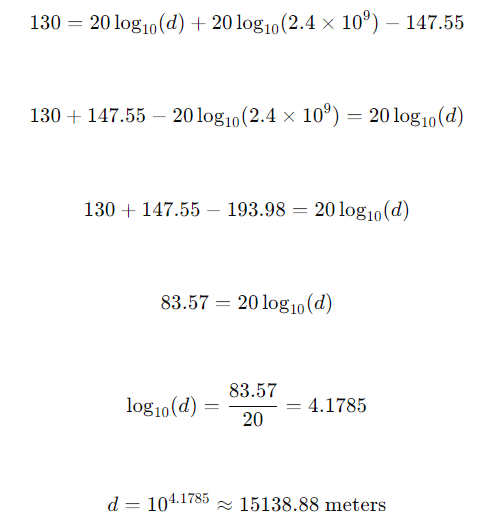
Conclusion
cURL Too many subrequests by single Worker invocation. To configure this limit, refer to https://developers.cloudflare.com/workers/wrangler/configuration/#limitsd)cURL Too many subrequests by single Worker invocation. To configure this limit, refer to https://developers.cloudflare.com/workers/wrangler/configuration/#limits
cURL Too many subrequests by single Worker invocation. To configure this limit, refer to https://developers.cloudflare.com/workers/wrangler/configuration/#limits.
cURL Too many subrequests by single Worker invocation. To configure this limit, refer to https://developers.cloudflare.com/workers/wrangler/configuration/#limits
cURL Too many subrequests by single Worker invocation. To configure this limit, refer to https://developers.cloudflare.com/workers/wrangler/configuration/#limits.
cURL Too many subrequests by single Worker invocation. To configure this limit, refer to https://developers.cloudflare.com/workers/wrangler/configuration/#limits.
By following these steps, you can estimate and optimize the coverage area of your WiFi omni antenna to meet your specific needs.
Compatibility
When considering WiFi omni antennas, it’s important to understand both router and device compatibility as well as compliance with WiFi standards (IEEE 802.11). Here’s a breakdown of these aspects:
Router and Device Compatibility
1. Connector Type:
– Ensure that the antenna’s connector matches the connector on your router or device. Common types include RP-SMA, SMA, N-type, and TNC connectors.
2. Frequency Band:
– WiFi operates primarily in the 2.4 GHz and 5 GHz bands, with newer standards also utilizing the 6 GHz band. Make sure the omni antenna supports the frequency bands your router uses.
3. Antenna Gain:
– The gain of the antenna, measured in dBi, affects its range and coverage. Higher gain antennas provide longer range but a narrower coverage area. Make sure the gain is appropriate for your needs and compatible with your router’s power output.
4. Router Antenna Ports:
– Check the number of antenna ports on your router. Some routers have multiple ports for multiple-input multiple-output (MIMO) technology. Ensure you have enough compatible antennas if your router supports MIMO.
Compliance with Standards (IEEE 802.11)
WiFi standards are defined by IEEE 802.11 specifications. Here’s a brief overview of common standards:
1. IEEE 802.11a/b/g/n/ac/ax:
– 802.11a: Operates in the 5 GHz band, up to 54 Mbps.
– 802.11b: Operates in the 2.4 GHz band, up to 11 Mbps.
– 802.11g: Operates in the 2.4 GHz band, up to 54 Mbps.
– 802.11n: Operates in both 2.4 GHz and 5 GHz bands (dual-band), up to 600 Mbps with MIMO.
– 802.11ac: Operates in the 5 GHz band, up to several Gbps with MIMO and wider channels.
– 802.11ax (Wi-Fi 6): Operates in 2.4 GHz, 5 GHz, and 6 GHz bands, higher throughput and efficiency, supports OFDMA, MU-MIMO.
– 802.11ax (Wi-Fi 6E): Extends Wi-Fi 6 capabilities to the 6 GHz band, providing additional spectrum for less interference, higher throughput, and lower latency.
– cURL Too many subrequests by single Worker invocation. To configure this limit, refer to https://developers.cloudflare.com/workers/wrangler/configuration/#limits (Wi-Fi 7): Expected to operate in 2.4 GHz, 5 GHz, and 6 GHz bands, aims to provide extremely high throughput (up to 30 Gbps), improved efficiency, and lower latency with features like 320 MHz channels, multi-link operation, and enhanced MU-MIMO.

2. Backward Compatibility:
– Newer WiFi standards are generally backward compatible with older ones. For instance, a WiFi 6 (802.11ax) router will work with 802.11n/ac devices, but the performance will be limited to the capabilities of the older standard.
3. Antenna Design and Standards Compliance:
– Ensure the antenna is designed to support the specific WiFi standards your devices use. For example, an antenna designed for 802.11ac should support the 5 GHz band and MIMO technology.
Summary
To ensure compatibility and optimal performance:
– Match the connector type between the antenna and your router/device.
– Verify frequency band support (2.4 GHz, 5 GHz, 6 GHz) of the antenna.
– Check the antenna gain to ensure it meets your range and coverage needs.
– Ensure the antenna supports the WiFi standards (IEEE 802.11a/b/g/n/ac/ax) your devices use.
– Confirm the number of antenna ports on your router and whether you need multiple antennas for MIMO.
By considering these aspects, you can select a WiFi omni antenna that is compatible with your router and devices and adheres to the necessary WiFi standards.
Chapter 4: Mechanical Specifications
Physical Design and Size
When selecting a WiFi omni antenna, cURL Too many subrequests by single Worker invocation. To configure this limit, refer to https://developers.cloudflare.com/workers/wrangler/configuration/#limits
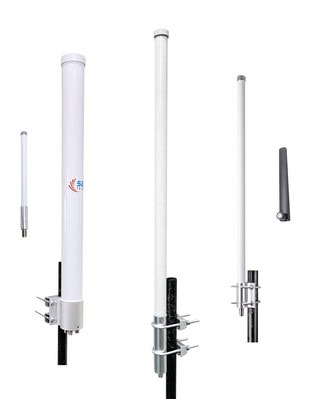
cURL Too many subrequests by single Worker invocation. To configure this limit, refer to https://developers.cloudflare.com/workers/wrangler/configuration/#limits
cURL Too many subrequests by single Worker invocation. To configure this limit, refer to https://developers.cloudflare.com/workers/wrangler/configuration/#limits.
cURL Too many subrequests by single Worker invocation. To configure this limit, refer to https://developers.cloudflare.com/workers/wrangler/configuration/#limits
cURL Too many subrequests by single Worker invocation. To configure this limit, refer to https://developers.cloudflare.com/workers/wrangler/configuration/#limits.
cURL Too many subrequests by single Worker invocation. To configure this limit, refer to https://developers.cloudflare.com/workers/wrangler/configuration/#limits .
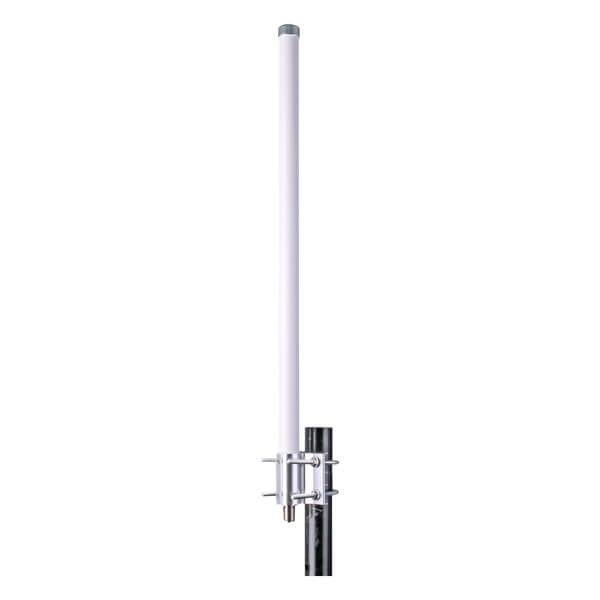
cURL Too many subrequests by single Worker invocation. To configure this limit, refer to https://developers.cloudflare.com/workers/wrangler/configuration/#limits.
cURL Too many subrequests by single Worker invocation. To configure this limit, refer to https://developers.cloudflare.com/workers/wrangler/configuration/#limits.
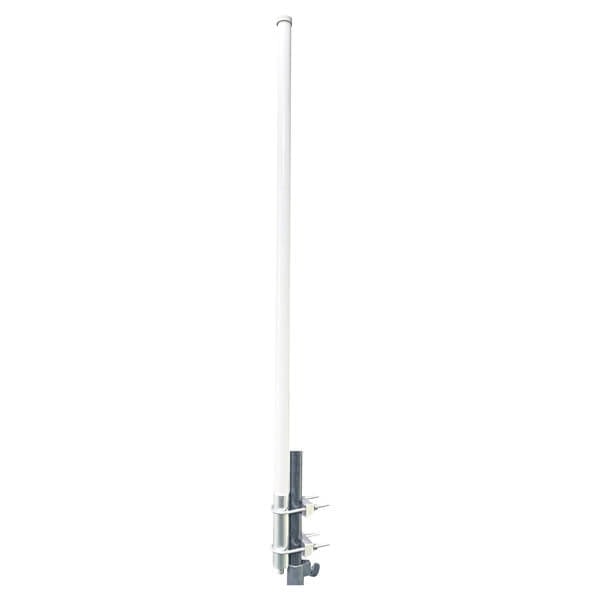
cURL Too many subrequests by single Worker invocation. To configure this limit, refer to https://developers.cloudflare.com/workers/wrangler/configuration/#limits
cURL Too many subrequests by single Worker invocation. To configure this limit, refer to https://developers.cloudflare.com/workers/wrangler/configuration/#limits.
cURL Too many subrequests by single Worker invocation. To configure this limit, refer to https://developers.cloudflare.com/workers/wrangler/configuration/#limits .
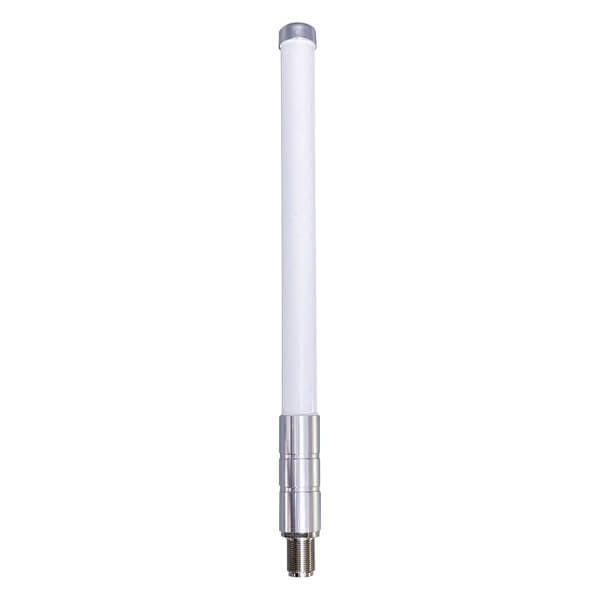
cURL Too many subrequests by single Worker invocation. To configure this limit, refer to https://developers.cloudflare.com/workers/wrangler/configuration/#limits.
cURL Too many subrequests by single Worker invocation. To configure this limit, refer to https://developers.cloudflare.com/workers/wrangler/configuration/#limits.

cURL Too many subrequests by single Worker invocation. To configure this limit, refer to https://developers.cloudflare.com/workers/wrangler/configuration/#limits.
cURL Too many subrequests by single Worker invocation. To configure this limit, refer to https://developers.cloudflare.com/workers/wrangler/configuration/#limits
cURL Too many subrequests by single Worker invocation. To configure this limit, refer to https://developers.cloudflare.com/workers/wrangler/configuration/#limits.
cURL Too many subrequests by single Worker invocation. To configure this limit, refer to https://developers.cloudflare.com/workers/wrangler/configuration/#limits
cURL Too many subrequests by single Worker invocation. To configure this limit, refer to https://developers.cloudflare.com/workers/wrangler/configuration/#limits.
cURL Too many subrequests by single Worker invocation. To configure this limit, refer to https://developers.cloudflare.com/workers/wrangler/configuration/#limits.
cURL Too many subrequests by single Worker invocation. To configure this limit, refer to https://developers.cloudflare.com/workers/wrangler/configuration/#limits.
cURL Too many subrequests by single Worker invocation. To configure this limit, refer to https://developers.cloudflare.com/workers/wrangler/configuration/#limits.
cURL Too many subrequests by single Worker invocation. To configure this limit, refer to https://developers.cloudflare.com/workers/wrangler/configuration/#limits.
Summary
– Gain: Typically ranges from 2 dBi to 12 dBi.
– Size (Length): Can range from 5 cm (2 inches) for low-gain antennas to over 70 cm (28 inches) for high-gain antennas for 5GHz version. The size may vary significantly depending on whether the antenna is for 2.4 GHz or 5 GHz or higher frequencies.
– Coverage Area: Varies from around 100 meters (328 feet) for low-gain antennas to over 1 km (0.62 miles) for high-gain antennas in open environments at 2.4 GHz. Coverage is generally slightly less at 5 GHz.
When selecting an omni-directional WiFi antenna, it’s essential to consider the specific requirements of the deployment environment to ensure optimal performance and coverage.
Aesthetic and Practical Considerations
Aesthetic Considerations
– Color and Finish: Choose antennas that match the surroundings. White or neutral colors are often preferred for indoor settings.
– Design: Sleek and modern designs can make antennas less noticeable and more acceptable in visible locations.
– Mounting Options: Wall or ceiling mounts can help integrate the antenna into the environment more seamlessly.
Practical Considerations
– Coverage Area: Assess the size of the area that needs coverage. Larger areas or those with many obstacles may require larger, higher-gain antennas.
– Installation Location: Consider where the antenna will be installed. Indoor antennas can be smaller and more aesthetically pleasing, while outdoor antennas need to be weather-resistant and robust.
– Frequency Band: Ensure the antenna supports the required frequency bands (e.g., 2.4 GHz, 5 GHz) for your WiFi network.
– Durability: For outdoor installations, look for antennas with waterproofing and UV resistance.
– Regulatory Compliance: Ensure the antenna complies with local regulations and standards for wireless communication.
Summary
– Compact Antennas: Best for environments where aesthetics and space are critical, but may compromise on range and performance.
– Larger Antennas: Ideal for scenarios requiring extended range and better performance, but may be less visually appealing and more challenging to install.
Balancing these factors will help you choose the right WiFi omni antenna for your specific needs, ensuring optimal performance while meeting aesthetic and practical requirements.
Radiating Elements
WiFi Omni antennas are designed to provide 360-degree coverage, making them ideal for environments where a broad and even distribution of the signal is required. Here, we’ll discuss the key aspects of radiating elements for these antennas, including frequency, design, materials, and their respective pros and cons.
Frequency
WiFi operates primarily in two frequency bands:
– 2.4 GHz Band: Covers 2.4 GHz to 2.5 GHz.
– 5 GHz Band: Covers 5.150 GHz to 5.825 GHz.
Some modern WiFi systems also operate in the 6 GHz band, known as WiFi 6E and WiFi 7:
– 6 GHz Band: Covers 5.925 GHz to 7.125 GHz.
Design
The design of the radiating elements in an cURL Too many subrequests by single Worker invocation. To configure this limit, refer to https://developers.cloudflare.com/workers/wrangler/configuration/#limits can vary, but common types include:
1. Dipole Antennas:
– Structure: Consists of two conductive elements (rods) extending in opposite directions.
– Pros: Simple design, easy to manufacture, and cost-effective.
– Cons: Limited gain, generally around 2.15 dBi.
– Structure: Multiple dipole elements stacked vertically to increase gain, typically using Center-fed or Series-fed symmetrical brass elements for a higher gain. It’s widely used for base stations with high input power.
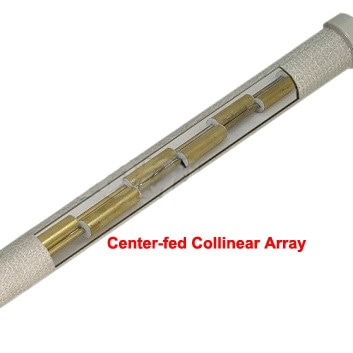
– Pros: Higher gain compared to a single dipole, typically between 5 dBi to 15 dBi. Higher input power, typically between 10 watts to 50 watts, sometimes even up to 100 watts or more, depending on the specific model and application.
– Cons: More complex design and construction, larger physical size (the length can reach 1.5m) with high cost and more expensive to manufacture.
– Structure: A single rod or wire mounted perpendicularly on a conductive surface.
cURL Too many subrequests by single Worker invocation. To configure this limit, refer to https://developers.cloudflare.com/workers/wrangler/configuration/#limits.
cURL Too many subrequests by single Worker invocation. To configure this limit, refer to https://developers.cloudflare.com/workers/wrangler/configuration/#limits.
cURL Too many subrequests by single Worker invocation. To configure this limit, refer to https://developers.cloudflare.com/workers/wrangler/configuration/#limits
cURL Too many subrequests by single Worker invocation. To configure this limit, refer to https://developers.cloudflare.com/workers/wrangler/configuration/#limits.
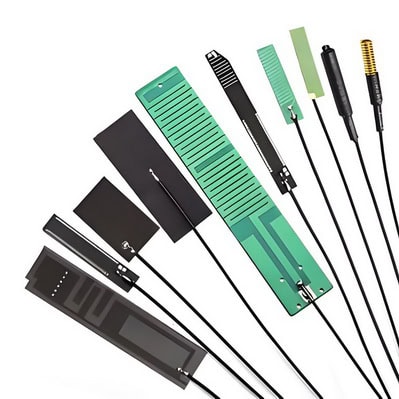
cURL Too many subrequests by single Worker invocation. To configure this limit, refer to https://developers.cloudflare.com/workers/wrangler/configuration/#limits.
cURL Too many subrequests by single Worker invocation. To configure this limit, refer to https://developers.cloudflare.com/workers/wrangler/configuration/#limits.
cURL Too many subrequests by single Worker invocation. To configure this limit, refer to https://developers.cloudflare.com/workers/wrangler/configuration/#limits.

cURL Too many subrequests by single Worker invocation. To configure this limit, refer to https://developers.cloudflare.com/workers/wrangler/configuration/#limits.
cURL Too many subrequests by single Worker invocation. To configure this limit, refer to https://developers.cloudflare.com/workers/wrangler/configuration/#limits.
cURL Too many subrequests by single Worker invocation. To configure this limit, refer to https://developers.cloudflare.com/workers/wrangler/configuration/#limits.

Materials
cURL Too many subrequests by single Worker invocation. To configure this limit, refer to https://developers.cloudflare.com/workers/wrangler/configuration/#limits
1. Copper:
cURL Too many subrequests by single Worker invocation. To configure this limit, refer to https://developers.cloudflare.com/workers/wrangler/configuration/#limits.
cURL Too many subrequests by single Worker invocation. To configure this limit, refer to https://developers.cloudflare.com/workers/wrangler/configuration/#limits.
2. Aluminum:
cURL Too many subrequests by single Worker invocation. To configure this limit, refer to https://developers.cloudflare.com/workers/wrangler/configuration/#limits.
cURL Too many subrequests by single Worker invocation. To configure this limit, refer to https://developers.cloudflare.com/workers/wrangler/configuration/#limits.
cURL Too many subrequests by single Worker invocation. To configure this limit, refer to https://developers.cloudflare.com/workers/wrangler/configuration/#limits
cURL Too many subrequests by single Worker invocation. To configure this limit, refer to https://developers.cloudflare.com/workers/wrangler/configuration/#limits.
cURL Too many subrequests by single Worker invocation. To configure this limit, refer to https://developers.cloudflare.com/workers/wrangler/configuration/#limits.
cURL Too many subrequests by single Worker invocation. To configure this limit, refer to https://developers.cloudflare.com/workers/wrangler/configuration/#limits
cURL Too many subrequests by single Worker invocation. To configure this limit, refer to https://developers.cloudflare.com/workers/wrangler/configuration/#limits.
cURL Too many subrequests by single Worker invocation. To configure this limit, refer to https://developers.cloudflare.com/workers/wrangler/configuration/#limits.
Pros and Cons
Pros
– 360-Degree Coverage: Ideal for environments requiring uniform signal distribution.
– Versatility: Suitable for various applications, including indoor and outdoor use.
– Ease of Installation: Generally straightforward to mount and deploy.
Cons
– Limited Range: Typically lower gain compared to directional antennas, which can limit range.
– Interference: Omni-directional patterns can pick up more interference from surrounding signals.
– Size and Aesthetics: Higher-gain designs can be bulky and less visually appealing.
Conclusion
Choosing the right radiating element for a WiFi omni antenna involves balancing factors such as frequency requirements, design complexity, material costs, and performance needs. Each type of radiating element and material offers its own set of advantages and disadvantages, making it crucial to select the one that best fits the specific application and environment.
Radome Material
Choosing the right radome material for a WiFi omni antenna is crucial for ensuring optimal performance and durability. Below are some common materials used for radomes, along with their pros and cons.
1. Fiberglass
cURL Too many subrequests by single Worker invocation. To configure this limit, refer to https://developers.cloudflare.com/workers/wrangler/configuration/#limits
– Durability: Highly resistant to environmental factors such as UV radiation, moisture, and temperature fluctuations.
– Strength: Offers excellent mechanical strength, making it suitable for harsh conditions.
– Transparency: Minimal signal loss, allowing effective transmission and reception of WiFi signals.
Cons:
– Weight: Heavier compared to other materials like plastic.
– Cost: Generally more expensive than plastic alternatives.
2. Polycarbonate
cURL Too many subrequests by single Worker invocation. To configure this limit, refer to https://developers.cloudflare.com/workers/wrangler/configuration/#limits
– Impact Resistance: Highly resistant to impacts, making it ideal for environments where physical damage is a concern.
– Clarity: Excellent signal transparency, ensuring minimal signal loss.
– UV Resistance: Good resistance to UV radiation, preventing degradation over time.
Cons:
– Cost: More expensive than some other plastic materials.
– Chemical Resistance: Less resistant to certain chemicals compared to fiberglass.
3. ABS Plastic
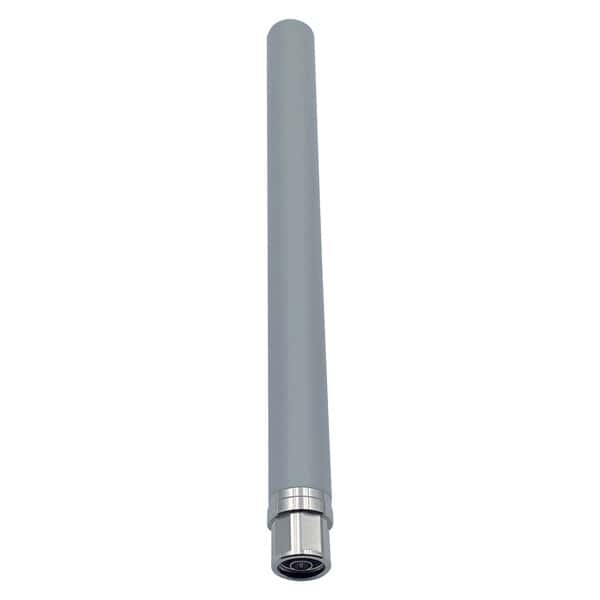
cURL Too many subrequests by single Worker invocation. To configure this limit, refer to https://developers.cloudflare.com/workers/wrangler/configuration/#limits
– Cost-effective: Generally cheaper than fiberglass and polycarbonate.
– Lightweight: Easier to handle and install due to its low weight.
– Moldability: Can be easily molded into various shapes, offering design flexibility.
Cons:
– Durability: Less durable compared to fiberglass and polycarbonate, especially in harsh environmental conditions.
– UV Resistance: Prone to degradation when exposed to prolonged UV radiation.
4. PTFE (Teflon)
cURL Too many subrequests by single Worker invocation. To configure this limit, refer to https://developers.cloudflare.com/workers/wrangler/configuration/#limits
– Low Signal Loss: Excellent electrical properties, resulting in minimal signal attenuation.
– Chemical Resistance: Highly resistant to chemicals, making it suitable for industrial environments.
– Temperature Range: Can withstand extreme temperatures without degrading.
Cons:
– Cost: Significantly more expensive than other materials.
– Flexibility: Less flexible, making it harder to mold into complex shapes.
5. PVC (Polyvinyl Chloride)
cURL Too many subrequests by single Worker invocation. To configure this limit, refer to https://developers.cloudflare.com/workers/wrangler/configuration/#limits
– Cost-effective: One of the cheapest options available.
– Ease of Manufacturing: Easy to mold and manufacture in various shapes and sizes.
cURL Too many subrequests by single Worker invocation. To configure this limit, refer to https://developers.cloudflare.com/workers/wrangler/configuration/#limits.
Cons:
cURL Too many subrequests by single Worker invocation. To configure this limit, refer to https://developers.cloudflare.com/workers/wrangler/configuration/#limits.
cURL Too many subrequests by single Worker invocation. To configure this limit, refer to https://developers.cloudflare.com/workers/wrangler/configuration/#limits.
Conclusion
cURL Too many subrequests by single Worker invocation. To configure this limit, refer to https://developers.cloudflare.com/workers/wrangler/configuration/#limits.
Connector Type
cURL Too many subrequests by single Worker invocation. To configure this limit, refer to https://developers.cloudflare.com/workers/wrangler/configuration/#limits WiFi omni antenna. cURL Too many subrequests by single Worker invocation. To configure this limit, refer to https://developers.cloudflare.com/workers/wrangler/configuration/#limits
cURL Too many subrequests by single Worker invocation. To configure this limit, refer to https://developers.cloudflare.com/workers/wrangler/configuration/#limits
cURL Too many subrequests by single Worker invocation. To configure this limit, refer to https://developers.cloudflare.com/workers/wrangler/configuration/#limits.
cURL Too many subrequests by single Worker invocation. To configure this limit, refer to https://developers.cloudflare.com/workers/wrangler/configuration/#limits.

cURL Too many subrequests by single Worker invocation. To configure this limit, refer to https://developers.cloudflare.com/workers/wrangler/configuration/#limits.

cURL Too many subrequests by single Worker invocation. To configure this limit, refer to https://developers.cloudflare.com/workers/wrangler/configuration/#limits.

cURL Too many subrequests by single Worker invocation. To configure this limit, refer to https://developers.cloudflare.com/workers/wrangler/configuration/#limits.
cURL Too many subrequests by single Worker invocation. To configure this limit, refer to https://developers.cloudflare.com/workers/wrangler/configuration/#limits.
cURL Too many subrequests by single Worker invocation. To configure this limit, refer to https://developers.cloudflare.com/workers/wrangler/configuration/#limits.
cURL Too many subrequests by single Worker invocation. To configure this limit, refer to https://developers.cloudflare.com/workers/wrangler/configuration/#limits
cURL Too many subrequests by single Worker invocation. To configure this limit, refer to https://developers.cloudflare.com/workers/wrangler/configuration/#limits cURL Too many subrequests by single Worker invocation. To configure this limit, refer to https://developers.cloudflare.com/workers/wrangler/configuration/#limits.
cURL Too many subrequests by single Worker invocation. To configure this limit, refer to https://developers.cloudflare.com/workers/wrangler/configuration/#limits
cURL Too many subrequests by single Worker invocation. To configure this limit, refer to https://developers.cloudflare.com/workers/wrangler/configuration/#limits.
cURL Too many subrequests by single Worker invocation. To configure this limit, refer to https://developers.cloudflare.com/workers/wrangler/configuration/#limits.
cURL Too many subrequests by single Worker invocation. To configure this limit, refer to https://developers.cloudflare.com/workers/wrangler/configuration/#limits.
cURL Too many subrequests by single Worker invocation. To configure this limit, refer to https://developers.cloudflare.com/workers/wrangler/configuration/#limits.
cURL Too many subrequests by single Worker invocation. To configure this limit, refer to https://developers.cloudflare.com/workers/wrangler/configuration/#limits.
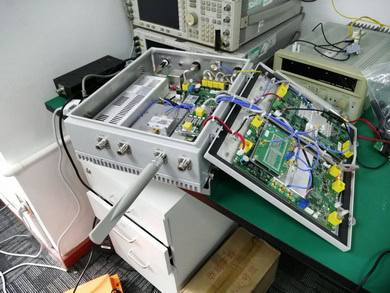
Mounting Brackets
1. L-Bracket
– A simple L-shaped bracket that allows for wall or pole mounting.

– Provides a stable and secure hold for the antenna.
2. Adjustable Tilt Bracket
– Allows for angle adjustments to optimize the antenna’s position.
– Useful for fine-tuning signal direction and coverage.
3. Universal Mounting Bracket
– Compatible with various mounting surfaces including walls, poles, and ceilings.
– Versatile and easy to install.
4. Pole Mounting Kit
– Includes U-bolts, clamps, and brackets specifically designed for pole mounting.
– Ensures a secure fit and stability in outdoor environments.
5. Magnetic Base
– Features a strong magnet for easy attachment to metal surfaces.
– Ideal for temporary setups or mobile applications.
6. Suction Cup Mount
– Uses suction cups to attach the antenna to smooth surfaces like windows.
– Provides flexibility in positioning and easy removal.
By selecting the appropriate mounting option and bracket, you can ensure optimal performance and coverage for your WiFi Omni Antenna.
Chapter 5: Installation and Deployment Strategies
Pre-installation Planning
Conducting Site Surveys
A thorough site survey is essential for the successful deployment of cURL Too many subrequests by single Worker invocation. To configure this limit, refer to https://developers.cloudflare.com/workers/wrangler/configuration/#limits. The survey helps in understanding the environment, identifying potential obstacles, and determining the best locations for antennas to ensure optimal coverage and performance.

1. Understand the Environment:
– Indoor: Consider walls, floors, furniture, and other obstructions that can affect signal propagation.
– Outdoor: Take into account trees, buildings, weather conditions, and other physical barriers.
2. Identify Coverage Areas:
– Define the specific areas where WiFi coverage is required.
– Map out high-density areas where more bandwidth might be needed.
3. Measure Signal Strength:
– Use tools like WiFi analyzers to measure the existing signal strength in different areas.
– Identify dead zones and areas with weak signals.
4. Evaluate Interference:
– Identify sources of interference such as other wireless devices, microwave ovens, and Bluetooth devices.
– Use spectrum analyzers to detect and measure interference levels.
5. Document Findings:
cURL Too many subrequests by single Worker invocation. To configure this limit, refer to https://developers.cloudflare.com/workers/wrangler/configuration/#limits.
cURL Too many subrequests by single Worker invocation. To configure this limit, refer to https://developers.cloudflare.com/workers/wrangler/configuration/#limits.
cURL Too many subrequests by single Worker invocation. To configure this limit, refer to https://developers.cloudflare.com/workers/wrangler/configuration/#limits
cURL Too many subrequests by single Worker invocation. To configure this limit, refer to https://developers.cloudflare.com/workers/wrangler/configuration/#limits cURL Too many subrequests by single Worker invocation. To configure this limit, refer to https://developers.cloudflare.com/workers/wrangler/configuration/#limits cURL Too many subrequests by single Worker invocation. To configure this limit, refer to https://developers.cloudflare.com/workers/wrangler/configuration/#limits
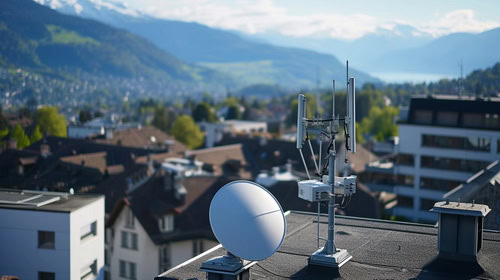
cURL Too many subrequests by single Worker invocation. To configure this limit, refer to https://developers.cloudflare.com/workers/wrangler/configuration/#limits
cURL Too many subrequests by single Worker invocation. To configure this limit, refer to https://developers.cloudflare.com/workers/wrangler/configuration/#limits.
cURL Too many subrequests by single Worker invocation. To configure this limit, refer to https://developers.cloudflare.com/workers/wrangler/configuration/#limits.
cURL Too many subrequests by single Worker invocation. To configure this limit, refer to https://developers.cloudflare.com/workers/wrangler/configuration/#limits
cURL Too many subrequests by single Worker invocation. To configure this limit, refer to https://developers.cloudflare.com/workers/wrangler/configuration/#limits.
cURL Too many subrequests by single Worker invocation. To configure this limit, refer to https://developers.cloudflare.com/workers/wrangler/configuration/#limits.
cURL Too many subrequests by single Worker invocation. To configure this limit, refer to https://developers.cloudflare.com/workers/wrangler/configuration/#limits.
cURL Too many subrequests by single Worker invocation. To configure this limit, refer to https://developers.cloudflare.com/workers/wrangler/configuration/#limits
cURL Too many subrequests by single Worker invocation. To configure this limit, refer to https://developers.cloudflare.com/workers/wrangler/configuration/#limits.
cURL Too many subrequests by single Worker invocation. To configure this limit, refer to https://developers.cloudflare.com/workers/wrangler/configuration/#limits.
cURL Too many subrequests by single Worker invocation. To configure this limit, refer to https://developers.cloudflare.com/workers/wrangler/configuration/#limits
cURL Too many subrequests by single Worker invocation. To configure this limit, refer to https://developers.cloudflare.com/workers/wrangler/configuration/#limits.
cURL Too many subrequests by single Worker invocation. To configure this limit, refer to https://developers.cloudflare.com/workers/wrangler/configuration/#limits.
cURL Too many subrequests by single Worker invocation. To configure this limit, refer to https://developers.cloudflare.com/workers/wrangler/configuration/#limits
cURL Too many subrequests by single Worker invocation. To configure this limit, refer to https://developers.cloudflare.com/workers/wrangler/configuration/#limits.
cURL Too many subrequests by single Worker invocation. To configure this limit, refer to https://developers.cloudflare.com/workers/wrangler/configuration/#limits.
cURL Too many subrequests by single Worker invocation. To configure this limit, refer to https://developers.cloudflare.com/workers/wrangler/configuration/#limits
– Plan for overlapping coverage areas to ensure seamless connectivity and redundancy.
– Avoid excessive overlap, which can lead to interference and reduced performance.
7. Future Expansion:
– Consider potential future expansion and scalability when selecting antenna locations.
– Ensure that the network can be easily expanded or reconfigured if needed.
8. Compliance and Regulations:
– Ensure that the installation complies with local regulations and guidelines.
– Obtain any necessary permits or approvals before installation.
cURL Too many subrequests by single Worker invocation. To configure this limit, refer to https://developers.cloudflare.com/workers/wrangler/configuration/#limits
1. Simulation and Validation:
– Use simulation tools to validate the planned antenna locations and coverage.
– Adjust the plan based on simulation results to optimize performance.
2.Pilot Testing:
– Conduct a pilot test with a small number of antennas to validate the site survey and placement plan.
– Make any necessary adjustments based on the pilot test results.
3. Documentation:
– Document the final antenna placement plan, including maps, configurations, and any special considerations.
– Keep records for future reference and maintenance.
By following these steps, you can ensure that your WiFi omni antenna installation provides optimal coverage, performance, and reliability.
Installation Process
1. Preparation
– Tools Required
– Screwdrivers (Phillips and flathead)
– Adjustable wrench
– Drill (if mounting on a wall or pole)
– Coaxial cable
– Cable ties
– Ladder (if required)
– Materials
– WiFi Omni Antenna
– Mounting brackets (usually provided with the antenna)

– Screws and anchors (for wall mounting)
– Weatherproofing materials (if installing outdoors)
2. Location Selection
– Choose a central location to maximize coverage.
– Ensure the area is free from large metal objects and other obstructions.
– If installing outdoors, select a high and clear spot, like the roof or a tall pole.
3. Mount the Antenna
– Wall Mounting:
cURL Too many subrequests by single Worker invocation. To configure this limit, refer to https://developers.cloudflare.com/workers/wrangler/configuration/#limits.
cURL Too many subrequests by single Worker invocation. To configure this limit, refer to https://developers.cloudflare.com/workers/wrangler/configuration/#limits.
cURL Too many subrequests by single Worker invocation. To configure this limit, refer to https://developers.cloudflare.com/workers/wrangler/configuration/#limits.
cURL Too many subrequests by single Worker invocation. To configure this limit, refer to https://developers.cloudflare.com/workers/wrangler/configuration/#limits.
cURL Too many subrequests by single Worker invocation. To configure this limit, refer to https://developers.cloudflare.com/workers/wrangler/configuration/#limits
cURL Too many subrequests by single Worker invocation. To configure this limit, refer to https://developers.cloudflare.com/workers/wrangler/configuration/#limits.
cURL Too many subrequests by single Worker invocation. To configure this limit, refer to https://developers.cloudflare.com/workers/wrangler/configuration/#limits.
cURL Too many subrequests by single Worker invocation. To configure this limit, refer to https://developers.cloudflare.com/workers/wrangler/configuration/#limits
cURL Too many subrequests by single Worker invocation. To configure this limit, refer to https://developers.cloudflare.com/workers/wrangler/configuration/#limits.
cURL Too many subrequests by single Worker invocation. To configure this limit, refer to https://developers.cloudflare.com/workers/wrangler/configuration/#limits.
cURL Too many subrequests by single Worker invocation. To configure this limit, refer to https://developers.cloudflare.com/workers/wrangler/configuration/#limits.
cURL Too many subrequests by single Worker invocation. To configure this limit, refer to https://developers.cloudflare.com/workers/wrangler/configuration/#limits
cURL Too many subrequests by single Worker invocation. To configure this limit, refer to https://developers.cloudflare.com/workers/wrangler/configuration/#limits.
cURL Too many subrequests by single Worker invocation. To configure this limit, refer to https://developers.cloudflare.com/workers/wrangler/configuration/#limits.
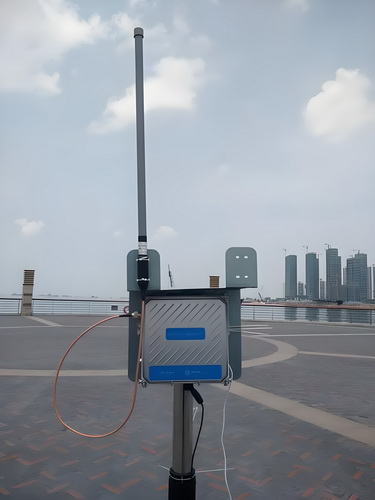
cURL Too many subrequests by single Worker invocation. To configure this limit, refer to https://developers.cloudflare.com/workers/wrangler/configuration/#limits.
cURL Too many subrequests by single Worker invocation. To configure this limit, refer to https://developers.cloudflare.com/workers/wrangler/configuration/#limits
cURL Too many subrequests by single Worker invocation. To configure this limit, refer to https://developers.cloudflare.com/workers/wrangler/configuration/#limits.
cURL Too many subrequests by single Worker invocation. To configure this limit, refer to https://developers.cloudflare.com/workers/wrangler/configuration/#limits.
cURL Too many subrequests by single Worker invocation. To configure this limit, refer to https://developers.cloudflare.com/workers/wrangler/configuration/#limits
cURL Too many subrequests by single Worker invocation. To configure this limit, refer to https://developers.cloudflare.com/workers/wrangler/configuration/#limits.
cURL Too many subrequests by single Worker invocation. To configure this limit, refer to https://developers.cloudflare.com/workers/wrangler/configuration/#limits.
cURL Too many subrequests by single Worker invocation. To configure this limit, refer to https://developers.cloudflare.com/workers/wrangler/configuration/#limits.
Common Pitfalls and How to Avoid Them
1. Poor Location Choice
– Pitfall: Installing the antenna in a location with many obstructions or interference.
– Solution: Choose a central, high, and clear location. Avoid areas with thick walls, metal objects, and electronic devices that can cause interference.
2. Improper Mounting
– Pitfall: Using the wrong mounting hardware or not securing the antenna properly.
– Solution: Use the provided mounting brackets and follow the manufacturer’s instructions. Ensure all screws and bolts are tightened securely.
3. Cable Issues
– Pitfall: Using low-quality coaxial cables or not securing them properly.
– Solution: Use high-quality, low-loss coaxial cables designed for WiFi antennas. Secure the cables with cable ties and avoid sharp bends.
4. Weatherproofing Neglect
– Pitfall: Failing to weatherproof outdoor installations, leading to water damage.
– Solution: Always weatherproof all external connections and ensure the antenna is mounted securely to withstand weather conditions.
5. Ignoring Manufacturer’s Instructions
– Pitfall: Not following the specific instructions provided by the antenna manufacturer.
– Solution: Read and follow the manufacturer’s installation guide carefully. Each antenna may have unique requirements.
6. Signal Overlap and Interference
– Pitfall: Installing multiple antennas too close to each other, causing signal overlap and interference.
– Solution: Maintain adequate distance between multiple antennas and ensure they are on non-overlapping channels.
By following this guide and being mindful of common pitfalls, you can effectively install your WiFi Omni antenna and ensure optimal performance.
Post-installation Optimization
Optimizing WiFi omni antennas post-installation involves several steps to ensure optimal signal strength and even coverage. Here’s a comprehensive guide to signal testing and adjustments:
1. Initial Assessment
– Survey the Area: Conduct a thorough survey of the area where WiFi coverage is required. Note any potential obstacles or sources of interference (e.g., walls, metal objects, electronic devices).
– Determine Coverage Zones: Identify key areas that need strong signal coverage and areas with less critical needs.
2. Signal Testing
– Use Signal Testing Tools: Employ tools such as WiFi analyzers (e.g., NetSpot, Ekahau, or inSSIDer) to measure signal strength (RSSI), noise levels, and interference.
– Test at Different Locations: Take readings at various points within the coverage area, including corners, edges, and areas with known obstacles.
– Identify Dead Zones: Mark areas with weak or no signal to address them later.
3. Adjusting Antenna Placement
– Optimal Height: Place antennas at an optimal height, usually above head level, to minimize obstructions and maximize coverage.
– Central Positioning: Position antennas centrally within the coverage area to ensure even distribution of the signal.
– Avoid Obstructions: Ensure antennas are not blocked by large objects or walls.
4. Fine-Tuning Antenna Orientation
– Vertical Alignment: Ensure omni antennas are vertically aligned for consistent 360-degree horizontal coverage.
– Angle Adjustments: If antennas are adjustable, experiment with slight angle changes to improve coverage in specific areas.
5. Channel Selection
– Avoid Overlapping Channels: Use a WiFi analyzer to identify the least congested channels. Avoid channels used by neighboring networks to reduce interference.
cURL Too many subrequests by single Worker invocation. To configure this limit, refer to https://developers.cloudflare.com/workers/wrangler/configuration/#limits.
cURL Too many subrequests by single Worker invocation. To configure this limit, refer to https://developers.cloudflare.com/workers/wrangler/configuration/#limits
cURL Too many subrequests by single Worker invocation. To configure this limit, refer to https://developers.cloudflare.com/workers/wrangler/configuration/#limits.
cURL Too many subrequests by single Worker invocation. To configure this limit, refer to https://developers.cloudflare.com/workers/wrangler/configuration/#limits.
cURL Too many subrequests by single Worker invocation. To configure this limit, refer to https://developers.cloudflare.com/workers/wrangler/configuration/#limits
cURL Too many subrequests by single Worker invocation. To configure this limit, refer to https://developers.cloudflare.com/workers/wrangler/configuration/#limits.
cURL Too many subrequests by single Worker invocation. To configure this limit, refer to https://developers.cloudflare.com/workers/wrangler/configuration/#limits
cURL Too many subrequests by single Worker invocation. To configure this limit, refer to https://developers.cloudflare.com/workers/wrangler/configuration/#limits.
cURL Too many subrequests by single Worker invocation. To configure this limit, refer to https://developers.cloudflare.com/workers/wrangler/configuration/#limits.
cURL Too many subrequests by single Worker invocation. To configure this limit, refer to https://developers.cloudflare.com/workers/wrangler/configuration/#limits
cURL Too many subrequests by single Worker invocation. To configure this limit, refer to https://developers.cloudflare.com/workers/wrangler/configuration/#limits.
cURL Too many subrequests by single Worker invocation. To configure this limit, refer to https://developers.cloudflare.com/workers/wrangler/configuration/#limits.
cURL Too many subrequests by single Worker invocation. To configure this limit, refer to https://developers.cloudflare.com/workers/wrangler/configuration/#limits
cURL Too many subrequests by single Worker invocation. To configure this limit, refer to https://developers.cloudflare.com/workers/wrangler/configuration/#limits.
cURL Too many subrequests by single Worker invocation. To configure this limit, refer to https://developers.cloudflare.com/workers/wrangler/configuration/#limits.
cURL Too many subrequests by single Worker invocation. To configure this limit, refer to https://developers.cloudflare.com/workers/wrangler/configuration/#limits
cURL Too many subrequests by single Worker invocation. To configure this limit, refer to https://developers.cloudflare.com/workers/wrangler/configuration/#limits.
cURL Too many subrequests by single Worker invocation. To configure this limit, refer to https://developers.cloudflare.com/workers/wrangler/configuration/#limits.
cURL Too many subrequests by single Worker invocation. To configure this limit, refer to https://developers.cloudflare.com/workers/wrangler/configuration/#limits.
cURL Too many subrequests by single Worker invocation. To configure this limit, refer to https://developers.cloudflare.com/workers/wrangler/configuration/#limits
cURL Too many subrequests by single Worker invocation. To configure this limit, refer to https://developers.cloudflare.com/workers/wrangler/configuration/#limits

cURL Too many subrequests by single Worker invocation. To configure this limit, refer to https://developers.cloudflare.com/workers/wrangler/configuration/#limits
– Cause: Other electronic devices, such as microwaves, cordless phones, and Bluetooth devices, can interfere with WiFi signals.
– Solution: Change the WiFi channel on your router to one that is less congested. Use dual-band routers to switch between 2.4 GHz and 5 GHz frequencies.
2. Physical Obstructions:
– Cause: Walls, floors, and furniture can block or weaken WiFi signals.
– Solution: Place the router in a central, elevated location with minimal obstructions. Use WiFi extenders or mesh networks to cover larger areas.
3. Distance:
– Cause: The farther you are from the router, the weaker the signal will be.
– Solution: Move closer to the router or use a WiFi extender to boost the signal in distant areas.
4. Router Placement:
– Cause: Placing the router in a corner, near metal objects, or in a closed cabinet can weaken the signal.
– Solution: Position the router in an open, central location away from metal objects and other electronic devices.
5. Antenna Orientation:
– Cause: Incorrect orientation of the router’s antennas can affect signal strength.
– Solution: Adjust the antennas to different angles to find the optimal orientation. For example, if the router has two antennas, one can be vertical and the other horizontal.
6. Outdated Equipment:
– Cause: Older routers and devices may not support the latest WiFi standards, leading to weaker signals.
– Solution: Upgrade to a newer router that supports the latest WiFi standards (e.g., WiFi 6).
7. Firmware Issues:
– Cause: Outdated firmware can cause performance issues.
– Solution: Regularly update the router’s firmware to ensure it is running optimally.
8. Network Congestion:
– Cause: Multiple devices connected to the same network can cause congestion and weaken the signal.
– Solution: Limit the number of devices connected to the network or use Quality of Service (QoS) settings to prioritize critical devices.
9. Environmental Factors:
– Cause: Weather conditions and electromagnetic interference from nearby power lines or transformers can affect signal strength.
– Solution: While you can’t control the weather, you can minimize other sources of electromagnetic interference by moving the router away from such sources.
10. ISP Issues:
– Cause: Problems with your Internet Service Provider (ISP) can also result in weak WiFi signals.
– Solution: Contact your ISP to check for any issues on their end and consider upgrading your internet plan if necessary.
Summary
By identifying the root cause of weak WiFi signals and applying the appropriate solutions, you can significantly improve your WiFi performance. Whether it involves repositioning your router, updating firmware, or reducing interference, these steps can help ensure a stronger and more reliable WiFi connection.
Interference
Identifying Sources of Interference

1. Other WiFi Networks: Nearby WiFi networks operating on the same or overlapping channels can cause interference.
2. Bluetooth Devices: Bluetooth operates in the same 2.4 GHz band as WiFi, leading to potential interference.
3. Microwave Ovens: These also operate around the 2.4 GHz frequency and can cause significant interference when in use.
4. Cordless Phones: Some older models operate in the 2.4 GHz or 5 GHz bands, causing interference.
5. Baby Monitors: Similar to cordless phones, they can operate in the same frequency bands as WiFi.
6. Wireless Video Cameras: These can also operate in the 2.4 GHz or 5 GHz bands.
cURL Too many subrequests by single Worker invocation. To configure this limit, refer to https://developers.cloudflare.com/workers/wrangler/configuration/#limits.
cURL Too many subrequests by single Worker invocation. To configure this limit, refer to https://developers.cloudflare.com/workers/wrangler/configuration/#limits.
cURL Too many subrequests by single Worker invocation. To configure this limit, refer to https://developers.cloudflare.com/workers/wrangler/configuration/#limits.
cURL Too many subrequests by single Worker invocation. To configure this limit, refer to https://developers.cloudflare.com/workers/wrangler/configuration/#limits.
cURL Too many subrequests by single Worker invocation. To configure this limit, refer to https://developers.cloudflare.com/workers/wrangler/configuration/#limits
cURL Too many subrequests by single Worker invocation. To configure this limit, refer to https://developers.cloudflare.com/workers/wrangler/configuration/#limits.
cURL Too many subrequests by single Worker invocation. To configure this limit, refer to https://developers.cloudflare.com/workers/wrangler/configuration/#limits.
cURL Too many subrequests by single Worker invocation. To configure this limit, refer to https://developers.cloudflare.com/workers/wrangler/configuration/#limits.
cURL Too many subrequests by single Worker invocation. To configure this limit, refer to https://developers.cloudflare.com/workers/wrangler/configuration/#limits.
cURL Too many subrequests by single Worker invocation. To configure this limit, refer to https://developers.cloudflare.com/workers/wrangler/configuration/#limits.
cURL Too many subrequests by single Worker invocation. To configure this limit, refer to https://developers.cloudflare.com/workers/wrangler/configuration/#limits.
cURL Too many subrequests by single Worker invocation. To configure this limit, refer to https://developers.cloudflare.com/workers/wrangler/configuration/#limits.
cURL Too many subrequests by single Worker invocation. To configure this limit, refer to https://developers.cloudflare.com/workers/wrangler/configuration/#limits.
cURL Too many subrequests by single Worker invocation. To configure this limit, refer to https://developers.cloudflare.com/workers/wrangler/configuration/#limits.
cURL Too many subrequests by single Worker invocation. To configure this limit, refer to https://developers.cloudflare.com/workers/wrangler/configuration/#limits.
cURL Too many subrequests by single Worker invocation. To configure this limit, refer to https://developers.cloudflare.com/workers/wrangler/configuration/#limits.
cURL Too many subrequests by single Worker invocation. To configure this limit, refer to https://developers.cloudflare.com/workers/wrangler/configuration/#limits.
cURL Too many subrequests by single Worker invocation. To configure this limit, refer to https://developers.cloudflare.com/workers/wrangler/configuration/#limits.
cURL Too many subrequests by single Worker invocation. To configure this limit, refer to https://developers.cloudflare.com/workers/wrangler/configuration/#limits.
cURL Too many subrequests by single Worker invocation. To configure this limit, refer to https://developers.cloudflare.com/workers/wrangler/configuration/#limits
cURL Too many subrequests by single Worker invocation. To configure this limit, refer to https://developers.cloudflare.com/workers/wrangler/configuration/#limits cURL Too many subrequests by single Worker invocation. To configure this limit, refer to https://developers.cloudflare.com/workers/wrangler/configuration/#limits cURL Too many subrequests by single Worker invocation. To configure this limit, refer to https://developers.cloudflare.com/workers/wrangler/configuration/#limits

Diagnosing Faulty Components
1. Initial Assessment
– Visual Inspection: Check for obvious signs of physical damage, corrosion, or wear on the antenna and its connectors.
– Connection Check: Ensure that all cables and connectors are securely attached and in good condition.
2. Signal Testing
– Signal Strength: Use a WiFi analyzer tool or app to measure the signal strength and identify any weak spots.
– Interference Check: Determine if there is any interference from other electronic devices or networks.
– Range Testing: Test the range of the antenna to see if it matches the expected performance.
3. Hardware Testing
– Multimeter Test: Use a multimeter to check for continuity and proper voltage levels in the antenna circuitry.
– SWR Meter: Use a Standing Wave Ratio (SWR) meter to test the efficiency of the antenna. A high SWR indicates a problem with the antenna or its connections.
4. Component Isolation
– Swap Components: If possible, swap out components like cables, connectors, and even the antenna itself with known good ones to isolate the faulty part.
– Check for Firmware/Software Issues: Ensure that the router or access point firmware is up to date and properly configured.
Replacing Faulty Components
1. Identify the Faulty Component
– Based on the diagnostic tests, identify which component (antenna, cable, connector, etc.) is faulty.
2. Procure Replacement Parts
– Ensure you get the correct replacement parts that match the specifications of the faulty components.
3. Replacement Process
– Disconnect Power: Always disconnect the power before replacing any hardware components.
– Remove Faulty Component: Carefully remove the faulty component, taking note of how it is connected and secured.
– Install New Component: Install the new component, ensuring all connections are secure and properly aligned.
4. Post-Replacement Testing
– Reconnect Power: Reconnect the power and turn on the device.
– Signal Testing: Repeat the signal strength and range tests to ensure the issue is resolved.
– Performance Verification: Verify that the WiFi performance has returned to expected levels.
Common Issues and Solutions
1. Antenna Damage
– Issue: Physical damage or wear.
– Solution: Replace the antenna with a new one of the same type and specifications.
2. Connector Problems
– Issue: Loose, corroded, or damaged connectors.
– Solution: Clean or replace connectors, ensuring a secure and corrosion-free connection.
3. Cable Issues
– Issue: Damaged or degraded cables.
– Solution: Replace with high-quality, low-loss coaxial cables suitable for WiFi frequencies.
4. Interference
– Issue: Signal interference from other devices.
– Solution: Change the WiFi channel, relocate the antenna, or use shielding techniques to minimize interference.
5. Improper Installation
cURL Too many subrequests by single Worker invocation. To configure this limit, refer to https://developers.cloudflare.com/workers/wrangler/configuration/#limits.
cURL Too many subrequests by single Worker invocation. To configure this limit, refer to https://developers.cloudflare.com/workers/wrangler/configuration/#limits.
cURL Too many subrequests by single Worker invocation. To configure this limit, refer to https://developers.cloudflare.com/workers/wrangler/configuration/#limits.
cURL Too many subrequests by single Worker invocation. To configure this limit, refer to https://developers.cloudflare.com/workers/wrangler/configuration/#limits

cURL Too many subrequests by single Worker invocation. To configure this limit, refer to https://developers.cloudflare.com/workers/wrangler/configuration/#limits
cURL Too many subrequests by single Worker invocation. To configure this limit, refer to https://developers.cloudflare.com/workers/wrangler/configuration/#limits
cURL Too many subrequests by single Worker invocation. To configure this limit, refer to https://developers.cloudflare.com/workers/wrangler/configuration/#limits
cURL Too many subrequests by single Worker invocation. To configure this limit, refer to https://developers.cloudflare.com/workers/wrangler/configuration/#limits
cURL Too many subrequests by single Worker invocation. To configure this limit, refer to https://developers.cloudflare.com/workers/wrangler/configuration/#limits.
cURL Too many subrequests by single Worker invocation. To configure this limit, refer to https://developers.cloudflare.com/workers/wrangler/configuration/#limits
cURL Too many subrequests by single Worker invocation. To configure this limit, refer to https://developers.cloudflare.com/workers/wrangler/configuration/#limits.
cURL Too many subrequests by single Worker invocation. To configure this limit, refer to https://developers.cloudflare.com/workers/wrangler/configuration/#limits.
cURL Too many subrequests by single Worker invocation. To configure this limit, refer to https://developers.cloudflare.com/workers/wrangler/configuration/#limits.
cURL Too many subrequests by single Worker invocation. To configure this limit, refer to https://developers.cloudflare.com/workers/wrangler/configuration/#limits
cURL Too many subrequests by single Worker invocation. To configure this limit, refer to https://developers.cloudflare.com/workers/wrangler/configuration/#limits.
cURL Too many subrequests by single Worker invocation. To configure this limit, refer to https://developers.cloudflare.com/workers/wrangler/configuration/#limits.
cURL Too many subrequests by single Worker invocation. To configure this limit, refer to https://developers.cloudflare.com/workers/wrangler/configuration/#limits.
cURL Too many subrequests by single Worker invocation. To configure this limit, refer to https://developers.cloudflare.com/workers/wrangler/configuration/#limits
cURL Too many subrequests by single Worker invocation. To configure this limit, refer to https://developers.cloudflare.com/workers/wrangler/configuration/#limits
Omni-directional antennas cURL Too many subrequests by single Worker invocation. To configure this limit, refer to https://developers.cloudflare.com/workers/wrangler/configuration/#limits.
cURL Too many subrequests by single Worker invocation. To configure this limit, refer to https://developers.cloudflare.com/workers/wrangler/configuration/#limits
cURL Too many subrequests by single Worker invocation. To configure this limit, refer to https://developers.cloudflare.com/workers/wrangler/configuration/#limits
1. Signal Strength Mapping: Use a WiFi analyzer tool to map the current signal strength throughout the house.
2. Identify Dead Zones: Pinpoint areas with weak or no signal.
3. Determine Interference Sources: Identify any potential sources of interference (e.g., thick walls, electronic devices).
Step 2: Equipment Selection
1. Router Upgrade: Replace the ISP-provided modem/router combo with a high-performance router that supports external antennas.
2. Omni Antennas: Select high-gain omni-directional antennas compatible with the new router. For this case, 9dBi antennas were chosen for their balance between range and signal strength.
3. Additional Access Points: Consider adding WiFi extenders or mesh nodes if necessary.
Step 3: Installation
1. Router Placement: Relocate the new router to a more central location on the first floor to maximize coverage.
2. Antenna Installation Attach the omni-directional antennas to the new router, ensuring they are positioned vertically for optimal coverage.
3. Access Points: Install additional access points or mesh nodes in the basement and second-floor bedrooms if required.
Step 4: Configuration
1. Router Settings: Configure the router settings for optimal performance, including channel selection and signal power adjustment.
2. Network Security: Set up WPA3 encryption for enhanced security.
3. Device Prioritization: Use Quality of Service (QoS) settings to prioritize bandwidth for critical devices.
Results
Pre-Implementation
– Living Room (Router Location): -35 dBm (Excellent)
– Basement: -80 dBm (Poor)
– Second-Floor Bedrooms: -75 dBm (Poor)
– Average Speed: 20 Mbps (in weak signal areas)
ost-Implementation
– Living Room (Router Location): -30 dBm (Excellent)
– Basement: -60 dBm (Good)
– Second-Floor Bedrooms: -55 dBm (Good)
– Average Speed: 75 Mbps (throughout the house)
Benefits
1. Improved Coverage: Strong and consistent WiFi signal throughout the house, including previously weak areas.
2. Increased Speed: Significant improvement in internet speed, providing a better experience for streaming, gaming, and work-from-home activities.
3. Stable Connection: Reduced disconnections and latency, ensuring a reliable connection for all devices.
Conclusion
By upgrading to a high-performance router with high-gain omni-directional antennas and strategically placing additional access points, Jane was able to achieve comprehensive WiFi coverage throughout her home. This case study demonstrates how the right equipment and proper implementation can significantly enhance home network performance.
Recommendations
1. Regular Updates: Ensure the router firmware is regularly updated to maintain security and performance.
2. Periodic Assessments: Conduct periodic network assessments to identify any new dead zones or interference sources.
3. Future-Proofing: Consider future-proofing the network by investing in WiFi 6 technology for even better performance and capacity.
Final Thoughts
Investing in the right WiFi equipment and optimizing its placement can transform a struggling home network into a robust and reliable system. Omni-directional antennas, in particular, offer a simple yet effective solution for achieving widespread coverage in multi-story homes.
cURL Too many subrequests by single Worker invocation. To configure this limit, refer to https://developers.cloudflare.com/workers/wrangler/configuration/#limits

cURL Too many subrequests by single Worker invocation. To configure this limit, refer to https://developers.cloudflare.com/workers/wrangler/configuration/#limits
cURL Too many subrequests by single Worker invocation. To configure this limit, refer to https://developers.cloudflare.com/workers/wrangler/configuration/#limits.
cURL Too many subrequests by single Worker invocation. To configure this limit, refer to https://developers.cloudflare.com/workers/wrangler/configuration/#limits
cURL Too many subrequests by single Worker invocation. To configure this limit, refer to https://developers.cloudflare.com/workers/wrangler/configuration/#limits.
cURL Too many subrequests by single Worker invocation. To configure this limit, refer to https://developers.cloudflare.com/workers/wrangler/configuration/#limits.
cURL Too many subrequests by single Worker invocation. To configure this limit, refer to https://developers.cloudflare.com/workers/wrangler/configuration/#limits.
cURL Too many subrequests by single Worker invocation. To configure this limit, refer to https://developers.cloudflare.com/workers/wrangler/configuration/#limits.
cURL Too many subrequests by single Worker invocation. To configure this limit, refer to https://developers.cloudflare.com/workers/wrangler/configuration/#limits cURL Too many subrequests by single Worker invocation. To configure this limit, refer to https://developers.cloudflare.com/workers/wrangler/configuration/#limits
cURL Too many subrequests by single Worker invocation. To configure this limit, refer to https://developers.cloudflare.com/workers/wrangler/configuration/#limits.
cURL Too many subrequests by single Worker invocation. To configure this limit, refer to https://developers.cloudflare.com/workers/wrangler/configuration/#limits
cURL Too many subrequests by single Worker invocation. To configure this limit, refer to https://developers.cloudflare.com/workers/wrangler/configuration/#limits
cURL Too many subrequests by single Worker invocation. To configure this limit, refer to https://developers.cloudflare.com/workers/wrangler/configuration/#limits.
cURL Too many subrequests by single Worker invocation. To configure this limit, refer to https://developers.cloudflare.com/workers/wrangler/configuration/#limits.
cURL Too many subrequests by single Worker invocation. To configure this limit, refer to https://developers.cloudflare.com/workers/wrangler/configuration/#limits.
cURL Too many subrequests by single Worker invocation. To configure this limit, refer to https://developers.cloudflare.com/workers/wrangler/configuration/#limits
cURL Too many subrequests by single Worker invocation. To configure this limit, refer to https://developers.cloudflare.com/workers/wrangler/configuration/#limits.
cURL Too many subrequests by single Worker invocation. To configure this limit, refer to https://developers.cloudflare.com/workers/wrangler/configuration/#limits.
cURL Too many subrequests by single Worker invocation. To configure this limit, refer to https://developers.cloudflare.com/workers/wrangler/configuration/#limits.
cURL Too many subrequests by single Worker invocation. To configure this limit, refer to https://developers.cloudflare.com/workers/wrangler/configuration/#limits
cURL Too many subrequests by single Worker invocation. To configure this limit, refer to https://developers.cloudflare.com/workers/wrangler/configuration/#limits.
cURL Too many subrequests by single Worker invocation. To configure this limit, refer to https://developers.cloudflare.com/workers/wrangler/configuration/#limits.
cURL Too many subrequests by single Worker invocation. To configure this limit, refer to https://developers.cloudflare.com/workers/wrangler/configuration/#limits.
cURL Too many subrequests by single Worker invocation. To configure this limit, refer to https://developers.cloudflare.com/workers/wrangler/configuration/#limits
– Configure the WiFi network to optimize channel selection and minimize interference.
– Implemented load balancing to ensure even distribution of devices across access points.
– Enabled advanced security protocols (WPA3) to protect the network from unauthorized access.
5. Testing and Optimization:
– Conducted post-deployment testing to measure signal strength, coverage, and connectivity.
– Collected feedback from employees regarding their WiFi experience.
– Made adjustments to antenna placement and network settings based on test results and feedback.
Results
1. Improved Coverage:
– Achieved consistent WiFi coverage across all floors, eliminating previous dead zones.
– Employees reported a significant improvement in signal strength and reliability.
2. Enhanced Connectivity:
– Reduced connectivity issues, leading to fewer complaints and support tickets.
– Mobile devices experienced seamless transitions between access points without drops in connection.
3. Scalability:
– The new setup allowed for easy addition of more access points and antennas as the company grew.
– The modular nature of the solution ensured future scalability without significant overhauls.
4. Cost-Effectiveness:
– Reduced the need for additional hardware by optimizing the placement and configuration of omni antennas.
– Lowered maintenance costs due to the stability and reliability of the new network.
Conclusion
The deployment of WiFi omni antennas at XYZ Corp successfully addressed the challenges of inconsistent coverage and connectivity issues. The strategic use of high-gain omni antennas provided robust, scalable, and cost-effective wireless network coverage across the enterprise. This case study demonstrates the effectiveness of omni antennas in enhancing enterprise WiFi networks, ensuring reliable and seamless connectivity for all users.
Outdoor and Public WiFi Solutions
In today’s connected world, providing robust and reliable WiFi coverage in outdoor and public areas is critical. This case study explores the deployment of cURL Too many subrequests by single Worker invocation. To configure this limit, refer to https://developers.cloudflare.com/workers/wrangler/configuration/#limits to enhance outdoor and public WiFi solutions, focusing on a mid-sized city park that aimed to offer free, high-speed internet access to its visitors.
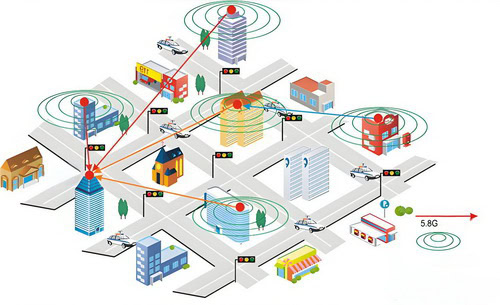
cURL Too many subrequests by single Worker invocation. To configure this limit, refer to https://developers.cloudflare.com/workers/wrangler/configuration/#limits
The city park, a popular destination for both locals and tourists, spans over 50 acres and includes recreational areas, picnic spots, walking trails, and event spaces. The city council decided to implement a free public WiFi network to improve visitor experience, support local events, and promote digital inclusion.
cURL Too many subrequests by single Worker invocation. To configure this limit, refer to https://developers.cloudflare.com/workers/wrangler/configuration/#limits
1. Provide comprehensive WiFi coverage across the entire park.
2. Ensure high-speed internet access even during peak usage times.
3. Implement a solution that is weather-resistant and durable.
4. Maintain aesthetic appeal and minimize visual impact.
Challenges
1. Large Area Coverage: The park’s vast area required a solution that could cover long distances without significant signal degradation.
2. High User Density: During events, the park could host thousands of visitors, leading to high network demand.
3. Environmental Factors: The outdoor environment posed challenges such as weather conditions, foliage, and varying terrain.
4. Aesthetic Considerations: The solution needed to blend seamlessly with the park’s natural landscape.
cURL Too many subrequests by single Worker invocation. To configure this limit, refer to https://developers.cloudflare.com/workers/wrangler/configuration/#limits
Omni-directional antennas were chosen for their ability to radiate signals in all directions, providing 360-degree coverage. This made them ideal for covering large, open areas like the city park.
Key Features of the Selected WiFi Omni Antennas
1. 360-Degree Coverage: Ensures broad and uniform signal distribution.
2. High Gain: Enhances signal strength and range, crucial for large areas.
3. Weatherproof Design: Resistant to rain, heat, and other harsh weather conditions.
4. Durability: Built to withstand outdoor elements, ensuring long-term reliability.
cURL Too many subrequests by single Worker invocation. To configure this limit, refer to https://developers.cloudflare.com/workers/wrangler/configuration/#limits.
cURL Too many subrequests by single Worker invocation. To configure this limit, refer to https://developers.cloudflare.com/workers/wrangler/configuration/#limits
cURL Too many subrequests by single Worker invocation. To configure this limit, refer to https://developers.cloudflare.com/workers/wrangler/configuration/#limits.
cURL Too many subrequests by single Worker invocation. To configure this limit, refer to https://developers.cloudflare.com/workers/wrangler/configuration/#limits
cURL Too many subrequests by single Worker invocation. To configure this limit, refer to https://developers.cloudflare.com/workers/wrangler/configuration/#limits.
cURL Too many subrequests by single Worker invocation. To configure this limit, refer to https://developers.cloudflare.com/workers/wrangler/configuration/#limits.
cURL Too many subrequests by single Worker invocation. To configure this limit, refer to https://developers.cloudflare.com/workers/wrangler/configuration/#limits.
cURL Too many subrequests by single Worker invocation. To configure this limit, refer to https://developers.cloudflare.com/workers/wrangler/configuration/#limits.
cURL Too many subrequests by single Worker invocation. To configure this limit, refer to https://developers.cloudflare.com/workers/wrangler/configuration/#limits.
Results
cURL Too many subrequests by single Worker invocation. To configure this limit, refer to https://developers.cloudflare.com/workers/wrangler/configuration/#limits.
cURL Too many subrequests by single Worker invocation. To configure this limit, refer to https://developers.cloudflare.com/workers/wrangler/configuration/#limits.
cURL Too many subrequests by single Worker invocation. To configure this limit, refer to https://developers.cloudflare.com/workers/wrangler/configuration/#limits.
cURL Too many subrequests by single Worker invocation. To configure this limit, refer to https://developers.cloudflare.com/workers/wrangler/configuration/#limits.
cURL Too many subrequests by single Worker invocation. To configure this limit, refer to https://developers.cloudflare.com/workers/wrangler/configuration/#limits.
Conclusion
cURL Too many subrequests by single Worker invocation. To configure this limit, refer to https://developers.cloudflare.com/workers/wrangler/configuration/#limits.
Conclusion
cURL Too many subrequests by single Worker invocation. To configure this limit, refer to https://developers.cloudflare.com/workers/wrangler/configuration/#limits

cURL Too many subrequests by single Worker invocation. To configure this limit, refer to https://developers.cloudflare.com/workers/wrangler/configuration/#limits Omni-directional Antennas
cURL Too many subrequests by single Worker invocation. To configure this limit, refer to https://developers.cloudflare.com/workers/wrangler/configuration/#limits.
cURL Too many subrequests by single Worker invocation. To configure this limit, refer to https://developers.cloudflare.com/workers/wrangler/configuration/#limits.
cURL Too many subrequests by single Worker invocation. To configure this limit, refer to https://developers.cloudflare.com/workers/wrangler/configuration/#limits
cURL Too many subrequests by single Worker invocation. To configure this limit, refer to https://developers.cloudflare.com/workers/wrangler/configuration/#limits
cURL Too many subrequests by single Worker invocation. To configure this limit, refer to https://developers.cloudflare.com/workers/wrangler/configuration/#limits.
– 5 GHz: Higher speeds, less interference, but shorter range and poorer penetration through obstacles.
– Dual-band Antennas: Support both 2.4 GHz and 5 GHz, offering flexibility and better performance.
3. Gain and Coverage Area
– Antenna Gain (dBi): Higher gain antennas (e.g., 8-12 dBi) provide longer range but narrower vertical coverage. Lower gain antennas (e.g., 2-5 dBi) offer wider vertical coverage but shorter range.
– Application: Choose higher gain for outdoor or large open spaces and lower gain for indoor environments with multiple floors.
4. Antenna Type and Size
– Form Factor: Includes compact, wall-mounted, ceiling-mounted, and mast-mounted antennas.
– Installation Environment: Consider physical space, aesthetic preferences, and mounting options.
5. Connector Types
– Common Connectors: SMA, RP-SMA, N-type, and others.
– Compatibility: Ensure the antenna connector matches your router or access point.
6. Build Quality and Durability
– Indoor vs. Outdoor Use: Outdoor antennas need to be weatherproof and durable to withstand elements.
– Material: UV-resistant materials and robust construction for longevity.
7. Regulatory Compliance
– Certifications: Check for compliance with local regulations and standards (e.g., FCC, CE).
– Legal Restrictions: Be aware of any legal restrictions on antenna gain and installation height.
8. Price and Brand Reputation
– Budget Considerations: Balance between cost and performance.
– Brand Reliability: Opt for reputable brands known for quality and customer support.
Recap of Important Considerations
– Frequency Band: Choose based on your need for range vs. speed and interference levels.
– Gain: Match the gain to your specific coverage needs.
– Form Factor and Size: Ensure it fits your installation environment and aesthetic preferences.
– Connector Compatibility: Verify the antenna’s connector matches your device.
– Durability: Select antennas built for the intended environment (indoor or outdoor).
– Regulatory Compliance: Make sure the antenna meets local regulations.
– Cost vs. Quality: Find a balance that meets your budget while ensuring reliability.
By considering these factors, you can select the right WiFi omni-directional antenna to optimize your wireless network performance.
Final Recommendations
Choosing the right WiFi omni antenna can significantly enhance your wireless network’s performance. Here are some key factors and recommendations to help you make the best choice for your needs:
cURL Too many subrequests by single Worker invocation. To configure this limit, refer to https://developers.cloudflare.com/workers/wrangler/configuration/#limits
– 2.4 GHz: Offers better range but lower data rates and more interference from common household devices like microwaves and cordless phones.
– 5 GHz: Provides higher data rates and less interference but has a shorter range compared to 2.4 GHz.
– 6 GHz: Offers even higher data rates and significantly less interference due to less congestion but has the shortest range among the three bands.
– Dual-band: Supports both 2.4 GHz and 5 GHz, offering flexibility and improved performance by allowing devices to switch between bands based on their needs.
– Triple-band: Supports 2.4 GHz, 5 GHz, and 6 GHz, providing the highest flexibility, improved performance, and the ability to handle more devices with less interference.
2. Gain
– Low Gain (2-4 dBi): Suitable for short-range, wide coverage areas, like small homes or offices.
cURL Too many subrequests by single Worker invocation. To configure this limit, refer to https://developers.cloudflare.com/workers/wrangler/configuration/#limits.
cURL Too many subrequests by single Worker invocation. To configure this limit, refer to https://developers.cloudflare.com/workers/wrangler/configuration/#limits.
cURL Too many subrequests by single Worker invocation. To configure this limit, refer to https://developers.cloudflare.com/workers/wrangler/configuration/#limits
cURL Too many subrequests by single Worker invocation. To configure this limit, refer to https://developers.cloudflare.com/workers/wrangler/configuration/#limits.
cURL Too many subrequests by single Worker invocation. To configure this limit, refer to https://developers.cloudflare.com/workers/wrangler/configuration/#limits.
cURL Too many subrequests by single Worker invocation. To configure this limit, refer to https://developers.cloudflare.com/workers/wrangler/configuration/#limits
cURL Too many subrequests by single Worker invocation. To configure this limit, refer to https://developers.cloudflare.com/workers/wrangler/configuration/#limits.
cURL Too many subrequests by single Worker invocation. To configure this limit, refer to https://developers.cloudflare.com/workers/wrangler/configuration/#limits
cURL Too many subrequests by single Worker invocation. To configure this limit, refer to https://developers.cloudflare.com/workers/wrangler/configuration/#limits.
cURL Too many subrequests by single Worker invocation. To configure this limit, refer to https://developers.cloudflare.com/workers/wrangler/configuration/#limits.
cURL Too many subrequests by single Worker invocation. To configure this limit, refer to https://developers.cloudflare.com/workers/wrangler/configuration/#limits
cURL Too many subrequests by single Worker invocation. To configure this limit, refer to https://developers.cloudflare.com/workers/wrangler/configuration/#limits.
cURL Too many subrequests by single Worker invocation. To configure this limit, refer to https://developers.cloudflare.com/workers/wrangler/configuration/#limits.
cURL Too many subrequests by single Worker invocation. To configure this limit, refer to https://developers.cloudflare.com/workers/wrangler/configuration/#limits
cURL Too many subrequests by single Worker invocation. To configure this limit, refer to https://developers.cloudflare.com/workers/wrangler/configuration/#limits.
Recommendations
cURL Too many subrequests by single Worker invocation. To configure this limit, refer to https://developers.cloudflare.com/workers/wrangler/configuration/#limits
cURL Too many subrequests by single Worker invocation. To configure this limit, refer to https://developers.cloudflare.com/workers/wrangler/configuration/#limits cURL Too many subrequests by single Worker invocation. To configure this limit, refer to https://developers.cloudflare.com/workers/wrangler/configuration/#limitscURL Too many subrequests by single Worker invocation. To configure this limit, refer to https://developers.cloudflare.com/workers/wrangler/configuration/#limits.
cURL Too many subrequests by single Worker invocation. To configure this limit, refer to https://developers.cloudflare.com/workers/wrangler/configuration/#limits
cURL Too many subrequests by single Worker invocation. To configure this limit, refer to https://developers.cloudflare.com/workers/wrangler/configuration/#limits STO24G5NFcURL Too many subrequests by single Worker invocation. To configure this limit, refer to https://developers.cloudflare.com/workers/wrangler/configuration/#limits.
For Medium to Large Homes or Offices:
– Ubiquiti Networks AMO-2G10: 2.4 GHz, 10 dBi, outdoor use, N-Type connector.
cURL Too many subrequests by single Worker invocation. To configure this limit, refer to https://developers.cloudflare.com/workers/wrangler/configuration/#limits STO24G5NFcURL Too many subrequests by single Worker invocation. To configure this limit, refer to https://developers.cloudflare.com/workers/wrangler/configuration/#limits.
For Large Open Spaces or Outdoor Areas:
cURL Too many subrequests by single Worker invocation. To configure this limit, refer to https://developers.cloudflare.com/workers/wrangler/configuration/#limits TL-ANT2415D: 2.4 GHz, 15 dBi, outdoor use, N-Type connector.
– Ubiquiti Networks AMO-5G10: 5 GHz, 10 dBi, outdoor use, N-Type connector.
– Sanny Telecom, STO24G15-PRO: 2.4 GHz, 15 dBi, SISO, outdoor use, N-Type connector.
– Sanny Telecom, STO24G15M2: 2.4 GHz, 15 dBi, MIMO, outdoor use, N-Type connector.
-Sanny Telecom, STO24G15M2: 2.4 GHz, 15 dBi, MIMO, outdoor use, N-Type connector.
– Sanny Telecom, cURL Too many subrequests by single Worker invocation. To configure this limit, refer to https://developers.cloudflare.com/workers/wrangler/configuration/#limits: 5 GHz, 13 dBi, MIMO, outdoor use, N-Type connector.
– Sanny Telecom, STO6G17HVM4: 5 GHz, 13 dBi, MIMO, outdoor use, N-Type connector.
Conclusion
Selecting the right WiFi omni antenna involves balancing your specific needs with the antenna’s features and performance. By considering factors like frequency band, gain, environment, connector type, mounting options, brand, and budget, you can make an informed decision that enhances your wireless network’s coverage and reliability.
Future Trends
Emerging technologies and trends in WiFi antennas, particularly cURL Too many subrequests by single Worker invocation. To configure this limit, refer to https://developers.cloudflare.com/workers/wrangler/configuration/#limits, are driven by the increasing demand for faster, more reliable, and more extensive wireless connectivity. Here are some of the key trends and emerging technologies in this field:

1. WiFi 6E and WiFi 7
WiFi 6E (802.11ax) and WiFi 7(802.11be) are the latest standards in wireless networking, offering significant improvements over previous generations. These standards provide higher data rates, increased capacity, improved performance in dense environments, and reduced latency. WiFi 6E and WiFi 7 extends these benefits into the 6 GHz band, providing additional spectrum and reducing congestion.
2. Beamforming
Beamforming is a technology that focuses the WiFi signal towards a specific device rather than broadcasting it in all directions. This can significantly improve the range and performance of WiFi networks. Modern omni antennas are increasingly incorporating beamforming capabilities to enhance signal strength and coverage.
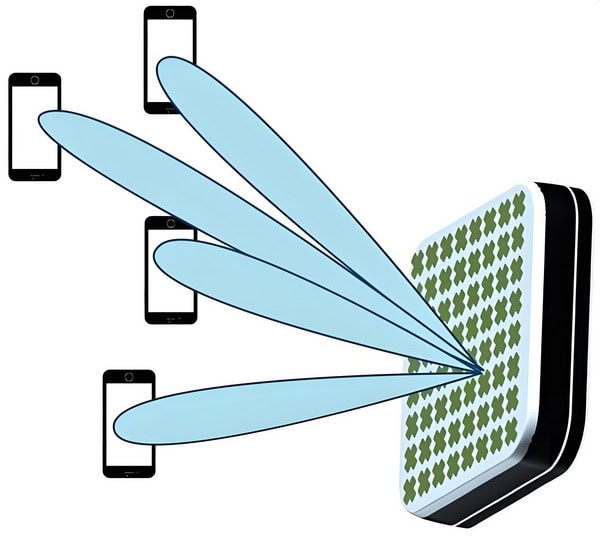
3. Mesh Networking
Mesh networking involves multiple WiFi nodes working together to provide seamless coverage over a larger area. Omni antennas are integral to mesh systems, as they help distribute the signal evenly across the network. This trend is particularly relevant for smart homes and large commercial spaces.
4. MIMO (Multiple Input, Multiple Output)
MIMO technology uses multiple antennas to send and receive more data simultaneously. This increases throughput and reliability. Advanced MIMO configurations, such as MU-MIMO (Multi-User MIMO), allow multiple devices to be served simultaneously, improving network efficiency.
5. Smart Antennas
Smart antennas can dynamically adjust their radiation patterns based on the environment and user location. This adaptability helps in optimizing performance and reducing interference. Machine learning and AI are being integrated into smart antennas to make real-time adjustments more effective.

6. Integration with IoT
The Internet of Things (IoT) is driving the need for more robust and versatile WiFi networks. Omni antennas are being designed to support a wide range of IoT devices, ensuring reliable connectivity for smart home devices, industrial sensors, and more.
7. 5G and WiFi Convergence
The convergence of 5G and WiFi networks is a growing trend. Hybrid networks that leverage the strengths of both technologies can provide superior coverage and performance. Omni antennas that can operate across both WiFi and 5G frequencies are becoming more common.

8. Higher Frequency Bands
The use of higher frequency bands, such as millimeter waves (mmWave), is being explored to provide ultra-fast WiFi connections. These higher frequencies can offer greater bandwidth but typically have shorter range and higher susceptibility to obstacles. Advanced omni antenna designs are being developed to address these challenges.
9. Sustainability and Energy Efficiency
There is a growing emphasis on making WiFi technology more energy-efficient and sustainable. This includes designing antennas that consume less power and use environmentally friendly materials.
10. Advanced Materials and Manufacturing Techniques
The development of new materials and manufacturing techniques is enabling the production of more efficient and compact antennas. This includes the use of metamaterials, which can manipulate electromagnetic waves in novel ways, and 3D printing for custom antenna designs.
11. Security Enhancements
cURL Too many subrequests by single Worker invocation. To configure this limit, refer to https://developers.cloudflare.com/workers/wrangler/configuration/#limits.
cURL Too many subrequests by single Worker invocation. To configure this limit, refer to https://developers.cloudflare.com/workers/wrangler/configuration/#limits
cURL Too many subrequests by single Worker invocation. To configure this limit, refer to https://developers.cloudflare.com/workers/wrangler/configuration/#limits.
Conclusion
cURL Too many subrequests by single Worker invocation. To configure this limit, refer to https://developers.cloudflare.com/workers/wrangler/configuration/#limits cURL Too many subrequests by single Worker invocation. To configure this limit, refer to https://developers.cloudflare.com/workers/wrangler/configuration/#limits cURL Too many subrequests by single Worker invocation. To configure this limit, refer to https://developers.cloudflare.com/workers/wrangler/configuration/#limits.
cURL Too many subrequests by single Worker invocation. To configure this limit, refer to https://developers.cloudflare.com/workers/wrangler/configuration/#limits
cURL Too many subrequests by single Worker invocation. To configure this limit, refer to https://developers.cloudflare.com/workers/wrangler/configuration/#limits
cURL Too many subrequests by single Worker invocation. To configure this limit, refer to https://developers.cloudflare.com/workers/wrangler/configuration/#limits.
cURL Too many subrequests by single Worker invocation. To configure this limit, refer to https://developers.cloudflare.com/workers/wrangler/configuration/#limits.
cURL Too many subrequests by single Worker invocation. To configure this limit, refer to https://developers.cloudflare.com/workers/wrangler/configuration/#limits.
cURL Too many subrequests by single Worker invocation. To configure this limit, refer to https://developers.cloudflare.com/workers/wrangler/configuration/#limits.
cURL Too many subrequests by single Worker invocation. To configure this limit, refer to https://developers.cloudflare.com/workers/wrangler/configuration/#limits.
cURL Too many subrequests by single Worker invocation. To configure this limit, refer to https://developers.cloudflare.com/workers/wrangler/configuration/#limits.
cURL Too many subrequests by single Worker invocation. To configure this limit, refer to https://developers.cloudflare.com/workers/wrangler/configuration/#limits.
cURL Too many subrequests by single Worker invocation. To configure this limit, refer to https://developers.cloudflare.com/workers/wrangler/configuration/#limits.
cURL Too many subrequests by single Worker invocation. To configure this limit, refer to https://developers.cloudflare.com/workers/wrangler/configuration/#limits.
cURL Too many subrequests by single Worker invocation. To configure this limit, refer to https://developers.cloudflare.com/workers/wrangler/configuration/#limits.
cURL Too many subrequests by single Worker invocation. To configure this limit, refer to https://developers.cloudflare.com/workers/wrangler/configuration/#limits.
cURL Too many subrequests by single Worker invocation. To configure this limit, refer to https://developers.cloudflare.com/workers/wrangler/configuration/#limits.
cURL Too many subrequests by single Worker invocation. To configure this limit, refer to https://developers.cloudflare.com/workers/wrangler/configuration/#limits.
cURL Too many subrequests by single Worker invocation. To configure this limit, refer to https://developers.cloudflare.com/workers/wrangler/configuration/#limits.
cURL Too many subrequests by single Worker invocation. To configure this limit, refer to https://developers.cloudflare.com/workers/wrangler/configuration/#limits.
16. Elevation Plane: The vertical plane that is perpendicular to the ground, often used to describe the vertical radiation pattern of an antenna.
17. Azimuth Plane: The horizontal plane parallel to the ground, used to describe the horizontal radiation pattern of an antenna.
18. Line of Sight (LoS): A clear path between the transmitting and receiving antennas without any obstructions that could cause signal degradation.
19. Propagation: The behavior of radio waves as they travel through the atmosphere. Different factors such as reflection, refraction, and diffraction can affect propagation.
20. Fresnel Zone: An elliptical area around the line of sight between the transmitter and receiver that must be clear of obstacles to avoid signal degradation.
21. Decibel (dB): A logarithmic unit used to express the ratio of two values, often power or intensity. It is commonly used to describe gains and losses in signal strength.
22. Link Budget: The calculation of all gains and losses from the transmitter, through the medium (free space, cables, etc.), to the receiver in a communication system.
23. Noise Figure: A measure of the degradation of the signal-to-noise ratio caused by components in the signal chain, such as amplifiers or antennas.
24. SNR (Signal-to-Noise Ratio): The ratio of the power of the signal to the power of background noise, usually measured in decibels (dB).
25. Path Loss: The reduction in power density of a signal as it propagates through space. It is influenced by distance, obstacles, and frequency.
This glossary should help you understand the technical terms used in the guide to choosing the right WiFi omni-directional antennas.
FAQ

1. What is a WiFi Omni Antenna?
– A WiFi Omni Antenna is a type of antenna that radiates signal equally in all directions, providing 360-degree coverage.
2. How does an Omni Antenna differ from a Directional Antenna?
– Unlike directional antennas, which focus signal in a specific direction, omni antennas distribute the signal uniformly in all directions.
3. What are the typical applications for WiFi Omni Antennas?
– They are commonly used in environments where wide-area coverage is needed, such as homes, offices, outdoor public spaces, and warehouses.
4. What frequency bands do WiFi Omni Antennas support?
– Most WiFi Omni Antennas support the 2.4 GHz and 5 GHz frequency bands.
5. What is the range of a typical WiFi Omni Antenna?
– The range can vary, but typically it can cover anywhere from 100 to 300 meters, depending on the environment and antenna specifications.
6. Do WiFi Omni Antennas work with all routers?
– They generally work with most routers, but it’s important to check compatibility with your specific router model.
7. Can I use a WiFi Omni Antenna indoors and outdoors?
– Yes, there are models designed for both indoor and outdoor use. Outdoor models are typically weatherproof.
8. How do I install a WiFi Omni Antenna?
– Installation involves connecting the antenna to your router or access point and mounting it in a location that maximizes coverage.
9. What is the gain of an Omni Antenna and why is it important?
– Gain, measured in dBi, indicates the antenna’s ability to focus signal. Higher gain can mean better performance but may also result in a more focused beam pattern.
10. Does a higher gain always mean better performance?
– Not necessarily; higher gain can provide longer range but may also reduce coverage in vertical directions, which could be less ideal for multi-story buildings.
11. Can I use multiple Omni Antennas to improve coverage?
– Yes, using multiple antennas can help to cover larger areas more effectively.
12. Do WiFi Omni Antennas require power?
– No, they do not require a separate power source as they are passive devices.
13. What materials are WiFi Omni Antennas made of?
– They are typically made of durable materials like fiberglass, plastic, and metal to withstand various environmental conditions.
14. How do environmental factors affect WiFi Omni Antenna performance?
cURL Too many subrequests by single Worker invocation. To configure this limit, refer to https://developers.cloudflare.com/workers/wrangler/configuration/#limits.
cURL Too many subrequests by single Worker invocation. To configure this limit, refer to https://developers.cloudflare.com/workers/wrangler/configuration/#limits
cURL Too many subrequests by single Worker invocation. To configure this limit, refer to https://developers.cloudflare.com/workers/wrangler/configuration/#limits.
cURL Too many subrequests by single Worker invocation. To configure this limit, refer to https://developers.cloudflare.com/workers/wrangler/configuration/#limits
cURL Too many subrequests by single Worker invocation. To configure this limit, refer to https://developers.cloudflare.com/workers/wrangler/configuration/#limits.
cURL Too many subrequests by single Worker invocation. To configure this limit, refer to https://developers.cloudflare.com/workers/wrangler/configuration/#limits
cURL Too many subrequests by single Worker invocation. To configure this limit, refer to https://developers.cloudflare.com/workers/wrangler/configuration/#limits.
cURL Too many subrequests by single Worker invocation. To configure this limit, refer to https://developers.cloudflare.com/workers/wrangler/configuration/#limits
cURL Too many subrequests by single Worker invocation. To configure this limit, refer to https://developers.cloudflare.com/workers/wrangler/configuration/#limits.
cURL Too many subrequests by single Worker invocation. To configure this limit, refer to https://developers.cloudflare.com/workers/wrangler/configuration/#limits
cURL Too many subrequests by single Worker invocation. To configure this limit, refer to https://developers.cloudflare.com/workers/wrangler/configuration/#limits.
cURL Too many subrequests by single Worker invocation. To configure this limit, refer to https://developers.cloudflare.com/workers/wrangler/configuration/#limits
cURL Too many subrequests by single Worker invocation. To configure this limit, refer to https://developers.cloudflare.com/workers/wrangler/configuration/#limits.
cURL Too many subrequests by single Worker invocation. To configure this limit, refer to https://developers.cloudflare.com/workers/wrangler/configuration/#limits
Choosing the right cURL Too many subrequests by single Worker invocation. To configure this limit, refer to https://developers.cloudflare.com/workers/wrangler/configuration/#limits cURL Too many subrequests by single Worker invocation. To configure this limit, refer to https://developers.cloudflare.com/workers/wrangler/configuration/#limits
cURL Too many subrequests by single Worker invocation. To configure this limit, refer to https://developers.cloudflare.com/workers/wrangler/configuration/#limits

cURL Too many subrequests by single Worker invocation. To configure this limit, refer to https://developers.cloudflare.com/workers/wrangler/configuration/#limits
cURL Too many subrequests by single Worker invocation. To configure this limit, refer to https://developers.cloudflare.com/workers/wrangler/configuration/#limitshttps://www.antenna-theory.com/basics/main.php)
cURL Too many subrequests by single Worker invocation. To configure this limit, refer to https://developers.cloudflare.com/workers/wrangler/configuration/#limits
cURL Too many subrequests by single Worker invocation. To configure this limit, refer to https://developers.cloudflare.com/workers/wrangler/configuration/#limitshttps://www.l-com.com/images/downloadables/white-papers/Selecting-the-Right-Wifi-Antenna-for-your-application.pdf)
cURL Too many subrequests by single Worker invocation. To configure this limit, refer to https://developers.cloudflare.com/workers/wrangler/configuration/#limits
– [Antenna Gain](https://www.antenna-theory.com/basics/gain.php)
– [Antenna Polarization Explained](https://www.antenna-theory.com/basics/polarization.php)
Online Tools
1. Antenna Calculators
– [Antenna Gain Calculator](https://www.ahsystems.com/EMC-formulas-equations/Antenna-Factor-Gain-calculation.php)
– [WiFi Coverage Calculator](https://www.l-com.com/resources/wireless-calculators)
2. Signal Strength and Coverage Mapping
– [Ekahau HeatMapper](https://www.ekahau.com/products/heatmapper/overview/)
– [NetSpot WiFi Site Survey](https://www.netspotapp.com/)
Forums and Communities
1. Reddit: Home Networking
– [r/HomeNetworking](https://www.reddit.com/r/HomeNetworking/)
2. Wireless Forums
– [Wireless Joint](https://wirelessjoint.com/)
– [Broadband Reports: Wireless Networking](https://www.dslreports.com/forum/wlan)
3. Professional Networking Communities
– [Cisco Community](https://community.cisco.com/)
– [Aruba Networks Community](https://community.arubanetworks.com/)
Manufacturer Resources
Ubiquiti Networks
– [Ubiquiti Community](https://community.ui.com/)
Books
1. “Antenna Theory: Analysis and Design” by Constantine A. Balanis
– [Amazon Link](https://www.amazon.com/Antenna-Theory-Analysis-Design-Balanis/dp/1118642066/)
2. “Wireless Communications: Principles and Practice” by Theodore S. Rappaport
– [Amazon Link](https://www.amazon.com/Wireless-Communications-Principles-Practice-Rappaport/dp/0133755363/)
3. “The ARRL Antenna Book for Radio Communications” by ARRL Inc.
– [Amazon Link](https://www.amazon.com/ARRL-Antenna-Book-Radio-Communications/dp/1625950829/)
These resources should provide you with a comprehensive understanding and the necessary tools to choose the right WiFi omni-directional antenna for your needs. Happy researching!
Contact Information
If you need further assistance, you can contact Andrew Chen, an antenna expert with 15 years’ experience and know-how from Sanny Telecom. His contact information is as follows:
– Website: www.sannytelecom.com
– Email: andrew@sannytelecom.com
– WhatsApp: +86 189 3430 8461
 Indonesian
  English
  Spanish
  German
  French (France)
  Korean
  Russian
  French (Canada)
  Vietnamese
  Armenian
  Albanian
  Assamese
  Acehnese
  Amharic
  Czech
Czech  Bulgarian
  Cebuano
  Malayalam
  German (Switzerland)
  Japanese
  Dutch
Dutch 