1. What is a WiFi omni antenna?
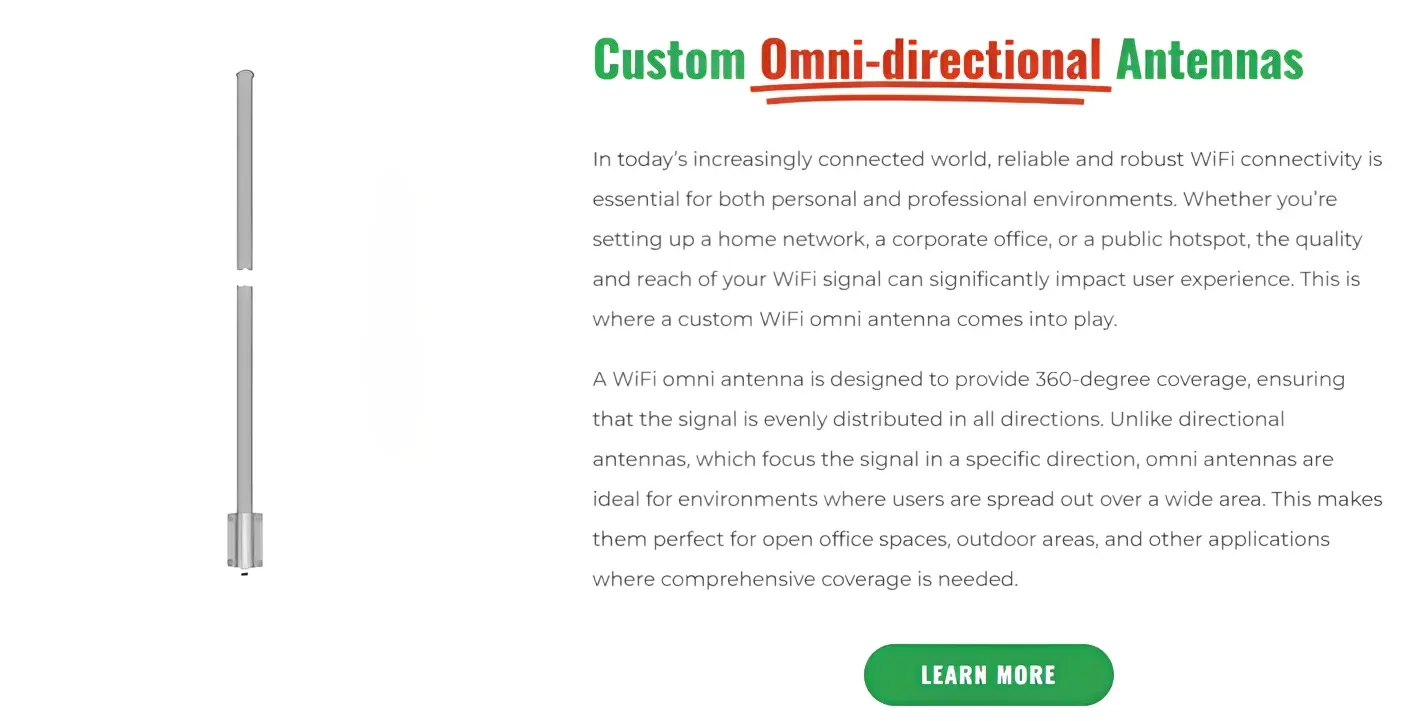
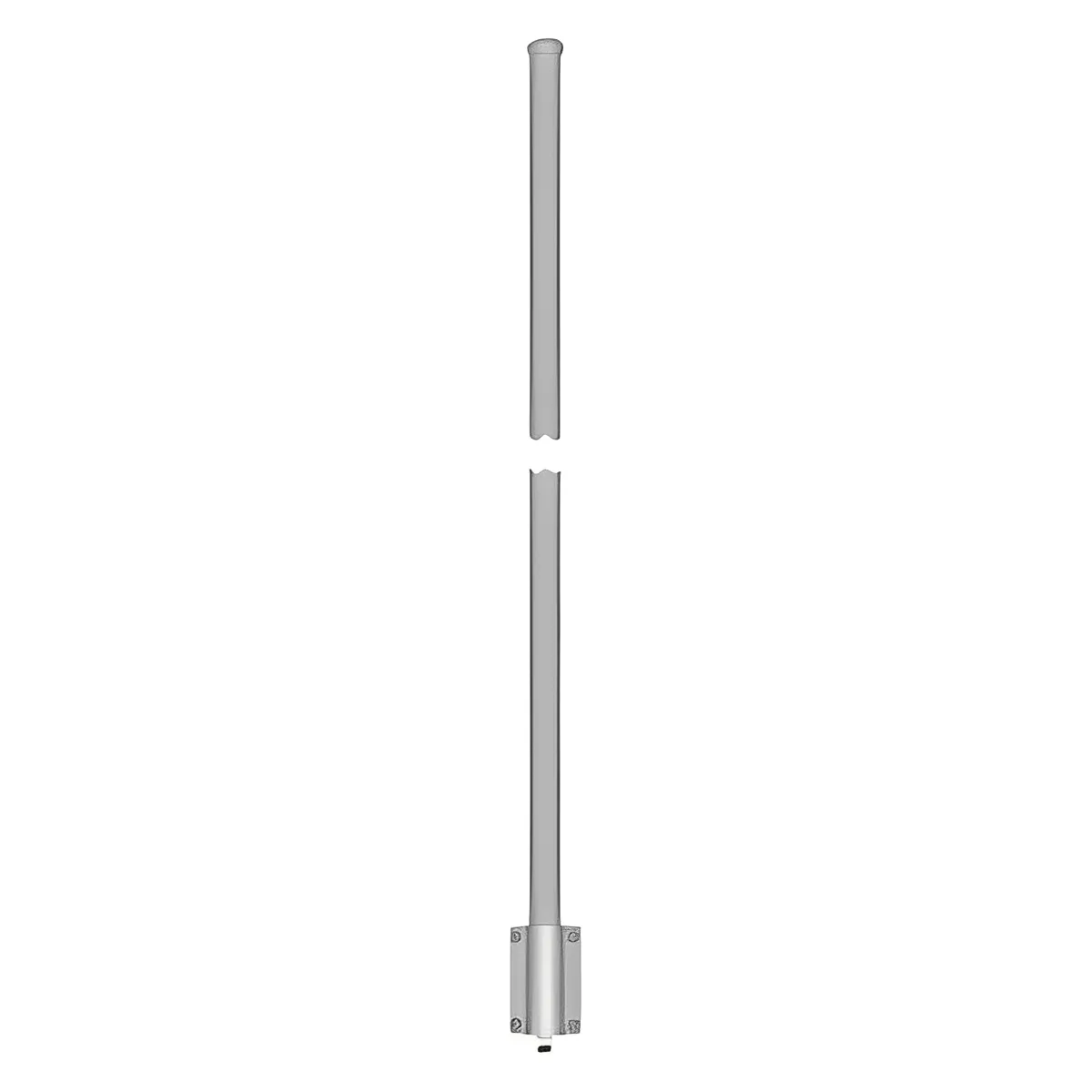
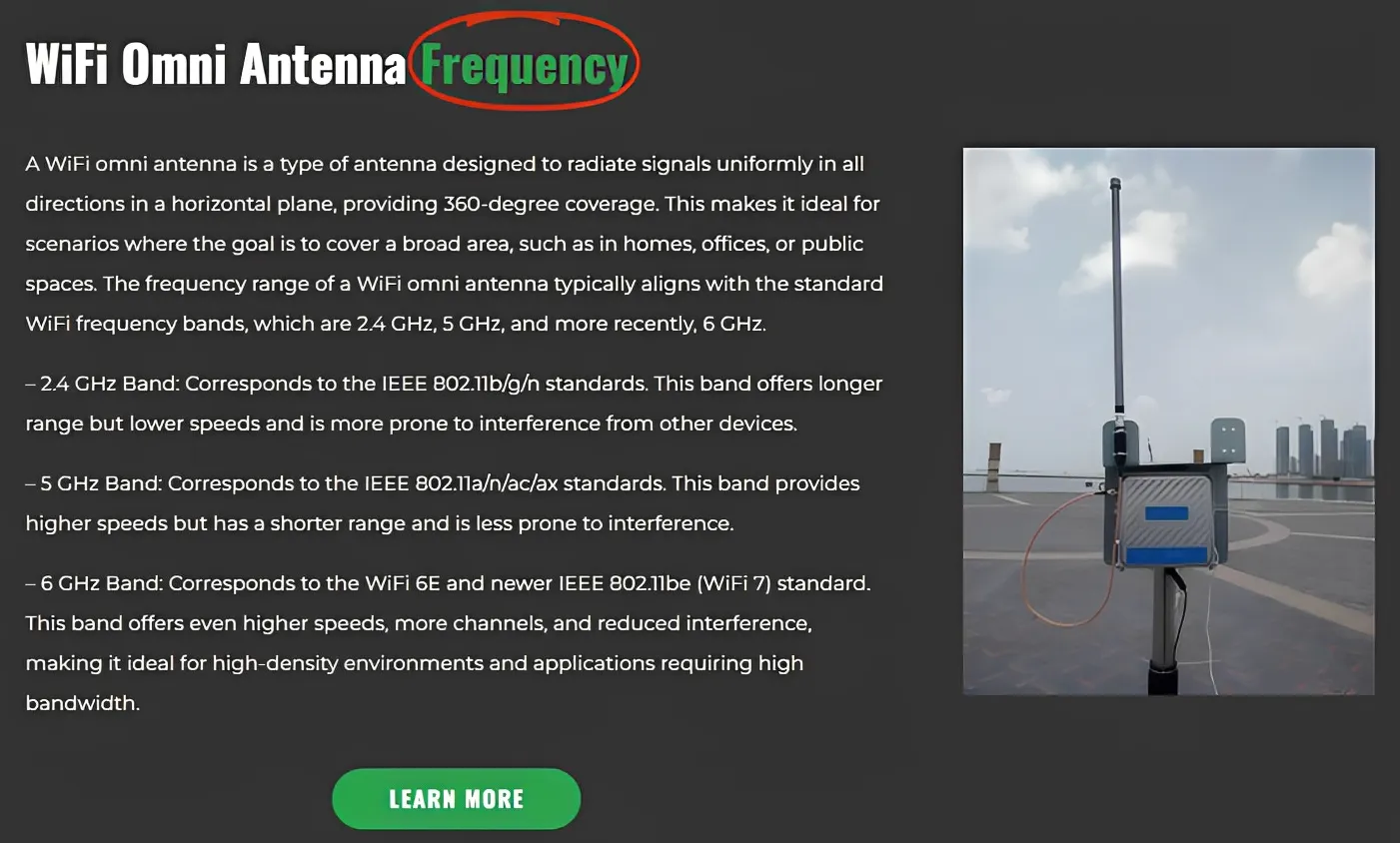
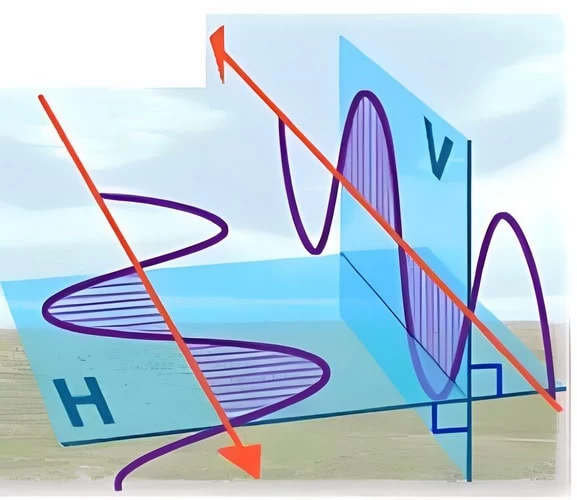
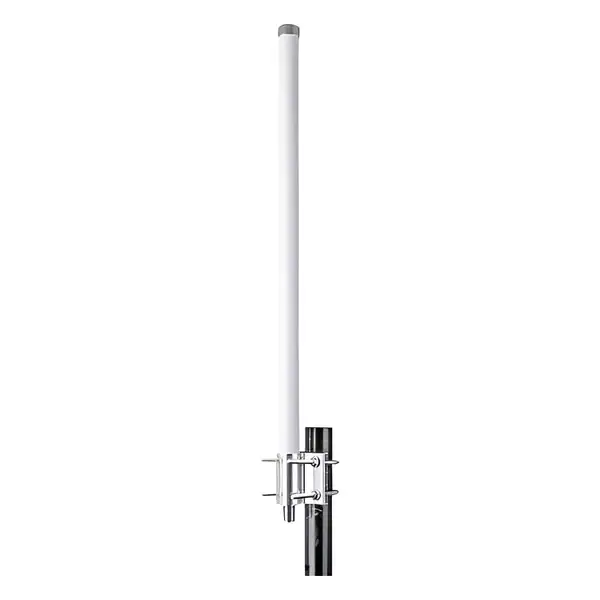
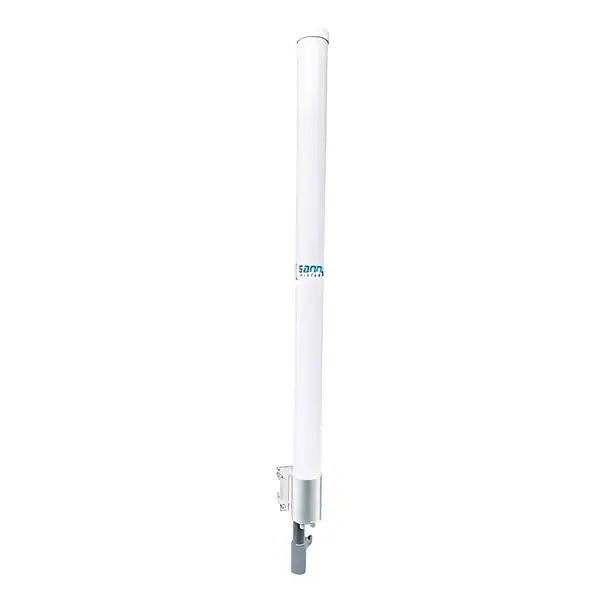
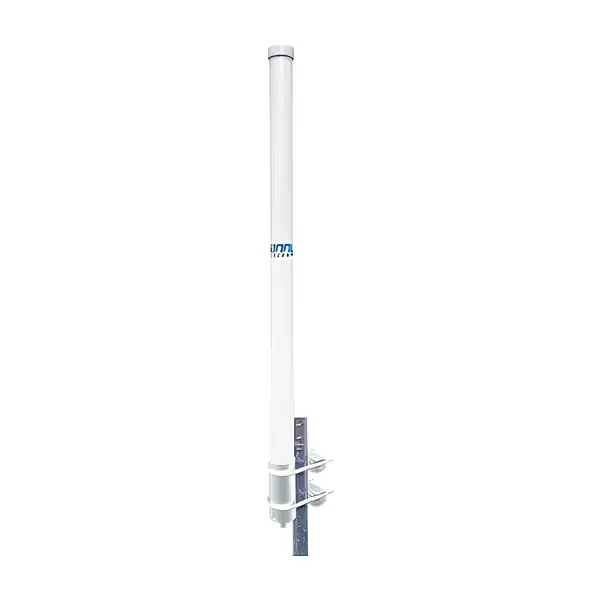
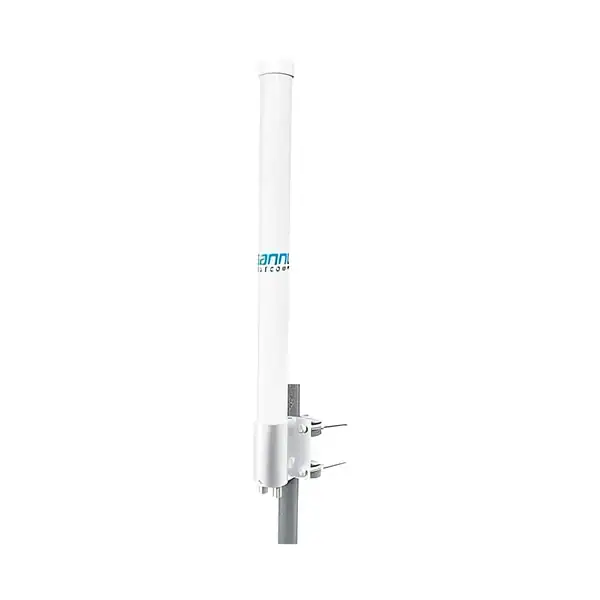
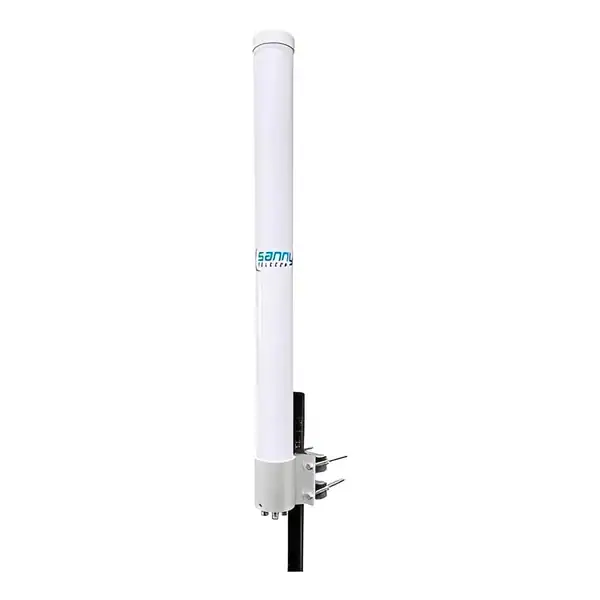
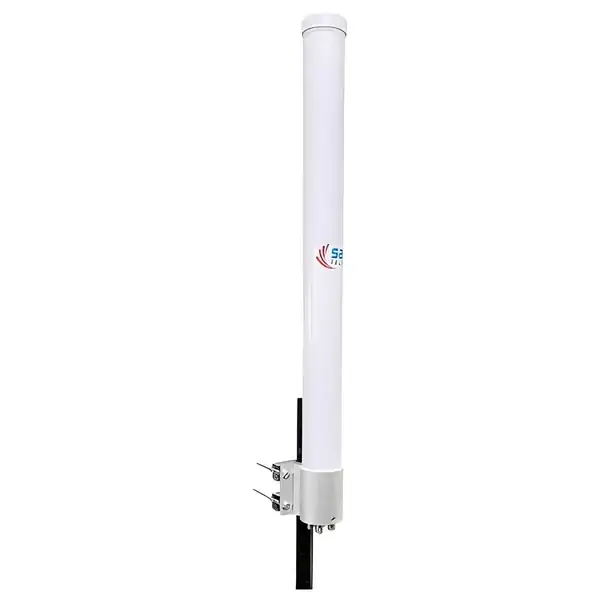
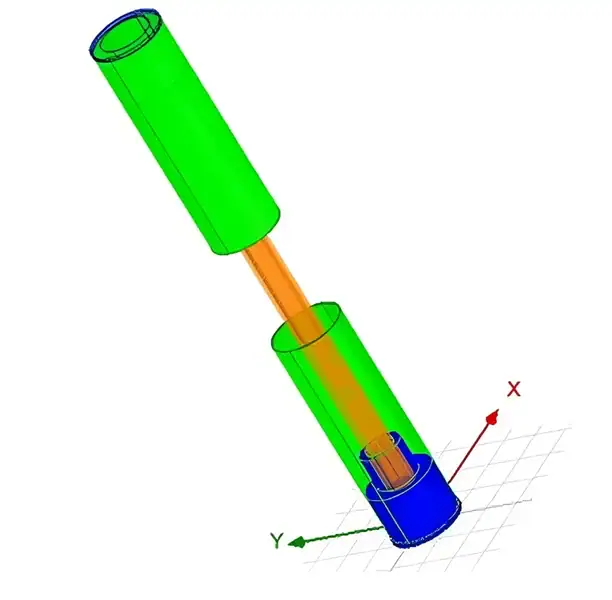
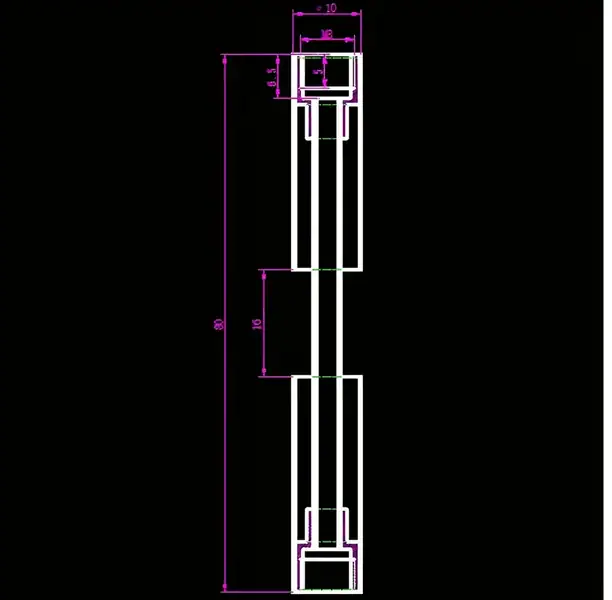
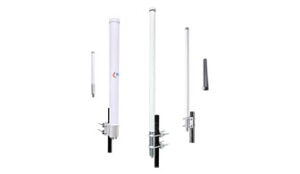
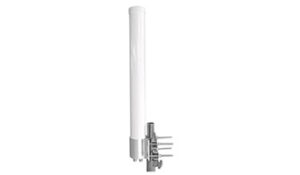
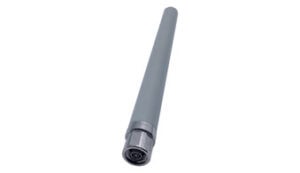
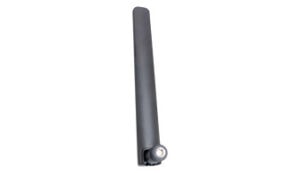
A WiFi omni antenna is a type of antenna that radiates signal uniformly in all directions on a horizontal plane, providing 360-degree coverage.
2. How does an omni antenna differ from a directional antenna?
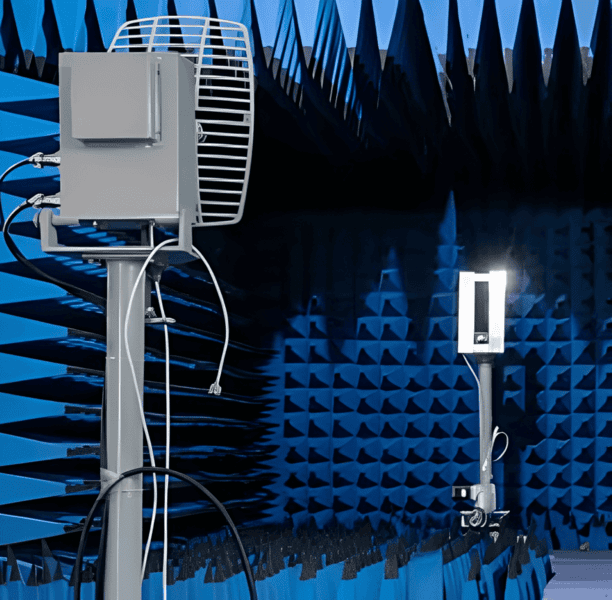
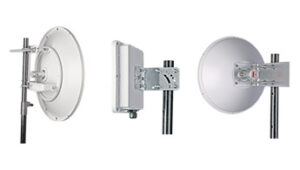
An omni antenna provides 360-degree coverage, ideal for broad area coverage, while a directional antenna focuses the signal in a specific direction, offering longer range and better performance in that direction.
3. What are the typical applications for WiFi omni antennas?
WiFi omni antennas are commonly used in environments where broad, all-around coverage is needed, such as in homes, offices, public spaces, and outdoor areas like parks and campuses.
4. How does the gain of an omni antenna affect its performance?
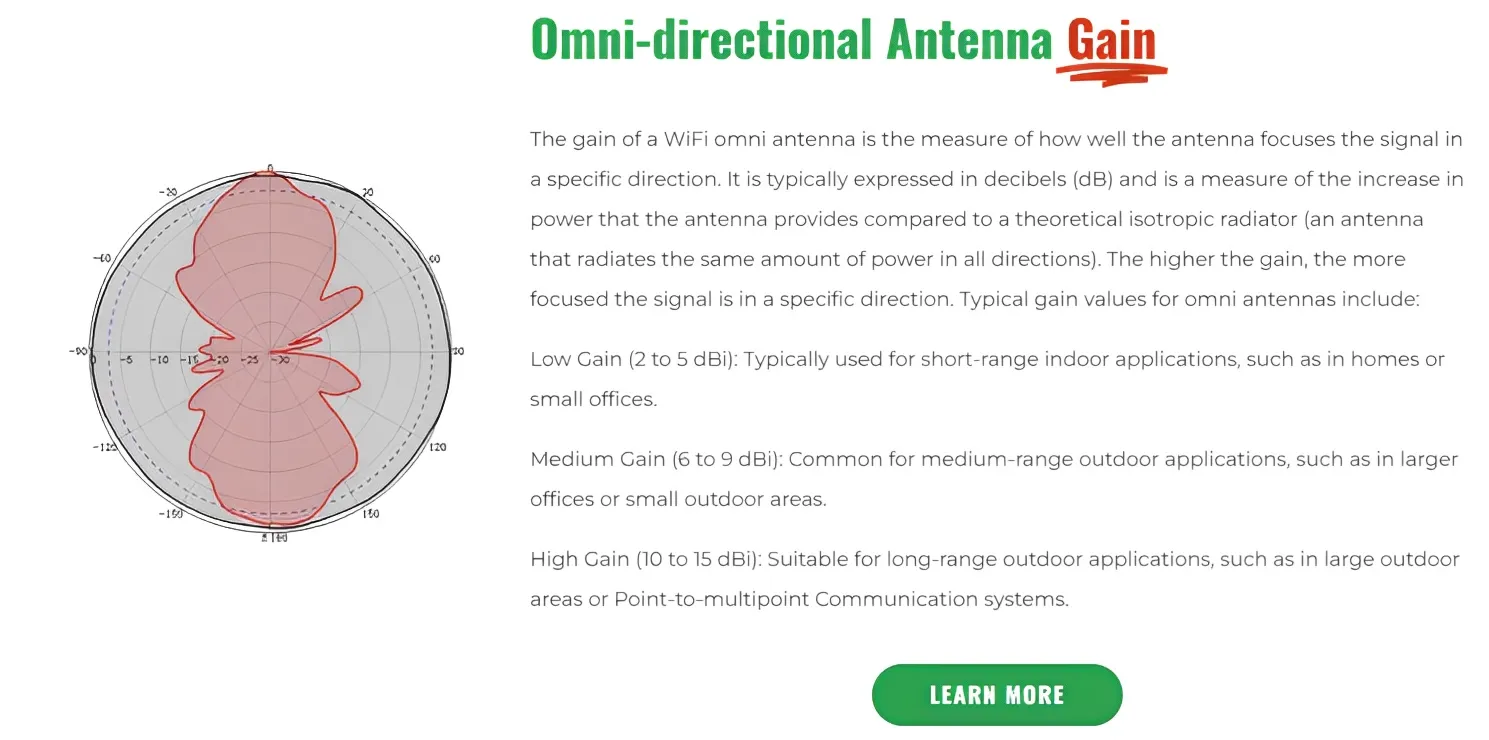
Higher gain antennas can cover larger areas but have a flatter radiation pattern, while lower gain antennas cover smaller areas but with a more spherical radiation pattern.
5. What does dBi mean in the context of antennas?
cURL Too many subrequests by single Worker invocation. To configure this limit, refer to https://developers.cloudflare.com/workers/wrangler/configuration/#limits.
cURL Too many subrequests by single Worker invocation. To configure this limit, refer to https://developers.cloudflare.com/workers/wrangler/configuration/#limits
cURL Too many subrequests by single Worker invocation. To configure this limit, refer to https://developers.cloudflare.com/workers/wrangler/configuration/#limits.
cURL Too many subrequests by single Worker invocation. To configure this limit, refer to https://developers.cloudflare.com/workers/wrangler/configuration/#limits
cURL Too many subrequests by single Worker invocation. To configure this limit, refer to https://developers.cloudflare.com/workers/wrangler/configuration/#limits.
cURL Too many subrequests by single Worker invocation. To configure this limit, refer to https://developers.cloudflare.com/workers/wrangler/configuration/#limits
cURL Too many subrequests by single Worker invocation. To configure this limit, refer to https://developers.cloudflare.com/workers/wrangler/configuration/#limits.
cURL Too many subrequests by single Worker invocation. To configure this limit, refer to https://developers.cloudflare.com/workers/wrangler/configuration/#limits
cURL Too many subrequests by single Worker invocation. To configure this limit, refer to https://developers.cloudflare.com/workers/wrangler/configuration/#limits.
cURL Too many subrequests by single Worker invocation. To configure this limit, refer to https://developers.cloudflare.com/workers/wrangler/configuration/#limits
cURL Too many subrequests by single Worker invocation. To configure this limit, refer to https://developers.cloudflare.com/workers/wrangler/configuration/#limits.
cURL Too many subrequests by single Worker invocation. To configure this limit, refer to https://developers.cloudflare.com/workers/wrangler/configuration/#limits
cURL Too many subrequests by single Worker invocation. To configure this limit, refer to https://developers.cloudflare.com/workers/wrangler/configuration/#limits.
cURL Too many subrequests by single Worker invocation. To configure this limit, refer to https://developers.cloudflare.com/workers/wrangler/configuration/#limits
cURL Too many subrequests by single Worker invocation. To configure this limit, refer to https://developers.cloudflare.com/workers/wrangler/configuration/#limits.
cURL Too many subrequests by single Worker invocation. To configure this limit, refer to https://developers.cloudflare.com/workers/wrangler/configuration/#limits
cURL Too many subrequests by single Worker invocation. To configure this limit, refer to https://developers.cloudflare.com/workers/wrangler/configuration/#limits.
cURL Too many subrequests by single Worker invocation. To configure this limit, refer to https://developers.cloudflare.com/workers/wrangler/configuration/#limits
cURL Too many subrequests by single Worker invocation. To configure this limit, refer to https://developers.cloudflare.com/workers/wrangler/configuration/#limits.
cURL Too many subrequests by single Worker invocation. To configure this limit, refer to https://developers.cloudflare.com/workers/wrangler/configuration/#limits
cURL Too many subrequests by single Worker invocation. To configure this limit, refer to https://developers.cloudflare.com/workers/wrangler/configuration/#limits
cURL Too many subrequests by single Worker invocation. To configure this limit, refer to https://developers.cloudflare.com/workers/wrangler/configuration/#limits
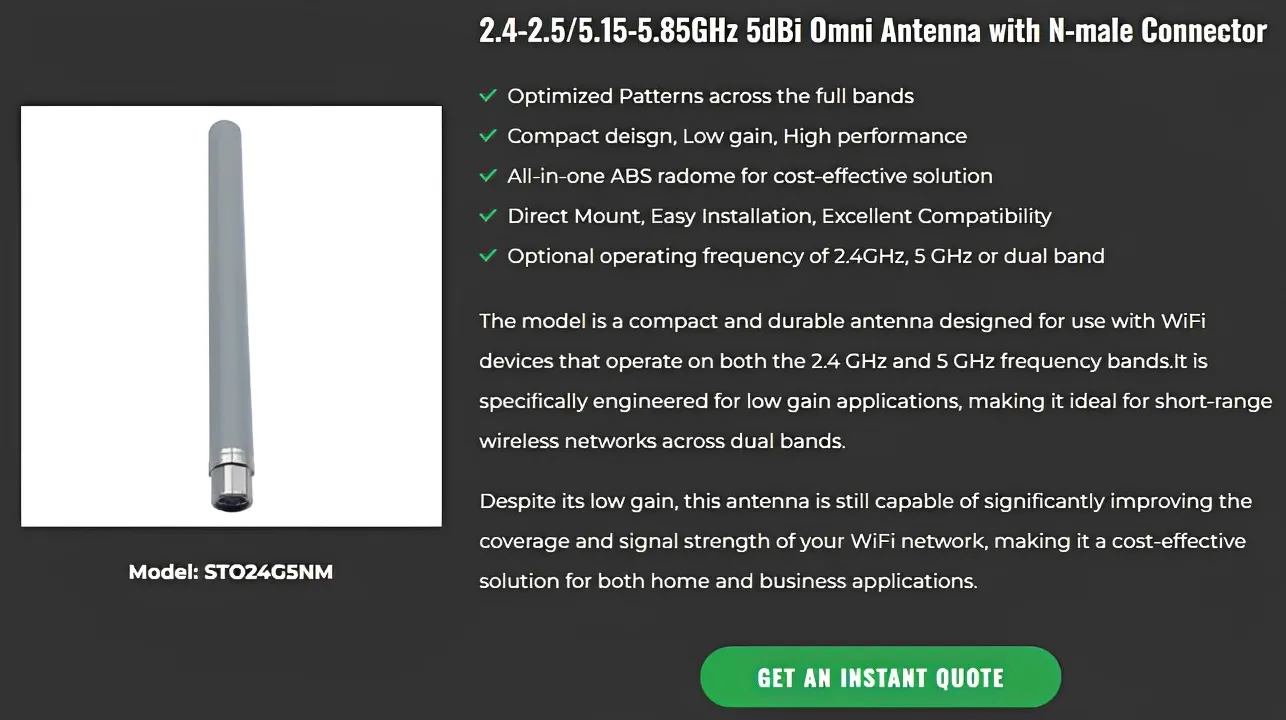
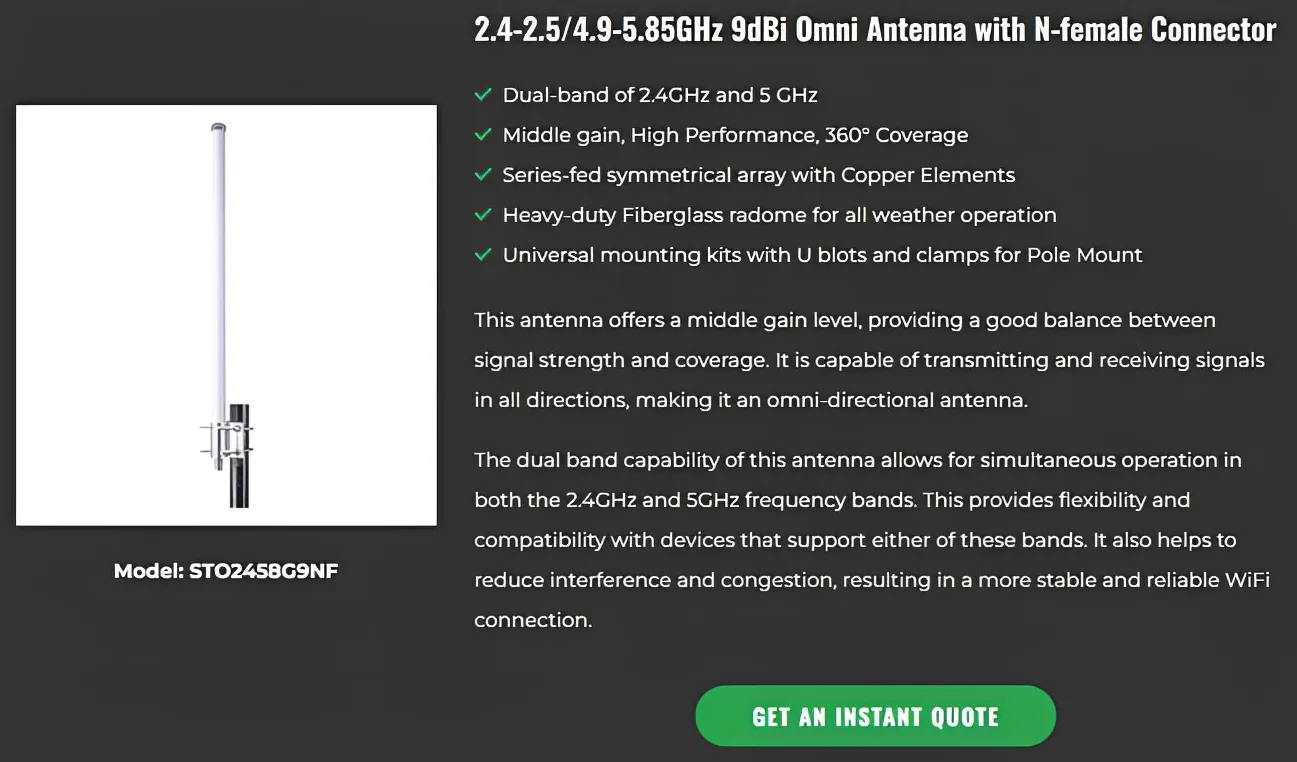
Yes, dual-band omni antennas support both 2.4 GHz and 5 GHz frequencies, providing flexibility and improved performance for modern WiFi networks.
17. What is the lifespan of a typical WiFi omni antenna?
The lifespan can vary, but most WiFi omni antennas are designed to last several years, especially if they are built to withstand outdoor conditions.
18. Can WiFi omni antennas be used outdoors?
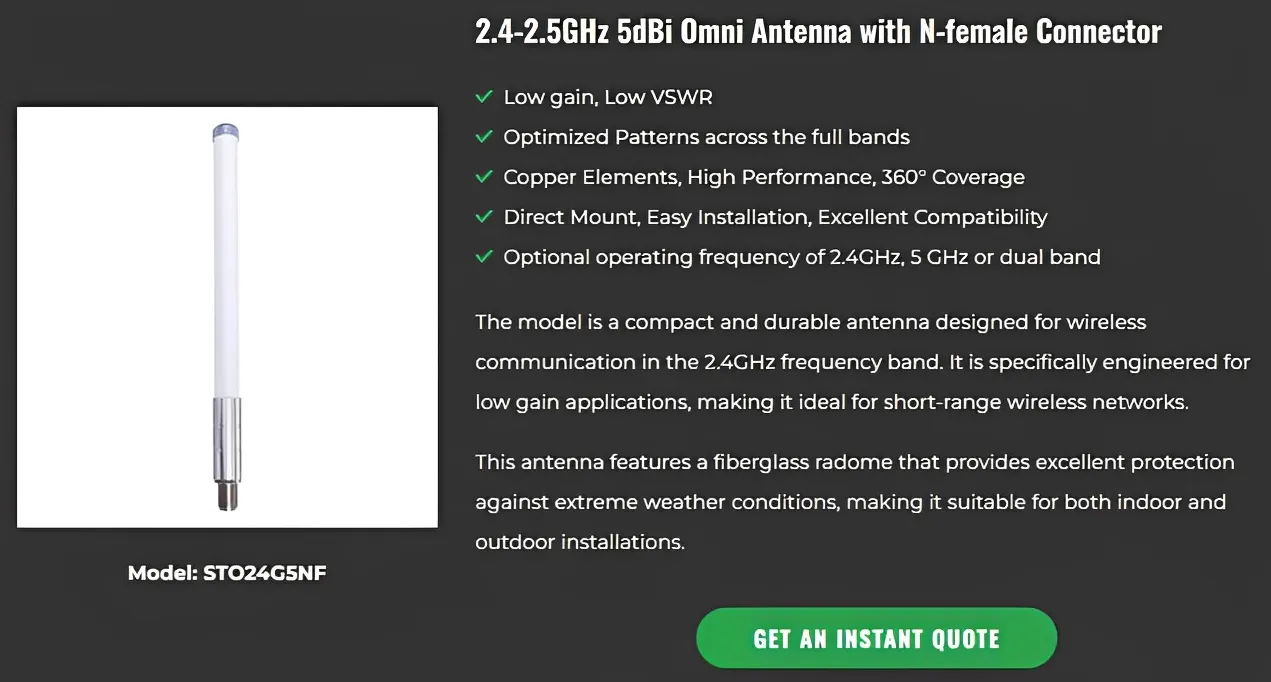
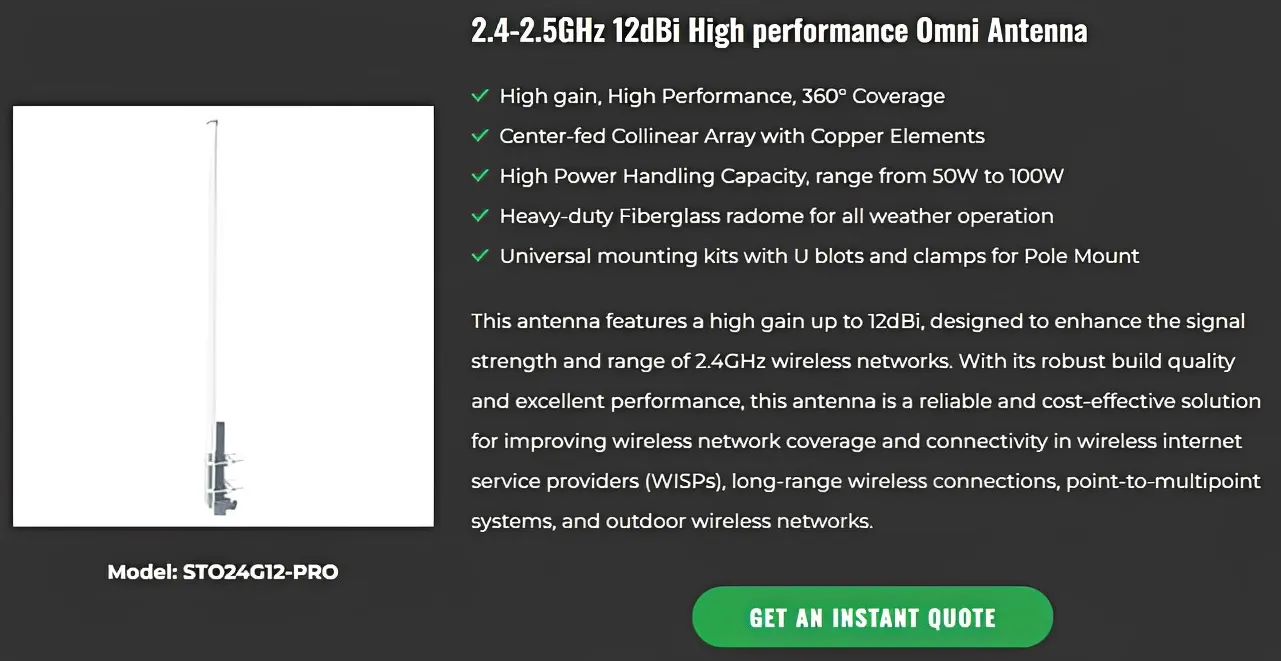
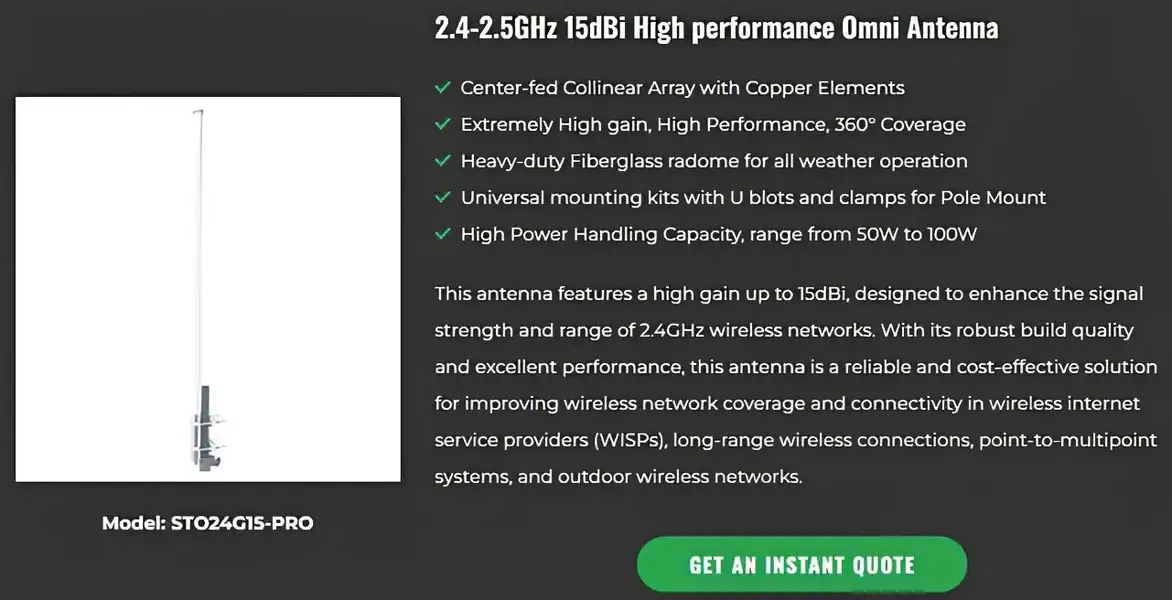
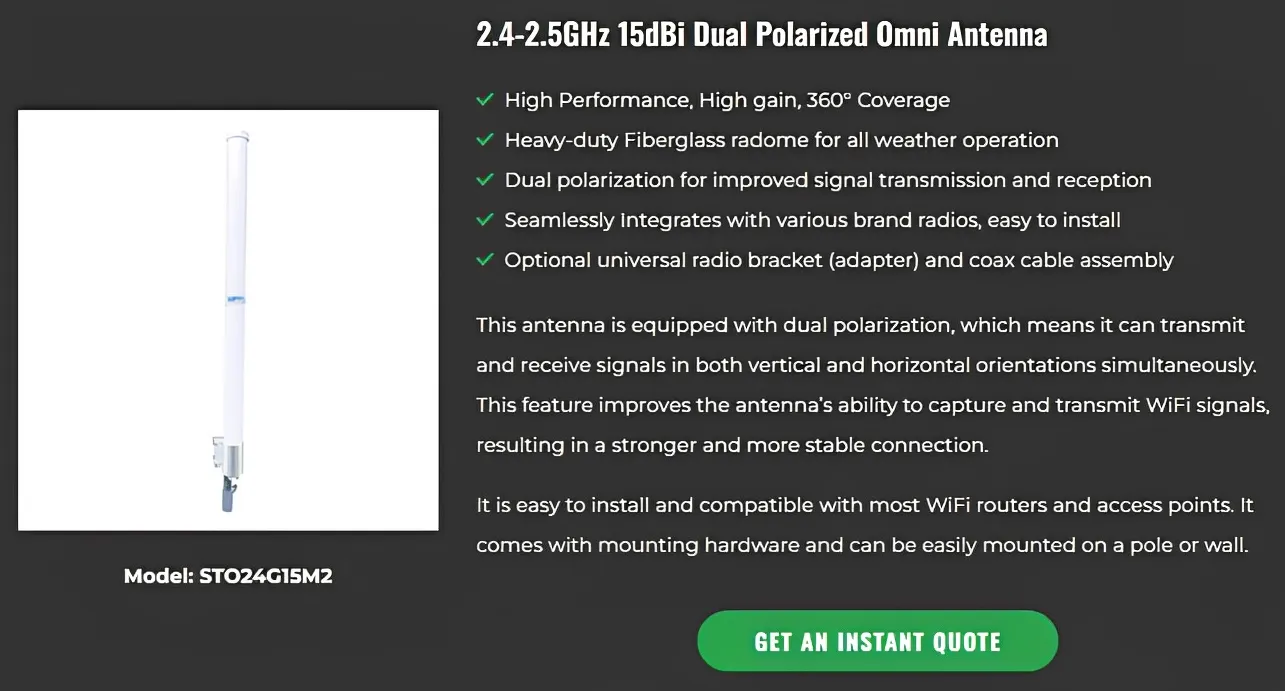
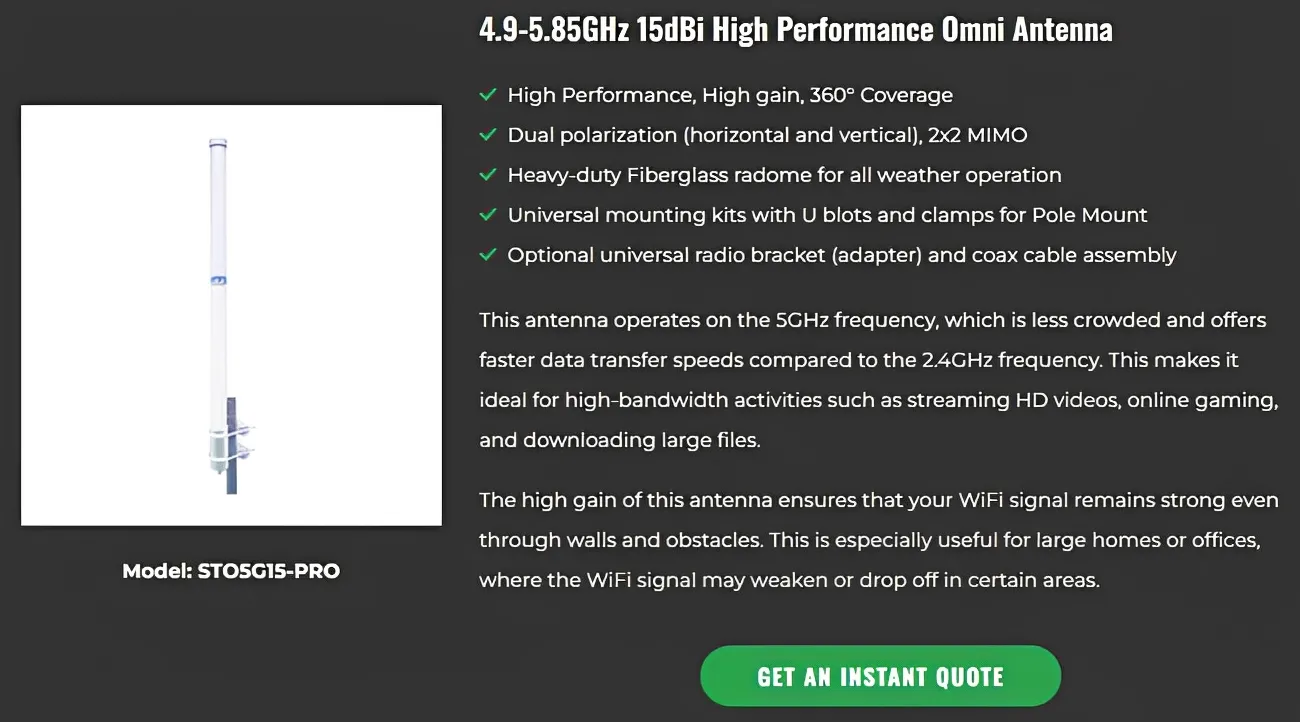
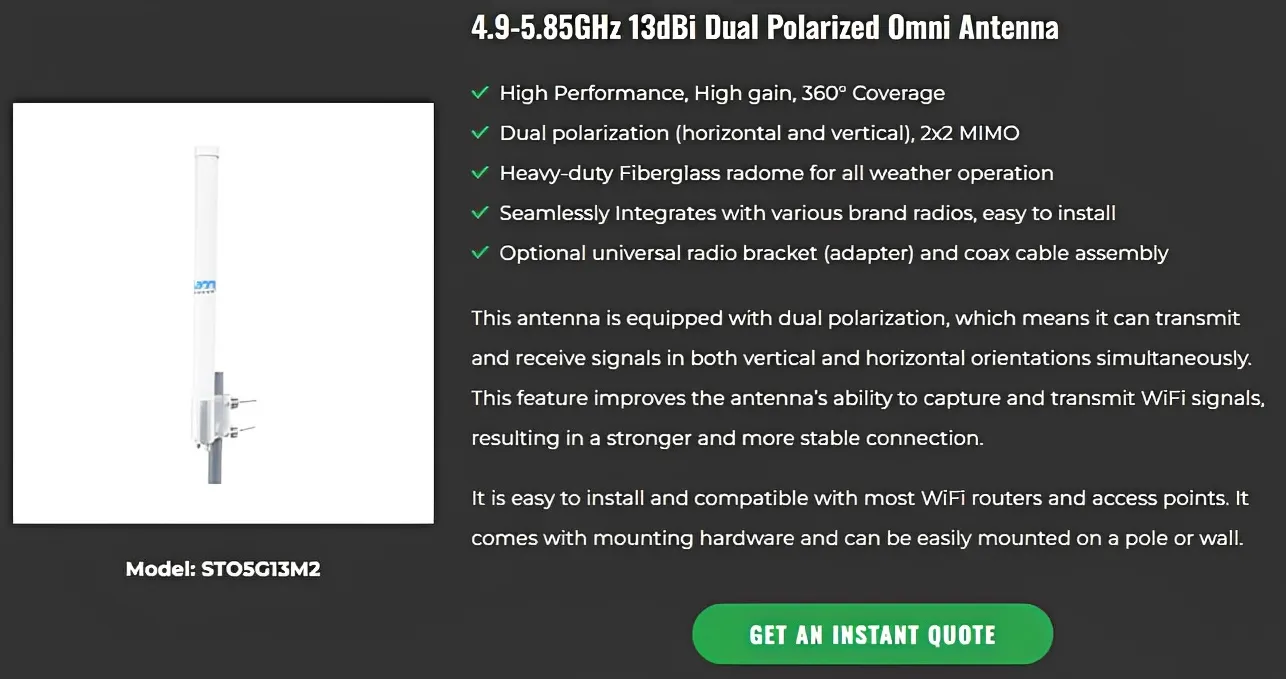
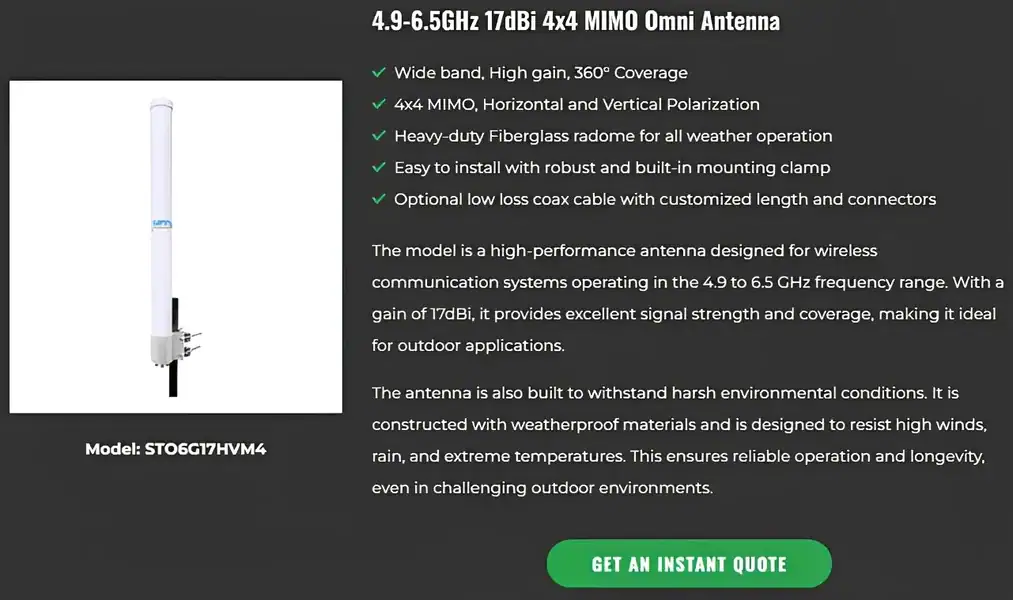
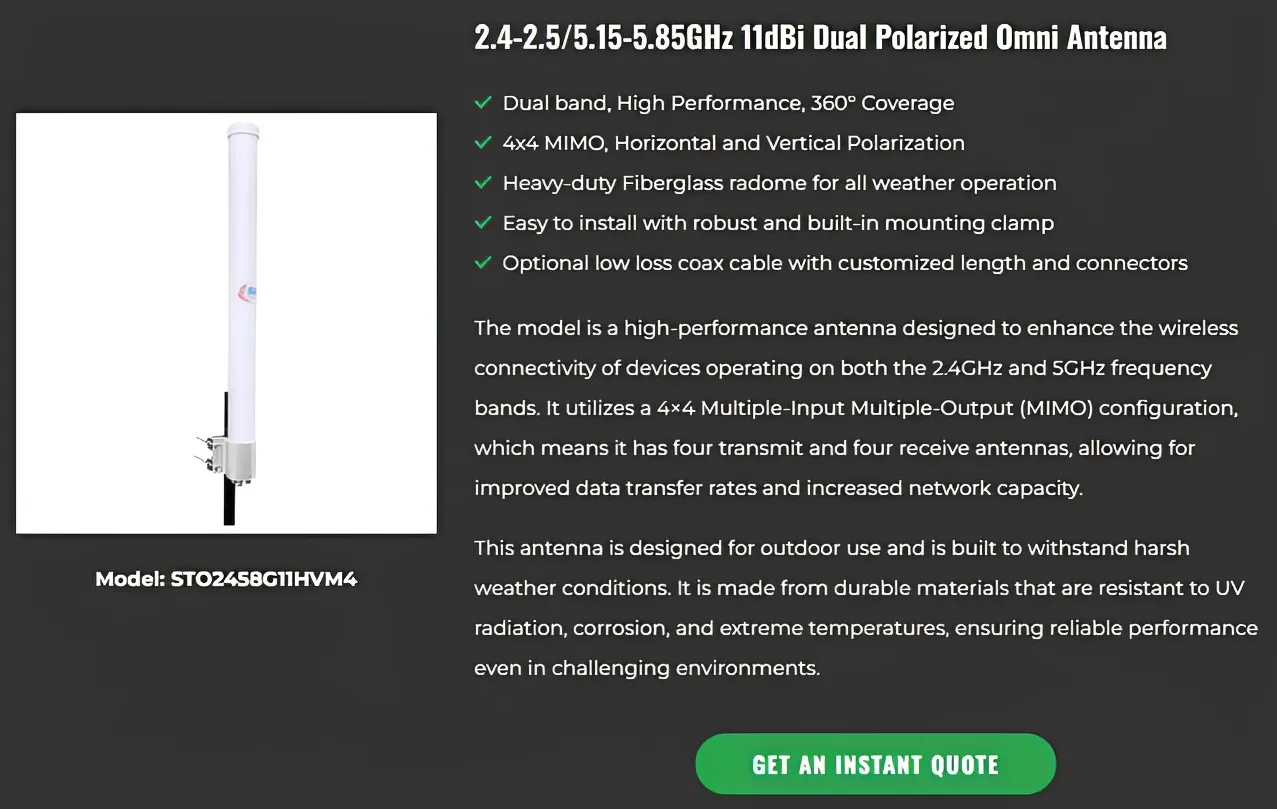
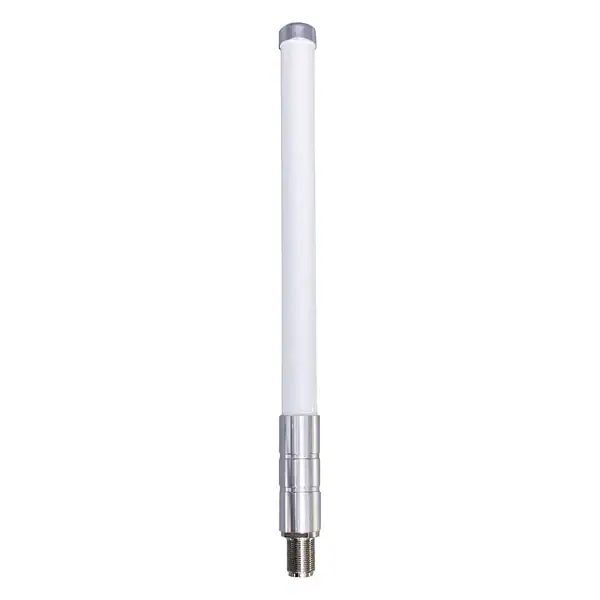
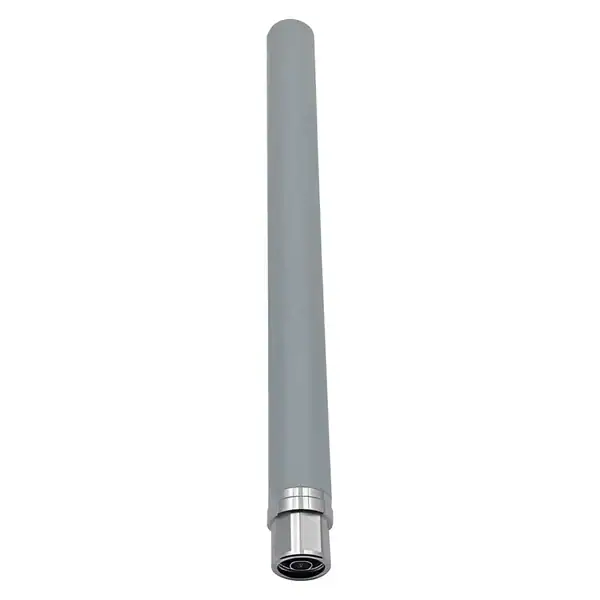
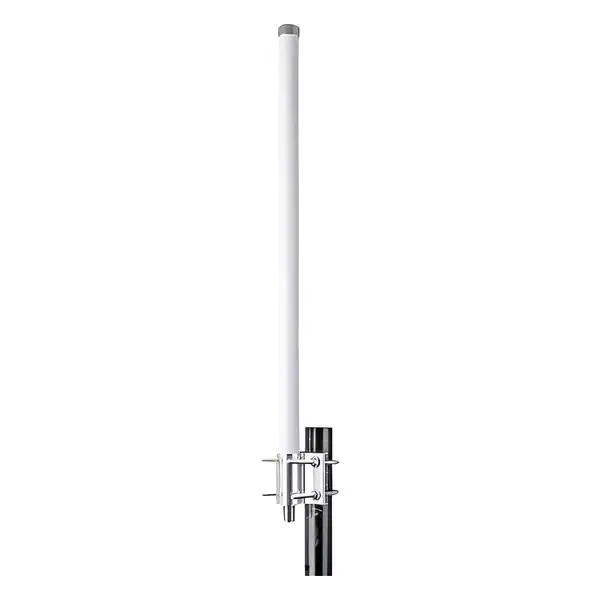
Yes, there are outdoor-rated WiFi omni antennas designed to withstand weather conditions, providing coverage for larger outdoor areas.
19. What is the impact of antenna height on WiFi coverage?
Elevating the antenna can improve coverage by reducing obstructions and extending the range, especially in outdoor environments.
20. How do I choose the right omni antenna for my needs?
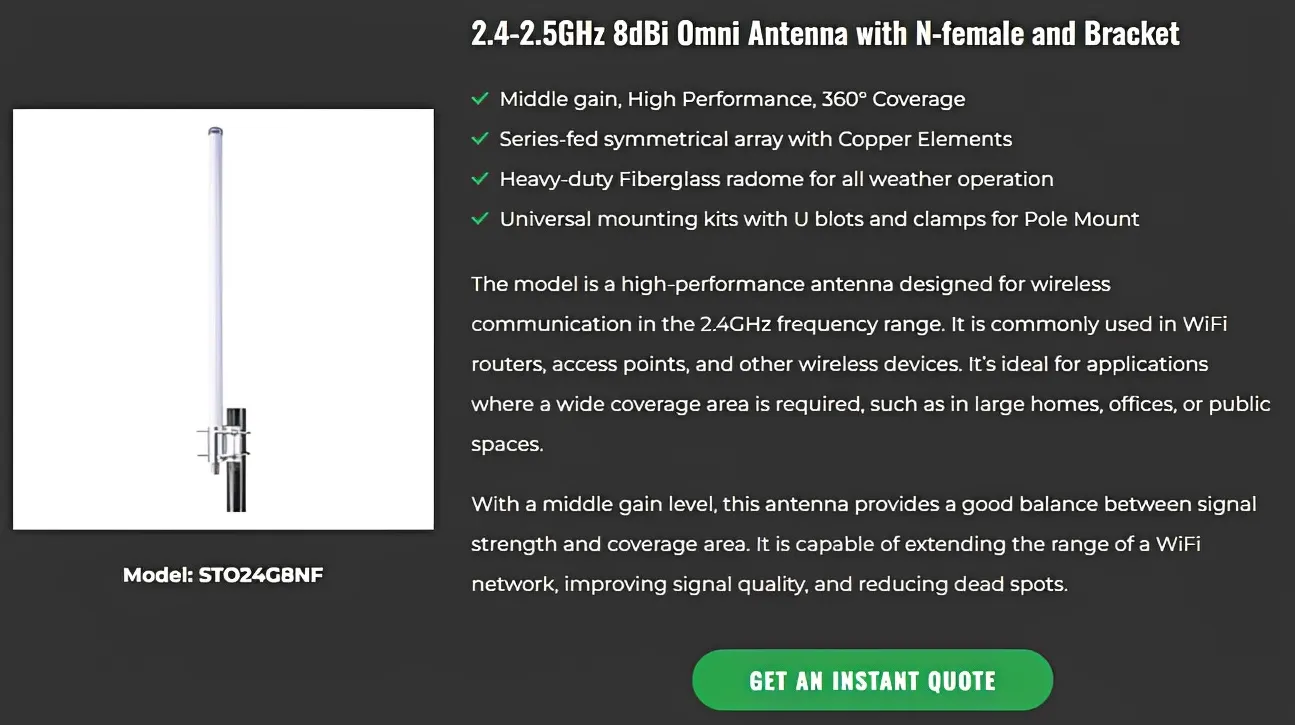
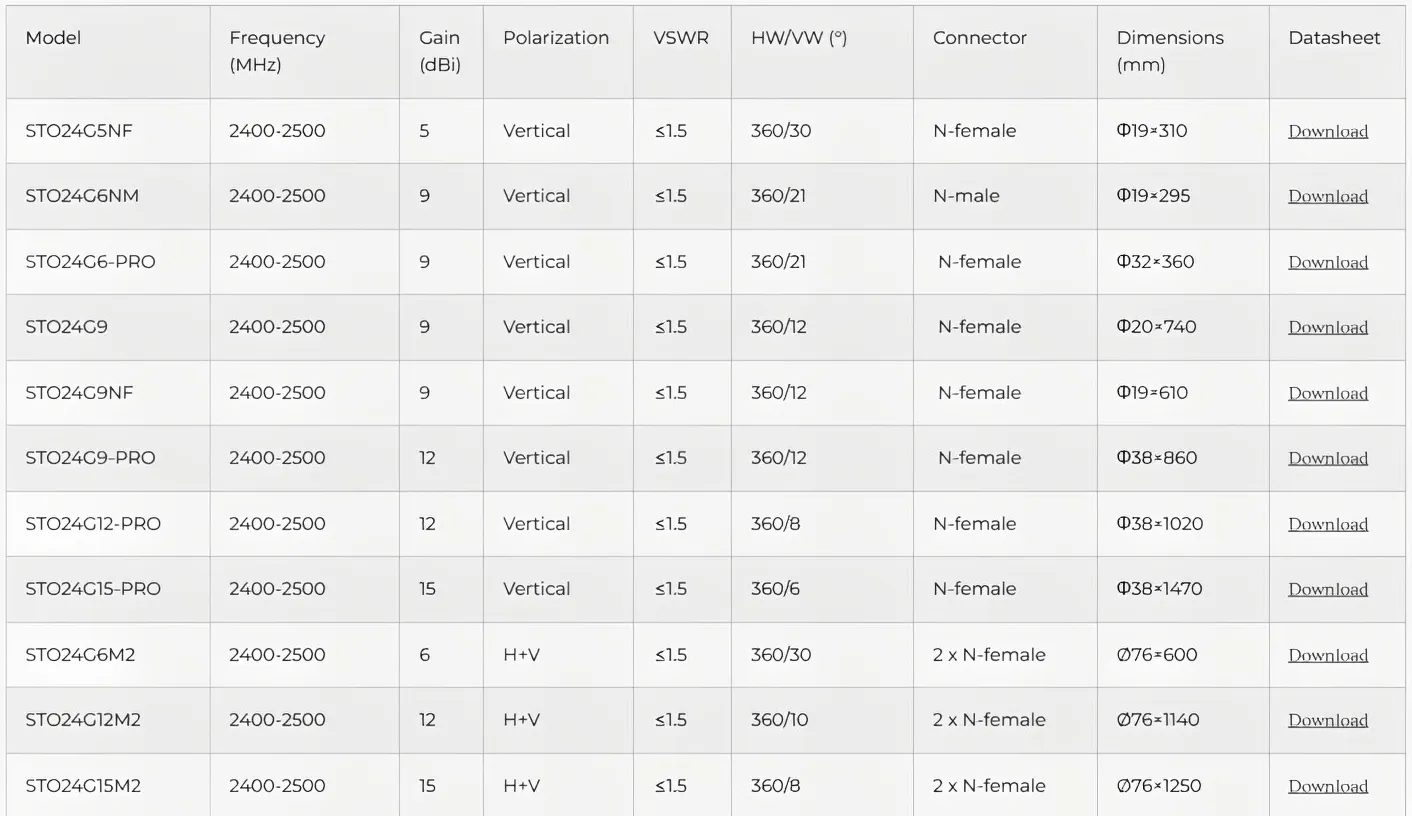
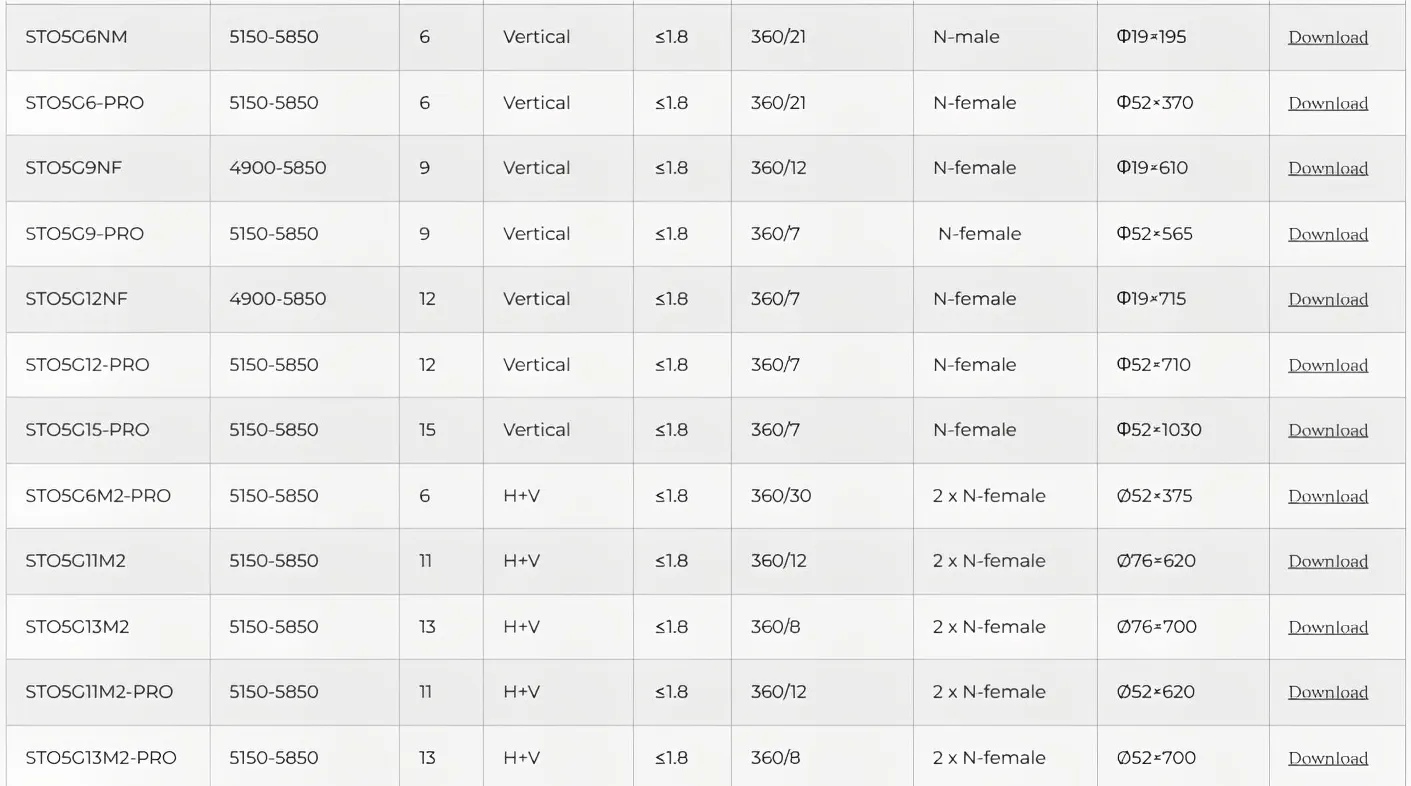
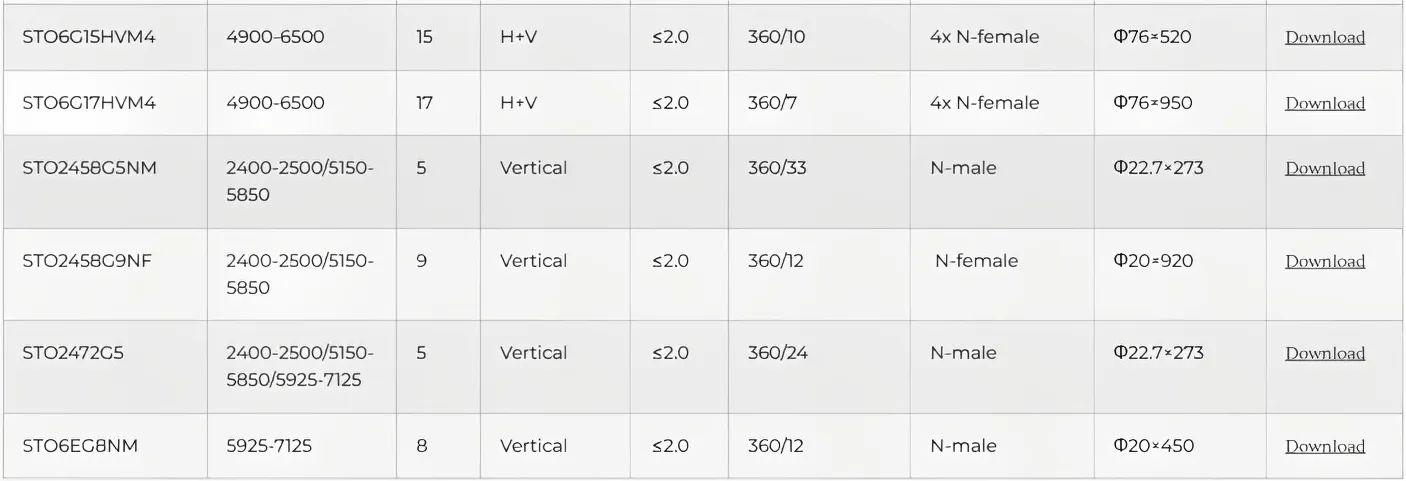
Consider factors such as the coverage area, gain, frequency bands, indoor or outdoor use, and compatibility with your equipment when choosing an omni antenna.








































 Indonesian
  English
  Spanish
  German
  French (France)
  Korean
  Russian
  French (Canada)
  Vietnamese
  Armenian
  Albanian
  Assamese
  Acehnese
  Amharic
  Czech
Czech  Bulgarian
  Cebuano
  Malayalam
  German (Switzerland)
  Japanese
  Dutch
Dutch