 Skip to content
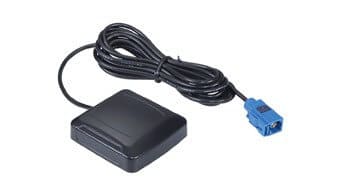
Discover the essential role of GPS antennas in today’s navigation and tracking systems. These pivotal devices capture satellite signals to pinpoint locations accurately, but how do they work, and what makes them crucial for modern technology?
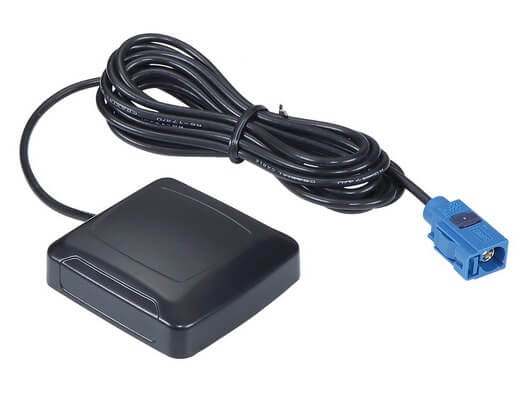
A GPS antenna is a specialized device designed to receive and amplify signals from GPS satellites, converting them into electronic signals for GPS receivers. These antennas are fundamental in determining precise locations, making them indispensable for navigation, tracking, and various technological applications.
Let’s delve deeper into the GPS antenna’s world to uncover its features, uses, and how it distinguishes itself from other types of antennas.
What are the Different Types of GPS Antennas?
GPS antennas come in several forms, each designed to suit different devices and installation scenarios. The two primary distinctions are between internal and external antennas, as well as passive and active models.
Internal vs. External Antennas
- Internal GPS antennas are built directly into devices like smartphones, handheld GPS units, and some vehicle navigation systems. They’re compact and convenient, requiring no additional setup.
- External GPS antennas are separate components that connect to the GPS receiver. These are particularly useful when a device is installed in a location where internal antennas may struggle to receive satellite signals, such as inside vehicles with coated windows or in dense urban areas.
Passive vs. Active GPS Antennas
- Passive antennas function by simply receiving satellite signals and passing them along to the GPS receiver without any amplification. They’re straightforward, reliable, and often found in devices where the distance between the antenna and receiver is short.
- Active antennas, on the other hand, feature a built-in low-noise amplifier. This helps boost weak satellite signals before transmitting them to the receiver, making active antennas ideal for situations where the antenna is positioned farther from the device or in challenging environments with potential interference. While they tend to be more expensive and require installation considerations (like power supply), they’re favored for applications in larger vehicles, marine navigation, and surveying equipment where signal reliability is critical.
Understanding these types helps in selecting the right GPS antenna for your needs, ensuring accurate and consistent satellite positioning performance.
What’s the GPS Antenna Frequency?
The GPS antenna frequency is 1575.42 MHz (Megahertz) for L1 signals. And the L2 signal is 1227.60 MHz.
What is GPS Antenna Input?
The GPS antenna input is the connection point on a GPS receiver where the GPS antenna is connected. This input allows the receiver to receive signals from GPS satellites and use them to determine the receiver’s location.
What are GPS Antennas Used For?
GPS antennas are used to receive signals from GPS satellites and determine the precise location of an object or person. They are designed to be highly sensitive and accurate, allowing for precise positioning and navigation. GPS antennas are typically used in conjunction with GPS receivers, which process the signals received by the antenna and provide the necessary data for navigation or tracking purposes.
How Do Active GPS Antennas Work? Advantages and Disadvantages
Active GPS antennas are specially engineered with built-in low-noise amplifiers. This design enables them to enhance weak satellite signals before they reach the GPS receiver, resulting in a stronger and more reliable connection—even in environments where signals would otherwise be degraded. By amplifying signals at the source, active antennas can deliver improved performance, especially in areas with obstructions or long cable runs.
Advantages:
- Stronger signal reception: The integrated amplifier allows for better acquisition of weak signals, which can be essential if the antenna is mounted far from the receiver or in challenging locations.
- Flexibility in placement: Because they compensate for signal loss over distance, active antennas can be installed farther from the GPS device—making them ideal for large vehicles, boats, or installations where optimal placement is a challenge.
Disadvantages:
- Higher cost: The added amplification circuitry makes active antennas more expensive than their passive counterparts.
- Complex installation: Active antennas require power to operate their built-in amplifiers, potentially making installation more intricate and demanding careful attention to wiring.
- Potential for noise: If not properly shielded, an active antenna’s amplifier can introduce noise, which may affect signal quality.
Despite these considerations, active GPS antennas are often the preferred choice whenever maintaining steady, robust signal reception is critical—such as for commercial fleets, marine vessels, or remote monitoring systems.
How Do Passive GPS Antennas Function?
Passive GPS antennas work by capturing signals from satellites and directly passing those signals along to the GPS receiver—without the use of any built-in amplification. Instead, these antennas rely entirely on their design to gather as much of the satellite signal as possible. Once the signals are collected, they are transmitted through a coaxial cable to the receiver, which then processes the data to calculate precise positioning. This makes passive antennas a reliable choice in scenarios where the antenna is located near the receiver or where strong signal strength is available.
Why Use External GPS Antennas in Remote Areas?
When venturing into remote regions—where trees, mountains, or even unpredictable weather can weaken satellite signals—having an external GPS antenna becomes especially valuable. These antennas offer enhanced sensitivity and are typically positioned in optimal locations (such as outside a vehicle or on a roof), making it much easier to maintain a reliable connection with GPS satellites.
By improving signal reception in challenging environments, external GPS antennas help ensure your navigation system continues to deliver accurate location data, even when signal conditions are less than ideal. This makes them a vital tool for reliable tracking and navigation far from urban infrastructure.
What are the Benefits of Using an External GPS Antenna?
Opting for an external GPS antenna brings several key advantages, especially in challenging environments where maintaining a strong, reliable signal is crucial.
1. Improved Signal Reception in Obstructed Environments
External GPS antennas are particularly effective when your device encounters obstructions, such as being inside a vehicle with a metal roof or navigating through dense urban areas. By positioning the antenna in an optimal spot—often outside the vehicle or away from interference—users can dramatically increase their chances of acquiring and maintaining a strong GPS signal.
2. Enhanced Accuracy and Reliability
When signal strength or quality suffers, so does location accuracy. An external GPS antenna amplifies weak satellite signals and reduces interference, ensuring your GPS receiver delivers precise information. This proves especially useful for older devices that may not have advanced internal antennas, as well as during travel in remote locations where satellite coverage can be inconsistent.
3. Flexibility for Older and Newer GPS Units
While many modern GPS receivers come with capable internal antennas, there are scenarios—such as installations in buses, trucks, or boats—where an internal antenna just isn’t enough. In these situations, an external antenna bridges the gap, boosting overall performance without requiring a new device.
4. Reliable Performance During Travel
Frequent travelers and professionals working in areas with unpredictable signal environments benefit greatly from external antennas. Whether you’re on a cross-country road trip or mapping remote terrain for research, adding an external GPS antenna ensures uninterrupted tracking and navigation.
By addressing weak signals, minimizing interference, and maximizing precision, an external GPS antenna becomes an invaluable tool for anyone requiring dependable location data from their GPS devices.
When Is an Amplified External GPS Antenna Necessary?
There are situations where a standard, built-in GPS antenna may struggle to deliver reliable signals—especially if physical obstructions or electronic interference come into play. For instance, if you’re inside a vehicle with a metal roof, deep within a city’s concrete jungle, or in areas with heavy foliage, signal strength can take a noticeable hit.
In these scenarios, adding an amplified external GPS antenna can make a significant difference. These antennas are specifically engineered to boost weak signals and minimize interference, ensuring your GPS device receives accurate location data.
You’ll likely benefit from an amplified external antenna if:
- Your GPS consistently fails to acquire a signal or produces inaccurate readings.
- Your journeys often take you to remote areas where satellite visibility is limited.
- You notice frequent drops in signal quality while moving through tunnels, mountainous regions, or dense urban environments.
On the other hand, if your GPS device has a solid track record of consistent, accurate performance—even after years of use—there may be no need for additional equipment. An amplified external antenna is really a solution for those challenging environments and persistent signal issues.
Why Do Older GPS Units Need External Antennas?
Many older GPS devices rely on external antennas because their built-in antenna technology isn’t as advanced as what you find in modern units. These internal antennas may not be as sensitive or efficient at picking up weak satellite signals, especially in challenging environments like dense cities or wooded areas.
An external antenna significantly boosts signal reception, helping vintage GPS models achieve better accuracy and reliability—critical whether you’re navigating remote backroads or tracking assets. Plus, external options often allow for more flexible placement, reducing obstructions and further improving performance.
What is the Difference Between WiFi Antenna and GPS Antenna?
GPS antennas are designed to receive signals from satellites in the GPS frequency band, which is around 1.5 GHz. These antennas are typically designed to have a high gain and a narrow beamwidth, allowing them to pick up weak signals from satellites that are far away.
On the other hand, Wi-Fi antennas are designed to operate in the ISM (Industrial, Scientific, and Medical) bands, which are around 2.4 GHz and 5 GHz. These antennas are optimized for short-range communication and are typically designed to have a lower gain and a wider beamwidth, allowing them to cover a larger area and communicate with multiple devices.
In summary, the key differences between GPS antennas and Wi-Fi antennas are their frequency optimization, gain, and beamwidth. GPS antennas are optimized for satellite frequencies, have a high gain, and a narrow beamwidth. Wi-Fi antennas are optimized for ISM bands, have a lower gain, and a wider beamwidth.
What is the Difference Between Passive and Active GPS Antennas?
When exploring GPS antennas, you’ll come across two main types: passive and active. The distinction lies in how they handle incoming satellite signals.
Passive GPS antennas simply receive the GPS signals from satellites and transmit them directly to the GPS receiver with no additional processing. They rely entirely on the receiver’s internal circuitry for amplification. This straightforward design means passive antennas are typically more affordable and simpler to install, but they work best when placed close to the GPS receiver and in environments with minimal signal obstruction.
Active GPS antennas, on the other hand, feature a built-in low-noise amplifier (LNA) that boosts weak satellite signals before sending them to the receiver. This amplification can make a significant difference in challenging conditions—such as when the antenna needs to be positioned further from the receiver or in areas with potential interference. While active antennas are generally more expensive and slightly more complex to install, their enhanced signal strength makes them preferable for larger vehicles, remote installations, or situations where maintaining robust connectivity is crucial.
How accurate is the GPS antenna?
GPS antennas are generally very accurate, with an average accuracy of around 5 meters (16 feet). However, the accuracy can vary depending on various factors such as the quality of the antenna, the number of satellites in view, the presence of obstacles like buildings or trees, and atmospheric conditions.
For instance, GPS antennas require a clear line of sight to multiple satellites to pinpoint an exact location. Signal strength and accuracy can be compromised in environments with tall buildings, dense foliage, or even inside vehicles with metal roofs or heavily tinted windows—these materials can obstruct or reflect satellite signals, resulting in reduced accuracy or even loss of position. If you find your GPS struggling, relocating the device closer to a window or open area may help, though results can vary based on the thickness of materials and the presence of metallic coatings.
In optimal settings, GPS antennas can quickly lock onto several satellites and provide precise location data, but real-world conditions often introduce challenges that affect overall accuracy. In optimal conditions, GPS antennas can achieve accuracy within a few centimeters with the use of differential GPS (DGPS) or real-time kinematic (RTK) techniques.
What should you do if you are frequently experiencing GPS signal inaccuracy or failure?
If you consistently notice unreliable GPS performance—such as dropped signals or inaccurate position data—it may be time to consider upgrading to an external GPS antenna. An external antenna can dramatically enhance signal reception, especially in challenging environments like dense urban areas, thick forests, or remote regions where satellite signals are weak or obstructed.
Here are some practical situations where an external antenna can make a significant difference:
- Driving in urban canyons: Tall buildings can block or deflect satellite signals.
- Exploring off the grid: Remote areas often have less clear sky view, making built-in antennas struggle.
- Working indoors or near metallic structures: Structures can interfere with or weaken reception.
Switching to an external antenna helps your GPS receiver lock onto satellites more reliably, ensuring you get accurate data wherever your travels take you.
What is the range of a GPS antenna?
The range of a GPS antenna can vary depending on several factors, including the type and quality of the antenna, the environment in which it is used, and the strength of the GPS signal. In general, the range of a typical GPS antenna is around 10 to 20 meters (33 to 66 feet). However, with more advanced and high-quality antennas, it is possible to achieve ranges of up to 50 meters (164 feet) or more.
Does a GPS antenna need to be grounded?
Yes, a GPS antenna typically needs to be grounded. Grounding the antenna helps to provide a stable reference point for the antenna and reduces the risk of damage from static electricity or lightning strikes. It also helps to minimize interference and improve the overall performance of the GPS system.
In addition to grounding, the placement of your GPS antenna can significantly impact its effectiveness. For optimal performance, avoid installing the antenna where thick roofs or tinted windows could obstruct signals. Tinted windows often contain small metal particles that can hinder GPS reception, while thicker roof materials can also block or weaken satellite signals. Sometimes, positioning your GPS device near a window may help alleviate these interferences, but this is not always the most reliable solution.
Taking both grounding and placement into account will help you achieve the best accuracy and reliability from your GPS antenna.
Why Does My Car Have a GPS Antenna?
The GPS antenna in a car is used for navigation purposes. It receives signals from satellites to determine the car’s exact location and then provides directions to the driver.
Additionally, the GPS antenna can also be used for other purposes such as tracking the vehicle in case of theft, monitoring the vehicle’s speed and location for fleet management, and providing location-based services like finding nearby gas stations or restaurants.
What’s the Best GPS Antenna for a Car?
Some top options for GPS antennas for cars include:
1. Garmin GA 38 GPS/GLONASS Antenna: This antenna offers excellent reception and accuracy, even in challenging environments. It is compatible with a range of Garmin GPS devices.
2. GlobalSat BU-353-S4 USB GPS Receiver: This antenna is compact and easy to install. It provides excellent signal reception and works well with various navigation software programs.
3. Dual Electronics XGPS160 Multipurpose Universal GPS Receiver: This antenna offers fast and accurate GPS positioning. It is compatible with both iOS and Android devices and can connect wirelessly via Bluetooth.
4. Trimble Bullet III GPS Antenna: This antenna is known for its high sensitivity and excellent signal reception. It is durable and can withstand harsh weather conditions.
5. PCTEL GPS-TMG-26NMS GPS Antenna: This antenna offers high performance and reliability. It features a low noise amplifier and is built with a weatherproof housing for outdoor use.
Ultimately, the best GPS antenna for a car depends on individual needs and preferences. It is important to consider factors such as compatibility, signal strength, and durability when choosing a GPS antenna for a car.
When Do You Need an External GPS Antenna?
While many GPS devices now come equipped with built-in internal antennas that provide reliable signal reception for most everyday use, there are situations that call for an external GPS antenna to get the job done.
Consider adding an external GPS antenna in these scenarios:
- Obstructed Signal: If your GPS device struggles to maintain a stable connection—perhaps in vehicles with metalized windshields, under heavy tree cover, or surrounded by tall buildings—an external antenna can help bypass these obstructions and capture satellite signals more reliably.
- Older or Less Sensitive Units: Devices with outdated or less sensitive internal antennas may benefit from the improved reception an external antenna provides, especially in challenging environments.
- Remote Locations: When traveling in rural or mountainous areas where signals are naturally weaker or more variable, an external antenna can improve your chances of maintaining accurate navigation.
- Persistent Signal Issues: If you frequently encounter dropped signals or inaccurate location data with your current setup, upgrading to an amplified external antenna may be the best solution.
- Fleet and Professional Applications: For applications requiring continuous, high-precision positioning—such as fleet tracking or off-road navigation—external antennas are often standard for ensuring accuracy and reliability.
In short, if your GPS device consistently provides accurate positioning and seldom loses its signal, you may not need an external antenna. However, if obstructions, remoteness, or device limitations are affecting your navigation experience, investing in an external GPS antenna can quickly resolve these issues and enhance performance.
Where Do You Put a GPS Antenna?
Some common places to put a GPS antenna include:
1. On the dashboard: Many GPS antennas come with a suction cup mount that can be attached to the dashboard or windshield of a vehicle. This allows the antenna to have a clear view of the sky.
2. On the roof: For better reception, some people choose to mount the GPS antenna on the roof of their vehicle. This can provide a higher vantage point and reduce the chances of obstructions blocking the signal.
3. On the outside of a building: If you are using a GPS antenna for a stationary application, such as a GPS tracking system for a fleet of vehicles, you might mount the antenna on the exterior of a building. Again, this provides a clear view of the sky and minimizes obstructions.
4. In an open area: If you are using a GPS antenna for a specific purpose, such as geocaching or surveying, you might place the antenna in an open area away from trees, buildings, or other obstructions. This will help ensure the best possible signal reception.
Ultimately, the best placement for a GPS antenna will depend on the specific application and the environment in which it is being used. The goal is always to provide the antenna with a clear view of the sky to maximize performance.
Where is the Best Place to Put a GPS Antenna?
The optimal placement is often on the vehicle’s roof or dashboard, where it can maintain a clear line of sight with GPS satellites.
However, if this is not possible, other viable options include:
1. Rear windshield: This location provides good visibility of the sky and can be a suitable alternative if the roof or dashboard is not an option.
2. Rear parcel shelf: If the rear windshield is not an option, placing the GPS antenna on the rear parcel shelf can also provide good visibility of the sky.
3. Front windshield: While not ideal due to the potential for signal interference from the vehicle’s metal frame, placing the GPS antenna on the front windshield can still work in some cases.
4. Rear bumper: In certain situations, such as when using a GPS antenna for marine or recreational vehicle applications, mounting the antenna on the rear bumper can provide a clear line of sight to the sky.
Consider Potential Signal Interferences
Keep in mind that signal disruptions can occur if the GPS antenna is too close to tall buildings, metal roofs, or other large obstructions. For example, the metal roof of a vehicle may block signals more than a thinner roof, and even tinted windows can cause interference due to embedded metal particles. In such cases, placing your GPS antenna near a window may help, but it is not always the optimal solution. Always aim for a spot that gives the antenna the clearest possible view of the sky and is as free from physical and electronic obstacles as possible.
Spacing the antenna away from thick metal surfaces, and avoiding areas close to electronic equipment that could cause interference, will help maximize your GPS signal strength and accuracy. Experimenting with different placements—especially if your vehicle has unique features like extra tinting or an unusually thick roof—can often make a noticeable difference in performance.
Ultimately, the best place to put a GPS antenna will depend on the individual vehicle and its specific circumstances. It is recommended to experiment with different locations to find the one that provides the best signal reception and accuracy.
Do You Need an External GPS Antenna if Signal Interference Is Never an Issue?
If your GPS device consistently delivers reliable and accurate positioning without hiccups or dropouts, there’s usually no need to add an external GPS antenna. Devices like those from Garmin or Dual Electronics are designed to perform well for everyday navigation and, for many users, their built-in antennas are more than sufficient.
However, there’s always an exception—if you start noticing delays in signal acquisition, reduced accuracy, or interruptions due to changes in your environment (think tall buildings, tunnels, or dense tree cover), then considering an external antenna might enhance your experience. But if your device happily keeps you on course without any trouble, you can skip the extra hardware and carry on navigating confidently.
In conclusion, GPS antennas are essential components of GPS technology that allow for accurate geolocation. They receive signals from GPS satellites and help determine the user’s position. By understanding how GPS antennas work, their applications, and how to handle them correctly, we can maximize the benefits of GPS technology and improve our navigation systems.
 English
  Spanish
  German
  French (France)
  Korean
  Russian
  Indonesian
  French (Canada)
  Vietnamese
  Armenian
  Albanian
  Assamese
  Acehnese
  Amharic
  Czech
Czech  Bulgarian
  Cebuano
  Malayalam
  German (Switzerland)
  Japanese
  Dutch
Dutch