 Skip to content
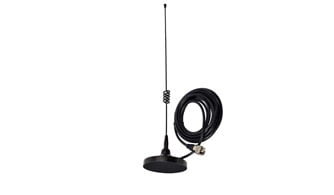
Magnetic mount antennas are a pivotal tool in enhancing wireless communication, especially in mobile settings. These devices use a powerful magnet to secure the antenna to a vehicle’s metal surface, providing a stable and reliable signal enhancement solution. This type of antenna is popular among a variety of users, from tech enthusiasts and radio amateurs to professional technicians and engineers.
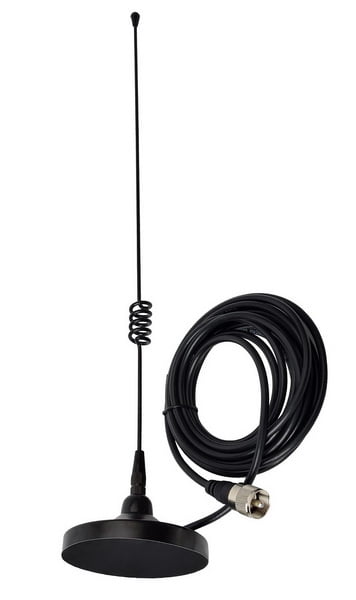
A magnetic mount antenna typically consists of a strong magnet as its base, which is used to attach the antenna securely to the metal body of a vehicle. This design not only facilitates easy installation but also ensures that the antenna remains firmly in place during movement, making it ideal for mobile communications.
Built for Durability and Real-World Demands
One of the standout features of magnetic mount antennas is their ruggedness. Their construction is specifically engineered to withstand the bumps, jolts, and vibrations encountered during daily use—whether mounted on a fleet vehicle weaving through city streets or attached to a work truck navigating rough terrain. The antenna’s coil or loop, often made from robust wire, allows it to absorb impacts and flex rather than snap, which is a common issue with longer, rigid antennas. Many models also incorporate shock springs or use tough housing materials to further enhance durability and impact resistance, ensuring reliable performance in challenging environments.
Effortless Installation and Flexibility
Because the loop of a magnetic mount antenna is simply constructed out of a coil of wires, these antennas are not only easy to install but also easy to maintain. Their simple yet effective build makes them less vulnerable to everyday knocks and scrapes, whether in a testing facility or out in the field. This practical resilience, combined with the quick installation process, makes magnetic mount antennas a go-to solution for users needing mobility and dependability in their communication equipment.
As we delve deeper into the workings and applications of magnetic mount antennas, it becomes evident how their unique design and functional benefits make them indispensable in the realm of mobile communication.
What does a magnetic antenna do?
A magnetic antenna is designed to improve the reception and transmission of radio signals. It consists of a wire or coil wound around a magnetic core, which helps to concentrate and focus the electromagnetic waves. The magnetic core enhances the antenna’s ability to capture and transmit radio signals, making it more efficient and effective. Magnetic antennas are commonly used in devices such as radios, televisions, and wireless communication systems to improve the quality and range of the signals.
How does a magnetic mount antenna work?
The antenna itself is a conductor that is tuned to a specific frequency or range of frequencies. When the antenna is connected to a radio or other RF device, the RF signal is transmitted or received through the antenna element.
The magnetic mount antenna is designed to be used with a metal surface, such as a vehicle roof or trunk lid. The magnetic base creates a strong bond between the antenna and the metal surface, ensuring a secure attachment. This allows the antenna to remain in place even at high speeds or in rough conditions.
Durability and Ruggedness
One of the standout features of magnetic mount antennas is their durability. Many designs incorporate rugged housing materials and, in some cases, a shock spring to provide prolonged flexibility and resistance to impact from environmental elements or overhangs. This added toughness makes them especially well-suited for use on vehicles operating in demanding environments, such as emergency response, public safety, or commercial fleets.
Sleek Design and Easy Installation
Magnetic mount antennas offer a sleek, low-profile design, often available in various finishes to match vehicle aesthetics. The use of standard interfaces, such as NMO mounts, makes installation straightforward and compatible with a wide range of vehicles. The magnetic base not only makes setup quick and tool-free—no drilling required—but also allows for repositioning or removal as needed.
The metal surface acts as a ground plane for the antenna. A ground plane is a conductive surface that helps to improve the efficiency and performance of an antenna. It provides a reference point for the RF signal to be transmitted or received. Without a ground plane, the antenna would not be able to effectively transmit or receive RF signals.
When the magnetic mount antenna is attached to a metal surface, the metal surface acts as the ground plane for the antenna. This allows the antenna to effectively transmit and receive RF signals. The magnetic mount provides a quick and easy way to attach the antenna to the metal surface, ensuring a strong connection and optimal performance.
What is a magnetic mount antenna used for ?
A magnetic mount antenna is used for improving the reception and transmission of radio signals in devices such as radios, televisions, mobile phones, and GPS systems. The antenna is attached to a magnetic base, allowing it to be easily mounted on metal surfaces, such as car roofs, without the need for drilling or permanent installation. The magnetic mount provides a stable and secure attachment, while the antenna enhances the device’s ability to send and receive signals, resulting in better signal strength, clarity, and range.

What is a magnetic mount antenna on a car?
A magnetic mount antenna on a car is a type of antenna that is attached to a vehicle using a strong magnet. It is commonly used for radio communication purposes, such as for AM/FM radio, CB radios, or satellite radio. The magnet allows the antenna to be easily and temporarily mounted on the roof or trunk of a car without the need for drilling or permanently attaching the antenna to the vehicle. The magnetic mount provides a secure hold, ensuring the antenna stays in place while driving.
What is the difference between a magnetic antenna and electric antenna?
A magnetic antenna and an electric antenna are two different types of antennas used for different purposes.
1. Magnetic Antenna: A magnetic antenna is a type of antenna that is designed to receive or transmit magnetic fields. It is also known as a loop antenna or magnetic loop antenna. It consists of a loop of wire that is usually circular or square in shape. The loop picks up the magnetic component of the electromagnetic waves and converts it into an electrical signal. Magnetic antennas are primarily used for receiving low-frequency signals, such as AM radio signals or signals from magnetic loop antennas used in amateur radio.
Magnetic loop antennas are especially useful for radio frequency (RF) emissions testing below 30 MHz, where product standards like CISPR 15 and FCC Part 18 require measuring the magnetic field (H-field) rather than the electric field (E-field). These antennas are valued for their simplicity, rugged construction—often just a coil of wire—and effectiveness in environments where signal reflections and metallic structures can interfere with standard antennas. Because magnetic loop antennas focus on the magnetic component, they tend to provide more repeatable results in near-field measurements and are less affected by their surroundings compared to electric antennas.
In practical terms, magnetic loop antennas are not just limited to compliance testing. Engineers often use small, homemade shielded loop probes during the design and troubleshooting process to pinpoint sources of RF noise, such as leaky seams or cables in electronic devices. By rotating the loop 90° to the field, localized magnetic fields can be detected, helping designers address problem areas before formal compliance testing. This makes magnetic antennas a versatile tool, from the lab bench to the test chamber.
2. Electric Antenna: An electric antenna is a type of antenna that is designed to receive or transmit electric fields. It is also known as a dipole antenna or electric dipole antenna. It consists of two conductive elements, typically wires, that are oriented in a specific way to maximize the reception or transmission of electric fields. Electric antennas are used for a wide range of applications, including radio and television broadcasting, mobile phones, Wi-Fi, and many other wireless communication systems.
In summary, the main difference between a magnetic antenna and an electric antenna lies in the type of field they are designed to receive or transmit. Magnetic antennas are used for magnetic fields, while electric antennas are used for electric fields.
Does a magnetic mount antenna need a ground plane?
Yes, a magnetic mount antenna typically requires a ground plane in order to function properly. The ground plane serves as a reflective surface that helps to improve the antenna’s performance and efficiency. Without a ground plane, the antenna may not be able to radiate or receive signals effectively.
Can you use a magnetic mount antenna at home?
Some factors to consider when using a magnetic mount antenna at home include:
1. Metal Surface: Magnetic mount antennas require a metal surface to attach to. If you have a suitable metal surface at home, such as a metal roof or a metal plate, you can use a magnetic mount antenna. However, if you don’t have a metal surface, you will need to find an alternative mounting solution.
2. Environmental Factors: Magnetic mount antennas are designed for use in vehicles, which means they are built to withstand outdoor conditions. If you plan to use a magnetic mount antenna at home, make sure it is placed in a location where it is protected from rain, snow, and other environmental factors that could damage it.
3. Installation Considerations: Unlike home antennas that can be permanently mounted, magnetic mount antennas are designed to be easily removable. This means you will need to find a way to secure the antenna in place at home. You can use adhesive or tape to secure the antenna to the metal surface, but keep in mind that this may not be as reliable or secure as a permanent mount.
In general, if you have a suitable metal surface and are willing to address the environmental and installation considerations, you can use a magnetic mount antenna at home. However, for optimal performance and convenience, it may be better to consider other types of antennas specifically designed for home use.
Are magnetic CB antennas good?
Magnetic CB antennas can be good in certain situations. They are easy to install and remove, making them a convenient choice for temporary use or for vehicles that cannot have permanent antenna mounts. However, the performance of a magnetic CB antenna may not be as good as a permanently mounted antenna due to the limited grounding provided by the magnetic base. Additionally, the magnetic base may not hold up well at high speeds or in rough terrain. Overall, magnetic CB antennas can be a good option for certain applications, but for optimal performance, a permanently mounted antenna is recommended.
Summary
In conclusion, magnetic mount antennas are a versatile and effective solution for improving mobile communication. They are easy to use and deliver strong performance, making them a valuable tool for anyone who needs reliable communication on the go. Whether for professional applications or personal use, understanding how these antennas work and how to use them effectively can greatly enhance your communication experience.
 English
  Spanish
  German
  French (France)
  Korean
  Russian
  Indonesian
  French (Canada)
  Vietnamese
  Armenian
  Albanian
  Assamese
  Acehnese
  Amharic
  Czech
Czech  Bulgarian
  Cebuano
  Malayalam
  German (Switzerland)
  Japanese
  Dutch
Dutch