 Skip to content

Discover the unique characteristics and the surprising versatility of the rubber duck antenna. This compact yet powerful tool plays a pivotal role in various communication devices, blending functionality with an intriguing design history.
The rubber duck antenna is an ingeniously designed, electrically short monopole antenna. Encased in a protective rubber or plastic jacket, it mimics a base-loaded whip antenna but with a more compact form, making it ideal for portable communication devices.
But why does it bear such a quirky name, and what makes it a go-to choice for tech enthusiasts and professionals alike?
Why is it called a Rubber Ducky Antenna?
The Rubber Ducky Antenna got its name due to an accident. When the antenna was first introduced, it had a black rubber coating that resembled a duck. The name stuck, and even though the antenna is now made of different materials and comes in various shapes and sizes, it is still commonly referred to as a Rubber Ducky Antenna.
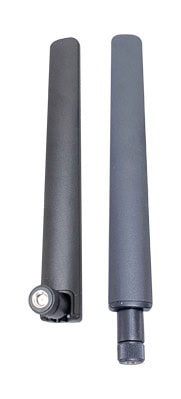
How does a Rubber Duck Antenna Work?
The rubber duck antenna, also known as a rubber ducky, is a type of antenna that is commonly used in portable radios and handheld devices. It is a short, flexible antenna that is typically made of rubber or a similar material.
The rubber duck antenna works by utilizing the principle of resonance. When an electrical signal is applied to the antenna, it creates an oscillating electric field around the antenna. This electric field then generates a corresponding magnetic field, which in turn generates a new electric field. This process continues, creating a wave of energy that radiates outwards from the antenna.
The rubber duck antenna is designed to be a quarter-wavelength long, which means that its length is one-fourth of the wavelength of the signal it is designed to transmit or receive. By being a quarter-wavelength long, the antenna is able to efficiently radiate and receive radio waves.
In addition to its length, the rubber duck antenna also has a helical structure. This helical structure acts as an inductor, which is a passive electronic component that stores energy in a magnetic field. By integrating the inductor directly into the antenna’s structure, the rubber duck antenna is able to transmit and receive radio waves more efficiently in a compact size.
Overall, the rubber duck antenna is a simple and effective antenna design that is commonly used in portable radios and handheld devices. Its compact size and efficient performance make it a popular choice for many applications.
What Frequency Ranges Do Rubber Duck Antennas Support?
Rubber duck antennas are remarkably versatile when it comes to frequency coverage. Typically, these antennas are designed to operate across a broad spectrum, ranging anywhere from as low as 100 MHz up to around 5.9 GHz. This wide frequency range means they can handle everything from VHF and UHF communications—often found in public safety and amateur radio—to Wi-Fi, LTE, and other modern wireless communication applications.
Whether you’re using a walkie-talkie at a local event or streaming data over a portable hotspot, chances are, a rubber duck antenna is efficiently managing transmission and reception across the necessary frequencies. This adaptability is one of the reasons why they remain a staple for so many portable wireless devices.
What Frequency Bands are Available for Rubber Duck Antennas?
One of the great advantages of rubber duck antennas is their wide range of frequency compatibility. You’ll find these antennas designed to operate across a broad spectrum, making them versatile for many types of wireless communication.
Some of the most common frequency bands include:
- VHF (Very High Frequency): Commonly around 100 MHz to 300 MHz—think public safety radios and aviation.
- UHF (Ultra High Frequency): Covering roughly 400 MHz to 900 MHz, popular for walkie-talkies, commercial two-way radios, and many handheld transceivers.
- Cellular and Wi-Fi Bands: Frequencies such as 1.7 GHz, 1.9 GHz, 2.1 GHz, and the ever-popular 2.4 GHz range, suitable for wireless networking and Bluetooth devices.
- Higher Frequencies: Modern communication needs have pushed designs into bands like 4.9 GHz, 5 GHz, and up to almost 6 GHz, perfect for dual-band and multi-band Wi-Fi routers or specialized equipment.
Some models are tailored for one specific frequency, while others are engineered to cover multiple bands (multi-band antennas), allowing seamless operation for users who need flexibility across different networks and applications.
So whether you’re tinkering with amateur radios, keeping in touch via public safety networks, or optimizing your Wi-Fi, there’s almost certainly a rubber duck antenna matched to your frequency requirements.
What Are the Different Physical Configurations of Rubber Duck Antennas?
Rubber duck antennas aren’t just flexible in terms of signal—they also come in several physical configurations, each tailored for specific device needs and user preferences. The three most common styles include:
- Swivel Base: These antennas feature a pivoting joint that allows you to adjust the orientation easily. Whether your device is clipped to your belt or stashed in a gear bag, a swivel design helps optimize signal reception by letting you point the antenna upright no matter how your device is positioned.
- Right Angle: With a built-in 90-degree bend at the connector, right angle antennas are perfect for devices mounted horizontally, such as in-vehicle radios or equipment racks. The perpendicular design keeps the antenna close to the device, reducing the risk of snagging or accidental bends during movement.
- Straight: The classic configuration, straight rubber duck antennas extend directly from the device without any bends or pivots. These are ideal for handheld radios and walkie-talkies where a straightforward, vertical setup is preferred for clear transmission and reception.
Choosing the right configuration can influence both usability and performance, ensuring the antenna works harmoniously with your chosen device.
What Types of Base Orientations Are Available for Rubber Duck Antennas?
When it comes to mounting options, rubber duck antennas offer a few different base orientations to fit various devices and setups. You’ll commonly find three main types:
- Straight Base – The classic, upright style, ideal when the device has plenty of vertical clearance and you want the antenna pointing straight up for maximum performance.
- Right-Angle Base – Perfect for tight spaces or devices worn on the belt, a right-angle orientation allows the antenna to extend outwards rather than straight up, reducing the risk of bending or breaking.
- Swivel Base – Offering the most flexibility, a swivel base lets you adjust the antenna’s angle to suit your environment or device placement, which can be handy for optimizing signal or simply for added convenience.
These orientation options add to the adaptability of rubber duck antennas, allowing them to fit seamlessly with a wide range of portable radios and communication gadgets.
What’s the Advantage of a Rubber Duck Antenna?
Its main advantage lies in its flexibility and durability, making it perfectly suited for handheld devices like walkie-talkies and portable radios.
Additionally, rubber duck antennas are omnidirectional, meaning they can receive and transmit signals in all directions. This makes them ideal for situations where the user may be moving around or in a location with varying signal strengths from different directions.
Rubber duck antennas are also compact and easy to attach and detach from devices. This makes them convenient for travel or when the antenna needs to be replaced or upgraded.
Furthermore, rubber duck antennas are typically less expensive compared to other types of antennas, such as telescopic or whip antennas. This makes them a cost-effective option for many applications.
Overall, the advantages of a rubber duck antenna include flexibility, durability, omni-directionality, compactness, ease of use, and affordability.
Are There IP67 Certified Rubber Duck Antennas?
Yes, some rubber duck antennas are available with IP67 certification. This means they’ve been rigorously tested to withstand dust, dirt, and even temporary immersion in water—perfect if you’re frequently outdoors or working in challenging environments where your gear might take a splash or two.
IP67 certified rubber duck antennas are popular choices for professionals in fields like emergency services, construction, or outdoor event management. Brands such as Motorola and Laird, for instance, offer models that meet these strict waterproof and dustproof standards.
So, if your adventures or job conditions call for extra durability, you can certainly find rubber duck antennas that are built to brave the elements right along with you.
What is the Gain of a Rubber Duck Antenna?
The gain of a rubber duck antenna can vary depending on the specific design and frequency range it is designed for. On average, a rubber duck antenna typically has a gain between 2 dBi (decibels isotropic) and 5 dBi. This means that the rubber duck antenna can focus and amplify the signal in a specific direction, providing a stronger signal in that direction compared to an isotropic radiator (which radiates equally in all directions). The gain of the rubber duck antenna significantly improves the performance of the devices it is attached to, allowing for better signal reception and transmission.

What is the Maximum Range of Rubber Duck Antennas?
The maximum range of a rubber duck antenna can vary depending on several factors, including the frequency it operates on, the power output of the device it is connected to, and the surrounding environment.
In general, rubber duck antennas are designed for short-range communication, typically up to a few meters or a dozen meters. This range can be extended slightly by using a higher power output device, such as a handheld radio with adjustable power levels.
However, it is important to note that rubber duck antennas are not designed for long-range communication. They are typically used for portable devices, such as walkie-talkies, that are meant to be used in close proximity to the user.
If you need longer range communication, it is recommended to use a larger, higher-gain antenna that is designed for that purpose. These antennas can be mounted on a vehicle or a fixed structure, and they can provide significantly greater range than a rubber duck antenna.
What is the Purpose of a Rubber Duck?
The purpose of a rubber duck antenna is to improve the reception and transmission of radio signals in devices such as walkie-talkies, radios, and wireless routers. It is a compact and efficient antenna design that is commonly used in portable electronic devices.
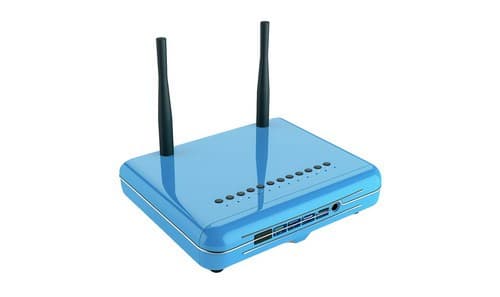
However, beyond its functional role, the rubber duck antenna also serves as a symbol of innovation in antenna design. Its unique shape and appearance, resembling a rubber duck, adds a touch of whimsy to an otherwise technical and practical device. This combination of practicality and playfulness represents the creative and innovative spirit of engineers and designers in finding practical solutions to technical challenges.
A rubber duck antenna is a type of omnidirectional antenna that is commonly used with portable handheld radios. It is called a “rubber duck” because of its flexible, rubbery construction that allows it to bend and flex without breaking.
The primary purpose of a rubber duck antenna is to transmit and receive radio signals. It is typically used in situations where portability and convenience are important, such as in handheld radios, walkie-talkies, and other small communication devices.
Rubber duck antennas are commonly used in various industries and applications, including:
1. Amateur Radio: Rubber duck antennas are popular among amateur radio operators (also known as “ham” radio operators) for their portability and ease of use.
2. Public Safety and Emergency Services: Rubber duck antennas are often used by police, fire, and other emergency services personnel who need a compact and portable antenna for their handheld radios.
3. Military and Defense: Rubber duck antennas are used by military personnel for communication in the field. They are also used in military-grade radios and other communication devices.
4. Aviation: Rubber duck antennas are used in aviation handheld radios for communication between pilots and air traffic control.
5. Consumer Electronics: Rubber duck antennas are commonly used in consumer electronics devices such as cordless phones, baby monitors, and wireless microphones.
6. Wireless Networks: Rubber duck antennas are sometimes used in wireless routers and access points to provide wireless connectivity to devices within a limited range.
Overall, the rubber duck antenna is a versatile and widely used antenna that is popular for its portability and ease of use in various communication systems.
Can Rubber Duck Antennas Be Custom Designed?
Absolutely! One of the great advantages of rubber duck antennas is their adaptability to specific needs. Many manufacturers, as well as radio enthusiasts, offer or create custom design options to suit different applications and preferences.
Customizable features can include:
- Frequency Range: Tailored to work optimally at specific frequencies, whether for VHF, UHF, or other bands.
- Length and Flexibility: Antennas can be crafted in various lengths and levels of flexibility, allowing for more compact designs or enhanced durability.
- Connector Types: Depending on your device—be it a classic Baofeng handheld radio or a Motorola two-way—antennas can be fitted with different connectors to ensure compatibility.
- Aesthetic Choices: Some custom designs go beyond function, with options for colors, textures, or even shapes, appealing to users who prefer their gear to stand out or blend in.
- Environmental Resistance: For use in harsh settings, custom antennas can come with added weatherproofing or ruggedized materials.
In short, whether you’re an amateur radio operator looking to optimize range, a first responder needing unobtrusive equipment, or simply someone who likes a dash of personality in their gear, there’s likely a custom solution out there. Many users even enjoy building or modifying their own antennas to fine-tune performance or simply for the challenge.
This flexibility ensures the rubber duck antenna remains a favorite across various industries and hobbies, meeting the specific demands of both casual users and professionals.
Connector and Cable Options for Rubber Duck Antennas
When it comes to connecting a rubber duck antenna to your device, you’ll find a range of choices to match different setups and user preferences. The base of the antenna is available in several styles—straight, right-angle, or swivel—each offering varying degrees of flexibility and convenience, depending on how you plan to mount or carry your device.
As for how the antenna attaches, common connector types include SMA, BNC, TNC, and N-type, enabling compatibility with a wide variety of radios, routers, and communication equipment. If you need extra reach or a particular installation setup, some rubber duck antennas include integrated cables—sometimes referred to as “flying leads.” For those preferring a fixed installation, you might encounter bulkhead mounts or magnet bases for a sturdy, permanent setup, whether on a desk, vehicle roof, or workstation.
In summary, whether you want a detachable antenna with a standard connector or a model equipped with a cable and mounting hardware, the options are plentiful—there’s usually a connector and mounting type to suit just about every application and environment, from handheld radios in the field to office routers on your desk.
What Mounting Options Are Available for Rubber Duck Antennas?
Rubber duck antennas can be mounted in several ways to suit different devices and use cases. Some common mounting options include:
- Connector Mount: This is the classic method, where the antenna attaches directly to the radio or device using a connector such as an SMA, BNC, or TNC fitting. It’s a quick and reliable way to secure the antenna, perfect for handheld devices.
- Desktop Standalone Mount: If you need your antenna to stay in one place—like on a desk or workstation—a freestanding desktop mount provides a stable base without needing to attach the antenna to a radio directly.
- Magnetic Mount: For mounting on metal surfaces (think car roofs or filing cabinets), a magnetic base offers a secure, temporary solution that can be repositioned with ease.
- Bulkhead Mount With Integrated Cable: This option lets you pass a cable through a panel (like a vehicle roof or equipment enclosure) while keeping the antenna securely fixed in place. Bulkhead mounts are ideal for permanent or semi-permanent installations.
With these flexible mounting options, it’s easy to configure your rubber duck antenna setup for optimal performance, whether you’re operating from a backpack, a vehicle, or your home office.
To summarize, the rubber duck antenna is not just a regular antenna, but an example of creative engineering that improves our everyday communication. Learning about this antenna can provide valuable knowledge and insights for tech enthusiasts, hackers, and anyone interested in technology.
 English
  Spanish
  German
  French (France)
  Korean
  Russian
  Indonesian
  French (Canada)
  Vietnamese
  Armenian
  Albanian
  Assamese
  Acehnese
  Amharic
  Czech
Czech  Bulgarian
  Cebuano
  Malayalam
  German (Switzerland)
  Japanese
  Dutch
Dutch