 Skip to content
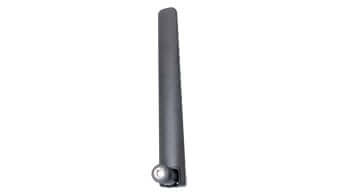
In the rapidly evolving world of wireless technology, WiFi 7 stands as the latest frontier, promising unprecedented speed and connectivity. But what powers this next-generation wireless experience? At the heart of this innovation lies the WiFi 7 antenna, a pivotal component that is set to redefine broadband access applications.
A WiFi 7 antenna is a cutting-edge component designed for the latest generation of wireless networks, capable of operating across expanded frequency bands: 2.4-2.5GHz, 4.9-5.85GHz, and 5.925-7.125GHz. This allows it to support incredibly high-speed data transmission and robust connectivity. WiFi 7 antennas come in both directional and omni-directional types, catering to a wide range of applications from enhancing personal device connectivity to optimizing commercial network infrastructures.
But how exactly does this technology work, and what advantages does it bring to our interconnected world?
What is Wi-Fi 7?
Wi-Fi 7, also known as IEEE 802.11be, represents the latest evolution in wireless networking standards, building on the advancements of Wi-Fi 6E. This new standard expands the theoretical maximum link rate to a staggering 46,120 Mbit/s and supports all three frequency bands introduced in Wi-Fi 6E: 2.4 GHz, 5 GHz, and the newly opened 6 GHz spectrum. Importantly, Wi-Fi 7 is backwards compatible with previous generations—including Wi-Fi 5, Wi-Fi 6, and Wi-Fi 6E—ensuring seamless connectivity for both new and legacy devices.
How does the WiFi 7 antenna work?
The WiFi 7 antenna works by receiving and transmitting radio waves in the frequency range specified for WiFi communication. It consists of multiple elements or branches that are carefully designed to radiate and receive electromagnetic waves efficiently.
The antenna receives the radio waves carrying data from the WiFi router or access point. It converts these radio waves into electrical signals that can be processed by the WiFi device. Similarly, when the WiFi device wants to transmit data, the antenna converts the electrical signals into radio waves and sends them out into the air.
WiFi 7 antennas are designed to support a wide range of frequencies, including the new 6 GHz band that is introduced in WiFi 6E and WiFi 7. This allows for more available channels and less interference from other devices.
Furthermore, WiFi 7 antennas can support increased channel bandwidth, which means they can transmit and receive more data simultaneously. They also use more efficient data encoding techniques, such as quadrature amplitude modulation (QAM), to pack more data into each transmission. These advancements result in significantly higher data rates and improved network performance.
Overall, WiFi 7 antennas enable faster and more reliable wireless communication by leveraging advanced technologies and supporting a wider range of frequencies.
What are the benefits of WiFi 7 antenna?
The benefits of WiFi 7 antenna include:
1. Faster speeds: WiFi 7, also known as 802.11be, is capable of delivering speeds up to 30 Gbps, which is significantly faster than previous WiFi standards. This allows for quicker downloads, seamless streaming, and better overall performance.
2. Increased capacity: WiFi 7 uses advanced technologies like MU-MIMO (Multi-User, Multiple-Input, Multiple-Output) and OFDMA (Orthogonal Frequency Division Multiple Access) to support more simultaneous connections. This means that more devices can connect to the network without experiencing a significant drop in performance.
3. Lower latency: WiFi 7 reduces latency and provides a more responsive connection. This is particularly beneficial for applications like online gaming, video conferencing, and real-time streaming, where low latency is crucial for a smooth experience.
4. Improved reliability: WiFi 7 utilizes advanced beamforming techniques, allowing the antenna to focus the signal directly towards the connected devices. This helps to minimize interference and improve the reliability of the connection, even in crowded environments.
5. Better energy efficiency: WiFi 7 introduces features like Target Wake Time (TWT), which enables devices to schedule their wake-up times and conserve battery life. This is especially useful for battery-powered devices like smartphones, tablets, and IoT devices.
6. Backward compatibility: While WiFi 7 is a new standard, it is designed to be backward compatible with previous WiFi standards. This means that devices supporting older WiFi standards can still connect to a WiFi 7 network, although they will not benefit from the full capabilities of WiFi 7.
Overall, WiFi 7 antennas provide faster speeds, increased capacity, lower latency, improved reliability, better energy efficiency, and backward compatibility, making them a significant upgrade over previous WiFi standards.
With support for all three major frequency bands and a dramatic increase in theoretical throughput, WiFi 7 antennas are set to transform both home and enterprise wireless connectivity for years to come.
WiFi 7 Antenna Frequency
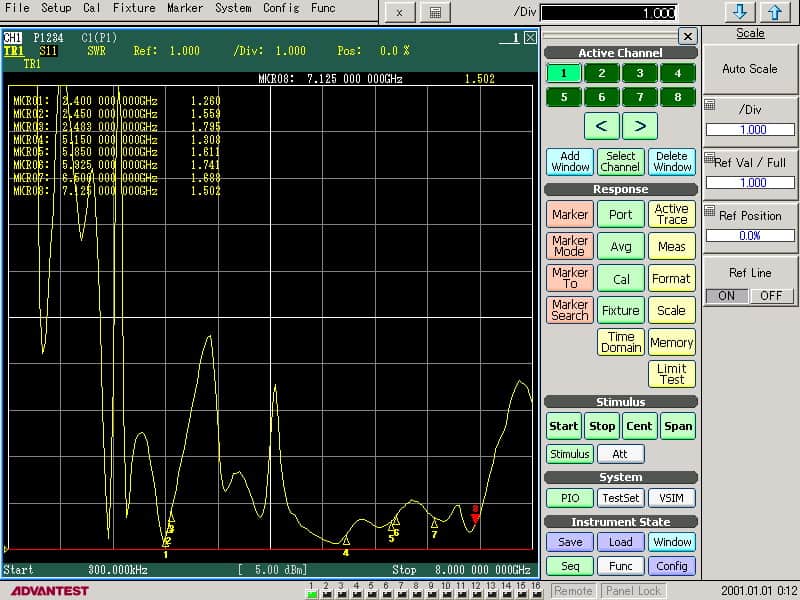
WiFi 7 antennas operate across two frequency bands: the 2.4-2.5 GHz band , 4.9-5.85GHz band and the 5.925-7.125 GHz band. These frequencies are important because they support the high data demands of modern wireless communication. By using these frequencies, WiFi 7 antennas can offer better performance and coverage. Additionally, these frequencies provide more flexibility and efficiency in designing wireless networks.
WiFi 7 Antenna Types
There are various types of WiFi 7 antennas, each suited to different networking needs. From omnidirectional antennas offering wide coverage for general use, to more focused sector antennas for high-density environments, the diversity of antenna types ensures that WiFi 7 can be tailored to any scenario.
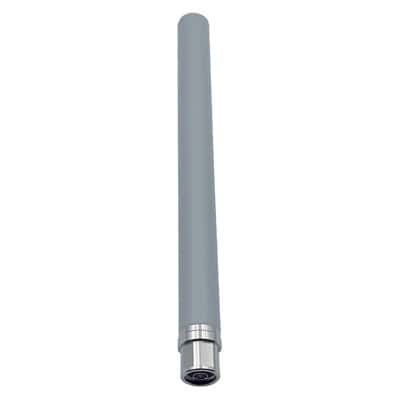
1. Omni-Directional Antennas: These antennas radiate and receive signals in all directions, providing a 360-degree coverage pattern. They are commonly used in homes, offices, and small businesses to provide WiFi coverage in all directions from the antenna.
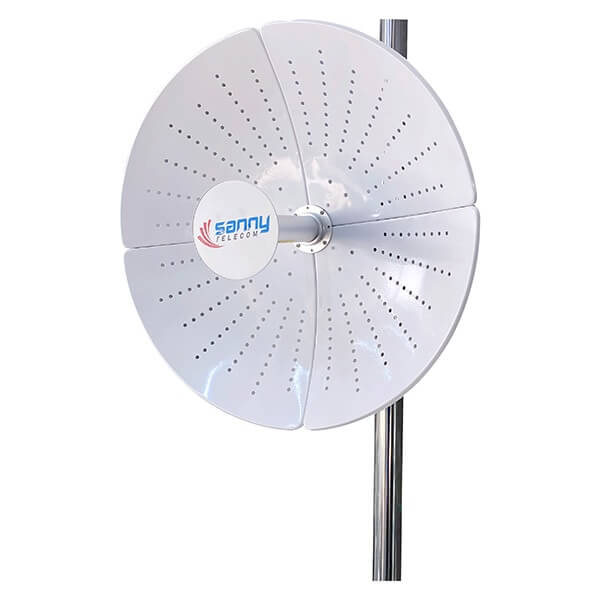
2. Parabolic Dish Antennas: These antennas use a parabolic reflector to focus the WiFi signal in a specific direction. They have extremely high gain(up to 40dBi) and are often used for long-range point-to-point connections(up to 50km). They are commonly used in outdoor WiFi networks, such as in large campuses or for connecting buildings wirelessly.
3. Patch Antennas: These antennas are flat and compact, typically square or rectangular in shape. They have a relatively low gain and are used for short-range WiFi connections. Patch antennas are commonly found in devices like routers, access points, and WiFi cards in laptops.
4. Panel Antennas: These antennas are similar to patch antennas but larger in size. They have a higher gain and are commonly used for both indoor and outdoor WiFi deployments. Panel antennas are often mounted on walls or ceilings to provide WiFi coverage in a specific direction.
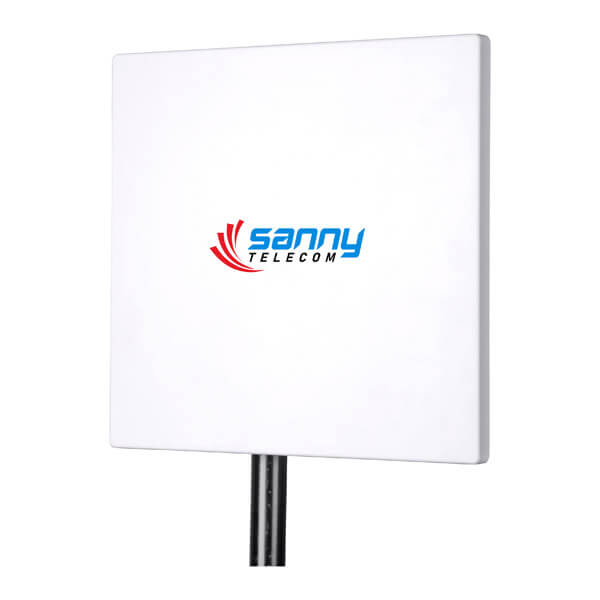
5. Rubber Duck Antennas: These antennas are short and stubby, with a flexible rubber coating. They have a low gain and are commonly used in devices like routers, access points, and WiFi cards. Rubber duck antennas are omni-directional and are typically found in portable or handheld devices.
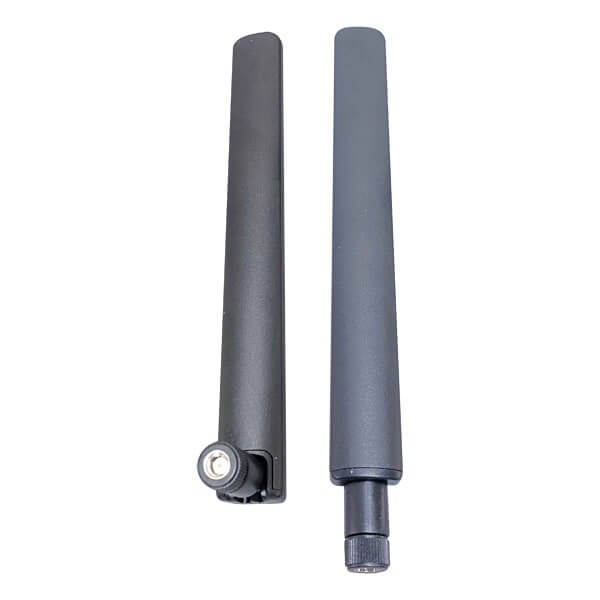
6. Sector Antennas: These antennas have a sector-shaped coverage pattern, providing WiFi coverage in a specific direction. They feature high gain (up to 21dBi)and wide beamwidth in 65 degrees, 90 degrees and 120 degrees for wide area coverage.They are commonly used in outdoor WiFi networks, such as in stadiums, airports, or large public areas. Sector antennas are often mounted on poles or towers to cover a specific area.
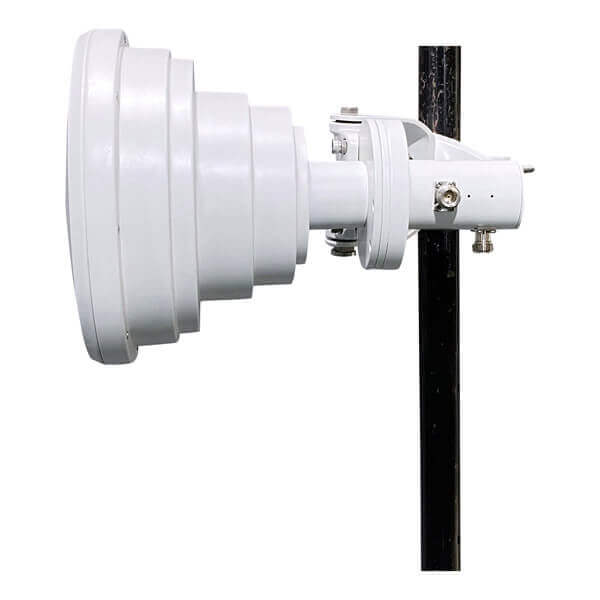
7. Symmetrical Horn Antennas: These antennas have a unique shape that resembles a horn. They provide a wide-angle coverage pattern and are commonly used for point-to-multipoint WiFi connections. Symmetrical horn antennas are often used in outdoor high-density WiFi deployments to cover a large area.
Engineering Challenges for Smart Health Device and IoT Antennas
Building antennas for smart health devices and IoT connectivity isn’t just a matter of getting a signal—there’s a whole checklist of engineering challenges lurking beneath that sleek exterior.
Miniaturization Matters
First up: size. Smart health devices often need to be as small, lightweight, and comfortable as possible—think of wearables like the Apple Watch or fitness trackers from Fitbit. Designing an antenna that fits inside these tiny gadgets, yet still delivers reliable connectivity, is no small feat. Compact designs bring their own hurdles, sometimes limiting range or making signal interference more likely.
Component Integration
Packing more features into tinier spaces usually means squeezing antennas alongside processors, batteries, and sensors. Ensuring all these components play nicely together—without causing signal loss or performance drops—takes careful, thoughtful integration and shielding.
Material Choices & Durability
Health devices often end up close to the skin, so the materials need to be biocompatible, flexible, and durable. Engineers must select materials that don’t degrade over time or disrupt the wireless signal. Add in sweat, movement, and the occasional accidental dunk in water, and suddenly the durability challenge gets even steeper.
Maintaining Signal in Dynamic Environments
Unlike stationary routers, wearable and IoT antennas need to work reliably during a jog in Central Park, a tumble down the sleeve, or a stroll through a crowded hospital. Ensuring robust performance in ever-changing, RF-challenging environments—under clothing or near other electronics—means constant adaptation and clever antenna design.
These obstacles illustrate why developing antennas for smart health and IoT devices demands both creativity and technical skill. When done right, the end result is seamless connectivity packed into some of the smallest, most innovative tech on the market.
Wireless and IoT Antenna Categories
When it comes to wireless and IoT applications, antennas are designed to cater to numerous standards and connectivity needs. Here’s a look at the common categories you’ll encounter:
- Bluetooth Antennas: Specifically engineered for short-range communications, Bluetooth antennas excel in personal area networks and are embedded in everything from headphones to smart home devices.
- WiFi Antennas: These cater to all modern WiFi standards, including the latest WiFi 7, and can be found in access points, routers, laptops, and IoT gateways.
- Cellular Antennas: Supporting networks such as 4G, LTE, and 5G, these antennas enable long-range connectivity for devices like smart meters, connected vehicles, and industrial IoT setups.
- Zigbee and LoRa Antennas: Used primarily for low-power, long-range IoT applications, such as smart agriculture or building automation.
- GPS/GNSS Antennas: Essential for devices requiring precise location tracking—commonly found in fleet management, drones, and wearable tech.
- NFC/RFID Antennas: These short-range communication antennas are often used for secure payments, inventory tracking, and access control.
This broad spectrum of antenna types ensures reliable wireless performance for virtually any IoT application.
Top 5 Best WiFi 7 Routers
The models of the best Wi-Fi 7 routers of 2024 as listed in the Tom’s Guide article are:
1. Netgear Orbi RBE973 – Best overall Wi-Fi 7 router, noted for its fantastic performance in a premium package, with speeds over 2 Gbps at close distances.
2. TP-Link Deco BE85 – Best Wi-Fi 7 router for fiber, providing excellent Wi-Fi 7 performance and compatibility for fiber internet, with speeds of 1.7 Gbps at close distances.
3. TP-Link Archer BE800 – Best value Wi-Fi 7 router, offering great performance in a unique form factor with a 3-inch LED dot display, and speeds of 1.8 Gbps at close distances.
4. Netgear Nighthawk RS700S – Best Wi-Fi 7 router for mid-range, delivering good speeds and excelling at mid-range distances, with a maximum speed of 1.7 Gbps up close.
5. Eero Max 7 – Best Wi-Fi 7 router for simplicity, an easy-to-use mesh router in a new form factor for eero, offering good performance with a maximum speed of 1.78 Gbps at a close distance.
Top 4 WiFi 7 Access Points
In commercial and public spaces, WiFi 7 access points equipped with these advanced antennas offer unparalleled network coverage and capacity. Whether it’s a busy office or a crowded event space, WiFi 7 access points ensure that users enjoy consistent, high-speed internet access.
EnGenius Cloud Managed ECW536
The EnGenius ECW536 stands at the forefront of WiFi 7 AP technology, distinguished by its tri-band capabilities and cloud management. This AP is a beacon for businesses demanding high-speed, reliable connectivity with the convenience of remote management and monitoring.
RUCKUS R770: Pioneering WiFi 7 Technology
RUCKUS’s R770 is a testament to the potential of WiFi 7, designed to meet the challenges of high-density environments with exceptional performance and reliability. It showcases the capability of WiFi 7 to support enterprise-level demands, ensuring seamless connectivity under any condition.
TP-LINK Omada EAP770
The Omada EAP770, TP-Link’s flagship WiFi 7 AP, exemplifies cutting-edge technology with its superior throughput and robust performance capabilities. Designed for both business and advanced home networks, it promises an unparalleled wireless experience, emphasizing speed, reliability, and user-friendly management.
Ubiquiti Access Point U7 Pro
Ubiquiti’s U7 Pro enters the WiFi 7 scene as a powerhouse, engineered for peak performance in extensive networks. It’s particularly noted for its sleek design, powerful range, and the ability to handle numerous devices simultaneously without compromising speed or stability.
Overall, WiFi 7 antennas represent a major advancement in wireless technology, providing the opportunity for quicker and more dependable internet connections. The state-of-the-art design and advanced frequency capabilities of WiFi 7 antennas make them likely to become a fundamental aspect of contemporary networking, ensuring an improved digital experience for people all over the globe.
Further Resources to Explore WiFi Evolution and IoT Antenna Design
For those eager to dive deeper into the world of WiFi technology and the intricacies of IoT antenna design, there’s a wealth of accessible resources to guide your learning. Whether you’re an industry professional or a curious enthusiast, these options will help you understand the rapid progression of wireless networking.
Educational Videos on WiFi Innovation
- Explore the history, growth, and technical leaps from the early days of WiFi to the latest advancements—including WiFi 6E and WiFi 7—through video tutorials and expert talks. Platforms like YouTube and Coursera often feature content from reputable organizations such as the IEEE and Wi-Fi Alliance, covering topics like WiFi spectrum changes, antenna technology, and the impact of new standards.
Guides and Quick Reference Materials
- Comprehensive PDFs and quick reference guides are available through tech forums, online libraries, and manufacturers’ resource centers (think: Cisco, Aruba, Ubiquiti, and even academic websites). These materials provide both foundational explanations and detailed insights into IoT antenna design, selection, and integration.
- For hands-on learning, look for design guides that walk through the best practices for selecting and configuring antennas in IoT applications, ensuring optimal network performance in complex environments.
Technical Whitepapers and Solution Briefs
- Dive into in-depth whitepapers focusing on emerging trends and solutions for the Internet of Things. These are invaluable for understanding real-world applications, challenges in dense deployments, and strategies for maximizing coverage and capacity.
Getting Started
- Seek out discussion boards and industry blogs for practical advice and community-driven insights—Reddit’s networking threads and Stack Exchange are excellent for real-world tips and troubleshooting.
- Don’t overlook free webinars and online events hosted by networking experts and leading technology brands, which frequently cover the latest in WiFi development and antenna innovations.
With these resources at your fingertips, staying ahead of the trends in WiFi and IoT antenna technology has never been easier. Expand your knowledge, boost your project’s success, and confidently navigate the evolving wireless landscape.
 English
  Spanish
  German
  French (France)
  Korean
  Russian
  Indonesian
  French (Canada)
  Vietnamese
  Armenian
  Albanian
  Assamese
  Acehnese
  Amharic
  Czech
Czech  Bulgarian
  Cebuano
  Malayalam
  German (Switzerland)
  Japanese
  Dutch
Dutch