 Skip to content
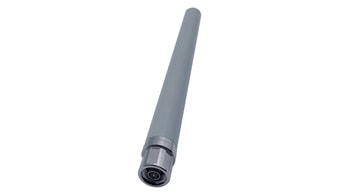
The Internet of Things (IoT) connects devices worldwide, creating smarter homes, cities, and industries. However, a key component enabling these connections is often overlooked: the IoT antenna. Understanding what an IoT antenna is and how it functions is essential for leveraging IoT technology effectively.
An IoT antenna is a device that enables IoT devices to communicate wirelessly by transmitting and receiving radio waves. It converts electrical signals into radio waves and vice versa, allowing IoT devices to connect to various communication networks without physical wiring.
IoT antennas come in many forms and operate at different frequencies, tailored to specific applications and environments. Choosing the right IoT antenna is crucial for optimal performance.
What is the frequency of IoT antennas?
IoT antennas operate across a broad spectrum of frequencies, each suited to different applications. Common frequencies include 433 MHz, 868 MHz, and 915 MHz for long-range, low-power communications, and higher frequencies like 2.4 GHz and 5 GHz for higher data rates but shorter ranges.
Some factors to consider when selecting the frequency for an IoT antenna include:
1. Range: Lower frequencies generally have a longer range than higher frequencies. If the IoT device needs to communicate over a long distance, a lower frequency antenna may be more suitable.
2. Data Rate: Higher frequencies generally support higher data rates than lower frequencies. If the IoT application requires fast data transfer, a higher frequency antenna may be more appropriate.
3. Power Consumption: Lower frequencies generally require less power to transmit over a given distance compared to higher frequencies. If the IoT device is battery-powered and power consumption is a concern, a lower frequency antenna may be preferred. In addition, the efficiency of the antenna itself plays a significant role in battery life—an efficient antenna helps minimize retransmissions, reducing energy usage and extending operational time for your IoT device.
4. Interference: Higher frequencies are more prone to interference from other devices and obstacles like walls and buildings. If the IoT device will be used in a congested environment or indoors, a lower frequency antenna may be more reliable.
5. Regulations: Different countries and regions have different regulations regarding the use of specific frequencies. It is important to ensure that the selected frequency is allowed in the intended deployment location.
6. Antenna Size: The size of the antenna is inversely proportional to the frequency. Higher frequency antennas are typically smaller in size, which can be advantageous for small IoT devices with limited space for the antenna.
Ultimately, the selection of the frequency for an IoT antenna depends on the specific requirements and constraints of the IoT application.
What are LPWAN antennas and where are they most effectively used?
LPWAN (Low Power Wide Area Network) antennas are designed specifically for IoT applications that require devices to communicate over long distances while consuming minimal energy. These antennas support technologies such as LoRa, Sigfox, and NB-IoT, each tailored for connectivity solutions where battery longevity and coverage are more important than high data rates.
LPWAN antennas are particularly effective in situations where:
- Devices need to send small amounts of data infrequently over several kilometers.
- Power supply is limited or battery life is a primary concern.
- Infrastructure costs must be minimized by reducing the number of gateways or repeaters.
Typical use cases for LPWAN antennas include smart metering (water, gas, or electricity), environmental monitoring in agriculture (soil sensors, weather stations), asset tracking, and industrial automation in remote areas. Their extended range and efficient power usage make them an excellent choice for connecting IoT devices in cities, rural landscapes, and even hard-to-reach industrial locations.
The Role of 5G in IoT Antenna Technology and Applications
5G technology is revolutionizing the capabilities of IoT antennas, bringing significant advancements in both speed and reliability. IoT antennas designed for 5G can support extremely high data rates and ultra-low latency, making them well-suited for next-generation applications that demand fast and dependable communication.
With 5G, IoT antennas can effectively handle massive numbers of connected devices, providing seamless connectivity in environments such as smart cities, industrial automation, autonomous vehicles, and telemedicine. For example:
- Smart factories benefit from real-time monitoring and control of machinery, improving efficiency and safety.
- Autonomous vehicles require rapid data exchange with surrounding infrastructure to enable safe navigation.
- Healthcare and telemedicine leverage 5G-enabled antennas for remote diagnostics and monitoring, requiring minimal delay.
By supporting a wider frequency range and more robust connections, 5G-equipped IoT antennas open the door to innovative applications that were previously limited by bandwidth and latency constraints. These advancements are paving the way for a more connected, responsive, and intelligent world.
Can IoT antennas support multiple wireless networks simultaneously?
Yes, many IoT antennas are designed to operate across multiple wireless networks at the same time. These are known as multi-band antennas. With support for technologies like Wi-Fi, cellular (such as LTE or 5G), Bluetooth, and even Zigbee or LoRa, a multi-band antenna enables a single IoT device to stay connected on different networks as needed.
This is particularly useful for devices that require both local connectivity (like Bluetooth or Wi-Fi for close-range communication) and wide-area coverage (like cellular networks for remote monitoring). When choosing a multi-band antenna, consider the specific network combinations your device requires and make sure the antenna covers the necessary frequency bands for seamless operation.
What is an IoT antenna used for?
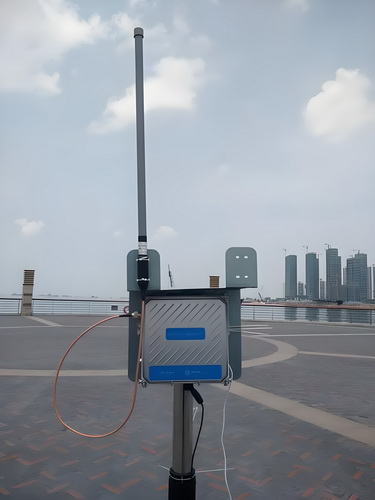
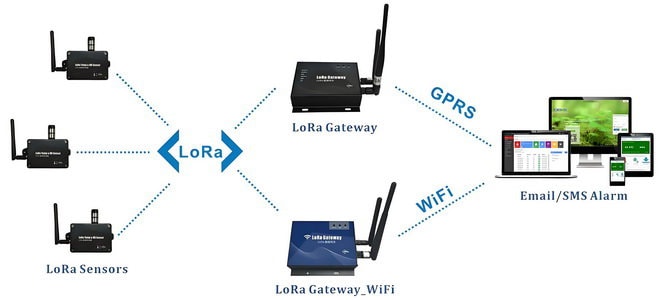
An IoT antenna is used to transmit and receive data wirelessly between IoT devices and the internet. It is used to establish a connection between the IoT device and the network or gateway, allowing for communication and data transfer.
How does an IoT antenna work?
An IoT antenna works by transmitting and receiving electromagnetic waves. It is designed to efficiently radiate and capture these waves in order to establish wireless communication between IoT devices.
The antenna is connected to a transceiver, which converts electrical signals into radio waves for transmission and vice versa for reception. When transmitting, the transceiver sends electrical signals to the antenna, which converts them into radio waves and radiates them into the surrounding space.
When receiving, the antenna captures the radio waves from the environment and converts them into electrical signals, which are then sent to the transceiver for further processing. The transceiver decodes these signals to extract the information being transmitted by other IoT devices.
The performance of an IoT antenna is determined by various factors, such as its design, size, shape, and placement. These factors affect the antenna’s ability to radiate and capture electromagnetic waves efficiently, as well as its range and signal quality.
What are the benefits of IoT antennas?
There are several benefits of IoT antennas, including:
1. Increased range: IoT antennas are designed to provide a longer range of coverage, allowing devices to communicate with each other over greater distances. This is particularly important in large-scale IoT deployments where devices may be spread out over a wide area.
2. Improved signal strength: IoT antennas are designed to provide a stronger signal, ensuring that devices can communicate with each other even in areas with weak signal strength. This is particularly important in environments with obstacles like walls or buildings that can weaken the signal.
Overcoming Signal Interference
In many real-world settings—especially dense urban areas or industrial environments—IoT devices often face challenges from electromagnetic interference (EMI) and physical barriers such as walls, heavy machinery, or other infrastructure. Well-designed IoT antennas help to combat these issues through features like smart design, shielding, and directional tuning. By minimizing interference and optimizing signal direction, these antennas make reliable connectivity possible even in challenging conditions.
3. Better signal quality: IoT antennas are designed to provide a higher quality signal, reducing the chances of data loss or interference. This is particularly important in critical IoT applications where data accuracy is crucial.
4. Enhanced reliability: IoT antennas are designed to be more reliable, ensuring that devices can communicate with each other consistently and without interruption. This is particularly important in mission-critical IoT applications where any downtime can have serious consequences.
Role in Mission-Critical Applications
Industries such as healthcare, transportation, and industrial automation rely heavily on uninterrupted communication. In these mission-critical scenarios, even short periods of downtime can have significant impacts. IoT antennas play a vital role in maintaining stable, continuous data transmission, ensuring operations run smoothly and securely even in high-interference zones.
5. Increased flexibility: IoT antennas come in a variety of form factors and designs, allowing them to be easily integrated into different IoT devices and applications. This makes it easier for manufacturers to incorporate IoT connectivity into their products.
6. Cost savings: IoT antennas can help reduce costs by eliminating the need for additional infrastructure, such as repeaters or signal boosters, to extend the range or improve the signal quality. This is particularly important in large-scale IoT deployments where the cost of additional infrastructure can quickly add up.
Overall, IoT antennas play a crucial role in ensuring reliable and efficient communication between IoT devices, enabling the full potential of the IoT to be realized.
What is the range of an IoT antenna?
The range of an IoT antenna can vary depending on several factors, including the type of antenna, the frequency it operates on, the power output of the device it is connected to, and the environment in which it is used. In general, the range of an IoT antenna can be anywhere from a few meters to several kilometers.
What is an IoT antenna example?
One example of an IoT antenna is the PCB antenna. These antennas are commonly used in small devices such as wearables and smart sensors. They are cost-effective and space-efficient because they are etched onto the circuit board of the device.
PCB antennas are especially popular in devices where space is at a premium, like smart home gadgets, fitness trackers, and compact IoT sensors. Their compact design makes them easy to integrate directly into printed circuit board layouts, helping manufacturers keep devices small and lightweight. However, it’s important to note that the performance of PCB antennas can sometimes be affected by nearby electronic components or the layout of the board itself. Despite these limitations, their affordability and seamless integration make PCB antennas a go-to choice for many modern IoT applications.
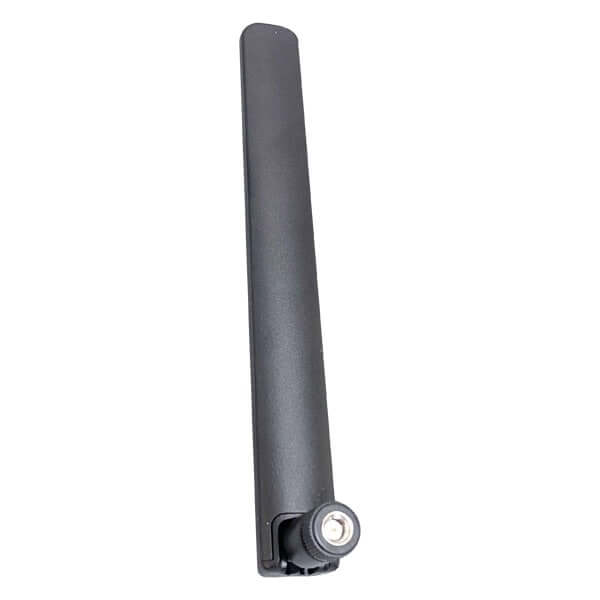
Another example is the external whip antenna. These antennas are often used in industrial applications where a strong and dependable connection is important.

Which Antenna Types Are Commonly Used for the IoT?
There are several types of antennas commonly used for the IoT, including:
1. Dipole Antennas: These are simple, wire-based antennas that are easy to construct and install. They are omni-directional, meaning they radiate and receive signals in all directions.
2. Omni-directional Antennas: Omni-directional antennas are designed to provide a 360-degree coverage pattern, allowing for signal transmission and reception in all directions. Omni-directional antennas are typically used in scenarios where the location of the devices is not fixed or known in advance. For example, in a smart home or office environment, where IoT devices may be scattered throughout the space, an omni-directional antenna can ensure that all devices are able to connect to the network regardless of their location.
3. Patch Antennas: These antennas are flat and compact, making them suitable for small IoT devices. They are typically used for short-range communication.
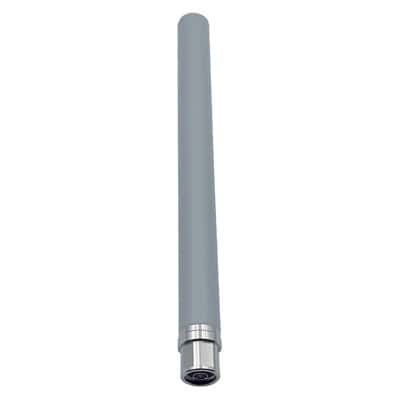
4. Whip Antennas: Also known as rubber duck antennas, whip antennas are flexible and omnidirectional. They are commonly used in wireless routers and access points.
5. Chip Antennas: These antennas are small and compact, making them suitable for integration into IoT devices. They are commonly used in applications such as wearables and smart home devices.
6. PCB Antennas: These antennas are printed directly onto the circuit board of the IoT device, eliminating the need for a separate antenna component. They are cost-effective and can be customized to fit specific design requirements.
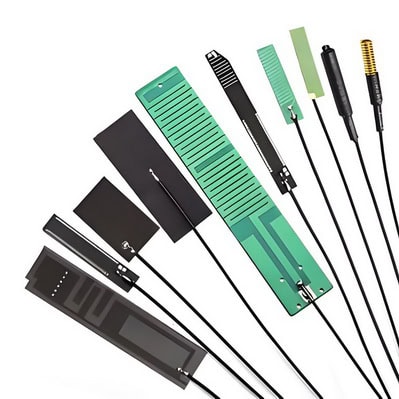
7. Ceramic Antennas: Ceramic antennas are compact and offer good performance in a small form factor. They are commonly used in smartphones and other portable IoT devices.
8. External Antennas: In some cases, IoT devices may use an external antenna that is connected to the device via a cable. This allows for greater flexibility in antenna placement and can improve signal strength and range.
Additional Common IoT Antenna Types and Their Applications
- Monopole Antennas: These require a metallic ground plane for efficient operation and are often found in outdoor applications such as weather stations, agricultural monitoring systems, or environmental sensors. Their simple design and broad compatibility make them a go-to choice for robust, long-range deployments.
- Chip Antennas: Particularly well-suited for ultra-compact devices, these tiny ceramic antennas are lightweight and easy to mount. You’ll often find them in medical IoT products, fitness trackers, and other portable health gadgets where space is at a premium.
- Patch Antennas: Thanks to their directional capabilities, patch antennas provide focused signal transmission, making them ideal for targeted communication. Industries rely on them for GPS trackers, drones, and vehicle-to-vehicle communication, where precise signal direction is required.
- Whip Antennas: Frequently used in agriculture (for smart irrigation and livestock tracking), smart cities (streetlights, traffic sensors), and remote industrial facilities, whip antennas offer strong omnidirectional coverage and robust performance in challenging outdoor environments.
Each antenna type offers unique benefits depending on the application. For instance, PCB and chip antennas are favored for compact devices like wearables and smart home sensors due to their small size and ease of integration. On the other hand, whip and monopole antennas are better suited for outdoor or industrial environments where reliable, long-range communication is essential.
Ultimately, selecting the right IoT antenna depends on factors such as device size, required range, environment, and the specific use case—whether it’s tracking a fleet of delivery vehicles, monitoring crops in a remote field, or connecting health sensors in a hospital.
What are the latest innovations in IoT antenna technology?
The world of IoT antennas is evolving fast, driven by the need for faster speeds, broader coverage, and smarter connectivity. Here are some of the latest breakthroughs making waves in the industry:
5G-Enabled Antennas:
With the global rollout of 5G, antennas specifically designed for ultra-fast, ultra-reliable connections are now a staple in cutting-edge IoT deployments. These antennas excel in applications like autonomous vehicles, connected industrial machinery, and remote healthcare, where low latency and high bandwidth are non-negotiable.
Multi-Band and Hybrid Antennas:
The days of a separate antenna for each protocol are numbered. Multi-band antennas can support multiple networks—think Wi-Fi®, Bluetooth®, and traditional cellular—all at once. This not only streamlines device design but also enhances overall efficiency by reducing the need for multiple hardware components.
LPWAN-Focused Antennas:
Antennas tailored for Low Power Wide Area Networks (LPWAN) such as LoRa, Sigfox, and NB-IoT are becoming increasingly popular. These designs are optimized for maximizing range while drawing minimal power, making them ideal for sensor nodes in smart agriculture, utility metering, and environmental monitoring.
Smart and Adaptive Antennas:
Taking a page from the AI playbook, adaptive antennas can now analyze network conditions and automatically fine-tune their transmission patterns. Using techniques like beamforming, they can direct signals where they’re needed most, helping maintain robust connections even as devices move or as interference changes.
These advancements are reshaping what’s possible with IoT—enabling networks that are not just faster and more reliable, but also smarter and more efficient.
What are Monopole Antennas, and When Should You Use Them?
Monopole antennas are another popular choice in the world of IoT connectivity. Unlike dipole antennas, a monopole antenna consists of a single conductor mounted over a metallic ground plane, which plays a crucial role in its operation. The ground plane serves as a reflective surface to boost the antenna’s efficiency and performance.
Where Monopole Antennas Excel:
- Outdoor installations: Because they require a ground plane, monopole antennas are often found in environments where a metallic surface is readily available or easy to add.
- Weather stations: Their simple construction and effective radiation pattern make them suitable for outdoor weather monitoring equipment.
- Agricultural systems: They’re commonly used in smart farming and remote sensing applications.
- IoT sensors in the field: Any IoT device that needs dependable communication in an open area, such as environmental sensors or remote asset trackers, can benefit from a monopole antenna design.
When choosing a monopole antenna, ensure your IoT device can accommodate or be mounted near a metallic ground plane—this is essential for optimal signal quality. Monopole antennas provide a reliable, cost-effective solution when these deployment requirements can be met.
How to choose the right IoT antenna?
Choosing the right IoT antenna is important for ensuring optimal performance and range for your IoT device. Here are some factors to consider when choosing the right IoT antenna:
1. Frequency: Determine the frequency band that your IoT device operates on. Common frequency bands for IoT devices include 2.4 GHz, 5 GHz, and sub-GHz bands. Choose an antenna that is designed to operate at the frequency of your device.
2. Gain: The gain of an antenna determines its ability to transmit and receive signals. Higher gain antennas can provide longer range, but they are also larger and more directional. Consider the range requirements of your IoT device and choose an antenna with an appropriate gain.
3. Beamwidth: The beamwidth of an antenna determines the angle at which it radiates or receives signals. A narrow beamwidth antenna is more directional and can provide longer range, but it may have a smaller coverage area. A wider beamwidth antenna has a larger coverage area, but it may have shorter range. Consider the coverage area requirements of your IoT device and choose an antenna with an appropriate beamwidth.
4. Polarization: Antennas can have either linear or circular polarization. Linear polarization antennas radiate or receive signals in a specific plane, while circular polarization antennas radiate or receive signals in a circular pattern. Consider the polarization requirements of your IoT device and choose an antenna with an appropriate polarization.

5. Form factor: Consider the physical size and shape of the antenna. Some IoT devices may require small and compact antennas, while others may have more space for larger antennas. Choose an antenna with a form factor that fits your device.
6. Mounting options: Consider how the antenna will be mounted on your IoT device. Some antennas are designed for surface mounting, while others may require a hole or bracket for mounting. Choose an antenna with mounting options that are compatible with your device.
7. Environmental factors: Consider the operating environment of your IoT device. If your device will be used outdoors or in harsh environments, choose an antenna that is designed to withstand these conditions, such as an outdoor or ruggedized antenna.
By considering these factors, you can choose the right IoT antenna that meets the requirements of your device and provides optimal performance and range.
What future trends are emerging in IoT antenna technology?
The world of IoT antennas never sits still, and several exciting trends are on the horizon that could reshape how devices connect and communicate.
AI-powered and adaptive antennas:
Artificial intelligence is making its way into antenna systems, enabling the development of smart antennas that can analyze their network environment and adjust their performance automatically. These self-optimizing antennas will be able to adapt to changes in signal strength, congestion, or interference—helping devices maintain strong, reliable connections with minimal manual intervention.
Energy-harvesting antennas:
Device battery life is always at a premium, especially for sensors and wearables deployed in hard-to-reach places. This has sparked innovation in antennas that can harvest ambient energy—such as radio frequency (RF) waves—right out of the air. By converting this “free” energy into power, IoT devices can operate longer between battery replacements or even achieve near-autonomous operation in some scenarios.
Supporting connected environments:
As cities grow smarter and vehicles more autonomous, antennas are at the heart of these transformations. Next-generation antenna designs are focused on enabling high-density, reliable connections for intelligent transportation systems, healthcare monitoring, and urban infrastructure. This includes supporting diverse use cases, from real-time data sharing between vehicles to robust public safety networks.
With these advancements, antennas will continue to be a driving force behind smarter, more sustainable, and more connected IoT ecosystems.
IoT Antenna Technology in Smart Cities and Autonomous Vehicles
IoT antenna technology acts as a crucial backbone for smart cities and autonomous vehicles by supporting the reliable, high-speed wireless connectivity these applications demand. In the context of smart cities, antennas facilitate networked traffic lights, environmental monitoring sensors, security systems, and real-time public transportation updates. For instance, in a city equipped with traffic management systems using sub-GHz or 5 GHz antennas, vehicles and infrastructure can seamlessly exchange information to reduce congestion and enhance safety.
In autonomous vehicles, robust antenna solutions ensure constant communication between cars, pedestrians, and cloud-based services. This continuous flow of data—enabled by advanced antennas designed to operate across various frequencies and withstand harsh outdoor environments—allows vehicles to navigate city streets, detect hazards, and operate more efficiently. Ultimately, the right antenna technology empowers cities and vehicles to become smarter, safer, and more responsive to changing conditions.
Summary
To summarize, understanding IoT antennas is crucial for leveraging IoT technology effectively. These antennas enable wireless communication, which is essential for the connectivity of smart devices across various applications. By considering factors like frequency, range, and environmental conditions, you can choose the right IoT antenna to optimize the performance of your IoT solutions.
 English
  Spanish
  German
  French (France)
  Korean
  Russian
  Indonesian
  French (Canada)
  Vietnamese
  Armenian
  Albanian
  Assamese
  Acehnese
  Amharic
  Czech
Czech  Bulgarian
  Cebuano
  Malayalam
  German (Switzerland)
  Japanese
  Dutch
Dutch