 Skip to content
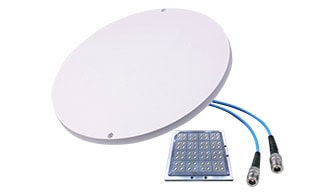
The world of wireless communications is constantly changing, and people want faster and more reliable networks. This means that antenna technology is really important in making sure we can all connect to the internet quickly. There are two types of antennas that are really important right now: Sub-6 GHz and millimeter-wave (mmWave) antennas. They each have their own good things and bad things, and they are used in different ways. This article will explain the differences between them and how they are used for wireless communication.
What are Sub-6 GHz antennas?
Sub-6 GHz antennas are antennas designed to operate within the frequency range below 6 GHz. They are used in a wide range of applications, including LTE and 5G low band and mid-band cellular networks, WiFi, IoT, RFID, LoRa, and many others.

In the context of cellular networks, Sub-6 GHz antennas are used for both LTE and 5G technologies. Low band frequencies below 1 GHz, such as 600MHz, 700 MHz, 800 MHz, and 900 MHz, are used to provide wide area coverage and penetrate buildings. Mid-band frequencies between 1 GHz and 6 GHz, such as 1.8 GHz, 2.6 GHz, and 3.5 GHz, are used to provide capacity and higher data rates. Sub-6 GHz antennas are used in base stations to transmit and receive signals from mobile devices.
WiFi, which operates in the 2.4 GHz and 5 GHz frequency bands, also uses Sub-6 GHz antennas. These antennas are used in WiFi routers and access points to provide wireless connectivity for devices such as smartphones, laptops, and smart home devices.
The Internet of Things (IoT) is another area where Sub-6 GHz antennas are used. IoT devices, such as sensors and actuators, often operate in the Sub-1 GHz frequency bands to achieve longer range and better penetration through walls and other obstacles. Sub-6 GHz antennas are used in IoT devices to communicate with gateways or directly with other devices in the network.
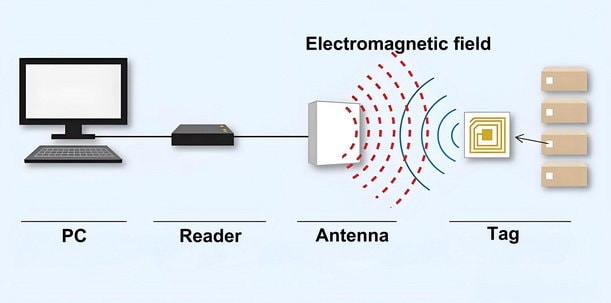
Other applications of Sub-6 GHz antennas include RFID (Radio Frequency Identification) systems, which use antennas to read and write data to RFID tags, and LoRa (Long Range) networks, which use Sub-1 GHz frequencies to provide long-range, low-power communication for IoT devices.
In conclusion, Sub-6 GHz antennas are used in a wide range of applications, including cellular networks, WiFi, IoT, RFID, and LoRa. They are essential components for wireless communication, providing connectivity for a variety of devices and technologies.
Sub-6 GHz Antenna Frequency
The Sub-6 GHz frequency range covers a wide range of wireless communication technologies. Some examples of the frequency bands used by various wireless technologies within this range are:

1. LoRa Bands:
– 433 MHz
– 470-510 MHz
– 860-870 MHz
– 900-930 MHz
2. RFID:
– FCC (902-928 MHz)
– ETSI (865-868 MHz)
3. WiFi:
– 2.4 GHz (2400-2483.5 MHz)
– 5 GHz (5150-5250 MHz, 5250-5350 MHz, 5470-5725 MHz, 5725-5850 MHz)
4. 4G (LTE):
– Band 1 (2100 MHz)
– Band 3 (1800 MHz)
– Band 5 (850 MHz)
– Band 7 (2600 MHz)
– Band 8 (900 MHz)
– Band 20 (800 MHz)
5. 5G Low Bands:
– n71 (600 MHz)
– n28 (700 MHz)
– n5 (850 MHz)
– n8 (900 MHz)
6. 5G Mid-Bands:
– n77 (3300-4200 MHz)
– n78 (3300-3800 MHz)
– n79 (4400-5000 MHz)
These are just a few examples, and there are many more wireless communication technologies that operate within the Sub-6 GHz frequency range.
Frequency Ranges: Sub-6 GHz 5G vs. mmWave 5G
When it comes to 5G wireless technology, there are two main categories based on their operating frequencies:
Sub-6 GHz 5G:
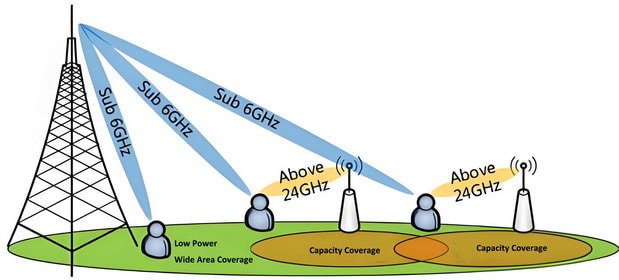
This group covers all frequencies below 6 GHz, including both low-band (such as 600 MHz and 700 MHz) and mid-band (ranging from around 1 GHz up to 6 GHz). These frequencies, often referred to as FR1, are valued for their ability to cover large geographic areas and for their robust penetration through walls and obstacles. Because of this, Sub-6 GHz 5G is widely used to provide broad network coverage and reliable connections, whether in urban streets or rural areas.
mmWave 5G:
In contrast, mmWave 5G operates in a much higher frequency range—typically from 24 GHz up to around 52 GHz, sometimes even higher in specific deployments. This range, identified as FR2, supports blazing fast data speeds. However, signals in this range don’t travel as far and are much more easily blocked by physical barriers like buildings, trees, or even rain. As a result, mmWave 5G is mainly used in densely populated areas, stadiums, or event spaces where extremely high data rates are needed over shorter distances.
Sub-6 GHz Antenna Range
The range of a sub-6 GHz antenna depends on several factors, including the power output of the transmitter, antenna type and gain, as well as the environmental conditions.
In general, sub-6 GHz antennas have a range of a few meters to dozens of kilometers. However, this range can be significantly reduced in urban areas or areas with lots of obstacles, such as buildings and trees, which can block or reflect the radio waves.
The range can also be affected by interference from other devices operating in the same frequency band. If there are many devices transmitting in the same area, the range of the antenna may be reduced.
To maximize the range of a sub-6 GHz antenna, it is important to use a high-gain antenna, which focuses the radio waves in a specific direction and increases the signal strength. Additionally, choosing a clear line of sight between the transmitter and receiver can also improve the range.
Sub-6 GHz Antenna Advantages
1. Wide frequency range: Sub-6 GHz antennas can operate over a wide frequency range, typically from 1 GHz to 6 GHz. This allows them to support a variety of wireless communication standards, including Wi-Fi, Bluetooth, cellular, and satellite communications.
2. Longer range: Sub-6 GHz signals can travel longer distances compared to higher frequency signals. This is due to their lower frequency and longer wavelength, which allows them to diffract around obstacles and penetrate through walls and other obstacles more effectively. As a result, sub-6 GHz antennas can provide wider coverage and better signal strength in indoor and outdoor environments.
3. Better penetration: Sub-6 GHz signals have better penetration capabilities compared to higher frequency signals. They can penetrate through objects such as walls, trees, and foliage, making them suitable for applications that require reliable signal transmission in obstructed environments.
4. Lower power consumption: Sub-6 GHz antennas typically require lower power consumption compared to higher frequency antennas. This is because lower frequency signals have lower path loss and require less power to transmit over the same distance. Lower power consumption is beneficial for battery-powered devices, such as smartphones and IoT devices, as it helps to extend their battery life.
5. Cost-effective: Sub-6 GHz antennas are generally less expensive to manufacture compared to higher frequency antennas. This is because the design and manufacturing processes for sub-6 GHz antennas are less complex and require less stringent tolerances. As a result, sub-6 GHz antennas are more cost-effective for mass production and deployment in various wireless communication devices and systems.
6. Less affected by weather conditions: Sub-6 GHz signals are less affected by weather conditions such as rain, fog, and snow compared to higher frequency signals. This is because lower frequency signals experience less attenuation due to scattering and absorption caused by water droplets in the atmosphere. As a result, sub-6 GHz antennas can provide more reliable communication links in adverse weather conditions.
Sub-6 GHz Antenna Types
Sub-6 GHz antennas are widely used for various wireless communication applications, including cellular networks, Wi-Fi, Bluetooth, LoRa, and RFID communications.There are several types of antennas that can be used for sub-6 GHz frequencies. Some of the common ones include:
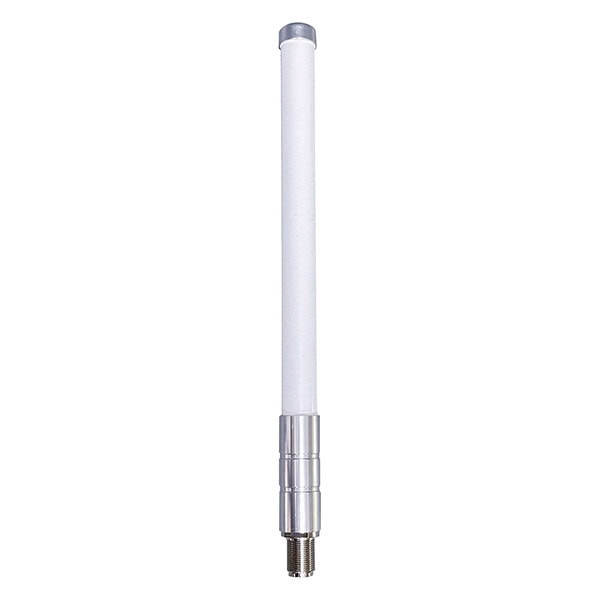
Omni Fiberglass Antennas: This type of antenna radiates and receives signals in all directions equally. It is commonly used in WiFi routers and access points to provide coverage in all directions. Omnidirectional antennas are also used in cellular networks to provide coverage in a specific area, such as in a cell tower.
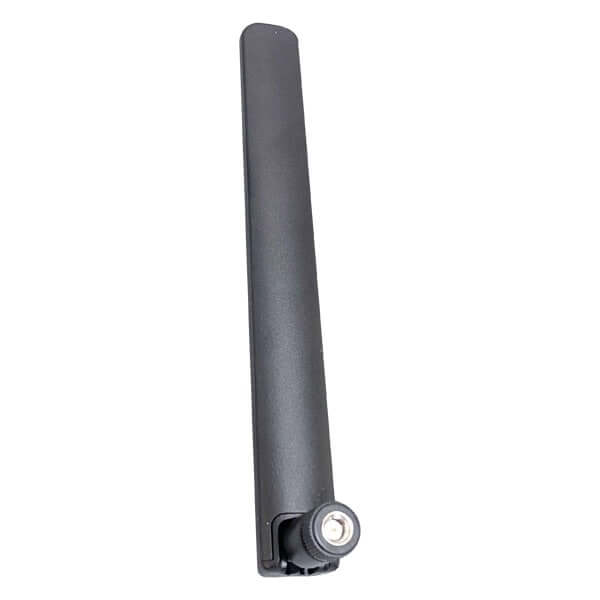
Rubber duck antennas, also known as whip antennas, are commonly used for portable devices such as laptops and handheld radios. They are flexible and can be easily adjusted to different angles. Rubber duck antennas are typically short and provide omni-directional coverage.
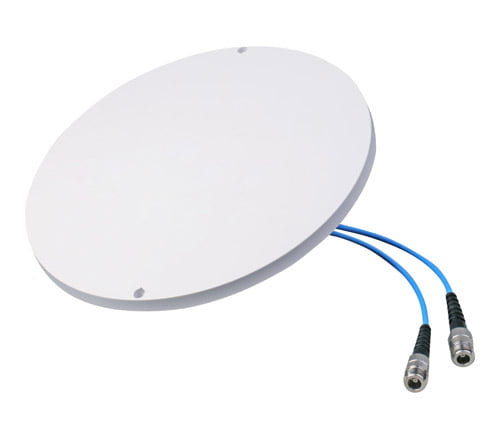
Dome antennas are a popular choice for indoor wireless networks. They are compact in size and provide omnidirectional coverage. Dome antennas are often used in office buildings, shopping malls, and other indoor environments where a large coverage area is required.
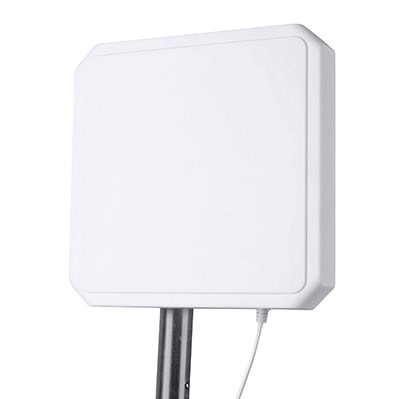
Panel Antenna: A panel antenna is a flat, rectangular or square-shaped antenna that is commonly used in LTE and 5G cellular networks and RFID systems, such as signal booster and RFID readers. It provides a middle gain, directional signal and is often mounted on walls or pole to provide coverage in a specific direction. Patch antennas are also used in LoRa (Long Range) networks for long-range communication.
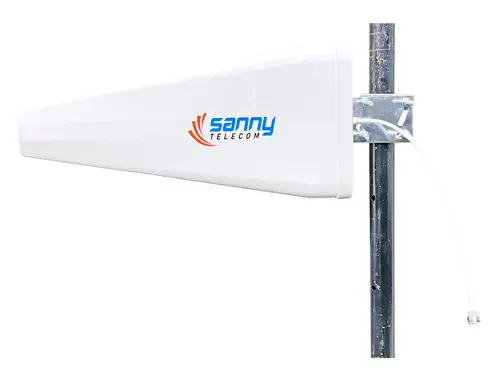
Log-periodic antennas are used for wideband applications. They consist of a series of dipole elements that gradually increase in size. Log-periodic antennas provide a wide frequency range and are commonly used in applications such as repeaters or signal booster.
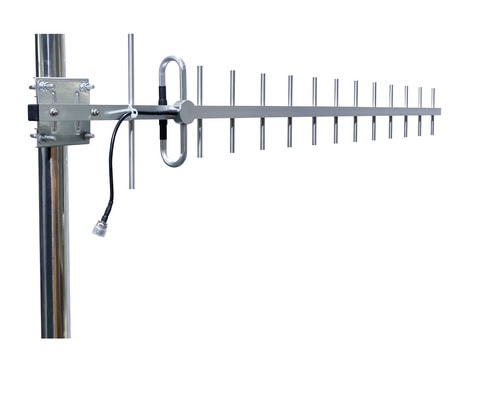
Yagi Antennas: A Yagi antenna, also known as a Yagi-Uda antenna, is a directional antenna that consists of multiple elements, including a driven element, reflector, and one or more directors. It is commonly used in WiFi devices, cellular networks, and RFID systems to provide long-range communication in a specific direction. Yagi antennas are also used in LoRa networks for long-range communication.
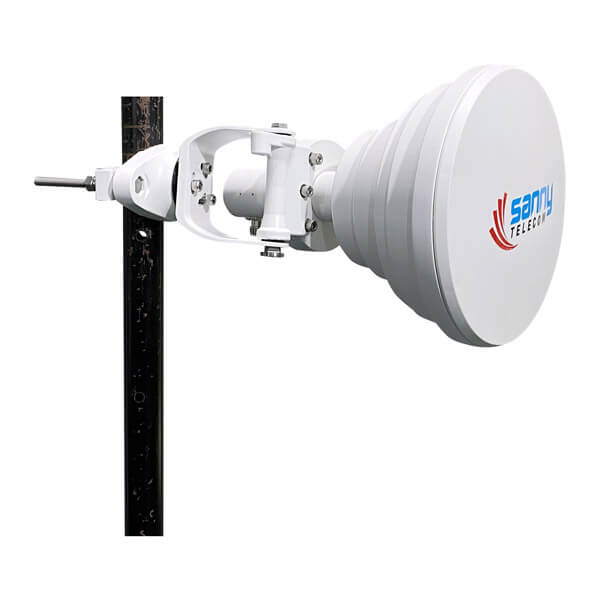
Parabolic Dish Antennas: A parabolic dish antenna consists of a curved, reflective surface that focuses signals onto a small feed antenna at its focal point. It provides high-gain, highly directional communication and is commonly used in long-range WiFi links, cellular networks, and satellite communication. Parabolic dish antennas are also used in long-range LoRa networks for communication over several kilometers.

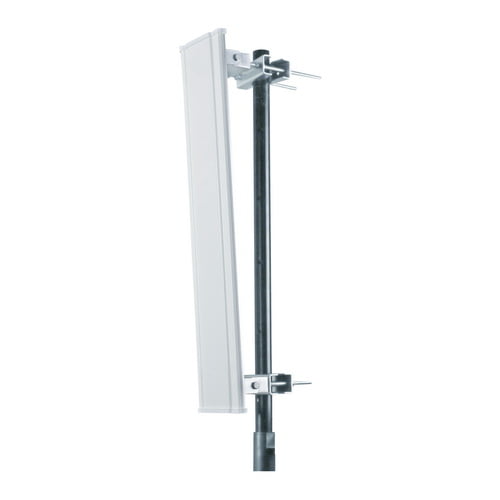
Sector Antenna: A sector antenna is a directional antenna that provides coverage in a specific sector or angle. It is commonly used in cellular networks to provide coverage in a specific area, such as in a cell tower. Sector antennas are also used in WiFi devices, such as access points, to provide coverage in a specific direction or area.
Symmetrical horn antennas are widely used for point-to-multipoint communication systems like sector antennas. They have a symmetrical design and provide a wide beamwidth. Symmetrical horn antennas are commonly used in applications such as wireless backhaul and cellular networks.
These are just a few examples of the antenna types that can be used for sub-6 GHz frequencies. The choice of antenna depends on the specific application and requirements.
Sub-6 GHz Antenna Applications
Sub-6 GHz antennas are widely used in various applications, including:
1. WiFi: Sub-6 GHz antennas are commonly used in WiFi routers and access points to provide wireless internet connectivity in homes, offices, and public spaces. These antennas operate in the 2.4 GHz and 5 GHz frequency bands.
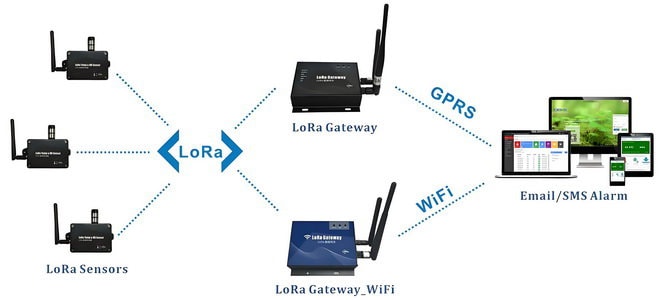
2. LoRa (Long Range): Low-power, wide-area networks (LPWAN) like LoRa utilize sub-6 GHz antennas to enable long-range communication for applications such as smart cities, industrial automation, and agriculture. These antennas typically operate in the 433MHz, 510MHz, 868 MHz and 915 MHz frequency bands.
3. RFID (Radio Frequency Identification): RFID systems utilize sub-6 GHz antennas for contactless identification and tracking of objects or individuals. These antennas operate at various frequencies, such as 865-868MHz, and 902-928 MHz.
4. 4G: Sub-6 GHz antennas are used in 4G (LTE) networks to provide high-speed mobile broadband connectivity. These antennas operate in various frequency bands, including 700 MHz, 850 MHz, 1.8 GHz, and 2.6 GHz.
5. 5G Low Bands: Sub-6 GHz antennas are an integral part of 5G networks, particularly in the low-band spectrum (below 6 GHz). These antennas enable widespread coverage and improved data rates compared to 4G. The frequency bands used for 5G low bands include 600 MHz, 700 MHz, 850 MHz, and 900 MHz.
6. 5G Mid-Bands: Sub-6 GHz antennas are also used in the mid-band spectrum (between 1 GHz and 6 GHz) for 5G networks. These antennas provide a balance between coverage and capacity, offering higher data rates than low bands. The frequency bands used for 5G mid-bands include 2.5 GHz, 3.5 GHz, 4.2 GHz, 5.0GHz, etc.
Overall, sub-6 GHz antennas find applications in a wide range of wireless communication systems, including WiFi, LoRa, RFID, 4G, and different frequency bands of 5G networks.
What are mmWave Antennas?
mmWave antennas, also known as millimeter-wave antennas, are antennas that operate in the millimeter-wave frequency range, typically from 30 GHz to 300 GHz. These antennas are used in various applications such as wireless communication systems, radar systems, imaging systems, and satellite communication systems.
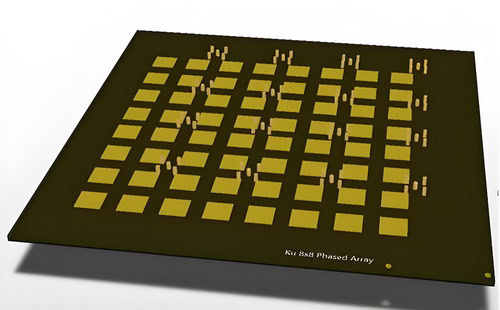
The mmWave frequency range is considered high frequency and offers several advantages for communication systems. It provides a large bandwidth, enabling high data rates and low latency communication. Additionally, the mmWave frequencies have a shorter wavelength, which allows for the use of smaller antenna elements and the possibility of integrating multiple antennas in a compact form factor.
mmWave antennas can be designed using different technologies, such as microstrip antennas, waveguide antennas, and horn antennas. These antennas are typically designed to have high gain and narrow beamwidth to achieve long-range communication and minimize interference from other sources.
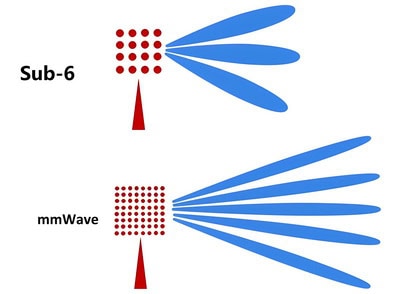
Due to the high frequency of mmWave signals, they are more susceptible to atmospheric absorption and blockage by obstacles such as buildings and foliage. To overcome these challenges, mmWave communication systems often use beamforming techniques, where multiple antennas are used to focus the signal in a specific direction, improving the signal strength and reliability.
Overall, mmWave antennas play a crucial role in enabling high-speed wireless communication and advanced applications in various fields.
mmWave Antenna Frequency
mmWave antennas operate at frequencies between 30 GHz and 300 GHz.
mmWave Antenna Range
mmWave (millimeter wave) antennas have a range that is determined by several factors including the transmit power of the antenna, the gain of the antenna, the frequency of operation, and the sensitivity of the receiver.
In general, mmWave antennas have a shorter range compared to antennas operating at lower frequencies. This is because mmWave signals are more susceptible to attenuation and are absorbed by obstacles such as buildings, trees, and even raindrops.
The range of mmWave antennas can vary depending on the specific application and the environment in which they are deployed. In ideal conditions with a clear line of sight and minimal obstacles, mmWave antennas can have a range of several hundred meters to a few kilometers. However, in urban environments with many buildings and obstacles, the range of mmWave antennas may be limited to a few tens of meters.
It is important to note that the range of mmWave antennas can be improved by using higher transmit power, higher gain antennas, and by minimizing the effects of obstacles and interference. Additionally, beamforming techniques can be employed to focus the antenna’s energy in a specific direction, increasing the effective range.
mmWave Antenna Advantages
There are several advantages of mmWave (millimeter wave) antennas compared with sub-6 GHz antennas. Some of these advantages include:
1. Higher Data Rates: mmWave antennas operate at higher frequencies (typically above 30 GHz), which allows for much higher data rates compared to sub-6 GHz antennas. This is because higher frequencies provide larger bandwidths, enabling faster data transmission.In fact, the speed and data rate capabilities are among the most publicized benefits of mmWave technology. While sub-6 GHz 5G networks typically deliver speeds ranging from 100 Mbps to 700 Mbps, mmWave 5G can achieve speeds that exceed 1 Gbps in real-world scenarios. These higher data rates make mmWave antennas particularly well-suited for applications that require rapid and reliable data transfer, such as ultra-high-definition video streaming, augmented reality, and advanced industrial automation.
2. More Available Spectrum: The mmWave frequency bands have a much larger available spectrum compared to sub-6 GHz bands. This means that more channels can be used simultaneously, increasing the overall network capacity.With so much spectrum available, mmWave can support high-capacity environments such as crowded stadiums or urban centers without sacrificing performance.
3. Lower Interference: Due to the larger available spectrum, mmWave antennas experience less interference from other devices and networks compared to sub-6 GHz antennas. This leads to more reliable and consistent connections, making them ideal for dense urban deployments where multiple wireless signals often compete for space.
4. Smaller Antenna Size: mmWave antennas can be designed to be physically smaller compared to sub-6 GHz antennas. This is because the wavelength of mmWave signals is shorter, allowing for more compact antenna designs.This miniaturization is especially useful for integrating antennas into modern, slim devices and for deploying dense small-cell infrastructure.
5. Higher Spatial Resolution: mmWave antennas have higher spatial resolution compared to sub-6 GHz antennas. This means that they can more accurately detect and track objects or users in their coverage area, enabling advanced applications like beamforming and precise positioning.This precision supports technologies such as autonomous vehicles and augmented reality.
6. Lower Latency: mmWave antennas offer lower latency compared to sub-6 GHz antennas. This is because the shorter wavelength allows for faster signal propagation, reducing the time it takes for data to travel between devices.This is especially important for real-time applications like VR, AR, and autonomous driving, where every millisecond counts.
7. Enhanced Security: The use of mmWave frequencies provides enhanced security compared to sub-6 GHz frequencies. This is because mmWave signals have more difficulty penetrating obstacles like walls, making it harder for unauthorized users to intercept or access the network.The limited propagation distance also reduces the risk of signal leakage outside the intended coverage area.
8. Capacity and Device Density: mmWave is well-suited to environments with high device density, such as concerts, conferences, and city centers. Its ability to handle a large number of users simultaneously without significant performance degradation makes it a strong choice for high-traffic scenarios.
Overall, mmWave antennas offer significant advantages in terms of data rates, network capacity, interference, antenna size, spatial resolution, latency, and security compared to sub-6 GHz antennas.
mmWave Antenna Disadvantages
While mmWave antennas have many strengths, there are also several notable limitations when compared to sub-6 GHz antennas:
1. Limited Range: mmWave signals have a shorter wavelength compared to sub-6 GHz signals. This means that mmWave signals have a shorter range and are more susceptible to being absorbed, reflected, or blocked by obstacles such as buildings, trees, or even rain.In open environments with a clear line of sight, ranges can reach a few hundred meters to a few kilometers, but in urban settings, coverage might shrink to just tens of meters.
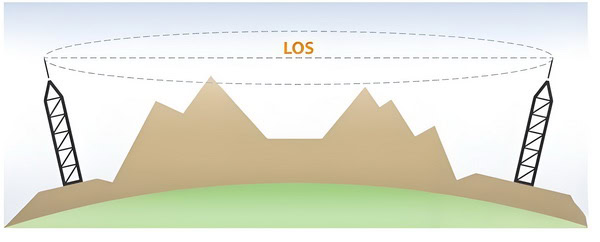
2. Line-of-Sight Requirement: Due to the shorter wavelength, mmWave signals require a clear line-of-sight between the transmitter and the receiver. Even small obstacles such as a person or a car can block the signal, resulting in a loss of connectivity.This makes deployment more challenging in cluttered environments.
3. Penetration Loss: mmWave signals have a higher penetration loss compared to sub-6 GHz signals. This means that they have a harder time penetrating through walls, windows, or other obstacles, resulting in reduced signal strength and coverage indoors.Sub-6 GHz signals, by contrast, are known for superior indoor coverage and broader area penetration.
4. Higher Power Consumption: mmWave antennas typically require higher power consumption compared to sub-6 GHz antennas. This is because they need to transmit at higher power levels to overcome the signal loss caused by obstacles and to maintain a stable connection.Beamforming and phased-array technologies, while helpful, add to the energy requirements.
5. Higher Cost: mmWave antennas are generally more expensive to manufacture compared to sub-6 GHz antennas. This is due to the complexity of the design and the need for multiple antennas to form beamforming arrays, which are required to overcome the signal loss and maintain a reliable connection.
6. Limited Device Support: Currently, there are fewer devices available in the market that support mmWave frequencies compared to sub-6 GHz frequencies. This limits the usability and adoption of mmWave technology in consumer devices, although the landscape is evolving as the technology matures.
7. Weather Interference: mmWave signals are more susceptible to interference from weather conditions such as rain, snow, or fog. These weather conditions can cause signal attenuation, resulting in reduced signal strength and degraded performance.Sub-6 GHz frequencies, by comparison, are more resilient to weather-related disruptions.
8. Deployment and Coverage Considerations: Unlike sub-6 GHz networks, which can utilize existing 4G LTE infrastructure and traditional cell towers for broad, cost-effective coverage, mmWave deployment demands significant investment. Small cells must be deployed densely in target areas, increasing both initial costs and ongoing maintenance.
In summary, mmWave antennas provide exceptional speed, capacity, and precision, but these benefits come with trade-offs in range, cost, and deployment complexity. The choice between mmWave and sub-6 GHz technologies depends largely on the specific requirements of the application, desired coverage area, and available resources.
mmWave Antenna Types
There are several types of antennas that can be used for mmWave (millimeter wave) communication. Some of the common antenna types used for mmWave communication are:
1. Parabolic Dish Antennas:
Parabolic dish antennas are commonly used for mmWave communication due to their high gain and narrow beamwidth. They consist of a curved reflector, typically in the shape of a paraboloid, that focuses the incoming signals onto a feed antenna located at the focal point. The feed antenna can be a horn antenna or a dipole antenna.
2. Horn Antennas:
Horn antennas are widely used in mmWave applications due to their wide bandwidth, high gain, and low losses. They are typically made of metal and have a flared shape that allows for efficient radiation and reception of electromagnetic waves. Horn antennas can be designed with different geometries, such as pyramidal, sectoral, or conical, depending on the specific requirements of the application.
3. Phased Array Antennas:
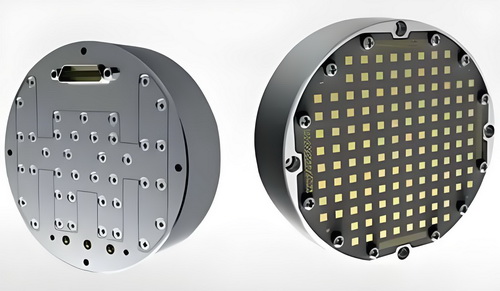
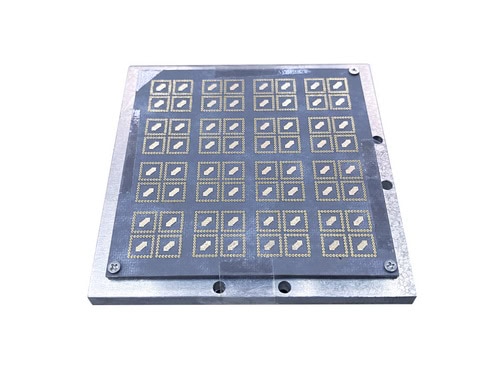
Phased array antennas are composed of multiple individual radiating elements that work together to form a desired beam pattern. They are commonly used in mmWave communication systems due to their ability to steer the beam electronically, enabling fast and accurate tracking of moving targets. Phased array antennas can be planar (flat) or conformal (curved) and can be composed of various types of radiating elements, such as patch antennas or dipole antennas.
4. Lens Antennas:
Lens antennas use a dielectric lens to focus the electromagnetic waves onto a feed antenna. They are often used in mmWave applications to achieve high gain and narrow beamwidth. The dielectric lens can be made of materials with a high dielectric constant, such as plastic or ceramic, and its shape can be designed to control the beam characteristics. Lens antennas are typically used in conjunction with other types of antennas, such as horn antennas or dipole antennas.

These are just a few examples of mmWave antenna types. The choice of antenna depends on factors such as frequency, gain, beamwidth, size, and application requirements.
mmWave Antenna Applications and Scenarios
Millimeter wave (mmWave) antennas are used in a variety of applications and scenarios due to their high frequency and short wavelength characteristics. Here are some of the key applications and scenarios where mmWave antennas are employed:
1. 5G Communication: mmWave antennas are extensively used in 5G communication systems to provide high-speed, low-latency wireless connectivity. These antennas enable the transmission and reception of mmWave signals, allowing for faster data rates and increased network capacity.
2. Wireless Backhaul: mmWave antennas are employed in wireless backhaul systems to establish high-capacity connections between base stations and core networks. These antennas facilitate the transmission of large amounts of data over short distances, reducing the need for costly and time-consuming fiber optic installations.
3. Fixed Wireless Access (FWA): mmWave antennas are used in FWA systems to deliver high-speed internet access to homes and businesses. These antennas enable wireless connections between the service provider and the customer premise equipment (CPE), eliminating the need for physical cables or lines.
4. Automotive Radar: mmWave antennas are utilized in automotive radar systems for advanced driver assistance systems (ADAS) and autonomous driving. These antennas help in detecting and tracking objects, enabling features like adaptive cruise control, collision avoidance, and autonomous parking.
5. Satellite Communication: mmWave antennas are employed in satellite communication systems for high-bandwidth data transmission. These antennas allow for the reception and transmission of signals between satellites and ground stations, facilitating various applications like television broadcasting, internet connectivity, and remote sensing.
6. Point-to-Point Communication: mmWave antennas are used in point-to-point communication links for high-capacity, high-speed data transfer. These antennas establish direct wireless connections between two fixed locations, enabling applications like wireless video transmission, enterprise connectivity, and campus networks.
7. Imaging and Sensing: mmWave antennas are employed in imaging and sensing applications like security screening, non-destructive testing, and medical imaging. These antennas help in generating and receiving mmWave signals to create images or detect objects or materials based on their reflection or absorption properties.
8. Industrial Applications: mmWave antennas find applications in various industrial scenarios like process control, material handling, and robotics. These antennas enable wireless communication between devices and systems in industrial environments, improving efficiency, flexibility, and safety.
Overall, mmWave antennas are versatile and find applications in a wide range of scenarios where high-frequency, high-bandwidth, and short-range wireless communication or sensing is required.
Cost and Deployment Considerations for Sub-6 GHz vs. mmWave 5G
When it comes to rolling out 5G networks, the financial and practical aspects of deploying Sub-6 GHz antennas differ significantly from those associated with mmWave technology.
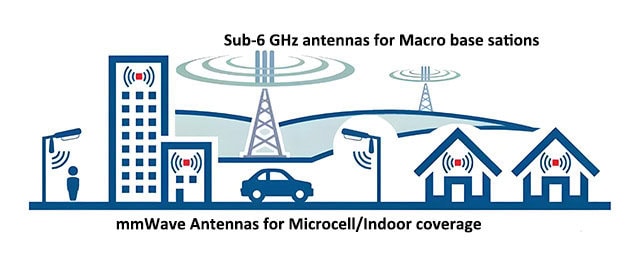
Sub-6 GHz 5G has the distinct advantage of compatibility with existing 4G LTE infrastructure. Mobile operators can often reuse current cell towers, which helps keep costs manageable, especially across broad rural and suburban territories where coverage over longer distances is necessary. This makes Sub-6 GHz an appealing choice for widespread 5G deployment, offering an efficient and scalable pathway to expand network reach without hefty new investments.
In contrast, mmWave 5G requires a far denser network of smaller cells because its higher frequencies are more easily absorbed by obstacles and don’t travel as far. Setting up a reliable mmWave network means installing many more antennas—often on lampposts, rooftops, and street furniture—concentrated in dense urban environments. The increased infrastructure demands result in higher upfront costs, both in terms of equipment and site acquisition. For these reasons, mmWave deployment is typically focused on high-traffic urban hotspots, stadiums, or business districts where the demand for ultra-fast speeds and low latency justifies the expenditure.
In summary:
- Sub-6 GHz 5G: Lower cost, leverages existing infrastructure, ideal for broad coverage (rural/suburban).
- mmWave 5G: Higher investment, requires dense small cell deployment, best for targeted high-capacity zones in cities.
Understanding these distinctions is vital when planning 5G rollouts, as each approach addresses different needs and environments within the broader communications landscape.
Conclusion
In conclusion, both Sub-6 GHz and mmWave antennas are essential for the future of wireless communication. Each has its own strengths and weaknesses, so it is important to utilize both depending on the specific requirements. As technology advances and new innovations emerge, the potential of both frequency ranges will continue to expand, driving the capabilities of global communication networks forward.
Rather than viewing Sub-6 GHz and mmWave 5G as rivals, it’s more accurate to see them as complementary technologies. Sub-6 GHz excels in providing widespread, reliable coverage—reaching everything from rural communities to dense urban environments—while mmWave is designed for ultra-fast speeds and high-capacity performance in areas where demand is greatest, such as stadiums, city centers, and large venues.
For 5G to reach its full promise, networks will increasingly rely on a blend of both technologies: Sub-6 GHz forms the backbone for broad accessibility, and mmWave delivers exceptional speed and bandwidth where it’s needed most. Together, they represent a balanced approach that will transform industries, improve connectivity experiences, and shape the next generation of wireless communication.
 Acehnese
  English
  Spanish
  German
  French (France)
  Korean
  Russian
  Indonesian
  French (Canada)
  Vietnamese
  Armenian
  Albanian
  Assamese
  Amharic
  Czech
Czech  Bulgarian
  Cebuano
  Malayalam
  German (Switzerland)
  Japanese
  Dutch
Dutch