 সামগ্ৰীলৈ স্কিপ কৰক

আজিৰ অতি-সংযুক্ত পৃথিৱীত, এক শক্তিশালী আৰু নিৰ্ভৰযোগ্য WiFi সংযোগ কোনো বিলাসিতা নহয়—এইটো এটা প্ৰয়োজনীয়তা। আপুনি আপোনাৰ গ্ৰাহকসকলৰ বাবে মসৃণ ইণ্টাৰনেট সংযোগ প্ৰদান কৰিবলৈ চেষ্টা কৰা এটা সৰু ব্যৱসায়ৰ মালিক হওক, আপোনাৰ ঘৰুৱা নেটৱৰ্ক অনুকূল কৰিবলৈ বিচৰা এজন প্ৰযুক্তি উৎসাহী হওক, বা এটা বিশাল চৌহদত বাধাহীন সংযোগ নিশ্চিত কৰাৰ দায়িত্বত থকা এজন আইটি পেছাদাৰী হওক, সঠিক ৱাইফাই এণ্টেনাই যথেষ্ট প্ৰভাৱ পেলাব পাৰে।.
কিন্তু, উপলব্ধ অসংখ্য বিকল্পৰ সৈতে, প্ৰত্যেকেই অনন্য বৈশিষ্ট্য আৰু বিশেষত্ব প্ৰদান কৰে, নিখুঁত ৱাইফাই এণ্টেনা বাছনি কৰাটো এটা কঠিন কাম হ’ব পাৰে। এই চূড়ান্ত নিৰ্দেশিকাৰ লক্ষ্য হৈছে ৱাইফাই এণ্টেনাৰ জটিলতাসমূহ দূৰ কৰা, আপোনাক এক জ্ঞাত সিদ্ধান্ত ল’বলৈ সহায় কৰিবলৈ বিস্তৃত অন্তৰ্দৃষ্টি আৰু ব্যৱহাৰিক পৰামৰ্শ আগবঢ়োৱা। এণ্টেনাৰ প্ৰকাৰ আৰু ফ্ৰিকুৱেন্সিৰ মৌলিক ধাৰণাসমূহ বুজি পোৱাৰ পৰা আৰম্ভ কৰি মূল প্ৰদৰ্শনৰ মাপদণ্ড আৰু স্থাপনৰ টিপছ মূল্যায়ন কৰালৈকে, আমি আপোনাক সামৰি লৈছো। ডুব দিয়ক আৰু আপোনাৰ বিশেষ প্ৰয়োজনীয়তাৰ সৈতে খাপ খোৱাকৈ সঠিক এণ্টেনা বাছনি কৰি আপোনাৰ ৱাইফাই অভিজ্ঞতা কেনেকৈ উন্নত কৰিব পাৰি আৱিষ্কাৰ কৰক।.

নিৰ্দেশিকাৰ উদ্দেশ্য
এই প্ৰবন্ধটোৰ উদ্দেশ্য হৈছে পাঠকসকলক ব্যাপক আৰু ব্যৱহাৰিক তথ্য প্ৰদান কৰা যাতে তেওঁলোকে বাছনি কৰোঁতে জ্ঞাত সিদ্ধান্ত ল’ব পাৰে ৱাইফাই এণ্টেনা. । নিৰ্দেশিকাৰ লক্ষ্য:
১. মৌলিক বিষয়ৰ ওপৰত শিক্ষা: ৱাইফাই এণ্টেনাৰ মৌলিক ধাৰণাসমূহ ব্যাখ্যা কৰা, যেনে প্ৰকাৰ, ফ্ৰিকুৱেন্সি আৰু ইহঁতে কেনেকৈ কাম কৰে।.
২. প্ৰয়োজনীয়তাসমূহ চিনাক্ত কৰা: পৰিসৰ, পৰিৱেশ আৰু ব্যৱহাৰৰ দৰে কাৰকৰ ওপৰত ভিত্তি কৰি পাঠকসকলক তেওঁলোকৰ বিশেষ প্ৰয়োজনীয়তাসমূহ মূল্যায়ন কৰাত সহায় কৰা।.
৩. বিকল্পসমূহ তুলনা কৰা: বিভিন্ন ৱাইফাই এণ্টেনাৰ এক বিস্তৃত তুলনা উপস্থাপন কৰা, তেওঁলোকৰ সুবিধা আৰু অসুবিধাসমূহ অন্তৰ্ভুক্ত কৰি।.
৪. কাৰিকৰী অন্তৰ্দৃষ্টি: লাভ, মেৰুকৰণ আৰু বিকিৰণ আৰ্হিৰ দৰে বিশেষত্বৰ ওপৰত কাৰিকৰী অন্তৰ্দৃষ্টি প্ৰদান কৰা।.
৫. স্থাপনৰ টিপছ: অনুকূল প্ৰদৰ্শনৰ বাবে ৱাইফাই এণ্টেনাৰ স্থাপন আৰু স্থান নিৰ্ধাৰণৰ ওপৰত ব্যৱহাৰিক পৰামৰ্শ প্ৰদান কৰা।.
৬. সমস্যা সমাধান: সাধাৰণ সমস্যা আৰু সমস্যা সমাধানৰ টিপছৰ বিষয়ে আলোচনা কৰা যাতে পাঠকসকলে এক শক্তিশালী আৰু নিৰ্ভৰযোগ্য ৱাইফাই সংযোগ বজাই ৰাখিব পাৰে।.
৭. ভৱিষ্যত-প্ৰমাণ: বিকশিত প্ৰযুক্তি আৰু বৃদ্ধি হোৱা চাহিদা পূৰণ কৰিবলৈ তেওঁলোকৰ ৱাইফাই স্থাপন ভৱিষ্যত-প্ৰমাণ কৰাৰ বাবে বিবেচনাসমূহ আলোচনা কৰা।.
প্ৰবন্ধটোৰ শেষত, পাঠকসকলে তেওঁলোকৰ বিশেষ প্ৰয়োজনীয়তাৰ বাবে সঠিক ৱাইফাই এণ্টেনা বাছনি কৰিবলৈ তেওঁলোকৰ সামৰ্থ্যৰ ওপৰত আত্মবিশ্বাসী অনুভৱ কৰিব লাগিব, তেওঁলোকৰ ৱায়াৰলেছ নেটৱৰ্কত উন্নত সংযোগ আৰু প্ৰদৰ্শন নিশ্চিত কৰিব লাগিব।.
সঠিক ৱাইফাই এণ্টেনা বাছনি কৰাৰ গুৰুত্ব
সঠিক ৱাইফাই এণ্টেনা বাছনি কৰাটো কেইবাটাও কাৰণৰ বাবে গুৰুত্বপূৰ্ণ, আৰু ই আপোনাৰ ৱায়াৰলেছ নেটৱৰ্কৰ প্ৰদৰ্শন আৰু নিৰ্ভৰযোগ্যতাত যথেষ্ট প্ৰভাৱ পেলাব পাৰে। গুৰুত্বপূৰ্ণ দিশসমূহ ইয়াত উল্লেখ কৰা হ’ল:
১. কভাৰেজ এলেকা
দিশযুক্ত বনাম সৰ্বদিশযুক্ত: দিশযুক্ত এণ্টেনাই এটা নিৰ্দিষ্ট দিশত সংকেত কেন্দ্ৰীভূত কৰে, যি সেই দিশত পৰিসৰ বৃদ্ধি কৰিব পাৰে, যাৰ ফলত সেইবোৰ পইণ্ট-টু-পইণ্ট সংযোগ বা দীঘল দূৰত্ব সামৰিবলৈ আদৰ্শ হয়। আনহাতে, সৰ্বদিশযুক্ত এণ্টেনাই এণ্টেনাৰ চাৰিওফালে এক বহল এলেকা সামৰি লোৱাৰ বাবে উপযুক্ত, সকলো দিশত সমানভাৱে সংকেত বিতৰণ কৰে।.
বিল্ডিং লেআউট: আপোনাৰ স্থানৰ ভৌতিক বিন্যাস (যেনে, দেৱাল, মজিয়া আৰু বাধা)য়ে সংকেতৰ প্ৰচাৰক প্ৰভাৱিত কৰিব পাৰে। সঠিক এণ্টেনাৰ প্ৰকাৰ বাছনি কৰিলে এই সমস্যাসমূহ কম কৰাত সহায়ক হ’ব পাৰে আৰু উন্নত কভাৰেজ নিশ্চিত কৰিব পাৰে।.
2. সংকেতৰ শক্তি আৰু গুণগত মান
উপাৰ্জন: এণ্টেনা উপাৰ্জন, dBiত পৰিমাপ কৰা, কিদৰে ভালদৰে এণ্টেনাই সংকেত বৃদ্ধি কৰিব পাৰে সেয়া সূচায়। উচ্চ উপাৰ্জনযুক্ত এণ্টেনাই দীঘল দূৰত্বত সংকেত প্ৰেৰণ আৰু গ্ৰহণ কৰিব পাৰে, কিন্তু সেয়া অধিক দিশানিৰ্দেশিত হ'ব পাৰে।.
বাধা: সঠিক এণ্টেনাই অন্য ইলেকট্ৰনিক ডিভাইচ, ওচৰচাৰি নেটৱৰ্ক আৰু ভৌতিক বাধাসমূহৰ পৰা বাধা কমাই দিয়ে, যাৰ ফলত স্পষ্ট আৰু অধিক বিশ্বাসযোগ্য সংযোগ হয়।.
3. আবেদন প্ৰয়োজনীয়তা
অভ্যন্তৰীণ বনাম বাহ্যিক: অভ্যন্তৰীণ এণ্টেনাসমূহ নিৰ্মাণৰ ভিতৰত কাম কৰিবলৈ ডিজাইন কৰা হয়, যেতিয়া বাহ্যিক এণ্টেনাসমূহ বতৰ পৰিস্থিতিৰ সৈতে টেকসই হ'বলৈ নিৰ্মিত। উপযুক্ত ধৰণ ব্যৱহাৰ কৰিলে টেকসইতা আৰু উৎকৃষ্ট কাৰ্যক্ষমতা নিশ্চিত হয়।.
বিশেষ ব্যৱহাৰ ক্ষেত্ৰ: বিভিন্ন আবেদন (যেনে, ঘৰ নেটৱৰ্কিং, উদ্যোগ পৰিৱেশ, দূৰৱৰ্তী মনিটৰিং)ৰ নিজৰ বিশেষ প্ৰয়োজনীয়তা থাকে ব্যাণ্ডউইথ, পৰিসৰ আৰু বিশ্বাসযোগ্যতাৰ ক্ষেত্ৰত। সঠিক এণ্টেনাই এই বিশেষ প্ৰয়োজনসমূহ সফলতাৰে পূৰণ কৰিব পাৰে।.
4. নেটৱৰ্ক কাৰ্যক্ষমতা
থ্ৰুপুট: ভালদৰে নিৰ্বাচিত এণ্টেনাই ডেটা থ্ৰুপুট উন্নত কৰিব পাৰে শক্তিশালী আৰু অধিক স্থিৰ সংযোগ প্ৰদান কৰি, যি উচ্চ-ব্যান্ডউইথ কাৰ্যকলাপৰ বাবে অত্যাৱশ্যক, যেনে ষ্ট্ৰীমিং, গেমিং, আৰু ভিডিঅ' কনফাৰেন্সিং।.
লেটেন্সি: সংকেতৰ ক্ষয় আৰু বাধা হ্ৰাস পোৱাৰ ফলত লোচনীয়তা কমে, সামগ্ৰিক ব্যৱহাৰকাৰী অভিজ্ঞতা উন্নত হয়, বিশেষকৈ ৰিয়েল-টাইম আবেদনসমূহৰ বাবে।.
5. ব্যয়কাৰ্য্যতা
সৰ্বোত্তম বিনিয়োগ: সঠিক এণ্টেনাত বিনিয়োগ কৰিলে অতিৰিক্ত উপকৰণ যেনে সংকেত বুস্টাৰ বা অতিরিক্ত এক্সেছ পইণ্টৰ প্ৰয়োজনীয়তা হ্ৰাস পায়, যাৰ ফলত দীঘলীয়া সময়ত ধন সঞ্চয় হয়।.
শক্তি কাৰ্যক্ষমতা: কাৰ্যক্ষম এণ্টেনাসমূহ আপোনাৰ WiFi উপকৰণৰ ওপৰত শক্তি দাবী কমাই দিয়ে, সম্ভৱতঃ শক্তি খৰচ হ্ৰাস কৰে।.
6. ভৱিষ্যত প্ৰস্তুতি
স্কেলেবিলিটি: উচ্চ ডেটা গতি আৰু বৃহৎ আৱৰণ ক্ষেত্ৰসমূহ হেণ্ডল কৰিব পৰা এণ্টেনা বাছনি কৰি আপোনাৰ নেটৱৰ্কক বৃদ্ধিৰ দাবী আৰু প্ৰযুক্তিগত উন্নতিৰ বিৰুদ্ধে ভৱিষ্যত প্ৰস্তুত কৰিব পাৰে।.
7. বিধানগত অনুগততা
আইনী প্ৰয়োজনীয়তা: বিভিন্ন অঞ্চলত WiFi উপকৰণ আৰু এণ্টেনাৰ ব্যৱহাৰৰ বিষয়ে নিয়মাৱলী আছে। সঠিক এণ্টেনাই এই নিয়মাৱলী অনুসৰণ নিশ্চিত কৰে, আইনী সমস্যা আৰু সম্ভাৱ্য জরিমানা এৰাই।.
8. সংস্থাপন আৰু ৰক্ষণাবেক্ষণৰ সহজতা
সামঞ্জস্যতা: নিশ্চিত কৰক যে এণ্টেনাই আপোনাৰ বিদ্যমান WiFi উপকৰণৰ সৈতে সামঞ্জস্যপূর্ণ, যাতে সংস্থাপন সহজ হয় আৰু প্ৰযুক্তিগত সমস্যা কম হয়।.
টেকসইতা: উচ্চ-মানৰ এণ্টেনাসমূহ যিসমূহ নিৰ্দিষ্ট পৰিৱেশৰ বাবে ডিজাইন কৰা, যেনে বাহ্যিক ব্যৱহাৰৰ বাবে বতৰ-প্ৰতিরোধী, কম ৰক্ষণাবেক্ষণৰ প্ৰয়োজন আৰু দীঘল জীৱনকাল থাকে।.
উপসংহাৰ
সঠিক WiFi এণ্টেনা নিৰ্বাচন এক গুৰুত্বপূর্ণ সিদ্ধান্ত, যি আপোনাৰ ৱাইৰলেছ নেটৱৰ্কৰ কাৰ্যক্ষমতা, বিশ্বাসযোগ্যতা আৰু সামগ্ৰিক কাৰ্যক্ষমতাত প্ৰভাৱ পেলায়। আৱৰণ ক্ষেত্ৰ, সংকেত শক্তি, আবেদন প্ৰয়োজনীয়তা আৰু নিয়মাৱলী অনুসৰণৰ দৰে কাৰক বিবেচনা কৰি, আপুনি নিশ্চিত কৰিব পাৰে যে আপোনাৰ নেটৱৰ্ক বৰ্তমান দাবীসমূহ পূৰণ কৰে আৰু ভৱিষ্যত বৃদ্ধিৰ বাবে প্ৰস্তুত।.
কি কি আৱৰণ কৰা হ'ব তাৰ এক পৰ্যালোচনা
সঠিক WiFi এণ্টেনা বাছনি কৰিলে আপোনাৰ ৱাইৰলেছ নেটৱৰ্কৰ কাৰ্যক্ষমতা আৰু পৰিসৰ উল্লেখযোগ্যভাৱে প্ৰভাৱিত হয়। ইয়াত মূল কাৰক আৰু বিবেচনাসমূহৰ এক বিস্তৃত পৰ্যালোচনা দিয়া হৈছে যাতে আপুনি সঠিক সিদ্ধান্ত লৈ পাৰে:
1. WiFi এণ্টেনাৰ প্ৰকাৰসমূহ:
অম্নিডাইৰেকশ্যনেল এণ্টেনা:: সকলো দিশত সংকেত বিকিৰণ কৰে, ঘৰ বা কাৰ্যালয়ত সাধাৰণ আৱৰণৰ বাবে উপযুক্ত।.
দিশা নিৰ্দেশক এণ্টেনা: নিৰ্দিষ্ট দিশত সংকেত কেন্দ্ৰিত কৰে, দীঘল দূৰত্বৰ যোগাযোগ বা পইণ্ট-টু-পইণ্ট সংযোগৰ বাবে উপযুক্ত।.
2. ফ্ৰিকুৱেঞ্চি বেণ্ড:
2.4 GHz: দীঘল পৰিসৰ কিন্তু অন্য ডিভাইচসমূহৰ পৰা অধিক হস্তক্ষেপৰ সম্ভাৱনা (উদাহৰণস্বৰূপ, মাইক্রোওৱেভ, ব্লুটুথ)।.
5 GHz: সৰু পৰিসৰ কিন্তু কম হস্তক্ষেপ আৰু উচ্চ ডেটা গতি, উচ্চ ঘনত্বৰ পৰিৱেশৰ বাবে উপযুক্ত।.
6 GHz: 5 GHzতকৈ অধিক উচ্চ ডেটা গতি আৰু কম বিলম্ব প্ৰদান কৰে, অধিক চেনেল উপলব্ধ আৰু কম হস্তক্ষেপ, কিন্তু অধিক ক্ষুদ্ৰ পৰিসৰ আৰু দেওয়ালৰ দৰে বাধাসমূহৰ দ্বাৰা অধিক প্ৰভাৱিত, অতি-উচ্চ ঘনত্বৰ পৰিৱেশ আৰু খুব উচ্চ থ্ৰুপুটৰ প্ৰয়োজন হোৱা আবেদনসমূহৰ বাবে উপযুক্ত।.
3. লাভ আৰু আৱৰণ:
এণ্টেনা লাভ: dBiত মাপা হয়, অধিক লাভ থকা এণ্টেনাসমূহ দীঘল দূৰত্বৰ সংকেত প্ৰেৰণ আৰু গ্ৰহণ কৰিব পাৰে কিন্তু ব্ৰহ্মাণ্ডৰ প্ৰস্থ সৰু হয়।.
আৱৰণ এলাকা: আপোনাৰ আৱৰণৰ আকাৰ আৰু আকাৰ বিবেচনা কৰক। অমণ্ডলীয় দিশমুখী এণ্টেনাসমূহ বৃত্তাকাৰ আৱৰণৰ বাবে ভাল, যেতিয়া দিশমুখী এণ্টেনাসমূহ নিৰ্দিষ্ট অঞ্চলৰ বাবে ভাল।.
4. পোলাৰাইজেচন:
উৰ্দ্ধ দিশমুখী পোলাৰাইজেচন: অধিকাংশ WiFi ডিভাইচৰ বাবে সাধাৰণ; সংকেত উৰ্দ্ধমুখী প্ৰসাৰিত হয়।.
অধৰ্ম্ম দিশমুখী পোলাৰাইজেচন: কম সাধাৰণ কিন্তু হস্তক্ষেপ কমাবলৈ ব্যৱহাৰ কৰিব পাৰি।.
দ্বৈত পোলাৰাইজেচন: উৰ্দ্ধ আৰু অধৰ্ম্ম দুয়োকে সংযুক্ত কৰে, কাৰ্যক্ষমতা উন্নত কৰে আৰু বহু-পথ হস্তক্ষেপ কমায়।.
5. ভৌতিক আৰু পৰিৱেশগত বিবেচনা:
অভ্যন্তৰীণ বনাম বাহ্যিক ব্যৱহাৰ: নিশ্চিত কৰক যে এণ্টেনা পৰিৱেশৰ বাবে উপযুক্ত, বাহ্যিক এণ্টেনাসমূহ জলবায়ু প্ৰতিৰোধী।.
মাউণ্টিং বিকল্পসমূহ: কিদৰে আৰু ক'ত এণ্টেনা মাউণ্ট কৰিব, সেই বিষয়ে বিবেচনা কৰক (উদাহৰণস্বৰূপ, দেওয়াল, খুঁটি, ছাদ)।.
এণ্টেনাৰ আকাৰ: ডাঙৰ এণ্টেনাসমূহ ভাল কাৰ্যক্ষমতা প্ৰদান কৰিব পাৰে কিন্তু সংস্থাপন কঠিন হ'ব পাৰে।.
6. সামঞ্জস্যতা:
সংযোগকাৰী ধৰণ: নিশ্চিত কৰক যে এণ্টেনাৰ সংযোগকাৰী ধৰণ (উদাহৰণস্বৰূপ, SMA, RP-SMA, N-ধৰণ) আপোনাৰ ৰাউটাৰ বা এক্সেছ পইণ্টৰ সৈতে মিল আছে।.
ডিভাইচ সামঞ্জস্যতা: চাওক যে আপোনাৰ WiFi ডিভাইচ বাহ্যিক এণ্টেনা আৰু নিৰ্দিষ্ট ফ্রিকুৱেঞ্চি বেন্ডসমূহ সমৰ্থন কৰে নে।.
7. নিয়মাৱলী অনুগমন:
স্থানীয় নিয়মাৱলী: আপোনাৰ দেশ বা অঞ্চলত এণ্টেনা ব্যৱহাৰ আৰু শক্তি সীমাৰ বিষয়ে নিয়মাৱলী জানক।.
৮. ব্যৱহাৰ ক্ষেত্ৰসমূহ:
ঘৰ/অফিচ কভাৰেজ: সাধাৰণ কভাৰেজৰ বাবে অম্নিডাইৰেকশ্যনেল এণ্টেনা।.
পইণ্ট-টু-পইণ্ট লিংক: দুটা স্থান সংযোগ কৰিবলৈ দিশা নিৰ্দেশক এণ্টেনা।.
বাহিৰৰ কভাৰেজ: লক্ষ্যভুক্ত বাহিৰৰ এলেকাৰ বাবে ছেক্টৰ বা দিশা নিৰ্দেশক এণ্টেনা।.
৯. বাজেট:
খৰচ বনাম কাৰ্যক্ষমতা: উচ্চ গেইন আৰু বিশেষজ্ঞ এণ্টেনাসমূহ অধিক মূল্যবান হ'ব পাৰে কিন্তু নিৰ্দিষ্ট আবেদনসমূহৰ বাবে ভাল কাৰ্যক্ষমতা প্ৰদান কৰে।.
এই সকলো কাৰক বিবেচনা কৰি, আপুনি আপোনাৰ নিৰ্দিষ্ট প্ৰয়োজনসমূহ পূৰণৰ বাবে সঠিক WiFi এণ্টেনা বাছনি কৰিব পাৰে আৰু আপোনাৰ ৱাইৰলেছ নেটৱৰ্কৰ কাৰ্যক্ষমতা উন্নত কৰিব পাৰে।.
ৱাইফাই এণ্টেনা বুজা
WiFi প্ৰযুক্তিৰ মূল ধাৰণা
WiFi, ৱাইৰলেছ ফিডেলিটি (Wireless Fidelity) ৰ সংক্ষিপ্ত ৰূপ, এটা প্ৰযুক্তি যি ইলেকট্ৰনিক ডিভাইচসমূহক ৱাইৰলেছ লোকেল এলেকা নেটৱৰ্ক (WLAN)ত সংযোগ কৰিবলৈ অনুমতি দিয়ে, সাধাৰণতে 2.4 GHz আৰু 5 GHz ৰেডিঅ ফ্ৰিকুৱেঞ্চি বেণ্ড ব্যৱহাৰ কৰি। ইয়াত WiFi প্ৰযুক্তিৰ সৈতে সম্পৰ্কিত কেইটামান মূল ধাৰণা দিয়া হৈছে:
1. SSID (Service Set Identifier)
সংজ্ঞা: SSID হৈছে এটা WiFi নেটৱৰ্কৰ নাম যি ডিভাইচসমূহে ইয়াক চিনাক্ত আৰু সংযোগ কৰিবলৈ ব্যৱহাৰ কৰে।.
ব্যৱহাৰ: আপোনাৰ ডিভাইচত উপলব্ধ নেটৱৰ্কসমূহ বিচাৰোঁতে, আপুনি দেখা নামসমূহে ওচৰচৰ WiFi নেটৱৰ্কসমূহৰ SSID প্ৰদৰ্শন কৰে।.
২. অ্যাক্সেস পইণ্ট (AP)
সংজ্ঞা: এটা ডিভাইচ যি ৱাইৰলেছ ডিভাইচসমূহক WiFi ব্যৱহাৰ কৰি ৱায়াৰড নেটৱৰ্কত সংযোগ কৰিবলৈ অনুমতি দিয়ে।.

কাৰ্য্য: ই ৱাইৰলেছ ডিভাইচসমূহ আৰু ৱায়াৰড নেটৱৰ্কৰ মাজত এক সেতু হিচাপে কাম কৰে, প্ৰায়ই ৰাউটাৰসমূহত সংহত।.
৩. ৰাউটাৰ
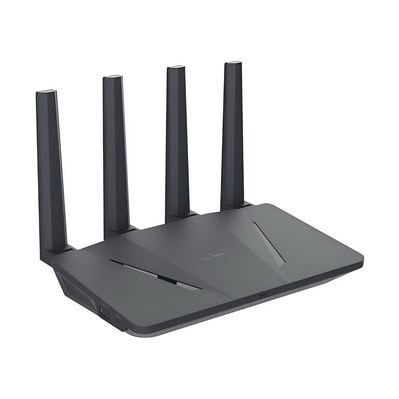
সংজ্ঞা: এটা ডিভাইচ যি কম্পিউটাৰ নেটৱৰ্কসমূহৰ মাজত ডাটা পেকেটসমূহ আগবঢ়ায়।.
কাৰ্য্য: এটা WiFi নেটৱৰ্কত, ৰাউটাৰে সাধাৰণতে এক অ্যাক্সেস পইণ্ট অন্তর্ভুক্ত কৰে যাতে ৱাইৰলেছ সংযোগ আৰু ৰাউটিং ক্ষমতা প্ৰদান কৰে ইণ্টাৰনেটত সংযোগ কৰিবলৈ।.
৪. ফ্ৰিকুৱেঞ্চি বেণ্ডসমূহ
2.4 GHz বেণ্ড: অধিক বিস্তৃতি প্ৰদান কৰে কিন্তু ই অধিক প্ৰবণতা আৰু যানজটৰ সৈতে জড়িত।.
5 GHz বেণ্ড: দ্ৰুত গতি প্ৰদান কৰে আৰু কম প্ৰবণতা কিন্তু 2.4 GHz বেণ্ডত তুলনাত সৰু পৰিসৰ।.
6 GHz বেণ্ড: আটাইতকৈ নতুন সংযোজন, 5 GHz বেণ্ডতকৈ অধিক দ্ৰুত গতি আৰু কম লেটেঞ্চি প্ৰদান কৰে, কম ডিভাইচৰ কাৰণে কম প্ৰবণতা। কিন্তু, ই 5 GHz বেণ্ডতকৈ অধিক সৰু পৰিসৰ।.
5. চেনেলসমূহ
সংজ্ঞা: ফ্রিকুৱেঞ্চি বেণ্ডৰ উপবিভাজনসমূহ যি বিভিন্ন নেটৱৰ্কক পৃথক কৰি প্ৰবণতা কমাই।.
ব্যৱহাৰ: 2.4 GHz বেণ্ডত, সাধাৰণ চেনেলসমূহ 1, 6, আৰু 11 যাতে ওভাৰলেপ নহয়। 5 GHz বেণ্ডত, অধিক চেনেল উপলব্ধ, যি প্ৰবণতা সম্ভাৱনা কমায়।.
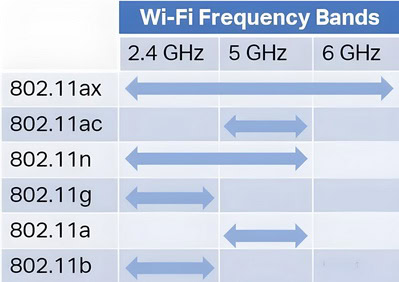
802.11a: 5 GHz বেণ্ডত কাৰ্য কৰে। ই প্ৰথম মানদণ্ডসমূহৰ ভিতৰত আছিল আৰু 802.11bতকৈ দ্ৰুত গতি প্ৰদান কৰিছিল কিন্তু সৰু পৰিসৰ আছিল।.
802.11b: 2.4 GHz বেণ্ডত কাৰ্য কৰে। ই ব্যাপকভাৱে গ্ৰহণ কৰা হৈছিল ইয়াৰ দীঘল পৰিসৰ আৰু সামঞ্জস্যতাৰ বাবে কিন্তু কম গতি প্ৰদান কৰিছিল।.
802.11g: লগতে 2.4 GHz বেণ্ডত কাৰ্য কৰে। ই 802.11bতকৈ উচ্চ গতি প্ৰদান কৰিছিল আৰু ইয়াৰ সৈতে সামঞ্জস্য বজাই ৰাখিছিল।.
802.11n: দুয়োটা 2.4 GHz আৰু 5 GHz বেণ্ডত কাৰ্য কৰে (দ্বৈত-বেণ্ড)। ই বহু-ইনপুট বহু-আউটপুট (MIMO) প্ৰযুক্তি ব্যৱহাৰ কৰি গতি আৰু পৰিসৰ উল্লেখযোগ্যভাৱে উন্নত কৰিছিল।.
802.11ac: 5 GHz বেণ্ডত কাৰ্য কৰে আৰু 802.11nতকৈ অধিক উচ্চ গতি প্ৰদান কৰে, ডাঙৰ চেনেল, অধিক স্থানীয় ষ্ট্ৰীম, আৰু উন্নত মোডুলেচন প্ৰযুক্তি ব্যৱহাৰ কৰি।.
802.11ax (Wi-Fi 6): 2.4 GHz আৰু 5 GHz বেণ্ডত কাৰ্য কৰে (দ্বৈত-বেণ্ড) আৰু উচ্চ ঘনত্বৰ পৰিৱেশত কাৰ্যক্ষমতা আৰু দক্ষতা উন্নত কৰিবলৈ ডিজাইন কৰা হৈছে। ইয়াত অৰ্থোগোনেল ফ্রিকুৱেঞ্চি ডিভিশন মাল্টিপল অ্যাক্সেছ (OFDMA) আৰু টাৰ্গেট ৱেক টাইম (TWT) যেনে প্ৰযুক্তি অন্তৰ্ভুক্ত।.
Wi-Fi 6E: ৱাই-ফাই 6 (802.11ax) যি 6 GHz বেণ্ডত কাৰ্য কৰে, লগতে 2.4 GHz আৰু 5 GHz বেণ্ডত। Wi-Fi 6E অধিক স্পেকট্ৰাম প্ৰদান কৰে কম যানজট আৰু উচ্চ প্ৰদৰ্শন, বিশেষকৈ বহু ডিভাইচ থকা অঞ্চলসমূহত।.
802.11be (Wi-Fi 7): আশা কৰা হৈছে 2.4 GHz, 5 GHz, আৰু 6 GHz বেণ্ডত কাৰ্য কৰিব (ত্রি-বেণ্ড)। ই অধিক উচ্চ গতি, কম লেটেঞ্চি, আৰু উন্নত বিশ্বাসযোগ্যতা প্ৰদানৰ লক্ষ্যৰে। মুখ্য বৈশিষ্ট্যসমূহত 320 MHz চেনেল প্ৰস্থ, 16 স্থানীয় ষ্ট্ৰীম, আৰু বহু-সংযোগ অপাৰেশ্যন অন্তৰ্ভুক্ত।.
প্ৰতিটো নতুন মানদণ্ড আগৰবোৰৰ ওপৰত নিৰ্মিত, অধিক দ্ৰুত, অধিক বিশ্বাসযোগ্য, আৰু অধিক দক্ষ ৱায়াৰলেছ যোগাযোগৰ বাবে চাহিদা পূৰণ কৰি। Wi-Fi 6E আৰু WiFi 7 বিশেষকৈ নতুন উপলব্ধ 6 GHz স্পেকট্ৰামৰ সুবিধা লৈ অধিক প্ৰদৰ্শন আৰু ক্ষমতা প্ৰদান কৰে।.
৭. এংক্ৰিপচন আৰু সুৰক্ষা
WEP (ৱায়াৰ্ড ইকুৱেলেণ্ট প্ৰাইভেচি): এটা পুৰণি, কম সুৰক্ষিত এংক্ৰিপচন পদ্ধতি।.
WPA (WiFi Protected Access): WEPতকৈ উন্নত সুৰক্ষা, WPA2 আটাইতকৈ সাধাৰণভাৱে ব্যৱহৃত সুৰক্ষিত পদ্ধতি।.
WPA3: আটাইতকৈ নতুন সুৰক্ষা প্ৰটোকল, উন্নত সুৰক্ষা বৈশিষ্ট্যসমূহ প্ৰদান কৰে।.

৮. MAC ঠিকনা
সংজ্ঞা: নেটৱৰ্ক ইণ্টাৰফেচসমূহত নিৰ্দিষ্টভাৱে নিযুক্ত এক অনন্য পৰিচয়, যি যোগাযোগৰ বাবে ব্যৱহৃত হয়।.
ব্যৱহাৰ: নেটৱৰ্কত প্ৰৱেশ নিয়ন্ত্ৰণ কৰিবলৈ ব্যৱহৃত হয়, প্ৰায়ে MAC ঠিকনা ফিল্টাৰিংৰ মাধ্যমে।.
৯. সংকেত শক্তি আৰু পৰিসৰ
সংকেত প্ৰভাৱিত কৰা কাৰকসমূহ: ভৌতিক বাধা (দেৱাল, মেঝা), অন্য ইলেকট্ৰনিক ডিভাইচৰ পৰা হস্তক্ষেপ, আৰু প্ৰৱেশ পইণ্টৰ পৰা দূৰত্ব।.
পৰিসৰ এক্সটেন্ডাৰ: ডিভাইচসমূহ যি WiFi সংকেত বৃদ্ধি কৰে আৰু ডাঙৰ এলেকাক আৱৰণ কৰে।.
১০. ব্যাণ্ডউইডথ আৰু থ্ৰুপুট
ব্যাণ্ডউইডথ: নিৰ্দিষ্ট পথত ডেটা স্থানান্তৰৰ সৰ্বোচ্চ গতি।.
থ্ৰুপুট: সফল ডেটা স্থানান্তৰৰ বাস্তৱ গতি, যি নেটৱৰ্কৰ ভিড়, সংকেত শক্তি, আৰু হস্তক্ষেপৰ দ্বাৰা প্ৰভাৱিত হ'ব পাৰে।.
১১. লেটেন্সি
সংজ্ঞা: ডেটা উৎসৰ পৰা গন্তব্যলৈ যাত্ৰা কৰাৰ সময়।.
প্ৰভাৱ: কম লেটেন্সি প্ৰয়োজনীয় হয় ৰিয়েল-টাইম এপ্লিকেশ্যন যেনে ভিডিঅ' কনফাৰেন্সিং আৰু অনলাইন গেমিংৰ বাবে।.
12. MIMO (বহু ইনপুট বহু আউটপুট)
সংজ্ঞা: এক প্ৰযুক্তি যি একাধিক এণ্টেনা ব্যৱহাৰ কৰি একেলগে অধিক ডেটা প্ৰেৰণ আৰু গ্ৰহণ কৰে।.
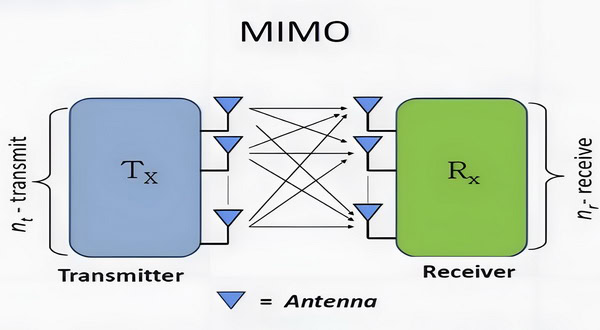
সুবিধা: WiFi নেটৱৰ্কৰ ক্ষমতা আৰু কাৰ্যক্ষমতা বৃদ্ধি কৰে।.
13. বীমফৰ্মিং
সংজ্ঞা: এটি এক প্ৰযুক্তি যি WiFi সংকেতক সকলো দিশত প্ৰচাৰ কৰাৰ পৰিৱৰ্তে সিধা এখন ডিভাইচত কেন্দ্ৰিত কৰে।.

সুবিধা: লক্ষ্যযুক্ত ডিভাইচৰ সংকেত শক্তি আৰু গুণমান উন্নত কৰে।.
এই মৌলিক ধাৰণাসমূহ বুজি লোৱাই আপোনাক WiFi নেটৱৰ্ক স্থাপন, ব্যৱহাৰ আৰু সমস্যা সমাধানৰ বিষয়ে সঠিক সিদ্ধান্ত ল’বলৈ সহায় কৰিব।.
WiFi নেটৱৰ্কত অ্যান্টেনাৰ ভূমিকা
অ্যান্টেনাসমূহ WiFi নেটৱৰ্কত গুৰুত্বপূর্ণ ভূমিকা পালন কৰে, যাৰ দ্বাৰা ডিভাইচসমূহৰ মাজত ৱাইৰলেছ সংকেত প্ৰেৰণ আৰু গ্ৰহণ সম্ভৱ হয়। ইয়াত কিছু মূল ভূমিকা আৰু কাৰ্য্য উল্লেখ কৰা হৈছে:
1. সংকেত প্ৰেৰণ আৰু গ্ৰহণ: অ্যান্টেনাসমূহ WiFi ৰাউটাৰ বা এক্সেছ পইণ্টৰ পৰা বৈদ্যুতিক সংকেতক ইলেক্টোম্যাগনেটিক ৱেভত পৰিৱৰ্তন কৰে আৰু তাৰ বিপৰীতে। এইয়ে লেপটপ, স্মাৰ্টফোন, টেবলেট আৰু অন্যান্য WiFi-সক্ষম গেজেটসমূহৰ মাজত ৱাইৰলেছ যোগাযোগ সম্ভৱ কৰে।.
2. আৱৰণ এলাকা: অ্যান্টেনাৰ ডিজাইন আৰু স্থান নিৰ্ধাৰণ WiFi নেটৱৰ্কৰ আৱৰণ এলাকা প্ৰভাৱিত কৰে। বিভিন্ন ধৰণৰ অ্যান্টেনা (উদাহৰণস্বৰূপ, অমনি-দিশা, দিশা-নির্দেশিত) বিভিন্ন পৰিৱেশত আৱৰণ উন্নত কৰিবলৈ ব্যৱহাৰ কৰা হয়। অমনি-দিশা অ্যান্টেনাসমূহ 360-ডিগ্ৰী আৱৰণ প্ৰদান কৰে, যি সাধাৰণ ব্যৱহাৰৰ বাবে উপযুক্ত, আৰু দিশা-নির্দেশিত অ্যান্টেনাসমূহ সংকেতক নিৰ্দিষ্ট দিশালৈ কেন্দ্ৰিত কৰে, যি দীঘল দূৰত্বৰ যোগাযোগ বা বাধা অতিক্ৰম কৰিবলৈ উপযোগী।.
3. সংকেত শক্তি আৰু গুণমান: অ্যান্টেনাসমূহ WiFi সংকেতৰ শক্তি আৰু গুণমান প্ৰভাৱিত কৰে। উচ্চ-গেইন অ্যান্টেনাসমূহ সংকেত বৃদ্ধি কৰিব পাৰে, যাৰ ফলত দূৰত্ব বাঢ়ে আৰু সংযোগ উন্নত হয়। সঠিক অ্যান্টেনা স্থান নিৰ্ধাৰণেও হস্তক্ষেপ কমাই আৰু সংকেতৰ ক্ষয় ৰোধ কৰে, যাৰ ফলত অধিক স্থিৰ আৰু দ্ৰুত সংযোগ হয়।.
4. ফ্ৰিকুৱেঞ্চি বেণ্ড: WiFi নেটৱৰ্কসমূহ বিভিন্ন ফ্ৰিকুৱেঞ্চি বেণ্ডত চলা হয়, প্ৰধানকৈ 2.4 GHz, 5 GHz আৰু 6 GHz। কিছুমান অ্যান্টেনা বিশেষকৈ এই বেণ্ডসমূহৰ সৈতে কাম কৰিবলৈ ডিজাইন কৰা হয়, আৰু আনবোৰ দ্বৈত-বেণ্ড বা ত্ৰৈত-বেণ্ড, যি একাধিক ফ্ৰিকুৱেঞ্চি হেণ্ডল কৰিব পাৰে। এই নমনীয়তা নেটৱৰ্কৰ চাপ নিয়ন্ত্ৰণ আৰু গৰভৰ কমাই।.
5. MIMO প্ৰযুক্তি: আধুনিক WiFi মানদণ্ড (যেনে WiFi 5 আৰু WiFi 6) বহু ইনপুট বহু আউটপুট (MIMO) প্ৰযুক্তি ব্যৱহাৰ কৰে, যি একাধিক অ্যান্টেনাৰ ব্যৱহাৰ কৰি অধিক ডাটা একেলগে প্ৰেৰণ আৰু গ্ৰহণ কৰে। ইয়াৰ ফলত নেটৱৰ্কৰ ক্ষমতা বৃদ্ধি পায় আৰু সামগ্ৰিক কাৰ্যক্ষমতা উন্নত হয়, বিশেষকৈ বহু সংযুক্ত ডিভাইচ থকা পৰিৱেশত।.
6. বীমফৰ্মিং: বীমফৰ্মিং হৈছে এক প্ৰযুক্তি যি WiFi সংকেতক সকলো দিশত প্ৰচাৰ কৰাৰ পৰিৱৰ্তে নিৰ্দিষ্ট ডিভাইচলৈ কেন্দ্ৰিত কৰে। এই লক্ষ্যভিত্তিক পদ্ধতিয়ে সংকেতৰ গুণমান আৰু শক্তি বৃদ্ধি কৰে, ফলত দ্ৰুত আৰু অধিক বিশ্বাসযোগ্য সংযোগ হয়। বীমফৰ্মিং উন্নত অ্যান্টেনা এৰেস ব্যৱহাৰ কৰি সংকেত দিশা ডাইনামিকভাৱে সজায়।.
7. হস্তক্ষেপ হ্ৰাস: অ্যান্টেনাসমূহ অন্য ৱাইৰলেছ ডিভাইচ আৰু নেটৱৰ্কৰ পৰা হস্তক্ষেপ কমাবলৈ সহায় কৰে। সাৱধানে ডিজাইন আৰু স্থান নিৰ্ধাৰণৰ দ্বাৰা হস্তক্ষেপৰ প্ৰভাৱ হ্ৰাস কৰিব পাৰি, যাৰ ফলত এক শুদ্ধ আৰু অধিক স্থিৰ WiFi সংকেত লাভ হয়।.
8. সৌন্দৰ্য্য আৰু ব্যৱহাৰিক বিবেচনা: অ্যান্টেনাৰ শাৰীৰিক ডিজাইন তেওঁলোকৰ কাৰ্যক্ষমতা আৰু বিভিন্ন পৰিৱেশত সংহতকৰণত প্ৰভাৱ পেলায়। উদাহৰণস্বৰূপ, ভেতৰীয়া অ্যান্টেনাসমূহ সাধাৰণ গ্ৰেড ৰাউটাৰসমূহত ব্যৱহাৰ হয় যাতে স্লীক দৰ্শন বজাই ৰাখিব পাৰে, আৰু বাহ্যিক অ্যান্টেনাসমূহ উদ্যোগ পৰিৱেশত উন্নত কাৰ্যক্ষমতা আৰু স্থান নিৰ্ধাৰণৰ নমনীয়তা প্ৰদান কৰে।.
সংক্ষেপে, অ্যান্টেনাসমূহ WiFi নেটৱৰ্কৰ এক মূল উপাদান, যি সংকেত প্ৰেৰণ, আৱৰণ, নেটৱৰ্কৰ কাৰ্যক্ষমতা আৰু বিশ্বাসযোগ্যতাত প্ৰভাৱ পেলায়। সঠিক নিৰ্বাচন, স্থান নিৰ্ধাৰণ আৰু কনফিগাৰেশ্যন অ্যান্টেনাসমূহৰ নেটৱৰ্কৰ কাৰ্যক্ষমতা উন্নত কৰাৰ বাবে অত্যাৱশ্যক।.
অ্যান্টেনাৰ আকাৰৰ প্ৰভাৱ WiFi সংযোগত
একটি WiFi অ্যান্টেনাৰ শাৰীৰিক আকাৰই আপোনাৰ ৱাইৰলেছ সংযোগৰ দূৰত্ব আৰু বিশ্বাসযোগ্যতা দুয়োত প্ৰভাৱ পেলায়। সাধাৰণতে, ডাঙৰ অ্যান্টেনাসমূহ অধিক দূৰত্বত সংকেত প্ৰচাৰ আৰু গ্ৰহণ কৰিব পাৰে, ইয়াৰ বৃদ্ধি পোৱা পৃষ্ঠভাগ আৰু ইলেক্টোম্যাগনেটিক ৱেভ ধৰা ক্ষমতাৰ বাবে। ইয়াৰ ফলত সংকেত শক্তিশালী হয়, বিশেষকৈ WiFi নেটৱৰ্কৰ আৱৰণৰ কাষত।.
তথাপি, সকলো পৰিস্থিতিত ডাঙৰ অ্যান্টেনা সদায় উত্তম নহয়। ডাঙৰ অ্যান্টেনা সাধাৰণতে দূৰত্ব আৰু স্থিৰতা বৃদ্ধি কৰে, বিশেষকৈ খোলা পৰিৱেশ বা ডাঙৰ ঘৰসমূহত, কিন্তু ভিড় বা জটিল ঠাইত হস্তক্ষেপৰ বাবে অধিক সংবেদনশীল হ'ব পাৰে। সৰু অ্যান্টেনাসমূহে প্ৰদৰ্শন আৰু স্থানৰ মাজত ভাল সমন্বয় প্ৰদান কৰিব পাৰে, বিশেষকৈ স্থানৰ সমস্যা থাকিলে।.
অন্ততঃ, সঠিক অ্যান্টেনাৰ আকাৰ নিৰ্বাচন আপোনাৰ আৱৰণৰ প্ৰয়োজনীয়তা আৰু পৰিৱেশৰ ওপৰত নিৰ্ভৰ কৰে। যদি সংকেতৰ দূৰত্ব বঢ়োৱা প্ৰধান লক্ষ্য হয়—ধৰো, বহু তল বা দীৰ্ঘ কোণত প্ৰাপ্তি—তেতিয়া ডাঙৰ অ্যান্টেনা সংযোগ আৰু স্থিৰতা উন্নত কৰিব পাৰে।.
এক PCৰ বাবে বাহ্যিক WiFi অ্যান্টেনা কেতিয়া প্ৰয়োজন?
যদিও অধিকাংশ আধুনিক PCত ভেতৰীয়া অ্যান্টেনাসমূহ থাকে, যি দৈনন্দিন ৱেব ব্রাউজিং আৰু সাধাৰণ ব্যৱহাৰৰ বাবে যথেষ্ট, কিছু পৰিস্থিতিত বাহ্যিক WiFi অ্যান্টেনা আপগ্ৰেড কৰাটো উল্লেখযোগ্য পাৰ্থক্য আনিব পাৰে। ইয়াত কিছুমান সাধাৰণ পৰিস্থিতি উল্লেখ কৰা হৈছে য’ত বাহ্যিক অ্যান্টেনা বিশেষকৈ লাভজনক হয়:
- চেলেঞ্জিং সংকেত পৰিৱেশসমূহ: যদি আপোনাৰ কম্পিউটাৰ ওয়্যারলেছ ৰাউটাৰৰ পৰা দূৰত থাকিব, বা যদি ঘন দেওয়াল, মেঝা, বা অন্য বাধাসমূহ থাকিব, তেন্তে অভ্যন্তৰীণ অ্যান্টেনা শক্তিশালী সংযোগ বজাই ৰাখিবলৈ কঠিন হ'ব পাৰে। এনে ক্ষেত্ৰত, বাহ্যিক অ্যান্টেনা—বিশেষকৈ উচ্চ গেইন বা দিশা নিৰ্দেশক ক্ষমতা থকা—এটা শক্তিশালী, অধিক স্থিৰ সংকেত ধৰা সহায় কৰিব পাৰে।.
- উন্নত কাৰ্যক্ষমতা কঠিন আবেদনসমূহৰ বাবে: অতি উচ্চ ব্যাণ্ডউইড্থ বা অতি নিম্ন লেটেনচি দাবী কৰা কাৰ্যকলাপসমূহৰ বাবে, যেনে অনলাইন গেমিং, HD ষ্ট্ৰীমিং, বা ডাঙৰ ফাইল স্থানান্তৰ, মানক অভ্যন্তৰীণ অ্যান্টেনাই সৰ্বোত্তম ফলাফল নিদিব পাৰে। এক্সটাৰ্নেল অ্যান্টেনাই প্ৰায়ই গতি আৰু সংযোগৰ বিশ্বাসযোগ্যতা দুয়োটা উন্নত কৰে, এই কাৰ্যসমূহৰ বাবে অধিক মসৃণ কাৰ্যক্ষমতা প্ৰদান কৰে।.
- ৱাইফাই হস্তক্ষেপৰ সৈতে মোকাবিলা: যদি আপুনি বহু ৱাইফাই নেটৱৰ্ক বা অন্য ইলেকট্ৰনিক ডিভাইচসমূহে ভৰপূৰ এলেকাত থাকিব, যেনে এপাৰ্টমেণ্ট কমপ্লেক্স বা কাৰ্যালয় ভবনসমূহত, বাহ্যিক অ্যান্টেনাসমূহ হস্তক্ষেপ কমাবলৈ সহায় কৰিব পাৰে। সংকেত ফিল্টাৰ কৰা বা গ্ৰহণ কেন্দ্ৰিক কৰিবলৈ ডিজাইন কৰা অ্যান্টেনাসমূহ বাচি ল'লে, আপুনি অধিক পৰিষ্কাৰ, অধিক সঙ্গতিপূর্ণ সংযোগ লাভ কৰিব পাৰে।.
অন্ততঃ, যদিও অভ্যন্তৰীণ অ্যান্টেনাসমূহ অধিকাংশ ব্যৱহাৰকাৰীৰ বাবে ভাল কাম কৰে, বাহ্যিক ৱাইফাই অ্যান্টেনাসমূহ মূল্যবান উন্নতি প্ৰদান কৰে যেতিয়া আপুনি দূৰত্ব, শারীৰিক বাধা, অধিক নেটৱৰ্ক ট্রাফিক, বা উচ্চ কাৰ্যক্ষমতা প্ৰয়োজনীয়তা অতিক্ৰম কৰিব লাগে।.
অধ্যায় 1: ৱাইফাই প্ৰযুক্তিৰ মূলভূত বিষয়সমূহ
ৱাইফাইৰ ইতিহাস আৰু বিকাশ
ৱাইফাই, যি ৱাইৰলেছ ফিডেলিটি ৰ সংক্ষিপ্ত ৰূপ, ই আমাৰ ইণ্টাৰনেটৰ সৈতে সংযোগ আৰু ৱাইৰলেছ যোগাযোগৰ পদ্ধতি বিপ্লৱ আনিছে। ইয়াৰ ইতিহাস আৰু বিকাশৰ এক সংক্ষিপ্ত পৰিচয়:
আদি বিকাশ আৰু আধাৰসমূহ
1. 1971 – ALOHAnet: ৱাইফাইৰ আধাৰটো হাৱাই বিশ্ববিদ্যালয়ত বিকাশ হোৱা ALOHAnetৰ পৰা পোৱা যায়। ALOHAnet আছিল প্ৰথম ৱাইৰলেছ পেকেট-চুইটেড নেটৱৰ্ক আৰু ৱাইৰলেছ যোগাযোগৰ ভিত্তি স্থাপন কৰিছিল।.
2. 1985 – FCC ISM ব্যাণ্ড খোলক: যুক্তৰাষ্ট্ৰৰ ফেডাৰেল কমিউনিকেশ্যন কমিশনে (FCC) ইণ্ডাস্ট্ৰিয়েল, সায়েন্টিফিক, আৰু মেডিকেল (ISM) ৰেডিঅ' ব্যাণ্ডসমূহ অপ্রয়োজনীয় ব্যৱহাৰৰ বাবে খোলক। এই সিদ্ধান্তে ৱাইৰলেছ যোগাযোগ প্ৰযুক্তিসমূহ বিকাশৰ বাবে প্ৰয়োজনীয় ফ্রিকুৱেঞ্চি স্পেকট্ৰাম প্ৰদান কৰিছিল।.
ৱাইফাইৰ জন্ম
3. 1991 – NCR আৰু AT&T দ্বাৰা আৱিষ্কাৰ: আধুনিক ৱাইফাইৰ পূৰ্বসূৰী NCR কৰ্পোৰেশ্যন আৰু AT&Tয়ে নিউজিগেন, নেদাৰলেণ্ডত আৱিষ্কাৰ কৰিছিল। তেওঁলোকে WaveLAN নামৰ এক ৱাইৰলেছ প্ৰটোকল সৃষ্টি কৰিছিল, যি ISM ব্যাণ্ডত চলিছিল আৰু 2 Mbps পৰ্যন্ত ডাটা প্ৰেৰণ কৰিব পাৰিছিল।.
4. 1997 – IEEE 802.11 মানদণ্ড: ইলেকট্ৰিকেল এণ্ড ইলেকট্ৰনিক্স ইঞ্জিনিয়াৰ্ছৰ ইনষ্টিটিউট (IEEE) 802.11 মানদণ্ড প্ৰৱৰ্তন কৰে, যি ৱাইৰলেছ স্থানীয় এলেকা নেটৱৰ্ক (WLAN)ৰ বাবে নিৰ্দিষ্টকৰণ প্ৰদান কৰে। মূল মানদণ্ডে 2 Mbps পৰ্যন্ত গতি সমৰ্থন কৰিছিল।.
ৱাইফাই মানদণ্ডৰ বিকাশ
5. 1999 – 802.11b আৰু WiFi এলায়েন্স: 802.11b মানদণ্ড মুক্তি পায়, যি 11 Mbps পৰ্যন্ত গতি প্ৰদান কৰে। এইটো উল্লেখযোগ্য উন্নতি আছিল আৰু WiFiৰ জনপ্ৰিয়তা আৰম্ভ হৈছিল। WiFi এলায়েন্সো গঠন হৈছিল যাতে WiFi প্ৰডাক্টসমূহৰ প্ৰচাৰ আৰু প্ৰমাণপত্ৰ প্ৰদান কৰিব পাৰে, যাতে বিভিন্ন নিৰ্মাতাৰ ডিভাইচসমূহৰ মাজত আন্তঃঅপৰিচালনা নিশ্চিত হয়।.
6. 2003 – 802.11g: 802.11g মানদণ্ড প্ৰৱৰ্তন হয়, যি 54 Mbps পৰ্যন্ত গতি প্ৰদান কৰে। ই 802.11b ৰ সৈতে পুৰণি সামঞ্জস্যতা ৰাখে, যাৰ ফলত WiFiৰ ব্যাপক গ্ৰহণযোগ্যতা বৃদ্ধি পায়।.
7. 2009 – 802.11n: 802.11n মানদণ্ড ডাটা গতি উল্লেখযোগ্যভাৱে উন্নত কৰে, 600 Mbps পৰ্যন্ত গতি প্ৰদান কৰে। ইয়াত MIMO (Multiple Input Multiple Output) প্ৰযুক্তি অন্তর্ভুক্ত আছিল, যি একাধিক অ্যান্টেনা ব্যৱহাৰ কৰি ডাটা প্ৰেৰণ আৰু গ্ৰহণ সক্ষম কৰে, কাৰ্যক্ষমতা আৰু বিশ্বাসযোগ্যতা বৃদ্ধি কৰে।.
8. 2013 – 802.11ac: 802.11ac মানদণ্ড, যাক WiFi 5 বুলি জনা যায়, অধিক গতি প্ৰদান কৰিছিল, 1 Gbps আৰু তাৰ পৰা অধিক। এইটো প্ৰধানকৈ 5 GHz বেণ্ডত কাৰ্যকৰী হৈছিল আৰু উন্নত বৈশিষ্ট্যসমূহ যেনে beamforming আৰু বিস্তৃত চেনেল ব্যাণ্ডউইথ প্ৰৱৰ্তন কৰিছিল।.
9. 2019 – 802.11ax (WiFi 6): 802.11ax মানদণ্ড, যাক WiFi 6 বুলি জনা যায়, কাৰ্যক্ষমতা, ক্ষমতা, আৰু প্ৰদৰ্শনত উল্লেখযোগ্য উন্নতি আনিছিল, বিশেষকৈ ভিৰযুক্ত পৰিৱেশত। এইয়ে OFDMA (Orthogonal Frequency Division Multiple Access) আৰু উন্নত MIMO প্ৰযুক্তি প্ৰৱৰ্তন কৰিছিল।.
10. 2020 – WiFi 6E: WiFi 6E WiFi 6ৰ সক্ষমতা 6 GHz বেণ্ডলৈ বিস্তৃত কৰিছিল, অধিক স্পেকট্ৰাম প্ৰদান কৰি পৰম্পৰাগত 2.4 GHz আৰু 5 GHz বেণ্ডত ভিৰ কমাইছিল।.
11. 2021 – 802.11ad/ay (60GHz WiFi): এই মানদণ্ডসমূহ, যাক WiGig বুলি জনা যায়, 60 GHz বেণ্ডত কাৰ্যকৰী হয় আৰু অতি উচ্চ ডাটা গতিৰ বাবে ডিজাইন কৰা হৈছে, 802.11adৰ বাবে 7 Gbps পৰ্যন্ত আৰু 802.11ayৰ বাবে আৰু অধিক। এইবোৰ ক্ষুদ্ৰ দূৰত্ব, উচ্চ-ব্যাণ্ডউইথ আবেদনসমূহ যেনে ৱাইৰলেছ ডকিং আৰু VR/ARৰ বাবে উপযুক্ত।.

12. 2024 (আশা কৰা) – 802.11be (WiFi 7)**: অহা 802.11be মানদণ্ড, যাক WiFi 7 বুলি জনা যায়, অধিক গতি আৰু কম লেটেন্সী প্ৰদানৰ লক্ষ্যৰে। এইয়ে 30 Gbps পৰ্যন্ত সমৰ্থন কৰিব 320 MHz চেনেল ব্যাণ্ডউইথ, 4096-QAM, আৰু মাল্টি-লিংক অপাৰেশনৰ দৰে প্ৰযুক্তি ব্যৱহাৰ কৰি। WiFi 7 অধিক ঘন পৰিৱেশত প্ৰদৰ্শন উন্নত কৰিব আৰু উদীয়মান আবেদনসমূহ যেনে আল্ট্ৰা-উচ্চ-সংজ্ঞা ভিডিঅ' ষ্ট্ৰীমিং আৰু অগমেণ্টেড ৰিয়েলিটিৰ সমৰ্থন কৰিব।.
প্ৰভাৱ আৰু আবেদনসমূহ
WiFiয়ে আধুনিক জীৱনৰ বিভিন্ন দিশত গভীৰ প্ৰভাৱ পেলাইছে, যেনে:
ঘৰ আৰু কাৰ্যালয় সংযোগ: WiFi ঘৰ আৰু কাৰ্যালয়ত ইণ্টাৰনেট সংযোগৰ মানদণ্ড হৈ পৰিছে, ৱাইৰলেছ এক্সেছৰ মাধ্যমে ইণ্টাৰনেট আৰু স্থানীয় নেটৱৰ্কসমূহত সংযোগ স্থাপন কৰে।.
ম'বাইল ডিভাইচসমূহ: স্মাৰ্টফোন, টেবলেট আৰু অন্যান্য ম'বাইল ডিভাইচৰ বিস্তৃতি WiFiৰ উপলব্ধতাৰ দ্বাৰা প্ৰেৰিত হৈছে, ব্যৱহাৰকাৰীসকলে গতিৰ সৈতে সংযোগ থাকিব পাৰে।.
সাধাৰণ হটস্পট: কেফে, বিমানবন্দৰ, হোটেল আদি সাধাৰণ স্থানত WiFi হটস্পটসমূহে মানুহৰ বাবে ইণ্টাৰনেটত সহজে প্ৰৱেশ কৰিবলৈ সুবিধা প্ৰদান কৰিছে।.
IoT (ইণ্টাৰনেট অৱ থিংছ): WiFi IoT ডিভাইচসমূহ সংযোগ কৰিবলৈ গুৰুত্বপূর্ণ ভুমিকা পালন কৰে, স্মাৰ্ট ঘৰ, স্মাৰ্ট চিটি আৰু বিভিন্ন উদ্যোগিক আবেদনসমূহক সক্ষম কৰে।.
উপসংহাৰ
WiFiৰ ইতিহাস আৰু বিকাশে যোগাযোগ আৰু সংযোগত ইয়াৰ পৰিৱর্তনকাৰী প্ৰভাৱ প্ৰদৰ্শন কৰিছে। ইয়াৰ আৰম্ভণি পৰা লৈ সাম্প্ৰতিক উন্নতিসমূহলৈ, WiFi অধিক গতি, অধিক কাৰ্যক্ষমতা, আৰু উন্নত প্ৰদৰ্শন প্ৰদান কৰি চলি আছে, ৱাইৰলেছ যোগাযোগৰ ভৱিষ্যত গঢ়ি তুলিছে।.
WiFi মানদণ্ড আৰু প্ৰটোকলসমূহ
802.11 মানদণ্ডৰ পৰ্যালোচনা (a/b/g/n/ac/ax/be)
1. IEEE 802.11: এইটো মানদণ্ডসমূহৰ সংকলন, যাক ইলেকট্ৰিকেল আৰু ইলেকট্ৰনিক ইঞ্জিনিয়াৰ্ছৰ প্ৰতিষ্ঠানে (IEEE) বিকাশ কৰিছে, ৱাইৰলেছ স্থানীয় এলেকা নেটৱৰ্ক (WLANs)ৰ বাবে।.
2. 802.11a:
আবৃদ্ধি: 5 GHz
সৰ্বোচ্চ গতি: 54 Mbps
শ্ৰেণী: 2.4 GHzতকৈ কম দূৰত্ব, উচ্চ ফ্ৰিকুৱেঞ্চীৰ বাবে
টোকা: কম হস্তক্ষেপ, কিন্তু 2.4 GHz ডিভাইচৰ সৈতে সামঞ্জস্য নহয়
3. 802.11b:
ফ্ৰিকুৱেঞ্চী: 2.4 GHz
সৰ্বোচ্চ গতি: 11 Mbps
দূৰত্ব: 5 GHzতকৈ ভাল দূৰত্ব কিন্তু অধিক হস্তক্ষেপৰ সম্ভাৱনা
টোকা: আটাইতকৈ পুৰণি মানদণ্ডসমূহৰ ভিতৰত, ব্যাপকভাৱে গ্ৰহণ কৰা
4. 802.11g:
ফ্ৰিকুৱেঞ্চী: 2.4 GHz
সৰ্বোচ্চ গতি: 54 Mbps
দূৰত্ব: 802.11bৰ সৈতে সাদৃশ্য, কিন্তু অধিক গতিৰ সৈতে
টোকা: 802.11bৰ সৈতে পেছলৈ সামঞ্জস্যপূর্ণ
5. 802.11n:
ফ্ৰিকুৱেঞ্চী: 2.4 GHz আৰু 5 GHz (দ্বৈত-বেণ্ড)
সৰ্বোচ্চ গতি: 600 Mbps (তত্ত্বীয়)
দূৰত্ব: MIMO (Multiple Input Multiple Output) প্ৰযুক্তিৰ বাবে উন্নত দূৰত্ব
টোকা: MIMO আৰু চেনেল বন্ধন প্ৰবর্তন কৰা হৈছে
6. 802.11ac:
আবৃদ্ধি: 5 GHz
সৰ্বোচ্চ গতি: 3.46 Gbpsলৈকে (তত্ত্বীয়, 160 MHz চেনেল ব্যৱহাৰ কৰি)
দূৰত্ব: 5 GHzত 802.11nৰ সৈতে সাদৃশ্য, কিন্তু অধিক গতিৰ
টোকা: ডাঙৰ চেনেল ব্যৱহাৰ, অধিক MIMO ষ্ট্ৰিম, আৰু বীমফৰ্মিং
7. 802.11ax (WiFi 6):
আৱৃত্তি: 2.4 GHz আৰু 5 GHz (দ্বৈত-বেণ্ড, ভৱিষ্যত সমৰ্থনৰ সৈতে 6 GHz)
সৰ্বোচ্চ গতি: 9.6 Gbps পৰ্যন্ত (সিদ্ধান্তমূলক)
দূৰত্ব: উন্নত কাৰ্যক্ষমতা আৰু দূৰত্ব
টোকা: ঘন পৰিৱেশত উন্নত কাৰ্যক্ষমতা, ডিভাইচৰ বাবে বেটাৰী জীৱন উন্নত, OFDMA (অর্থোগোনেল ফ্ৰিকুৱেঞ্চি ডিভিশন মাল্টিপল অ্যাক্সেছ)
8. 802.11ad:
আৱৃত্তি: 60 GHz
সৰ্বোচ্চ গতি: 7 Gbps পৰ্যন্ত
দূৰত্ব: অতি ক্ষুদ্ৰ দূৰত্ব
টোকা: উচ্চ-গতিসম্পন্ন, ক্ষুদ্ৰ দূৰত্বৰ যোগাযোগ, প্ৰায়ই বিশেষ আবেদনসমূহৰ বাবে ব্যৱহৃত যেনে ৱাইৰলেছ ডকিং ষ্টেচনসমূহ
9. 802.11ay:
আৱৃত্তি: 60 GHz
সৰ্বোচ্চ গতি: 20-40 Gbps পৰ্যন্ত
দূৰত্ব: ক্ষুদ্ৰ দূৰত্ব
টোকা: 802.11adৰ উত্তরসূৰি, কাৰ্যক্ষমতা আৰু দূৰত্ব উন্নত কৰাৰ লক্ষ্যৰে
10. WiFi 6E:
আৱৃত্তি: 6 GHz
সৰ্বোচ্চ গতি: WiFi 6ৰ দৰে (সিদ্ধান্তমূলক 9.6 Gbps পৰ্যন্ত)
দূৰত্ব: WiFi 6ৰ দৰে কিন্তু কম হস্তক্ষেপৰ সৈতে
টোকা: WiFi 6ক 6 GHz বেণ্ডত বিস্তৃত কৰে, অধিক চেনেল আৰু কম ভিৰ প্ৰদান কৰে, উচ্চ কাৰ্যক্ষমতা আৰু নিম্ন লেটেঞ্চি অনুমতি দিয়ে।.
11. 802.11be (WiFi 7):
আৱৃত্তি: 2.4 GHz, 5 GHz, আৰু 6 GHz (ত্রি-বেণ্ড)
সৰ্বোচ্চ গতি: 30 Gbps পৰ্যন্ত (সাধাৰণতঃ)
দূৰত্ব: উন্নত দূৰত্ব আৰু কাৰ্যক্ষমতা
টোকা: 320 MHz চেনেল, উচ্চ-অৰ্ডাৰ 4096-QAM (কোয়াড্ৰেচাৰেট এমপ্লিটিউড মোডুলেচন), মাল্টি-লিংক অপাৰেচন (MLO), আৰু উন্নত MU-MIMO যেনে বৈশিষ্ট্যসমূহ অন্তৰ্ভুক্ত হোৱাৰ আশা, যি throughput, কাৰ্যক্ষমতা, আৰু লেটেঞ্চি উল্লেখযোগ্যভাৱে উন্নত কৰিব।.
WiFi প্ৰটোকলসমূহ
1. WEP (ৱায়াৰড সমান গোপনীয়তা):
নিরাপত্তা স্তৰ: নিম্ন
টোকা: প্ৰাৰম্ভিক নিরাপত্তা প্ৰটোকল, এতিয়া অসুৰক্ষিত আৰু অব্যাহত
2. WPA (WiFi সুৰক্ষিত প্ৰৱেশ):
নিরাপত্তা স্তৰ: মধ্যম
টোকা: WEPতকৈ উন্নত, TKIP (টেম্পোৰেল কী ইন্টেগ্ৰিটি প্ৰটোকল) প্ৰৱৰ্তন কৰা হৈছে
3. WPA2:
নিরাপত্তা স্তৰ: উচ্চ
টোকা: AES (অ্যাডভান্সড এন্ক্ৰিপচন ষ্টেণ্ডাৰ্ড) ব্যৱহাৰ কৰে, ব্যাপকভাৱে গ্ৰহণ কৰা আৰু সুৰক্ষিত ধৰা হয়
4. WPA3:
নিরাপত্তা স্তৰ: অতি উচ্চ
টোকা: নতুন নিরাপত্তা প্ৰটোকল, সমানত্মা প্ৰমাণীকৰণ (SAE) প্ৰৱৰ্তন কৰে যাতে বিশেষকৈ পাব্লিক নেটৱৰ্কত সুৰক্ষা বঢ়ে
অন্য প্ৰাসংগিক প্ৰযুক্তিসমূহ
1. MU-MIMO (মাল্টি-ইউজাৰ MIMO):
একাধিক ডিভাইচক একেলগে ডাটা লাভ কৰিবলৈ অনুমতি দিয়ে, কাৰ্যক্ষমতা আৰু গতি উন্নত কৰে মাল্টি-ডিভাইচ পৰিৱেশত।.
2. বিমফৰ্মিং
WiFi সংকেতক গ্ৰহণকাৰী ডিভাইচৰ দিশত কেন্দ্রীভূত কৰে, দূৰত্ব আৰু কাৰ্যক্ষমতা উন্নত কৰে।.
3. OFDMA (অৰ্থোগোনেল ফ্ৰিকুৱেঞ্চি ডিভিশন মাল্টিপল অ্যাক্সেছ):
এটা চেনেলক সৰু উপ-চেনেলত বিভক্ত কৰে, যাৰ ফলত একাধিক ডিভাইচ একে সময়তে সেৱা লাভ কৰিব পাৰে, কাৰ্যক্ষমতা উন্নত হয়।.
4. WiFi 6E:
WiFi 6ৰ এক বিস্তাৰণ যি 6 GHz বেণ্ডত কাৰ্য কৰে, অধিক চেনেল প্ৰদান কৰে আৰু কম হস্তক্ষেপ হয়।.
এই মানদণ্ড আৰু প্ৰটোকলবোৰ বুজি পালে আপোনাৰ উপযুক্ত WiFi উপকৰণ বাচি ল’ব পাৰে আৰু আপোনাৰ নেটৱৰ্কক সৰ্বোত্তম কাৰ্যক্ষমতা আৰু সুৰক্ষাৰ বাবে কনফিগাৰ কৰিব পাৰে, বিশেষকৈ নতুন প্ৰযুক্তিসমূহ যেনে WiFi 6E আৰু WiFi 7 অধিক প্ৰচলিত হৈ উঠি থাকোতে।.
ভৱিষ্যত প্ৰৱণতা: WiFi 7 আৰু তাৰপৰা আগলৈ
WiFi প্ৰযুক্তি বৰ্তমানলৈকে যথেষ্ট উন্নত হৈছে, প্ৰতিটো নতুন প্ৰজন্মে গতি, ক্ষমতা আৰু সামগ্ৰিক কাৰ্যক্ষমতাত উল্লেখযোগ্য উন্নতি আনিছে। WiFi 7, যাক IEEE 802.11be বুলিও জানো, সেইটো আগন্তুক মানদণ্ড যি এই সীমাবদ্ধতাসমূহক আৰু অধিক আগবঢ়াবলৈ প্ৰতিশ্ৰুতি দিয়ে। ইয়াত কিছু প্রত্যাশিত প্ৰৱণতা আৰু বৈশিষ্ট্যসমূহ উল্লেখ কৰা হৈছে:
WiFi 7 (IEEE 802.11be)
1. উচ্চ ডেটা গতি: WiFi 7 লক্ষ্য কৰে 30 Gbps পৰ্যন্ত ডেটা গতি লাভ কৰিবলৈ, যি WiFi 6 (802.11ax) ৰ 9.6 Gbpsতকৈ যথেষ্ট উচ্চ। এইটো সম্ভৱ হ’ব বিস্তৃত চেনেল ব্যাণ্ডউইথ, উন্নত মোডুলেচন প্ৰযুক্তি আৰু উন্নত স্থানীয় মাল্টিপ্লেক্সিংৰ জৰিয়তে।.
2. 320 MHz চেনেল ব্যাণ্ডউইথ: WiFi 7 320 MHz পৰ্যন্ত চেনেল ব্যাণ্ডউইথ সমৰ্থন কৰিব, যি WiFi 6 ৰ 160 MHzতকৈ অধিক। এই বিস্তৃত ব্যাণ্ডউইথে অধিক ডেটা একে সময়তে প্ৰেৰণ কৰিব পাৰে, সামগ্ৰিক থ্ৰুপুট উন্নত কৰে।.
3. 4K-QAM (কুৱাড্ৰেচাৰ আমপ্লিটিউড মোডুলেচন): WiFi 7 4096-QAM প্ৰৱৰ্তন কৰিব, যি WiFi 6 ত ব্যৱহৃত 1024-QAMতকৈ উন্নত। এই উচ্চ-অৰ্ডাৰ মোডুলেচনে প্ৰতিটো চিহ্নত অধিক বিট প্ৰেৰণ কৰিব পাৰে, ডেটা গতি বৃদ্ধি কৰে।.
4. মাল্টি-লিংক অপাৰেচন (MLO): WiFi 7 মাল্টি-লিংক অপাৰেচন সমৰ্থন কৰিব, যাৰ দ্বাৰা ডিভাইচসমূহ একে সময়তে বহু বেণ্ডত সংযোগ কৰিব পাৰে (2.4 GHz, 5 GHz, আৰু 6 GHz)। ইয়াৰ ফলত বিশ্বাসযোগ্যতা বৃদ্ধি, লেটেনচি হ্ৰাস আৰু সমষ্টিগত থ্ৰুপুট বৃদ্ধি পায়।.
5. উন্নত MU-MIMO আৰু OFDMA: WiFi 7 মাল্টি-ইউজাৰ মাল্টিপল ইনপুট মাল্টিপল আউটপুট (MU-MIMO) আৰু অৰ্থোগোনেল ফ্ৰিকুৱেঞ্চি ডিভিশন মাল্টিপল অ্যাক্সেছ (OFDMA) প্ৰযুক্তিসমূহ উন্নত কৰিব, যাৰ ফলত স্পেকট্ৰামৰ অধিক কাৰ্যক্ষম ব্যৱহাৰ আৰু ঘন পৰিৱেশত ভাল কাৰ্যক্ষমতা লাভ হয়।.
6. কম লেটেনচি: WiFi 7 লক্ষ্য কৰে লেটেনচি যথেষ্ট হ্ৰাস কৰিবলৈ, যি ভার্চুৱেল ৰিয়েলিটি (VR), অগমেণ্টেড ৰিয়েলিটি (AR), অনলাইন গেমিং, আৰু ৰিয়েল-টাইম যোগাযোগৰ বাবে উপযুক্ত।.
7. উন্নত সুৰক্ষা: সুৰক্ষা প্ৰটোকলসমূহত অব্যাহত উন্নতি, WPA3 মানদণ্ডৰ ওপৰত নিৰ্ভৰ কৰি, উদীয়মান হুমকিসমূহৰ বিৰুদ্ধে শক্তিশালী সুৰক্ষা প্ৰদান।.
WiFi 7ৰ বাহিৰত প্ৰৱণতা
1. টেৰাহাৰ্জ (THz) যোগাযোগ: ভৱিষ্যত WiFi প্ৰজন্মসমূহে টেৰাহাৰ্জ ফ্ৰিকুৱেঞ্চি (0.1-10 THz) ব্যৱহাৰ কৰাৰ বিষয়ে অনুসন্ধান কৰিব পাৰে, যাতে অধিক উচ্চ ডেটা গতি আৰু কম লেটেনচি লাভ হয়। THz যোগাযোগে হ'লগ্ৰাফিক ডিসপ্লে আৰু ৰিয়েল-টাইম 8K ভিডিঅ’ ষ্ট্ৰিমিং যেনে প্ৰয়োগসমূহৰ বাবে অতি-উচ্চ-গতি ৱাইৰলেছ সংযোগসমূহ সক্ষম কৰিব।.
2. AI আৰু মেশিন লাৰ্নিং সংহতকৰণ: AI আৰু মেশিন লাৰ্নিং অ্যালগৰিদমসমূহে নেটৱৰ্কৰ কাৰ্যক্ষমতা অপ্টিমাইজ কৰিব পাৰে, যেনে চেনেল নিৰ্বাচন, শক্তি স্তৰ, আৰু বীমফৰ্মিং পেটাৰ্নসমূহক ডাইনামিকভাৱে সমন্বয় কৰি।.
3. মেশ নেটৱৰ্কিং বিকাশ: ভৱিষ্যত WiFi ব্যৱস্থাসমূহে মেশ নেটৱৰ্কিংত উন্নতি দেখা যাব, যি সেমলেছ কভাৰেজ আৰু বৃহৎ বা জটিল পৰিৱেশত উন্নত কাৰ্যক্ষমতা প্ৰদান কৰিব। স্ব-সুস্থ আৰু স্ব-অপ্টিমাইজিং নেটৱৰ্কসমূহ অধিক প্ৰচলিত হ’ব।.
4. IoT আৰু এজ কম্পিউটিং: যেহেতু ইণ্টাৰনেট অৱ থিংছ (IoT) বৃদ্ধি পাইছে, ভৱিষ্যত WiFi মানদণ্ডসমূহে অসংখ্য সংযুক্ত ডিভাইচৰ সমৰ্থন কৰিব লাগিব, যিসকলৰ ভিন্ন প্ৰয়োজন। এজ কম্পিউটিংয়ে ডেটা প্ৰসেসিংত গুৰুত্বপূর্ণ ভুমিকা পালন কৰিব, লেটেনচি আৰু ব্যাণ্ডউইথ ব্যৱহাৰ হ্ৰাস কৰি।.
৫. শক্তি কাৰ্যক্ষমতা: ভৱিষ্যত WiFi প্ৰযুক্তিসমূহ শক্তি কাৰ্যক্ষমতা উন্নত কৰাত কেন্দ্ৰিত হ'ব, দুয়োটা ব্যাটাৰী-চালিত ডিভাইচ আৰু সামগ্ৰিক নেটৱৰ্ক পৰিকাঠামোৰ বাবে। এইটো অতিৰিক্ত IoT ডিভাইচৰ সংখ্যা বৃদ্ধিৰ বাবে আৰু ৱায়াৰলেছ নেটৱৰ্কৰ পৰিৱেশগত প্ৰভাৱ হ্ৰাস কৰাৰ বাবে আৱশ্যক হ'ব।.
৬. ৫G আৰু তাৰপৰা আগবাঢ়ি: WiFi আৰু চেলুলাৰ প্ৰযুক্তিসমূহ অব্যাহত থাকি মিলি যাব, নিৰবচ্ছিন্ন সংযোগ আৰু বিভিন্ন নেটৱৰ্কৰ মাজত হেণ্ডঅফ প্ৰদান কৰিব। এই সংহতকৰণে সকলো ঠাইত উচ্চ গতিৰ ইণ্টাৰনেট প্ৰৱেশাধিকার সক্ষম কৰিব, ভিতৰত বা বাহিৰত।.
৭. উন্নত সুৰক্ষা বৈশিষ্ট্যসমূহ: চাইবৰ আক্রমণসমূহ বিকাশ হোৱাৰ সৈতে, ভৱিষ্যত WiFi মানদণ্ডসমূহ অধিক জটিল সুৰক্ষা ব্যৱস্থা অন্তৰ্ভুক্ত কৰিব, যেনে কোৱাণ্টাম-প্ৰতিৰোধী সংকেতকৰণ আৰু উন্নত প্ৰমাণীকৰণ পদ্ধতি।.
৮. অগমেণ্টেড ৰিয়েলিটি (AR) আৰু ভার্চুৱেল ৰিয়েলিটি (VR): ভৱিষ্যত WiFi মানদণ্ডসমূহ AR আৰু VR অনুপ্ৰয়োগৰ বাবে অপ্টিমাইজ কৰা হ'ব, নিম্ন লেটেঞ্চি আৰু উচ্চ ব্যাণ্ডউইড্থ প্ৰদান কৰি অভিজ্ঞতা সমূহত।.
উপসংহাৰ
WiFi 7 ৱায়াৰলেছ প্ৰযুক্তিত এক গুৰুত্বপূর্ণ অগ্ৰগতি উপস্থাপন কৰে, অপ্রতিদ্বন্দ্বী গতি, কম লেটেঞ্চি, আৰু উন্নত কাৰ্যক্ষমতা প্ৰতিশ্ৰুতি দিয়ে। আমি WiFi 7ৰ পৰা আগবাঢ়ি থাকোতে, অধিক উচ্চ ফ্রিকুৱেঞ্চি, চতুৰ নেটৱৰ্ক, আৰু অন্য যোগাযোগ প্ৰযুক্তিসমূহৰ সৈতে সঘন সংহতকৰণলৈ মনোযোগ কেন্দ্ৰিত হ'ব। এই উন্নতিসমূহ নতুন অনুপ্ৰয়োগ আৰু সেৱাসমূহৰ পথ প্ৰদৰ্শন কৰিব, যি আমাৰ সংযোগ আৰু ডিজিটেল পৃথিৱীৰ সৈতে আন্তঃক্ৰিয়া কৰাৰ পদ্ধতি পৰিৱর্তন কৰিব।.
অধ্যায় ২: WiFi এণ্টেনা নিৰ্বাচনৰ সময় বিবেচনা কৰিবলগীয়া কাৰকসমূহ
১. আৱৰণ এলাকা আৰু পৰিসৰ
অভ্যন্তৰীণ বনাম বাহ্যিক ব্যৱহাৰ আৰু পৰিসৰ বিবেচনা
অভ্যন্তৰীণ আৰু বাহ্যিক ব্যৱহাৰৰ বাবে WiFi এণ্টেনা নিৰ্বাচন সময়, কিছুমান কাৰক বিবেচনা কৰিব লাগিব যাতে উৎকৃষ্ট প্ৰদৰ্শন আৰু আৱৰণ নিশ্চিত হয়। ইয়াৰ মূল বিবেচনাসমূহৰ বিভাজন এইদৰে:
অভ্যন্তৰীণ ব্যৱহাৰ
এণ্টেনাৰ প্ৰকাৰসমূহ
অমনি-দিশৰ অ্যান্টেনাসমূহ: এই এণ্টেনাসমূহ সকলো দিশত সংকেত বিকিৰণ কৰে। এইবোৰ সাধাৰণ অভ্যন্তৰীণ ব্যৱহাৰৰ বাবে উপযুক্ত, য'ত সকলো দিশত আৱৰণৰ প্ৰয়োজন, যেনে ঘৰ, কাৰ্যালয় বা কেফে।.
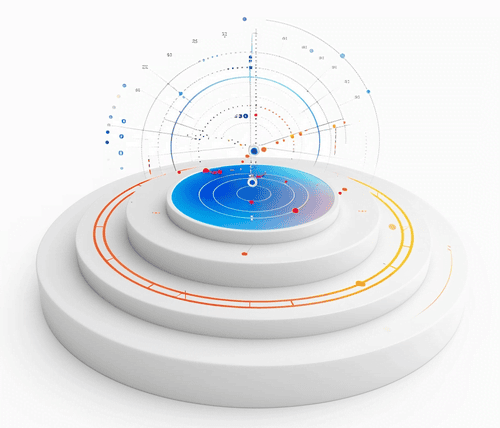
দিশা নিৰ্দেশক এণ্টেনা: এই এণ্টেনাসমূহ নিৰ্দিষ্ট দিশত সংকেত কেন্দ্ৰিক কৰে, সেই দিশত দীঘল দূৰত্বৰ বাবে শক্তিশালী সংকেত প্ৰদান কৰে। এইবোৰ ব্যৱহাৰ হয় নিৰ্দিষ্ট এলেকা লক্ষ্য কৰি, যেনে দীঘল হ’লৱে বা বিশেষ কোঠা।.
পৰিসৰ বিবেচনা
অবৰোধসমূহ: দেওয়াল, আসবাবপত্র, আৰু অন্যান্য বাধাসমূহ সংকেতৰ শক্তি আৰু পৰিসৰ যথেষ্ট হ্ৰাস কৰিব পাৰে। সামগ্রী যেনে কংক্রিট, ধাতু, আৰু মোটা দেওয়াল বিশেষ সমস্যা সৃষ্টি কৰে।.
অন্তৰায়: অন্য ইলেকট্ৰনিক ডিভাইচ, যেনে মাইক্রোওভেন, ক’র্ডলেছ ফোন, আৰু অন্য WiFi নেটৱৰ্কসমূহ অন্তৰায় সৃষ্টি কৰি সংকেতৰ গুণমান হ্ৰাস কৰিব পাৰে।.
এণ্টেনা স্থানাংকন: এণ্টেনা কেন্দ্ৰীয় স্থানত আৰু উচ্চতৰত স্থাপন কৰিলে আৱৰণ বাঢ়ি যাব। ডাঙৰ ধাতু বস্তুৰ ওচৰত বা বন্ধ স্থানত এণ্টেনা স্থাপন এৰাই চলা উচিত।.
বাহ্যিক ব্যৱহাৰ
এণ্টেনাৰ প্ৰকাৰসমূহ
অমনি-দিশৰ অ্যান্টেনাসমূহ: এটা ডাঙৰ এলেকা আৱৰণৰ বাবে উপযুক্ত, যেনে পাৰত, পাৰ্কিং লট, বা বাহ্যিক অনুষ্ঠান স্থান। এইবোৰ 360-ডিগ্ৰী আৱৰণ প্ৰদান কৰে কিন্তু সাধাৰণতে দিশানিৰ্দেশক এণ্টেনাৰ তুলনাত সৰু পৰিসৰ থাকে।.
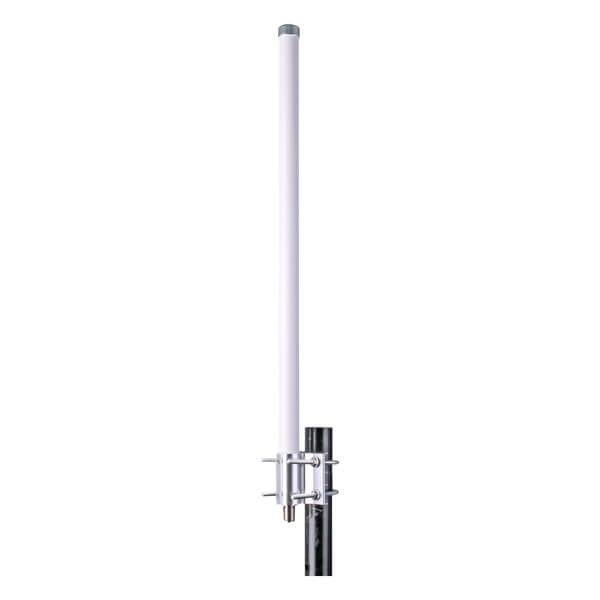
দিশা নিৰ্দেশক এণ্টেনা: পইণ্ট-টু-পইণ্ট সংযোগ বা নিৰ্দিষ্ট বাহ্যিক এলেকা আৱৰণৰ বাবে উপযুক্ত। এইবোৰ দীঘল পৰিসৰৰ সংযোগ প্ৰদান কৰিব পাৰে, যেনে বিল্ডিংসমূহৰ মাজত বা নিৰ্দিষ্ট বাহ্যিক অঞ্চলত।.
পৰিসৰ বিবেচনা
দৃষ্টিৰ ৰেখা: বাহ্যিক পৰিৱেশসমূহে প্ৰায়ে স্পষ্ট দৃষ্টিৰ ৰেখা পথসমূহৰ বাবে অনুমতি দিয়ে, যিয়ে দিশা নিৰ্দেশক অ্যান্টেনাৰ পৰিসৰ যথেষ্ট বঢ়াই দিয়ে। যি, গছ, বিল্ডিং আৰু অন্যান্য গঠনসমূহে সংকেতক এতিয়াও বাধা দিব পাৰে।.
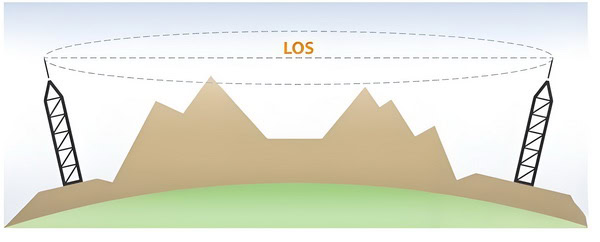
আবহাওয়া পৰিস্থিতি: বৰষুণ, বৰফ, আৰু অন্যান্য আবহাওয়া পৰিস্থিতি সংকেতৰ শক্তিত প্ৰভাৱ পেলাব পাৰে। বাহ্যিক অ্যান্টেনাসমূহ আবহাওয়া প্ৰতিৰোধী হ'ব লাগিব আৰু পৰিৱেশগত পৰিস্থিতিৰ সৈতে সামঞ্জস্য ৰাখিবৰ বাবে ডিজাইন কৰা হ'ব।.
মাউণ্টিং আৰু উচ্চতা: পোল, ছাদ বা অন্যান্য উচ্চ গঠনসমূহত অ্যান্টেনা মাউণ্টিং কৰিলে পৰিসৰ উন্নত কৰিব পাৰে আৰু বাধাসমূহ কমাব পাৰে। নিশ্চিত কৰক যে মাউণ্টিং হাৰ্ডৱেৰ সুৰক্ষিত আৰু বাহ্যিক ব্যৱহাৰৰ বাবে ডিজাইন কৰা হৈছে।.
সাধাৰণ বিবেচনা
ফ্ৰিকুৱেঞ্চি বেণ্ড: WiFi সাধাৰণতে 2.4 GHz আৰু 5 GHz বেণ্ডত কাৰ্য কৰে। 2.4 GHz বেণ্ডে ভাল পৰিসৰ প্ৰদান কৰে কিন্তু অধিক হাৰত বাধা প্ৰৱেশৰ সম্ভাৱনা থাকে, যেতিয়া 5 GHz বেণ্ডে উচ্চ গতি প্ৰদান কৰে কিন্তু সৰু পৰিসৰ। ডুয়েল-বেণ্ড অ্যান্টেনাই দুয়ো ফ্ৰিকুৱেঞ্চি সমৰ্থন কৰি নমনীয়তা প্ৰদান কৰিব পাৰে।.
অ্যান্টেনা লাভ: dBiত মাপা, অ্যান্টেনাৰ লাভে দেখুৱায় যে অ্যান্টেনাই কেনেকৈ সংকেত নিৰ্দেশ বা গ্ৰহণ কৰিব পাৰে। উচ্চ লাভৰ অ্যান্টেনাই দীঘল পৰিসৰ প্ৰদান কৰিব পাৰে কিন্তু সৰু আৱৰণ ক্ষেত্ৰ থাকিব পাৰে।.
নিয়মাৱলী অনুসৰণ: নিশ্চিত কৰক যে অ্যান্টেনাসমূহ স্থানীয় নিয়মাৱলী আৰু মানদণ্ডৰ সৈতে সঙ্গতিপূর্ণ, বিশেষকৈ বাহ্যিক সংস্থাপনাৰ বাবে।.
সাৰাংশ
ভিতৰ অ্যান্টেনাস: সাধাৰণতে ওমনি-দিশীয়, বিস্তৃত আৱৰণৰ বাবে; স্থান নিৰ্ধাৰণ আৰু দেওয়াল আৰু অন্যান্য ডিভাইচৰ পৰা বাধা বিবেচনা কৰক।.
বাহ্যিক অ্যান্টেনাস: আৱৰণ ক্ষেত্ৰ অনুসৰি ওমনি-দিশীয় বা দিশা-নির্দেশক হ'ব পাৰে; দৃষ্টিৰ ৰেখা আৰু আবহাওয়া পৰিস্থিতি বিবেচনা কৰক।.
পৰিসৰ: অ্যান্টেনাৰ ধৰণ, লাভ, স্থান নিৰ্ধাৰণ, আৰু পৰিৱেশগত কাৰকসমূহৰ দ্বাৰা প্ৰভাৱিত। সঠিক নিৰ্বাচন আৰু সংস্থাপনাৰে কাৰ্যক্ষমতা আৰু আৱৰণ সর্বাধিক কৰিব পাৰি।.
এই সকলো কাৰক মনোযোগ দিয়ে, আপুনি আপোনাৰ নিৰ্দিষ্ট ভিতৰ বা বাহ্যিক প্ৰয়োজনৰ বাবে সঠিক WiFi অ্যান্টেনা বাচি ল'ব পাৰে, যিয়ে বিশ্বাসযোগ্য আৰু কাৰ্যক্ষম ৱাইৰলেছ সংযোগ নিশ্চিত কৰে।.
আৱৰণ ক্ষেত্ৰ আৰু পৰিসৰ প্ৰভাৱিত কৰা কাৰকসমূহ (বাধা, বাধা প্ৰৱেশ)
আৱৰণ ক্ষেত্ৰ আৰু পৰিসৰ ৱাইফাই এণ্টেনা বিভিন্ন কাৰকৰ দ্বাৰা প্ৰভাৱিত, যাৰ ভিতৰত শাৰীৰিক বাধা, বাধা প্ৰৱেশ, আৰু পৰিৱেশগত পৰিস্থিতি। ইয়াত কিছুমান মুখ্য কাৰক উল্লেখ কৰা হৈছে:

1. অ্যান্টেনাৰ বৈশিষ্ট্যসমূহ
লাভ: উচ্চ লাভৰ অ্যান্টেনাই সংকেত অধিক দূৰলৈ প্ৰেৰণ কৰিব পাৰে, কিন্তু সেয়া প্ৰায়ে সৰু বিম্বপ্ৰস্থা থাকে।.
আৰ্ধ-শক্তি বিম্বপ্ৰস্থা (HPBW): এইটো সেই কোণীয় প্ৰস্থ য'ত সংকেতৰ শক্তি ইয়াৰ সৰ্বোচ্চ মানৰ অর্ধেকলৈ পৰে। সৰু HPBW সংকেতক অধিক কেন্দ্রীভূত কৰে, যিয়ে পৰিসৰ বঢ়াই পাৰে কিন্তু আৱৰণ ক্ষেত্ৰ কমাই দিয়ে।.
অ্যান্টেনাৰ ধৰণ: বিভিন্ন ধৰণৰ অ্যান্টেনা (উদাহৰণস্বৰূপ, ওমনি-দিশীয়, দিশা-নির্দেশক) বিভিন্ন আৱৰণ ধাৰণ কৰে।.
ওমনি-দিশীয় অ্যান্টেনাসমূহ: সকলো দিশত সংকেত বিকিৰণ কৰে, বিস্তৃত আৱৰণ প্ৰদান কৰে কিন্তু সৰু পৰিসৰ।.
দিশা-নির্দেশক অ্যান্টেনাসমূহ: নিৰ্দিষ্ট দিশত সংকেত কেন্দ্রীভূত কৰে, পৰিসৰ বঢ়াই দিয়ে কিন্তু আৱৰণ ক্ষেত্ৰ কমাই দিয়ে।.
2. বাধাসমূহ
ভৌতিক বাধা: দেওয়াল, মেঝে, আৰু আসবাবপত্রে WiFi সংকেতৰ প্ৰৱাহ বাধা দিব পাৰে। কংক্ৰিট, ধাতু, আৰু ইটৰ দৰে সামগ্ৰীসমূহ বিশেষকৈ সংকেত বন্ধ কৰিবলৈ প্ৰভাৱশালী।.
মানৱ উপস্থিতি: মানুহেও WiFi সংকেত শোষণ কৰিব পাৰে, যাৰ ফলত ভিড়ৰ ঠাইত আৱৰণ প্ৰভাৱিত হয়।.
পাতল: গছ আৰু উদ্ভিদে WiFi সংকেত হ্ৰাস কৰিব পাৰে, বিশেষকৈ বহিৰাগত পৰিৱেশত।.
3. হস্তক্ষেপ
সহ-চেনেল হস্তক্ষেপ: একে WiFi চেনেলত বহুতো ডিভাইচ চলি থাকিলে হয়, যাৰ ফলত যানজট আৰু কাৰ্যক্ষমতা হ্ৰাস পায়।.
পৰিপাৰ্শ্ব চেনেল হস্তক্ষেপ: ওচৰচোতালৰ ডিভাইচসমূহৰ পৰা হস্তক্ষেপে সংকেতৰ গুণমান হ্ৰাস কৰিব পাৰে।.
অন্য ৱাইৰলেছ ডিভাইচ: cordless ফোন, মাইক্রোওভেন, আৰু ব্লুটুথ ডিভাইচ যেনে ডিভাইচসমূহে হস্তক্ষেপ সৃষ্টি কৰিব পাৰে, বিশেষকৈ 2.4 GHz বেণ্ডত।.
বৈদ্যুতিক শব্দ: বৈদ্যুতিক উপকৰণ আৰু শক্তি ৰেখাই WiFi সংকেতত শব্দ প্ৰৱেশ কৰিব পাৰে।.
4. পৰিৱেশ
অভ্যন্তৰীণ পৰিৱেশ: WiFi সংকেতৰ বাবে অভ্যন্তৰীণত অধিক বাধা থাকে, যেনে দেওয়াল আৰু আসবাবপত্র, যাৰ ফলত দূৰত্ব আৰু আৱৰণ উল্লেখযোগ্যভাৱে হ্ৰাস পায়।.
বাহ্য পৰিৱেশ: সাধাৰণতে কম বাধা থাকে, যাৰ ফলত অধিক দূৰত্ব লাভ কৰে। কিন্তু, বতৰৰ অৱস্থা (বৰষা, কুয়াশা) আৰু ভূমি (পাহাৰ, গড়ি)য়ে প্ৰভাৱ পেলাব পাৰে।.
ভবনৰ বিন্যাস: খোলা মেঝলৰ পৰিকল্পনা ভাল সংকেত প্ৰসাৰণৰ সুবিধা দিয়ে, যেতিয়া জটিল বিন্যাসত বহু কোঠা আৰু দেওয়াল থাকিলে সংকেতৰ বিস্তাৰ বাধা হয়।.
5. ফ্ৰিকুৱেঞ্চি বেণ্ড
2.4 GHz বেণ্ড: দীঘল দূৰত্ব আৰু বাধা পাৰ হোৱাৰ সুবিধা দিয়ে, কিন্তু ইয়াত হস্তক্ষেপৰ সম্ভাৱনা অধিক।.
5 GHz বেণ্ড: উচ্চ ডেটা গতি আৰু কম হস্তক্ষেপ প্ৰদান কৰে, কিন্তু ইয়াৰ দূৰত্ব কম আৰু বাধা পাৰ হোৱাৰ ক্ষমতা দুৰ্বল।.
6 GHz বেণ্ড: 5 GHz বেণ্ডতকৈ অধিক ডেটা গতি আৰু কম লেটেন্সি দিয়ে, আৰু ইয়াৰ নতুন গ্ৰহণৰ বাবে হস্তক্ষেপ কম। কিন্তু, ইয়াৰ সকলোতকৈ সৰু দূৰত্ব আৰু সকলোতকৈ দুৰ্বল বাধা পাৰ হোৱাৰ ক্ষমতা।.
6. প্ৰেৰণ শক্তি
উচ্চ শক্তি: দূৰত্ব বৃদ্ধি কৰে কিন্তু অন্য ডিভাইচসমূহৰ সৈতে অধিক হস্তক্ষেপ সৃষ্টি কৰিব পাৰে।.
নিয়মাৱলী সীমা: বিভিন্ন অঞ্চলত প্ৰেৰণ শক্তিৰ সৰ্বোচ্চ সীমা নিৰ্ধাৰিত।.
7. সংকেত প্ৰতিফলন আৰু প্ৰতিবিম্ব
বহুমুখ প্ৰচাৰ: সংকেতবোৰ পৃষ্ঠত প্ৰতিকৃতি হ'ব পাৰে, যাৰ ফলত বহু সংকেত পথ সৃষ্টি হয় যিবোৰ একে অন্যৰ সৈতে হস্তক্ষেপ কৰিব পাৰে, যাৰ ফলত সংকেতৰ গুণগত মান হ্ৰাস পায়।.
প্ৰতিবিম্ব: মাধ্যমত (উদাহৰণস্বৰূপ, বতাহৰ পৰা গ্লাছলৈ) পৰিৱৰ্তন সংকেতক বাঁক দিব পাৰে, ইয়াৰ পথ আৰু শক্তিত প্ৰভাৱ পেলায়।.
৮. নেটৱৰ্ক কনফিগাৰেচন
চেনেল নিৰ্বাচন: সৰ্বনিম্ন যানজট থকা চেনেল বাচি লোৱাই কাৰ্যক্ষমতা উন্নত কৰিব পাৰে।.
অ্যাক্সেছ পইণ্ট স্থান নিৰ্ধাৰণ: বাধা কমোৱাৰ বাবে আৰু আৱৰণ বঢ়োৱাৰ বাবে কৌশলগতভাৱে এক্সেছ পইণ্ট স্থাপন।.
মেছ নেটৱৰ্ক: বহুতো এক্সেছ পইণ্ট ব্যৱহাৰ কৰি মেছ নেটৱৰ্ক সৃষ্টি কৰিলে আৱৰণ উন্নত হয় আৰু মৃত অঞ্চলসমূহ কম হয়।.
৯. ব্যৱহাৰকাৰীৰ ঘনত্ব
উচ্চ ঘনত্ব: বহু ব্যৱহাৰকাৰী থকা অঞ্চলসমূহ (উদাহৰণস্বৰূপ, ষ্টেডিয়াম, সন্মিলন হল) অধিক এক্সেছ পইণ্ট আৰু সাৱধানে পৰিকল্পনা প্ৰয়োজন যাতে যথাযথ আৱৰণ আৰু কাৰ্যক্ষমতা নিশ্চিত হয়।.
১০. আবহাওয়া পৰিস্থিতি (বাহিৰত)
বৰষা আৰু আর্দ্রতা: সংকেত কমাব পাৰে, বিশেষকৈ উচ্চ ফ্রিকুৱেঞ্চিত।.
তাপমাত্রা: অতিমাত্রাৰ তাপমাত্রাই উপকৰণৰ কাৰ্যক্ষমতাত প্ৰভাৱ পেলাব পাৰে।.
এই সকলো কাৰক বিবেচনা কৰি, আপুনি আপোনাৰ বিশেষ পৰিৱেশৰ বাবে WiFi এণ্টেনাৰ স্থান আৰু কনফিগাৰেচন অপ্টিমাইজ কৰিব পাৰে যাতে সৰ্বোত্তম আৱৰণ আৰু পৰিসৰ লাভ হয়।.
2. ফ্ৰিকুৱেঞ্চি বেণ্ডসমূহ
২.৪ GHz বনাম ৫ GHz বনাম ৬ GHz
আলোচনাৰ সময়ত ৱাইফাই এণ্টেনা আৰু তেওঁলোকৰ সমৰ্থিত বিভিন্ন ফ্রিকুৱেঞ্চি বেণ্ডৰ বিষয়ে বুজি লোৱাটো গুৰুত্বপূর্ণ, ২.৪ GHz, ৫ GHz, আৰু ৬ GHz বেণ্ডৰ মূল পাৰ্থক্যসমূহ বুজি লোৱাটো প্ৰয়োজন। প্ৰতিটো ফ্রিকুৱেঞ্চি বেণ্ডৰ নিজৰ বৈশিষ্ট্যসমূহ আছে যি পৰিসৰ, গতি, আৰু হস্তক্ষেপত প্ৰভাৱ পেলায়। ইয়াৰ প্ৰতিটো বিষয়ে বিভাজন দিয়া হৈছে:
2.4 GHz বেণ্ড
সুবিধাসমূহ:
১. পৰিসৰ: ২.৪ GHz বেণ্ডৰ পৰিসৰ উচ্চ ফ্রিকুৱেঞ্চিৰ তুলনাত দীঘল। ইয়াৰ কাৰণ হ'ল, নিম্ন ফ্রিকুৱেঞ্চি প্ৰাচীৰ আৰু আন বাধাসমূহ অধিক প্ৰৱেশ কৰিব পাৰে।.
২. সামঞ্জস্যতা: ই বহুলভাৱে বহু ডিভাইচৰ দ্বাৰা সমৰ্থিত, ইয়াত পুৰণি ডিভাইচসমূহো অন্তর্ভুক্ত।.
৩. হস্তক্ষেপ: ইয়াৰ প্ৰৱেশক্ষমতা ভাল হ’লেও, ইয়াত অন্য ডিভাইচৰ পৰা হস্তক্ষেপৰ সম্ভাৱনা বেছি, যেনে মাইক্রোওৱেভ, ক'ৰ্ডলেছ ফোন, আৰু ব্লুটুথ ডিভাইচ, যিসকলে ২.৪ GHz ৰেঞ্জত কাম কৰে।.
অসুবিধাসমূহ:
১. গতি: সাধাৰণতে ৫ GHz আৰু ৬ GHz বেণ্ডতকৈ কম ডেটা গতি প্ৰদান কৰে।.
২. যানজট: চেনেলৰ সীমিত সংখ্যাৰ বাবে আৰু এই বেণ্ড ব্যৱহাৰ কৰা ডিভাইচৰ উচ্চ সংখ্যাৰ বাবে নেটৱৰ্ক যানজটৰ সম্ভাৱনা বেছি।.
5 GHz বেণ্ড
সুবিধাসমূহ:
1. গতি: সাধাৰণতে 2.4 GHz বেণ্ডতকৈ উচ্চ ডাটা ৰেট প্ৰদান কৰে, যি HD ভিডিঅ’ ষ্ট্ৰিমিং আৰু অনলাইন গেমিং যেনে উচ্চ-বেণ্ডউইথ কাৰ্যকলাপৰ বাবে উপযুক্ত।.
2. কম হস্তক্ষেপ: অধিক চেনেল উপলব্ধ, যি অন্য ডিভাইচৰ পৰা যানজট আৰু হস্তক্ষেপ কমাই দিয়ে।.
অসুবিধাসমূহ:
1. পৰিসৰ: 2.4 GHz বেণ্ডতকৈ সৰু পৰিসৰ। উচ্চ ফ্ৰিকুৱেঞ্চীয়ে দেওয়াল আৰু অন্যান্য বাধা পাৰ হ’ত কঠিন হয়।.
2. সামঞ্জস্যতা: সকলো পুৰণি ডিভাইচে 5 GHz বেণ্ড সমৰ্থন নকৰে।.
6 GHz বেণ্ড
সুবিধাসমূহ:
1. গতি: 2.4 GHz আৰু 5 GHz বেণ্ডতকৈ অধিক ডাটা ৰেট আৰু কম লেটেনচি প্ৰদান কৰে। উচ্চ-বেণ্ডউইথ এপ্লিকেশ্যনৰ বাবে আপোনাৰ নেটৱৰ্কক ভবিষ্যত-প্ৰস্তুত কৰাৰ বাবে উপযুক্ত।.
2. কম যানজট: 6 GHz বেণ্ড তুলনামূলকভাৱে নতুন আৰু কম ভিৰ, অধিক চেনেল আৰু কম হস্তক্ষেপ প্ৰদান কৰে।.
3. ভবিষ্যত-সজ্জিত: WiFi 6E মানক সমৰ্থন কৰিবলৈ ডিজাইন কৰা হৈছে, যি উন্নত প্ৰদৰ্শন আৰু কাৰ্যক্ষমতা প্ৰদান কৰে।.
অসুবিধাসমূহ:
1. পৰিসৰ: 5 GHz বেণ্ডৰ দৰে, ইয়াৰ পৰিসৰ সৰু আৰু বাধা পাৰ হ’ত কম প্ৰভাৱশালী।.
2. সামঞ্জস্যতা: এতিয়ালৈকে সীমিত ডিভাইচ সমৰ্থন, কিন্তু অধিক 6E-সমৰ্থিত ডিভাইচ উপলব্ধ হোৱাৰ সৈতে ইয়াৰ উন্নতি হ’ব।.
সাৰাংশ
2.4 GHz: পৰিসৰ আৰু সামঞ্জস্যতাৰ বাবে সৰ্বোত্তম, কিন্তু কম গতি আৰু অধিক হস্তক্ষেপৰ সৈতে।.
5 GHz: উচ্চ গতি আৰু কম হস্তক্ষেপ প্ৰদান কৰে, কিন্তু সৰু পৰিসৰ আৰু পুৰণি ডিভাইচৰ সৈতে কম সামঞ্জস্য।.
6 GHz: সৰ্বোচ্চ গতি আৰু কম হস্তক্ষেপ প্ৰদান কৰে, কিন্তু পৰিসৰ আৰু বৰ্তমান ডিভাইচৰ সামঞ্জস্যত সীমিত।.
যেতিয়া আপুনি WiFi এণ্টেনা বা ৰাউটাৰ বাচি লয়, প্ৰায়ই দুটা বা তিনিটা বেণ্ড সমৰ্থন কৰা ডুয়েল-বেণ্ড বা ট্রি-বেণ্ড ডিভাইচ বাছনি কৰা লাভজনক। ইয়াৰে আপুনি আপোনাৰ বিশেষ প্ৰয়োজন আৰু পৰিৱেশৰ বিন্যাস অনুসৰি পৰিসৰ আৰু গতিৰ মাজত সমন্বয় কৰিব পাৰে।.
দুটা-বেণ্ড আৰু তিনিটা-বেণ্ডৰ বিবেচনা
দুটা-বেণ্ড আৰু তিনিটা-বেণ্ডৰ মাজত বাচনি কৰাৰ সময়ত ৱাইফাই এণ্টেনা, কেইটামান গুৰুত্বপূর্ণ বিবেচনা মনত ৰাখিব লাগে। ইয়াৰ মূল বিষয়সমূহৰ বিভাজন দিয়া হৈছে:
দুটা-বেণ্ড WiFi এণ্টেনা (2.4GHz আৰু 5GHz)

সুবিধাসমূহ:
1. সামঞ্জস্যতা: দুটা-বেণ্ড ৰাউটাৰ আৰু এণ্টেনা প্ৰায় সকলো ডিভাইচৰ সৈতে ব্যাপকভাৱে সামঞ্জস্যপূর্ণ, কাৰণ 2.4GHz আৰু 5GHz বেণ্ড বহু WiFi-সক্ষম ডিভাইচত মানক।.
2. আৱৰণ: 2.4GHz বেণ্ডে ভাল পৰিসৰ আৰু দেওয়াল আৰু বাধা পাৰ হোৱাৰ ক্ষমতা প্ৰদান কৰে, যি ডাঙৰ এলাকা বা বহু বাধা থকা ঘৰসমূহৰ বাবে উপযুক্ত।.
3. গতি: 5GHz বেণ্ডে অধিক গতি আৰু কম হস্তক্ষেপ প্ৰদান কৰে, যি ষ্ট্ৰিমিং আৰু গেমিং যেনে উচ্চ-বেণ্ডউইথ কাৰ্যকলাপৰ বাবে উপযুক্ত।.
অসুবিধাসমূহ:
1. জমজমাট: 2.4GHz বেণ্ড প্ৰায়ে ভিড় হয় কাৰণ এই ফ্ৰিকুৱেঞ্চীত বহু ডিভাইচ (যেনে মাইক্রোওৱেভ, ক'ৰ্ডলেছ ফোন, আৰু ব্লুটুথ ডিভাইচ) ব্যৱহাৰ কৰে, যাৰ ফলত সম্ভাৱ্য হস্তক্ষেপ আৰু ধীৰ গতি দেখা যায়।.
2. পৰিসৰ: 5GHz বেণ্ডৰ তুলনাত 2.4GHz বেণ্ডৰ পৰিসৰ কম আৰু দেওয়াল আৰু বাধা প্ৰৱেশত কম প্ৰভাৱশালী।.
ট্ৰি-বেণ্ড WiFi এণ্টেনা (2.4GHz, 5GHz, আৰু 6GHz)
সুবিধাসমূহ:
1. ভবিষ্যত-প্ৰমাণ: ট্ৰি-বেণ্ড এণ্টেনাই আটাইতকৈ নতুন WiFi 6E মানদণ্ডক সমৰ্থন কৰে, যিটো 6GHz বেণ্ড অন্তৰ্ভুক্ত। এইয়ে তেওঁলোকক অধিক ভবিষ্যত-প্ৰমাণ কৰি তোলে কাৰণ অধিক ডিভাইচে এই নতুন বেণ্ডক সমৰ্থন কৰিবলৈ আৰম্ভ কৰে।.
2. কম জমজমাট: 6GHz বেণ্ড বৰ্তমান কম জমজমাট, যাৰ ফলত পৰিষ্কাৰ আৰু দ্ৰুত সংযোগ প্ৰদান কৰে কম হস্তক্ষেপৰ সৈতে।.
3. উচ্চ ক্ষমতা: ট্ৰি-বেণ্ড প্ৰণালীবোৰ একেলগে অধিক ডিভাইচ সমৰ্থন কৰিব পাৰে, যাৰ ফলত কাৰ্যক্ষমতাত গুৰুত্বপূর্ণ হ্ৰাস নোহোৱাকৈ, যি বহু সংযুক্ত ডিভাইচ থকা পৰিয়ালৰ বাবে লাভজনক।.
অসুবিধাসমূহ:
1. মূল্য: ট্ৰি-বেণ্ড ৰাউটাৰ আৰু এণ্টেনা সাধাৰণতে ডুয়েল-বেণ্ডৰ তুলনাত অধিক মূল্যবান।.
2. ডিভাইচৰ সামঞ্জস্যতা: সকলো ডিভাইচ বৰ্তমান 6GHz বেণ্ডক সমৰ্থন নকৰে, সেয়ে লাভসমূহ সম্পূৰ্ণ ৰূপে উপলব্ধ নহব পাৰে যতক্ষণ নোতুন 6GHz-সামঞ্জস্য ডিভাইচসমূহ উপলব্ধ নহয়।.
3. পৰিসৰ: 5GHz বেণ্ডৰ দৰে, 6GHz বেণ্ডৰ পৰিসৰ কম আৰু বাধা প্ৰৱেশত কম প্ৰভাৱশালী।.
মূল বিবেচনাসমূহ
1. বৰ্তমান আৰু ভবিষ্যত প্ৰয়োজন: যদি আপোনাৰ বহু ডিভাইচ আছে আৰু ভবিষ্যতত অধিক যোগ কৰিবলৈ পৰিকল্পনা আছে, তেন্তে ট্ৰি-বেণ্ড প্ৰণালী অধিক লাভজনক হ'ব পাৰে। কিন্তু, যদি আপোনাৰ বৰ্তমান ব্যৱস্থা যথেষ্ট আৰু সংযুক্ত ডিভাইচৰ গুৰুত্বপূর্ণ বৃদ্ধি আশা নকৰা হয়, তেন্তে ডুয়েল-বেণ্ড প্ৰণালী যথেষ্ট হ'ব।.
2. পৰিবেশ: WiFi ব্যৱহাৰ কৰা শাৰীৰিক পৰিবেশ বিবেচনা কৰক। যদি আপুনি ডাঙৰ এলেকা আৰু বহু দেওয়ালৰ সৈতে আৱৰণ কৰিব লাগে, তেন্তে ডুয়েল-বেণ্ড প্ৰণালীৰ 2.4GHz বেণ্ড অধিক প্ৰভাৱশালী হ'ব পাৰে। সৰু, খোলা এলেকাৰ বাবে, ট্ৰি-বেণ্ড প্ৰণালীৰ উচ্চ বেণ্ডসমূহ ভাল প্ৰদৰ্শন প্ৰদান কৰিব পাৰে।.
3. বাজেট: মূল্য আৰু লাভৰ তুলনা কৰক। ট্ৰি-বেণ্ড প্ৰণালীবোৰ অধিক মূল্যবান কিন্তু ভাল প্ৰদৰ্শন আৰু ভবিষ্যত-প্ৰমাণ প্ৰদান কৰে। ডুয়েল-বেণ্ড প্ৰণালীবোৰ অধিক সুলভ আৰু বহু ব্যৱহাৰকাৰীৰ বাবে যথেষ্ট প্ৰদৰ্শন প্ৰদান কৰে।.
4. হস্তক্ষেপ: যদি আপুনি ঘনঘন জনবহুল এলেকাত বাস কৰে আৰু বহু WiFi নেটৱৰ্ক থাকে, তেন্তে ট্ৰি-বেণ্ড প্ৰণালীৰ 6GHz বেণ্ড অধিক সহায়ক হ'ব পাৰে জমজমাট আৰু হস্তক্ষেপ এৰাই চলিবলৈ।.
এই সকলো কাৰক বিবেচনা কৰি, আপুনি সিদ্ধান্ত ল'ব পাৰে যে ডুয়েল-বেণ্ড বা ট্ৰি-বেণ্ড WiFi এণ্টেনা আপোনাৰ প্ৰয়োজনৰ বাবে সৰ্বোত্তম।.
3. লাভ
এণ্টেনা লাভৰ ব্যাখ্যা (dBi)
এণ্টেনাৰ গেইন, প্ৰায়ে ডিচিবেলত প্ৰকাশ পায়, যিটো এক আইসোট্ৰপিক ৰেডিয়েটৰ (dBi)ৰ তুলনাত কিমান কাৰ্যকৰীভাৱে এণ্টেনাই ৰেডিঅ' ফ্ৰিকুৱেঞ্চী শক্তি নিৰ্দেশ কৰে তাৰ পৰিমাণ। এক আইসোট্ৰপিক এণ্টেনা হৈছে এক তাত্ত্বিক বিন্দু উৎস যি সকলো দিশত সমানভাৱে শক্তি বিকিৰণ কৰে।.
এতিয়া এণ্টেনা লাভ (dBi)ৰ বিস্তৃত ব্যাখ্যা:
1. আইসোট্ৰোপিক এণ্টেনা (0 dBi):
এটা আইসোট্ৰোপিক এণ্টেনা হৈছে এটা কাল্পনিক এণ্টেনা যি সকলো দিশত সমান শক্তি বিকিৰণ কৰে, এক পৰিপূৰ্ণ বিকিৰণৰ গোলক গঠন কৰে। ই এণ্টেনা গেইন মাপৰ বাবে এক উল্লেখযোগ্য সূচক হিচাপে ব্যৱহৃত হয়।.
এটা আইসোট্ৰোপিক এণ্টেনাৰ গেইনক 0 dBi হিচাপে সংজ্ঞায়িত কৰা হয়।.
2. ডেসিবেল (dB):
ডেসিবেল হৈছে এটা লগাৰিদমিক একক যি দুটা মানৰ অনুপাত প্ৰকাশ কৰে, সাধাৰণতে শক্তি বা তীব্ৰতা। এণ্টেনা গেইনৰ পৰিপ্ৰেক্ষিতত, ই নিৰ্দিষ্ট দিশত সংকেতৰ শক্তি কিমান বেছি সেইটো পৰিমাণ কৰে আইসোট্ৰোপিক ৰেফাৰেন্সৰ তুলনাত।.
গেইনৰ ফৰ্মুলা হৈছে: Ga (dBi) = 10 log10 η [4π Αa / λ2 ]
য'ত Ga এটা এণ্টেনাৰ গেইন, η এটা এণ্টেনাৰ কাৰ্যক্ষমতা, সাধাৰণতে 0.55, যি 55 শতাংশৰ সমান
Αa এটা এণ্টেনাৰ এপাৰ্চাৰ এলাকা = 0.25 x π x ডাইআ'2,
λ চালনা তরঙ্গদৈর্ঘ্য, আৰু π 3.1415926
3. দিশা নিৰ্দেশক গেইন:
বাস্তৱিক এণ্টেনাসমূহ সকলো দিশত সমানভাৱে বিকিৰণ নকৰে। তেওঁলোকে নিৰ্দিষ্ট দিশত শক্তি কেন্দ্রীভূত কৰে যাতে উচ্চ গেইন লাভ হয়।.
উদাহৰণস্বৰূপ, এটা উচ্চ গেইন দিশা নিৰ্দেশক এণ্টেনা হয়তো শক্তি এটা সৰু বিমলৈ কেন্দ্রীভূত কৰে, যাৰ ফলত সেই দিশত সংকেতৰ শক্তি বৃদ্ধি পায় কিন্তু অন্য দিশত হ্ৰাস পায়।.
4. ব্যৱহাৰিক প্ৰভাৱসমূহ:
উচ্চ গেইন (অধিক ধনাত্মক dBi মান) মানে এণ্টেনা এটা নিৰ্দিষ্ট দিশত শক্তি কেন্দ্রীভূত কৰিবলৈ অধিক কার্যকৰী, যাৰ ফলত পৰিসৰ বৃদ্ধি পায় আৰু সংকেতৰ গুণমান উন্নত হয়।.
অন্যদিকে, নিম্ন গেইন (0 dBiৰ ওচৰলৈ) মানে এণ্টেনা অধিকভাৱে সমানভাৱে বিকিৰণ কৰে, যি প্ৰয়োগসমূহত অমোড় দিশৰ আৱশ্যকতা থাকিলে উপকাৰী।.
5. পৰম্পৰাগত মূল্যসমূহ:
অম্নি-দিশা অ্যান্টেনাসমূহ, যেনে Wi-Fi ৰাউটাৰসমূহত ব্যৱহৃত, সাধাৰণতে 2 dBi ৰ পৰা 12 dBiলৈ গেন লাভ থাকে।.
দিশা-নির্দেশক অ্যান্টেনাসমূহ, যেনে Yagi বা পৰাবলিক ডিশ অ্যান্টেনাস, অধিক গেন লাভ কৰিব পাৰে, প্ৰায় 20 dBiতকৈ অধিক।.
6. আবেদনসমূহ:
উচ্চ-গেন অ্যান্টেনাসমূহ সেই ব্যৱহাৰসমূহত ব্যৱহৃত হয় য'ত দীঘল দূৰত্বৰ যোগাযোগ প্ৰয়োজন, যেনে উপগ্ৰহ যোগাযোগ, ৰাডাৰ, আৰু পইণ্ট-টু-পইণ্ট ৱাই-ফাই সংযোগ।.
নিম্ন-গেন অ্যান্টেনাসমূহ সেই ব্যৱহাৰসমূহত ব্যৱহৃত হয় য'ত বিস্তৃতি অধিক গুৰুত্বপূর্ণ হয়, যেনে মোবাইল ফোন আৰু Wi-Fi এক্সেছ পইণ্ট।.
dBiত অ্যান্টেনা গেন বুজা বিশেষ ব্যৱহাৰৰ বাবে সঠিক অ্যান্টেনা নিৰ্বাচনত সহায় কৰে, যাতে কভারেজ এলাকা আৰু সংকেত শক্তিৰ মাজত সঠিক সমন্বয় হয়।.
গেন কিদৰে দূৰত্ব আৰু সংকেত শক্তিত প্ৰভাৱ পেলায়
গেন অ্যান্টেনা আৰু এম্প্লিফায়াৰসমূহৰ ক্ষেত্ৰত এক গুৰুত্বপূর্ণ পৰামিত্ৰ, যি যোগাযোগ ব্যৱস্থাৰ দূৰত্ব আৰু সংকেত শক্তিত প্ৰভাৱ পেলায়। ইয়াত এই প্ৰভাৱসমূহৰ বিষয়ে বিস্তৃত দৃষ্টিকোণ দিয়া হৈছে:
1. গেনৰ সংজ্ঞা
অ্যান্টেনা গেন: ই এক পৰিমাণ যি দেখুৱায় যে কিদৰে এক অ্যান্টেনা ৰেডিঅ ফ্ৰিকুৱেঞ্চি শক্তি নিৰ্দিষ্ট দিশত নিৰ্দেশ বা কেন্দ্রীভূত কৰিব পাৰে, তুলনাত এক আইসোট্ৰোপিক ৰেডিয়েটৰ (এটা আদৰ্শ অ্যান্টেনা যি সকলো দিশত সমানভাৱে বিকিৰণ কৰে)। সাধাৰণতে dBi (আইসোট্ৰোপিক অ্যান্টেনাৰ সৈতে তুলনা কৰা ডেসিবেল) বা dBd (ডিপোল অ্যান্টেনাৰ সৈতে তুলনা কৰা ডেসিবেল)ত প্ৰকাশ কৰা হয়।.
এম্প্লিফায়াৰ গেন: এইটো হৈছে এম্প্লিফায়াৰে প্ৰদান কৰা সংকেতৰ শক্তি বৃদ্ধিৰ পৰিমাণ, যি ডেসিবেল (dB)ত মাপা হয়। ইয়াত দেখুৱায় যে এম্প্লিফায়াৰে সংকেত কিমান বৃদ্ধি কৰে।.
2. দূৰত্বৰ প্ৰভাৱ
অ্যান্টেনা গেন: উচ্চ গেন অ্যান্টেনা মানে যে অ্যান্টেনাই অধিক দূৰত্বত সংকেত পঠিয়াব বা লাভ কৰিব পাৰে। ইয়াৰ কাৰণ অ্যান্টেনাই শক্তি অধিক নিৰ্দিষ্ট দিশত কেন্দ্রীভূত কৰে, যাৰ ফলত সংকেতৰ বিস্তৃতি আৰু ক্ষয় কম হয়। উদাহৰণস্বৰূপ, উচ্চ-গেন দিশা-নির্দেশক অ্যান্টেনাই নিম্ন-গেন অম্নি-দিশা অ্যান্টেনাৰ তুলনাত ৱাই-ফাই যোগাযোগ ব্যৱস্থাৰ দূৰত্ব উল্লেখযোগ্যভাৱে বৃদ্ধি কৰিব পাৰে।.
এম্প্লিফায়াৰ গেন: বৃদ্ধি পোৱা এম্প্লিফায়াৰ গেন সংকেতৰ শক্তি বৃদ্ধি কৰে, যি দূৰত্ব, বাধা, আৰু অন্যান্য হ্ৰাসকাৰী কাৰকসমূহৰ বাবে ক্ষতি অতিক্ৰম কৰাত সহায় কৰে। ইয়াৰ ফলত যোগাযোগ ব্যৱস্থাৰ কার্যক্ষমতা বৃদ্ধি পায়।.
3. সংকেত শক্তিৰ প্ৰভাৱ
অ্যান্টেনা গেন: উচ্চ গেন অ্যান্টেনাসমূহ নিৰ্দিষ্ট দিশত বিকিৰিত শক্তি কেন্দ্রীভূত কৰি সংকেতৰ শক্তি উন্নত কৰিব পাৰে, ফলত লক্ষ্য স্থানত লাভ কৰা সংকেতৰ শক্তি বৃদ্ধি পায়। বিপৰীতভাৱে, ইয়াৰ অৰ্থ এই যে অ্যান্টেনাই সেই দিশসমূহত কম কার্যক্ষম হ'ব য'ত ইয়াৰ শক্তি কেন্দ্রীভূত নহয়।.
এম্প্লিফায়াৰ গেন: এম্প্লিফায়াৰসমূহ সংকেতৰ শক্তি বৃদ্ধি কৰে, সংকেত প্ৰেৰণ বা লাভৰ শক্তি বৃদ্ধিৰ দ্বাৰা। ইয়াৰ ফলত যোগাযোগৰ গুণমান আৰু বিশ্বাসযোগ্যতা উন্নত হয়, বিশেষকৈ সেই পৰিৱেশত য'ত সংকেত হ্ৰাস বা হস্তক্ষেপৰ সম্ভাৱনা থাকে।.
4. বাণিজ্যিক সমন্বয় আৰু বিবেচনা
দিশা নিৰ্দেশনা: উচ্চ-গেইন এণ্টেনাসমূহ সাধাৰণতে অধিক দিশা নিৰ্দেশিত হয়। এইটো ইচ্ছিত দিশাত ৰেঞ্জ আৰু সংকেত শক্তি বৃদ্ধি কৰিব পাৰে, কিন্তু অন্য দিশত কাৰ্যক্ষমতা হ্ৰাস কৰিব পাৰে। এইয়ে তেওঁলোকক পইণ্ট-টু-পইণ্ট যোগাযোগৰ বাবে উপযুক্ত কৰে কিন্তু অম্নিডাইৰেকশ্যনেল কভাৰেজৰ বাবে কম উপযুক্ত।.
বাধা আৰু শব্দ: সংকেত বৃদ্ধি কৰোতে যিকোনো শব্দো বৃদ্ধি পায়। সংকেত-শব্দ অনুপাত (SNR) সদায় সুবিধাজনক থাকিব লাগে। উচ্চ-গেইন এম্প্লিফায়াৰসমূহে অধিক ফিল্টাৰিং আৰু শব্দ হ্ৰাস প্ৰযুক্তি আৱশ্যক হ'ব পাৰে।.
শক্তি খৰচ: উচ্চ গেইন এম্প্লিফায়াৰসকলে সাধাৰণতে অধিক শক্তি খৰচ কৰে, যি ব্যাটাৰী-চালিত বা শক্তি-সংবেদনশীল আবেদনসমূহত চিন্তাজনক হ'ব পাৰে।.
5. এপ্লিকেশ্যনসমূহ
দীৰ্ঘদূৰ যোগাযোগ: উচ্চ-গেইন এণ্টেনাস আৰু এম্প্লিফায়াৰসকলে প্ৰায়ই দীৰ্ঘদূৰ যোগাযোগৰ বাবে ব্যৱহৃত হয়, যেনে উপগ্ৰহ সংযোগ, মাইক্রোওয়েভ ৰিলে, আৰু দীঘল Wi-Fi।.
লক্ষ্যভিত্তিক কভাৰেজ: যেতিয়া নিৰ্দিষ্ট অঞ্চলসমূহত শক্তিশালী সংকেত কভাৰেজৰ প্ৰয়োজন হয় (উদাহৰণস্বৰূপ, চেলুলাৰ বেছ ষ্টেচন, পইণ্ট-টু-পইণ্ট ৱাইৰলেছ সংযোগ), উচ্চ-গেইন এণ্টেনাস উপকাৰী।.
সাৰাংশ
সংক্ষেপে, গেইনয়ে সৰাসৰি যোগাযোগ ব্যৱস্থাৰ ৰেঞ্জ আৰু সংকেত শক্তিত প্ৰভাৱ পেলায়। উচ্চ গেইনে ৰেঞ্জ বৃদ্ধি কৰিব পাৰে আৰু ইচ্ছিত দিশত সংকেত শক্তি উন্নত কৰিব পাৰে, কিন্তু অধিক দিশা নিৰ্দেশনা আৰু সম্ভাব্য শক্তি খৰচৰ মূল্যত। গেইনৰ বাচনি বিশেষকৈ যোগাযোগ আবেদনসমূহৰ প্ৰয়োজনীয়তা, যেনে কভাৰেজ এলাকা, বাধা, আৰু শক্তি উপলব্ধতা বিবেচনা কৰি কৰিব লাগে।.
আপোনাৰ প্ৰয়োজন অনুসৰি গেইন মিলোৱা
গেইন, সাধাৰণতে, সংকেতৰ শক্তি বা আম্প্লিটিউডৰ বৃদ্ধি সূচায়। আপুনি গেইন মিলোৱাৰ প্ৰয়োজনৰ পৰিপ্ৰেক্ষিত বহুবিধ হ'ব পাৰে, যেনে অডিঅ' ব্যৱস্থা, ৰেডিঅ' ফ্ৰিকুৱেঞ্চি (RF) ব্যৱস্থা, বা অর্থনৈতিক বিনিয়োগ। ইয়াত কিছুমান দিশনির্দেশনা দিয়া হৈছে:
অডিঅ' ব্যৱস্থা

1. মাইক্ৰোফোন আৰু প্ৰিম্পট:
ডাইনামিক মাইক্ৰোফোন: সাধাৰণতে অধিক গেইন প্ৰয়োজন কাৰণ তেওঁলোকে কম আউটপুট স্তৰ উৎপন্ন কৰে।.
কণ্ডেঞ্চাৰ মাইক্ৰোফোন: সাধাৰণতে কম গেইন প্ৰয়োজন কিন্তু ফেনটম পাৱাৰ আৱশ্যক।.
ৰিবন মাইক্ৰোফোন: প্ৰায়ই অধিক গেইন প্ৰয়োজন আৰু সাৱধানে ব্যৱহাৰ কৰিব লাগে।.
2. মিক্সিং কনচোল:
গেইন ষ্টেজিং: আপোনাৰ অডিঅ' সংকেত পথৰ প্ৰতিটো পৰ্যায়ত (মাইক্ৰোফোন, প্ৰিম্পট, মিক্সাৰ, আদি) উপযুক্ত গেইন থাকিব লাগে যাতে শব্দ আৰু বিকৃতি এৰাই চলিব পাৰে।.
ইউনিটি গেইন: স্তৰসমূহ এনেকৈ নিৰ্ধাৰণ কৰক যাতে আউটপুটটো ইনপুটৰ সমান হয়, অপ্রয়োজনীয় শব্দ বৃদ্ধি এৰাই।.
3. এম্প্লিফায়াৰ আৰু স্পীকাৰ:
শক্তি মিলোৱা: এম্প্লিফায়াৰৰ শক্তি আউটপুট স্পীকাৰৰ ক্ষমতাৰ সৈতে মিলোৱা যাতে ক্ষতি নহয় আৰু উৎকৃষ্ট কাৰ্যক্ষমতা নিশ্চিত হয়।.
ইমপেডেন্স মিলোৱা: নিশ্চিত কৰক যে এম্প্লিফায়াৰ আৰু স্পীকাৰসমূহৰ ইমপেডেন্স ৰেটিং মিল আছে।.
ৰেডিঅ' ফ্ৰিকুৱেঞ্চি (RF) ব্যৱস্থা
1. এণ্টেনা আৰু ৰিছিভাৰসমূহ:
এণ্টেনা গেইন: উচ্চ গেইন থকা এণ্টেনাসমূহ সংকেত অধিক প্ৰভাৱশালীভাৱে কেন্দ্ৰিত কৰিব পাৰে কিন্তু সৰু বীমৱিধি থাকিব পাৰে।.
ৰিছিভাৰ সংবেদনশীলতা: গেইন মিলাই লওক যাতে ৰিছিভাৰে দুৰ্বল সংকেতসমূহ চিনাক্ত কৰিব পাৰে আৰু অধিক শব্দ নোহোৱাকৈ।.
2. ট্রান্সমিটাৰসমূহ:
পাওাৰ এম্প্লিফায়াৰ: নিশ্চিত কৰক যে গেইন যথেষ্ট যাতে সংকেত নিৰ্দিষ্ট দূৰত্বত প্ৰেৰণ কৰিব পাৰে আৰু হস্তক্ষেপ নকৰিব।.
আৰ্থিক বিনিয়োগসমূহ
1. ঝুঁকি সহনশীলতা:
উচ্চ গেইন বিনিয়োগ: সাধাৰণতে অধিক ঝুঁকি থাকে (উদাহৰণস্বৰূপ, ষ্টক, সম্পত্তি)।.
নিম্ন গেইন বিনিয়োগ: সাধাৰণতে সুৰক্ষিত কিন্তু কম লাভ দিয়ে (উদাহৰণস্বৰূপ, বণ্ড, সঞ্চয় খাতা)।.
2. বিনিয়োগ লক্ষ্যসমূহ:
ছোটকালীন লক্ষ্য: সুৰক্ষিত, নিম্ন গেইন বিনিয়োগৰ প্ৰয়োজন হ'ব পাৰে মূলধন সংৰক্ষণৰ বাবে।.
দীর্ঘকালীন লক্ষ্য: অধিক গেইন বিনিয়োগৰ সুবিধা ল'ব পাৰে বৃদ্ধিৰ বাবে সময়ৰ সৈতে।.
গেইন মিলোৱাৰ সাধারণ টিপছ
1. আপোনাৰ প্ৰণালীৰ বুজ লওক: আপোনাৰ প্ৰণালীৰ প্ৰতিটো উপাদানৰ স্পেচিফিকেশ্যন আৰু প্ৰয়োজনীয়তা জানক।.
2. ক্লিপিং আৰু বিকৃতি এৰাই চলক: গেইন এনেকৈ ছেট কৰক যাতে সংকেত ক্লিপিং আৰু বিকৃতি নহয়, যি উপকৰণ ক্ষতি কৰিব পাৰে আৰু সংকেতৰ গুণমান হ্ৰাস কৰিব পাৰে।.
3. উপযুক্ত টুল ব্যৱহাৰ কৰক: গেইন মিটাৰ, অস্কিলোস্কোপ বা আৰ্থিক কেলকুলেটৰ যেনে টুল ব্যৱহাৰ কৰি গেইন সঠিকভাৱে মাপি আৰু সমন্বয় কৰক।.
4. ম্যানুৱেল আৰু বিশেষজ্ঞৰ পৰামৰ্শ লওক: উপকৰণৰ ম্যানুৱেল বা বিশেষজ্ঞৰ সৈতে পৰামৰ্শ কৰি সঠিক গেইন ছেটিং নিশ্চিত কৰক।.
আপোনাৰ প্ৰয়োজন অনুসৰি গেইন মিলোৱা মানে হৈছে আপোনাৰ প্ৰণালী বা বিনিয়োগ কৌশলৰ নিৰ্দিষ্ট প্ৰয়োজনীয়তা আৰু বৈশিষ্ট্যসমূহ বুজি লোৱা আৰু সেই অনুসৰি সমন্বয় কৰি কাৰ্যক্ষমতা উন্নত কৰা আৰু লক্ষ্যসমূহ লাভ কৰা।.
4. পোলাৰাইজেচন
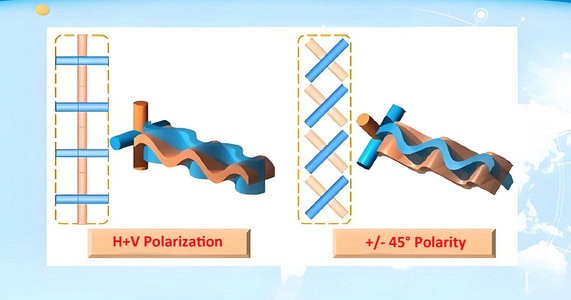
উৰ্দ্ধমুখী পোলাৰাইজেচন বনাম অনুভূমিক পোলাৰাইজেচন
যেতিয়া WiFi এণ্টেনাৰ বিষয়ে কথা হয়, পোলাৰাইজেচন হৈছে এক গুৰুত্বপূর্ণ কাৰক যি ৱাইৰলেছ যোগাযোগৰ কাৰ্যক্ষমতা আৰু বিশ্বাসযোগ্যতা প্ৰভাৱিত কৰে। পোলাৰাইজেচন মানে ৰেডিঅ' ৱেভৰ বৈদ্যুতিক ক্ষেত্ৰৰ অৱস্থান। WiFi এণ্টেনাৰ বাবে দুটা সাধাৰণ পোলাৰাইজেচন হৈছে উৰ্দ্ধমুখী আৰু অনুভূমিক। ইয়াৰ তুলনা তলত দিয়া হৈছে:
উৰ্দ্ধ পোলাৰাইজেশ্যন
অৰিয়েন্টেচন: বৈদ্যুতিক ক্ষেত্ৰখন উৰ্দ্ধমুখীভাৱে অৱস্থান কৰিছে।.

সাধাৰণ ব্যৱহাৰ: প্ৰায়ে মোবাইল যোগাযোগত ব্যৱহাৰ হয়, যেনে WiFi ৰাউটাৰ আৰু এক্সেছ পইণ্ট, কাৰণ বহু ক্লায়েন্ট ডিভাইচ (যেনে স্মাৰ্টফোন আৰু লেপটপ) উৰ্দ্ধমুখী অৱস্থাত ব্যৱহৃত হয়।.
সুবিধাসমূহ:
উত্তম প্ৰৱেশ: উৰ্দ্ধমুখী পোলাৰাইজেচনে দেৱাল আৰু বাধা-বিঘ্নবোৰত ভালকৈ প্ৰৱেশ কৰে, যি ভিতৰলৈ ব্যৱহাৰৰ ক্ষেত্ৰত লাভজনক।.
অমি-দিশা কভাৰেজ: বহু উৰ্দ্ধমুখী পোলাৰাইজড এণ্টেনা অমি-দিশা কভাৰেজ প্ৰদান কৰিবলৈ ডিজাইন কৰা হয়, যি বিস্তৃত এলেকাত ব্যৱহাৰৰ বাবে উপযুক্ত।.
অসুবিধাসমূহ:
বাধা: উৰ্দ্ধমুখী পোলাৰাইজেচনে আন উৰ্দ্ধমুখী সংকেতৰ পৰা বাধা পোৱাৰ সম্ভাৱনা বেছি, যি নগৰ পৰিৱেশত সাধাৰণ।.
অভিনিবেশ পোলাৰাইজেশ্যন
অৰিয়েন্টেচন: বৈদ্যুতিক ক্ষেত্ৰখন হৰাইজন্টেলভাৱে অৱস্থান কৰিছে।.

সাধাৰণ ব্যৱহাৰ: প্ৰায়ে পইণ্ট-টু-পইণ্ট যোগাযোগ লিংকত ব্যৱহাৰ হয়, যেনে বিল্ডিংৰ মাজত বা নিৰ্দিষ্ট দিশা-সংক্রান্ত আবেদনসমূহত।.
সুবিধাসমূহ:
কম বাধা: হৰাইজন্টেল পোলাৰাইজেচনে কম বাধা পোৱাৰ সম্ভাৱনা থাকে, যেতিয়া উৰ্দ্ধমুখী পোলাৰাইজেচন প্ৰাধান্য পায়, যাৰ ফলত সংকেতবোৰ অধিক পৰিষ্কাৰ হ'ব পাৰে।.
দিশা-নির্দেশিত এণ্টেনা: বহু হৰাইজন্টেল পোলাৰাইজড এণ্টেনা দিশা-নির্দেশিত হয়, যি সংকেতক কেন্দ্রীভূত কৰি নিৰ্দিষ্ট দিশাত পৰিসৰ আৰু কাৰ্যক্ষমতা বৃদ্ধি কৰিব পাৰে।.
অসুবিধাসমূহ:
সীমিত প্ৰৱেশ: হৰাইজন্টেল পোলাৰাইজেচনে বাধাবিঘ্নবোৰত ভালকৈ প্ৰৱেশ নকৰিব পাৰে, যি বহু দেৱাল থকা ভিতৰলৈ ব্যৱহাৰৰ ক্ষেত্ৰত অসুবিধা হ'ব পাৰে।.
অৰিয়েন্টেচন সংবেদনশীলতা: সৰ্বোত্তম কাৰ্যক্ষমতাৰ বাবে, হৰাইজন্টেল পোলাৰাইজড এণ্টেনাবোৰ সঠিকভাৱে একেলগে মিলাই ল’ব লাগিব, যি কেতবোৰ সংস্থাপনত অধিক চেলেঞ্জিং হ'ব পাৰে।.
বিচাৰ-বিশ্লেষণৰ বাবে WiFi এণ্টেনা
1. পৰিৱেশ: ভিতৰলৈ পৰিৱেশত বহু বাধা থাকিলে, উৰ্দ্ধমুখী পোলাৰাইজেচনে ভাল কভাৰেজ প্ৰদান কৰিব পাৰে। বাহিৰত বা পইণ্ট-টু-পইণ্ট পৰিস্থিতিত, হৰাইজন্টেল পোলাৰাইজেচন অধিক কার্যকৰী হ'ব পাৰে।.
2. বাধা: বিদ্যমান বাধাৰ উৎসসমূহ বিবেচনা কৰক। যদি এলেকাটো উৰ্দ্ধমুখী সংকেতৰে ভৰপূৰ, তেনেহলে হৰাইজন্টেল পোলাৰাইজড এণ্টেনা ভাল পৰফৰমেন্স দিব পাৰে।.
3. এণ্টেনাৰ ধৰণ: অমি-দিশা এণ্টেনাসমূহ প্ৰায়ে উৰ্দ্ধমুখী পোলাৰাইজড হয়, যেতিয়া দিশা-নির্দেশিত এণ্টেনাসমূহ দুয়োটা হ'ব পাৰে, নিৰ্দিষ্ট আবেদন অনুসৰি।.
4. ডিভাইচৰ অৱস্থান: যিহেতু বহু WiFi ক্লায়েন্ট ডিভাইচ উৰ্দ্ধমুখী অৱস্থাত ব্যৱহৃত হয়, উৰ্দ্ধমুখী পোলাৰাইজড এণ্টেনাসমূহ এই ডিভাইচসমূহৰ সংযোগত ভাল হ'ব পাৰে।.
উপসংহাৰ
উৰ্দ্ধমুখী আৰু হৰাইজন্টেল পোলাৰাইজেচনৰ মাজত নিৰ্বাচন ৱাইফাই এণ্টেনা বিশেষ আবেদন আৰু পৰিৱেশৰ ওপৰত নিৰ্ভৰ কৰে। উৰ্দ্ধমুখী পোলাৰাইজেচন সাধাৰণতে বিস্তৃত, অমি-দিশা কভাৰেজ আৰু ভিতৰলৈ পৰিৱেশত ভাল, যেতিয়া হৰাইজন্টেল পোলাৰাইজেচন পইণ্ট-টু-পইণ্ট সংযোগ আৰু বাধা কমোৱাৰ বাবে সুবিধাজনক। আপোনাৰ বিশেষ পৰিস্থিতিৰ বৈশিষ্ট্য আৰু প্ৰয়োজনসমূহ বুজি ল'লে সৰ্বোত্তম বিকল্প নিৰ্বাচন কৰিব পাৰিব।.
+45° পোলাৰাইজেচন বনাম -45° পোলাৰাইজেচন
পোলাৰাইজেচন WiFi এণ্টেনাৰ ডিজাইন আৰু কাৰ্যক্ষমতাত এক গুৰুত্বপূর্ণ কাৰক। ই ৰেডিঅ' ৱেভৰ বৈদ্যুতিক ক্ষেত্ৰৰ অৱস্থানক সূচায়। দুটা সাধাৰণ ধৰণৰ লিনিয়াৰ পোলাৰাইজেচন হৈছে উৰ্দ্ধমুখী আৰু হৰাইজন্টেল, কিন্তু এণ্টেনাসমূহক কোণত পোলাৰাইজ কৰিব পাৰি, যেনে +45° আৰু -45°। ইয়াৰ ফলাফল আৰু প্ৰয়োগসমূহৰ বিষয়ে বিস্তারিত আলোচনা কৰোঁ আহক, বিশেষকৈ পোলাৰিটি সম্পৰ্কে:

পোলাৰাইজেচন কোণ আৰু তেওঁলোকৰ গুৰুত্ব
1. +45° পোলাৰাইজেচন:
– ৰেডিঅ' ৱেভৰ বৈদ্যুতিক ক্ষেত্ৰটো হৰাইজন্টেল এক্সিছৰ পৰা 45-ডিগ্ৰী কোণত অৱস্থিত।.
– প্ৰায়ই সেই পৰিৱেশত ব্যৱহাৰ কৰা হয় য'ত হস্তক্ষেপ কমাবলৈ আৰু সংকেতৰ স্পষ্টতা উন্নত কৰিবলৈ প্ৰয়োজন, কাৰণ ই সংকেতবোৰক উভয় দিশৰ পোলাৰাইজেচনযুক্ত সংকেতৰ পৰা পৃথক কৰিব পাৰে।.
2. -45° পোলাৰাইজেচন:
ৰেডিঅ' ৱেভৰ বৈদ্যুতিক ক্ষেত্ৰটো -45-ডিগ্ৰী কোণত অৱস্থিত।.
একেইদৰে, ই হস্তক্ষেপ কমাবলৈ সহায় কৰে আৰু +45° পোলাৰাইজেচনৰ সৈতে মিলি অধিক দৃঢ় যোগাযোগ সংযোগ সৃষ্টি কৰিব পাৰে।.
+45° আৰু -45° পোলাৰাইজেচন ব্যৱহাৰৰ সুবিধাসমূহ
1. সংকেত পৃথকীকৰণ উন্নত:
বিভিন্ন পোলাৰাইজেচন কোণ ব্যৱহাৰ কৰি সংকেতবোৰক একে অন্যৰ পৰা পৃথক কৰিব পাৰে, হস্তক্ষেপৰ সম্ভাৱনা কমাব পাৰে। এইটো বিশেষকৈ বহু WiFi নেটৱৰ্ক বা অন্য RF উৎস থকা পৰিৱেশত উপযোগী।.
2. বাঢ়ি থকা বৈচিত্ৰ্য:
+45° আৰু -45° পোলাৰাইজেচনযুক্ত এণ্টেনাৰ ব্যৱহাৰ কৰি, পোলাৰাইজেচন বৈচিত্ৰ্য নামে এক প্ৰযুক্তি ব্যৱহাৰ কৰিব পাৰি। এইয়ে মাল্টিপাথ ফেডিং কমাবলৈ সহায় কৰে, য'ত সংকেতবোৰে বহু পথ লৈ গন্তব্যলৈ যায়, ফলত ফেজ শিফ্ট আৰু সংকেতৰ ক্ষয় হয়।.
পোলাৰাইজেচন বৈচিত্ৰ্য WiFi সংযোগৰ বিশ্বাসযোগ্যতা আৰু গতি উন্নত কৰিব পাৰে।.
3. বেটাৰ MIMO পাৰফৰমান্স:
– মাল্টিপল ইনপুট মাল্টিপল আউটপুট (MIMO) প্ৰযুক্তিয়ে বিভিন্ন পোলাৰাইজেচনযুক্ত এণ্টেনাৰ ব্যৱহাৰৰ পৰা লাভ কৰে। +45° আৰু -45° পোলাৰাইজেচনযুক্ত এণ্টেনাসমূহ MIMO ছেটআপৰ অংশ হ'ব পাৰে, ডেটা গতি আৰু সামগ্ৰিক পাৰফৰমান্স উন্নত কৰি স্থানীয় বৈচিত্ৰ্যৰ সুবিধা ল'ব।.
ব্যৱহাৰিক বিবেচনা
1. এণ্টেনা স্থানাংকন:
এণ্টেনাৰ শাৰীৰিক স্থান আৰু অৱস্থান অত্যন্ত গুৰুত্বপূর্ণ। সৰ্বোত্তম পাৰফৰমান্সৰ বাবে, +45° আৰু -45° পোলাৰাইজেচনযুক্ত এণ্টেনাসমূহ কভারেজ বঢ়াবলৈ আৰু হস্তক্ষেপ কমাবলৈ সঠিকভাৱে স্থানান্তৰিত হ'ব লাগে।.
2. সামঞ্জস্যতা:
নিশ্চিত কৰক যে প্ৰেৰণ আৰু গ্ৰহণ কৰা এণ্টেনাসমূহ পোলাৰাইজেচনৰ দিশত সামঞ্জস্যপূর্ণ। অসমঞ্জস্য পোলাৰাইজেচনে গুৰুত্বপূর্ণ সংকেত ক্ষতি কৰিব পাৰে। উদাহৰণস্বৰূপ, +45° পোলাৰাইজেচনযুক্ত এণ্টেনা একভাৱে পোলাৰাইজেচনযুক্ত এণ্টেনাৰ সৈতে যোগাযোগ কৰিব নোৱাৰে।.
3. পৰিৱেশ
এণ্টেনাসমূহ যি পৰিৱেশত ব্যৱহৃত হয়, সেই পৰিৱেশই পোলাৰাইজেচনৰ পছন্দ প্ৰভাৱিত কৰিব পাৰে। মহানগৰ পৰিৱেশত বহু প্ৰতিফলিত পৃষ্ঠতল থাকিলে পোলাৰাইজেচন বৈচিত্ৰ্য অধিক লাভজনক।.
আবেদনসমূহ
1. এণ্টাৰপ্ৰাইজ WiFi নেটৱৰ্ক:
উচ্চ-ঘনত্বৰ ডিপ্লয়মেণ্ট থকা উদ্যোগিক পৰিৱেশত, +45° আৰু -45° পোলাৰাইজড এণ্টেনা ব্যৱহাৰ কৰিলে হস্তক্ষেপ ব্যৱস্থাপনা আৰু নেটৱৰ্কৰ কাৰ্যক্ষমতা উন্নত কৰিব পাৰে।.
2. বাহ্যিক পইণ্ট-টু-পইণ্ট সংযোগসমূহ:
দীৰ্ঘদূৰত্বৰ পইণ্ট-টু-পইণ্ট WiFi সংযোগৰ বাবে, বিভিন্ন পোলাৰাইজেশ্বন ব্যৱহাৰ কৰিলে সংযোগৰ বিশ্বাসযোগ্যতা বৃদ্ধি পায় আৰু পৰিৱেশগত কাৰকৰ প্ৰভাৱ কমে।.
3. জনসাধাৰণ WiFi হটস্পটসমূহ:
জনসাধাৰণ WiFi ডিপ্লয়মেণ্টত, য'ত বহু ব্যৱহাৰকাৰী আৰু ডিভাইচ উপস্থিত থাকে, পোলাৰাইজেশ্বন বৈচিত্ৰ্যয়ে স্থিৰ আৰু উচ্চ-গুণমানৰ সংযোগ বজাই ৰাখিবলৈ সহায় কৰে।.
উপসংহাৰ
+45° আৰু -45° পোলাৰাইজেশ্বনৰ মাজত নিৰ্বাচন একেটা উত্তম বা অতিক্ৰম নহয়, কিন্তু এইবোৰক একেলগে কেনেকৈ ব্যৱহাৰ কৰি কাৰ্যক্ষমতা উন্নত কৰিব পাৰি তাৰ ওপৰত। এই পোলাৰাইজেশ্বন কোণবোৰ ব্যৱহাৰ কৰি WiFi নেটৱৰ্কসমূহে ভাল সংকেত পৃথকীকৰণ, বাঢ়ি থকা বৈচিত্ৰ্য আৰু সামগ্ৰিক কাৰ্যক্ষমতা উন্নত কৰিব পাৰে, বিশেষকৈ জটিল আৰু হস্তক্ষেপ-প্ৰবণ পৰিৱেশত।.
দ্বৈত পোলাৰাইজেচন
দ্বৈত পোলাৰাইজেশ্বনত ৱাইফাই এণ্টেনা অৰ্থাৎ দুটা পৃথক পোলাৰাইজেশ্বন প্লেন ব্যৱহাৰ কৰি সংকেত প্ৰেৰণ আৰু গ্ৰহণ কৰা। এই প্ৰযুক্তি ৱাইৰলেছ যোগাযোগ ব্যৱস্থাৰ কাৰ্যক্ষমতা আৰু বিশ্বাসযোগ্যতা যথেষ্ট উন্নত কৰিব পাৰে। ইয়াত পোলাৰিটি বিষয়ত কেন্দ্ৰিত:
1. উৰ্ধ্ব আৰু অনুভূমিক পোলাৰাইজেশ্বন:
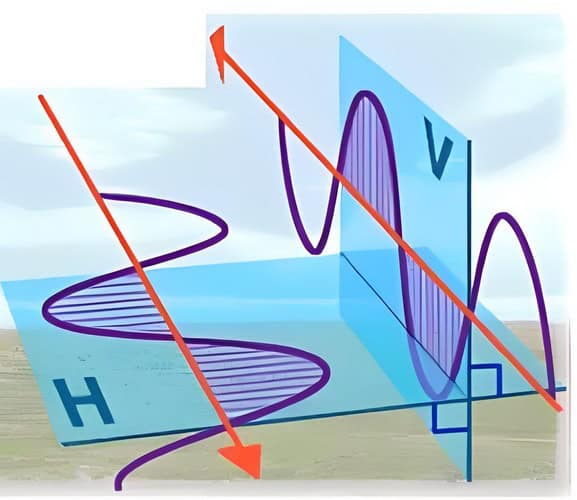
উৰ্ধ্ব পোলাৰাইজেশ্বন: ঢৌৰ বৈদ্যুতিক ক্ষেত্ৰ উৰ্ধ্বমুখী দোলায়। এইটো বহু মানক WiFi এণ্টেনাত সাধাৰণ।.
অনুভূমিক পোলাৰাইজেশ্বন: ঢৌৰ বৈদ্যুতিক ক্ষেত্ৰ অনুভূমিক দোলায়। এইটো প্ৰায়ই উৰ্ধ্ব পোলাৰাইজেশ্বনৰ সৈতে দুগুণ পোলাৰাইজেশ্বন ব্যৱস্থাত ব্যৱহাৰ হয়।.
2. স্লেণ্ট পোলাৰাইজেশ্বন:
+45° আৰু -45° পোলাৰাইজেশ্বন: কেতবোৰ এণ্টেনা কঠোৰভাৱে উৰ্ধ্ব বা অনুভূমিকৰ সলনি স্লেণ্ট পোলাৰাইজেশ্বন ব্যৱহাৰ কৰে। এটাই উপাদান +45°ত পোলাৰাইজড আৰু আনটো -45°ত, যি হস্তক্ষেপ কমাই সংকেত গ্ৰহণ উন্নত কৰে।.
দ্বৈত পোলাৰাইজেশ্বনৰ সুবিধাসমূহ
1. বৃদ্ধি ক্ষমতা:
দুটা পোলাৰাইজেশ্বন প্লেন ব্যৱহাৰ কৰি, এণ্টেনাই একেলগে দুটা পৃথক ডাটা ষ্ট্ৰীম প্ৰেৰণ আৰু গ্ৰহণ কৰিব পাৰে, যাৰ ফলত ক্ষমতা দ্বিগুণ হয়।.
2. সংকেত গুণমান উন্নত:
দ্বৈত পোলাৰাইজেশ্বনে মাল্টিপাথ হস্তক্ষেপ কমায়, য'ত সংকেতবোৰ বহু পথ লৈ গতি কৰে, যাৰ ফলত বিকৃতি আৰু ক্ষতি হয়।.
3. বিশ্বাসযোগ্যতা বৃদ্ধি:
বিভিন্ন পোলাৰাইজেশ্বনে ডিভাইচৰ অৱস্থান সলনি হ'লেও স্থিৰ সংযোগ বজাই ৰাখে, নিশ্চিত কৰে সঙ্গতিপূর্ণ কাৰ্যক্ষমতা।.
MIMO প্ৰণালীত আবেদনসমূহ
MIMO (Multiple Input Multiple Output):
দ্বৈত পোলাৰাইজেচন হৈছে MIMO প্ৰযুক্তিৰ এক অঙ্গ, য'ত প্ৰেৰণকাৰী আৰু গ্ৰহণকাৰী দুয়োতে বহু এণ্টেনা ব্যৱহাৰ কৰা হয়। প্ৰতিটো পোলাৰাইজড উপাদান স্বতন্ত্ৰ চেনেল হিচাপে কাম কৰে, ডাটা প্ৰৱাহ বৃদ্ধি আৰু সংযোগৰ বিশ্বাসযোগ্যতা উন্নত কৰে।.
ব্যৱহাৰিক বিবেচনা
এণ্টেনা ডিজাইন:
দ্বৈত-পোলাৰাইজড এণ্টেনাসমূহক সুচাৰুৰূপে অৰ্হতা সম্পন্ন কৰিবলৈ ডিজাইন কৰা হয়, যাতে ক্ৰস-পোলাৰাইজেচন হস্তক্ষেপ কম হয়।.
প্ৰয়োগ পৰিস্থিতিসমূহ:
দ্বৈত পোলাৰাইজেচন বিশেষকৈ উচ্চ স্তৰৰ হস্তক্ষেপ বা যেতিয়া ডিভাইচসমূহে প্ৰায়ই অৱস্থান পৰিবৰ্তন কৰে, তেনে পৰিৱেশত উপকাৰী, যেনে নগৰ এলাকা বা মোবাইল এপ্লিকেশ্যনসমূহ।.
সাৰাংশ
WiFi এণ্টেনাত দ্বৈত পোলাৰাইজেচন ব্যৱহাৰ কৰি দুটা অৰ্হ পোলাৰাইজেচন প্লেন, যেনে উৰ্ধ্ব/অধৰ্ষ বা +45°/-45°, ব্যৱহাৰ কৰি ৱায়াৰলেছ যোগাযোগৰ কাৰ্যক্ষমতা বৃদ্ধি কৰে। এই পদ্ধতিয়ে ক্ষমতা বৃদ্ধি কৰে, সংকেতৰ গুণমান উন্নত কৰে, আৰু বিশ্বাসযোগ্য সংযোগ নিশ্চিত কৰে, যি আধুনিক ৱায়াৰলেছ যোগাযোগ প্ৰণালীত এক গুৰুত্বপূর্ণ প্ৰযুক্তি।.
পোলাৰাইজেচনৰ মিলৰ গুৰুত্ব
WiFi এণ্টেনাৰ পোলাৰাইজেচন মিলোৱা অত্যন্ত প্ৰয়োজনীয়, যাতে ৱায়াৰলেছ যোগাযোগ প্ৰণালীৰ কাৰ্যক্ষমতা সৰ্বোচ্চ হয়। পোলাৰাইজেচন মানে ৰেডিঅ’ ৱেভৰ বৈদ্যুতিক ক্ষেত্ৰৰ অৱস্থান। ইয়াত কিছুমান মুখ্য কাৰণ দিয়া হৈছে যি কাৰণে পোলাৰাইজেচন মিলোৱা গুৰুত্বপূর্ণ:
1. সংকেতৰ শক্তি সৰ্বোচ্চ: যেতিয়া প্ৰেৰণকাৰী আৰু গ্ৰহণকাৰী এণ্টেনাসমূহৰ পোলাৰাইজেচন একে হয়, সংকেতৰ শক্তি সৰ্বোচ্চ হয়। কাৰণ বৈদ্যুতিক ক্ষেত্ৰসমূহ মিলি যায়, যাৰ ফলত প্ৰেৰণকাৰীৰ পৰা গ্ৰহণকাৰীলৈ শক্তি সৰ্বাধিক স্থানান্তৰ হয়।.
2. সংকেত হ্ৰাস কম: মিল নোহোৱা পোলাৰাইজেচনে গুৰুত্বপূর্ণ সংকেত হ্ৰাস ঘটাব পাৰে। উদাহৰণস্বৰূপ, যদি এটা উৰ্ধ্ব পোলাৰাইজড এণ্টেনা এটা হৰাইজণ্টেল পোলাৰাইজড এণ্টেনাৰ সৈতে যোগাযোগ কৰিবলৈ চেষ্টা কৰে, তেনেহ’লে সংকেত হ্ৰাস 20 dBলৈও হ্ৰাস পায়, যাৰ ফলত যোগাযোগৰ কার্যক্ষমতা আৰু দূৰত্ব যথেষ্ট কমি যায়।.
3. ডাটা গতি উন্নত: শক্তিশালী আৰু স্পষ্ট সংকেত, যি মিল পোলাৰাইজেচনৰ ফলত হয়, উচ্চ ডাটা গতি সমৰ্থন কৰে। বিশেষকৈ উচ্চ-বেণ্ডউইথ সংযোগৰ প্ৰয়োজন হোৱা এপ্লিকেশ্যনসমূহ, যেনে ভিডিঅ’ ষ্ট্ৰিমিং, অনলাইন গেমিং, আৰু ডাঙৰ ফাইল স্থানান্তৰ বাবে এইটো বিশেষ গুৰুত্বপূর্ণ।.
4. সিগনেল-টু-নইজ ৰেচিঅ’ (SNR) উন্নত: পোলাৰাইজেচন মিলোৱাই উচ্চ SNR বজাই ৰাখিবলৈ সহায় কৰে। উচ্চ SNR মানে সংকেত অধিক সহজে পটভূমি শব্দৰ পৰা পৃথক কৰিব পাৰি, যাৰ ফলত অধিক বিশ্বাসযোগ্য আৰু সঠিক ডাটা স্থানান্তৰ হয়।.
5. হ্ৰাস হোৱাকৈ হস্তক্ষেপ: বহু WiFi নেটৱৰ্ক বা ডিভাইচ থাকিলে, মিল পোলাৰাইজেচন হস্তক্ষেপ হ্ৰাস কৰাত সহায় কৰে। কাৰণ বহু WiFi ডিভাইচে একে ফ্রিকুৱেঞ্চি বেণ্ড ব্যৱহাৰ কৰে, মিল পোলাৰাইজেচন থাকিলে বিভিন্ন সংকেতৰ মাজত পাৰ্থক্য কৰা সহজ হয়।.
6. শক্তি সঞ্চয়: মিল পোলাৰাইজেচন থকা ডিভাইচসমূহ কম শক্তি খৰচ কৰে স্থিৰ সংযোগ বজাই ৰাখিবলৈ। এইটো বিশেষকৈ বেটাৰী চলিত ডিভাইচসমূহৰ বাবে লাভজনক, কাৰণ ইয়াৰ জীৱনকাল বৃদ্ধি পায়।.
7. সঙ্গতিপূর্ণ কাৰ্যক্ষমতা: সঙ্গতিপূর্ণ পোলাৰাইজেচন মিলোৱাই WiFi নেটৱৰ্কৰ স্থিৰ আৰু পূৰ্বানুমানযোগ্য কাৰ্যক্ষমতা নিশ্চিত কৰে। এইটো সেই এপ্লিকেশ্যনসমূহৰ বাবে গুৰুত্বপূর্ণ যি অবিৰত আৰু বিশ্বাসযোগ্য সংযোগৰ ওপৰত নিৰ্ভৰ কৰে, যেনে VoIP কল বা ৰিয়েল-টাইম ডাটা মনিটৰিং।.
সংক্ষেপে, WiFi এণ্টেনাৰ মাজত পোলাৰাইজেচন মিলোৱা অপ্টিমাল কাৰ্যক্ষমতা লাভৰ বাবে অত্যন্ত প্ৰয়োজনীয়, য’ত শক্তিশালী সংকেত, উচ্চ ডাটা গতি, উন্নত SNR, হ্ৰাস হোৱাকৈ হস্তক্ষেপ, আৰু শক্তি সঞ্চয় অন্তর্ভুক্ত। এইয়ে নিশ্চিত কৰে যে ৱায়াৰলেছ যোগাযোগ প্ৰণালী কার্যক্ষম আৰু বিশ্বাসযোগ্যভাৱে চলে।.
5. সামঞ্জস্যতা
আপোনাৰ ৰাউটাৰ বা এক্সেছ পইণ্টৰ সৈতে সামঞ্জস্যতা নিশ্চিত কৰা
Ensuring compatibility between your WiFi antennas and your router or access point is crucial for optimal performance. Here are some key steps and considerations to ensure compatibility:
1. সংযোগকাৰী ধৰণ:
SMA Connectors: Many WiFi routers and access points use RP-SMA (Reverse Polarity SMA) connectors. Ensure that the antenna you purchase has the appropriate RP-SMA connector.
Other Connectors: Some devices may use different connectors such as N-type, TNC, or proprietary connectors. Check your device’s specifications to confirm the connector type.
2. ফ্ৰিকুৱেঞ্চি বেণ্ড:
2.4 GHz and 5 GHz: Ensure the antenna supports the frequency bands your router uses. Most modern routers are dual-band, operating on both 2.4 GHz and 5 GHz. Some newer routers also support the 6 GHz band (Wi-Fi 6E and WiFi 7).
Single vs. Dual-Band: If your router is dual-band, it’s best to use dual-band antennas to ensure compatibility and performance across both frequency ranges.
3. Antenna Type:
Omnidirectional Antennas: These antennas radiate signal in all directions and are suitable for general coverage in homes and offices.
Directional Antennas: These antennas focus the signal in a specific direction, which can be useful for long-distance connections or covering specific areas.
4. Gain:
The gain of an antenna, measured in dBi, indicates how much it can amplify the signal. Higher gain antennas can transmit signals further but may have a narrower coverage area. Ensure the gain is appropriate for your needs and environment.
5. Compatibility with Router’s Antenna Ports:
Some routers have multiple antenna ports for MIMO (Multiple Input Multiple Output) technology. Ensure you have the correct number of antennas and that they are compatible with MIMO if your router supports it.
6. Physical Compatibility:
Ensure that the antenna’s physical size and mounting options are compatible with your router. Some antennas may be too large or may require specific mounting hardware.
7. নিয়মাৱলী অনুগমন:
Ensure the antenna complies with local regulations regarding wireless transmissions. Using non-compliant antennas can lead to legal issues and interference with other devices.
8. Manufacturer Recommendations:
Check the router or access point manufacturer’s recommendations for compatible antennas. Sometimes, manufacturers provide a list of tested and approved antennas.
9. Firmware and Software Compatibility:
Ensure that your router’s firmware supports the use of external antennas if it originally comes with internal antennas.
10. Testing and Adjustment:
After installing the new antenna, test the signal strength and quality in various locations. You may need to adjust the antenna’s position or orientation for optimal performance.
By following these steps and considerations, you can ensure that your WiFi antennas are compatible with your router or access point, leading to improved wireless performance and coverage.
Connector types and cable considerations
When setting up ৱাইফাই এণ্টেনা, selecting the appropriate connector types and cables is crucial to ensure optimal performance and signal integrity. Here are the key connector types and cable considerations for WiFi antennas:
সংযোগকাৰী ধৰণসমূহ
1. RP-SMA (Reverse Polarity SMA)

Usage: Commonly used in consumer WiFi equipment (routers, access points, and WiFi cards).
Characteristics: The RP-SMA connector has a reverse polarity configuration where the male connector has a pin and the female connector has a socket, opposite to the standard SMA connectors.
2. SMA (SubMiniature version A)
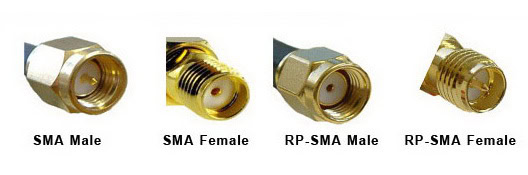
Usage: Used in professional and industrial applications.
Characteristics: Standard polarity where the male connector has a pin and the female connector has a socket.
3. N-Type

Usage: Commonly used in outdoor WiFi installations and high-power applications.
Characteristics: Larger and more robust than SMA connectors, N-Type connectors provide better performance over longer distances and in harsh environments.
4. U.FL (Ultra Miniature Coaxial)
Usage: Typically used in internal connections within devices, such as connecting a WiFi card to an internal antenna.

Characteristics: Very small and delicate, suitable for tight spaces inside devices.
5. TNC (Threaded Neill–Concelman)

Usage: Used in some industrial and commercial WiFi applications.
Characteristics: Similar to BNC connectors but with a threaded coupling, providing better performance in environments with vibration.
Cable Considerations
cURL Too many subrequests.
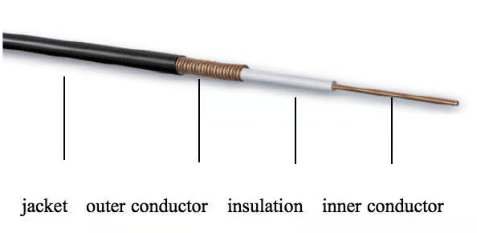
RG-58cURL Too many subrequests.
LMR-195, LMR-240, LMR-400cURL Too many subrequests.
cURL Too many subrequests.cURL Too many subrequests.
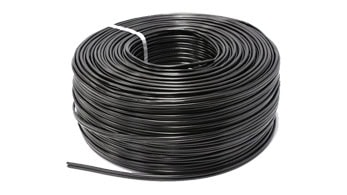
2. কেব্লৰ দৈৰ্ঘ্য
cURL Too many subrequests.
cURL Too many subrequests.
cURL Too many subrequests.
cURL Too many subrequests.
cURL Too many subrequests.
cURL Too many subrequests.
cURL Too many subrequests.
cURL Too many subrequests.
cURL Too many subrequests.
cURL Too many subrequests.
cURL Too many subrequests.
cURL Too many subrequests.
cURL Too many subrequests.
cURL Too many subrequests.
Indoor vs. outdoor design
When designing ৱাইফাই এণ্টেনা for indoor versus outdoor use, several key factors must be considered to ensure optimal performance and reliability. Here are the primary considerations for each environment:
Indoor WiFi Antenna Design
1. পৰিসৰ আৰু আৱৰণ:
Challenges: Indoor environments often have multiple walls, floors, and other obstacles that can attenuate and reflect WiFi signals.
Design Considerations: Use antennas with omnidirectional patterns to provide broad coverage. Multiple antennas (MIMO – Multiple Input Multiple Output) can help improve signal strength and coverage.
2. হস্তক্ষেপ:
Challenges: Indoor environments may have numerous electronic devices that can cause interference (e.g., microwaves, cordless phones, Bluetooth devices).
Design Considerations: Choose antennas that operate on both 2.4 GHz and 5 GHz bands to mitigate interference and provide better performance.
3. Aesthetic and Space Constraints:
Challenges: Indoor antennas often need to be unobtrusive and fit within limited spaces.
Design Considerations: Compact, low-profile antennas that can be easily mounted on walls, ceilings, or integrated into devices are preferred.
4. Signal Penetration:
Challenges: Different building materials (concrete, metal, glass) can affect signal strength.
Design Considerations: Placement of antennas in central locations and the use of repeaters or mesh networks can help improve penetration and coverage.
Outdoor WiFi Antenna ডিজাইন
1. পৰিসৰ আৰু আৱৰণ:
Challenges: Outdoor environments require longer range and wider coverage areas.
Design Considerations: Use high-gain directional or sector antennas to cover larger areas and focus the signal where needed.
2. Weather and Environmental Conditions:
Challenges: Outdoor antennas must withstand various weather conditions (rain, snow, wind, temperature extremes) and potential physical impacts.
Design Considerations: Use weatherproof, ruggedized antennas with appropriate IP ratings (e.g., IP67) to ensure durability and reliability.
3. হস্তক্ষেপ:
Challenges: Outdoor environments can have interference from other wireless networks, industrial equipment, and even natural obstacles like trees and buildings.
Design Considerations: Use antennas that can operate on multiple channels and frequencies to avoid crowded bands. Directional antennas can help minimize interference by focusing the signal.
4. মাউন্টিং আৰু সংস্থাপন:
Challenges: Outdoor antennas need secure mounting solutions to withstand wind and other environmental factors.
Design Considerations: Use robust mounting hardware and ensure proper grounding to protect against lightning and electrical surges.
5. নিয়মাৱলী অনুগততা:
Challenges: Outdoor antennas may need to comply with local regulations regarding signal strength, frequency use, and installation requirements.
Design Considerations: Ensure that the design and deployment of outdoor antennas meet all relevant regulatory standards.
সাৰাংশ
Indoor Antennas: Focus on omnidirectional coverage, compact design, and dual-band operation to handle obstacles and interference within buildings.
Outdoor Antennas: Emphasize durability, weatherproofing, high-gain directional coverage, and compliance with regulatory standards to provide reliable long-range connectivity in varied environmental conditions.
By addressing these considerations, you can design WiFi antennas that are well-suited to their respective environments, ensuring optimal performance and user satisfaction.
Aesthetic considerations for home or office environments
When incorporating ৱাইফাই এণ্টেনা into home or office environments, aesthetic considerations can significantly enhance the overall look and feel of the space. Here are some strategies to ensure that WiFi antennas blend seamlessly into your environment:
1. Concealment and Integration
Furniture Integration: Incorporate WiFi antennas into furniture pieces such as bookshelves, desks, or entertainment centers. Custom-built furniture with hidden compartments can house the antennas without compromising on signal strength.
Wall and Ceiling Mounts: Use wall or ceiling mounts that can be painted or covered with decorative elements to match the surrounding decor. In-ceiling antennas can be particularly unobtrusive.
Cabinetry and Enclosures: Design custom cabinetry or enclosures that can hide the antennas while allowing for proper ventilation and signal transmission.
2. Design and Color Coordination
Color Matching: Choose antennas that come in colors that match your walls, furniture, or decor. Many manufacturers offer antennas in various colors or with customizable skins.
Minimalist Designs: Opt for sleek, minimalist designs that blend into modern interiors. Antennas with clean lines and simple shapes can be less obtrusive.
3. Functional Decor
Multi-Functional Items: Use items that serve a dual purpose, such as lamps or picture frames with built-in WiFi antennas. This can help disguise the technology as part of everyday decor.
cURL Too many subrequests.
cURL Too many subrequests.
cURL Too many subrequests.
cURL Too many subrequests.
cURL Too many subrequests.
cURL Too many subrequests.
cURL Too many subrequests.
cURL Too many subrequests.
cURL Too many subrequests.

cURL Too many subrequests.
cURL Too many subrequests.
cURL Too many subrequests.
cURL Too many subrequests.
ইনষ্টলেচনৰ সহজতা
cURL Too many subrequests.
cURL Too many subrequests.
cURL Too many subrequests.
cURL Too many subrequests.
cURL Too many subrequests.

cURL Too many subrequests.
3.Installation Steps:
Mounting Bracket: Secure the mounting bracket firmly to the chosen surface. Ensure it’s level and stable.
Connect Cables: Attach the coaxial cable to the antenna before mounting it. This can be easier than trying to connect it after the antenna is in place.
Secure Antenna: Attach the antenna to the mounting bracket. Use a wrench to tighten any bolts and ensure the antenna is securely fastened.
Test Signal: Once installed, test the signal strength and make any necessary adjustments to the antenna’s position.
মাউণ্টিং বিকল্পসমূহ
1. দেওয়াল মাউণ্টিং:
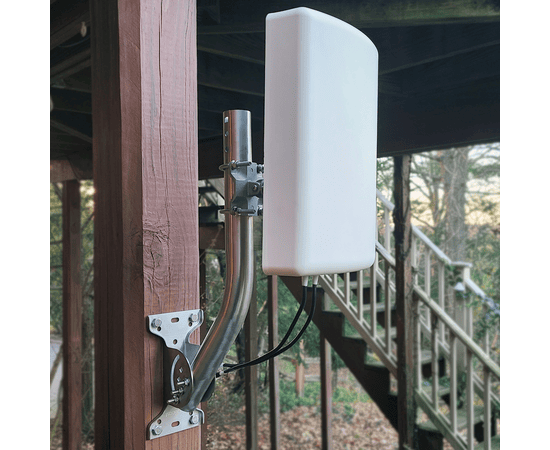
Pros: Easy access for maintenance, good for indoor environments, can be positioned at various heights.
Cons: Limited to the coverage area directly in front of the wall, may be obstructed by furniture or other objects.
Installation: Use wall anchors and screws to secure the mounting bracket. Ensure the wall can support the weight of the antenna.
2. চিলিং মাউন্টিং:

Pros: Ideal for large indoor spaces like offices and warehouses, provides wide coverage, less likely to be obstructed.
Cons: More challenging to install, requires a ladder or lift, may need longer cables.
Installation: Use ceiling anchors and screws. Ensure the ceiling structure can support the antenna. Consider using a drop ceiling mount if applicable.
3. স্তম্ভ মাউণ্টিং:

Pros: Excellent for outdoor use, can be elevated for better line-of-sight, avoids many physical obstructions.
Cons: Requires a sturdy pole, more complex installation, may need weatherproofing.
Installation: Secure the pole firmly in the ground or to a building structure. Use mounting brackets designed for poles. Ensure the antenna is at the correct height and angle.
4. Ground Mounting:
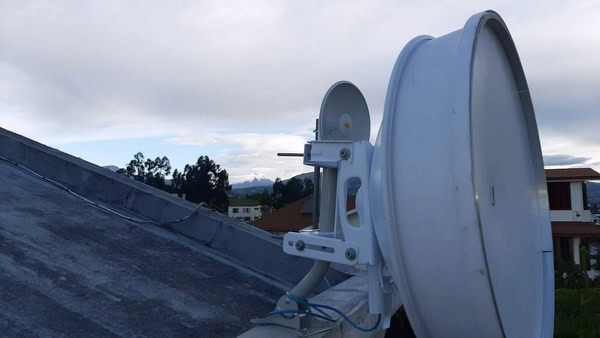
Pros: Suitable for outdoor use, can be positioned for optimal line-of-sight, avoids roof or wall drilling.
Cons: Vulnerable to physical damage from people, animals, or machinery, may require waterproofing, potentially limited elevation.
Installation: Use a ground mount kit with a sturdy base. Secure the mount firmly into the ground using concrete or ground stakes. Ensure the antenna is at the correct height and angle, and consider additional weatherproofing measures to protect the antenna from the elements.
cURL Too many subrequests.
Weatherproofing: For outdoor installations, use weatherproof tape and sealant to protect connections from moisture.
Grounding: Ground outdoor antennas to prevent damage from lightning.
Cable Management: Use cable ties and conduits to manage cables neatly and protect them from damage.
Signal Testing: Use a WiFi analyzer tool to test signal strength and adjust the antenna as needed for optimal performance.
By considering these factors and following the appropriate steps, you can ensure a successful WiFi antenna installation that provides robust and reliable coverage.
Chapter 3: Popular Types of WiFi Antennas
1. অমনি-দিশৰ অ্যান্টেনাসমূহ
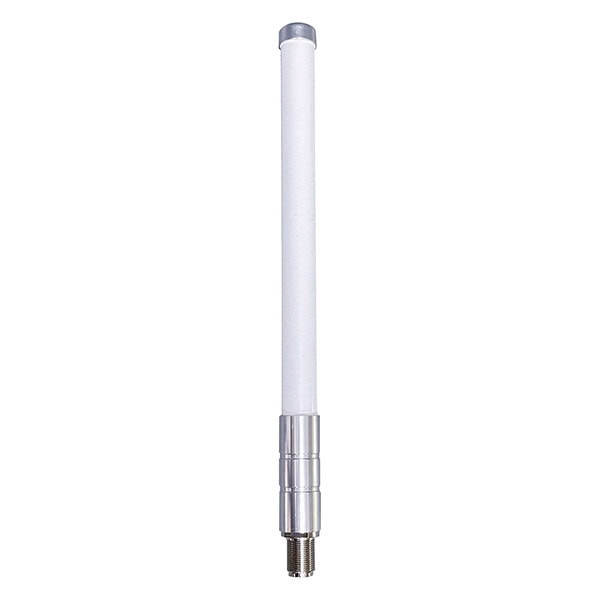
বৈশিষ্ট্যসমূহ:
1. Radiation Pattern: Omni-directional antennas emit radio waves in all horizontal directions, creating a 360-degree coverage area. They typically have a doughnut-shaped radiation pattern.
2. Gain: They usually have lower gain compared to directional antennas, generally ranging from 2 dBi to 12 dBi. Higher gain omni-directional antennas can cover larger areas but have a more flattened vertical beamwidth.
3. Polarization: These antennas can be vertically or horizontally polarized, but vertical polarization is more common.
4. Frequency Bands: They can operate on various frequency bands, including 2.4 GHz, 5 GHz, and sometimes dual-band for WiFi applications.
5. Physical Form: They often come in the form of rods or tubes, making them easy to mount on routers, access points, or outdoor fixtures.
Use Cases:
1. Home and Office WiFi Networks: Ideal for providing uniform coverage in homes and small to medium-sized offices where users are spread out across multiple rooms or floors.
2. Public WiFi Hotspots: Commonly used in cafes, parks, and other public spaces to offer broad coverage to multiple users.
3. Warehouses and Large Open Spaces: Useful in environments where devices are scattered over a large area, such as warehouses, factories, or large retail spaces.
4. Outdoor Applications: Suitable for outdoor WiFi coverage in areas like campuses, stadiums, and outdoor event venues.
5. Mobile Applications: Often used in vehicles, such as buses, trains, and boats, to provide WiFi connectivity to passengers.
সুবিধাসমূহ:
1. Wide Coverage Area: Provides broad, uniform coverage, reducing dead spots in the coverage area.
2. Ease of Installation: Simple to install without the need for precise alignment, unlike directional antennas.
3. Cost-Effective: Generally less expensive compared to high-gain directional antennas.
4. Versatility: Can be used in various environments, both indoors and outdoors.
5. Multiple Device Support: Can support multiple devices simultaneously, making them ideal for areas with high user density.
অসুবিধাসমূহ:
1. Lower Gain: Typically offers lower signal strength compared to directional antennas, which can be a limitation in long-range applications.
cURL Too many subrequests.
cURL Too many subrequests.
cURL Too many subrequests.
cURL Too many subrequests.
cURL Too many subrequests.
cURL Too many subrequests.
cURL Too many subrequests.
cURL Too many subrequests.
বিশেষত্বসমূহ
cURL Too many subrequests.
cURL Too many subrequests.
cURL Too many subrequests.
cURL Too many subrequests.
cURL Too many subrequests.
ব্যৱহাৰ ক্ষেত্ৰসমূহ
cURL Too many subrequests.
cURL Too many subrequests.
cURL Too many subrequests.
সুবিধাসমূহ
cURL Too many subrequests.
cURL Too many subrequests.
cURL Too many subrequests.
4. Ease of Installation: Typically easy to install on ceilings or walls, simplifying deployment in large areas.
অসুবিধাসমূহ
1. Lower Gain: The lower gain compared to directional antennas means they are not suitable for long-distance communication or focused coverage areas.
2. Interference: In environments with many other WiFi networks or electronic devices, the omni-directional nature can lead to more interference and reduced performance.
3. Coverage Limitations: While they provide broad coverage, the signal strength may not penetrate through multiple walls or obstructions effectively, potentially requiring additional antennas to cover larger or more complex areas.
উপসংহাৰ
WiFi dome antennas are a valuable tool for providing broad, uniform wireless coverage in a variety of settings. They are particularly useful in large indoor spaces where aesthetics and ease of installation are important. However, their lower gain and potential for interference in crowded environments are important considerations when planning a WiFi network. Balancing these factors will help determine if a dome antenna is the right choice for a specific application.
3. Panel Antennas
WiFi পেনেল এণ্টেনা are a type of directional antenna used to improve wireless communication by focusing the signal in a specific direction. They are commonly used in various applications to enhance the range, reliability, and performance of WiFi networks. Here are the key characteristics, use cases, pros, and cons of WiFi panel antennas:
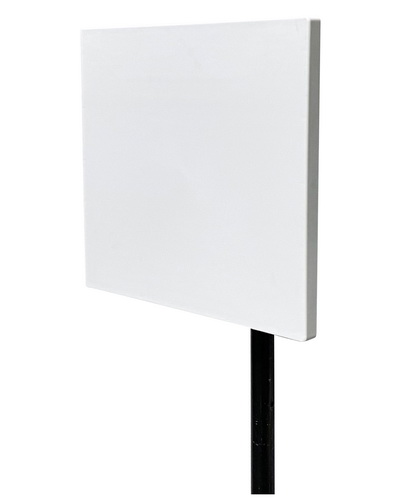
বিশেষত্বসমূহ
1. Directional Pattern: Panel antennas have a directional radiation pattern, meaning they focus the signal in one direction rather than broadcasting it in all directions.
2. Gain: Typically, panel antennas have higher gain (measured in dBi) compared to omnidirectional antennas. This higher gain helps in extending the range and improving the signal strength in the desired direction.
3. Size and Shape: They are usually flat and rectangular, making them easy to mount on walls or poles.
4. Frequency Range: WiFi panel antennas are designed to operate in the 2.4 GHz , 5 GHz and or 6GHz frequency bands, which are common for WiFi networks.
5. Beamwidth: The beamwidth of a panel antenna is narrower compared to omnidirectional antennas, allowing for more focused coverage.
ব্যৱহাৰ ক্ষেত্ৰসমূহ
1. Point-to-Point Links: Ideal for creating a wireless bridge between two locations, such as connecting two buildings.
2. Outdoor Coverage: Suitable for extending WiFi coverage in outdoor environments, such as parks, campuses, or large outdoor events.
3. Indoor Coverage: Can be used to focus the signal in large indoor spaces like warehouses, auditoriums, or long corridors.
4. Reducing Interference**: By focusing the signal, panel antennas can help reduce interference from other wireless networks or devices in crowded environments.
সুবিধাসমূহ
1. Improved Range and Signal Strength: The directional nature and higher gain of panel antennas can significantly extend the range and improve the signal quality in the targeted direction.
2. Focused Coverage: Ideal for applications where coverage is needed in a specific direction or area, reducing wasted signal and interference.
3. Versatility: Can be used in both indoor and outdoor applications, making them versatile for various deployment scenarios.
4. Interference Mitigation: By focusing the signal, panel antennas can help mitigate interference from other WiFi networks or devices.
অসুবিধাসমূহ
1. Limited Coverage Area: The directional nature means that coverage is limited to the area in the direction the antenna is pointed, which may not be suitable for all applications.
2. Installation Complexity: Proper alignment and mounting are crucial for optimal performance, which can make installation more complex compared to omnidirectional antennas.
3. Cost: Panel antennas can be more expensive than omnidirectional antennas, especially those with higher gain and advanced features.
4. Physical Size: While generally compact, some high-gain panel antennas can be relatively large and may require sturdy mounting solutions.
উপসংহাৰ
WiFi panel antennas are a powerful tool for enhancing wireless communication in specific directions, making them ideal for targeted coverage scenarios such as point-to-point links, focused indoor coverage, and outdoor deployments. However, their directional nature and installation complexity mean they are not suitable for all applications. Careful consideration of the use case, environment, and installation requirements is essential to maximize the benefits of using a WiFi panel antenna.
4. প্যারাবলিক ডিশ এণ্টেনাসমূহ
বৈশিষ্ট্যসমূহ:
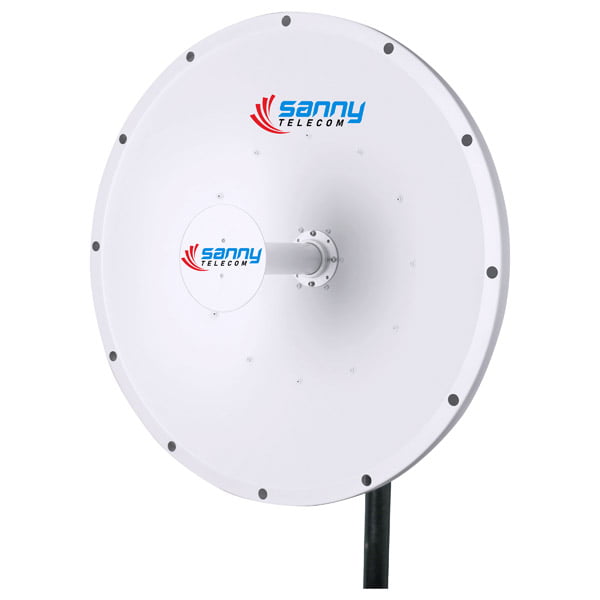
1. High Gain: Parabolic dish antennas offer high gain, typically ranging from 15 dBi to 30 dBi or more. This high gain results from the parabolic shape, which focuses the radio waves into a narrow beam, increasing signal strength.
2. Directional: These antennas are highly directional, meaning they focus the signal in a specific direction. This characteristic is beneficial for point-to-point communication over long distances.
3. Frequency Range: Parabolic dish antennas are designed to operate in specific frequency ranges, commonly within the 2.4 GHz , 5 GHz and 6GHz bands used by WiFi networks.
4. Size and Shape: They are usually larger and more cumbersome compared to other types of WiFi antennas. The dish shape is essential for focusing the signal.
5. Polarization: These antennas can support different types of polarization (horizontal, vertical, or dual polarization), which can be selected based on the specific application and environment.
Use Cases:
1. Long-Distance Communication: Ideal for establishing long-distance point-to-point links, such as connecting two buildings or remote locations where wired connections are impractical.
2. Backhaul Connections: Used in telecommunications to connect base stations to the core network, often over several kilometers.

3. Rural Internet Access: Providing internet access to remote or rural areas where traditional broadband services are unavailable.
4. Wireless Internet Service Providers (WISPs): Used by WISPs to deliver internet services over wide areas.
সুবিধাসমূহ:
1. High Gain: Provides strong signal strength and improved performance over long distances.
2. Focused Signal: Reduces interference from other sources by concentrating the signal in a specific direction.
3. Reliable: Suitable for stable, long-range communication links.
4. Scalability: Can be used to scale networks by connecting multiple nodes over large distances.
অসুবিধাসমূহ:
1. Size and Weight: Typically larger and heavier than other types of antennas, making them less portable and more challenging to install.
2. Alignment: Requires precise alignment to ensure optimal performance, which can be time-consuming and technically demanding.
cURL Too many subrequests.
cURL Too many subrequests.
cURL Too many subrequests.
cURL Too many subrequests.
WiFi পেৰাবলিক ডিশ এণ্টেনাসমূহ cURL Too many subrequests.
cURL Too many subrequests.

বিশেষত্বসমূহ
1. ডিজাইন:
cURL Too many subrequests.
2. গেইন:
cURL Too many subrequests.
cURL Too many subrequests.
cURL Too many subrequests.
cURL Too many subrequests.
cURL Too many subrequests.
cURL Too many subrequests.
cURL Too many subrequests.
cURL Too many subrequests.
cURL Too many subrequests.
cURL Too many subrequests.
cURL Too many subrequests.
ব্যৱহাৰ ক্ষেত্ৰসমূহ
1. পইণ্ট-টু-পইণ্ট সংযোগসমূহ:
cURL Too many subrequests.
cURL Too many subrequests.
Useful for providing internet access in rural or remote areas where wired infrastructure is not available.
3. Backhaul Networks:
Employed in wireless backhaul networks to connect different network nodes over long distances.
4. Surveillance Systems:
Can be used to transmit video feeds from remote surveillance cameras to a central monitoring station.
5. Amateur Radio:
Often used by amateur radio enthusiasts for long-distance communication.
সুবিধাসমূহ
1. High Gain:
Provides high gain, which allows for long-distance communication and better signal quality.
2. Directional Focus:
Highly directional, reducing interference from other sources and focusing the signal where it is needed.
3. টেকসইতা:
Generally built to withstand outdoor conditions, including wind, rain, and UV exposure.
4. মূল্য-সাশ্রয়ী:
Often more affordable than other high-gain antenna types like dish antennas.
5. স্কেলেবিলিটি:
Can be used in both small-scale and large-scale deployments.
অসুবিধাসমূহ
1. Alignment Sensitivity:
Requires precise alignment to achieve optimal performance, which can be challenging and time-consuming.
2. Size and Weight:
Can be bulky and heavy, making installation more difficult and requiring sturdy mounting solutions.
3. Narrow Beamwidth:
The narrow beamwidth means that any movement or misalignment can significantly affect performance.
4. Aesthetic and Space Concerns:
May not be aesthetically pleasing and can take up significant space, making them less suitable for residential areas.
উপসংহাৰ
WiFi parabolic grid antennas are powerful tools for long-distance, high-gain communication. They are particularly useful in point-to-point links, rural internet setups, and backhaul networks. However, they require careful alignment and sturdy installation to perform optimally. Their high gain and directional focus make them excellent for targeted communication, but their size and sensitivity to alignment can be drawbacks in some scenarios.
6. ৰবৰ ডাক অ্যান্টেনা
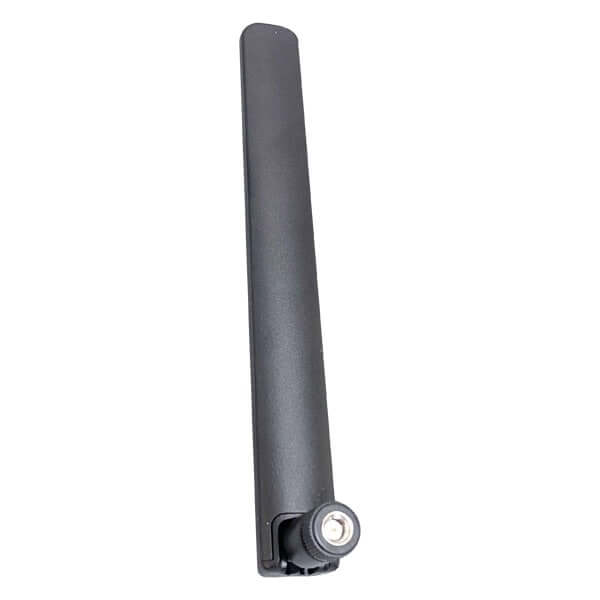
বৈশিষ্ট্যসমূহ:
1. ডিজাইন:
Typically, rubber duck antennas are cylindrical and encased in a rubber or plastic material, providing durability and flexibility.
They are often articulated, allowing for adjustment in orientation to optimize signal reception and transmission.
2. পৰিসৰ পৰিসীমা:
Most commonly designed for the 2.4 GHz,5 GHz and 6GHz frequency bands used in WiFi networks.
Some models may cover other frequency ranges depending on their specific application.
3. গেইন:
The gain of rubber duck antennas usually ranges from 2 dBi to 5 dBi.
Higher gain antennas are available but may come with trade-offs in terms of size and radiation pattern.
4. Radiation Pattern:
Typically omnidirectional, meaning they radiate signal uniformly in all horizontal directions.
This makes them suitable for general-purpose use where the signal needs to be distributed evenly around the antenna.
5. Connector Types:
Common connectors include SMA, RP-SMA, and N-type, allowing compatibility with a wide range of WiFi devices such as routers, access points, and USB WiFi adapters.
Use Cases:
1. Home and Office WiFi:
Ideal for boosting WiFi signals in small to medium-sized areas.
Commonly used with home routers and office access points to improve coverage and reduce dead zones.
2. Portable WiFi Devices:
Used in USB WiFi adapters and portable WiFi hotspots to improve signal reception and transmission.
Convenient for travelers and mobile workers who need reliable internet connectivity.
3. IoT Devices:
cURL Too many subrequests.
cURL Too many subrequests.
cURL Too many subrequests.
cURL Too many subrequests.
cURL Too many subrequests.
সুবিধাসমূহ:
cURL Too many subrequests.
cURL Too many subrequests.
cURL Too many subrequests.
cURL Too many subrequests.
cURL Too many subrequests.
cURL Too many subrequests.
4. মূল্য-সাশ্রয়ী:
cURL Too many subrequests.
cURL Too many subrequests.
cURL Too many subrequests.
অসুবিধাসমূহ:
cURL Too many subrequests.
cURL Too many subrequests.
2. হস্তক্ষেপ:
cURL Too many subrequests.
cURL Too many subrequests.
cURL Too many subrequests.
4. Performance in Complex Environments:
In areas with many obstacles (e.g., walls, furniture), the performance may degrade due to signal reflection and absorption.
5. Limited Customization:
While they are adjustable, they offer less customization in terms of signal direction compared to directional antennas.
In summary, WiFi rubber duck antennas are a versatile and durable option for a variety of WiFi applications, particularly in environments requiring broad, omnidirectional coverage. However, they may not be the best choice for long-range or highly specific directional needs.
7. Sector Antennas
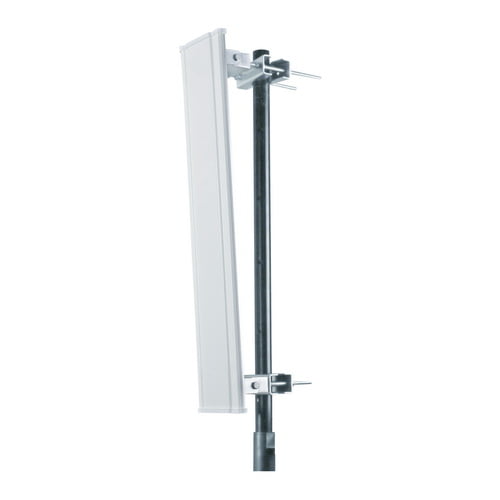
WiFi sector antennas are specialized antennas designed to cover a specific sector or angle, typically ranging from 60 to 120 degrees. They are commonly used in wireless communication systems to provide focused coverage in a particular direction, which can be advantageous in various scenarios. Below, I’ll outline their characteristics, use cases, pros, and cons.
বিশেষত্বসমূহ
1. Beamwidth:
Horizontal Beamwidth: Typically between 60° and 120°, allowing for focused coverage in a specific direction.
Vertical Beamwidth: Usually narrower, around 5° to 15°, to reduce interference and focus the signal.
2. গেইন:
Sector antennas usually have moderate to high gain, ranging from 15 dBi to 20 dBi, which helps in extending the coverage area.
3. পোলাৰাইজেচন:
They can be either single-polarized or dual-polarized, supporting both horizontal and vertical polarizations to improve signal quality and reduce interference.
4. Frequency Bands:
Designed to operate in specific frequency bands, commonly 2.4 GHz and 5 GHz for WiFi applications.
5. Physical Design:
Typically rectangular or sector-shaped, with a robust and weatherproof design for outdoor installations.
ব্যৱহাৰ ক্ষেত্ৰসমূহ
1. Outdoor WiFi Hotspots:
Ideal for providing WiFi coverage in outdoor areas such as parks, campuses, and stadiums. Multiple sector antennas can be used to cover different directions.
2. Point-to-Multipoint (PtMP) Networks:
Used in wireless Internet Service Provider (WISP) networks to connect multiple clients from a central access point.
3. Urban and Rural Areas:
Effective in both urban and rural settings to provide targeted coverage without excessive signal spillover, which can cause interference.
4. Event Venues:
Suitable for temporary installations at events, festivals, and concerts where focused and reliable WiFi coverage is needed.
5. Industrial and Enterprise Environments:
Used in large warehouses, factories, and enterprise campuses to cover specific areas with high-density WiFi needs.
সুবিধাসমূহ
1. Focused Coverage:
Provides targeted coverage, reducing interference and improving signal quality in the desired direction.
2. স্কেলেবিলিটি:
Multiple sector antennas can be used together to cover large areas, offering flexibility in network design.
3. High Gain:
The high gain of sector antennas extends the coverage area and improves signal strength.
4. Reduced Interference:
Narrow beamwidth helps in minimizing interference from other WiFi networks or devices.
5. Cost-Effective:
Often more cost-effective than omnidirectional antennas for covering large areas with focused coverage.
অসুবিধাসমূহ
1. Limited Coverage Angle:
The focused beamwidth means that multiple antennas are needed to cover 360 degrees, increasing complexity and cost.
2. Installation Complexity:
Requires precise alignment and mounting, which can be more challenging compared to omnidirectional antennas.
3. হস্তক্ষেপ ব্যৱস্থাপনা:
While sector antennas reduce interference, careful planning is needed to avoid overlap and interference between adjacent sectors.
4. Physical Size:
cURL Too many subrequests.
cURL Too many subrequests.
cURL Too many subrequests.
উপসংহাৰ
cURL Too many subrequests.
8. সমমিত শিঙৰ অ্যান্টেনাসমূহ
বৈশিষ্ট্যসমূহ:
cURL Too many subrequests.
cURL Too many subrequests.
cURL Too many subrequests.
cURL Too many subrequests.
cURL Too many subrequests.
cURL Too many subrequests.
cURL Too many subrequests.
Use Cases:
cURL Too many subrequests.
cURL Too many subrequests.
cURL Too many subrequests.
cURL Too many subrequests.
cURL Too many subrequests.
সুবিধাসমূহ:
cURL Too many subrequests.
cURL Too many subrequests.
cURL Too many subrequests.
4. Durability: Robust construction makes them suitable for outdoor installations, withstanding various weather conditions.
5. Flexibility: Available in various beamwidths, allowing for tailored coverage based on specific deployment needs.
6. Improved Throughput: Consistent signal strength across the coverage area can lead to better data throughput and user experience.
অসুবিধাসমূহ:
1. Cost: Generally more expensive than standard omnidirectional antennas, which might be a consideration for budget-sensitive projects.
2. Installation Complexity**: Requires precise alignment and mounting, which can be more complex and time-consuming compared to simpler antennas.
3. Size and Weight: Some models can be bulky and heavy, necessitating sturdy mounting solutions and potentially more robust infrastructure.
4. Limited Coverage Area: While offering precise coverage, the area covered by a single symmetrical horn antenna is smaller compared to some other types of antennas, necessitating more units for large areas.
5. Specialized Use: Not always suitable for all types of deployments, particularly where broader, less focused coverage is needed.
উপসংহাৰ
WiFi symmetrical horn antennas are a powerful tool for specific applications requiring precise, consistent coverage with minimal interference. While they come with higher costs and installation complexities, their benefits in terms of performance and scalability make them a valuable asset in many wireless networking scenarios, particularly for professional and commercial deployments.
9. Yagi Antennas
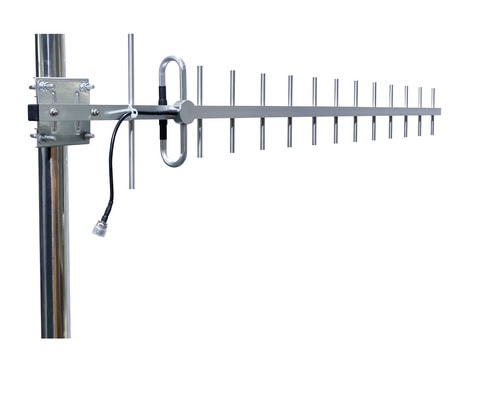
বৈশিষ্ট্যসমূহ:
1. Design: Yagi antennas, also known as Yagi-Uda antennas, consist of multiple parallel elements in a line, usually made of metal rods. The elements include a single driven element (connected to the transmitter or receiver), one or more passive elements (directors and reflectors).
2. Directional: Yagi antennas are highly directional, meaning they focus the signal in a specific direction. This makes them ideal for point-to-point communication.
3. Gain: They typically offer high gain, which means they can transmit and receive signals over longer distances compared to omnidirectional antennas.
4. Frequency Range: WiFi Yagi antennas are designed to operate in the 2.4 GHz or 5 GHz frequency bands, which are common for WiFi networks.
5. Polarization: They can be designed for either vertical or horizontal polarization, depending on the orientation of the elements.
Use Cases:
1. Long-Distance WiFi Links: Ideal for establishing long-distance WiFi connections between two fixed points, such as between buildings or across large open areas.
2. Rural Internet Access: Useful in rural areas where internet service is sparse, allowing users to connect to distant WiFi hotspots.
3. Wireless Bridges: Often used in setting up wireless bridges to connect two or more networks over a significant distance.
4. Amateur Radio: Sometimes used by amateur radio enthusiasts for WiFi-based communication projects.
5. Surveillance Systems: Can be used in surveillance systems to connect cameras to the network over long distances.
সুবিধাসমূহ:
1. High Gain: Provides stronger signal strength and longer range compared to omnidirectional antennas.
2. Directional Focus: Reduces interference from other signals, as it focuses on a specific direction.
3. Improved Performance: Enhances the quality and reliability of the wireless connection.
4. Cost-Effective: Generally more affordable than some other high-gain directional antennas like parabolic dishes.
অসুবিধাসমূহ:
1. Directional Limitation: The highly directional nature means it must be precisely aimed, which can be a disadvantage if the target moves or if a wider coverage area is needed.
2. Size and Installation: Can be larger and more cumbersome to install compared to omnidirectional antennas.
3. Narrow Beamwidth: The narrow beamwidth can be a drawback in environments where the signal needs to cover a broader area or multiple directions.
উপসংহাৰ
WiFi Yagi antennas are powerful tools for specialized applications requiring long-range, point-to-point communication. Their high gain and directional focus make them ideal for specific use cases, but they come with limitations that need to be considered, such as precise aiming and installation challenges.
Chapter 4: Placement and Installation
অভ্যন্তৰীণ বনাম বাহ্যিক এণ্টেনা
যেতিয়া ৱাইফাই এণ্টেনা, there are significant differences between indoor and outdoor models, each designed to cater to specific needs and environments. Understanding these differences can help you choose the right antenna for your situation. Here are some key points to consider:
Indoor WiFi Antennas
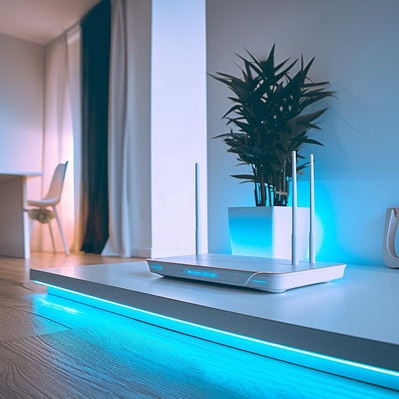
1. Design and Durability:
Design: Typically smaller, more compact, and designed to blend in with home or office decor.
Durability: Built to withstand indoor conditions and are generally less rugged compared to outdoor antennas.
2. পৰিসৰ আৰু আৱৰণ:
Range: Usually have a shorter range compared to outdoor antennas, sufficient for covering rooms or small office spaces.
Coverage: Designed to provide coverage within buildings, taking into account walls and other obstacles that can attenuate signals.
3. Installation:
Ease of Installation: Generally easier to install, often requiring minimal setup. They can be placed on desks, mounted on walls, or attached to routers.
Positioning: Can be moved easily to optimize signal strength within the indoor environment.
4. Types:
Omni-directional Antennas: Emit signals in all directions, suitable for general indoor use.
cURL Too many subrequests.
cURL Too many subrequests.
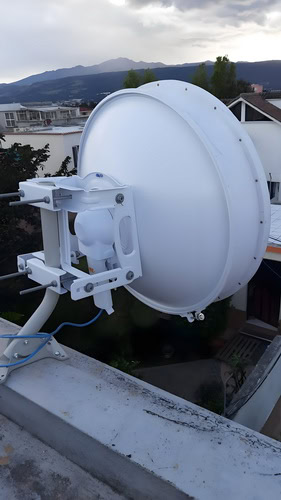
1. Design and Durability:
cURL Too many subrequests.
cURL Too many subrequests.
2. পৰিসৰ আৰু আৱৰণ:
cURL Too many subrequests.
cURL Too many subrequests.
3. Installation:
cURL Too many subrequests.
cURL Too many subrequests.
4. Types:
cURL Too many subrequests.
cURL Too many subrequests.
মূল বিবেচনাসমূহ
cURL Too many subrequests.
cURL Too many subrequests.
cURL Too many subrequests.
cURL Too many subrequests.
cURL Too many subrequests.
cURL Too many subrequests.
cURL Too many subrequests.
cURL Too many subrequests.
cURL Too many subrequests.
2. Elevation
Height: Position the router or AP at a higher elevation, such as on a shelf or mounted on a wall. WiFi signals tend to spread out and downwards, so placing the device higher can help the signal travel further.
3. Minimize Obstructions
Clear Line of Sight: Avoid placing the router or AP near large metal objects, thick walls, or other obstructions that can block or weaken the signal. Materials like concrete, brick, and metal are particularly problematic.
Open Spaces: Position the device in open areas rather than closed cabinets or behind furniture.
4. Avoid Interference
Other Electronics: Keep the router or AP away from other electronic devices that can cause interference, such as microwaves, cordless phones, and baby monitors.
Channel Selection: Choose a less congested WiFi channel. Modern routers often have an automatic channel selection feature, but you can manually select a channel using a WiFi analyzer app.
5. Multiple Access Points
Large Areas: For larger areas or multi-story buildings, use multiple access points or a mesh network to ensure comprehensive coverage. Place additional APs strategically to cover dead zones.
Overlap Coverage: Ensure that the coverage areas of multiple APs overlap slightly to provide seamless connectivity as you move around.
6. Antenna Orientation
Directional Antennas: If using directional antennas, point them towards the areas where you need the strongest signal.
Omni-Directional Antennas: For omni-directional antennas, which radiate signal in all directions, ensure they are placed in a central location and oriented vertically.
7. Use of Extenders and Repeaters
WiFi Extenders: If you have specific dead zones, consider using WiFi extenders or repeaters to boost the signal in those areas.
Placement of Extenders: Place extenders halfway between the router and the area with poor signal to ensure they receive a strong enough signal to rebroadcast.
8. Regular Updates and Maintenance
Firmware Updates: Keep your router’s firmware updated to benefit from performance improvements and security patches.
Rebooting: Occasionally reboot your router to clear any temporary issues and improve performance.
9. Advanced Configurations
Beamforming: If your router supports beamforming, enable it to direct the WiFi signal towards connected devices.
Quality of Service (QoS): Use QoS settings to prioritize important traffic, such as video calls or gaming, to ensure a stable connection.
10. Testing and Adjustment
WiFi Analyzer Tools: Use WiFi analyzer tools to test signal strength and coverage throughout your space. Adjust the placement of your router or APs based on the results.
Iterative Process: Be prepared to move your devices and retest several times to find the optimal placement.
By following these guidelines and considering the specific characteristics of your environment, you can significantly improve your WiFi coverage and performance.
Installation Tips and Best Practices
Installing WiFi antennas can significantly enhance your wireless network’s performance. However, proper installation is crucial to achieve optimal results and ensure safety. Below are some comprehensive tips and best practices for installing WiFi antennas, along with the necessary tools, equipment, and safety precautions.
Tools and Equipment Needed
1. WiFi Antenna: Choose the appropriate type (e.g., অমনি-দিশা-সংক্রান্ত, directional) based on your needs.
2. মাউণ্টিং ব্রেকেট: For securing the antenna.

3. Coaxial Cable assembly: To connect the antenna to the router or access point.
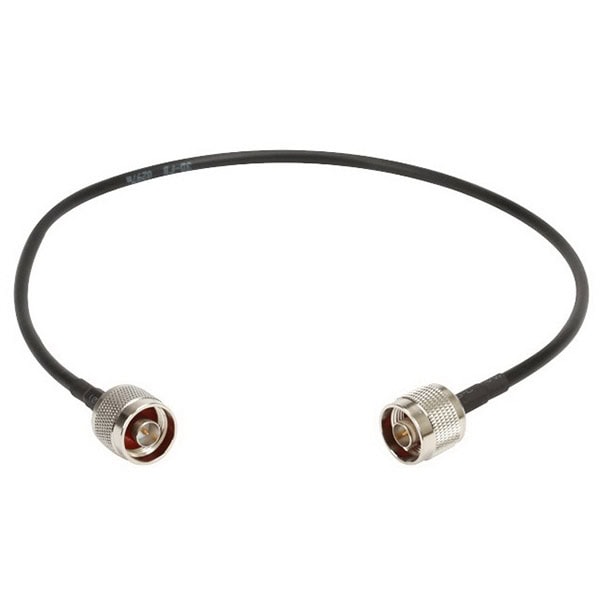
4. Cable Ties: For organizing and securing cables.
5. Drill and Drill Bits: For making holes to mount the antenna.
6. Screwdrivers: For securing screws and mounting brackets.
7. Wrench/Spanner: For tightening bolts.
8. Ladder: If installation is at a height.
9. Multimeter: For checking electrical connections.
cURL Too many subrequests.
cURL Too many subrequests.
cURL Too many subrequests.
cURL Too many subrequests.
cURL Too many subrequests.
cURL Too many subrequests.
cURL Too many subrequests.
cURL Too many subrequests.
cURL Too many subrequests.
cURL Too many subrequests.
cURL Too many subrequests.
cURL Too many subrequests.
cURL Too many subrequests.
cURL Too many subrequests.
cURL Too many subrequests.
cURL Too many subrequests.
cURL Too many subrequests.
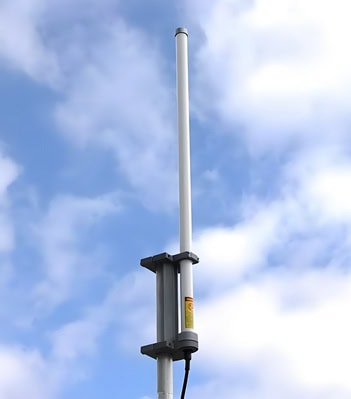
cURL Too many subrequests.
cURL Too many subrequests.
Indoor Installation: Mount the antenna on a wall or ceiling using the mounting bracket. Ensure it is at a central location for even coverage.
Outdoor Installation: Mount the antenna on a mast or pole. Ensure it is high enough to avoid obstructions and potential interference.
4. Align the Antenna:
For directional antennas, use a compass and map to point the antenna towards the target area.
Adjust the tilt and rotation for optimal signal strength.
5. Connect the Coaxial Cable:
Run the coaxial cable from the antenna to the router or access point.
Use cable ties to secure the cable and prevent it from sagging.
Ensure all connections are tight and secure.
6. Weatherproofing:
Use silicone sealant to seal any gaps where the cable enters the building.
Wrap outdoor connections with electrical tape to protect against moisture.
7. Testing and Optimization:
Power on the router or access point and check the signal strength.
Use a WiFi analyzer tool to measure signal strength and coverage.
Adjust the antenna position if necessary to achieve the best performance.
8. Regular Maintenance:
Periodically check the antenna and connections for any signs of wear or damage.
Ensure the antenna remains securely mounted and aligned.
By following these tips and best practices, you can ensure a successful and safe installation of your WiFi antenna, leading to improved wireless network performance.
Chapter 5: Enhancing WiFi Performance with Antennas
1. Improving Range and Signal Strength
Improving the range and signal strength of ৱাইফাই এণ্টেনা can significantly enhance network performance, especially in environments where coverage is critical. Below are practical tips and techniques, along with case studies and real-world examples to illustrate their effectiveness.

Practical Tips and Techniques
1. Optimal Placement of WiFi Router/Access Point:
Central Location: Place your router in a central location to ensure even distribution of the signal.
Elevated Position: Position the router on a shelf or mount it on a wall to minimize obstructions.
Minimize Interference: Keep the router away from electronic devices and metal objects that can cause interference.
2. Upgrading Antennas:
High-Gain Antennas: Replace the router’s standard antennas with high-gain directional or অমনি-দিশমূলক এণ্টেনা to extend the range.
বাহ্যিক এণ্টেনাস: Use external antennas with better specifications for improved performance.
3. Using WiFi Extenders/Repeaters:
Placement: Place extenders halfway between the router and the area with weak signal to boost coverage.
Mesh Networks: Consider a mesh network system for seamless coverage across larger areas.
4. Adjusting Router Settings:
Channel Selection: Use a less congested WiFi channel to reduce interference from neighboring networks.
Transmit Power: Increase the transmit power settings in the router’s configuration if possible.
5. Firmware Updates:
cURL Too many subrequests.
cURL Too many subrequests.
cURL Too many subrequests.
cURL Too many subrequests.
cURL Too many subrequests.
cURL Too many subrequests.
cURL Too many subrequests.
cURL Too many subrequests.
cURL Too many subrequests.

সমাধান:
cURL Too many subrequests.
cURL Too many subrequests.
cURL Too many subrequests.
cURL Too many subrequests.
cURL Too many subrequests.
cURL Too many subrequests.
সমাধান:
cURL Too many subrequests.
cURL Too many subrequests.
cURL Too many subrequests.
cURL Too many subrequests.
Case Study 3: Outdoor WiFi Coverage for a Campus
Problem: A university campus needed reliable outdoor WiFi coverage for students and staff.

সমাধান:
দিশা নিৰ্দেশক এণ্টেনা: Directional antennas were used to focus the signal towards high-traffic outdoor areas.
Weatherproof Access Points: Outdoor, weatherproof access points were installed in key locations.
Wired Backhaul: Ethernet cables were used to connect outdoor access points to the main network, ensuring stable connectivity.
Result: The campus achieved robust outdoor WiFi coverage, allowing students and staff to stay connected while moving around the campus.
উপসংহাৰ
Improving WiFi range and signal strength involves a combination of proper placement, hardware upgrades, configuration adjustments, and sometimes additional equipment. By implementing the practical tips and techniques outlined above, and learning from real-world case studies, you can significantly enhance your WiFi network’s performance to meet your specific needs.
2. Reducing Interference
Reducing interference for WiFi antennas is crucial to ensure optimal performance and connectivity. Interference can come from various sources, and identifying these sources is the first step towards mitigating their impact. Here’s a detailed guide on identifying sources of interference and potential solutions to minimize their impact:
বাধাৰ উৎস চিনাক্তকৰণ
1. Electronic Devices:
Microwave Ovens: Operate around the 2.4 GHz frequency, which can interfere with WiFi signals.
Cordless Phones: Some models use the 2.4 GHz or 5 GHz bands.
Bluetooth Devices: These also operate in the 2.4 GHz band.
Baby Monitors:Often use the 2.4 GHz frequency.
Wireless Video Cameras: Can operate on the same frequencies as WiFi.
2. ভৌতিক বাধা:
Walls and Floors: Especially those made of concrete, brick, or metal can significantly attenuate WiFi signals.
Furniture and Appliances: Large objects can block or reflect signals.
3. Other WiFi Networks:
Neighboring Networks: Nearby WiFi networks can cause congestion, especially in densely populated areas.
4. পৰিৱেশগত কাৰকসমূহ:
Weather Conditions: Heavy rain or thick fog can sometimes affect WiFi signals.
Radio Frequency Interference (RFI): From other wireless devices or industrial equipment.
Solutions to Minimize Impact
1. Optimal Placement of WiFi Router:
Place the router in a central location, elevated from the floor.
Avoid placing the router near walls, metal objects, or large furniture.
Keep the router away from other electronic devices that can cause interference.
2. Changing WiFi Channels:
Use a WiFi analyzer tool to identify the least congested channel.
For 2.4 GHz, channels 1, 6, and 11 are typically the best options to avoid overlap.
For 5 GHz, there are more channels available, so select the one with the least interference.
3. Using Dual-Band or Tri-Band Routers:
Utilize the 5 GHz band, which has more channels and is less crowded than the 2.4 GHz band.
Consider tri-band routers for more bandwidth and less interference.
4. Upgrading Router Firmware:
Ensure your router’s firmware is up-to-date to benefit from the latest performance and security enhancements.
5. WiFi Range Extenders or Mesh Networks:
Use range extenders to cover larger areas or dead zones.
Consider a mesh network system for seamless coverage across larger homes or offices.
6. Shielding and Insulating:
Use RF shielding paint or materials to block external interference.
Insulate your WiFi router from nearby electronic devices.
cURL Too many subrequests.
cURL Too many subrequests.
cURL Too many subrequests.
cURL Too many subrequests.
cURL Too many subrequests.
cURL Too many subrequests.
cURL Too many subrequests.
cURL Too many subrequests.
উপসংহাৰ
cURL Too many subrequests.
cURL Too many subrequests.
cURL Too many subrequests.
cURL Too many subrequests.
cURL Too many subrequests.
cURL Too many subrequests.
cURL Too many subrequests.
cURL Too many subrequests.
cURL Too many subrequests.
cURL Too many subrequests.
cURL Too many subrequests.
Mesh Networks:
Seamless Roaming: Devices can move from one node to another without losing connection.
Self-Healing: If one node fails, the network can reroute traffic through other nodes.
Easy Expansion: Additional nodes can be added to extend coverage.
WiFi Extenders:
Coverage Boost: Extends the WiFi signal to areas with weak or no signal.
Simple Setup: Generally easier to set up than mesh networks, though they may not offer the same seamless experience.
3. MU-MIMO (Multi-User MIMO)
MU-MIMO allows a WiFi router to communicate with multiple devices simultaneously, rather than sequentially. This is particularly useful in environments with many connected devices.
cURL Too many subrequests.
Increased Efficiency: Reduces the time each device has to wait for a signal.
Higher Throughput: Multiple devices can receive data at the same time.
Better Performance: Enhances overall network performance in busy environments.
4. OFDMA (Orthogonal Frequency Division Multiple Access)
OFDMA is a key feature in WiFi 6 (802.11ax) that improves efficiency by dividing channels into smaller sub-channels, allowing multiple devices to share the same channel simultaneously.
cURL Too many subrequests.
Reduced Latency: More efficient use of available spectrum reduces the time devices wait for access.
Improved Capacity: Supports more devices with better performance.
Enhanced Efficiency: Particularly beneficial for IoT devices with low bandwidth requirements.
5. Beamforming
Beamforming is a technique that focuses the WiFi signal in the direction of the receiving device, rather than broadcasting it in all directions. This can be done using both hardware and software techniques.
cURL Too many subrequests.
Stronger Signal: Focuses the signal where it is needed, improving strength.
Better Range: Extends the effective range of the WiFi network.
Increased Speed: Improves data rates by reducing interference and focusing the signal.
উপসংহাৰ
These advanced technologies and configurations have collectively transformed WiFi networks, providing better coverage, higher data rates, and improved reliability. As WiFi continues to evolve, we can expect even more sophisticated techniques to enhance wireless communication further.
Chapter 6: WiFi Antenna Maintenance and Troubleshooting
1. Regular Maintenance Tips
Regular maintenance of your ৱাইফাই এণ্টেনা is crucial to ensure optimal performance and longevity. Here are some detailed tips for cleaning, inspecting, and updating your WiFi antennas:
Cleaning and Inspecting Your Antenna
1. Turn Off Power: Before performing any maintenance, ensure that your WiFi router or access point is turned off and unplugged to avoid any electrical hazards.
2. Physical Inspection:
Visual Check: Look for any visible signs of damage such as cracks, bends, or corrosion on the antenna and its connectors.
Connection Points: Ensure that the antenna is securely connected to the router or access point. Loose connections can cause signal loss or interference.
3. Cleaning:
Dust Removal: Use a soft, dry cloth or a can of compressed air to remove dust and debris from the antenna and its surroundings. Avoid using water or any liquid cleaners as these can damage the components.
Contact Cleaning: If you notice any corrosion or dirt on the connectors, use a contact cleaner spray designed for electronics. Apply it sparingly and wipe with a clean, dry cloth.
4. Environmental Check:
Location: Ensure that the antenna is placed in a location free from obstructions and interference sources such as thick walls, metal objects, or other electronic devices.
Temperature and Humidity: Ensure the environment is within the recommended temperature and humidity range specified by the manufacturer. Extreme conditions can affect performance and longevity.
Software Updates and Firmware
1. Check for Updates:
Manufacturer’s Website: Regularly visit the router or access point manufacturer’s website to check for firmware updates. These updates often include performance improvements, security patches, and bug fixes.
cURL Too many subrequests.
cURL Too many subrequests.
cURL Too many subrequests.
cURL Too many subrequests.
cURL Too many subrequests.
cURL Too many subrequests.
cURL Too many subrequests.
cURL Too many subrequests.
cURL Too many subrequests.
cURL Too many subrequests.
cURL Too many subrequests.
cURL Too many subrequests.
cURL Too many subrequests.
cURL Too many subrequests.
cURL Too many subrequests.
cURL Too many subrequests.
cURL Too many subrequests.

cURL Too many subrequests.
cURL Too many subrequests.
cURL Too many subrequests.
Change WiFi Channel: Use a WiFi analyzer tool to identify less congested channels and switch your router to one of those channels.
Dual-Band Router: Use a dual-band router that supports both 2.4 GHz and 5 GHz frequencies. The 5 GHz band is generally less crowded and offers higher speeds.
Reduce Interference: Keep your router away from other electronic devices like microwaves, cordless phones, and Bluetooth devices. These can interfere with the WiFi signal.
Firmware Update: Ensure your router’s firmware is up to date. Manufacturers often release updates to improve performance and reduce interference.
Use Wired Connections: For devices that require a stable connection, consider using Ethernet cables instead of WiFi.
2. Weak Signal and Dead Zones
cURL Too many subrequests.
Weak signals and dead zones are areas in your home or office where the WiFi signal is too weak to maintain a stable connection. This can be due to distance from the router, physical obstructions, or the router’s placement.

cURL Too many subrequests.
Optimal Placement: Place your router in a central location, elevated, and free from obstructions. Avoid placing it near thick walls, metal objects, or large appliances.
WiFi Extenders or Mesh Systems: Use WiFi extenders or a mesh WiFi system to expand coverage to dead zones. These devices can help distribute the signal more evenly throughout your space.
High-Gain Antennas: Replace the router’s standard antennas with high-gain antennas to increase the signal strength and range.
Adjust Antennas: If your router has adjustable antennas, position them for optimal coverage. Generally, one antenna should be vertical and the other horizontal.
Power Settings: Check your router’s settings to ensure it’s operating at full power. Some routers allow you to adjust the transmission power.
3. Connectivity Problems
cURL Too many subrequests.
Connectivity problems can manifest as frequent disconnects, difficulty connecting to the network, or inability to find the network.
cURL Too many subrequests.
Reboot Router: Sometimes, simply rebooting the router can resolve connectivity issues.
Check Cables: Ensure all cables are securely connected and in good condition.
Network Settings: Verify that your device’s network settings are configured correctly. Ensure you’re connecting to the correct SSID and using the correct password.
IP Conflicts: Make sure there are no IP address conflicts on your network. You can do this by assigning static IP addresses or ensuring your router’s DHCP settings are properly configured.
Device Compatibility: Ensure your device supports the WiFi standards used by your router (e.g., 802.11ac, 802.11n).
Security Settings: Check your router’s security settings. Ensure you’re using WPA2 or WPA3 encryption and not outdated protocols like WAP.
Factory Reset: As a last resort, perform a factory reset on your router. This will erase all settings and return the router to its default state. You will need to reconfigure your network settings afterward.
cURL Too many subrequests.
Regular Maintenance: Periodically check and update your router’s firmware and settings.
Professional Help: If you continue to experience issues, consider consulting a professional technician who can diagnose and resolve more complex problems.
By systematically addressing these common issues, you can significantly improve your WiFi performance and reliability.
3. When to Replace Your WiFi Antenna
Replacing your WiFi এণ্টেনা can significantly improve your network’s performance and reliability. Here are some key indicators and scenarios when you should consider replacing your WiFi antenna:
Signs of Wear and Tear
1. Physical Damage: Look for visible signs of damage such as cracks, bends, or breaks in the antenna. Physical damage can severely impact the antenna’s ability to transmit and receive signals.
2. Corrosion: If your antenna is exposed to the elements, check for any signs of rust or corrosion. This is particularly important for outdoor antennas.
3. Loose Connections: Over time, the connections between the antenna and the router or access point can become loose. If you notice that the connection is not as secure as it used to be, it may be time for a replacement.
4. Decreased Performance: If you notice a significant drop in signal strength or an increase in connectivity issues, it could be due to a failing antenna.
Upgrading to Newer Technology
1. Improved Performance: Newer antennas often come with advanced technology that can provide better range, speed, and reliability. Upgrading can help you take full advantage of the latest WiFi standards like WiFi 6.
2. Compatibility with New Devices: If you have upgraded other network components (e.g., router, access points) or devices (e.g., smartphones, laptops) to support newer WiFi standards, an older antenna may not be able to provide optimal performance.
3. Better Coverage: Modern antennas are designed to offer better coverage, reducing dead zones and providing a more stable connection throughout your home or office.
4. Specific Needs: If your network needs have changed (e.g., you need better outdoor coverage, or you have more devices connected), upgrading to a specialized antenna can help meet those specific requirements.
Other Considerations
1. Interference: If you are experiencing interference from other electronic devices, upgrading to an antenna with better shielding or different frequency capabilities can help mitigate these issues.
2. Aesthetics and Placement: Sometimes, newer antennas are more aesthetically pleasing or easier to place in optimal locations compared to older models.
উপসংহাৰ
Regularly assessing the condition of your WiFi antenna and staying updated with the latest technology can ensure that you maintain a robust and efficient network. If you notice any signs of wear and tear or if you’re looking to upgrade your network’s capabilities, it might be time to replace your WiFi antenna.
অধ্যায় ৪: কেইচ ষ্টাডি আৰু বাস্তৱ-জগতৰ আবেদনসমূহ
cURL Too many subrequests.
cURL Too many subrequests.
cURL Too many subrequests.
cURL Too many subrequests.
cURL Too many subrequests.
সমাধান:
cURL Too many subrequests.
cURL Too many subrequests.
cURL Too many subrequests.
2. হস্তক্ষেপ
cURL Too many subrequests.
cURL Too many subrequests.
সমাধান:
cURL Too many subrequests.
cURL Too many subrequests.
cURL Too many subrequests.
cURL Too many subrequests.
cURL Too many subrequests.
cURL Too many subrequests.
সমাধান:
cURL Too many subrequests.
cURL Too many subrequests.
cURL Too many subrequests.
cURL Too many subrequests.
cURL Too many subrequests.
cURL Too many subrequests.
সমাধান:
Strong Passwords: Using complex, unique passwords for WiFi networks.
Encryption: Enabling WPA3 encryption for better security.
Firmware Updates: Regularly updating router firmware to patch vulnerabilities.
Guest Networks: Creating a separate guest network for visitors to keep the primary network secure.
5. Compatibility Issues
cURL Too many subrequests.
Older devices may not be compatible with newer WiFi standards, leading to connectivity issues.
সমাধান:
Backward Compatibility: Ensuring that the router supports older WiFi standards (e.g., 802.11n, 802.11g).
Device Upgrades: Upgrading older devices to newer models that support current WiFi standards.
Dual-Band Routers: These can support both older and newer devices by operating on multiple frequencies.
6. Bandwidth Hogging
cURL Too many subrequests.
Certain applications (e.g., streaming, gaming) can consume a large amount of bandwidth, affecting other devices.
সমাধান:
Bandwidth Management: Using QoS to allocate bandwidth based on the priority of applications.
Parental Controls: Limiting the bandwidth usage of certain devices or applications.
Monitoring Tools: Using apps or router interfaces to monitor and manage bandwidth usage.
Real-World Applications
Case Study 1: Smart Home Integration
Challenge: A family with multiple smart home devices (thermostats, cameras, lights) experienced frequent disconnections and slow performance.

Solution: Implementing a mesh WiFi system improved coverage and stability. The family also upgraded to a dual-band router and used QoS to prioritize smart home device traffic.
Case Study 2: Work-from-Home Setup
Challenge: A remote worker faced frequent video call drops and slow internet speeds due to multiple family members using the network simultaneously.
Solution: Upgrading to a higher bandwidth plan and using a smart router with QoS to prioritize work-related traffic ensured stable and fast connections for video calls and file transfers.
Case Study 3: Gaming and Streaming Household
Challenge: A household with multiple gamers and streamers faced lag and buffering issues during peak usage times.
Solution: Installing a dual-band router and using QoS to allocate sufficient bandwidth for gaming and streaming activities. Additionally, upgrading to a fiber-optic internet plan provided higher speeds and lower latency.
By addressing these common challenges with targeted solutions, residential WiFi networks can be optimized to meet the diverse needs of modern households.
Enterprise WiFi Networks
Designing Enterprise WiFi Networks for High-Density Environments: Case Studies and Real-World Applications
High-density environments such as corporate offices, stadiums, conference centers, and educational institutions present unique challenges for WiFi network design. These environments require robust solutions to handle numerous simultaneous connections, high data throughput, and seamless roaming. Here, we explore several case studies and real-world applications to illustrate effective strategies for designing WiFi networks in high-density settings.
1. Corporate Office: XYZ Corporation
Background:
XYZ Corporation, a multinational company, has a headquarters with 2,000 employees spread across 10 floors. Each floor has open office spaces, meeting rooms, and collaboration areas. The company required a WiFi solution that could support high user density, seamless roaming, and high-speed internet access.
সমাধান:
Access Point (AP) Placement: APs were strategically placed to ensure optimal coverage and capacity. A combination of ceiling-mounted and wall-mounted APs was used to address different areas.
Frequency Planning: Dual-band APs (2.4 GHz and 5 GHz) were deployed to balance the load and minimize interference. Channel planning ensured minimal overlap and reduced co-channel interference.
Capacity Planning: High-capacity APs with MU-MIMO (Multi-User, Multiple Input, Multiple Output) technology were used to handle multiple simultaneous connections.
Seamless Roaming: Fast roaming protocols (802.11k, 802.11r, and 802.11v) were implemented to ensure seamless connectivity as employees moved throughout the building.
Network Management: A centralized WiFi management system was employed to monitor network performance, manage bandwidth, and troubleshoot issues in real-time.
ফলাফল:
The new WiFi network provided reliable, high-speed connectivity across all floors, enabling employees to work efficiently without connectivity issues. The centralized management system allowed IT staff to maintain optimal network performance and quickly address any problems.
2. Stadium: ABC Sports Arena
Background:
ABC Sports Arena, with a seating capacity of 50,000, hosts various sporting events and concerts. The management wanted to provide fans with high-speed WiFi for live streaming, social media sharing, and accessing event-related content.
সমাধান:
High-Density AP Deployment: High-density APs were installed throughout the stadium, focusing on areas with the highest user concentration such as seating areas, concourses, and concession stands.
Beamforming Technology: APs with beamforming technology were used to direct WiFi signals towards users, improving signal strength and reducing interference.
cURL Too many subrequests.
cURL Too many subrequests.
cURL Too many subrequests.
ফলাফল:
cURL Too many subrequests.
cURL Too many subrequests.
Background:
cURL Too many subrequests.
সমাধান:
cURL Too many subrequests.
cURL Too many subrequests.
cURL Too many subrequests.
cURL Too many subrequests.
cURL Too many subrequests.
ফলাফল:
cURL Too many subrequests.
উপসংহাৰ
cURL Too many subrequests.
cURL Too many subrequests.
cURL Too many subrequests.
cURL Too many subrequests.
পৃষ্ঠভূমি
cURL Too many subrequests.

চেলেঞ্জসমূহ
cURL Too many subrequests.
cURL Too many subrequests.
High levels of electromagnetic interference from heavy machinery.
সমাধান
Ruggedized Access Points: Deployed weatherproof and dust-resistant access points capable of operating in extreme temperatures.
Mesh Network: Implemented a mesh network to ensure seamless connectivity across the sprawling site.
Frequency Management: Utilized advanced frequency management to minimize interference from machinery.
ফলাফল
Improved operational efficiency through real-time data collection and communication.
Enhanced worker safety with reliable communication channels.
Reduced downtime due to robust and resilient network infrastructure.
Case Study 2: Agricultural Farms
পৃষ্ঠভূমি
A large-scale agricultural farm needed a WiFi network to support IoT devices for monitoring soil moisture, weather conditions, and crop health.
চেলেঞ্জসমূহ
Vast open areas requiring extensive coverage.
Variable weather conditions including rain, wind, and extreme temperatures.
Limited power sources in remote areas.
সমাধান
Solar-Powered Access Points: Installed solar-powered access points to ensure uninterrupted connectivity in remote areas.
Directional Antennas: Used directional antennas to extend WiFi coverage over long distances.
Weatherproof Enclosures: Deployed access points in weatherproof enclosures to protect against environmental factors.
ফলাফল
Enhanced crop management through real-time data from IoT sensors.
Increased yield and reduced resource usage by optimizing irrigation and fertilization.
Reliable network performance regardless of weather conditions.
Case Study 3: Smart City Initiatives
পৃষ্ঠভূমি
A city government aimed to implement a smart city initiative that included public WiFi, smart lighting, and surveillance systems.

চেলেঞ্জসমূহ
Dense urban environment with high interference from buildings and other wireless networks.
Need for high bandwidth to support multiple applications.
Security concerns for public WiFi and surveillance data.
সমাধান
High-Density Access Points: Deployed high-density access points capable of handling numerous simultaneous connections.
Advanced Security Protocols: Implemented WPA3 and other advanced security measures to protect data integrity.
Centralized Management: Used a centralized management system to monitor and optimize network performance.
ফলাফল
Improved quality of life for residents with free public WiFi and enhanced safety through smart surveillance.
Efficient city management with smart lighting and other IoT applications.
Secure and reliable network supporting various smart city initiatives.
Case Study 4: Outdoor Events and Festivals
পৃষ্ঠভূমি
Organizers of a large outdoor music festival required a temporary WiFi network to support ticketing, vendor transactions, and attendee connectivity.
চেলেঞ্জসমূহ
Temporary setup with a need for rapid deployment and teardown.
High user density leading to potential network congestion.
Variable weather conditions and limited power sources.
সমাধান
Portable Access Points: Used portable, battery-powered access points for rapid deployment.
Load Balancing: Implemented load balancing techniques to manage high user density.
Weatherproof Equipment: Deployed weatherproof equipment to ensure reliability in varying weather conditions.
ফলাফল
Seamless ticketing and vendor transactions enhancing attendee experience.
Reliable connectivity for attendees to share their experiences on social media.
Successful event execution with minimal network issues.
উপসংহাৰ
These case studies illustrate the importance of robust WiFi solutions tailored to the unique challenges of industrial and outdoor environments. By leveraging advanced technologies such as ruggedized access points, mesh networks, and solar power, organizations can achieve reliable and efficient connectivity even in the most demanding conditions.
cURL Too many subrequests.
cURL Too many subrequests.
cURL Too many subrequests. WiFi এণ্টেনা cURL Too many subrequests.

cURL Too many subrequests.
cURL Too many subrequests.
cURL Too many subrequests.
cURL Too many subrequests.
cURL Too many subrequests.
cURL Too many subrequests.
cURL Too many subrequests.
cURL Too many subrequests.
cURL Too many subrequests.
cURL Too many subrequests.
cURL Too many subrequests.
cURL Too many subrequests.
cURL Too many subrequests.
cURL Too many subrequests.
বীমফৰমিং:
cURL Too many subrequests.
Digital Beamforming: Modern beamforming techniques use digital signal processing to control the phase and amplitude of the signal at each antenna element. This provides greater flexibility and accuracy compared to analog beamforming.
Hybrid Beamforming: A combination of analog and digital beamforming, hybrid beamforming is used in systems where fully digital beamforming is too complex or costly. It offers a balance between performance and complexity.
Applications and Benefits
Enhanced Coverage and Capacity: Advanced antenna technologies improve coverage and capacity, making it possible to support more users and devices with higher data rates.
Reduced Latency: By optimizing signal paths and reducing interference, these technologies can significantly reduce latency, which is critical for applications like online gaming, virtual reality, and autonomous vehicles.
Energy Efficiency: Smart antennas and beamforming can improve energy efficiency by focusing the signal where it’s needed, reducing power consumption and extending battery life for mobile devices.
Robustness and Reliability: Improved interference mitigation and adaptive capabilities make networks more robust and reliable, even in challenging environments with many competing signals.
উপসংহাৰ
The advancements in WiFi antenna technology, driven by 5G and WiFi 7, along with the development of smart antennas and beamforming, are revolutionizing wireless communication. These technologies are not only enhancing performance and capacity but also paving the way for new applications and services that require reliable, high-speed wireless connectivity.
2. Market Trends
Emerging Brands and Products
1. New Entrants and Innovations:
উবিকুইটি নেটৱৰ্কছ: Known for its high-performance antennas and networking technology.

TP-Link: Continues to innovate with a range of WiFi antennas designed for both consumer and enterprise markets.

Netgear: Offers advanced WiFi antennas integrated into their routers and extenders.
Huawei: Expanding its presence with innovative WiFi solutions, particularly in the 5G space.

Linksys: Continues to be a strong player with new products focusing on mesh networking.
2. Product Trends:
Mesh WiFi Systems: These systems use multiple antennas to provide seamless coverage across larger areas.
High-Gain Antennas: Increasing demand for high-gain antennas to improve range and signal strength.
5G Integration: Emerging products that integrate 5G capabilities to enhance speed and connectivity.
Noteworthy Antenna Models and Features
- Alfa 9dBi WiFi Antenna: A popular omni-directional choice, the Alfa 9dBi WiFi Antenna stands out for its wide coverage area and notable signal reception—ideal for boosting connectivity in challenging environments.
- TP-Link TL-ANT2409A: This 9dBi omni-directional antenna by TP-Link is engineered to significantly extend the wireless range and coverage of home or office networks, making it a favorite among users looking for reliable, everyday performance.
- NETGEAR Nighthawk AC1900: For those needing robust, long-range connections, the NETGEAR Nighthawk AC1900 offers a high-gain, dual-band, directional design, delivering exceptional performance and stability.
- Asus AC68 Dual-Band Wi-Fi Antenna: With its 3×3 MIMO configuration, the Asus AC68 enhances signal strength and consistency, appealing to users who demand reliable coverage for high-bandwidth activities.
These products reflect a broader market shift toward antennas that not only deliver technical improvements—like higher gain, dual-band support, and MIMO technology—but also meet the growing demand for easy installation, enhanced aesthetics, and seamless integration with modern smart home systems.
Combined, these innovations and standout products are setting new benchmarks for performance, coverage, and user experience in the WiFi antenna space.
Consumer Preferences and Industry Forecasts
1. Consumer Preferences:
Seamless Connectivity: Consumers prefer solutions that offer uninterrupted connectivity, especially in smart homes.
Ease of Installation: Products that are easy to set up and use are highly favored.
Aesthetic Design: Antennas that blend well with home decor are gaining popularity.
cURL Too many subrequests.
cURL Too many subrequests.
cURL Too many subrequests.
cURL Too many subrequests.
cURL Too many subrequests.
cURL Too many subrequests.
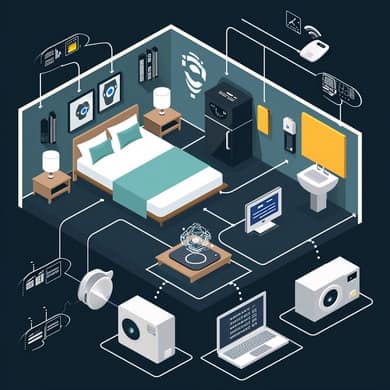
cURL Too many subrequests.
cURL Too many subrequests.
cURL Too many subrequests.
cURL Too many subrequests.
cURL Too many subrequests.
cURL Too many subrequests.
cURL Too many subrequests.
cURL Too many subrequests.
cURL Too many subrequests.
cURL Too many subrequests.
cURL Too many subrequests.
cURL Too many subrequests.
cURL Too many subrequests.
Energy Harvesting: Technologies that enable WiFi antennas to harvest ambient energy to power themselves, reducing the need for external power sources.
3. Regulatory Compliance:
Adherence to Environmental Standards: Manufacturers are increasingly focusing on meeting environmental regulations and standards to promote sustainability.
In summary, the WiFi antenna market is experiencing significant growth and innovation, driven by consumer demand for seamless connectivity, advancements in smart home and IoT technologies, and a strong focus on sustainability and energy efficiency. Emerging brands and products continue to shape the market, with a clear trend towards integrating green technologies and improving overall performance.
উপসংহাৰ
1. Recap of Key Points
The “Ultimate Guide to Choosing the Right WiFi Antennas” provides comprehensive insights into selecting the most suitable WiFi antennas for various applications. Here are the key points:
1. WiFi এণ্টেনাৰ প্ৰকাৰসমূহ:
অমনি-দিশৰ অ্যান্টেনাসমূহ: Radiate signals in all directions, ideal for general coverage in homes and offices.
Directional Antennas: Focus signals in a specific direction, suitable for long-distance point-to-point communication.
2. ফ্ৰিকুৱেঞ্চি বেণ্ড:
2.4 GHz: Offers broader coverage but lower speeds and more interference.
5 GHz: Provides higher speeds and less interference, but with a shorter range.
Dual-Band and Tri-Band Antennas**: Support multiple frequency bands for flexibility and better performance.
3. গেইন:
Measured in dBi, it indicates the antenna’s ability to focus energy in a specific direction. Higher gain means a more focused and longer-range signal.
4. পোলাৰাইজেচন:
Refers to the orientation of the radio waves. Matching the polarization of antennas can improve signal quality and reduce interference.
5. MIMO (Multiple Input, Multiple Output):
Utilizes multiple antennas to improve communication performance and reliability, crucial for modern high-speed WiFi standards.
6. Antenna Placement:
Proper placement is critical for optimal performance. Factors include height, obstacles, and the environment.
7. Use Cases:
Home and Small Office: Omni-directional antennas for general coverage.
Large Buildings and Campuses: Combination of omni-directional and directional antennas for comprehensive coverage.
Outdoor and Long-Distance: Directional and sector antennas for targeted and extensive reach.
8. Regulatory Compliance:
Ensure antennas comply with local regulations and standards to avoid legal issues and interference problems.
2. Final Tips for Choosing the Right WiFi Antenna
সঠিক WiFi এণ্টেনা can significantly improve your wireless network’s performance, range, and reliability. Here are some practical tips and recommendations to help you make an informed decision:
1. Understand Your Needs
Coverage Area: Determine the size and layout of the area you need to cover. Larger areas or those with multiple obstructions (walls, floors) may require different antenna types.
Usage: Consider the number of devices and the type of activities (e.g., streaming, gaming, browsing) that will be using the network.
2. Types of Antennas
Omni-Directional Antennas: These provide 360-degree coverage and are ideal for general use in homes or offices where you need coverage in all directions.
Directional Antennas: These focus the signal in one direction, which is useful for long-distance connections or when you need to target a specific area. Examples include Yagi and parabolic antennas.
3. Frequency Bands
2.4 GHz vs. 5 GHz:
2.4 GHz: Offers longer range but is more prone to interference and has lower speeds.
5 GHz: Provides higher speeds and less interference but has a shorter range. Dual-band antennas support both frequencies and offer the best of both worlds.
4. Gain (dBi)
Higher gain antennas (measured in dBi) provide a stronger signal but have a narrower focus. Choose a higher gain antenna for long-distance point-to-point connections and a lower gain for broader coverage.
Size: The physical size of the antenna can impact performance—larger antennas often extend range and reliability, but may not suit compact environments.
5. Antenna Placement
Height and Location: Place the antenna as high as possible and in a central location to maximize coverage. Avoid placing it near metal objects or other electronic devices that can cause interference.
cURL Too many subrequests.
cURL Too many subrequests.
cURL Too many subrequests.
cURL Too many subrequests. cURL Too many subrequests.
cURL Too many subrequests.
cURL Too many subrequests.
cURL Too many subrequests.
cURL Too many subrequests.
cURL Too many subrequests.
cURL Too many subrequests.
cURL Too many subrequests.
cURL Too many subrequests.
cURL Too many subrequests.
cURL Too many subrequests.
সুপাৰিশসমূহ
cURL Too many subrequests.
cURL Too many subrequests.
cURL Too many subrequests.
cURL Too many subrequests.
By considering these factors—including size, gain, frequency compatibility, connector type, and environmental challenges—along with your specific needs and environment, you can choose the right WiFi antenna for a robust, reliable wireless network.
3. Additional Resources
পুথি
1. “ৱায়াৰলেছ কমিউনিকেশন্স: মূলনীতি আৰু অনুশীলন” দ্বাৰা থিওডোৰে এছ. ৰাপপোৰ্ট
A comprehensive guide to the principles of wireless communication, including antenna theory and design.
2. “এনটেনা তত্ত্ব: বিশ্লেষণ আৰু ডিজাইন” দ্বাৰা কনস্টেণ্টাইন এ. বালানিস
This book provides a detailed exploration of antenna theory and practical design considerations.
3. “Modern Antenna Design” by Thomas A. Milligan
Focuses on the design and application of modern antennas, including WiFi antennas.
4. “Wireless Networking: Understanding Internetworking Challenges” by Jack L. Burbank, William T. Kasch, and Jon Ward
A practical guide to setting up and optimizing wireless networks, including antenna selection.
Websites
A comprehensive resource for understanding different types of antennas, their characteristics, and applications.
2. RF Wireless World (rfwireless-world.com)
Offers tutorials on various wireless technologies, including WiFi and antenna design.
3. Wi-Fi Alliance (wi-fi.org)
Provides information on WiFi standards, certifications, and best practices for network setup.
4. IEEE Xplore Digital Library (ieeexplore.ieee.org)
Access to numerous research papers and articles on wireless communication and antenna technology.
Forums
1. Reddit (r/WirelessNetworking)
A community where you can ask questions and share knowledge about wireless networking, including antenna selection and setup.
2. Wireless Joint (wirelessjoint.com)
A forum dedicated to wireless communication topics, including antennas, modems, and network optimization.
3. Ham Radio Stack Exchange (ham.stackexchange.com)
A Q&A site for amateur radio enthusiasts, with valuable insights on antenna theory and practical setups.
4. NetStumbler Forums (netstumbler.org)
Discussions on WiFi networking tools, antenna setups, and troubleshooting.
Tools for WiFi Antenna Selection
1. WiFi Analyzer (Android/iOS)
A mobile app that helps analyze WiFi networks and signal strength, aiding in antenna placement and selection.
2. Ekahau HeatMapper
A free tool for creating heatmaps of WiFi coverage areas, useful for optimizing antenna placement.
3. Acrylic WiFi Professional
A powerful WiFi scanner and analyzer for Windows, providing detailed network information and signal visualization.
4. NetSpot
cURL Too many subrequests.
cURL Too many subrequests.
cURL Too many subrequests.
cURL Too many subrequests.
অধিৱেশসমূহ
সাধাৰণ প্ৰশ্নসমূহ

cURL Too many subrequests.
cURL Too many subrequests.
cURL Too many subrequests.
cURL Too many subrequests.
cURL Too many subrequests.
cURL Too many subrequests.
cURL Too many subrequests.
cURL Too many subrequests.
cURL Too many subrequests.
cURL Too many subrequests.
cURL Too many subrequests.
cURL Too many subrequests.
cURL Too many subrequests.
cURL Too many subrequests.
cURL Too many subrequests.
Position the antenna correctly, use a higher-gain antenna, or switch to a directional antenna to focus the signal where it’s needed most.
7. What is antenna gain?
Antenna gain measures how well an antenna can direct or concentrate radio waves in a specific direction, usually measured in decibels (dBi).
8. What is the range of a typical WiFi antenna?
The range can vary, but typical indoor ranges are about 100-150 feet for 2.4 GHz and 50-100 feet for 5 GHz, depending on obstacles and interference.
9. Can I replace the antenna on my WiFi router?
If your router has detachable antennas, you can replace them. Check the router’s manual for compatibility and instructions.
10. What is a MIMO antenna?
MIMO (Multiple Input Multiple Output) antennas use multiple antennas to send and receive more data simultaneously, improving speed and reliability.
11. How do I position my WiFi antenna for the best signal?
For omnidirectional antennas, position them vertically. For directional antennas, point them toward the area where you need the strongest signal.
12. What is a high-gain antenna?
A high-gain antenna has a higher dBi rating, meaning it can transmit and receive signals over longer distances or more focused areas.
13. Can WiFi antennas be used outdoors?
Yes, but ensure the antenna is weatherproof and designed for outdoor use to withstand environmental conditions.
14. What is a dual-band antenna?
A dual-band antenna can operate on both 2.4 GHz and 5 GHz frequencies, providing flexibility and better performance for different devices.
15. Do WiFi antennas interfere with each other?
They can if placed too close together or if operating on the same frequency. Proper placement and frequency management can help minimize interference.
16. Can I use a WiFi antenna to extend my network range?
Yes, a higher-gain or directional antenna can extend the range, but you may also need additional access points or repeaters for optimal coverage.
17. What is the best antenna for long-range WiFi?
A high-gain directional antenna is typically best for long-range WiFi, as it focuses the signal in a specific direction, reducing interference.
18. Do WiFi antennas need power?
The antennas themselves do not need power, but the devices they connect to (like routers or access points) do.
19.*Can I use multiple antennas on one router?
Yes, many modern routers support multiple antennas (MIMO technology) to improve performance and reliability.
20. What is an antenna connector type?
The connector type is the interface between the antenna and the device. Common types include SMA, RP-SMA, and N-type connectors. Ensure compatibility between the antenna and your device.
যোগাযোগ তথ্য
আপুনি যদি অধিক সহায়তা প্ৰয়োজন হয়, তেনেহলে এণ্ড্ৰু চেনৰ সৈতে যোগাযোগ কৰক, যি এণ্টেনা বিশেষজ্ঞ আৰু সন্নি টেলিকমৰ ১৫ বছৰ অভিজ্ঞতা আৰু জ্ঞানৰ সৈতে। তেওঁৰ যোগাযোগ তথ্য হ'ল:
– ৱেবছাইট: www.sannytelecom.com
– ইমেইল: andrew@sannytelecom.com
– WhatsApp: +86 189 3430 8461
 Assamese
  English
  Spanish
  German
  French (France)
  Korean
  Russian
  Indonesian
  French (Canada)
  Vietnamese
  Armenian
  Albanian
  Acehnese
  Amharic
  Czech
Czech  Bulgarian
  Cebuano
  Malayalam
  German (Switzerland)
  Japanese
  Dutch
Dutch