 Skip to content

Mounting brackets are essential components in the installation of various types of equipment, offering support and stability. The choice of the right mounting bracket depends on the specific requirements of the installation, such as the type of surface to which the equipment will be mounted, the environment (indoor or outdoor), and the weight and dimensions of the equipment itself. Here’s a closer look at the 10 different types of mounting brackets you’ve listed.
Adjustable Mounting Options
When it comes to flexibility in antenna installation, several adjustable mounting solutions are available to accommodate unique positioning needs:
- J-arm mounts: These offer rotation and tilt adjustments, making them ideal for directing dishes or antennas precisely where needed.
- Eave mounts with adjustable arms: Designed for installation under roof eaves, these mounts allow you to change both the height and the angle of your setup for optimal alignment.
- Pole mounts with pivot features: These enable you to easily adjust the orientation of the mounted device, ensuring a perfect signal with minimal effort.
- Multi-angle roof or wall mounts: Engineered to fit both horizontal and pitched surfaces, these options let you fine-tune the angle during installation for maximum versatility.
Such adjustable mounts are invaluable for installations where fine-tuning is necessary to maximize performance or to accommodate structural challenges.
L-Brackets
L-brackets are typically made of metal, such as steel or aluminum, and feature a 90-degree angle shape. One side of the bracket is longer than the other, allowing it to be attached to a surface, such as a wall or post, while the shorter side provides support for the item being mounted.
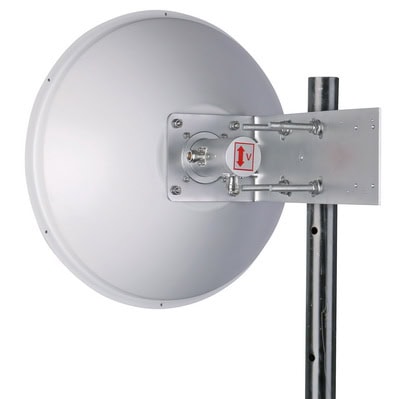
One of the main advantages of L-brackets is their simplicity. They are easy to install and require minimal tools and hardware. Typically, they are attached to a surface using screws or nails, and the item being mounted is then secured to the bracket using additional screws or bolts.
L-brackets are commonly used for shelving installations. They can be attached to a wall or other vertical surface, and then a shelf is placed on top of the bracket. The longer side of the bracket provides support for the shelf, preventing it from tipping or sagging under the weight of items placed on it.
Another common use for L-brackets is for mounting antennas. The bracket can be attached to a wall or post, and then the antenna is secured to the bracket. The solid support provided by the bracket helps keep the antenna stable and properly aligned.
In addition to shelving and antennas, L-brackets can be used for a variety of other applications. They are often used in construction and carpentry projects, such as building frames or reinforcing joints. They can also be used to mount signs, hang artwork, or secure furniture to a wall for added stability.
Overall, L-brackets are a versatile and practical solution for mounting and support needs. Their simple design and ease of installation make them a popular choice for both DIY enthusiasts and professional contractors.
Benefits of Three-Leg Mounts
Some mounting brackets, particularly those designed in a “Y” configuration, use a third leg to provide additional stability and load support. The extra leg acts as a brace, distributing weight and forces more evenly. This design greatly reduces the risk of swaying or tipping—especially important when mounting heavier antennas or dishes, or when installations are exposed to high winds, as on rooftops or tall masts.
For example, when installing a satellite dish or a large directional antenna, a traditional two-leg bracket may be sufficient for lighter loads or protected areas. However, adding a third leg bolsters the entire structure, minimizing movement and making the mount less susceptible to vibration or loosening over time. This is particularly valuable in outdoor or elevated settings where environmental factors can put extra strain on mounting hardware.
Three-leg mounts can also accommodate a wider range of equipment and varying installation surfaces. Whether securing a satellite dish, a Yagi antenna, or a Wi-Fi sector antenna, the reinforced triangular structure provides confidence that everything remains steady—even under load or shifting weather conditions.
In summary, brackets with a third leg are favored for their:
- Enhanced stability and lower risk of tipping
- Greater resistance to wind and vibration
- Versatility for mounting larger or heavier devices
- Improved long-term durability for outdoor use
U-Bolts
U-bolts are commonly made of steel or stainless steel, providing strength and durability in various weather conditions. They are available in different sizes and shapes to accommodate different pole diameters and applications.
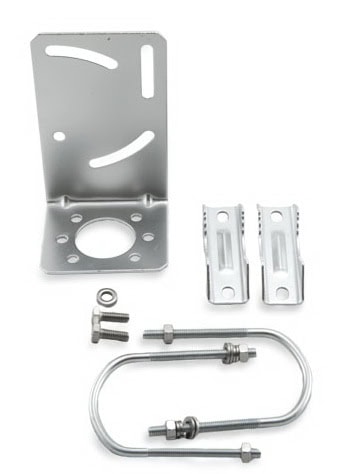
The U-shape of the bolt allows it to wrap around the pole or cylindrical object, while the threaded ends extend outward. The nuts are then screwed onto the threaded ends, creating a secure and tight fit. The ability to adjust the tightness of the nuts makes U-bolts versatile and suitable for different installation requirements.
U-bolts are widely used in construction, automotive, and marine industries. They are commonly used to secure pipes, cables, or other equipment to poles, beams, or posts. In addition to antennas, they can be used to mount signs, lights, or other fixtures to poles or cylindrical objects.
When installing U-bolts, it is important to ensure that they are properly tightened to provide a secure fit. Over-tightening can damage the pole or object being secured, while under-tightening can result in a loose and unstable installation.
Overall, U-bolts are a reliable and adjustable solution for securing items to poles or cylindrical objects. With their strength, durability, and versatility, they are a popular choice for outdoor installations that require a secure and adjustable fit.
J-Poles
cURL Too many subrequests. J-pole is typically made of steel or stainless steel and consists of a long vertical section, a shorter horizontal section, and a mounting bracket. The vertical section acts as the antenna mast, while the horizontal section serves as the antenna element. The mounting bracket attaches to a wall, roof, or other structure, providing a secure base for the J-pole.
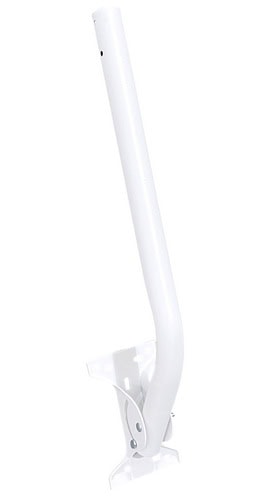
One of the main advantages of using a J-pole for antenna installations is its ease of installation. With only a few simple steps, the J-pole can be securely mounted, and the antenna can be attached to the horizontal section. This makes it a popular choice for DIY antenna projects.
Another benefit of the J-pole is its versatility. It can be used with a wide range of antenna types, including VHF and UHF antennas. Additionally, it can be used for both transmitting and receiving signals, making it suitable for amateur radio operators, CB radio users, and television viewers.
cURL Too many subrequests.
cURL Too many subrequests.
cURL Too many subrequests.
cURL Too many subrequests.
cURL Too many subrequests.
cURL Too many subrequests.
cURL Too many subrequests.
cURL Too many subrequests.
cURL Too many subrequests.
cURL Too many subrequests.
cURL Too many subrequests.
cURL Too many subrequests.
cURL Too many subrequests.
cURL Too many subrequests.
cURL Too many subrequests.
cURL Too many subrequests.
cURL Too many subrequests.
cURL Too many subrequests.
cURL Too many subrequests.
This combination makes Y and Z-type side chimney mounts a reliable option for mounting antennas, dishes, or similar devices, especially in situations where standard mounts just won’t do the trick.
Magnetic Mounts
Magnetic mounts are popular for a variety of applications, including:
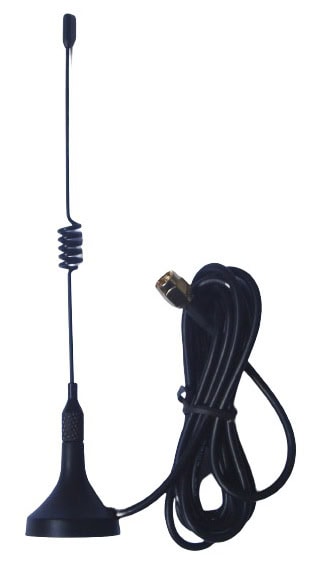
1. Vehicle Mounts: Magnetic mounts are commonly used to attach smartphones, GPS devices, or tablets to the dashboard or windshield of a car. They provide a secure hold while allowing for easy removal when needed.
2. Camera Mounts: Photographers and videographers often use magnetic mounts to attach cameras or action cameras to metal surfaces. This allows for unique angles and perspectives without the need for bulky tripods or other mounting equipment.
3. Tool Mounts: Magnetic mounts are useful for organizing and storing tools in workshops or garages. By attaching magnetic strips or holders to metal walls or cabinets, tools can be easily accessed and kept in order.
4. Signage and Display Mounts: Magnetic mounts are commonly used to attach signs, banners, or displays to metal surfaces. This is especially useful for temporary or promotional signage that needs to be easily installed and removed.
5. Industrial and Construction Applications: Magnetic mounts are often used in industrial settings to attach equipment, sensors, or lights to metal surfaces. They provide a quick and secure method for mounting without the need for drilling or permanent installation.
When choosing a magnetic mount, it is important to consider the strength of the magnet, the weight and size of the equipment being mounted, and the type of surface it will be attached to. It is also crucial to ensure that the magnetic mount will not interfere with any electronic or sensitive equipment.
Wall Mounts
Some wall mounts are designed to be fixed, meaning they keep the equipment in a stationary position. These are great for TVs or monitors that will always be viewed from the same spot.
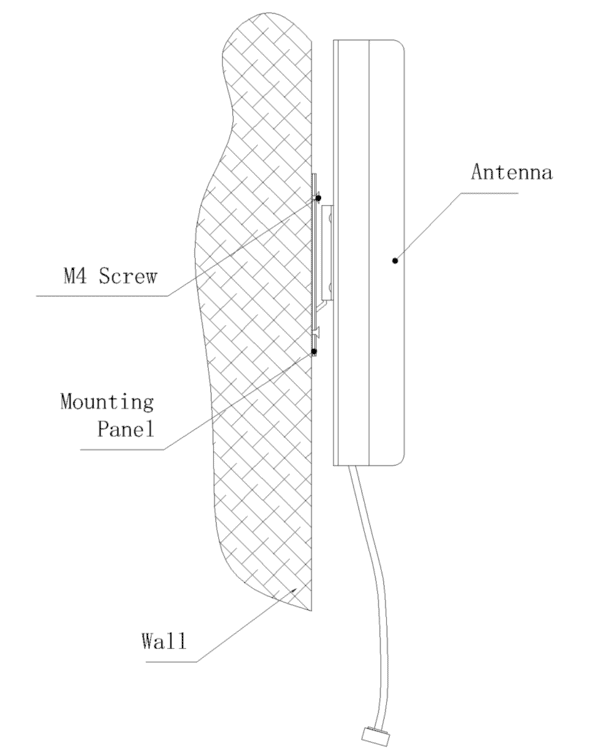
Tilting wall mounts allow you to adjust the angle of the equipment up or down. This can be helpful if you need to mount a TV or monitor higher up on the wall, but still want to be able to tilt it down for better viewing.
Full-motion wall mounts are the most versatile option. They allow you to adjust the equipment in multiple directions, including up and down, side to side, and even pull it away from the wall. This is great for mounting a TV in a corner or if you want to be able to adjust the viewing angle from different spots in the room.
When choosing a wall mount, you’ll want to consider the weight and size of the equipment you’re mounting. Most wall mounts have weight and size limits, so be sure to check these specifications before purchasing. You’ll also want to make sure the wall mount is compatible with the VESA pattern on the back of your TV or monitor. The VESA pattern is the measurement between the mounting holes on the back of the equipment, and it needs to match up with the wall mount. Most wall mounts will list the VESA pattern they are compatible with in the product description.
Overall, wall mounts are a great way to save space and create a clean, organized look in your home or office. Whether you’re mounting a TV, monitor, or smaller equipment, there is a wall mount out there to fit your needs.
Ceiling Mounts
Ceiling mounts offer a range of benefits for various applications. Here are some advantages of using ceiling mounts:
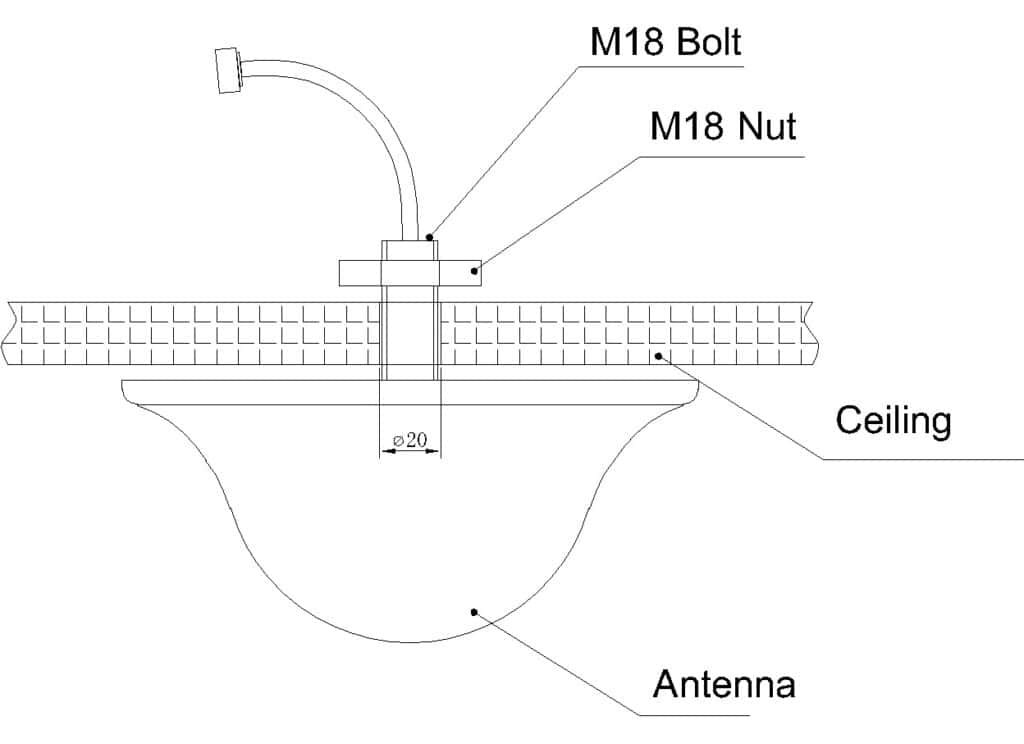
1. Space-saving: By mounting projectors, speakers, or security cameras on the ceiling, you can free up floor space and keep the area clutter-free. This is especially important in commercial or educational settings where space optimization is essential.
2. Improved visibility: Ceiling mounts allow projectors to be positioned at an optimal height and angle, ensuring clear and unobstructed visibility for everyone in the room. This is particularly useful in classrooms, conference rooms, or auditoriums where presentations or lectures are conducted.
3. Enhanced sound quality: Mounting speakers on the ceiling can help distribute sound evenly throughout the room, providing better audio quality and ensuring that everyone can hear clearly. This is beneficial in venues such as restaurants, bars, or conference halls.
4. Security and surveillance: Ceiling mounts for security cameras provide a better vantage point, allowing for comprehensive coverage of the area. Mounting cameras on the ceiling can also help deter theft or vandalism, as they are less accessible and harder to tamper with.
5. Adjustable positioning: Ceiling mounts often come with adjustable features such as tilt, swivel, or rotation, allowing you to fine-tune the position of your projector, speaker, or camera for the best performance and coverage.
6. Neat and professional appearance: Ceiling mounts provide a clean and organized look, as cables can be hidden within the ceiling or routed discreetly. This ensures a professional and aesthetically pleasing setup.
7. Flexibility: Ceiling mounts are usually compatible with a wide range of projector, speaker, or camera models, making them versatile and adaptable to different devices and setups.
8. Safety: Ceiling mounts are designed to securely hold heavy and expensive equipment in place, reducing the risk of accidents or damage caused by accidental falls or bumps.
Overall, ceiling mounts offer a practical and efficient solution for mounting projectors, speakers, and security cameras in various environments. They help optimize space, improve visibility and sound quality, provide better security and surveillance, and create a professional and organized appearance.
Pole Mounts
Pole mounts are typically made of durable materials such as steel or stainless steel to withstand harsh weather conditions. They are designed to securely hold equipment in place, preventing it from moving or falling off the pole.
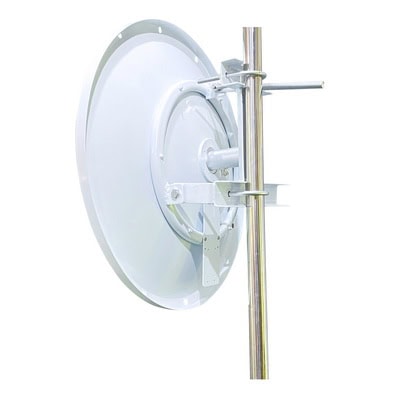
Pole mounts come in various sizes and designs to accommodate different pole diameters and equipment types. Some pole mounts have adjustable arms or brackets, allowing for flexibility in positioning the equipment at the desired angle or direction.
To install a pole mount, the mount is typically wrapped around the pole and tightened using bolts or screws. The equipment is then attached to the mount using the provided brackets or screws. Some pole mounts also include features like cable management systems to keep cables organized and protected from the elements.
Overall, pole mounts are essential for outdoor installations where equipment needs to be securely mounted to poles or masts. They provide a reliable and durable solution for attaching items like cameras, lighting, and antennas, ensuring they stay in place and function properly.
‘Y’ Style Boxed Pole/Wall Mounts vs. Other Mount Types
When it comes to specialty mounts, ‘Y’ style boxed pole or wall mounts stand out thanks to their unique design and enhanced stability. Unlike standard mounts, the ‘Y’ style features a third supporting leg, which provides extra reinforcement—particularly useful when securing heavier equipment or dealing with windy outdoor environments. This additional support helps prevent wobbling and ensures the mounted device remains firmly in place over time.
In comparison, other common mounts, such as basic wall brackets or straight pole mounts, typically rely on two points of contact. While sufficient for many standard applications, they may not offer the same level of security, especially in scenarios where additional structural strength is beneficial.
Additionally, some side chimney mounts—often called ‘Y’ or ‘Z’ type—are equipped with long, galvanized straps (up to 18 feet) for wrapping around chimneys or large posts. These extended straps allow for flexible installation options and effective distribution of weight without the need for drilling into masonry, reducing the risk of structural damage to your home or building.
In summary, ‘Y’ style boxed pole or wall mounts are a great choice when maximum support and stability are required, making them ideal for antennas, larger satellite dishes, or installations exposed to environmental challenges.
Flush Mounts
Flush mounts are commonly used for recessed lighting fixtures. They are installed directly into the ceiling or wall, with the fixture sitting flush against the surface. This creates a clean, seamless look that blends in with the surrounding architecture.
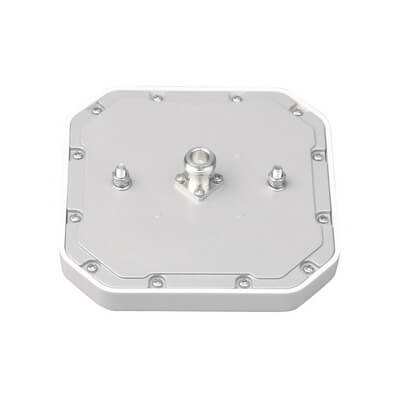
Similarly, flush mount speakers are installed directly into the ceiling or wall, with the speaker grille sitting flush against the surface. This creates a discreet, unobtrusive appearance that is ideal for home theaters, multi-room audio systems, and other audio installations where visual impact is a concern.
In addition to lights and speakers, flush mounts can also be used for other equipment, such as cameras, sensors, and access control devices. By mounting these devices flush with the surface, they are less likely to be noticed or tampered with, which is important for security-focused installations.
Overall, flush mounts provide a clean, sleek appearance that minimizes visual impact. Whether it’s for lights, speakers, or other equipment, flush mounts are a popular choice for installations that require a low-profile, aesthetically pleasing solution.
cURL Too many subrequests.
cURL Too many subrequests.
cURL Too many subrequests.
cURL Too many subrequests.
cURL Too many subrequests.
cURL Too many subrequests.
cURL Too many subrequests.
 German (Switzerland)
  English
  Spanish
  German
  French (France)
  Korean
  Russian
  Indonesian
  French (Canada)
  Vietnamese
  Armenian
  Albanian
  Assamese
  Acehnese
  Amharic
  Czech
Czech  Bulgarian
  Cebuano
  Malayalam
  Japanese
  Dutch
Dutch