 Skip to content
In today’s fast-paced digital world, staying connected is more crucial than ever. Whether it’s for personal communication, professional work, or leisure activities, the quality of our internet connection can significantly impact our daily lives. Enter the 4G antenna, a key player in the telecommunications field that ensures we enjoy high-speed internet, regardless of our location. But what exactly is a 4G antenna, and how does it work? Let’s dive in.
A 4G antenna is a device designed to receive and transmit the 4G LTE (Long Term Evolution) signals, facilitating high-speed internet and telecommunications. It employs Multiple Input Multiple Output (MIMO) technology to enhance signal strength and speed, essential for modern communication needs.
But beyond the technical definition, why does this matter to you? Whether you’re in a bustling city or a quiet rural area, the effectiveness of your 4G antenna can mean the difference between a seamless online experience and a frustrating one.
What is 4G antenna LTE?
A 4G antenna LTE (Long Term Evolution) is a type of antenna that is designed to receive and transmit signals for 4G wireless networks. It is used to connect devices such as smartphones, tablets, and modems to the internet via a cellular network. The LTE technology provides faster data transfer speeds and improved network capacity compared to previous generations of wireless networks. The 4G antenna LTE helps to ensure a stable and strong signal connection for optimal performance on 4G networks.
Do 4G antennas make a difference?
Yes, 4G antennas do make a difference. They can improve signal strength and quality, resulting in faster and more reliable internet connections. They can also extend the range of your device’s connectivity, allowing you to access the internet from a greater distance from the cell tower. In areas with weak network coverage, using a 4G antenna can help you get a stable and fast internet connection. Overall, using a 4G antenna can greatly enhance your internet experience and make a noticeable difference in your device’s performance.
4G antenna frequency
4G antennas operate across various frequency bands, typically ranging from 700 MHz to 2600 MHz worldwide. The specific frequency band plays a crucial role in determining the antenna’s coverage area and signal penetration, affecting overall performance.

What is a 4G antenna used for?
A 4G antenna is used to enhance the signal reception and transmission capabilities of devices that are connected to a 4G network. It is commonly used with mobile phones, routers, and other devices that require a stable and high-speed internet connection. The antenna helps to improve the signal strength, increase the range, and reduce the interference, resulting in a more reliable and faster 4G connection.
What is the difference between 4G and 5G antennas?
The main difference between 4G and 5G antennas lies in the frequencies they operate on. 4G antennas typically operate on frequencies below 2.7GHz, while mid-band and high-band 5G antennas can operate on frequencies up to Sub-6 and mmWave .
The higher frequency bands used by 5G antennas allow for larger bandwidths, which in turn enable faster download and upload speeds. This means that 5G can offer significantly higher data transfer rates compared to 4G.
Additionally, 5G antennas are designed to support massive device connectivity. They can handle a much larger number of simultaneous connections, making them suitable for the Internet of Things (IoT) and other applications that require a high density of connected devices.
However, it is important to note that 4G antennas are still essential. 4G networks will continue to be used for a long time, especially in areas where 5G infrastructure is not yet widely available. Furthermore, 4G antennas are compatible with older devices that do not support 5G, ensuring connectivity for a wide range of devices.
Can I use a 4G antenna for WiFi?
Yes, a 4G antenna can be used for WiFi, but it may not provide the best performance. A 4G antenna is designed to receive and transmit signals in the 4G frequency range, which is different from the frequencies used for WiFi. While it may still work to some extent, it may not provide the same level of signal strength and coverage as a dedicated WiFi antenna. It is recommended to use a WiFi antenna for WiFi applications to ensure optimal performance.
What 4G antenna do I need?
If you are in an area with good 4G coverage and you want to maximize your speed, you may want to consider a high-gain directional antenna. This type of antenna focuses the signal in a specific direction, allowing for a stronger and more stable connection.
If you are in an area with weak 4G coverage or you need coverage in multiple directions, you may want to consider an omnidirectional antenna. This type of antenna provides coverage in all directions, but typically has a lower gain compared to a directional antenna.
Some popular 4G antennas include:
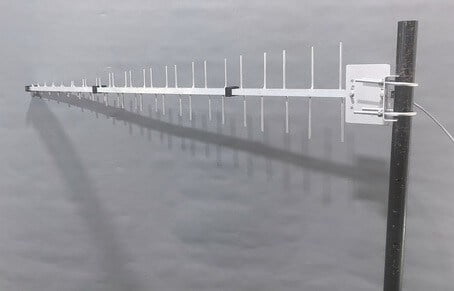
1. Yagi Antenna: This is a directional antenna with high gain. It is ideal for areas with weak 4G signals, as it can be pointed towards the nearest cell tower to improve signal strength.
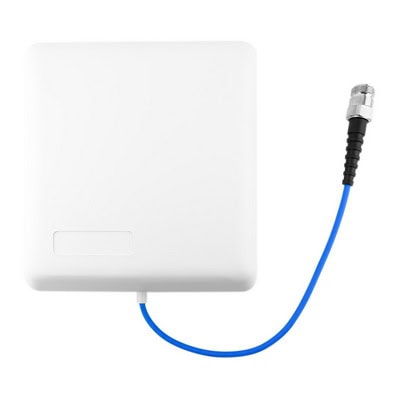
2. Panel Antenna: This is also a directional antenna, but it has a wider beamwidth compared to a Yagi antenna. It is a good choice if you need coverage in a specific area, such as a room or a building.
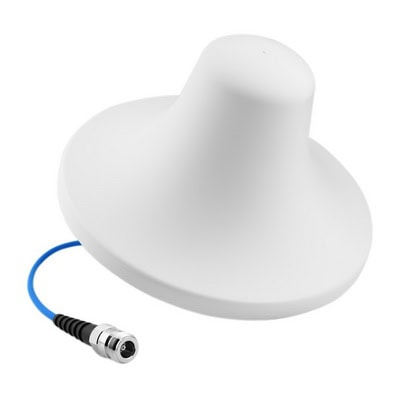
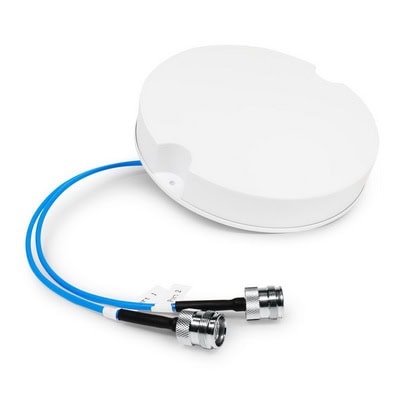
3. Dome Antenna: This is an omnidirectional antenna that provides coverage in all directions. It is typically used indoors to improve 4G signal strength in a specific area.
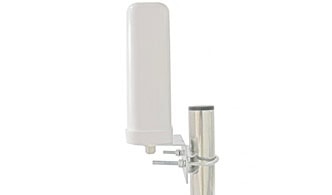
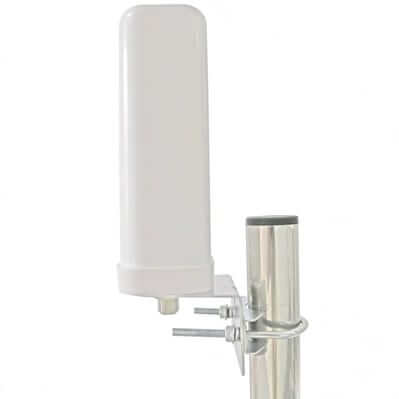
4. Outdoor Omni Antenna: This is an omnidirectional antenna that is designed for outdoor use. It can be mounted on a pole or a rooftop to provide coverage in all directions.
It is important to note that the specific antenna you need will depend on your unique situation. It is recommended to consult with a professional or do thorough research to determine the best antenna for your specific needs.
How can I boost my 4G antenna?
Here are some steps you can take to boost your 4G antenna:
1. Position your antenna properly: Place your antenna as high as possible and in a location where it has a clear line of sight to the cell tower. Avoid placing it near obstructions such as buildings, trees, or other objects that may block the signal.
2. Use a high-gain antenna: Consider upgrading to a high-gain antenna that is designed to amplify the signal. High-gain antennas have a more focused reception pattern and can improve your signal strength.
3. Adjust the antenna direction: If you have a directional antenna, try adjusting its direction to find the best signal. You can do this by pointing the antenna towards the nearest cell tower or in the direction of the strongest signal.
4. Use a signal booster: Another option is to use a signal booster or repeater. These devices amplify the signal received by your antenna and retransmit it, providing a stronger and more reliable signal indoors or in areas with weak coverage.
cURL Too many subrequests.
cURL Too many subrequests.
cURL Too many subrequests.“
cURL Too many subrequests.
cURL Too many subrequests.
cURL Too many subrequests.
cURL Too many subrequests.
cURL Too many subrequests.
cURL Too many subrequests.
cURL Too many subrequests.
cURL Too many subrequests.
cURL Too many subrequests.
cURL Too many subrequests.
cURL Too many subrequests.
cURL Too many subrequests.
cURL Too many subrequests.
cURL Too many subrequests.
cURL Too many subrequests.
cURL Too many subrequests.
5. Inside a room: If you have a small indoor antenna, you can simply place it on a table or attach it to a wall inside your house. However, this may not provide the best signal strength and range.
Remember to always check the user manual or contact the manufacturer for specific mounting instructions for your antenna.
Does 4G need two antennas?
Yes, 4G can use two antennas in a MIMO (Multiple-Input Multiple-Output) configuration to improve data speeds and network reliability. MIMO technology allows for the simultaneous transmission and reception of multiple data streams, resulting in increased data throughput and better overall performance.
In summary, it is important to have knowledge about and use 4G antennas in today’s fast-paced digital world. Whether you are a technician, engineer, or simply someone who is knowledgeable about technology, having the right information and tools can greatly improve your internet experience. Take advantage of the capabilities of 4G antennas and stay ahead when it comes to connectivity.
 German (Switzerland)
  English
  Spanish
  German
  French (France)
  Korean
  Russian
  Indonesian
  French (Canada)
  Vietnamese
  Armenian
  Albanian
  Assamese
  Acehnese
  Amharic
  Czech
Czech  Bulgarian
  Cebuano
  Malayalam
  Japanese
  Dutch
Dutch