 Skip to content
A base station plays a pivotal role in the realm of telecommunications, acting as the cornerstone of connectivity. It enables seamless communication by linking various wireless devices to broader networks, ensuring that data flows efficiently from one point to another.
A base station is an integral component of wireless communication networks, serving as a central point that manages the transmission and reception of signals between cellular networks and mobile devices. It ensures that users can access voice and data services effectively.
Now that we have a solid understanding of what base stations are and why they are important, let’s dive into the nitty-gritty of how they work, the advantages they provide, and the technical details that support this critical technology.
What is a base station antenna used for?
A base station, also known as a cell site or cell tower, is used for wireless communication. It is a fixed location equipped with antennas and other equipment that receives and transmits radio signals to and from mobile devices, such as smartphones, tablets, and other wireless devices. Base stations are an essential component of cellular networks, providing coverage and connectivity to mobile devices within a specific area or cell.

How does the base station work?
A base station, also known as a cell site or cell tower, is an integral part of a cellular network. It serves as a central hub for communication between mobile devices and the network infrastructure. Here is a simplified explanation of how a base station works:
1. Signal Reception: The base station receives radio signals from mobile devices within its coverage area. These signals are transmitted over the airwaves and contain voice, data, or other information.
2. Signal Amplification: The received signals are typically weak, so the base station amplifies and strengthens them using sophisticated radio frequency (RF) equipment. This ensures that the signals are strong enough to be processed and transmitted further.
3. Signal Processing: The base station processes the received signals to extract the information they carry. For example, it separates voice calls from data transfers and performs various error correction techniques to improve the quality of the signal.
4. Signal Transmission: After processing the signals, the base station retransmits them to the core network of the cellular service provider. It sends the voice calls to the circuit-switched network and the data transfers to the packet-switched network.
5. Network Connection: The base station establishes a connection with the core network through wired or wireless links. This connection allows the base station to transmit the processed signals to the network and receive signals destined for mobile devices.
6. Cell Sectorization: In order to provide coverage to a larger area, a base station is often divided into multiple sectors or cells. Each cell covers a specific geographical area and operates on a different set of frequencies. This division allows the base station to serve multiple users simultaneously without interference.
7. Handover Management: When a mobile device moves from one cell to another during a call or data session, the base station manages the handover process. It ensures a seamless transition by transferring the connection from one cell to another without interrupting the ongoing communication.
Overall, a base station acts as a bridge between mobile devices and the cellular network, enabling reliable and efficient wireless communication.
What are the advantages of base stations?
Some of the advantages of base stations include:
1. Increased network coverage: Base stations are strategically placed to provide coverage to a specific area. By transmitting and receiving signals, they extend the reach of the network, allowing users to access services like voice calls, text messages, and internet connectivity over a larger area.

2. Improved call quality: Base stations help to ensure better call quality by providing a strong and stable signal. They reduce issues like call drops, static, and interference, resulting in clearer and more reliable voice calls.
3. Enhanced network capacity: Base stations have the ability to handle a large number of users simultaneously. They can support multiple connections and data transfers, allowing many users to access the network without experiencing congestion or slowdowns.

4. Faster data speeds: Base stations play a crucial role in delivering high-speed internet connectivity. By transmitting and receiving data, they enable users to access websites, stream videos, and download files at faster speeds.

5. Support for advanced technologies: Base stations are essential for the deployment of advanced technologies like 5G. These stations are designed to support the increased data rates and low latency required for these technologies, enabling users to access new and innovative services.
As more people rely on their mobile devices for data-heavy activities—such as streaming HD video, gaming, and video conferencing—the demand on existing base stations grows. To keep up, networks are continually expanding the number of base stations, especially with the rollout of 5G technologies.
With 5G New Radio (5G-NR), high-speed connections often utilize millimeter wave (mmWave) frequencies, which have a much shorter range compared to traditional 4G or 3G signals. This means specialized base stations are frequently deployed to ensure robust coverage and meet the rising demand for faster, more reliable wireless connectivity.

6. Flexibility and scalability: Base stations can be easily deployed and scaled according to the needs of the network. They can be installed in various locations, including rooftops, towers, and poles, allowing network operators to adapt to changing coverage requirements.
7. Redundancy and reliability: Base stations are often equipped with backup power sources and redundancy mechanisms to ensure continuous operation. This helps to maintain network connectivity even during power outages or equipment failures.
8. Support for emergency services: Base stations are critical during emergencies as they enable people to make emergency calls and access important information. They help in coordinating emergency response efforts and providing communication channels for first responders.

In addition to supporting traditional mobile communication, base stations also play a vital role in two-way radio systems such as citizens band (CB) radio and ham radio. These fixed base stations are commonly used by dispatchers to communicate directly with multiple mobile operators in the field. For example, emergency services, police, taxi companies, and teams working on large sites often rely on dedicated base station radios to maintain efficient and reliable communication. This capability ensures that during urgent situations, workers and emergency personnel can stay connected, respond quickly, and coordinate their actions effectively.
Overall, base stations are essential for providing reliable and efficient wireless communication services, facilitating connectivity, and supporting the growing demands of mobile users.
What does a base station consist of?
A base station typically consists of the following components:
1. Transceiver: It is the main component of the base station that both transmits and receives signals. It converts the received signals into a format that can be understood by the base station and converts the outgoing signals into a format that can be transmitted over the air.
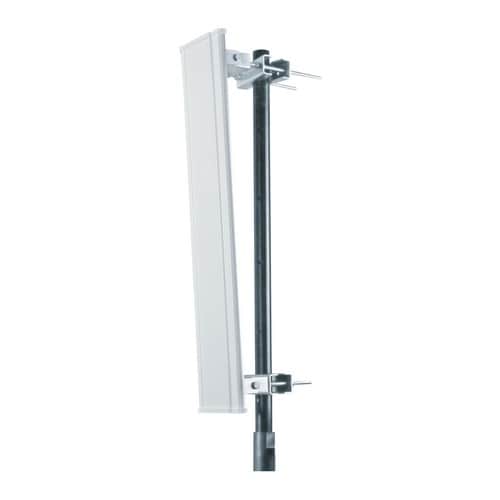
2. Antenna: The base station has one or more antennas to transmit and receive signals. Antennas are responsible for radiating the signals into the air and capturing the signals from the air.
3. Baseband processing unit: It is responsible for processing the signals received from the transceiver. It performs functions like modulation, demodulation, encoding, decoding, error correction, and channel coding.
4. Digital signal processor (DSP): DSP is used to process the digital signals received from the baseband processing unit. It performs various signal processing tasks like filtering, equalization, noise reduction, and amplification.
cURL Too many subrequests.
cURL Too many subrequests.
cURL Too many subrequests.
cURL Too many subrequests.
cURL Too many subrequests.
cURL Too many subrequests.
1. cURL Too many subrequests.cURL Too many subrequests.
2. cURL Too many subrequests.cURL Too many subrequests.
cURL Too many subrequests. DAS cURL Too many subrequests.
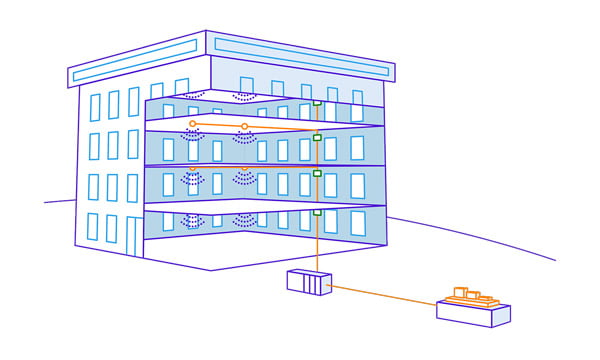
4. cURL Too many subrequests.cURL Too many subrequests.
cURL Too many subrequests.
6. cURL Too many subrequests.cURL Too many subrequests.
cURL Too many subrequests.
cURL Too many subrequests.
9. IoT Base Station: IoT (Internet of Things) base stations are designed to support the connectivity needs of IoT devices. They typically have low power consumption and provide coverage over a wide area to support a large number of devices.These base stations are often used in environments where many sensors or smart devices need to communicate with a central hub. For example, smart home automation systems may use proprietary wireless protocols to connect a base station to sensors and controls throughout a house. In municipal settings, public works departments may deploy IoT base stations to send and receive data from distributed infrastructure, such as water meters or environmental sensors. Similarly, wireless sensor networks often rely on a central IoT base station to collect and manage data from numerous small sensors scattered across an area.
These are just a few examples of the different types of base stations available, each serving specific networking needs.
What is a wireless sensor network, and how do base stations facilitate connections for these networks?
A wireless sensor network (WSN) is a collection of small, wirelessly connected devices—called sensors—that monitor physical or environmental conditions like temperature, humidity, or movement. These sensors are often spread across wide areas, from smart homes to municipal infrastructure, gathering data from their surroundings.
To efficiently manage and communicate this information, WSNs typically rely on a central base station. Here’s how it works:
- Central Data Hub: The base station acts as the main communication point, receiving data from all the sensors in the network.
- Data Transmission: Sensors send their collected data to the base station, usually using low-power wireless protocols such as Zigbee, LoRaWAN, or custom short-range radio technologies.
- Integration and Control: The base station processes, stores, and may forward the data to cloud services or control systems for further analysis and action. In a smart home, this might mean turning lights on or off based on motion detection. In municipal systems, it could mean monitoring water usage or air quality in real time.
- Network Management: By connecting a multitude of devices—from air quality meters in a city park to temperature sensors in a greenhouse—a base station keeps everything coordinated, ensuring reliable operation and easy management.
Wireless sensor networks, with the support of dedicated base stations, make it possible to collect and act on data from countless devices across diverse environments. Their flexibility and broad coverage make them a foundational technology for the Internet of Things (IoT) in both consumer and industrial applications.
How do municipality public works systems use base stations for data transmission?
Municipal public works departments often rely on base stations to enable seamless communication with infrastructure spread across a city or town. These base stations act as communication hubs, transmitting and receiving data from remote sensors, water treatment plants, traffic signals, and utility meters. With the help of wireless links—sometimes via microwave or cellular networks—real-time data such as water levels, electricity consumption, or streetlight status can be monitored and managed remotely from a central location.
For example, a city’s water department may deploy a base station on a water tower or municipal building to collect sensor readings from pump stations and reservoirs. Similarly, traffic management systems use base stations to gather information from cameras and sensors placed at intersections to monitor congestion or detect signal malfunctions. This centralized approach not only improves efficiency and response times but also helps streamline maintenance across the city’s infrastructure network.
Where are base stations located?
Base stations are typically located in areas with high population density or areas where there is a high demand for cellular service. They are often found on top of buildings, towers, or mountains to ensure they have a clear line of sight and can cover a large area. Base stations are also placed in locations where they can be easily accessed for maintenance and repairs.
Base stations are located in various places, including:
1. Rooftops: Base stations are often installed on the rooftops of buildings, especially in urban areas. This provides a good line of sight and coverage for the surrounding area.
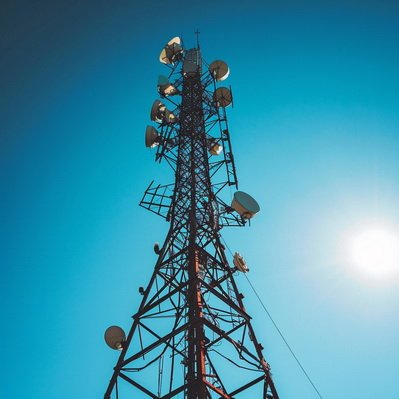
2. Towers: Tall towers are commonly used to mount base stations. These towers can be standalone structures or part of existing structures like radio or TV transmission towers.

3. Mountains: In hilly or mountainous areas, base stations are installed on high peaks or ridges to provide coverage to the surrounding valleys and lower lying areas.
4. Poles: In some cases, base stations are mounted on poles, especially in rural or remote areas where there are no tall buildings or towers.
5. Indoor locations: In addition to outdoor locations, base stations are also installed indoors in places like shopping malls, airports, and stadiums to provide better coverage in crowded areas.
The exact location of base stations depends on factors such as population density, signal strength requirements, terrain, and availability of infrastructure.
Do base stations need power?
Yes, base stations need power to operate. They require a continuous and reliable power supply to ensure uninterrupted communication services. In areas where power outages are common, base stations may be equipped with backup power sources such as batteries or generators to maintain service during power failures.
How high do base stations need to be?
The height of a base station can vary depending on the specific circumstances and requirements of the network. In urban areas, base stations are often mounted on rooftops or on tall buildings to ensure a wider coverage area. In rural or suburban areas, base stations may be placed on towers or masts to increase their range. These towers can range in height from 30 to 200 feet (9 to 61 meters) or even higher in some cases. The goal is to position the base stations at a height where they can transmit and receive signals with minimal obstruction from buildings, trees, or other obstacles.
What is the best base station setup?
The best base station setup depends on the specific needs and requirements of the user. However, there are a few key factors to consider when choosing a base station setup:
1. Range: The base station should have a sufficient range to cover the desired area. This may vary depending on the size and layout of the location where it will be used.
2. Frequency: The base station should operate on a frequency that is compatible with the devices it will be communicating with. Common frequencies include 900 MHz,1.8GHz,2.1GHz,2.4 GHz,2.6GHz, 5 GHz and 6 GHz,etc.
3. Power: The base station should have enough power to provide a strong and reliable signal. Higher power can help overcome obstacles and interference.
4. Antenna: The base station should have a high-quality antenna that is suitable for the intended use. Different types of antennas, such as omni-directional or directional, may be more appropriate depending on the specific application.
5. Scalability: If there is a need to expand the base station setup in the future, it should be easily scalable to accommodate additional devices or coverage areas.
Ultimately, the best base station setup will be one that meets the specific needs and requirements of the user, providing reliable and efficient communication within the desired range.
Additional Considerations for Base Station Setups
In many modern networks, especially cellular networks, base stations often take the form of cell towers. These towers can range in size and scope—from large structures that provide coverage for many miles in rural areas to compact microcells serving just a few city blocks in dense urban environments.
cURL Too many subrequests.
cURL Too many subrequests.
cURL Too many subrequests.
cURL Too many subrequests.
cURL Too many subrequests. Wi-Fi cURL Too many subrequests.
cURL Too many subrequests.
cURL Too many subrequests.
cURL Too many subrequests.
cURL Too many subrequests.
cURL Too many subrequests.
cURL Too many subrequests.
cURL Too many subrequests.
cURL Too many subrequests.
cURL Too many subrequests.
cURL Too many subrequests.
cURL Too many subrequests.
cURL Too many subrequests.
cURL Too many subrequests.
On the other hand, a tower refers to the physical structure that holds the base station. It is typically a tall structure, often made of steel or concrete, that is designed to support the base station at an elevated height. The tower provides a higher vantage point for the base station to transmit and receive signals over a larger area.
In summary, the base station is the active component responsible for network communication, while the tower is the physical structure that supports the base station.
cURL Too many subrequests.
In summary, base stations are critical for modern telecommunications as they serve as the link between mobile devices and the extensive network infrastructure that spans the globe. The strategic deployment and ongoing improvement of these stations are essential for maintaining global connectivity.
 German (Switzerland)
  English
  Spanish
  German
  French (France)
  Korean
  Russian
  Indonesian
  French (Canada)
  Vietnamese
  Armenian
  Albanian
  Assamese
  Acehnese
  Amharic
  Czech
Czech  Bulgarian
  Cebuano
  Malayalam
  Japanese
  Dutch
Dutch