 Skip to content
In today’s world, where the Internet of Things (IoT) and interconnected devices have taken over, the demand for effective and dependable communication technologies is at an all-time high. And this is where LoRa comes in – an innovative wireless technology that guarantees long-range connectivity while using very little power. From smart cities to agricultural fields, LoRa is changing the way devices communicate, presenting new opportunities for IoT implementations across various industries.
LoRa, an abbreviation for long range, is an innovative wireless communication technology that allows long-distance connectivity while using very little power. LoRa is based on chirp spread spectrum (CSS) modulation techniques and provides strong communication over long distances, transforming IoT and M2M applications globally.
LoRa technology offers unlimited possibilities in various fields such as agriculture, environment, industry, and asset tracking. It enables organizations to build smarter and more connected systems. Let’s discover LoRa’s features and benefits for long-distance wireless communication.
What is LoRa technology?
LoRa (Long Range) technology is a low-power, wide-area network (LPWAN) protocol designed for long-range communication between devices. It is used for Internet of Things (IoT) applications that require long-range, low-power, and low-cost connectivity. LoRa technology operates in the sub-GHz frequency bands and uses spread spectrum modulation techniques to achieve long-range communication with low power consumption. It allows devices to send small packets of data over long distances, typically several kilometers, while consuming very little power. LoRa technology is often used in smart cities, agriculture, asset tracking, and other IoT applications.
What is LoRA in AI?
LoRa, or Long Range, is a wireless communication technology that enables long-range and low-power data transmission. It is commonly used in IoT (Internet of Things) applications where devices need to send and receive data over long distances while consuming minimal power. In the context of AI, LoRa allows AI devices to connect to the internet and exchange data with remote servers, enabling the deployment of AI algorithms in various settings.
What is LoRa in IoT?
LoRa, which stands for Long Range, is a low-power, wide-area network (LPWAN) technology that allows devices to communicate wirelessly over long distances. It uses a spread spectrum modulation technique to achieve long-range communication while consuming very little power. LoRa operates in the unlicensed industrial, scientific, and medical (ISM) bands, which means it can be used without requiring any specific license or subscription.
LoRa technology is designed to address the challenges of IoT deployments, such as long-range connectivity, low power consumption, and low-cost infrastructure. It can transmit data over several kilometers, even in urban environments with high interference. This makes it ideal for applications that require wide coverage, such as smart cities, agriculture, logistics, and industrial monitoring.
LoRa devices can be battery-powered and can operate for years without requiring frequent battery replacement. They can also transmit data at very low data rates, allowing them to conserve energy and extend battery life.
In summary, LoRa is a wireless communication technology specifically designed for the IoT. It provides long-range connectivity, low power consumption, and low-cost infrastructure, making it an ideal choice for a wide range of IoT applications.
What is LoRa used for?
LoRa (Long Range) is a low-power wide area network (LPWAN) technology used for long-range communication between devices. It is primarily used for Internet of Things (IoT) applications, such as smart cities, agriculture, industrial automation, asset tracking, and environmental monitoring. LoRa enables long-range, low-power communication with a high level of reliability, making it suitable for devices and sensors that need to transmit small amounts of data over long distances while conserving battery life.
Real-World Applications of LoRa
One standout example is in smart logistics, where LoRa helps create efficient asset tracking and cold chain management solutions. For instance, LoRa technology can be used to:
- Replace manual core temperature monitoring of food: Wireless LoRa sensors continuously track the temperature of perishable goods, helping ensure food safety and quality throughout the supply chain.
- Retrofit legacy systems: LoRa devices can be added to existing refrigeration or shipping systems, providing modern connectivity without the need for expensive infrastructure overhauls.
- Predict core temperatures with new sensors: Advanced LoRa sensors can estimate the internal temperature of goods, enabling proactive management and reducing spoilage.
These capabilities make LoRa especially valuable for applications where maintaining quality and compliance is critical, such as in the food and pharmaceutical industries. By enabling reliable, low-cost, and battery-efficient monitoring across vast distances, LoRa is transforming how industries manage assets and environmental conditions.
How can LoRa technology assist in reducing water waste in smart buildings and agriculture?
LoRa technology plays a transformative role in tackling water waste, both in modern buildings and across agricultural landscapes. By deploying LoRa-enabled sensors and systems, organizations can monitor water usage with remarkable accuracy and efficiency—leading to smarter, more sustainable practices.
In smart buildings, LoRa sensors can detect leaks, track water consumption in real time, and notify facility managers about unusual spikes or inefficiencies. This granular visibility not only helps pinpoint leaks early, minimizing costly damage, but also assists in optimizing usage patterns throughout the property. As a result, buildings frequently see a notable reduction in both water and sewer expenses, with many experiencing a return on investment in under two years.
For agriculture, LoRa technology empowers farmers to precisely manage irrigation. Remote soil moisture sensors relay real-time data even from the most isolated fields, enabling growers to apply water only when and where it’s needed. By aligning irrigation to actual crop needs and weather patterns, farms can significantly cut water usage, lower costs, and support healthier plant growth. This level of control and insight enables responsible resource use—ultimately contributing to more sustainable farming and improved yields.
Whether it’s preventing leaks in high-rise complexes or maximizing every drop on the farm, LoRa delivers the wireless connectivity required to make every drop count.
How can LoRa technology help optimize utility management, such as water usage and leak detection?
LoRa technology plays a crucial role in modernizing utility management, especially in the realms of water usage and leak detection. By enabling remote and automated monitoring of utility meters, LoRa allows utility providers to collect accurate usage data without the need for manual meter readings, saving both time and operational costs.
For water utilities, LoRa-powered sensors can be installed throughout the distribution network to detect leaks, monitor flow rates, and identify abnormalities in real time. This early detection capability means potential leaks can be pinpointed and repaired quickly, helping prevent water loss and reducing the risk of serious infrastructure damage. Utilities using LoRa-based solutions have been able to save significant volumes of water each year by responding to leaks proactively.
Additional benefits include:
- Increased efficiency in resource usage thanks to timely, data-driven decision-making.
- cURL Too many subrequests.
- cURL Too many subrequests.
- cURL Too many subrequests.
cURL Too many subrequests.
cURL Too many subrequests.
cURL Too many subrequests. GPS cURL Too many subrequests.
cURL Too many subrequests.
- cURL Too many subrequests. cURL Too many subrequests.
- cURL Too many subrequests. cURL Too many subrequests.
- cURL Too many subrequests. cURL Too many subrequests.
- cURL Too many subrequests. cURL Too many subrequests.
cURL Too many subrequests.
cURL Too many subrequests.
cURL Too many subrequests.
cURL Too many subrequests.
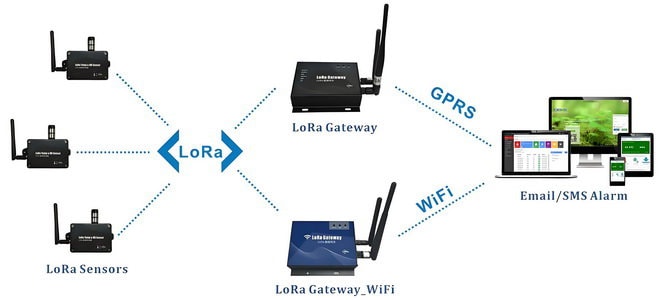
2. LoRaWAN protocol: LoRaWAN is the protocol that defines the communication between LoRa devices and the network infrastructure. It operates in a star-of-stars topology, where individual LoRa devices communicate with a central gateway, which then forwards the data to the network server.
3. Devices and gateways: LoRa devices, such as sensors or actuators, transmit data to a nearby LoRa gateway using the LoRa modulation. The gateway receives the signals from multiple devices and forwards the data to the network server via a wired or wireless connection.This setup allows for both public and private network deployments, supporting a wide range of IoT applications across urban and rural environments.
4. Network server: The network server receives the data from the gateways and manages the communication between the devices and the application server. It handles tasks like device authentication, data encryption, and routing.In addition, the network server is responsible for crucial network management functions such as over-the-air activation, data de-duplication, dynamic frame routing, adaptive rate control, traffic management, and overall administration. End-to-end security is maintained through AES128 encryption, mutual authentication, integrity protection, and confidentiality, ensuring that data remains secure as it moves through the network.
5. Application server: The application server processes the data received from the devices and performs the necessary actions or analysis. It can store the data, trigger alerts, or integrate with other systems.
6. Range and power consumption: LoRa can achieve long-range communication (up to several kilometers in open areas) while consuming very low power. This makes it suitable for battery-powered devices that need to transmit data over long distances.
Overall, LoRa technology enables long-range, low-power communication between devices, making it ideal for applications like smart cities, agriculture, industrial monitoring, and asset tracking.
How does LoRa compare to other wireless communication networks, such as cellular networks?
When comparing LoRa to traditional wireless communication networks like cellular (3G, 4G, LTE), there are several key differences that make LoRa uniquely suited for Internet of Things deployments.
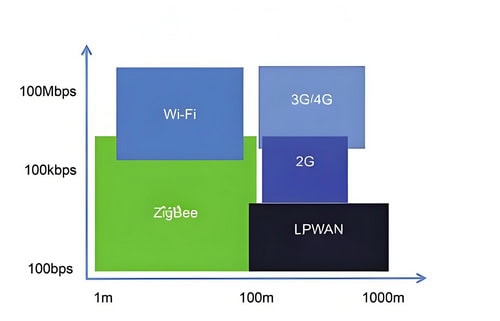
Range: LoRa can cover several kilometers, even in urban areas with heavy interference, which is often more than what typical Wi-Fi or Bluetooth connections can achieve. Compared to cellular networks, LoRa tends to offer longer range in rural or suburban environments, although with much lower data rates.
Power Efficiency: One of LoRa’s standout advantages is its extremely low power consumption. Devices can operate for years on a single battery, making LoRa ideal for remote sensors or monitoring applications where frequent battery changes would be impractical. In contrast, cellular modules often require more frequent charging or larger power sources.
Network Cost and Infrastructure: Unlike cellular technologies that require SIM cards, recurring data plans, and operating in licensed spectrum, LoRa operates on unlicensed ISM bands. This results in lower operating costs and allows easy integration into existing infrastructure. Additionally, companies and communities can deploy their own private LoRa networks using gateways from brands like Kerlink, Multitech, or Tektelic, whereas cellular networks are typically managed exclusively by large telecom operators like AT&T or Vodafone.
Data Throughput: LoRa is optimized for transmitting small amounts of data at infrequent intervals—perfect for sensors and meters, but not for high-speed applications like video streaming or voice calls. Cellular networks are better suited for high-bandwidth needs.
Security and Reliability: Both LoRa and cellular networks incorporate robust encryption and support secure data transmission. However, LoRa’s star-of-stars topology and local gateway deployment can provide additional redundancy and independence in certain applications.
In summary, while cellular networks excel at delivering high data rates and universal coverage for mobile devices, LoRa stands out for IoT applications that need long-range, ultra-low power operation, and low-cost deployment. These differences make LoRa an attractive alternative for connecting large numbers of battery-powered sensors spread across wide areas.
How does LoRa support device mobility and high network capacity?
LoRa technology is particularly well-suited for applications that require devices to stay connected as they move across large areas. Its robust modulation technique enables reliable communication even when devices are in motion, all while preserving battery life—critical for trackers and mobile sensors in sectors like transportation and asset management.
When it comes to handling a large number of devices, LoRa networks are designed with scalability in mind. A single LoRa gateway can manage signals from thousands, even millions, of devices simultaneously. This high capacity ensures that networks can reliably serve dense deployments, such as urban smart city projects or extensive agricultural operations, without performance bottlenecks.
How does the LoRa technology ecosystem support IoT solution providers and device manufacturers?
The strength of the LoRa ecosystem lies in its flexibility and widespread adoption across a diverse landscape of IoT solution providers and device manufacturers. Because LoRa operates in unlicensed spectrum and follows open standards like LoRaWAN, companies—large and small—can design and deploy devices without expensive licensing or heavy infrastructure investments.
Many manufacturers worldwide have embraced the technology, creating a vibrant ecosystem of compatible sensors, gateways, modules, and development kits. This broad support means that device makers can source components from numerous suppliers, ensuring choice, innovation, and competitive pricing. Solution providers benefit from LoRa’s standardization, which allows their devices to interoperate seamlessly across public, private, or hybrid networks.
For developers, the extensive documentation, developer communities, and open-source tools available make designing and deploying LoRa-enabled devices straightforward. With access to hardware from recognized brands like Arduino, Multitech, and Murata, along with integration into global network services, IoT solutions can be brought to market efficiently and scaled over time.
Ultimately, the LoRa ecosystem removes many common barriers to IoT development—reducing cost, supporting global connectivity, and enabling solution providers and manufacturers to focus on innovation rather than infrastructure.
What are the benefits of LoRa?
There are several benefits of LoRa (Long Range) technology:
1. Long Range: LoRa can provide long-range communication, typically up to several kilometers in urban areas and even more in rural areas. This makes it suitable for applications that require long-range connectivity, such as smart city infrastructure, agriculture monitoring, and asset tracking.
2. Low Power Consumption: LoRa devices have very low power consumption, allowing them to operate on batteries for years. This is ideal for applications that are difficult to access or where frequent battery replacement is not feasible.
3. Low Cost: LoRa technology is relatively low-cost compared to other wireless technologies. The devices and gateways required for LoRa communication are affordable, making it an attractive option for deploying large-scale IoT networks.
4. Scalability: LoRa networks can support a large number of devices, making it scalable for applications that require a large number of sensors or devices to be connected.
5. Secure Communication: LoRa uses AES encryption to ensure secure communication between devices and gateways, protecting the data transmitted over the network.
6. Interference Immunity: LoRa operates in the sub-GHz frequency bands, which are less crowded compared to higher frequency bands used by other wireless technologies. This makes LoRa less susceptible to interference from other wireless devices.
7. Flexibility: LoRa supports both point-to-point and point-to-multipoint communication, allowing for flexible network topologies. It can also be used in conjunction with other wireless technologies to create hybrid networks.
8. Easy Deployment: LoRa networks are easy to deploy as they require minimal infrastructure. The gateways can be installed in strategic locations to cover a wide area, and devices can be easily added to the network as needed.
Overall, the benefits of LoRa make it a suitable choice for a wide range of IoT applications, especially those that require long-range communication, low power consumption, and cost-effective deployment.
Real-World Impact: Measurable Outcomes with LoRa-Based Solutions
cURL Too many subrequests.
cURL Too many subrequests.
cURL Too many subrequests.
- cURL Too many subrequests.
- cURL Too many subrequests.
- cURL Too many subrequests.
- cURL Too many subrequests.
cURL Too many subrequests.
cURL Too many subrequests.
- cURL Too many subrequests.
- cURL Too many subrequests.
- cURL Too many subrequests.
cURL Too many subrequests.
cURL Too many subrequests.
- cURL Too many subrequests.
- cURL Too many subrequests.
- cURL Too many subrequests.
cURL Too many subrequests.
cURL Too many subrequests.
- Water usage in crop irrigation can drop by as much as 30% through precision, sensor-driven scheduling.
- Reliable capture of soil moisture data, even in remote or expansive farmlands, enables smarter water management.
- Reduced environmental footprint thanks to optimized irrigation and minimized waste.
As these examples show, LoRa-based solutions empower diverse industries to address challenges, drive efficiency, and achieve measurable outcomes in sustainability and performance.
What does LoRa consist of?
LoRa (Long Range) consists of four components:
LoRa Device: These are IoT devices or sensors equipped with LoRa technology. They use the LoRa modulation technique to transmit data over long distances. LoRa devices are designed to be low-power and have long battery life, making them ideal for remote or distributed applications.
LoRa Antenna: Both LoRa devices and gateways are equipped with LoRa antennas. These antennas are crucial for sending and receiving radio signals, enabling long-range wireless communication between devices and gateways. The quality and design of the antenna directly impact the communication range and reliability.

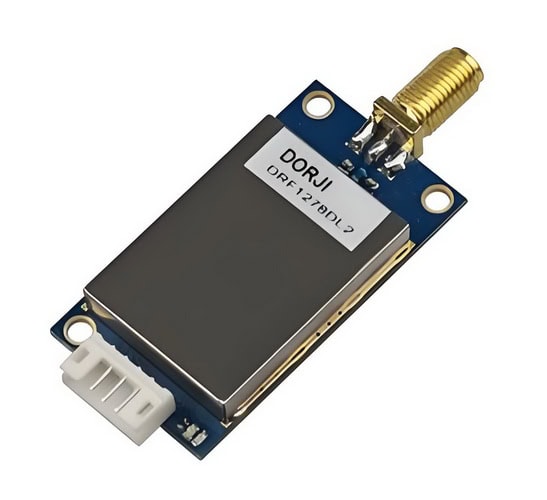
LoRa Gateway: The gateway acts as a bridge between LoRa devices and the internet. It receives data from multiple LoRa devices within its coverage area and forwards this information to a network server. The gateway uses LoRa antennas to communicate with devices and typically connects to the internet via Ethernet, Wi-Fi, or cellular networks.
LoRaWAN (Long Range Wide Area Network): LoRaWAN is the network protocol and system architecture that manages communication between LoRa devices and gateways. It defines how data is transmitted, how devices join the network, and how security is maintained. LoRaWAN enables scalable, secure, and efficient communication for large-scale IoT deployments.
LoRa and Network Flexibility
While LoRaWAN is the most widely used network protocol for LoRa devices—thanks to its robust, scalable, and secure design—LoRa technology itself is incredibly flexible. Many IoT applications leverage the broad LoRaWAN ecosystem for seamless interoperability between devices from different manufacturers. However, some use cases may require a proprietary network implementation built on top of the core LoRa technology. For example, Amazon Sidewalk is a network that utilizes LoRa for connecting smart home and community devices, demonstrating how LoRa’s adaptability enables deployment across nearly every industry, from smart cities to agriculture and logistics.
With hundreds of millions of end nodes already deployed worldwide, LoRa’s versatility and broad ecosystem mean that there are use cases for this technology in almost every vertical market. Whether you need to connect a handful of sensors in a remote area or roll out a city-wide IoT solution, LoRa provides a solid foundation for reliable, long-range, and cost-effective wireless communication.
What is the range of LoRa?
The range of LoRa (Long Range) technology can vary depending on several factors such as the frequency used, the power output, and the environment. In general, LoRa can provide a range of several kilometers in urban areas and up to tens of kilometers in rural areas. However, it is important to note that the actual range achieved can be influenced by obstacles, interference, and other factors.
Can LoRa work without an antenna?
No, LoRa cannot work without an antenna. The cURL Too many subrequests. is an essential component of any wireless communication system, including LoRa. It is responsible for transmitting and receiving radio waves, which carry the data signals. Without an antenna, there would be no way to send or receive data wirelessly.
The LoRa antenna is responsible for transmitting and receiving the LoRa signals between the LoRa devices and the LoRa gateway. It is designed to operate at the specific frequency bands used by LoRa, typically in the sub-GHz range (e.g., 868 MHz in Europe, 915 MHz in North America). The LoRa antenna plays a crucial role in achieving the long-range communication capabilities of LoRa technology.
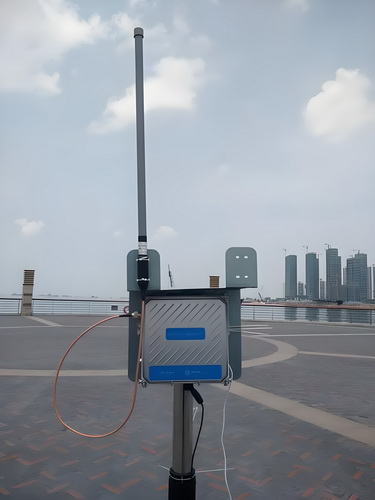
How to choose an antenna for LoRa?
When choosing an antenna for LoRa, there are a few factors to consider:
1. Frequency: LoRa operates in different frequency bands, such as 433 MHz, 868 MHz, and 915 MHz. Make sure to choose an antenna that is designed for the specific frequency band you are using.
2. Gain: The gain of an antenna determines how well it can transmit and receive signals. Higher gain antennas can provide better range, but they may also have a narrower beamwidth. Consider the range you need and the environment you will be operating in when selecting the antenna gain.
3. Antenna Type: There are different types of antennas available for LoRa, including whip antennas, dipole antennas, and directional antennas. Whip antennas are compact and omnidirectional, making them suitable for general use. Dipole antennas provide better performance but are larger and require more space. Directional antennas have a narrow beamwidth, allowing for long-range communication but requiring precise alignment.
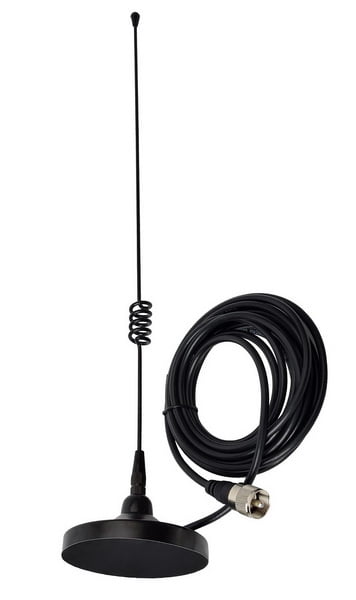
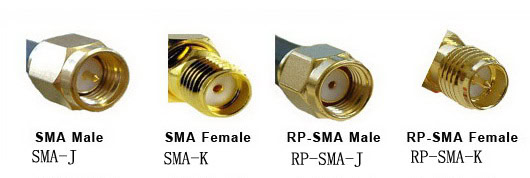
4. Connector Type: LoRa antennas typically come with different connector types, such as SMA or RP-SMA. Ensure that the connector on the antenna matches the connector on your LoRa device or gateway.
5. Environmental Factors: Consider the environmental conditions in which the antenna will be used. If it will be exposed to harsh weather conditions or extreme temperatures, choose an antenna that is designed to withstand those conditions.
6. Regulations: Check the regulations in your country or region regarding the use of antennas. Some frequency bands or antenna types may be restricted or require a license.
It is always recommended to consult the LoRa device or gateway manufacturer’s documentation and guidelines for antenna selection and installation to ensure optimal performance.
Can LoRa go through walls?
Yes, LoRa (Long Range) technology is capable of penetrating walls and other obstacles. It operates in the sub-GHz frequency range (433 MHz, 868 MHz, or 915 MHz), which allows it to have good signal propagation characteristics, including the ability to penetrate walls and buildings. However, the signal strength and range may be reduced when passing through obstacles, depending on the thickness and material of the walls.
What is the longest LoRa range?
The longest LoRa range achieved in a real-world deployment is around 702 kilometers (436 miles). This record was set by a team from Semtech and Digimondo in Germany, who used LoRaWAN technology to establish a communication link between a ground station in Germany and a weather balloon floating at an altitude of 38.7 kilometers (24 miles).
Tools and Resources for Accelerating LoRa Solution Development
Developing a robust LoRa-based IoT solution doesn’t have to be a daunting process. Plenty of resources, platforms, and ready-made tools are available to help speed up product development and shorten your path from prototype to market launch. Whether you’re building a basic environmental sensor or a full-scale asset tracking system, here’s what can help simplify your workflow:
Software Development Kits (SDKs): cURL Too many subrequests.
cURL Too many subrequests. cURL Too many subrequests.
cURL Too many subrequests. cURL Too many subrequests.
cURL Too many subrequests. cURL Too many subrequests.
cURL Too many subrequests. cURL Too many subrequests.
cURL Too many subrequests. cURL Too many subrequests.
cURL Too many subrequests.
cURL Too many subrequests.
cURL Too many subrequests.
 German (Switzerland)
  English
  Spanish
  German
  French (France)
  Korean
  Russian
  Indonesian
  French (Canada)
  Vietnamese
  Armenian
  Albanian
  Assamese
  Acehnese
  Amharic
  Czech
Czech  Bulgarian
  Cebuano
  Malayalam
  Japanese
  Dutch
Dutch