 Skip to content
MIMO Antennas vs SISO Antennas
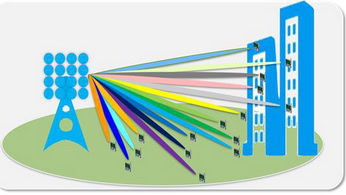
Both MIMO antennas and SISO antennas have their own advantages and disadvantages. MIMO antennas provide improved signal quality, increased data throughput, and better coverage in indoor environments. However, they are more complex and expensive compared to SISO antennas, and they are more susceptible to interference. On the other hand, SISO antennas are simpler and less expensive, but they have lower data throughput and reduced coverage in indoor environments.
Sub-6 GHz Antennas vs mmWave Antennas
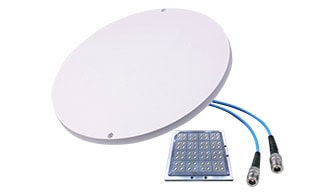
In conclusion, both Sub-6 GHz and mmWave antennas are essential for the future of wireless communication. Each has its own strengths and weaknesses, so it is important to utilize both depending on the specific requirements. As technology advances and new innovations emerge, the potential of both frequency ranges will continue to expand, driving the capabilities of global communication networks forward.
4G Antennas vs 5G Antennas
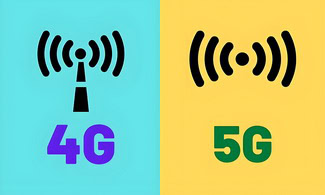
4G antennas are designed to provide wide coverage by utilizing frequencies from 700MHz to 2700MHz. On the other hand, 5G antennas are capable of operating on both sub-6 GHz frequencies as well as millimeter-wave bands. This enables 5G antennas to deliver faster speeds and lower latency. As a result, 5G technology is transforming mobile connectivity through the application of advanced techniques such as beamforming.
Linear RFID Antenna vs Circular RFID Antenna

Both linear and circular RFID antennas have their uses in a wide range of RFID applications. The choice between them should be based on understanding their different properties and how these relate to the specific requirements of the application. By carefully considering factors such as tag orientation, read range, and environmental complexity, system designers and end-users can make the most of the strengths of each antenna type to optimize their RFID solutions.
Omni Antenna vs Sector Antenna

In conclusion, the decision between omni and sector antennas should be based on the specific needs of the deployment scenario. Omni antennas are great for general coverage and easy setup, making them ideal for small-scale, non-directional networks. Sector antennas provide better performance and precision, making them the choice for larger, more structured deployments where control over the network’s reach and quality is critical.
What Is A Counter-drone Antenna?Comprehensive Guide
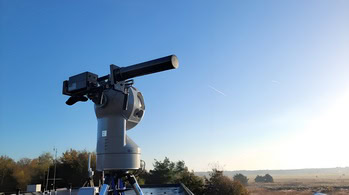
A counter-drone antenna is a specialized device designed to detect and neutralize unauthorized drone activity. These antennas can operate within a frequency range of 400 MHz to 6000 MHz and come in omni-directional and directional types. They are crucial for enhancing security in fixed-site and mobile applications by identifying and mitigating potential threats from drones. The effectiveness of these antennas varies based on their power levels and the specific type employed.
 English
  Spanish
  German
  French (France)
  Korean
  Russian
  Indonesian
  French (Canada)
  Vietnamese
  Armenian
  Albanian
  Assamese
  Acehnese
  Amharic
  Czech
Czech  Bulgarian
  Cebuano
  Malayalam
  German (Switzerland)
  Japanese
  Dutch
Dutch