 Skip to content
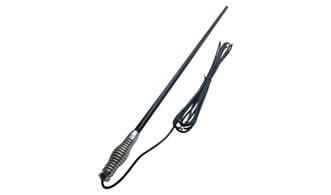
Bullbar antennas are specialized devices mounted on the bullbars of vehicles, particularly off-road vehicles (ORVs), to enhance communication and navigation capabilities. These antennas are crucial for maintaining connectivity in remote areas where standard communication signals are weak or nonexistent.
A bullbar antenna is a robust and highly effective communication tool designed to be mounted on the front protective bar (bullbar) of vehicles. It primarily helps in transmitting and receiving radio frequencies, ensuring that vehicle occupants can stay connected even in off-the-grid locations.
Transitioning from the basics to more detailed insights, let’s explore the specific aspects and benefits of bullbar antennas through the following queries:
What is a Bullbar Antenna Used For?
Bullbar antennas are used for a variety of purposes including emergency communications, navigation aids, and general vehicle-to-vehicle or vehicle-to-base communications. Their robust mounting on bullbars allows them to withstand environmental stresses better than standard antennas.
Additionally, bullbar antennas are commonly used by off-road enthusiasts and truckers who need reliable communication while traveling in remote areas. They are also popular among emergency services such as police, fire, and ambulance departments, as well as search and rescue teams, who require clear and uninterrupted communication during critical operations.
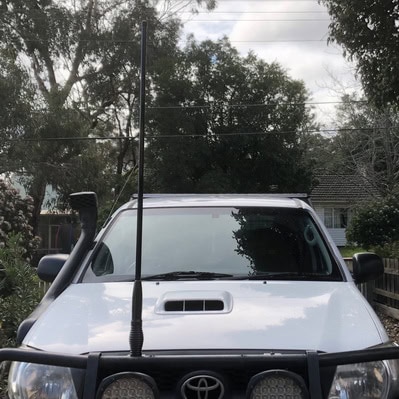
In summary, a bullbar antenna is used for reliable communication in various situations, particularly in off-road and remote areas, as well as by emergency services.
How does a bullbar antenna work?
A bullbar antenna, also known as a bumper antenna, is a type of vehicle antenna that is mounted on the front bumper or bullbar of a vehicle. It is commonly used in off-road vehicles, trucks, and emergency service vehicles.
The bullbar antenna works by utilizing the metal structure of the bullbar or bumper as a ground plane for the antenna. The ground plane helps to improve the efficiency and performance of the antenna by providing a larger surface area for the antenna to radiate and receive signals.
The antenna itself is usually a whip or rod antenna that is mounted on a base attached to the bullbar or bumper. The base is connected to the vehicle’s radio or communication system through a coaxial cable. This cable carries the signal between the antenna and the radio, allowing for the transmission and reception of signals.
When a signal is transmitted or received, the bullbar antenna converts the electrical signal into electromagnetic waves that radiate into the surrounding space. Similarly, when electromagnetic waves from other sources, such as radio or TV stations, come into contact with the antenna, they induce an electrical signal that is sent to the radio for processing.
Overall, the bullbar antenna works by utilizing the metal structure of the bullbar or bumper as a ground plane to improve the efficiency and performance of the antenna, allowing for better signal transmission and reception.
What’s Another Name for the Bullbar Antenna?
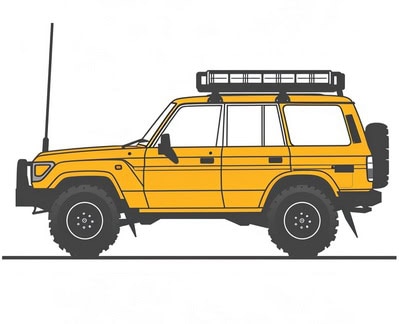
Commonly referred to as “bull bar antenna” or “bullbar-mounted antennas” or “off-road antennas,” these devices are known for their durability and functionality in rugged environments.
What are the Benefits of a Bullbar Antenna?
The key benefits of installing a bullbar antenna include:
- Improved Reception: Bullbar antennas are mounted at a higher position on the vehicle, allowing them to receive signals more effectively and provide better reception.
- Extended Range: With a higher position and better reception, bullbar antennas can extend the range of communication systems, allowing for communication over longer distances.
- Reduced Interference: By elevating the antenna away from the vehicle, bullbar antennas can reduce interference from the vehicle’s electronics and metal components, resulting in clearer and more reliable communication.
- Protection: Bullbar antennas can help protect the antenna from damage caused by low-hanging branches, rocks, or other obstacles encountered during off-road driving.
- Aesthetics: Bullbar antennas can enhance the appearance of the vehicle and give it a more rugged and adventurous look.
Bullbar Antenna Frequency
Bullbar antennas typically operate on a wide range of frequencies, but most are tuned for VHF (Very High Frequency) ,UHF (Ultra High Frequency) and 2G/3G/4G cellular networks. These frequencies are ideal for off-road communication, providing a balance between range and clarity even in wooded or hilly areas.

Some bullbar antennas may also be tuned for specific frequencies used by emergency services or other government agencies. It is important to check the specifications of the bullbar antenna you are interested in to ensure it operates on the frequency you need.
Bullbar Antenna Types
There are several types of bullbar antennas commonly used for communication purposes. Some of the most popular types include:
1. Whip Antenna: This is the most common type of bullbar antenna. It consists of a long, flexible metal rod that extends vertically from the bullbar. Whip antennas are typically made of stainless steel and can be adjusted in length to optimize signal reception.
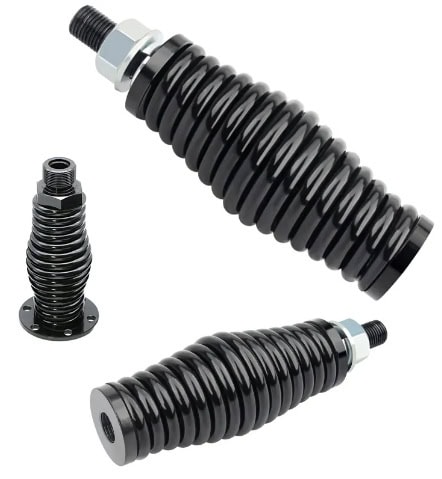
2. Spring Antenna: A spring antenna is similar to a whip antenna but has a spring at the base. This spring allows the antenna to flex and bend when it comes into contact with obstacles, such as low-hanging branches or other vehicles. This flexibility helps to prevent damage to the antenna and bullbar.
3. Multi-band Antenna: A multi-band antenna is designed to operate on three different frequency bands. This allows the antenna to receive signals from multiple sources, such as two-way radios or cellular networks(3G/4G). Multi-band antennas are commonly used by emergency services and other professional users who need to communicate on multiple frequencies.
4. Omni Fiberglass Antennas: These antennas are designed for 360-degree coverage and are commonly used in vehicles that require communication in all directions. They offer excellent performance, increased range, and durability due to the fiberglass material used for the protection radome of the antenna.
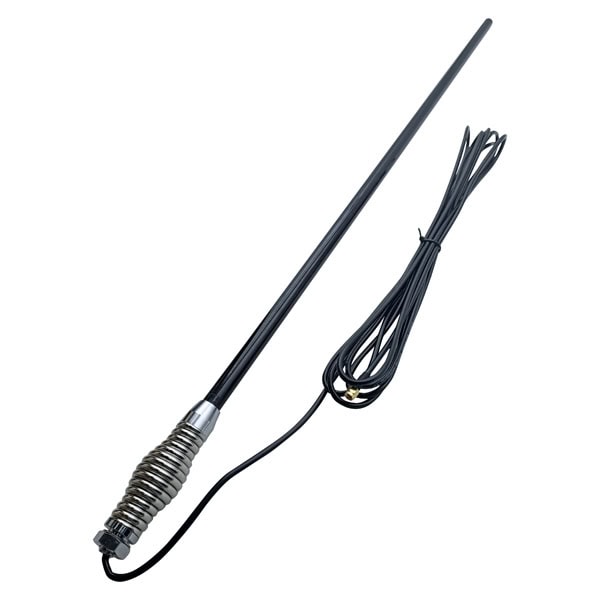
Overall, the type of bullbar antenna you choose will depend on your specific needs and requirements. It is important to consider factors such as signal strength, durability, flexibility, and ease of use when selecting an antenna for your vehicle.
Features of a Bull Bar Folding Antenna Mount
When it comes to mounting your antenna on the bullbar, a folding antenna mount offers both practicality and versatility. Here’s what you can typically expect from a quality folding antenna mount:
- Robust Construction: Most folding mounts are crafted from durable stainless steel, ensuring longevity and resistance to harsh outdoor conditions.
- Flexible Mounting Options: These mounts are designed to fit a variety of bullbar antenna models, often featuring both bottom (usually around 12 mm) and top (approximately 13 mm) mounting hardware for a secure fit.
- User-Friendly Design: The folding mechanism allows for easy adjustment—simply fold the antenna down when entering low-clearance areas like garages or underpasses, and reposition it upright for optimal use.
- Sleek Finish: These mounts are commonly available in a neutral black color to seamlessly blend with the vehicle’s exterior and offer a refined, professional appearance.
- Broad Compatibility: Designed to accommodate multiple antenna types—including whip, spring, and multi-band antennas from popular manufacturers such as Sanny Telecom and others—ensuring you’ll have plenty of options for your specific needs.
A well-chosen folding antenna mount not only simplifies installation and use but also helps protect your antenna investment during off-road adventures.
Choosing the Right CB Antenna for Your Bullbar Mount
If you’re considering fitting a Firestik antenna to your bullbar mount, you’ll be pleased to know that most Firestik-style antennas are compatible with standard bullbar mounts, as long as the mounts aren’t stacked directly on top of one another. This ensures a secure fit and clear signal transmission.
For those who want alternatives to Firestik, several fiberglass CB antennas on the market offer similar performance and build quality. Look for antennas with standard 3/8″-24 thread mounts, as these will typically work seamlessly with most bullbar antenna brackets. Options from reputable third-party brands are widely available and deliver reliable performance in off-road environments. Be sure to verify compatibility with your specific mount before purchasing to ensure optimal installation and reception.
Do You Really Need a Bullbar Antenna for the ORV (Off-Road Vehicle)?
For avid off-roaders, a bullbar antenna is not just an accessory but a necessity. It ensures that you remain connected for safety, coordination, and enhanced navigation, especially in areas where standard vehicle antennas fail to perform effectively.
However, whether you really need a bullbar antenna for your off-road vehicle depends on your specific needs and circumstances. Here are some factors to consider:
1. Communication Range: If you often venture into remote areas with limited or no cell phone reception, a bullbar antenna can significantly improve your communication range. It allows you to connect to long-range radio systems, such as Citizens Band (CB) or Ham radios, to communicate with other off-roaders or emergency services.
2. Group Off-Roading: If you frequently go off-roading with a group of friends or participate in organized off-road events, a bullbar antenna can help you stay in contact with others. It allows you to communicate about trail conditions, directions, or potential hazards, enhancing safety and coordination.
3. Emergency Situations: In case of an emergency, a bullbar antenna can be a lifesaver. It enables you to call for help or seek assistance from other off-roaders nearby who may be monitoring the same radio frequencies.
4. Legal Requirements: In some countries or regions, using a bullbar antenna or having a radio system installed in your ORV may be a legal requirement. Make sure to check the local regulations to ensure compliance.
5. Aesthetic Appeal: Some off-roaders install bullbar antennas purely for their rugged and adventurous look. If you enjoy the appearance of a bullbar antenna on your ORV, it can be a valid reason to have one.
Ultimately, the decision to install a bullbar antenna for your ORV depends on your specific needs, the areas you frequent, and the type of off-roading you engage in. Consider the benefits and drawbacks mentioned above to determine if it is the right accessory for you.
How to Mount a Bullbar Antenna on My ORV?
Mounting a bullbar antenna involves several steps:
Mounting a bullbar antenna on your Off-Road Vehicle (ORV) can enhance your communication capabilities while off-roading. Here’s a step-by-step guide to help you mount a bullbar antenna on your ORV:
- Choose the right antenna: Select an antenna suitable for off-road conditions. Bullbar antennas are designed to withstand rugged terrains and provide better reception.
- Find a mounting location: Identify the best spot on your bullbar to mount the antenna. It should be easily accessible and clear from obstructions, such as lights or winches.
- Measure and mark: Use a measuring tape to determine the ideal height for the antenna. Mark this spot on the bullbar using a marker or a piece of tape.
- Drill a hole: Use a drill and an appropriately sized drill bit to create a hole at the marked spot on the bullbar. Ensure that the hole is large enough to accommodate the antenna mount.
- Install the antenna mount: Attach the antenna mount to the bullbar using the provided hardware. Make sure it is securely fastened and aligned properly.
- Connect the antenna: Follow the manufacturer’s instructions to connect the antenna to the mount. This usually involves screwing the antenna on the mount or using a locking mechanism.
- Secure the antenna cable: Use zip ties or clips to secure the antenna cable along the bullbar and prevent it from dangling or getting caught on obstacles.
- Route the cable: Carefully route the antenna cable to your ORV’s interior. Look for existing cable routing channels or create a new one if necessary. Avoid sharp edges or hot surfaces that could damage the cable.
- Connect to the radio: Once inside the ORV, connect the antenna cable to your radio or CB unit or signal booster. Follow the instructions for proper connection.
- Test the antenna: Turn on your radio or devices and test the antenna’s reception. Make sure it is functioning correctly and adjust the antenna if necessary for optimal performance.
Remember to check your local laws and regulations regarding the use and mounting of antennas on ORVs.
Recommended Accessories and Compatible Products
If you’re looking to get the most out of your new bullbar antenna mount, there are several compatible accessories and related products worth considering:
- Heavy-Duty Antennas: Many bullbar antenna mounts work well with a wide range of third-party antennas, including popular fiberglass antennas with a robust design similar to the classic Firestik models. These can boost signal strength and ensure long-lasting performance in rugged conditions.
- Antenna Extensions and Adapters: Depending on your vehicle setup, antenna extension cables or mounting adapters can help you achieve the perfect installation without straining your wiring or compromising signal quality.
- Antenna Spring Bases: If you regularly tackle trails with low-hanging branches or uneven terrain, adding a spring base to your antenna setup can help prevent damage by allowing some flexible movement.
- Cable Management Solutions: Simple accessories like cable clips, zip ties, or protective sleeves keep your antenna wiring neatly routed and protected from wear and tear.
- Signal Boosters: For even greater range, consider pairing your antenna with an in-line signal booster or amplifier compatible with your communication device.
- Mounting Hardware: Most universal mounting hardware will fit the majority of ORV bullbars, but you can also find specialized mounts for vehicles with unique configurations.
Make sure any accessories or replacement antennas you choose are designed for your specific mount type and operating frequencies. This ensures you get reliable performance—whether you’re off-roading deep in the outback or cruising local trails.
Antenna Compatibility Considerations
Before you purchase a folding antenna mount, it’s essential to verify that it works with the antenna models you plan to use. Many popular mounts are designed to interface seamlessly with a wide range of antennas from third-party brands, including—but not limited to—those intended for off-road, CB, and mobile Ham radio setups.
Always double-check the specifications for both the mount and your antennas, looking for compatible thread sizes and mounting styles. If you already have antennas from brands like Uniden, Tram, Firestik, or Wilson, most quality mounts will list which specific models they support either in their product literature or directly on the packaging.
If you’re unsure, consider reaching out to the manufacturer or your local ORV outfitter, as they’re often familiar with compatibility questions and can provide quick guidance based on your setup and requirements.
Mounting Options and Measurements for Your Antenna Mount
When selecting a bullbar antenna mount for your off-road vehicle, it’s important to consider the mounting choices and the key measurements to ensure a secure and compatible fit. Here’s what you need to know:
- Mounting Styles: Many bullbar antenna mounts feature a durable, stainless-steel folding design, making it easy to adjust or fold down the antenna when not in use or when navigating tight spaces.
- Stud and Top Mount Sizes: You’ll typically find a 12 mm stud at the base for bottom mounting, along with a 13 mm threaded top mount. These dimensions allow for compatibility with a wide range of antennas, including options from leading global brands like Uniden, GME, and Oricom.
- Universal Compatibility: Most mounts come in a neutral black finish and are designed to fit various aftermarket antennas commonly used by off-roaders. Always check that your chosen antenna matches the mount’s stud and top mount measurements for a seamless installation.
Having these specifications on hand ensures you get a secure fit and dependable performance from your antenna system, no matter where your adventures take you.
In summary, adding a bullbar antenna to your vehicle is a smart move whether you’re a weekend warrior or a hardcore off-roader. It will greatly improve your communication abilities, keeping you safe and connected no matter where you roam.
Frequently Bought Together: Recommended Accessories
When outfitting your ORV with a folding antenna mount, many off-roaders also pick up a few trusty companions to complete their setup:
- Heavy-Duty Antenna System: For a robust and clear signal on the trails, a high-gain heavy-duty bullbar antenna system—think along the lines of offerings from reputable brands like Uniden, Rugged Radios, or GME—pairs perfectly with your folding mount. These systems are designed for tough environments and deliver excellent range.
- 50-Watt Two-Way GMRS Radio: Stay connected no matter how rugged the terrain. Many drivers opt for a powerful 50-watt GMRS (General Mobile Radio Service) unit from reliable manufacturers such as Midland, Wouxun, or Icom. These radios help you keep in touch with your crew, whether you’re exploring back roads or rallying across open country.
Bundling these components not only ensures compatibility but also maximizes your communication capabilities when out adventuring. By combining a reliable folding antenna mount, a durable high-gain antenna, and a robust two-way radio, your ORV communication setup will be ready for anything mother nature throws your way.
 English
  Spanish
  German
  French (France)
  Korean
  Russian
  Indonesian
  French (Canada)
  Vietnamese
  Armenian
  Albanian
  Assamese
  Acehnese
  Amharic
  Czech
Czech  Bulgarian
  Cebuano
  Malayalam
  German (Switzerland)
  Japanese
  Dutch
Dutch