 Skip to content
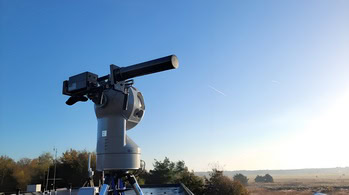
With technology advancing at a fast pace, the use of drones has completely changed many industries, giving new opportunities for progress and effectiveness. However, along with the advantages, the popularity of drones has also brought new problems, especially in terms of safety. As more people use drones, there is a growing need for strong measures to reduce the risk of unauthorized drone use. At the front of this technological defense are counter-drone antennas, specialized devices that can find, track, and stop drones in both fixed and moving situations.
A counter-drone antenna is a specialized device designed to detect and neutralize unauthorized drone activity. These antennas can operate within a frequency range of 400 MHz to 6000 MHz and come in omni-directional and directional types. They are crucial for enhancing security in fixed-site and mobile applications by identifying and mitigating potential threats from drones. The effectiveness of these antennas varies based on their power levels and the specific type employed.
With their foundational importance established, let’s delve deeper into the intricacies of counter-drone antennas, exploring how they work, their historical evolution, and their pivotal role in the future of drone defense.
What is counter-drone technology?
Counter-drone technology refers to the measures and systems designed to detect, track, and mitigate the threats posed by unmanned aerial vehicles (UAVs) or drones. It involves a range of technologies and techniques aimed at countering unauthorized or malicious drone activities.
These technologies can include radar systems, radio frequency (RF) scanners, acoustic sensors, electro-optical/infrared (EO/IR) cameras, and software algorithms that analyze data to identify and respond to potential drone threats. Counter-drone technology is used in various sectors, including military and defense, law enforcement, critical infrastructure protection, and public safety. Its primary purpose is to prevent unauthorized drones from entering restricted airspace, protect sensitive areas, and mitigate potential risks associated with drones, such as surveillance, smuggling, or attacks.
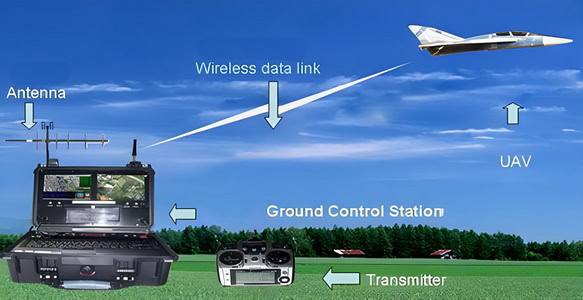
Key Technologies in Counter-Drone Systems
- Radar Systems: Detect and track drones by bouncing radio waves off objects in the sky, identifying movement that may signal the presence of a UAV.
- Radio Frequency (RF) Scanners: Monitor radio frequencies commonly used by drone controllers, helping to detect and sometimes even identify specific drone models.
- Acoustic Sensors (Microphones): These use one or more microphones to pick up the unique sounds generated by drone propellers and motors. By deploying multiple microphone arrays, it’s possible to estimate the direction and even triangulate the position of a drone—especially useful for detecting drones operating autonomously or in areas where RF emissions aren’t present. Acoustic sensors are highly mobile and passive, making them quick to deploy and suitable for filling detection gaps in areas with heavy ground clutter or obstructed lines of sight. However, their range is limited (typically up to 300–500 meters), and their performance can be compromised in noisy environments.
- Electro-Optical/Infrared (EO/IR) Cameras: Capture visual and thermal images to aid in the identification and tracking of drones, even in low-light or challenging weather conditions.
- Software Algorithms: Advanced processing tools that analyze incoming data from all sensor types, improving the accuracy of drone detection and helping operators respond effectively.
By integrating these technologies, counter-drone systems can provide layered protection against a wide variety of drone threats, adapting to different environments and operational needs.
How does radar technology detect and track drones, and what are its advantages and disadvantages?
Radar technology plays a key role in counter-drone systems by using radio waves to locate and follow aerial objects. The process begins when the radar emits radio signals and then waits for these signals to bounce back after striking an object, such as a drone. By analyzing the time delay and the strength of the returning signal, the radar determines both the direction and distance of the object in question.
While traditional radar systems are typically optimized for tracking larger objects—think commercial airplanes or helicopters—modern counter-drone radar has evolved to detect much smaller targets. These specialized radars are sensitive enough to pick up drones, which are often significantly smaller and harder to spot than conventional aircraft.
Advantages of Radar for Drone Detection:
- Extended range and real-time tracking: Radar can monitor large areas and keep continuous tabs on moving targets, even across several kilometers.
- High target capacity: Advanced radar can track dozens or even hundreds of targets at once, proving invaluable in crowded airspace.
- All-condition operation: Unlike visual systems, radar works effectively regardless of lighting (day or night), weather (rain, fog, snow), or if drones are flying autonomously without remote control links.
Disadvantages to Consider:
- Limited discrimination: Some radar systems may struggle to differentiate between drones and other small airborne objects, like birds, leading to potential false alarms.
- Variable detection range: The ability to detect a drone depends on its size; very small drones might only be visible at shorter distances.
- Regulatory requirements: Using radar may require a transmission license, and operators need to manage frequency use to avoid interference with other electronic systems.
Overall, radar remains a cornerstone in the arsenal of counter-drone solutions, complementing other sensors to provide robust, round-the-clock protection against unauthorized aerial incursions.
The Role of Optical Sensors (Cameras) in Drone Detection
Optical sensors, commonly known as cameras, are widely used in counter-drone systems to visually detect and monitor drones. These sensors work by capturing images and video in the visible spectrum, as well as in infrared or thermal wavelengths, making them effective for both daytime and nighttime operation. By pairing advanced optics with artificial intelligence, modern systems can automatically identify, track, and even classify suspicious aerial objects in real time.
Advantages of Optical Sensors
- Visual Confirmation: Optical sensors can provide clear visual evidence of a drone’s presence, including details about its size, type, and even payload. This information is invaluable not only for immediate response but also for post-incident investigation and legal proceedings.
- Versatile Surveillance: Many modern optical systems are integrated with pan-tilt-zoom capabilities and can be used in conjunction with other sensors (like radar or RF scanners) for more precise identification, especially in complex environments.
Limitations to Consider
- Performance in Challenging Conditions: Optical sensors can struggle in poor visibility—for instance, during fog, heavy rain, or complete darkness (unless thermal imaging is used). Their effectiveness can also be reduced by physical obstructions or camouflage.
- False Alarms: Relying solely on optical detection can lead to high false alarm rates, as birds, balloons, or other objects may be mistaken for drones. For this reason, optical sensors are most effective when used alongside other detection technologies.
In summary, while optical sensors play a critical supporting role in confirming and documenting drone activity, they are typically part of a layered approach to counter-drone defense, working in concert with radar, RF detectors, and other systems for more reliable and comprehensive protection.
What is a counter-drone system?
A counter-drone system, also known as a counter-unmanned aerial system (C-UAS), is a technology designed to detect, track, and neutralize or mitigate the threat posed by unmanned aerial vehicles (UAVs) or drones. These systems are used to protect sensitive areas, such as airports, military bases, government buildings, stadiums, and public events, from potential threats or attacks by malicious drones.
Counter-drone systems typically employ a combination of sensors, radar, radio frequency (RF) scanners, cameras, and other technologies to detect and identify drones in the vicinity. Once a drone is detected, the system can deploy various countermeasures, such as jamming the drone’s control signals, taking control of the drone remotely, or even physically disabling or capturing the drone.
While the specific mix of technologies used can vary depending on the threat environment and operational needs, most effective counter-drone solutions integrate several of these tools into a unified system. This integration generally involves a central command and control (C2) platform that collects, processes, and displays data from all connected sensors, providing actionable information to operators in real-time. The software behind these C2 systems is critical—it needs to be scalable, intuitive, and capable of working with a wide range of sensor types (often referred to as “sensor-agnostic”).
Modern C2 solutions often incorporate advanced features such as data fusion, workflow management, and decision support, allowing operators to quickly assess threats and coordinate an effective response. Industry standards are emerging to streamline the integration of diverse hardware and software, making it easier to deploy modular, flexible counter-drone systems that can evolve alongside new drone threats.
Ultimately, the complexity and capability of a counter-drone system will depend on factors such as the types of sensors and effectors used, the nature of the threat, and the available budget. Whether defending a critical infrastructure site or a large public event, the goal remains the same: to maintain situational awareness and keep airspace secure from unauthorized drones.
What are the different types of drone countermeasures available?
Counter-drone systems use a wide arsenal of tools to help organizations neutralize or mitigate threats from unauthorized drones. These countermeasures fall into both non-kinetic and kinetic categories and are selected based on the specific operational environment, rules of engagement, and potential risks.
1. Radio Frequency (RF) Jammers
RF jammers are devices that emit a strong RF signal to interfere with the communication link between a drone and its operator. When the control link is compromised, drones may either land on the spot, attempt to return to their pre-set ‘home’ location, or in some cases, become disoriented and crash or fly away erratically.
- Strengths: Effective at medium range, can be deployed rapidly, and offers a non-destructive option for disabling drones.
- Limitations: Limited effective distance, potential to disrupt other essential communications nearby, and can result in unpredictable drone behavior.
2. GPS Spoofing
GPS spoofers transmit false satellite signals to deceive a drone’s navigation system, making it believe it is elsewhere. This allows operators to mislead the drone, sometimes steering it harmlessly away or down to a controlled location.
- Strengths: Provides control without physically damaging the drone; can redirect potential threats safely.
- Limitations: Short range, possibility of affecting other nearby GPS-dependent systems, and may not be effective against all drone models.
3. High Power Microwave (HPM) Devices
HPM devices release electromagnetic pulses that can disable or destroy drones’ onboard electronics. These pulses disrupt or damage the drone’s circuitry, immediately terminating the threat.
- Strengths: Capable of neutralizing multiple drones within a defined area; non-kinetic and does not rely on projectiles.
- Limitations: High cost, risk of collateral damage to other electronics in the zone, and safety concerns regarding uncontrolled drone descent.
4. Nets and Capture Systems
Nets can be deployed in a variety of ways: handheld launchers, turret-mounted cannons, or delivered via another drone. By entangling the drone, these approaches prevent its rotors from spinning, bringing it down. Some systems use parachutes for a gentle descent to preserve the drone for forensic analysis.
- Strengths: Physical capture allows for post-event investigations; risk of collateral damage is relatively low with controlled deployments.
- Limitations: Effective range can be limited; drone-based interceptors may find it difficult to capture fast or evasive drones.
5. High-Energy Lasers
High-energy lasers target drones by delivering focused beams that can either disable sensors or burn through structural components. This technology offers long-range precision for quickly neutralizing threats.
- Strengths: Unlimited “ammunition” in terms of shots, precise, and effective against small or swarm drones.
- Limitations: Large and complex systems, potential risk of collateral damage, and safety concerns regarding unintended targets.
6. Cyber Takeover Systems
Cyber-based countermeasures work by intercepting the drone’s communications, identifying it, and—when possible—hacking the control system to force the aircraft to land or fly to a safe location. These systems can also capture important data for later investigation.
- Strengths: Highly targeted, with minimal risk to other nearby technology and personnel; valuable for evidence collection.
- Limitations: Most effective against commercially available drones; emerging technology may face limitations with custom-built or advanced models.
Each type of countermeasure comes with its own operational strengths and drawbacks, and often, a layered approach that combines several technologies offers the most robust protection against unauthorized drones.
How do cyber takeover systems work to assume control of hostile drones, and what are their limitations?
Cyber takeover systems represent a cutting-edge approach in the evolving field of counter-drone technology. Unlike traditional countermeasures that simply disrupt a drone’s signal or disable it physically, cyber takeover solutions use sophisticated passive detection methods to intercept and analyze the radio frequency (RF) traffic between a drone and its operator. Powered by artificial intelligence, these tools can identify crucial details—such as a drone’s serial number and even the operator’s location—by scanning and decoding RF communications.
If the system determines that the detected drone poses a potential threat, operators have the capability to intervene. By transmitting carefully crafted signals, they can override the original control link, effectively taking command of the drone and rerouting it to a predetermined safe zone. This method allows for precise neutralization with minimal risk of collateral damage to nearby equipment, facilities, or people. Moreover, these systems automatically log incident data, which is invaluable for post-event analysis and forensic investigation.
However, while the promise of cyber takeover technology is considerable, there are some important caveats. Since this technology is still relatively new, it isn’t as thoroughly tested in the field as some traditional counter-drone methods. Its effectiveness depends heavily on maintaining an updated database of known, commercially available drones; as a result, it may struggle to respond to custom-built or military-grade UAVs that fall outside these libraries. Consequently, while cyber takeover offers a targeted and effective response to many commercial drone threats, it does not provide a universal solution for every possible incursion.
What are high-energy lasers and how are they used to destroy drones?
High-energy lasers (HELs) are advanced optical systems that generate a concentrated beam of light, capable of disabling or completely destroying drones by heating and damaging critical components. Unlike traditional defenses, which rely on physical projectiles or nets, high-energy lasers neutralize threats from a distance using precision targeting—essentially “burning through” a drone’s body or electronics within seconds.
Advantages of High-Energy Lasers:
- Offer a rapid, highly accurate, and cost-effective solution for neutralizing drone threats at long range.
- Eliminate the need for ammunition resupply, making them particularly appealing for continuous protection of large or high-risk areas.
- Their operation is virtually silent and leaves little physical debris behind.
Challenges and Considerations:
- The technology is still largely in the experimental or early operational stage, with most systems requiring substantial power and space—making them better suited to fixed installations than portable setups.
- There is a risk of collateral damage; for example, errant beams can pose hazards to bystanders on the ground or to other aircraft in the line of fire, including the risk to human eyesight.
Leading defense contractors such as Lockheed Martin and Raytheon are actively developing and fielding high-energy laser systems for use in counter-drone operations. These advancements continue to evolve, moving us closer to more reliable, scalable, and practical directed-energy defenses.
How do high power microwave (HPM) devices disable drones and what are the potential consequences?
High Power Microwave (HPM) devices are a sophisticated addition to the arsenal of counter-drone technologies. These systems generate bursts of electromagnetic energy—commonly known as an Electromagnetic Pulse (EMP)—designed to disrupt the vital electronics of a drone.
When an HPM device is deployed, the focused pulse targets the drone’s electronic components. This sudden surge of energy overwhelms circuits, causing immediate malfunctions, loss of communication, or total system failure. In essence, the drone’s “brain” and “nervous system” are overloaded, rendering it unable to operate as intended.
HPM devices often employ specialized antennas to direct the energy towards a specific threat, helping minimize the risk to unintended targets. However, this high-tech approach comes with some notable considerations:
- Effectiveness: HPM devices can neutralize drones quickly and without physical projectiles, reducing the chance of collateral debris or hazardous materials.
- Potential Risks: The powerful electromagnetic fields don’t distinguish between drones and other electronics. As a result, other nearby devices—such as communications equipment, cameras, or medical devices—may also be affected.
- Safety Concerns: In many cases, disabling a drone with a sudden EMP may cause it to lose power abruptly and fall uncontrolled. This could pose risks to people or property on the ground, particularly in populated areas.
- Cost and Complexity: HPM systems are typically more expensive than other counter-drone options and require careful calibration to avoid unwanted side effects.
Companies like Diehl Defence are leading providers of HPM-based solutions, continuously refining the technology to balance efficacy with safety.
Understanding how these devices operate—and their broader consequences—helps security professionals weigh their use as part of a multi-layered approach to drone defense.
What does a counter-drone system consist of?
A counter-drone system typically consists of the following components:
1. Sensors: These include radar, electro-optical/infrared (EO/IR) cameras, radio frequency (RF) detectors, and acoustic sensors. These sensors detect and track drones in the airspace.
2. Command and Control (C2) System: This is the central control unit that integrates and manages the data from the sensors. It provides real-time situational awareness and enables operators to make decisions and take appropriate actions.
3. Identification and Tracking: A counter-drone system uses advanced algorithms and software to identify and track the drone’s location, speed, altitude, and flight path.
4. Mitigation Technology: Once the drone is identified and tracked, the counter-drone system employs various mitigation technologies to neutralize the threat. This can include jamming the drone’s communication signals, taking control of the drone’s navigation system, or using directed energy weapons to disable or destroy the drone.
5. Alert and Response Mechanism: The system provides alerts to the operators when a drone is detected, enabling them to respond quickly and effectively. This can include activating alarms, notifying security personnel, or initiating emergency response protocols.
6. Data Storage and Analysis: The system also records and stores data related to drone activities for analysis and investigation purposes. This data can be used to understand patterns, identify potential threats, and improve the system’s performance.
It is important to note that the specific components and capabilities of a counter-drone system may vary depending on the manufacturer and the intended application.
What factors influence the choice of a counter-drone solution for a specific use case?
Selecting the right counter-drone solution is not a one-size-fits-all process—it requires careful consideration of several key factors to ensure effective protection.
1. Nature of the Threat:
The specific type and sophistication of the drone threat play a major role in shaping your solution. Are you primarily concerned about hobbyist drones, commercial UAVs, or more advanced, customized systems? The diversity and complexity of potential threats determine the level of detection, identification, and mitigation capabilities needed.
2. Operational Environment:
The environment where the system will be deployed matters immensely. For example, busy urban locations with high RF noise may require different sensor combinations compared to open, rural settings. Environments like airports, stadiums, or power plants present unique challenges in terms of terrain, airspace congestion, and background clutter, all of which influence sensor choice and placement.
3. Integration and Scalability:
A robust command and control (C2) platform is essential, as it brings together data from multiple sensors—such as radar, RF detectors, and EO/IR cameras—into a unified operational picture. Factor in the system’s ability to scale up with future needs and integrate easily with existing security infrastructure. Look for solutions that offer sensor-agnostic platforms and intuitive interfaces, so operators can quickly interpret and respond to threats.
4. Response Requirements:
How you intend to respond to detected drones—whether by jamming, physical interception, or signal takeover—will influence the type of mitigation technology you select. Some scenarios may call for non-kinetic electronic countermeasures, while others might require physical capture or disabling methods.
5. Budget and Compliance:
Consider both your budget and any legal or regulatory restrictions in your operating jurisdiction. The complexity and number of integrated technologies, level of automation, and requisite support services all impact system costs. Additionally, local and national regulations may affect which countermeasures are permissible.
6. User Experience and Support:
Finally, an effective counter-drone solution should be user-friendly and come with solid technical support and training options. Decision-support features like data fusion, workflow management, and operator alerts help streamline the system’s operation and response times.
Ultimately, your use case will determine the right blend of technologies, system capabilities, and support features—making it essential to align your solution with both your immediate needs and your long-term security goals.
Key Considerations for Command and Control (C2) Software Integration
When selecting and integrating command and control (C2) software for a counter-drone system, several factors should be taken into account to ensure the solution meets operational needs and delivers optimal performance.
First and foremost, the C2 software must be capable of seamlessly collecting, processing, and displaying data from the multiple types of sensors and technologies found within the system—such as radar, RF detectors, and cameras. Ease of use is also crucial. Operators need an intuitive interface that enables rapid situational awareness and actionable insights without unnecessary complexity or steep learning curves.
Scalability is another important factor, as the system may need to adapt to expanding coverage areas or additional sensors over time. Look for sensor-agnostic platforms that remain compatible with both existing and future hardware, ensuring flexibility as your defense requirements evolve. Solutions from industry leaders like ESG, Dedrone, and Operational Solutions are frequently cited for their robust C2 capabilities, while SAPIENT’s standard for out-of-the-box data integration is often regarded as a benchmark for fostering interoperability.
Additionally, the C2 system should provide advanced functionalities such as real-time data fusion, workflow management, and robust decision-support tools. These elements help streamline operator responses and enhance threat evaluation under pressure. Finally, be mindful of complexity and cost. The specific requirements for your C2 software—ranging from basic threat alerts to sophisticated autonomous responses—will depend on the types of threats you face, your operational environment, and your budget.
Integrating these considerations ensures your counter-drone solution remains effective, adaptable, and ready to support a range of security objectives.
How does a counter-drone system work?
Counter-drone systems operate by continuously monitoring the airspace for drones. A counter-drone system is designed to detect, track, and neutralize unauthorized drones in order to protect critical infrastructure, public safety, and privacy. The specific working mechanism can vary depending on the system, but here is a general overview of how a counter-drone system typically operates:
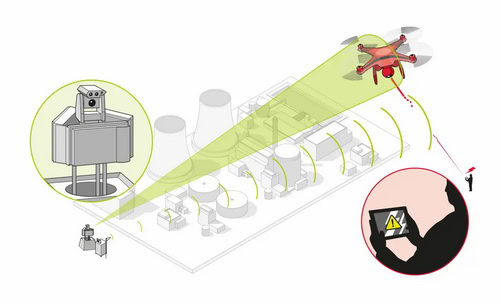
1. Detection: The system uses various sensors and technologies to detect the presence of drones in the protected airspace. These sensors may include radar, radio frequency (RF) scanners, acoustic sensors, electro-optical/infrared (EO/IR) cameras, and even artificial intelligence (AI) algorithms to identify drones.
2. Tracking: Once a drone is detected, the system tracks its position and movement. This can be done using the same sensors used for detection, such as radar or EO/IR cameras. Some systems may also employ multiple sensors to ensure accurate tracking.
3. Identification: The system analyzes the tracked drone to determine if it is a threat or an authorized drone. It may compare the drone’s characteristics with a database of known drones or use AI algorithms to distinguish between authorized and unauthorized drones. This step helps prevent false alarms and allows the system to focus on potential threats.
4. Decision-making: Based on the identification and threat assessment, the system makes a decision on how to respond to the detected drone. It can be programmed to follow predefined rules of engagement, which may include different response levels depending on the threat level of the drone.
5. Neutralization: If the counter-drone system determines that the drone is a threat, it initiates the neutralization process. The system can employ various methods to neutralize the drone, such as jamming its communication signals, disrupting its GPS navigation, or even physically intercepting it using another drone or a net.
6. Recording and Reporting: Throughout the entire process, the counter-drone system records relevant data, including the drone’s flight path, video footage, and any actions taken by the system. This information can be used for analysis, investigation, or legal purposes. The system may also generate real-time alerts or notifications to operators or security personnel.
It’s important to note that different counter-drone systems may have different capabilities, and the available technology is constantly evolving to keep up with the ever-changing drone landscape.
GPS Spoofing in Counter-Drone Technology
GPS spoofing is a technique sometimes used in counter-drone systems to interfere with a drone’s satellite-based navigation. Instead of jamming signals or taking direct control, GPS spoofers transmit false positioning data to the target drone, tricking it into believing it is at a different location. By manipulating these coordinates, operators can guide an unauthorized drone away from sensitive areas—sometimes even steering it into a designated “safe zone” for recovery or neutralization.
Advantages of GPS Spoofing:
- Provides a non-destructive way to neutralize a drone, reducing the risk of debris or collateral damage.
- Medium cost compared to other technologies and can be effective without direct physical contact.
Risks and Limitations:
- GPS spoofing generally has a limited operational range, which may reduce effectiveness over wide areas.
- There is a risk of unintentionally interfering with other GPS-dependent devices and services nearby, potentially disrupting unrelated communications or navigation systems.
- Due to these risks, GPS spoofers are largely reserved for military applications and are less common in civilian environments.
As with all counter-drone measures, careful consideration of the surrounding environment and potential impacts is key when deploying GPS spoofing technology.
What is another name for the counter-drone?
Another name for the counter-drone is anti-drone or jammer.
What is an Anti UAV System?
An anti-UAV system, also known as a counter-drone system, is a technology used to detect, track, and neutralize unmanned aerial vehicles (UAVs). These systems are designed to protect critical infrastructure, public spaces, and military installations from the potential threats posed by unauthorized or malicious drones. Anti-UAV systems use a combination of sensors, such as radar, radio frequency (RF) detectors, and electro-optical sensors, to detect and track UAVs. Once a threat is identified, the system can employ various methods to neutralize the UAV, including jamming its control signals or physically intercepting it with other drones or net-based systems. The purpose of an anti-UAV system is to prevent the unauthorized or malicious use of drones and maintain safety and security in the protected area.
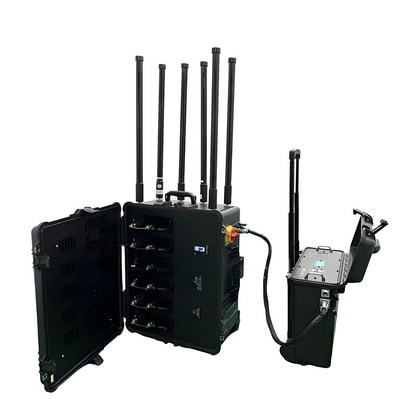
What is a drone jammer?
A drone jammer is a device that is designed to disrupt or disable the operation of drones. It works by emitting radio frequency signals that interfere with the communication between the drone and its operator, causing the drone to lose control and either land or return to its operator. Drone jammers are commonly used for security purposes to protect sensitive areas or events from unauthorized drone flights.
What is an anti-drone gun?
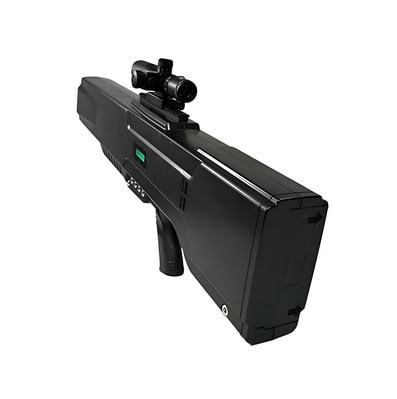
An anti-drone gun is a device designed to counter and neutralize unauthorized or malicious drones. It is a portable, handheld or shoulder-mounted weapon that uses various technologies to disable or disrupt the flight systems of drones. The purpose of an anti-drone gun is to provide a non-lethal means of defense against drones, especially in sensitive areas such as airports, government facilities, or public events. These guns typically operate by jamming or interfering with the drone’s control signals, GPS, or video transmission, forcing the drone to either land or return to its operator. It is important to note that the use of anti-drone guns may be subject to legal restrictions and regulations in many jurisdictions.
What is a counter-drone antenna used for?
A counter-drone antenna is used for detecting, tracking, and neutralizing unauthorized drones in a given area. It is designed to identify and mitigate the potential threats posed by drones, such as security breaches, privacy invasion, smuggling, or terrorist attacks.
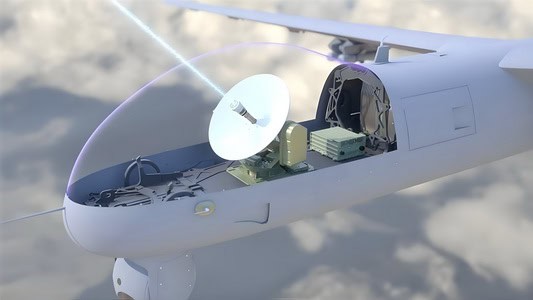
The antenna works by scanning the airspace for drone signals, tracking their movements, and then employing various countermeasures to disable or redirect the drones. These countermeasures can include disrupting the control signals between the drone and its operator, jamming the drone’s GPS signal, or even physically capturing the drone using a net or other means.
Counter-drone antennas have various applications in the field of anti-drone technology. They are used in conjunction with anti-drone guns, jammers, counter-drone systems, and UAVs (Unmanned Aerial Vehicles) to enhance their capabilities.
When integrated with an anti-drone gun, a counter-drone antenna helps in accurately detecting and tracking the target drone, enabling the gun operator to aim and shoot down the drone effectively.
In the case of jammers, a counter-drone antenna assists in identifying the drone’s frequency and direction, allowing the jammer to emit signals that disrupt the drone’s communication and navigation systems. This helps in neutralizing the drone and preventing it from carrying out its intended mission.
Counter-drone antennas are also an essential component of counter-drone systems. These systems combine multiple technologies, such as radar, cameras, and radio frequency sensors, to detect and counter unauthorized drones. The antenna plays a crucial role in detecting and tracking the drone, providing accurate data to the system for further analysis and response.
Lastly, counter-drone antennas are used in UAVs designed to counter other drones. These UAVs, often referred to as “drone catchers” or “interceptor drones,” are equipped with counter-drone antennas to locate and intercept unauthorized drones. The antenna helps the interceptor drone to navigate and approach the target drone, enabling it to capture or disable the intruder.
Physical Drone Capture: Nets and Net Guns
In addition to electronic countermeasures, physical methods such as nets and net guns provide a hands-on approach to neutralizing drones. This technology uses nets to physically entangle a drone’s rotor blades, stopping it mid-flight. There are several ways these nets are deployed:
- Ground-launched net cannons: These can be handheld, shoulder-mounted, or turret-mounted, with effective ranges from 20 to 300 meters. Some models deploy parachutes to ensure the captured drone descends safely.
- Aerial net cannons: Mounted on other drones, these overcome the limited range of ground-launched options. The pursuing drone fires a net at the target, often using parachutes for controlled descent.
- Hanging nets from interceptor drones: A “net drone” is maneuvered close to the rogue drone, deploying a net to ensnare it. Depending on the situation, the net drone might carry the captured drone to a safe zone or release it with a parachute if it’s too heavy to transport.
Advantages of Net-Based Solutions
- Physically captures drones, aiding in forensic analysis and legal proceedings.
- Ground-launched net cannons offer semi-automatic operation and high accuracy at close range.
- Drone-deployed nets provide extended range and reduce the risk of collateral damage.
Limitations to Consider
- Physical capture methods can result in debris if a parachute is not used.
- Drone-mounted nets may struggle to intercept agile or evasive drones, and often have longer reload times.
- Ground-based net cannons are limited by their relatively short range.
Vendors such as Fortem Technologies and OpenWorks Engineering offer a variety of net gun solutions, including both ground-based and drone-mounted systems, making them a practical option for facilities requiring physical evidence or safe drone retrieval.
In summary, counter-drone antennas have diverse applications in anti-drone technology, supporting anti-drone guns, jammers, counter-drone systems, and UAVs to effectively detect, track, and neutralize unauthorized drones.
How does a counter-drone antenna work?
A counter-drone antenna works by detecting and tracking the radio frequency (RF) signals emitted by drones. It uses a combination of hardware and software to identify and locate drones in the airspace.
Here is a simplified explanation of how a counter-drone antenna works:
1. Detection: The antenna scans the RF spectrum to detect signals emitted by drones. It looks for specific frequency bands commonly used by drones, such as Wi-Fi, GPS, or control signals.
2. Identification: Once a drone signal is detected, the antenna analyzes the signal to determine if it is indeed a drone and not some other RF source. This is often done by comparing the detected signal with a database of known drone signatures.
3. Tracking: Once a drone is identified, the antenna tracks its signal to determine its location and trajectory. This is achieved by continuously monitoring the strength and direction of the drone signal as it moves through the airspace.
4. Directional Antenna: Counter-drone antennas often use directional antennas to improve their tracking capabilities. These antennas focus their reception in a specific direction, allowing for more accurate tracking and locating of the drone.
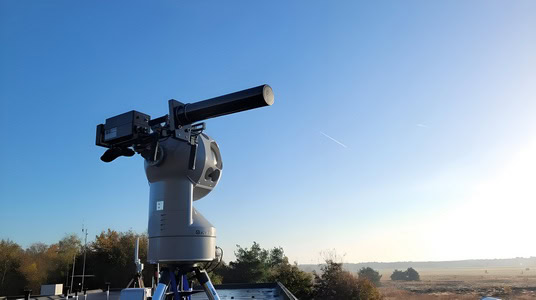
5. Software Integration: The antenna is typically connected to a software system that processes the detected signals and provides real-time information to the user. The software can display the drone’s location on a map, provide alerts, and enable the user to take appropriate actions to mitigate the drone threat.
It is important to note that the exact working mechanism of a counter-drone antenna can vary depending on the specific technology and manufacturer. Advanced systems may incorporate additional features such as signal jamming or mitigation capabilities to neutralize the drone threat.
Counter-drone Antenna Frequency
Counter-drone antennas operate on a wide range of frequencies, depending on the type of drone being targeted and the technology used for counter-drone systems. Some common frequencies used by counter-drone antennas include:
1. 2.4 GHz: This frequency is commonly used by Wi-Fi networks and many consumer drones. Counter-drone antennas operating on this frequency can detect and disrupt these drones.
2. 5.8 GHz: This frequency is also used by Wi-Fi networks and some consumer drones. Counter-drone antennas operating on this frequency can detect and disrupt drones using this frequency.
3. 433 MHz: This frequency is often used by remote control systems for drones. Counter-drone antennas operating on this frequency can detect and disrupt drones using this frequency.
4. 915 MHz: This frequency is used by some remote control systems for drones and other wireless devices. Counter-drone antennas operating on this frequency can detect and disrupt drones using this frequency.
5. 1.2 GHz: This frequency is sometimes used by video transmission systems on drones. Counter-drone antennas operating on this frequency can detect and disrupt drones using this frequency.
6. 2.4-2.5 GHz and 5.725-5.875 GHz: These frequencies are used by some consumer drones for video transmission and control. Counter-drone antennas operating on these frequencies can detect and disrupt drones using these frequencies.
It is important to note that counter-drone systems may use multiple antennas operating on different frequencies to provide comprehensive coverage and countermeasure capabilities against a wide range of drones.
Counter-drone Antenna Polarization
Counter-drone systems use a variety of techniques to detect and neutralize unauthorized drones. One common method is to use antennas to detect the radio signals emitted by the drone and then transmit a signal to disrupt the drone’s communication and control systems.
A widely used approach involves radio frequency (RF) jammers. These can be static, mobile, or handheld devices that transmit a concentrated burst of RF energy toward the drone, effectively masking the controller’s signal. When a drone loses its connection due to jamming, several outcomes are possible:
- The drone may make a controlled landing at its current position.
- It might return to its pre-programmed home location—though “home” could be set intentionally to a different or potentially sensitive area.
- The drone could drop uncontrollably to the ground.
- In some cases, the drone may fly off in an unpredictable direction.
RF jamming is favored for its medium cost and non-kinetic neutralization—meaning it disables drones without physical damage. However, it comes with important caveats. The range is typically limited, and there’s a risk of interfering with other nearby radio communications. Importantly, the resulting drone behavior can be unpredictable, sometimes unintentionally sending the drone exactly where you don’t want it.
These techniques, combined with careful antenna design and deployment, form the backbone of most modern counter-drone systems.
Antenna polarization is an important factor in counter-drone systems. Polarization refers to the orientation of the electric field of an electromagnetic wave. In the case of counter-drone systems, the antennas are designed to receive and transmit signals with a specific polarization to maximize their effectiveness.
There are two main types of antenna polarization: vertical and horizontal. Vertical polarization refers to an antenna where the electric field is oriented vertically, while horizontal polarization refers to an antenna where the electric field is oriented horizontally.
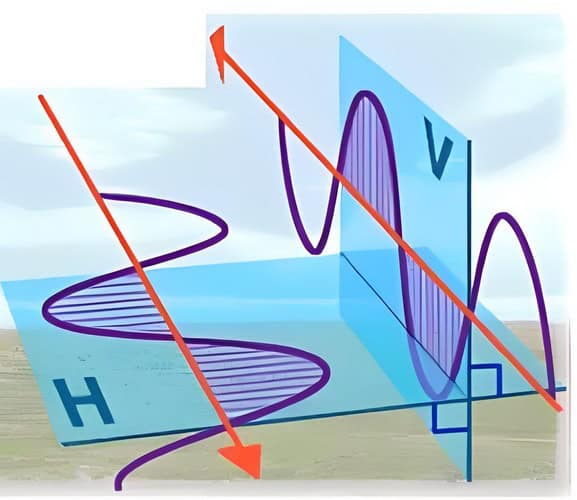
When designing a counter-drone system, it is important to consider the polarization of the drone’s radio signals. Most commercial drones use vertically polarized antennas, so counter-drone systems often use horizontally polarized antennas to detect and disrupt the drone’s communication.
Using antennas with different polarization can help improve the effectiveness of a counter-drone system. By using antennas with both vertical and horizontal polarization, the system can detect and disrupt drones using either type of polarization.
In addition to polarization, other factors such as antenna gain, frequency range, and directionality also play a role in the effectiveness of counter-drone systems. It is important to carefully consider all of these factors when designing and deploying a counter-drone system to ensure its success in detecting and neutralizing unauthorized drones.
Counter-drone Antenna Gain
Counter-drone antenna gain refers to the measure of the increase in the power of the received or transmitted signal by a counter-drone antenna compared to an isotropic antenna. It is usually expressed in decibels (dB).
Antenna gain is an important parameter for counter-drone systems as it determines the sensitivity and range of the system. A higher gain antenna can receive or transmit signals over a longer distance and with greater accuracy.
Counter-drone antennas are designed to operate in specific frequency bands, such as 2.4 GHz or 5.8 GHz, and their gain is optimized for these frequencies. Higher frequency bands generally have lower antenna gain compared to lower frequency bands.
It is important to note that antenna gain is not the only factor that affects the performance of a counter-drone system. Other factors, such as interference, signal-to-noise ratio, and the design of the overall system, also play a significant role in the effectiveness of counter-drone operations.
Counter-drone Antenna Types
There are several types of counter-drone antennas that are used to detect and mitigate drone threats. Some of the common types include:
1. Omni-directional Antennas: These antennas are designed to receive and transmit signals in all directions equally. They are useful for detecting and tracking drones in all directions around the antenna.
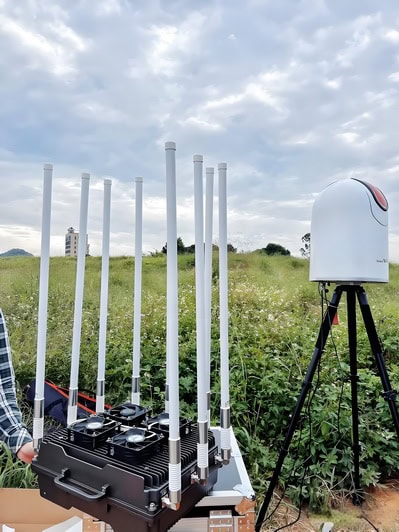
2. Yagi Antennas: Yagi antennas are directional antennas that consist of multiple elements arranged in a specific pattern. They are commonly used for long-range detection and tracking of drones.
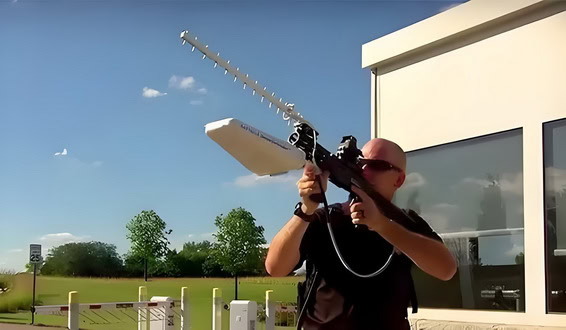
3. Helical Antennas: Helical antennas are spiral-shaped antennas that are commonly used for circularly polarized signals. They are often used for detecting and tracking drones that use circularly polarized signals.
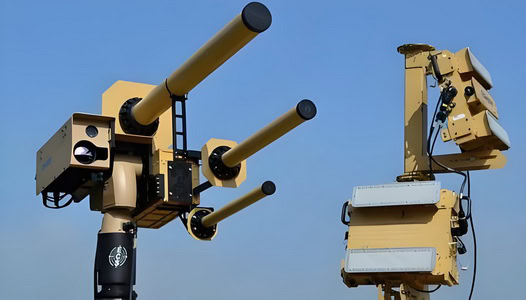
4. Log-Periodic Antennas: Log-periodic antennas are wideband antennas that can receive and transmit signals over a wide frequency range. They are commonly used for detecting and tracking drones that use different frequency bands.
These are just a few examples of the different types of counter-drone antennas that are available. The choice of antenna depends on factors such as the desired range, directionality, and frequency range of detection and mitigation.
Functions of Counter-Drone Antenna Systems
It’s important to note that counter-drone antennas are often part of larger monitoring systems that serve several functions:
- Detection: Identifying the presence of a drone in the vicinity.
- Classification or Identification: Distinguishing drones from other objects like birds or planes, and sometimes identifying a specific drone model or even its controller’s digital signature, such as a MAC address.
- Locating and Tracking: Pinpointing the real-time location of the drone and, in some cases, the controller, which enhances situational awareness and supports targeted countermeasures.
- Alerting: Notifying operators when a drone is detected, classified, or tracked.
Not all systems perform every function, but having multiple capabilities—especially classification and tracking—significantly improves the effectiveness of counter-drone operations.
Types of Drone Monitoring Equipment
While antennas play a crucial role, they are often integrated with other types of monitoring equipment to create a robust counter-drone solution. Common types include:
- Radio Frequency (RF) Analysers: Use antennas to scan for drone control and video signals across various bands.
- Acoustic Sensors (Microphones): Detect and analyze the unique sound signatures produced by drone motors and propellers.
- Optical Sensors (Cameras): Visually identify and track drones, often used in combination with other sensors.
- Radar Systems: Detect and track drones based on their movement and size, especially useful for long-range detection.
By combining different antenna types and sensor technologies, counter-drone systems can greatly enhance their ability to detect, classify, and neutralize unauthorized drones across a variety of environments and scenarios.
How to design a counter-drone antenna?
Here are the steps to design a counter-drone antenna:
1. Determine the frequency range: Counter-drone systems typically operate in the L, S, C, or X bands. Identify the specific frequency range you need to target based on the drones you want to detect or jam.
2. Choose the antenna type: There are various types of antennas suitable for counter-drone applications, including Yagi, patch, horn, and helical antennas. Consider the advantages and disadvantages of each type, such as gain, beamwidth, size, and cost, to select the most appropriate one for your needs.
3. Determine the polarization: Drones can have both linear and circular polarization, so you may need to use a circularly polarized antenna to ensure compatibility. Determine whether you need left-hand circular polarization (LHCP) or right-hand circular polarization (RHCP) based on the drones you are targeting.
4. Calculate the gain: The gain of an antenna determines its ability to focus energy in a particular direction. Higher gain antennas can detect or jam drones from a longer distance. Calculate the minimum gain required based on your operational requirements and the range at which you want to detect or jam drones.
5. Consider environmental factors: Environmental factors such as wind, rain, and temperature can affect the performance of the antenna. Ensure that the antenna is designed to withstand these conditions and maintain optimal performance.
6. Optimize deployment scenarios: Consider the deployment scenarios in which the counter-drone antenna will be used. Determine whether the antenna will be mounted on a fixed structure, a vehicle, or a portable tripod. Design the antenna with the necessary mounting options and features for easy installation and positioning.
7. Simulate and test the design: Use computer-aided design (CAD) software or electromagnetic simulation tools to simulate the antenna’s performance. Ensure that the antenna meets the desired specifications and performance requirements. Once the design is finalized, build a prototype and conduct real-world testing to validate its performance.
8. Manufacture the antenna: Once the design is validated, manufacture the antenna using suitable materials and manufacturing techniques. Ensure that the manufacturing process maintains the desired specifications and performance of the antenna.
9. Install and calibrate the antenna: Install the antenna in the desired location and calibrate it to optimize its performance. Fine-tune the positioning and alignment of the antenna to achieve the best results.
Remember that designing a counter-drone antenna is a complex process that requires expertise in antenna design and knowledge of the counter-drone system’s requirements. It is recommended to consult with an experienced antenna engineer or company specializing in counter-drone technology to ensure the best results.
How to mount a counter-drone antenna to the jammer?
Mounting a counter-drone antenna to a jammer typically involves the following steps:
1. Identify the appropriate location: Determine the best position on the jammer where the counter-drone antenna can be mounted. This location should provide optimal coverage and minimize interference.
2. Prepare the jammer: Ensure that the jammer is turned off and disconnected from any power source. This is important to avoid any accidental damage or interference during the mounting process.
3. Remove the existing antenna (if applicable): If your jammer already has an antenna attached, you may need to remove it before mounting the counter-drone antenna. This step may involve unscrewing or detaching the existing antenna from the jammer.
4. Attach the counter-drone antenna: Once the jammer is prepared, position the counter-drone antenna in the desired location and securely attach it to the jammer. The method of attachment may vary depending on the specific jammer and antenna models. In most cases, the antenna will come with mounting brackets, screws, or other hardware for attachment. Follow the manufacturer’s instructions for proper installation.
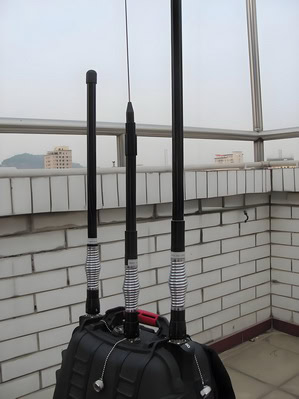
5. Connect the antenna cable: Once the antenna is mounted, connect the cable from the counter-drone antenna to the appropriate port on the jammer. The connection may involve screwing or plugging the cable into the designated port. Ensure that the connection is secure and tight to avoid any signal loss or interference.
6. Test the setup: After mounting the counter-drone antenna, turn on the jammer and test the setup to ensure that it is functioning properly. Check the signal strength and coverage of the counter-drone antenna to ensure that it meets your requirements.
Note: It is important to follow the specific instructions provided by the manufacturer of the jammer and the counter-drone antenna for the best results.
Are drone jammers legal?
The legality of drone jammers varies by country and jurisdiction. In many countries, the use of drone jammers is illegal because they interfere with radio frequencies, which are regulated by government agencies. In the United States, for example, the Federal Communications Commission (FCC) prohibits the sale, importation, and use of drone jammers. However, there may be some exceptions for authorized entities such as law enforcement and government agencies. It is important to check local laws and regulations before using or purchasing a drone jammer.
Are anti-drone guns legal?
The legality of anti-drone guns varies depending on the country and jurisdiction. In many countries, the use of anti-drone guns is regulated by laws related to radio frequency interference, telecommunications, and weapons possession. In some cases, individuals or organizations may require specific licenses or permits to operate such devices legally. It is important to consult local laws and regulations to determine the legality of anti-drone guns in a particular area.
Can civilians buy anti-drone guns?
No, civilians cannot buy anti-drone guns. Anti-drone guns, also known as anti-drone systems or counter-drone systems, are typically controlled and restricted by government agencies or military organizations. These systems are designed to detect, track, and neutralize unauthorized drones, and their use is regulated due to safety concerns and potential misuse.
When can you use a counter-drone gun?
A counter-drone gun can be used in situations where it is necessary to neutralize or disable unauthorized drones. These can include the following scenarios:
1. Security and Defense: Counter-drone guns can be used by military personnel, law enforcement agencies, and security teams to protect sensitive areas like military bases, government buildings, airports, stadiums, and critical infrastructure from potential drone threats. They can be employed to prevent unauthorized surveillance, espionage, or potential attacks.
2. Public Safety: Counter-drone guns can be used by law enforcement during public events, protests, or gatherings to mitigate the risk of drones being used for illegal activities or causing harm to the public. They can help maintain safety and order in crowded areas.
3. Prisons: Counter-drone guns can be used by prison authorities to prevent drones from delivering contraband items, such as drugs, weapons, or cell phones, to inmates. This helps maintain security and prevents illegal activities within correctional facilities.
4. Private Property: Counter-drone guns can be used by individuals or organizations to protect private property, such as residences, businesses, or industrial sites, from intruding or spying drones. This can help ensure privacy and prevent potential security breaches.
It is important to note that the use of counter-drone guns may be subject to regulations and legal restrictions depending on the country and jurisdiction. It is advisable to consult local laws and authorities before using such equipment.
Summary
In conclusion, counter-drone antennas are crucial in counter-drone technology as they help in detecting, tracking, and disabling unauthorized drone activity. As drones continue to be used in different sectors, it is important to have effective countermeasures. By using advanced antenna technology and integrated systems, organizations and authorities can improve security and maintain the safety of airspace. As drone technology evolves, it is important to take proactive measures and continue to innovate to address new threats and protect airspace in the digital era.
 English
  Spanish
  German
  French (France)
  Korean
  Russian
  Indonesian
  French (Canada)
  Vietnamese
  Armenian
  Albanian
  Assamese
  Acehnese
  Amharic
  Czech
Czech  Bulgarian
  Cebuano
  Malayalam
  German (Switzerland)
  Japanese
  Dutch
Dutch