 Skip to content
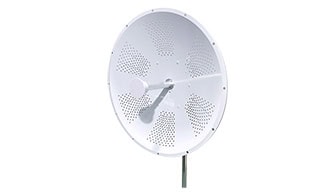
In our modern world, antennas that enable point-to-point communication are essential for establishing wireless connections between different locations. They are used to provide fast internet access in remote areas, create secure surveillance networks, and transmit important data. These antennas are the foundation of modern communication infrastructure. In this article, we will explore the ins and outs of point-to-point communication antennas, including their uses, advantages, and factors to consider when choosing the right antenna for your needs.
A point-to-point communication antenna is a specialized device designed to establish direct wireless links between two endpoints. These antennas utilize high-gain directional beams to transmit and receive data signals, enabling seamless bidirectional communication over long distances. Whether used for delivering internet connectivity to remote areas, establishing secure surveillance networks, or supporting critical data transmission, point-to-point antennas are essential components of modern communication infrastructure, ensuring reliable connectivity between distant points.
To understand how point-to-point communication antennas work, we need to know about the technologies and factors that affect their performance. The frequency bands they use, the different types of antennas, how far they can reach, and the environment they’re in all play a role in how well these antennas work in different situations.
What is the frequency of a point-to-point antenna?
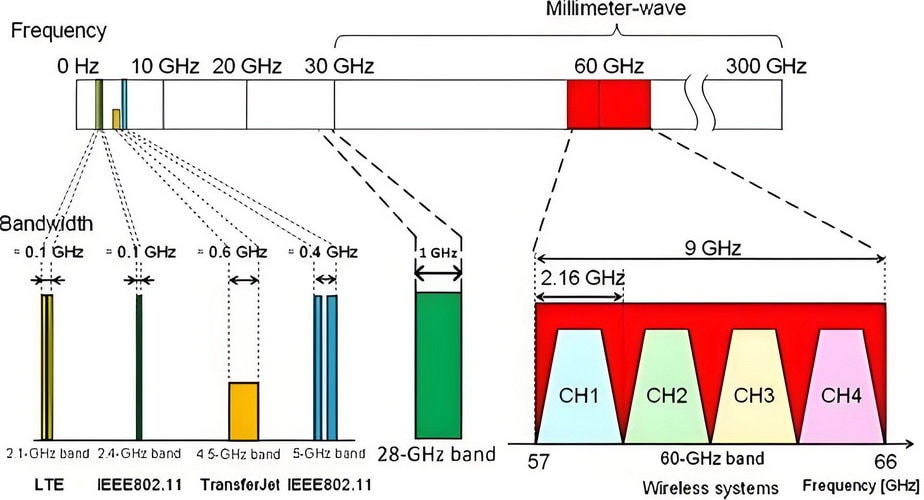
The frequency of a point-to-point antenna depends on several factors, including regulatory restrictions, available spectrum, and the desired range and bandwidth of the connection. Common frequency bands used for point-to-point communication include:
2.4 GHz: This frequency band offers good range and penetration through obstacles but may suffer from interference in densely populated areas.Notably, antennas designed for this band often feature a narrower beam width—such as 16° horizontal and 21° vertical—which helps extend the signal range and minimize interference from neighboring WiFi equipment.
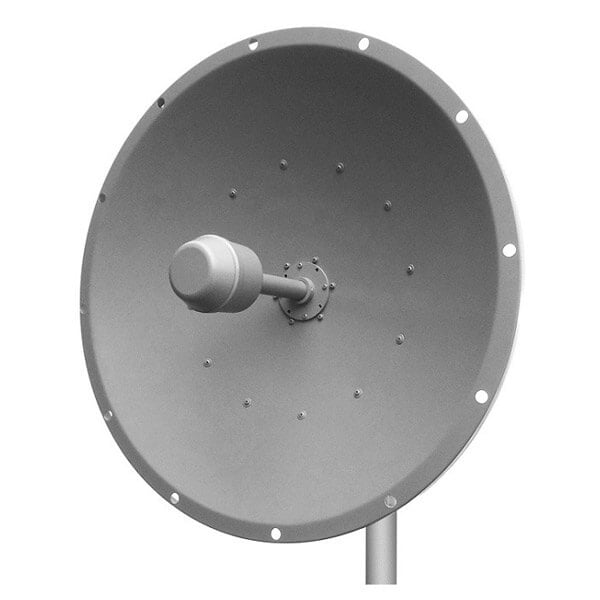
5 GHz: The 5 GHz band provides higher data rates and less interference compared to 2.4 GHz but has a slightly shorter range and may be affected by atmospheric conditions.Similar to 2.4 GHz setups, the focused beam width of directional antennas at this frequency can reduce unwanted signal overlap, helping maintain a stable and reliable connection even in areas with multiple competing networks.
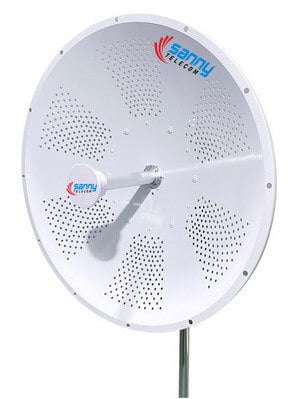
6 GHz: The 6 GHz band, recently opened in many regions for unlicensed use, offers even higher data rates and greater channel availability compared to 2.4 GHz and 5 GHz. While it provides excellent performance for high-capacity backhaul and low-latency applications, its range is typically shorter, and it is more susceptible to physical obstructions. Directional antennas operating at 6 GHz often feature narrow beam widths, which help concentrate the signal for long-distance links and minimize interference from other wireless systems, making this band ideal for dense urban environments or dedicated point-to-point links requiring robust throughput.
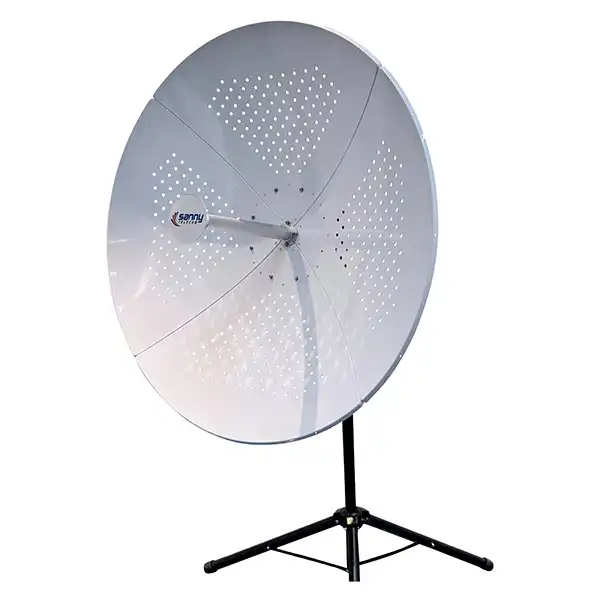
24 GHz, 60 GHz, and 80 GHz: These higher-frequency bands offer even greater data rates and are suitable for short-range, high-capacity links, commonly used in urban environments.
What is the point-to-point communication antenna used for?
A point-to-point communication antenna is used to establish a direct wireless connection between two specific locations. It is commonly used in telecommunications networks to transmit and receive data, voice, and video signals over long distances without the need for physical cables or wires.
How does a point-to-point communication antenna work?
A point-to-point communication antenna, such as a parabolic dish antenna or a panel antenna, works by transmitting and receiving radio waves in a specific direction.
Parabolic Dish Antenna
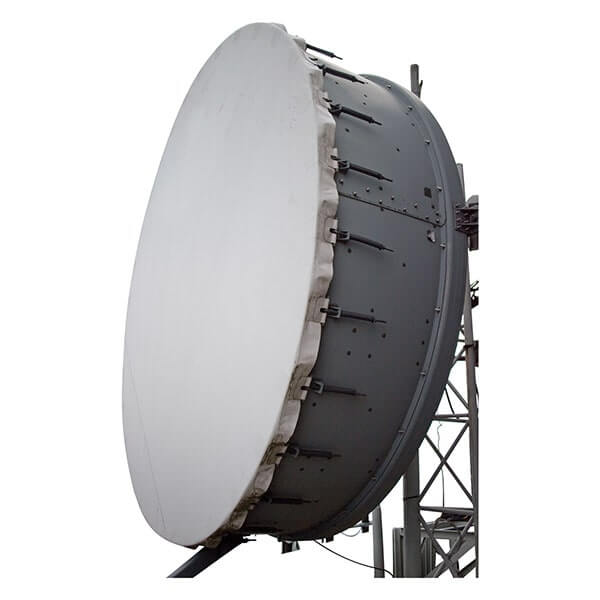
A parabolic dish antenna consists of a curved metal dish with a parabolic shape. The dish reflects and focuses the radio waves onto a small feed antenna located at the focal point of the dish. The feed antenna is connected to the communication equipment.
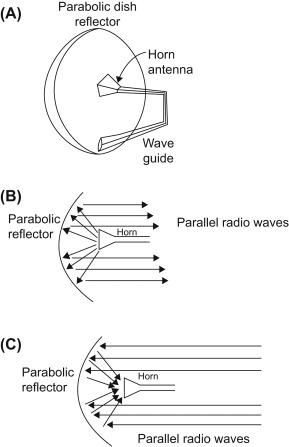
When the antenna is transmitting, the feed antenna converts the electrical signals into radio waves and sends them out in a narrow beam. When the antenna is receiving, the radio waves from the desired source strike the dish and are reflected onto the feed antenna, which then converts them back into electrical signals for the communication equipment. The parabolic shape of the dish helps to focus the radio waves onto the feed antenna, allowing for longer range and better signal strength.
Panel Antenna
A panel antenna consists of an array of individual antenna elements arranged in a grid or panel. Each antenna element is connected to the communication equipment.
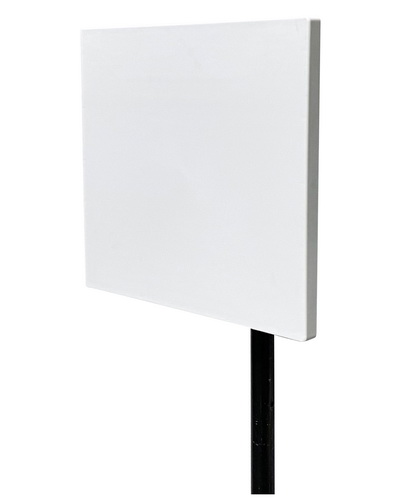
When the antenna is transmitting, the individual antenna elements generate radio waves and combine their signals to form a narrow beam that is sent out in a specific direction. When the antenna is receiving, the radio waves from the desired source strike the individual antenna elements and their signals are combined to form a single electrical signal that is sent to the communication equipment.
The panel antenna can be electronically steered to change the direction of the beam, allowing for flexibility in communication. In both cases, the point-to-point communication antenna is designed to focus the radio waves in a specific direction, which increases the range and signal strength of the communication link. This makes it possible to establish reliable long-distance communication between two points.
How does a parabolic antenna compare to a Yagi antenna in terms of range and performance?
When comparing parabolic antennas to Yagi antennas for point-to-point communication, there are a few key differences to consider—especially regarding range, performance, and interference reduction.
Beamwidth and Signal Focus
Parabolic antennas typically have a much narrower beamwidth than Yagi antennas of similar gain. For example, a parabolic dish might focus its signal into a beam with a horizontal angle as tight as 16°, while a Yagi antenna of the same gain will usually have a wider beam. This narrower beam on a parabolic dish helps reduce interference from other signals in the surrounding area—like neighboring WiFi networks—which is especially valuable in congested environments.
Range and Signal Quality
Because a parabolic dish concentrates its energy so precisely, it can maintain strong signal quality over longer distances than a Yagi with an equivalent gain rating. Users commonly find that, at the same target location and power output, a parabolic antenna delivers a stronger and more reliable signal than a Yagi, where some signal may spread into unwanted directions.
Build Quality and Durability
Another consideration is construction. Parabolic dish antennas are usually built with robust materials like cast aluminum, making them well-suited for outdoor installations where durability and resistance to harsh weather are important. Yagi antennas, on the other hand, are sometimes designed for lighter applications and may not hold up as well over time in extreme weather conditions.
In summary, if your scenario demands long-range, high-performance connections with minimal interference, a parabolic dish generally outperforms a Yagi antenna—both in focused signal strength and resilience against the elements.
What materials and construction features make a parabolic WiFi antenna durable and suitable for outdoor use?
A robust, outdoor-ready parabolic WiFi antenna is crafted with materials designed to resist harsh environmental conditions while maintaining reliable performance. Most high-quality models are constructed from precision-cast aluminum alloy, making them both lightweight and highly resistant to corrosion. This material choice also contributes to strength and longevity without adding unnecessary weight.
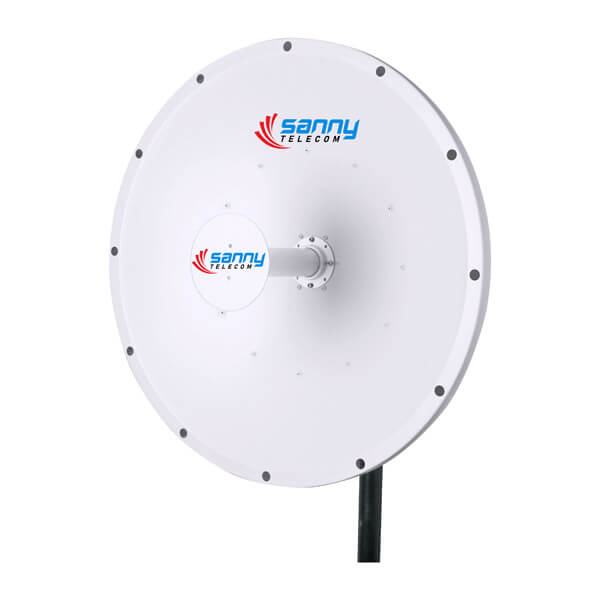
To further protect the antenna from the elements, manufacturers typically apply a tough powder-coat finish to the exterior. This coating shields the antenna from rain, sunlight, and temperature extremes, ensuring it stands up to years of outdoor exposure. Hardware such as mounting brackets and fasteners are often made from stainless steel, which resists rust and secures the antenna firmly—even in high winds.
Additionally, these antennas are engineered for low wind resistance, often featuring streamlined shapes to minimize stress during storms. They are rated to operate reliably across wide temperature ranges (often as low as -40°F up to 149°F), and can withstand substantial wind velocities—making them a dependable choice for both urban rooftops and remote, open landscapes.
Weather-hardened construction, corrosion-resistant materials, and sturdy mounting hardware all work together to ensure your parabolic WiFi antenna remains reliable, no matter where it’s installed.
What accessories and items are included in the box with a parabolic WiFi antenna?
When you purchase a parabolic WiFi antenna, the typical package includes everything you need to get started with installation and operation. Here’s what you can generally expect to find inside the box:
- Directional Parabolic Antenna (usually around 15dBi gain) for focused signal transmission and reception.
- Pole Mounting Hardware, including “U” bolts or similar fasteners, to securely attach the antenna to a mounting pole or mast.
- Assembly Guide and Safety Instructions that walk you through the installation process and provide important usage tips.
- Limited Manufacturer Warranty (often one year), covering manufacturing defects and offering you additional peace of mind.
Manufacturers may occasionally include extra accessories, such as weatherproofing materials or cable adapters, but the above list covers the common essentials you’ll encounter when unboxing a new parabolic WiFi antenna.
What are the benefits of a point-to-point antenna?
There are several benefits of a point-to-point antenna, including:
1. High-speed data transmission: Point-to-point antennas can transmit data at high speeds, making them ideal for applications that require fast and reliable communication, such as video streaming, online gaming, and large file transfers.
2. Long-range communication: Point-to-point antennas can transmit signals over long distances, allowing for communication between two locations that are far apart. This makes them useful for connecting remote sites, such as offices, buildings, or campuses.
3. Secure communication: Point-to-point antennas can provide secure communication by using encryption and other security measures to protect data transmission. This is especially important for businesses and organizations that need to transmit sensitive or confidential information.
4. Cost-effective: Point-to-point antennas are generally more cost-effective than other types of communication solutions, such as laying cables or leasing dedicated lines. They require less infrastructure and can be easily installed and maintained.
5. Scalability: Point-to-point antennas are scalable, meaning that additional antennas can be added to the network to increase capacity or coverage. This allows for flexibility and adaptability as communication needs change or grow over time.
6. Reliability: Point-to-point antennas are known for their reliability and stability. They are less susceptible to interference or signal degradation, resulting in a consistent and uninterrupted connection.
7. Easy installation: Point-to-point antennas are relatively easy to install and configure. They can be mounted on poles, towers, or rooftops, and can be aligned easily to establish a direct line of sight between the two antennas.
8. Versatility: Point-to-point antennas can be used in a variety of environments and conditions, including urban areas, rural areas, and harsh weather conditions. They can also be used for different applications, such as voice communication, data transfer, or video surveillance.
What customer experiences or reviews highlight the effectiveness and reliability of a parabolic WiFi antenna?
Customers frequently report impressive results when using parabolic WiFi antennas, especially in challenging environments. Many users share stories of successfully bridging a reliable connection between distant buildings—even between a primary home and a remote outbuilding like a barn or garage. For instance, several reviewers in rural areas describe how these antennas allowed them to overcome natural obstacles, such as trees or uneven terrain, and still achieve strong, steady internet streaming capabilities.
Ease of use and installation also stand out in customer feedback. Most users find the antennas simple to mount and align, often noting that minimal technical know-how is required. The ability to easily set up a point-to-point bridge, providing high-speed connectivity across larger properties, is commonly cited as a major advantage.
When it comes to build quality, customers point out that parabolic antennas constructed with durable materials—such as cast aluminum reflectors and robust hardware—hold up well against harsh weather conditions, making them a reliable choice for outdoor installations. Many reviewers mention noticeable improvements in signal strength and consistency compared to other antenna types, particularly in regions prone to interference or adverse weather.
In summary, real-world experiences highlight the following key benefits:
- Reliable long-range performance, even in non-ideal conditions
- Consistent, high-quality signal suitable for streaming and data transfer
- Straightforward installation and setup
- Durable construction fit for demanding environments
- Effective for both residential and light commercial applications
These customer insights reinforce why parabolic WiFi antennas are a smart, versatile option for anyone needing dependable wireless communication over greater distances.
What is the range of a point-to-point antenna?
The range of a point-to-point antenna can vary significantly based on several factors, including the type of antenna, frequency, power output, environmental conditions, and line-of-sight (LOS) conditions. Here are some general guidelines:
1. Frequency: Lower frequencies (e.g., VHF, UHF) tend to have longer ranges but may require larger antennas. Higher frequencies (e.g., microwave) can support higher data rates but may have shorter ranges and require clear LOS.
2. Antenna Type and Gain: High-gain directional antennas (like parabolic dishes) can transmit signals over longer distances compared to low-gain antennas. High-gain antennas focus the signal in a narrow beam, which helps in achieving longer ranges.
3. Power Output: Higher transmission power can increase the range but is often regulated by local laws and standards to avoid interference with other devices and networks.
4. Environmental Conditions: Physical obstructions (buildings, trees, terrain), weather conditions (rain, fog), and atmospheric conditions can all impact the effective range.
5. Line-of-Sight (LOS): For optimal performance, a clear line-of-sight between the transmitting and receiving antennas is crucial. Non-LOS conditions can significantly reduce the range.

General Range Estimates
Wi-Fi (2.4 GHz, 5 GHz): Typically up to a few hundred meters for consumer-grade equipment. With high-gain directional antennas and clear LOS, ranges can extend to several kilometers.
Microwave Links (6 GHz, 11 GHz, 18 GHz, etc.): Can achieve ranges from a few kilometers to over 50 kilometers with high-gain antennas and clear LOS.
Millimeter Wave (60 GHz and above): Generally shorter ranges, often less than a kilometer, but can support very high data rates.
Example Scenarios
Short-Range (1-5 km): Achievable with consumer-grade directional antennas (e.g., Yagi, panel antennas) and clear LOS.
Medium-Range (5-20 km): Requires higher gain antennas (e.g., parabolic dish antennas) and possibly higher power output.
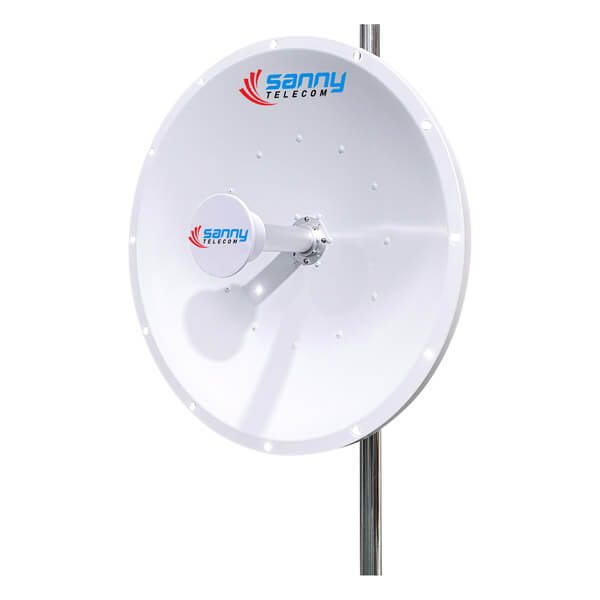
Long-Range (20-50+ km): Typically requires professional-grade equipment, ultra high performance microwave antennas, and clear LOS. May also involve the use of repeaters or relay stations to extend the range further.
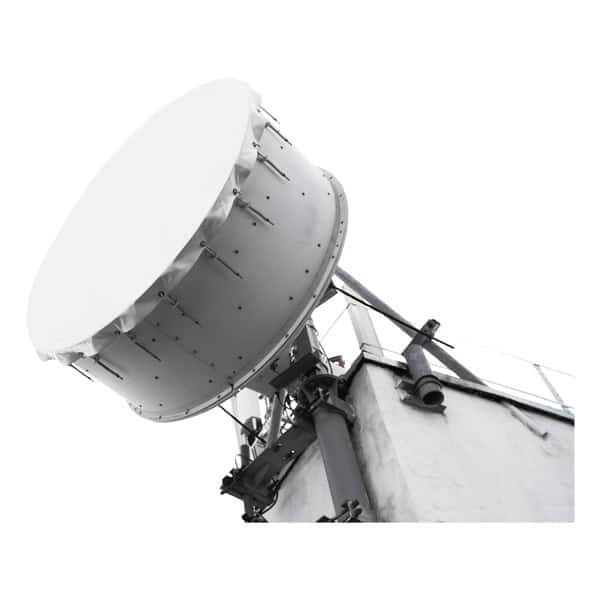
Real-World Range Considerations
Experience shows that even for those new to wireless networking, setting up a point-to-point link between buildings—such as extending Wi-Fi from a main house to a barn—can be successful with the right antenna choice and placement. While a clear line of sight always provides the best performance, practical solutions can sometimes work around obstacles like trees or varied terrain. For instance, consulting with a knowledgeable provider or technician can help identify cost-effective alternatives, such as using higher-gain antennas or adjusting mounting locations, to overcome environmental challenges. Whether you’re streaming video, working remotely, or just browsing, a well-placed point-to-point antenna can deliver robust, reliable connectivity across significant distances—even in less-than-ideal conditions.
In summary, the range of a point-to-point antenna setup can vary from a few hundred meters to over 50 kilometers, depending on the specific setup and conditions.
How Far Can a 15dBi Parabolic WiFi Antenna Boost a WiFi Signal?
A 15dBi parabolic WiFi antenna can significantly extend the reach of a wireless signal, especially in point-to-point setups. Under ideal conditions—with a clear line-of-sight and minimal interference—this type of antenna can transmit and receive WiFi signals across distances of up to 3 miles (approximately 5 kilometers). This greater range results largely from the antenna’s focused, narrow beamwidth, which helps concentrate the signal toward a specific direction and reduces the impact of interference from neighboring wireless networks.
It’s important to note that real-world performance will vary depending on factors such as physical obstructions, environmental conditions, and transmission power. However, compared to similarly rated Yagi antennas, a 15dBi parabolic antenna often offers better long-distance performance due to its enhanced directional focus. This makes it a popular choice for connecting buildings, extending coverage to outbuildings, or securely linking remote locations—provided proper alignment and permissions are ensured.
Which Antenna Types Are Commonly Used for Point-to-Point Links?
Parabolic dish antennas are commonly used for point-to-point links. They have a curved shape that focuses the signal into a narrow beam, allowing for long-distance communication. These antennas are often used for satellite communication, wireless backhaul, and long-range Wi-Fi. Parabolic grid antennas are also commonly used for point-to-point links. They have a similar curved shape as parabolic dish antennas, but with a grid structure instead of a solid dish. This design reduces wind resistance and makes the antenna lighter and easier to install. Parabolic grid antennas are often used for wireless backhaul and point-to-point communication.
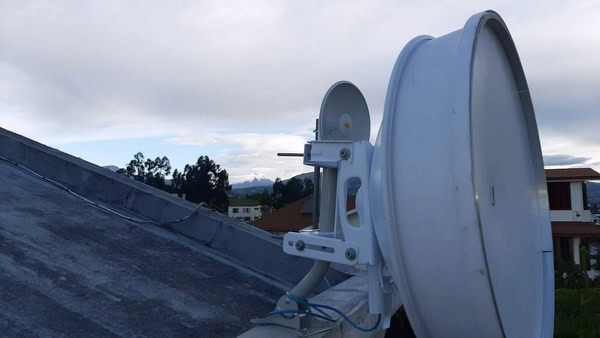
Flat panel antennas are another type commonly used for point-to-point links. These antennas have a flat, rectangular shape and are often used for shorter-range point-to-point links, such as building-to-building communication or Wi-Fi access points. Flat panel antennas are compact, lightweight, and easy to install, making them popular for urban environments and other situations where space is limited.
What Are the Applications of Point-to-Point Communication Antennas?
Point-to-point communication antennas are used in a variety of applications, including:
1. Wireless internet service providers (WISPs): WISPs use point-to-point communication antennas to provide high-speed internet access to customers in remote areas or areas where traditional wired internet connections are not available.
2. Telecommunications: Point-to-point communication antennas are used by telecommunications companies to establish long-distance connections between cell towers. This enables the transmission of voice and data signals between towers, improving network coverage and capacity.
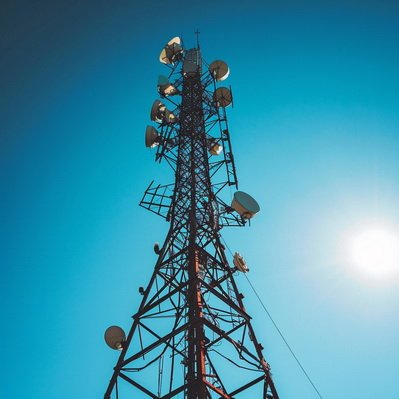
3. Video surveillance: Point-to-point communication antennas are used in video surveillance systems to transmit video signals wirelessly between cameras and a central monitoring station. This eliminates the need for running cables between the cameras and the monitoring station.
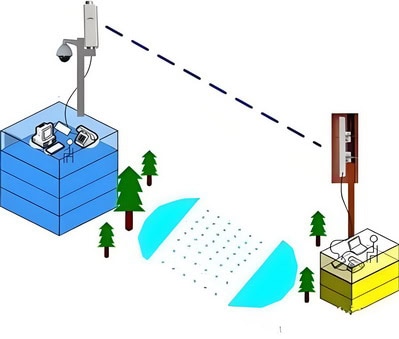
4. Backhaul connections: Point-to-point communication antennas are used to establish high-capacity links between different parts of a network, such as between data centers or between different buildings on a corporate campus. These backhaul connections enable the transfer of large amounts of data quickly and efficiently.

5. Military and defense: Point-to-point communication antennas are used by the military and defense organizations to establish secure and reliable communication links in the field. These antennas are often ruggedized and designed to withstand harsh environmental conditions.
6. Broadcasters: Point-to-point communication antennas are used by broadcasters to transmit audio and video signals from remote locations back to the main broadcasting facility. This is commonly used in live event coverage, such as sports events or news reporting.
7. Oil and gas industry: Point-to-point communication antennas are used in the oil and gas industry to establish communication links between remote sites, such as offshore drilling platforms and onshore control centers. These links enable real-time monitoring and control of operations.
8. Transportation: Point-to-point communication antennas are used in transportation systems, such as railways and airports, to establish communication links between different parts of the infrastructure. This enables the transmission of data for signaling, control, and passenger information systems.
Overall, point-to-point communication antennas are used in various industries and applications to establish reliable, high-speed, and secure wireless connections over long distances.
How to choose the point-to-point communication antenna?
Choosing the right point-to-point communication antenna is crucial for establishing a reliable and efficient wireless connection. Here are some factors to consider when selecting the antenna:
1. Frequency: Determine the frequency band you will be using for communication. Antennas are designed to work optimally within specific frequency ranges, such as 2.4 GHz or 5 GHz. Choose an antenna that matches the frequency band of your communication system.
2. Gain: Antenna gain is a measure of how much it can focus the radiated energy in a particular direction. Higher gain antennas can transmit/receive signals over longer distances and provide better signal strength. However, higher gain antennas have narrower beamwidths, meaning they have a smaller coverage area. Consider the distance you need to cover and the desired coverage area when choosing the gain of the antenna.
3. Beamwidth: The beamwidth of an antenna determines the coverage area in which it can effectively transmit/receive signals. A narrow beamwidth concentrates the signal in a specific direction, while a wider beamwidth covers a broader area. Consider the size and shape of the area you need to cover to select an antenna with an appropriate beamwidth.

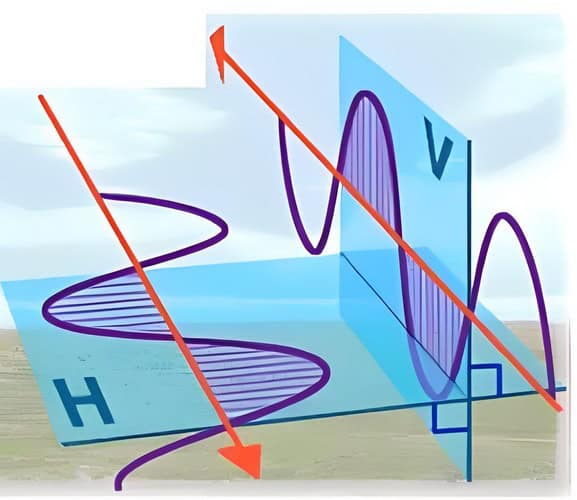
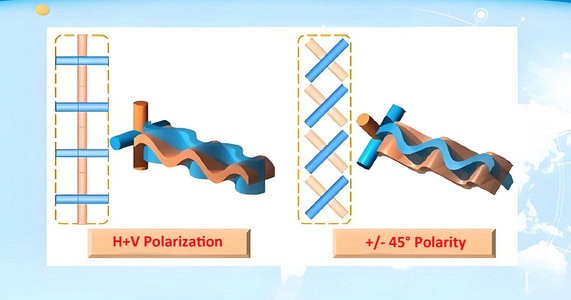
4. Polarization: Antennas can be vertically or horizontally polarized or dual polarizations. To establish a reliable connection, both the transmitting and receiving antennas should have the same polarization. Check the polarization of the antennas you plan to use and ensure they match.
5. Environmental factors: Consider the environmental conditions in which the antennas will be installed. Factors like wind, rain, and temperature can affect the performance of the antenna. Choose an antenna that is designed to withstand the specific environmental conditions of your installation location.Look for antennas constructed from durable materials such as precision-cast aluminum alloy and steel, often finished with a powder coat to enhance resistance against corrosion and harsh weather. Additionally, pay attention to rated wind velocity—some antennas are engineered to withstand winds up to 85 MPH—and the operating temperature range (for example, -40°F to 149°F) to ensure reliable operation in extreme climates. Selecting an antenna with robust construction and environmental protection will help maintain signal quality and extend the lifespan of your system.
6. Mounting options: Determine how you plan to mount the antenna. Antennas can be mounted on poles, walls, or roofs. Make sure the antenna you choose has the appropriate mounting options for your specific installation requirements.
When considering mounting, check if the antenna package includes necessary hardware such as stainless steel “U” bolts or brackets for secure installation. Most directional antennas are designed to mount onto poles with diameters typically ranging from 1.25″ to 2″. Always confirm the compatible pole size and whether the mount itself is included or if you’ll need to source it separately. Review the assembly guide and safety instructions that come with the antenna to ensure a safe and stable installation, especially in environments exposed to wind or other harsh conditions.
Additionally, look for antennas that offer a warranty and clear installation documentation, which can help simplify the process and provide peace of mind regarding durability and support.
7. Budget: Finally, consider your budget. Antennas come in various price ranges, and more expensive antennas often offer better performance and durability. Determine your budget and select an antenna that provides the best performance within your price range.
By considering these factors, you can choose the right point-to-point communication antenna that meets your specific requirements and ensures a reliable and efficient wireless connection.
Summary
In summary, point-to-point communication antennas play a crucial role in modern wireless communication systems, enabling the transmission of high-speed and reliable data over long distances. These antennas have a wide range of applications, from connecting remote areas to supporting enterprise-level data transfer and enhancing security surveillance networks.
Versatility and Real-World Performance
Whether bridging WiFi from a main house to a distant barn, connecting buildings in a rural setting, or extending connectivity to challenging environments, point-to-point antennas are up to the task. For example, high-gain parabolic antennas with narrow beamwidths excel at focusing signals over several miles, minimizing interference from neighboring equipment. This makes them ideal for both residential and commercial applications, such as sharing internet access with a nearby property or providing stable connections across large campuses.
User Experiences
Users consistently report that even those with limited technical expertise can achieve impressive results with the right antenna setup. Many find these antennas easy to mount and adjust, appreciating their durability and weather-resistant construction—qualities that make them reliable in various climates, from the damp Pacific Northwest to the snowy Catskills. For long-range WiFi links, users often note improved signal quality and streaming performance, even in locations with obstacles like trees or other physical barriers.
Reliable Connectivity for Today’s Needs
Ultimately, point-to-point antennas stand out for their ability to deliver dependable connectivity where traditional solutions fall short. Their combination of robust construction, ease of use, and adaptability ensures they remain a top choice for anyone seeking to bridge distances and maintain strong, uninterrupted wireless connections.
They are versatile and dependable. By understanding the principles and factors discussed in this article, individuals can make well-informed decisions when it comes to choosing and installing point-to-point communication antennas that meet their specific needs and ensure uninterrupted connectivity in today’s digital world.
 English
  Spanish
  German
  French (France)
  Korean
  Russian
  Indonesian
  French (Canada)
  Vietnamese
  Armenian
  Albanian
  Assamese
  Acehnese
  Amharic
  Czech
Czech  Bulgarian
  Cebuano
  Malayalam
  German (Switzerland)
  Japanese
  Dutch
Dutch