 Skip to content

Discover the transformative power of WiFi directional antennas in enhancing your wireless network. By focusing the signal in a specific direction, these antennas provide improved coverage and performance for a variety of users, from tech enthusiasts to professional engineers.
A WiFi directional antenna is a device to concentrate the wireless signal in a single direction, offering enhanced signal strength and coverage over long distances. Unlike their omni-directional counterparts, which spread the signal evenly across all directions, directional antennas ensure your wireless connectivity is targeted and efficient.
These antennas are engineered with a narrow beam—think of it as a focused flashlight rather than a bare bulb. The signal pattern, often described as cigar-shaped when viewed from above or the sides, is called a “lobe.” This focused design not only boosts range and performance, but also minimizes interference from unwanted directions.
Directional antennas typically produce small side lobes, which are minor offshoots of the main signal beam, but the primary focus remains straight ahead. Available in a variety of shapes and sizes, the structure of a directional antenna can be tailored for different purposes, whether you’re bridging networks between buildings, targeting a specific area in your home, or reaching across a large outdoor space.
By harnessing this precise signal, directional WiFi antennas are an ideal choice when you need reliable connectivity pointed exactly where it matters most.
But why choose a directional antenna, and how does it fit into your tech arsenal? Let’s dive deeper.
What is the Purpose of a Directional Wi-Fi Antenna?
The purpose of a directional Wi-Fi antenna is to focus and concentrate the wireless signal in a specific direction, rather than radiating the signal in all directions like an omnidirectional antenna. This allows for longer range and stronger signal strength in a specific direction, making it useful for point-to-point or point-to-multi-point wireless communication. Directional Wi-Fi antennas are commonly used in outdoor wireless networks, such as connecting two buildings or extending the range of a Wi-Fi network to a specific area.

What is a WiFi Directional Antenna Used For?
A WiFi directional antenna is used to enhance the signal strength and range of a WiFi network. It is specifically designed to focus the wireless signal in a specific direction, rather than broadcasting it in all directions like an omni-directional antenna. This allows for a more concentrated and stronger signal in a particular area, which is useful in situations where the WiFi signal needs to reach a specific location or be extended over a long distance. WiFi directional antennas are commonly used in outdoor settings, such as for long-range point-to-point connections between buildings or for extending the WiFi coverage in a specific direction.
Some common uses for directional WiFi antennas include:
1. Point-to-point connections: Directional antennas are often used to establish a wireless link between two distant locations. For example, they can be used to connect two buildings in a campus or to provide internet access to a remote location.

2. Long-range connections: Directional antennas can extend the range of a WiFi network by focusing the signal in a specific direction. This can be useful in scenarios where a standard WiFi router’s range is not sufficient, such as covering a large outdoor area or reaching a location far away from the router.
3. Wireless backhauls: In situations where a wired connection is not feasible or cost-effective, directional antennas can be used to create wireless backhauls. This means using the antennas to establish a high-speed connection between two points, allowing data to be transmitted wirelessly over a long distance.

4. Rural internet access: Directional antennas can be used to provide internet access to rural or remote areas where traditional wired connections are not available. By installing a directional antenna on a high point, such as a tower or mast, the signal can be beamed to multiple locations, providing internet connectivity to those areas.
5. Overcoming obstacles: Directional antennas are useful when there are physical obstacles, such as buildings or trees, that can block or weaken a WiFi signal. By focusing the signal in a specific direction, the obstacles can be bypassed, improving the quality and strength of the WiFi connection.
Overall, directional WiFi antennas are a powerful tool for improving the range and quality of WiFi connections in specific directions. They are commonly used in scenarios where a standard WiFi router’s signal is not sufficient or where targeted coverage is required.
What Are the Different Types of Directional Antennas?
Directional antennas come in a variety of forms, each with its own strengths for specific wireless applications. Understanding the main types can help you choose the right antenna for your needs—whether you’re bridging two distant buildings or aiming for precision coverage in a targeted area.
Here are some of the most widely used types of directional antennas:
Parabolic (Dish) Antennas:
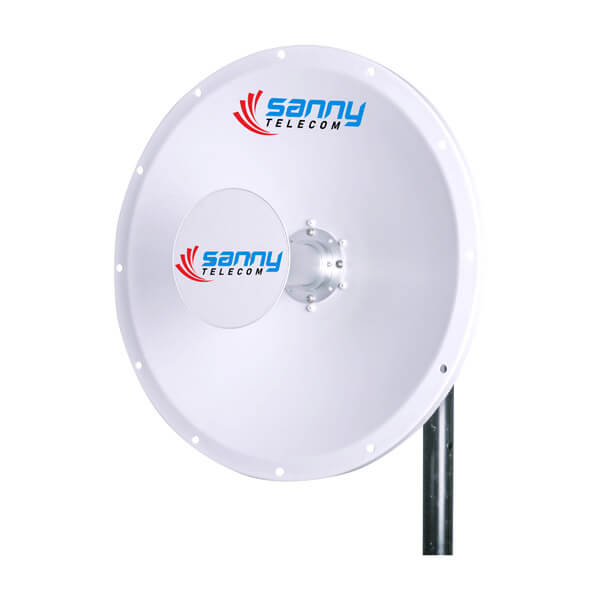
Shaped like a satellite TV dish, these antennas use a parabolic reflector to focus the WiFi signal into a tight, highly directional beam. This design offers long-range communication and high directivity, making dish antennas a top pick for point-to-point links over large distances—think connecting two buildings across a campus or spanning a valley.
Yagi Antennas:
Consisting of a series of straight elements (rods) mounted on a single boom, Yagi antennas are known for their moderate gain and relatively narrow beamwidth. They’re commonly used for boosting WiFi signals in a single direction and are a popular choice for amateur radio, TV reception, or extending WiFi to a backyard workshop.
Panel Antennas:
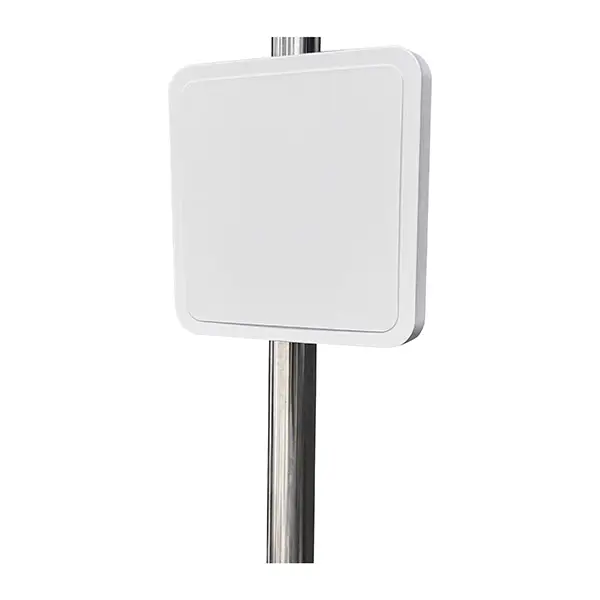
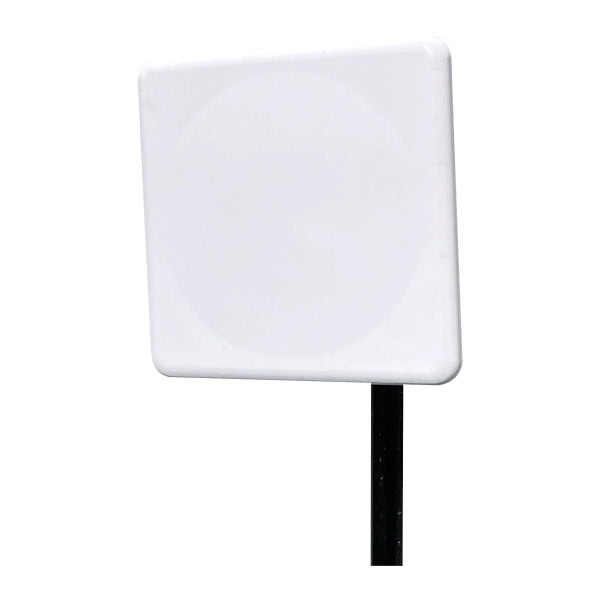
With a flat, square, or rectangular appearance, panel antennas offer robust directional performance and are easy to mount on walls or poles. They shine in point-to-point or point-to-multipoint applications—for example, beaming WiFi from one side of a building to another, or across a parking lot.
Symmetrical Horn Antennas:
These antennas feature a flared, horn-like metal design and are especially effective at higher frequencies, such as those used in microwave links or specific WiFi bands. Symmetrical horn antennas are valued for their precise, narrow transmission patterns, making them ideal for applications like wireless backhauls, point-to-point connections, and industrial networks. In contrast, LoRa antennas are typically designed for long-range, low-power IoT applications and operate in different frequency ranges, focusing on broad coverage rather than narrow beamwidths.

Grid Antennas:
Featuring a grid-style reflector, these antennas minimize wind load while focusing the WiFi beam. Their design is suited for outdoor, long-range links where environmental durability is a priority—whether you’re connecting rural outbuildings or shooting a signal through a wooded area.

Loop Antennas:
Constructed from wire formed into a circular or square loop, loop antennas are less commonly seen in WiFi but are used for specialty applications such as direction finding and RFID systems.
Each of these directional antenna types offers unique advantages, so your final choice will depend on your environment, distance needs, and desired level of signal focus.
What is a Dish Antenna and How Does It Work?
A dish antenna, often referred to as a parabolic antenna, is easily recognized by its curved, dish-like shape. The key feature of this design is the parabolic reflector, which serves to focus incoming or outgoing radio frequency (RF) signals into a narrow, highly directional beam. This focused approach allows dish antennas to achieve exceptional directivity and range, making them a top choice when you need to transmit a signal over a considerable distance.
Dish antennas are especially effective for point-to-point wireless communication, such as linking two campus buildings or connecting remote geographic locations. A common variant is the grid parabolic antenna, which is designed to minimize wind resistance and perform reliably outdoors. With beamwidths typically narrower than 25 degrees, these antennas are adept at cutting through obstacles and reducing interference from unwanted sources, ensuring a strong and stable connection exactly where you need it.

What is a Horn Antenna and Where is it Commonly Used?
A horn antenna is a type of directional antenna featuring a flared metal opening—think of it as a metal megaphone for radio waves. This specific design helps guide and focus radio signals into a narrow beam, making horn antennas especially effective for transmitting and receiving signals at UHF and microwave frequencies, typically above 300 MHz.
You’ll often find horn antennas in technical applications that demand focused signal strength. For example, they are popular as the feed element for larger antennas, such as parabolic dishes used in satellite communications. Horn antennas also show up in practical scenarios like radar systems, automatic door sensors, and scientific instruments like microwave radiometers—anywhere a controlled, directional beam is needed.
Their high directivity and wide bandwidth make horn antennas a fundamental choice for both industrial and research environments, particularly when precision and signal clarity are top priorities.
What’s the Directional Antenna WiFi Range?
The range of a WiFi directional antenna can vary depending on factors such as the design of the antenna, the power of the transmitter, and the environment in which it is used.
In general, directional antennas can extend the WiFi range significantly compared to omnidirectional antennas, allowing for connections to be made over longer distances. However, the actual range achieved will depend on the specific circumstances and obstacles such as buildings, trees, and other sources of interference.
Directional vs Omni-directional WiFi Antenna
Directional antennas focus the WiFi signal in one specific direction, allowing for a stronger and more concentrated signal over longer distances. They are ideal for situations where you need to transmit the WiFi signal over a long distance to a specific location, such as connecting two buildings or reaching a device in a remote location.

Omni-directional antennas radiate the WiFi signal in all directions, providing a 360-degree coverage pattern. They are great for situations where devices are spread out in various directions and need to connect to the WiFi network from different locations. Omni-directional antennas are commonly used in homes, small offices, and other small to medium-sized environments where the WiFi devices are spread out in different directions.
In summary, if you need to transmit the WiFi signal over a long distance to a specific location, choose a directional antenna. If you need to provide WiFi coverage to devices spread out in various directions, choose an omni-directional antenna.
Does Wi-Fi Antenna Direction Matter?
Yes, the direction of your WiFi antenna significantly impacts the quality of your connection. Properly aligned antennas ensure that the signal is focused where it’s needed most, enhancing connectivity and reducing interference.
In general, Wi-Fi antennas are designed to radiate their signal in a specific pattern. This pattern can be either omni-directional or directional.
Omni-directional antennas radiate their signal in all directions, like a sphere. They are typically used in situations where you want the Wi-Fi signal to be spread out evenly in all directions, such as in a home or small office.
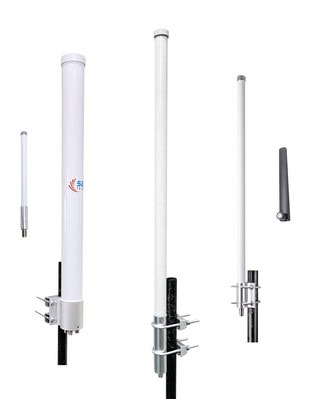
Directional antennas, on the other hand, focus their signal in a specific direction. They are used when you want to concentrate the Wi-Fi signal in a specific location, such as when connecting to a distant access point or when trying to cover a specific area with a strong signal.
What is a Lobe in Directional Antennas?
In the context of directional antennas, a “lobe” refers to the distinct shape of the antenna’s radiation pattern—essentially, it’s the area where the Wi-Fi signal is strongest. For directional antennas, this lobe is typically narrow and elongated, resembling a cigar when viewed from above or the side.
This focused lobe allows the antenna to send and receive signals primarily in one direction, giving it greater range and signal strength in that targeted area. The shape and size of the lobe are crucial because they determine how effectively the antenna can deliver a concentrated Wi-Fi signal to where it’s needed most, while minimizing signal loss in other directions.
When it comes to the direction of your Wi-Fi antenna, there are a few things to consider:
1. Positioning: For omni-directional antennas, it’s generally recommended to position them vertically. This allows the signal to radiate outwards in all directions. For directional antennas, you’ll want to point them in the direction you want the signal to go. This could be towards a specific device or towards a distant access point.
2. Line of sight: Wi-Fi signals can be blocked or weakened by physical objects such as walls, furniture, or other obstructions. If you have a directional antenna, you’ll want to make sure that there is a clear line of sight between your antenna and the device or access point you’re trying to connect to. If you have an omni-directional antenna, you’ll want to make sure that it’s positioned in a way that minimizes the number of obstructions between it and your devices.

3. Interference: Wi-Fi signals can also be affected by interference from other devices or networks. By properly aligning your antenna, you can reduce the amount of interference you experience. For example, if you have a directional antenna, you can point it away from other devices or networks that might be causing interference. If you have an omni-directional antenna, you can position it in a way that minimizes the amount of interference it receives.
In conclusion, the direction of your Wi-Fi antenna does matter. By properly aligning your antenna, you can enhance the quality of your connection, increase your Wi-Fi range, and reduce interference.
In summary, WiFi directional antennas are an important option for those who want to get the most out of their wireless network. Whether you have a complicated industrial setup or just want to improve your home WiFi, knowing and using the directionality of your antenna can greatly improve your connection.
 English
  Spanish
  German
  French (France)
  Korean
  Russian
  Indonesian
  French (Canada)
  Vietnamese
  Armenian
  Albanian
  Assamese
  Acehnese
  Amharic
  Czech
Czech  Bulgarian
  Cebuano
  Malayalam
  German (Switzerland)
  Japanese
  Dutch
Dutch