 Skip to content

In recent years, the concept of bio-antennas has gained traction in both the tech and medical fields, leading to innovations in health monitoring and wireless communication. But what exactly is a bio-antenna, and why is it important? Understanding its purpose and function can unlock a new perspective on how technology can merge with biology to transform healthcare and beyond.
A bio-antenna is a specialized antenna that is either implanted into the human body or attached externally to interact with biological systems. It is often paired with biomedical sensors and communicates real-time physiological data wirelessly, making it useful for health monitoring, diagnostic purposes, and even therapeutic applications.
Bilogical Antenna, While it sounds like a mispronunciation at first glance, a “bilogical antenna” is a genuine term in specialized technical circles—albeit used in a somewhat improvised fashion. Instead of referring directly to biology, this descriptor highlights antennas or antenna systems designed for exceptionally wide spectral bandwidths. Typically, these antennas are capable of handling frequencies from as low as 20 MHz all the way up to 7 GHz, making them particularly valuable for electromagnetic compatibility (EMC) and electromagnetic interference (EMI) testing.
The name might be a quirky blend—possibly a mashup of “biological” and “logical”—but its focus is clear. Bilogical antennas are favored in scenarios involving microprocessor and microcontroller-based systems, where broad-spectrum measurement is key. Their design often bridges the gap between frequency ranges below 1 GHz and those well above, allowing for comprehensive data collection across multiple domains.
By bridging such an expansive spectrum, bilogical antennas play a unique role in environments that demand thorough spectral coverage and flexibility in signal monitoring.
Now that we have a basic understanding, let’s dive deeper into the various uses, benefits, and examples of bio-antennas to see how they function and their significance in the modern world.
What is a bio-antenna used for?
A bio-antenna is a type of antenna that integrates biological components with traditional electronic systems. It is primarily used for various applications in fields such as biomedical engineering, telecommunications, and environmental monitoring. Some specific uses of bio-antennas include:
1. Biocompatible Communication Devices: Bio-antennas can be used in medical implants or wearable devices that require wireless communication with external devices while being safe for the human body.
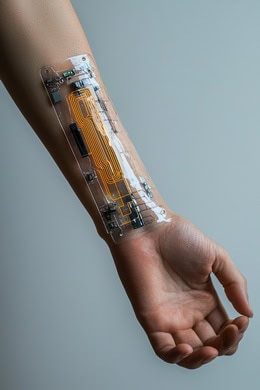
2. Biosensing: They can act as sensors that detect biological signals or environmental changes, such as monitoring glucose levels or other biomarkers in real-time.
3. Wireless Power Transfer: Bio-antennas may facilitate wireless power transfer for implanted devices, reducing the need for batteries and invasive procedures.

4. Environmental Monitoring: They can be employed in ecological studies to monitor biological responses to environmental changes or pollutants.
5. Research Applications: In scientific research, bio-antennas can be used to study cellular responses to electromagnetic fields or to explore new forms of communication within biological systems.
6. Electromagnetic Compatibility (EMC) and Interference Testing: Bio-antennas are frequently used to measure electromagnetic emissions and susceptibility, playing a crucial role in ensuring medical devices meet strict regulatory standards. Their sensitivity and broad operating range make them ideal for minimizing unwanted interference in environments like hospitals or research facilities.
7. Healthcare and Diagnostics: In both lab research and clinical settings, these antennas support the operation of wireless body sensor networks, enabling seamless monitoring of physiological signals. This paves the way for innovations like remote health tracking and contactless diagnosis.
8. Wireless Networks in Wearable Technology: As wearable health trackers become more advanced, bio-antennas serve as essential components, facilitating steady, unobtrusive communication between sensors and monitoring stations.
Overall, bio-antennas represent a convergence of biology and technology, enabling innovative solutions in health, environmental science, and communication.
How does the bio-antenna work?
A bio-antenna operates by utilizing electromagnetic signals to facilitate wireless communication between physiological sensors and external devices. These antennas are often integrated with biosensors that monitor various biological parameters, like glucose levels, heart rate, or other health indicators.
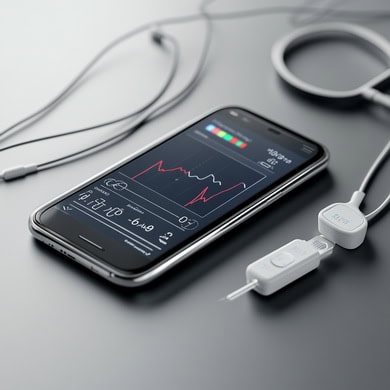
When a biosensor detects a physiological change, the bio-antenna transmits this information wirelessly to an external receiver, such as a smartphone or a medical monitoring device. The design of bio-antennas is critical, particularly for implantable versions, as they must function effectively in the challenging environment of the human body. Body fluids can attenuate electromagnetic signals, so bio-antennas are engineered to optimize signal strength and efficiency, allowing for reliable data transmission despite these obstacles.
Additionally, bio-antennas may utilize specific frequency ranges and modulation techniques to enhance communication reliability and minimize interference from body tissues. This technology holds great promise for continuous health monitoring and the development of advanced medical devices that can provide real-time data to healthcare providers.
The meaning of “bilogical” in frequency ranges
The term “bilogical,” though sometimes a misspelling, is often used in a technical context to describe antennas capable of operating across a broad range of frequencies—particularly from 20 MHz to 7 GHz. This wide spectral coverage is important for applications like electromagnetic compatibility (EMC) and electromagnetic interference (EMI) testing, where it’s necessary to capture signals across both lower and higher frequency domains.
Interestingly, the concept of “bilogical” antennas points to the practical challenges and distinctions in measuring and managing signals below 1 GHz versus those above 1 GHz. Devices operating in these separate domains encounter different technical considerations, so an antenna labeled as “bilogical” is designed to bridge this divide efficiently, offering reliable performance for applications in both frequency ranges. This versatility is especially valuable in devices that need to interact with a variety of wireless technologies and protocols, supporting seamless data transmission and signal monitoring across a spectrum of environments and use cases.
What are the benefits of the bio-antenna?
The bio-antenna, a type of bioelectronic device that can interface with biological systems, offers several benefits across various fields. Here are some key advantages:
1. Biocompatibility: Bio-antennas are designed to be compatible with biological tissues, minimizing the risk of rejection or adverse reactions when used in medical applications.
2. Real-time Monitoring: They can provide continuous monitoring of physiological parameters, enabling real-time data collection for health tracking and disease management.

3. Wireless Communication: Bio-antennas can facilitate wireless communication between biological systems and external devices, allowing for remote monitoring and data transmission without the need for invasive procedures.

4. Enhanced Diagnostics: By integrating with biological systems, bio-antennas can improve diagnostic capabilities, helping to detect diseases or monitor health conditions more accurately.

5. Energy Harvesting: Some bio-antennas can harvest energy from biological processes, reducing the need for external power sources and making them more sustainable.
6. Integration with IoT: They can be integrated into the Internet of Things (IoT) ecosystem, allowing for smarter healthcare solutions and better data management.
7. Versatility: Bio-antennas can be used in a variety of applications, including medical diagnostics, drug delivery systems, environmental monitoring, and even in agricultural practices.
8. Enhanced Therapeutic Applications: They can be used to deliver targeted therapies, such as localized drug delivery or stimulation of specific tissues, improving treatment efficacy.
9. Miniaturization: Advances in technology allow for the miniaturization of bio-antennas, making them less intrusive and easier to use in various applications.
10. Research and Development: Bio-antennas can aid in scientific research by providing insights into biological processes and interactions at a molecular level.
Overall, bio-antennas represent a promising intersection of biology and technology, with the potential to revolutionize healthcare, environmental monitoring, and other fields by providing innovative solutions and enhancing our understanding of biological systems.
What is an example of the bio-antenna?
cURL Too many subrequests.

cURL Too many subrequests.
cURL Too many subrequests.
cURL Too many subrequests.
cURL Too many subrequests.
cURL Too many subrequests.
cURL Too many subrequests.

cURL Too many subrequests.
cURL Too many subrequests.
cURL Too many subrequests.
cURL Too many subrequests.
cURL Too many subrequests.
cURL Too many subrequests.
cURL Too many subrequests.
– Traditional AntennascURL Too many subrequests.

cURL Too many subrequests.
cURL Too many subrequests.
cURL Too many subrequests.
cURL Too many subrequests.
3. Operating Principles:
– Traditional Antennas: Operate based on electromagnetic waves and the principles of radio frequency (RF) transmission.
– Bio-antennas: Can utilize biochemical interactions for signal transduction, often converting biochemical signals into electrical signals.
cURL Too many subrequests.
– Traditional Antennas: Used in communication systems, broadcasting, and radar.
– Bio-antennas: Applied in medical diagnostics, environmental monitoring, and biocompatible devices, often for health-related purposes.
5. Sensitivity and Selectivity:
– Traditional Antennas: Generally designed for broad frequency ranges and may require significant power input.
– Bio-antennas: Can be highly sensitive and selective to specific biological or chemical entities, often requiring minimal power due to their nature.
6. Integration with Biological Systems:
– Traditional Antennas: Not designed to interact with biological systems; they are purely electronic.
– Bio-antennas: Specifically designed to integrate with living systems, making them suitable for applications like in vivo monitoring or targeted drug delivery.
7. Environmental Impact:
– Traditional Antennas: The production and disposal of metal antennas can have environmental impacts.
– Bio-antennas: Generally more environmentally friendly due to the use of biodegradable materials, although this can depend on the specific materials used.
In summary, bio-antennas represent a convergence of biology and technology, focusing on applications that require interaction with living organisms, while traditional antennas are primarily rooted in electromagnetic communication technologies.
cURL Too many subrequests.
Bio-antennas are an exciting crossroads of biology and technology that provide novel solutions for real-time health monitoring and data transmission. As this technology advances, it has the potential to revolutionize how we monitor health conditions, track environmental changes, and create bio-inspired designs for better communication systems. Whether you’re a technician, engineer, or simply a tech enthusiast, understanding bio-antennas opens up new opportunities for seamlessly integrating technology with the human body.
 German (Switzerland)
  English
  Spanish
  German
  French (France)
  Korean
  Russian
  Indonesian
  French (Canada)
  Vietnamese
  Armenian
  Albanian
  Assamese
  Acehnese
  Amharic
  Czech
Czech  Bulgarian
  Cebuano
  Malayalam
  Japanese
  Dutch
Dutch