 Skip to content

In today’s world, people need reliable communication everywhere, from busy cities to remote wilderness. A repeater antenna is the key to making sure no phone call or data transmission gets lost, no matter where you are. This special device boosts and sends signals again, so you don’t lose your connection when you can’t connect directly.
A repeater antenna is a device employed in communication systems to increase the coverage range of radio and cellular signals. Its purpose is to receive weak signals, amplify them, and then transmit the amplified signals over a greater distance, enabling effective communication across barriers and over long distances.
As we delve deeper into the specifics of repeater antennas, let’s explore how they function, their benefits, and the considerations necessary for their effective use.
Why Understanding Antennas vs. Repeaters Matters in Network Design
When planning a robust wireless network, knowing the distinct roles of antennas and repeaters is essential. While antennas serve as the primary gateway for transmitting and receiving signals, repeaters step in to boost those signals and bridge longer distances or work around challenging obstacles like dense buildings or hilly terrain.
This distinction shapes how you tackle coverage gaps and signal reliability:
- Antennas: Optimize performance and directionality at specific locations, such as the rooftop of a high-rise office or the access point of a neighborhood Wi-Fi network.
- Repeaters: Play the hero in dead zones by capturing weak signals, amplifying them, and retransmitting, making sure the communication link doesn’t break—even as you move from urban centers to remote campsites.
By understanding how and when to deploy each, you can ensure efficient network layouts, minimize interference, and provide users with consistent connectivity wherever they go. Proper deployment is the difference between seamless video calls and frustrating signal dropouts—a critical consideration for everyone from network engineers to everyday smartphone users.
How do antennas convert electrical energy into electromagnetic energy—and back again?
To understand the magic behind antennas, think of them as clever translators between the world of electrical currents and the invisible waves traveling through the air. Here’s how it works:
Transmission: When your device—say, a walkie-talkie or your smartphone—wants to send information, it first turns that data into electrical signals. These signals travel along a metal conductor inside the antenna. As the electrons move, they generate oscillating electric and magnetic fields. These fields combine to form electromagnetic waves, which are then radiated out into the environment. That’s how your text, call, or data packet starts its journey through the air.
Reception: Now, imagine the journey in reverse. An incoming electromagnetic wave approaches another antenna. The wave’s fields jostle the electrons in the metal conductor, creating a tiny alternating current. The antenna captures this current and sends it to the device’s receiver, where it’s converted back into usable electrical signals—think audio, images, or data on your screen.
In essence, antennas act as two-way bridges, skillfully converting between the physical movement of electrons within wires and the propagation of energy through space as electromagnetic waves. This process enables wireless communication over distances, making it possible for us to stay connected—whether we’re hiking in the mountains or navigating a bustling city.
What is the primary function of an antenna?
At its core, an antenna acts as the link between a device and the airwaves. Its main job is to send out and pick up electromagnetic signals, enabling wireless devices—from smartphones to two-way radios—to communicate. Whether you’re streaming a movie in Manhattan or calling home from a mountaintop, antennas make it possible by converting electronic signals to radio waves (and vice versa) so information can travel wirelessly to its destination.
Without antennas, all those texts, calls, and data transfers would be stuck at square one—unable to make the leap from your device into the vast world of wireless connectivity.
What is a repeater antenna used for?
A repeater antenna is used to extend the range and improve the signal strength of a wireless communication system. It receives the weak signal from a transmitter, amplifies it, and retransmits it to increase the coverage area. This helps to overcome obstacles, such as buildings or terrain, that can weaken or block the original signal. Repeater antennas are commonly used in wireless networks, cell phone systems, and radio communication systems.
How does the repeater antenna work?
A repeater antenna is a device used to amplify and extend the range of a wireless signal. It works by receiving the weak signal from a wireless router or access point, amplifying it, and then transmitting it again to provide a stronger and more extended coverage area.
Here is a step-by-step explanation of how a repeater antenna works:
1. The repeater antenna is placed within the range of the existing wireless network. It should be positioned in an area where it can receive a good signal from the router or access point.
2. The repeater antenna receives the signal from the router or access point. It has a built-in receiver that captures the wireless signal.
3. The received signal is then passed through an amplifier within the repeater antenna. The amplifier boosts the signal strength, making it stronger.
4. Once the signal is amplified, the repeater antenna transmits it again. It has a built-in transmitter that sends out the amplified signal.
5. The transmitted signal is then received by wireless devices within range of the repeater antenna. These devices can connect to the repeater antenna and access the network as if they were directly connected to the router or access point.
By using a repeater antenna, the range of a wireless network can be extended. It allows devices that are too far away from the router or access point to receive a strong signal and connect to the network. However, it’s important to note that using a repeater antenna can reduce the overall speed and bandwidth of the network, as the signal has to be transmitted twice.
How does an antenna work when receiving a radio wave?
When a radio wave reaches an antenna, it sets the electrons in the antenna’s metal elements into motion, creating a tiny electric current. This current is then transferred to the receiver, which converts it into an electrical signal that the connected device can interpret—whether that’s transforming radio waves into sound for your speakers, or data for your smartphone. Essentially, the antenna acts as a bridge, capturing invisible radio energy and turning it into information your devices can actually use.
How does an antenna work when transmitting a radio wave?
When an antenna transmits a radio wave, it essentially acts as a bridge between electrical signals and the invisible world of electromagnetic waves. Here’s what happens: An electrical current, carrying the information you want to send (like your voice or data), flows through the metal elements of the antenna. This current generates a rapidly changing electromagnetic field around the antenna. As a result, energy is radiated outward as radio waves.
These radio waves travel through the air and can be received by another antenna—just like someone on the other end of a phone call catching your signal. The smoother and more efficient the antenna’s design, the better it is at converting electrical signals into radio waves for reliable communication over long distances or through obstacles.
How do antennas transmit and receive signals?
Antennas serve as the essential bridge between electrical and electromagnetic signals in any wireless communication system. At their core, antennas are usually made from metal and come in various shapes and sizes—such as dipole, patch, or Yagi designs—each tailored to a specific frequency range and purpose.
The process is straightforward but ingenious. When transmitting, an antenna takes an electrical signal from a device (like a router or radio transmitter) and transforms it into electromagnetic waves that travel through the air. This happens when the electrical current moves through the antenna’s metal elements, generating electromagnetic fields that radiate outward as radio waves.
On the receiving end, the process works in reverse. The antenna picks up electromagnetic waves from the environment, which then induce a small electrical current in its metal structure. This electrical signal is sent to the receiver, where it can be decoded and processed by your device.
By handling both transmission and reception, antennas ensure that data can move wirelessly—whether you’re making a call in a skyscraper, surfing the web at home, or coordinating over walkie-talkies in the wild.
What are the benefits of a repeater antenna?
A repeater antenna has several benefits, including:

1. Extended range: A repeater antenna can amplify and extend the range of a wireless signal, allowing it to reach areas that would otherwise be out of range. This is particularly useful in large buildings, outdoor spaces, or areas with obstacles that block or weaken the signal.
2. Improved signal strength: A repeater antenna can boost the signal strength, resulting in a more reliable and stable connection. This is especially beneficial in areas with weak or fluctuating signals, reducing the chances of dropped calls or interrupted data transmission.
3. Enhanced coverage: By receiving and retransmitting signals, a repeater antenna can provide wider coverage, ensuring that more devices can connect to the network simultaneously. This is advantageous in crowded environments such as offices, conference centers, or public spaces where multiple users need access to a strong and stable signal.
4. Cost-effective solution: Instead of investing in additional routers or access points, a repeater antenna can be a cost-effective solution to extend the coverage of an existing network. It eliminates the need for complex wiring or infrastructure changes, making it an affordable option for improving wireless connectivity.
5. Easy installation and setup: Repeater antennas are relatively easy to install and configure. They can be mounted on walls or placed on a desk, and most models provide a user-friendly interface for setup. This makes them a convenient option for both home and business users looking to enhance their wireless network.
What are the disadvantages of a repeater antenna?
However, there are also disadvantages to consider:
1. Limited range: A repeater antenna is designed to amplify and rebroadcast signals, but it cannot increase the range of the original signal. Therefore, if the original signal is weak, the repeater antenna may not be able to extend the range significantly.
2. Signal degradation: Each time a signal is amplified and broadcasted by a repeater antenna, there is a possibility of signal degradation. This can result in a lower quality signal, increased noise, or interference.
3. Cost: Repeater antennas can be expensive, especially if they are designed for specific frequencies or have advanced features. This cost may not be justifiable for individuals or small businesses with limited signal coverage needs.
4. Installation complexity: Installing a repeater antenna can be more complicated than other types of antennas. It may require additional equipment, such as amplifiers and cables, and may need to be positioned in specific locations to maximize signal strength and coverage.
5. Legal restrictions: In some jurisdictions, the use of repeater antennas may be subject to legal restrictions. These restrictions may include licensing requirements or limitations on the frequencies that can be amplified and rebroadcasted.
6. Interference with other devices: Repeater antennas can potentially interfere with other devices operating in the same frequency range. This can cause disruptions or degraded performance for nearby wireless devices, such as Wi-Fi routers or cordless phones.
What is the frequency and range of repeater antennas?
The frequency and range of repeater antennas can vary depending on the specific setup and location. However, repeaters generally operate on VHF (Very High Frequency) and UHF (Ultra High Frequency) bands.
VHF repeaters typically operate in the frequency range of 144-148 MHz, while UHF repeaters operate in the range of 420-450 MHz. These frequencies allow for longer-range communication compared to lower frequency bands such as HF (High Frequency) or MF (Medium Frequency).
The range of repeater antennas can vary depending on various factors such as the transmit power, receiver sensitivity, antenna height, and environmental conditions. In dense urban areas with many buildings and obstacles, the range of a repeater may only be a few kilometers. However, in open rural areas with few obstacles, the range can extend to dozens kilometers.
It is important to note that the range of a repeater is not solely determined by the repeater antenna itself. The range is also influenced by the transmitting and receiving radios used by the operators, as well as the power and antenna setup of those radios.
Repeater Antenna Types
Antennas are made up of one or more metal conductors that can be designed in many different shapes and sizes, including dipole, patch, and Yagi antennas. Their specific shape and size depend on the frequency of the signal they are designed to transmit or receive. In the context of repeater antennas, choosing the right design is crucial for optimizing signal strength, range, and coverage. Below are several types of repeater antennas used in wireless communication systems, each with its own design characteristics and applications:
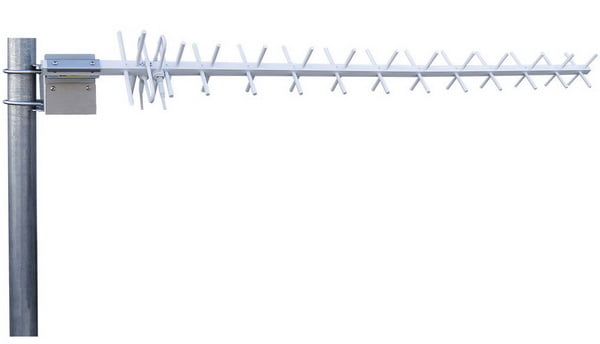
1. Yagi Antenna: Yagi antennas are directional antennas that consist of a driven element and multiple parasitic elements. They are commonly used in point-to-point and point-to-multipoint communication systems.The Yagi’s elongated structure allows it to focus signal energy in one direction, making it ideal for applications where distance and signal clarity are priorities.
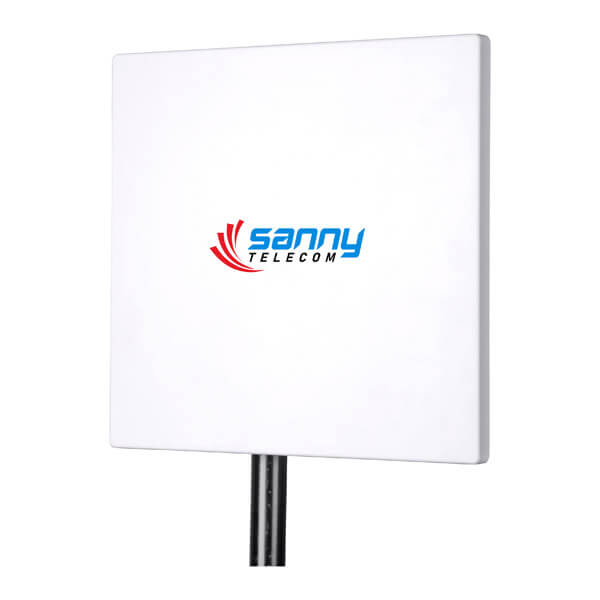
2. Panel Antenna: Panel antennas are flat, rectangular antennas that radiate and receive signals in a specific direction. They are commonly used in indoor and outdoor wireless communication systems.The flat design helps control the beamwidth, providing targeted coverage in environments like offices, warehouses, or outdoor corridors.
3. Omni-Directional Antenna: Omni-directional antennas radiate and receive signals in all directions. They are commonly used in wireless communication systems where signals need to be transmitted and received from multiple directions.Their cylindrical design is ideal for central locations where 360-degree coverage is needed, such as in the middle of a large room or open outdoor area.
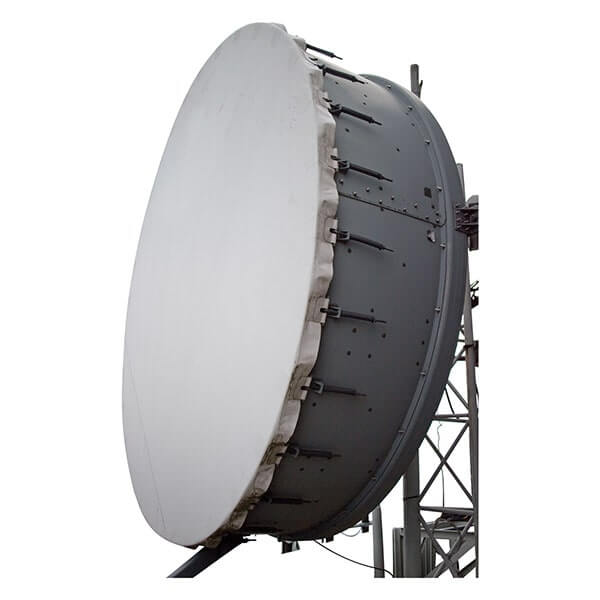
4. Parabolic Dish Antenna: Parabolic dish antennas consist of a dish-shaped reflector and a feed antenna at the focal point. They are highly directional antennas and are commonly used in long-distance wireless communication systems.The parabolic shape enables high gain and focused beams, making them suitable for backhaul links or remote area connections.
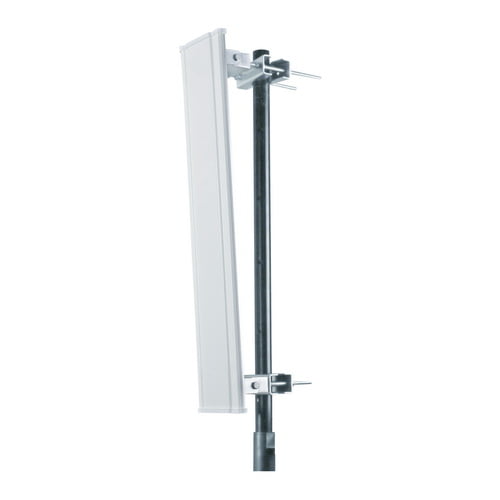
5. Sector Antenna: Sector antennas are directional antennas that radiate and receive signals in a specific sector or angle. They are commonly used in wireless communication systems for providing coverage in specific areas.For example, cell towers often use multiple sector antennas arranged in a circle to cover all directions in manageable segments.
6. Log-Periodic Antenna: Log-periodic antennas are wideband antennas that operate over a wide frequency range. They are commonly used in wireless communication systems where multiple frequency bands need to be covered.The unique arrangement of their elements allows them to maintain performance across a broad spectrum, making them versatile for various applications.
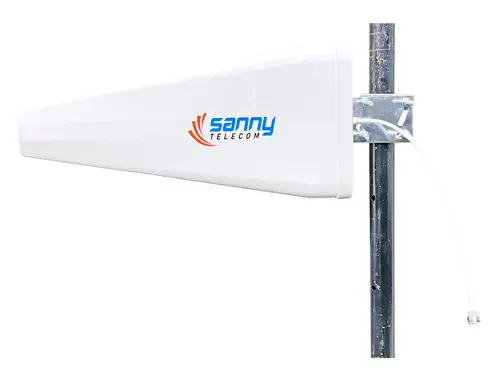
These are just a few examples of repeater antenna types. The selection of the antenna type depends on the specific requirements of the wireless communication system, such as frequency range, coverage area, and directional characteristics.By understanding how the physical design of an antenna relates to its operational frequency and intended use, system planners can make informed choices to ensure optimal performance.
What is the best repeater antenna?
There is no one-size-fits-all answer to this question as the best repeater antenna will vary depending on the specific requirements of the application. It is important to consider factors such as the operational frequency, environmental conditions, and budget constraints when selecting a repeater antenna. Consulting with a communications expert and reviewing the latest industry standards and products can also help in making an informed decision.
Conclusion
In conclusion, repeater antennas play a crucial role in ensuring widespread and reliable communication. They eliminate the limitations of distance and physical obstructions, enabling important communications to take place without interruption. Whether it is emergency response operations or everyday mobile phone usage, repeater antennas are essential. As technology continues to advance, the significance of repeater antennas in our interconnected society will only grow.
 English
  Spanish
  German
  French (France)
  Korean
  Russian
  Indonesian
  French (Canada)
  Vietnamese
  Armenian
  Albanian
  Assamese
  Acehnese
  Amharic
  Czech
Czech  Bulgarian
  Cebuano
  Malayalam
  German (Switzerland)
  Japanese
  Dutch
Dutch