 Skip to content
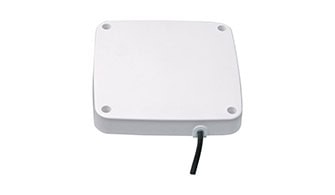
When it comes to implementing an RFID system, one of the most crucial components is the RFID antenna. The antenna is responsible for transmitting and receiving radio waves to communicate with RFID tags. Choosing the right UHF RFID antenna is essential to ensure the success and efficiency of your RFID system.
The “Ultimate Guide to Choose the Right UHF RFID Antennas” aims to provide comprehensive information and practical advice for selecting the most suitable Ultra-High Frequency (UHF) Radio-Frequency Identification (RFID) antennas for various applications. The guide is designed to cater to a diverse audience, including business owners, supply chain managers, IT professionals, and anyone involved in implementing RFID technology. Here’s an outline of the purpose and scope of the guide:
Purpose of this Guide
1. Educate Readers: To inform readers about the fundamental concepts of UHF RFID technology, including how RFID antennas work and their role in an RFID system.
2. Selection Criteria: To provide detailed criteria and considerations for choosing the right UHF RFID antennas based on specific needs and use cases.
3. Application Scenarios: To offer insights into different application scenarios and how the choice of antenna can impact the performance and efficiency of an RFID system.
4. Enhance Decision-Making: To assist readers in making informed decisions by comparing different types of UHF RFID antennas, understanding their specifications, and evaluating their pros and cons.
5. Best Practices: To share best practices and tips for optimizing the performance of UHF RFID antennas in various environments.
Scope of this Guide
1. Introduction to UHF RFID Technology:
– Basic principles of RFID technology.
– Overview of UHF RFID frequency ranges and standards.
– Importance of antennas in an RFID system.
2. Types of UHF RFID Antennas:
– Description of different types of UHF RFID antennas (e.g., linear polarized, circular polarized, near-field, far-field).
– Comparative analysis of each type, including advantages and disadvantages.
3. Key Factors in Antenna Selection:
– Frequency compatibility.
– Polarization (linear vs. circular).
– Gain and read range.
– Antenna size and form factor.
– Environmental considerations (e.g., indoor vs. outdoor use, temperature, humidity).
4. Application-Specific Recommendations:
– Retail and inventory management.
– Supply chain and logistics.
– Asset tracking.
– Access control and security.
– Industrial automation and manufacturing.
5. Installation and Deployment Tips:
– Best practices for antenna placement and orientation.
– Avoiding common pitfalls and troubleshooting issues.
– Maintenance and performance optimization.
6. Case Studies and Real-World Examples:
– Success stories and lessons learned from various industries.
– Practical examples of how the right antenna choice improved system performance.
7. Future Trends and Innovations:
– Emerging technologies and advancements in UHF RFID antennas.
– Predictions for future developments and their potential impact on RFID applications.
cURL Too many subrequests.
cURL Too many subrequests.
cURL Too many subrequests.
cURL Too many subrequests.

cURL Too many subrequests.
cURL Too many subrequests.
cURL Too many subrequests.“
cURL Too many subrequests.
cURL Too many subrequests.
cURL Too many subrequests.
cURL Too many subrequests.
cURL Too many subrequests.
cURL Too many subrequests.
cURL Too many subrequests.
cURL Too many subrequests.
cURL Too many subrequests.
cURL Too many subrequests.
cURL Too many subrequests.
cURL Too many subrequests.
3. Antenna:
Both the reader and the tags have antennas. The reader’s antenna emits radio waves, and the tag’s antenna captures these waves to power the tag and send back data.
4. Middleware and Software:
This includes the software systems that process the data collected by the reader, integrate it with databases, and provide user interfaces for managing and analyzing the information.
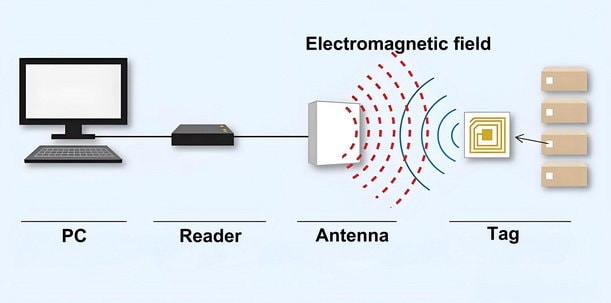
Working Principle of UHF RFID
UHF RFID (Ultra-High Frequency Radio Frequency Identification) technology is a wireless communication technology that uses radio waves to identify and track objects. It operates in the frequency range of 860 to 960 MHz, which allows for longer read ranges and faster data transfer rates compared to other RFID frequencies.
The working principle of UHF RFID involves three main components: the RFID tag, the RFID reader, and the RFID antenna.
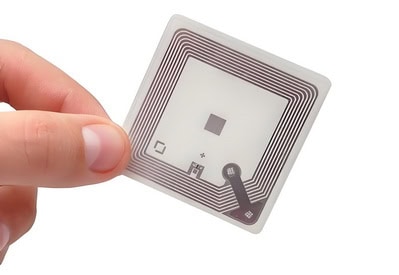
1. RFID Tag: The RFID tag is a small electronic device that contains a microchip and an antenna. The microchip stores data and the antenna allows the tag to communicate with the RFID reader. UHF RFID tags can be either passive or active. Passive tags do not have a power source and rely on the energy from the RFID reader to power the tag and transmit data. Active tags have their own power source and can transmit data without relying on the RFID reader for power.
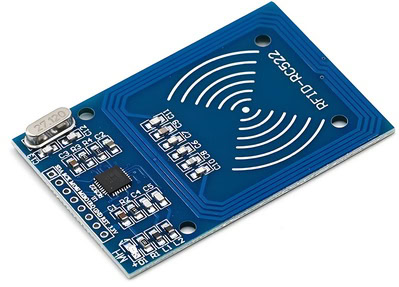
2. RFID Reader: The RFID reader is a device that sends and receives radio signals to communicate with RFID tags. It consists of a radio frequency module, a control unit, and an interface to connect with a computer or other system. The reader emits radio waves through its antenna to energize the RFID tag and receive the data stored on it.
3. RFID Antenna: The RFID antenna is responsible for transmitting and receiving radio signals between the RFID reader and the RFID tag. It converts electrical signals from the reader into radio waves that can be transmitted wirelessly and vice versa.
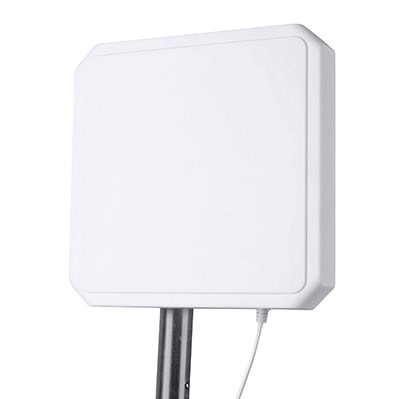
The working process of UHF RFID involves the following steps:
1. Tag Activation: When an RFID tag enters the read range of an RFID reader, the reader emits a radio signal through its antenna. This signal powers the passive RFID tag and activates it.
2. Data Transmission: Once activated, the RFID tag sends back a signal to the RFID reader. This signal contains the unique identification number (UID) or other data stored on the tag’s microchip.
3. Data Processing: The RFID reader receives the signal from the RFID tag through its antenna. It processes the received data and sends it to a computer or other system for further processing or storage.
4. Read Range: The read range of UHF RFID depends on various factors such as the power output of the RFID reader, the sensitivity of the RFID antenna, and the environment in which the RFID system is deployed. Generally, UHF RFID can achieve read ranges of several meters or more, allowing for fast and efficient identification and tracking of objects.
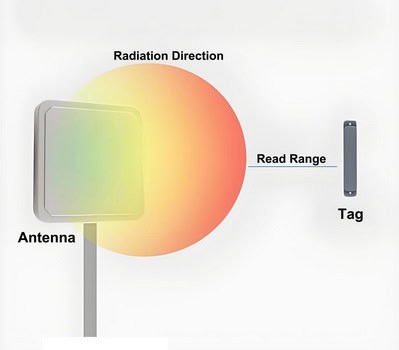
Overall, UHF RFID technology provides a reliable and efficient way to identify and track objects in a wide range of applications, including inventory management, supply chain logistics, asset tracking, and access control.
Overview of UHF RFID frequency ranges and standards
Ultra High Frequency (UHF) RFID (Radio Frequency Identification) operates in the frequency range of approximately 300 MHz to 3 GHz. However, in practical applications, UHF RFID systems commonly operate within specific sub-ranges due to regional regulations and standards. Here’s an overview of the key frequency ranges and standards for UHF RFID:
Frequency Ranges
1. North America (US, Canada, Mexico):
– Frequency Range: 902-928 MHz
– Regulatory Body: Federal Communications Commission (FCC)
– Standard: EPCglobal Gen 2 (ISO/IEC 18000-63)
2. Europe:
– Frequency Range: 865-868 MHz
– Regulatory Body: European Telecommunications Standards Institute (ETSI)
– Standard: EPCglobal Gen 2 (ISO/IEC 18000-63)
3. Japan:
– Frequency Range: 916.8-923.4 MHz
– Regulatory Body: Ministry of Internal Affairs and Communications (MIC)
– Standard: EPCglobal Gen 2 (ISO/IEC 18000-63)
4. China:
– Frequency Range: 920.5-924.5 MHz
– Regulatory Body: Ministry of Industry and Information Technology (MIIT)
– Standard: EPCglobal Gen 2 (ISO/IEC 18000-63)
5. Australia and New Zealand:
– Frequency Range: 920-926 MHz
– Regulatory Body: Australian Communications and Media Authority (ACMA), Radio Spectrum Management (RSM) in New Zealand
– Standard: EPCglobal Gen 2 (ISO/IEC 18000-63)
6. India:
– Frequency Range: 865-867 MHz
– Regulatory Body: Telecom Regulatory Authority of India (TRAI)
– Standard: EPCglobal Gen 2 (ISO/IEC 18000-63)
Key Standards
1. EPCglobal Gen 2 (ISO/IEC 18000-63):
cURL Too many subrequests.
cURL Too many subrequests.
cURL Too many subrequests.
2. cURL Too many subrequests.:
cURL Too many subrequests.
cURL Too many subrequests.
cURL Too many subrequests.
cURL Too many subrequests.
cURL Too many subrequests.
Conclusion
cURL Too many subrequests.
cURL Too many subrequests.
cURL Too many subrequests.
cURL Too many subrequests.
cURL Too many subrequests.cURL Too many subrequests.
cURL Too many subrequests.
cURL Too many subrequests.
cURL Too many subrequests.
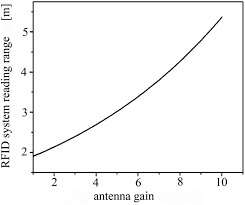
cURL Too many subrequests.
UHF RFID systems typically operate in the 860-960 MHz range. Antennas must be designed to efficiently operate within this frequency band to ensure optimal performance.
4. Polarization:
The polarization of the antennas (linear, circular, or dual) affects the orientation sensitivity of the system. Circularly polarized antennas, for example, can read tags regardless of their orientation, which is beneficial in dynamic environments.

5. Impedance Matching:
Proper impedance matching between the antenna and the RFID reader or tag circuitry is essential to minimize signal reflection and maximize power transfer, thereby enhancing system efficiency.
6. Environmental Adaptability:
Antennas need to be designed to withstand environmental factors such as temperature, humidity, and physical obstructions that can affect signal propagation and system reliability.
7. Application-Specific Design:
Different applications may require different antenna characteristics. For instance, a retail environment might need wide-beam antennas for broad coverage, whereas a conveyor belt system might require narrow-beam antennas for focused reads.
8. Interference and Multipath Mitigation:
Antenna design and placement can help mitigate interference from other electronic devices and reduce multipath effects (where signals reflect off surfaces and cause reading errors).
9. Regulatory Compliance:
Antennas must comply with regional regulations regarding power output and frequency usage to avoid interference with other communication systems and ensure legal operation.
10. Efficiency and Power Consumption:
Efficient antennas ensure that the maximum amount of transmitted power is used for communication with tags, which is particularly important for battery-powered or passive RFID tags.
In summary, antennas are integral to the performance, reliability, and efficiency of UHF RFID systems. Their design, placement, and characteristics directly influence the system’s ability to accurately and efficiently read and communicate with RFID tags.
Chapter 2: Types of UHF RFID Antennas
What is a UHF RFID Antenna
A UHF RFID antenna is a device that is used to send and receive radio frequency signals in the ultra-high frequency (UHF) range. It is specifically designed to work with UHF RFID systems, which use radio waves to communicate between RFID tags and readers. The antenna is responsible for transmitting the RFID signal to the tag and receiving the signal back from the tag. It is typically made of a conductive material, such as copper or aluminum, and is designed to have a specific shape and size to optimize its performance in reading RFID tags. UHF RFID antennas can be used in a variety of applications, such as inventory management, asset tracking, and access control.

Overview Of Different UHF RFID Antenna Types
Ultra High Frequency (UHF) RFID systems operate in the frequency range of 300 MHz to 3 GHz, typically around 860-960 MHz for most commercial applications. The performance of an RFID system heavily depends on the type of antenna used. Here’s an overview of different UHF RFID antenna types:
1. Linear Polarized Antennas
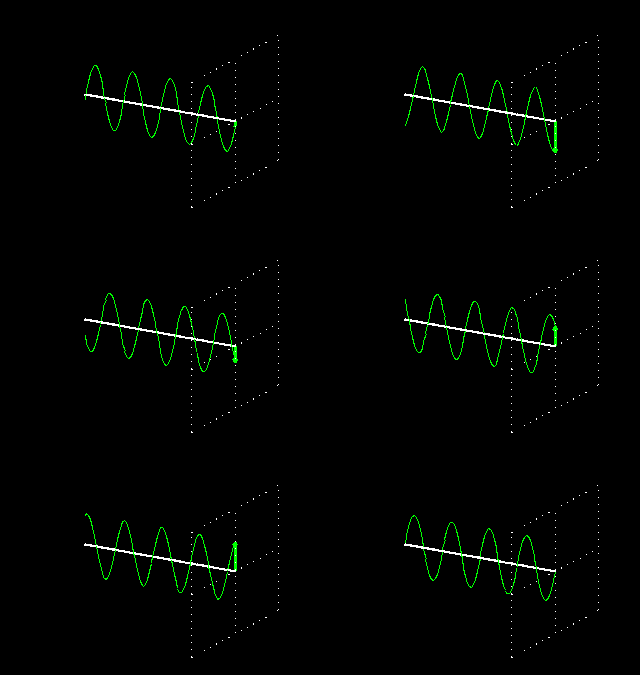
Linear polarized UHF RFID antennas are a crucial component in RFID systems, particularly in the Ultra High Frequency (UHF) range, which typically spans from 860 MHz to 960 MHz. These antennas are designed to emit and receive radio waves in a specific linear orientation, either horizontally or vertically. This linear polarization can be advantageous in certain applications and environments.
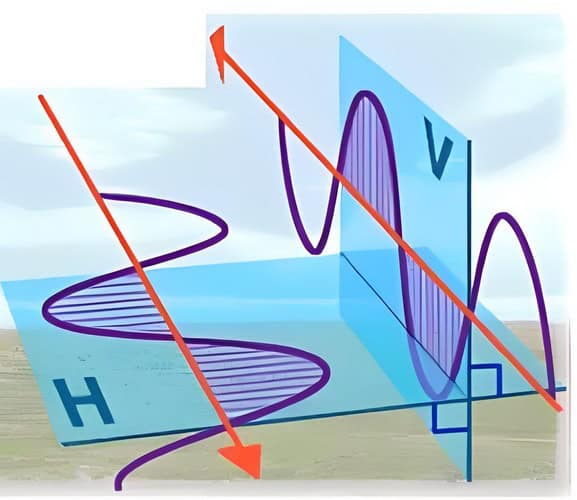
Key Characteristics
1. Polarization: Linear polarization means that the electric field of the radio wave is oriented in a single plane. This can be either horizontal or vertical. The orientation should match the polarization of the RFID tags for optimal performance.
2. Frequency Range: UHF RFID systems operate in the 860-960 MHz range, which allows for longer read ranges and faster data transfer compared to lower frequency systems.
3. Read Range: Linear polarized antennas typically have a longer read range compared to circularly polarized antennas, given that the tag orientation aligns with the antenna’s polarization.
4. Applications: These antennas are ideal for environments where the orientation of the RFID tags is known and controlled, such as conveyor belts, portals, and certain industrial applications.
Advantages
Longer Read Range: When the tag orientation is consistent with the antenna polarization, linear polarized antennas can achieve a longer read range.
Cost: Generally, linear polarized antennas can be less expensive to manufacture than circularly polarized antennas.
Efficiency: They can be more efficient in environments where tag orientation is predictable.
Disadvantages
Orientation Sensitivity: The primary drawback is their sensitivity to the orientation of the RFID tags. If the tag is not aligned with the antenna’s polarization, the read range can be significantly reduced.
Limited Use Cases: They are less effective in environments where the orientation of the tags is unpredictable, such as in retail or general asset tracking.
Use Cases
1. Conveyor Systems: In automated conveyor systems where the orientation of items (and hence the tags) is consistent, linear polarized antennas can provide reliable reads.
2. Industrial Applications: In manufacturing environments where items are placed in a known orientation, these antennas can be very effective.
3. cURL Too many subrequests.: In scenarios where RFID tags are presented in a consistent manner, such as access control points, linear polarized antennas can be used effectively.
Installation Considerations
cURL Too many subrequests.
cURL Too many subrequests.
cURL Too many subrequests.
Conclusion
cURL Too many subrequests.
cURL Too many subrequests.
cURL Too many subrequests. cURL Too many subrequests.
cURL Too many subrequests.
cURL Too many subrequests.
cURL Too many subrequests.
cURL Too many subrequests.
cURL Too many subrequests.
cURL Too many subrequests.
cURL Too many subrequests.
cURL Too many subrequests.
cURL Too many subrequests.
cURL Too many subrequests.
cURL Too many subrequests.
cURL Too many subrequests.
cURL Too many subrequests.
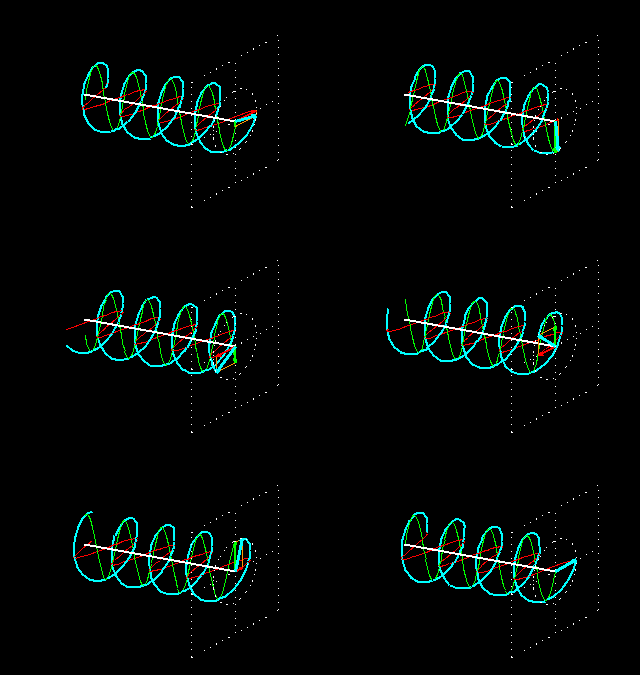
Beamwidth refers to the angle over which the antenna can effectively read tags. Circular polarized antennas often have a wider beamwidth compared to linear polarized antennas, making them suitable for applications where tags are scattered over a larger area.
5. Form Factor:
These antennas come in various shapes and sizes, including panel, patch, and omni-directional designs. The choice of form factor depends on the specific application and installation requirements.
Applications
1. Retail and Inventory Management:
– Circular polarized UHF RFID antennas are commonly used in retail environments for inventory tracking and management. They can read tags on items regardless of how they are placed on shelves or in storage bins.

2. Supply Chain and Logistics:
– In warehouses and distribution centers, these antennas help in tracking goods as they move through the supply chain, ensuring accurate and efficient inventory management.
3. cURL Too many subrequests.:
– Circular polarized antennas are used in access control systems to read RFID tags on employee badges or visitor passes, ensuring secure entry and exit.

4. Asset Tracking:
They are used to track high-value assets in various industries, including healthcare, manufacturing, and IT, providing real-time visibility of asset location and status.

5. Industrial Automation:
In industrial settings, these antennas are used for tracking parts and components in automated production lines, improving process efficiency and reducing errors.

Advantages
1. Orientation Independence:
The primary advantage of circular polarized antennas is their ability to read tags regardless of orientation, which is crucial in dynamic environments where tag orientation cannot be controlled.
2. Improved Read Rates:
By mitigating the effects of tag orientation, circular polarized antennas can achieve higher read rates and more reliable tag detection.
3. Versatility:
These antennas are versatile and can be used in a wide range of applications, from retail to industrial automation.
Considerations
1. Cost:
Circular polarized antennas can be more expensive than linear polarized antennas due to their complex design.
2. Installation:
Proper installation and positioning are essential to maximize the performance of circular polarized antennas.
In summary, circular polarized UHF RFID antennas are a critical component in modern RFID systems, offering reliable and efficient tag reading capabilities across various applications. Their ability to read tags irrespective of orientation makes them a preferred choice for many industries looking to enhance their tracking and inventory management processes.
3. Near-Field Antennas
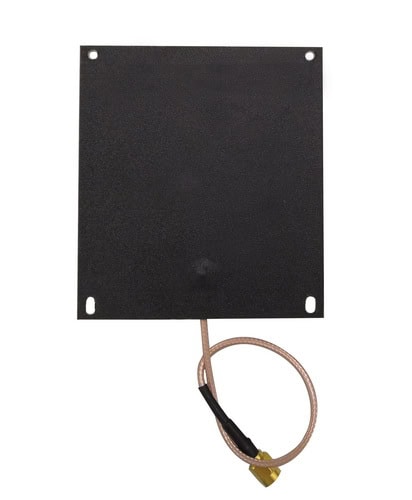
Near-field Ultra High Frequency (UHF) Radio Frequency Identification (RFID) antennas are specialized components used in RFID systems to read and write data to RFID tags that are in close proximity to the antenna. Unlike far-field UHF RFID systems, which can read tags from several meters away, near-field UHF systems are designed for short-range applications, typically within a few centimeters to a meter. This makes them ideal for specific use cases where precise tag detection and reading are required.
Key Characteristics
1. Operating Frequency: Near-field UHF RFID systems typically operate in the UHF band, which ranges from 300 MHz to 3 GHz. However, the most common frequencies used are around 860-960 MHz, depending on regional regulations.
2. Magnetic Coupling: Near-field UHF RFID antennas rely on magnetic coupling (inductive coupling) rather than electromagnetic waves for communication with RFID tags. This is achieved through the use of magnetic fields generated by the antenna.
3. Short Range: The read range of near-field UHF RFID antennas is typically very short, usually less than 1 meter. This is beneficial for applications requiring high precision and minimal interference from other tags.
4. Antenna Design: Near-field UHF RFID antennas are often designed with specific geometries to create a strong magnetic field. Common designs include loop antennas and coil antennas.
Applications
Near-field UHF RFID antennas are used in various applications where close-range reading is essential:
1. Retail: For item-level tagging and inventory management, where precise detection of individual items on shelves or in bins is required.
2. Pharmaceuticals: To track and manage medications and medical supplies, ensuring that the correct items are dispensed and preventing counterfeiting.
3. Access Control: For secure entry systems where the RFID tag must be very close to the reader to gain access.
4. Manufacturing: For tracking parts and components on assembly lines, ensuring that each part is correctly identified and processed.
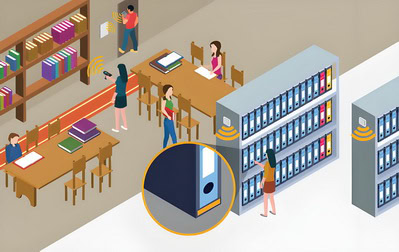
5. Libraries: For managing books and other media, enabling quick and accurate check-in and check-out processes.
Advantages
Precision: Near-field UHF RFID antennas can read tags with high accuracy and minimal interference from surrounding tags.
Security: The short read range enhances security by ensuring that only tags in close proximity are read.
Reduced Interference: The magnetic coupling method reduces the likelihood of interference from other RFID systems or electronic devices.
Challenges
Limited Range: The short read range may not be suitable for applications requiring longer-distance tag reading.
cURL Too many subrequests.
Conclusion
cURL Too many subrequests.
cURL Too many subrequests.
cURL Too many subrequests. cURL Too many subrequests.
cURL Too many subrequests.
cURL Too many subrequests.
cURL Too many subrequests.
cURL Too many subrequests.
cURL Too many subrequests.
cURL Too many subrequests.
cURL Too many subrequests.
cURL Too many subrequests.
cURL Too many subrequests.
cURL Too many subrequests.
5. Form Factor:
cURL Too many subrequests.
Applications
cURL Too many subrequests.
cURL Too many subrequests.
cURL Too many subrequests.
cURL Too many subrequests.
cURL Too many subrequests.
Used in security systems to control and monitor access to restricted areas. Antennas placed at entry and exit points can read tags on personnel or vehicles.
4. Supply Chain Management:
Facilitates the tracking of goods throughout the supply chain, from production to distribution to retail.
5. Vehicle Identification:
Used in toll collection, parking management, and fleet tracking systems. Antennas are typically installed at toll booths or entry/exit points to read tags on vehicles.

Considerations for Selection
1. Read Range Requirements:
Determine the required read range to select an antenna with appropriate gain and beamwidth.
2. Environment:
Consider environmental factors such as potential interference, physical obstructions, and weather conditions. Some antennas are designed to be more robust and weather-resistant.
3. Tag Orientation:
Choose between linear and circular polarization based on the expected orientation of the tags.
4. Mounting and Installation:
Evaluate the available space and mounting options to ensure the antenna can be properly installed and oriented.
5. Regulatory Compliance:
Ensure the antenna complies with regional regulations regarding frequency use and power output.
Conclusion
Far-field UHF RFID antennas are critical components in systems designed for long-range tag reading and are used across various industries for efficient tracking and management of assets. Selecting the appropriate antenna involves considering factors such as frequency, polarization, gain, beamwidth, and environmental conditions to ensure optimal performance in the intended application.
5. Omni-directional Antennas
Characteristics: Radiate radio waves uniformly in all directions within a plane.
Applications: Useful for applications requiring 360-degree coverage, such as in-store inventory tracking.
Advantages: Provides uniform coverage in all directions.
Disadvantages: Typically have shorter read ranges compared to directional antennas.
6. Custom/Embedded Antennas
Characteristics: Designed for specific applications or integrated into devices.
Applications: Used in handheld readers, mobile devices, or other specialized equipment.
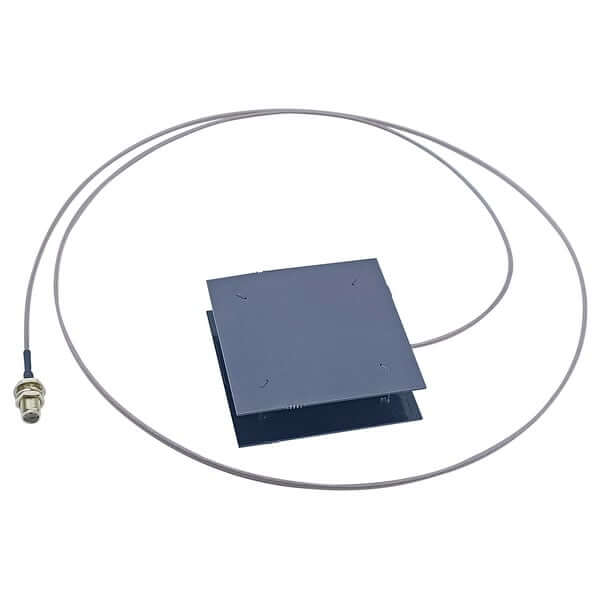
Advantages: Tailored to specific application requirements, often compact and integrated.
Disadvantages: May require custom design and development, potentially higher cost.
Considerations for Choosing an Antenna
Application Requirements: Consider the environment, read range, and tag orientation.
Antenna Gain: Higher gain antennas provide longer read ranges but are more directional.
Polarization: Match the polarization of the antenna with the expected tag orientation.
Environmental Factors: Consider potential interference from metal objects, liquids, and other materials.
Selecting the right UHF RFID antenna is crucial for optimizing the performance of your RFID system. It’s important to evaluate the specific needs of your application and choose an antenna that meets those requirements.
Chapter 3: Key Factors in Antenna Selection
Regional Frequency Regulations
Ultra High Frequency (UHF) RFID systems operate in different frequency bands depending on the region, and these bands are regulated by regional authorities to avoid interference with other communication systems. Below is an overview of the frequency regulations for UHF RFID antennas in various regions:
North America
Frequency Band: 902-928 MHz
Regulatory Body: Federal Communications Commission (FCC)
Maximum Effective Radiated Power (ERP): 4 W
Europe
cURL Too many subrequests.
cURL Too many subrequests.
cURL Too many subrequests.
cURL Too many subrequests.
cURL Too many subrequests.
cURL Too many subrequests.
Maximum Effective Radiated Power (ERP): 4 W
China
cURL Too many subrequests.
cURL Too many subrequests.
cURL Too many subrequests.
cURL Too many subrequests.
cURL Too many subrequests.
cURL Too many subrequests.
Maximum Effective Radiated Power (ERP): 4 W
cURL Too many subrequests.
cURL Too many subrequests.
cURL Too many subrequests.
Maximum Effective Radiated Power (ERP): 4 W
cURL Too many subrequests.
cURL Too many subrequests.
cURL Too many subrequests.
Maximum Effective Radiated Power (ERP): 4 W
cURL Too many subrequests.
cURL Too many subrequests.
Regulatory Body: National Telecommunications Agency (ANATEL)
Maximum Effective Radiated Power (ERP): 4 W
Middle East
Frequency Band: Varies by country, commonly 865-868 MHz or 902-928 MHz
Regulatory Body: Varies by country
Maximum Effective Radiated Power (ERP): Varies by country
Russia
Frequency Band: 866-868 MHz
Regulatory Body: Ministry of Digital Development, Communications and Mass Media
cURL Too many subrequests.
South Africa
Frequency Band: 915-921 MHz
Regulatory Body: Independent Communications Authority of South Africa (ICASA)
Maximum Effective Radiated Power (ERP): 4 W
Southeast Asia
Frequency Band: Varies by country, commonly 920-925 MHz or 866-869 MHz
Regulatory Body: Varies by country
Maximum Effective Radiated Power (ERP): Varies by country
These frequency bands and power limits are established to ensure that RFID systems can operate efficiently without causing or experiencing interference from other wireless systems. It is essential for businesses and individuals deploying RFID systems to adhere to these regional regulations to ensure compliance and optimal performance.
For the most accurate and up-to-date information, it is recommended to consult the regulatory bodies or official publications in each region.
Compliance standards
Ultra-High Frequency (UHF) Radio Frequency Identification (RFID) antennas must comply with various standards and regulations to ensure they operate effectively and do not interfere with other electronic devices. These standards cover aspects such as frequency range, power output, and electromagnetic compatibility. Below are some key compliance standards and regulations for UHF RFID antennas:
International Standards
1. ISO/IEC 18000-6: This standard specifies the air interface for UHF RFID systems. It includes different parts, such as:
ISO/IEC 18000-6C: Commonly known as EPC Gen 2, it is widely used in supply chain management and logistics.
Regional Standards
1. FCC (Federal Communications Commission) – United States:

FCC Part 15: Governs unlicensed radio frequency devices, including UHF RFID systems operating in the 902-928 MHz band.
Power Output: Maximum Effective Radiated Power (ERP) of 4 Watts.
2. ETSI (European Telecommunications Standards Institute) – Europe:

EN 302 208: Regulates RFID systems in the 865-868 MHz band.
Power Output: Maximum Effective Radiated Power (ERP) of 2 Watts.
3. MIC (Ministry of Internal Affairs and Communications) – Japan:
ARIB STD-T89: Specifies the technical requirements for UHF RFID systems operating in the 915-930 MHz band.
Power Output: Typically up to 4 Watts ERP.
Electromagnetic Compatibility (EMC)
EN 301 489-3: This standard specifies the EMC requirements for short-range devices, including UHF RFID systems, to ensure they do not cause harmful interference with other electronic equipment.
Safety Standards
EN 62311: Addresses the safety of RF exposure for human health, ensuring that RFID systems operate within safe limits.
Additional Considerations
1. Antenna Gain: The gain of the antenna must be considered in compliance calculations, as it affects the Effective Isotropic Radiated Power (EIRP) or ERP.
2. Frequency Hopping: In some regions, RFID systems must employ frequency hopping techniques to minimize interference.
3. Duty Cycle: Some regulations impose limits on the duty cycle of the RFID system to control the amount of time the transmitter is active.
cURL Too many subrequests.
cURL Too many subrequests.
cURL Too many subrequests.
cURL Too many subrequests.
cURL Too many subrequests.
Conclusion
cURL Too many subrequests.
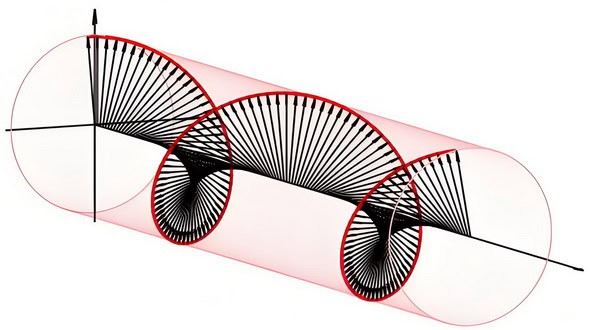
Polarization
cURL Too many subrequests.
cURL Too many subrequests.
cURL Too many subrequests.
cURL Too many subrequests.
cURL Too many subrequests.
cURL Too many subrequests.
cURL Too many subrequests.
cURL Too many subrequests.
cURL Too many subrequests.
cURL Too many subrequests.
cURL Too many subrequests.
cURL Too many subrequests.
cURL Too many subrequests.

By understanding these differences, you can select the appropriate UHF RFID antenna to optimize the performance and efficiency of your RFID system.
cURL Too many subrequests.
1. Cost and Complexity: Circularly polarized antennas tend to be more complex and expensive than linearly polarized ones. This is an important consideration when designing or choosing an RFID system.
2. Range and Coverage: The choice of polarization can also affect the read range and coverage area. Circularly polarized antennas might offer better coverage in some scenarios, but at the cost of a slightly reduced range compared to linearly polarized antennas.
In summary, the choice of antenna polarization in UHF RFID systems depends on the specific requirements of the application, including the environment, tag orientation, and cost considerations.
Antenna Gain
Definition of Gain for UHF RFID Antennas
Gain is a critical parameter in the context of Ultra-High Frequency (UHF) Radio-Frequency Identification (RFID) antennas. It represents the ability of the antenna to direct or concentrate radio frequency energy in a particular direction when transmitting or to receive energy more effectively from a specific direction when receiving. Gain is typically measured in decibels (dB), often referenced to an isotropic radiator (dBi), which is a theoretical antenna that radiates equally in all directions.
Importance of Gain for UHF RFID Antennas
1. Range and Coverage:
Higher gain antennas can transmit and receive signals over longer distances, which is crucial for applications requiring extensive coverage areas, such as large warehouses, logistics yards, or retail environments.
2. Directional Control:
Gain influences the directionality of the antenna. High-gain antennas are more directional, focusing energy in a specific direction, which can be beneficial for targeted reading zones or reducing interference from other RFID systems.
3. Signal Strength:
A higher gain translates to stronger signal strength, improving the reliability and accuracy of tag reads. This is particularly important in environments with many obstacles or high levels of interference.
4. Efficiency:
Antennas with higher gain are generally more efficient in terms of energy use, as they can achieve the desired coverage with less power. This can be advantageous for battery-operated RFID systems or in scenarios where power consumption needs to be minimized.
5. Application Specificity:
Different applications may require different types of gain. For example:
High-Gain Antennas: Useful for long-range applications or when precise control over the reading area is needed.
Low-Gain Antennas: Suitable for short-range applications or when a broad, omnidirectional coverage is required.
6. Interference Mitigation:
By focusing the energy in a particular direction, high-gain antennas can help mitigate interference from other RF sources, leading to cleaner, more reliable tag reads.
cURL Too many subrequests.
Antenna Placement: The placement of high-gain antennas is crucial, as their directional nature means they must be aimed correctly to maximize effectiveness.
Environmental Factors: Physical obstructions and materials in the environment can affect the performance of high-gain antennas. It’s important to consider these factors during the design and deployment phases.
Regulatory Compliance: Different regions have regulations governing the maximum allowable gain and power output for RFID systems. Ensuring compliance with these regulations is essential to avoid legal issues and interference with other communication systems.
Conclusion
The gain of UHF RFID antennas is a fundamental characteristic that significantly impacts the performance and efficiency of RFID systems. Understanding and appropriately leveraging antenna gain can lead to more effective and reliable RFID deployments, tailored to the specific needs of various applications.
How to choose the right gain
Choosing the right gain for UHF RFID antennas is crucial to ensure optimal performance for your specific application. Here are some steps and considerations to help you select the appropriate gain:
1. Understand Gain and Its Impact
Antenna Gain: Measured in dBi, gain indicates how well the antenna directs radio frequency energy in a particular direction compared to an isotropic radiator (a theoretical antenna that radiates equally in all directions).
High Gain: Focuses energy in a narrower beam, providing longer read ranges but narrower coverage areas.
Low Gain: Provides a wider coverage area but shorter read ranges.
2. Determine Your Application Requirements
Read Range: If you need to read tags over a long distance, a high-gain antenna (8-12 dBi) may be appropriate.
Coverage Area: For applications requiring broad coverage (e.g., portals, conveyor belts), a lower gain antenna (3-6 dBi) might be better.
Environment: Consider whether the environment is open or has many obstructions. High-gain antennas can be more affected by obstacles due to their narrower beam.
3. Consider the Regulatory Limits
Power Limits: Regulatory bodies (like FCC in the US, ETSI in Europe) impose limits on the effective radiated power (ERP) or equivalent isotropically radiated power (EIRP). Ensure your antenna gain, combined with the reader’s output power, complies with these limits.
4. Evaluate Antenna Placement and Orientation
Fixed vs. Mobile: Fixed installations can benefit from higher gain antennas pointed in a specific direction, while mobile applications might require lower gain for broader coverage.
cURL Too many subrequests.
cURL Too many subrequests.
cURL Too many subrequests.
cURL Too many subrequests.
cURL Too many subrequests.
cURL Too many subrequests.
cURL Too many subrequests.
cURL Too many subrequests.
cURL Too many subrequests.
cURL Too many subrequests.
Example Scenarios
cURL Too many subrequests.
cURL Too many subrequests.
cURL Too many subrequests.
cURL Too many subrequests.
cURL Too many subrequests.
cURL Too many subrequests.
cURL Too many subrequests.
cURL Too many subrequests.
cURL Too many subrequests.
cURL Too many subrequests.
2. RFID Reader Power Output:
The power output of the RFID reader can significantly impact the read range. Higher power output generally increases the read range but must comply with regulatory limits.
3. Tag Sensitivity and Quality:
The sensitivity of the RFID tag’s chip and the quality of its antenna play crucial roles. More sensitive tags can be read from greater distances.
Tag orientation and placement also affect readability.
4. Environmental Conditions:
Interference: Electromagnetic interference (EMI) from other devices can reduce read range.
Physical Obstructions: Materials like metals and liquids can absorb or reflect UHF signals, reducing read range.
Multipath Effects: Reflections from surfaces can cause signal phase cancellation, affecting read performance.
5. Regulatory Constraints:
Different regions have different regulations regarding maximum allowable power levels and frequency bands for UHF RFID systems, which can affect read range.
6. Frequency:
UHF RFID systems typically operate in the 860-960 MHz range. The exact frequency used can affect the propagation characteristics and read range.
7. Reader Sensitivity:
The ability of the RFID reader to detect weak signals from the tags influences the read range. More sensitive readers can detect tags from greater distances.
8. Tag Population and Density:
The number of tags in the read field can impact performance. High tag density can lead to collisions and reduced read range.
9. Antenna Placement and Orientation:
Proper placement and orientation of both the reader and tag antennas are crucial. Misalignment can drastically reduce read range.
10. Tag Environmental Adaptability:
Tags designed for specific environments (e.g., rugged, high-temperature, or moisture-resistant tags) may perform better in those conditions, affecting the overall read range.
11. Power Supply and Cabling:
The quality and length of the cabling between the reader and the antenna, as well as the power supply to the reader, can influence the read range.
12. Tag and Reader Protocols:
The protocols used for communication between the reader and tags (e.g., EPC Gen 2) can impact the efficiency and read range of the system.
By carefully considering and optimizing these factors, the performance of a UHF RFID system can be significantly improved, ensuring reliable and extended read ranges.
Matching antenna read range with application requirements
Matching the read range of UHF RFID antennas with application requirements involves several key considerations to ensure optimal performance and reliability. Here’s a comprehensive guide to help you align antenna read range with your specific application needs:
1. Understand the Application Requirements
Read Range: Determine the maximum and minimum read distances required for your application.
Environment: Assess the environment where the RFID system will be deployed (e.g., indoor, outdoor, presence of metal or liquids).
Tag Density: Consider the number of tags that need to be read simultaneously.
Tag Orientation: Evaluate how tags will be oriented relative to the antenna.
2. Choose the Right Antenna Type
Linear vs. Circular Polarization:
Linear Polarized Antennas: Suitable for applications where the tag orientation is known and consistent.
Circular Polarized Antennas: Ideal for environments where tag orientation is variable.
Near-Field vs. Far-Field Antennas:
Near-Field Antennas: Best for short-range applications (a few centimeters to about 1 meter), such as item-level tracking.
Far-Field Antennas: Suitable for longer read ranges (several meters), such as warehouse management or asset tracking.
3. Evaluate Antenna Gain
cURL Too many subrequests.
cURL Too many subrequests.
cURL Too many subrequests.
cURL Too many subrequests.
cURL Too many subrequests.
cURL Too many subrequests.
cURL Too many subrequests.
cURL Too many subrequests.
cURL Too many subrequests.
cURL Too many subrequests.
cURL Too many subrequests.
cURL Too many subrequests.
cURL Too many subrequests.
cURL Too many subrequests.
cURL Too many subrequests.
cURL Too many subrequests.
cURL Too many subrequests.
cURL Too many subrequests.
cURL Too many subrequests.
Vendor Support: Work with RFID vendors and experts to select the best antennas and configurations for your specific needs.
Custom Solutions: Consider custom antenna solutions if standard products do not meet your requirements.
By carefully considering these factors, you can effectively match the read range of UHF RFID antennas with your application requirements, ensuring reliable and efficient RFID system performance.
Environmental Considerations
Indoor vs. outdoor use
UHF RFID (Ultra-High Frequency Radio Frequency Identification) antennas are critical components in RFID systems, and their design and usage can vary depending on whether they are intended for indoor or outdoor environments. Here are some key considerations for both indoor and outdoor use:
Indoor Use
1. Environment:
Indoor environments are typically more controlled in terms of temperature, humidity, and exposure to elements like rain or dust.
Common indoor applications include inventory management, asset tracking, access control, and point-of-sale systems.
2. Antenna Design:
Indoor antennas are usually designed to be compact and aesthetically pleasing, as they are often installed in visible areas.

They may have lower IP (Ingress Protection) ratings since they are not exposed to harsh environmental conditions.
3. Mounting:
Antennas can be mounted on walls, ceilings, or shelves.
The mounting hardware is generally simpler and may not require weatherproofing.

4. Performance:
Indoor antennas can be optimized for shorter read ranges and more precise read zones, given the confined spaces.
Multipath interference (signal reflections from walls and other objects) can be a concern, so antenna placement and orientation are crucial.
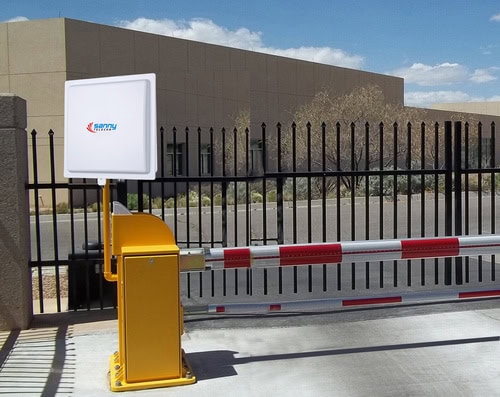
Outdoor Use
1. Environment:
Outdoor environments are subject to varying weather conditions, including rain, snow, wind, and extreme temperatures.
Common outdoor applications include vehicle tracking, livestock management, toll collection, and container tracking in logistics.
2. Antenna Design:
Outdoor antennas are designed to withstand harsh environmental conditions and typically have higher IP ratings (e.g., IP65 or higher).
They are often larger and more robust to provide longer read ranges and durability.
3. Mounting:
Outdoor antennas require more sturdy and weatherproof mounting solutions.
They may need to be installed on poles, fences, or other outdoor structures.
4. Performance:
Outdoor antennas are often designed for longer read ranges and broader coverage areas.
They must be able to handle a wider range of environmental factors that can affect signal propagation, such as rain fade or physical obstructions like trees and buildings.
Key Differences
Durability: Outdoor antennas are built to be more rugged and durable compared to indoor antennas.
IP Rating: Outdoor antennas have higher IP ratings to protect against water and dust ingress.
Size and Design: Indoor antennas are generally smaller and more aesthetically designed, while outdoor antennas are larger and more robust.
Mounting Solutions: Outdoor antennas require more secure and weatherproof mounting solutions.
Environmental Adaptability: Outdoor antennas are designed to perform reliably in a wider range of environmental conditions.
Conclusion
When selecting UHF RFID antennas, it is crucial to consider the specific requirements of the environment in which they will be used. Indoor antennas prioritize aesthetics and controlled environment performance, while outdoor antennas focus on durability and long-range performance in varying weather conditions. Always consult with the manufacturer or a specialist to ensure the chosen antenna meets the specific needs of your application.
Environmental factors (temperature, humidity, interference)
Ultra High Frequency (UHF) Radio Frequency Identification (RFID) systems are widely used for various applications, including inventory tracking, access control, and asset management. The performance of UHF RFID antennas can be significantly affected by environmental factors such as temperature, humidity, and interference. Here’s a detailed look at how each of these factors impacts UHF RFID antennas:
Temperature
1. Operational Range: UHF RFID systems typically operate within a specific temperature range, often between -20°C to 70°C (-4°F to 158°F). Extreme temperatures outside this range can affect the performance of the RFID tags and readers.
2. Material Properties: High temperatures can cause materials used in the antenna to expand, potentially detuning the antenna and reducing its efficiency. Conversely, low temperatures can make materials brittle and more prone to damage.
3. Thermal Noise: Higher temperatures can increase the thermal noise in electronic components, potentially reducing the signal-to-noise ratio and the overall reliability of the RFID system.
cURL Too many subrequests.
1. cURL Too many subrequests.cURL Too many subrequests.
2. cURL Too many subrequests.cURL Too many subrequests.
3. cURL Too many subrequests.cURL Too many subrequests.
cURL Too many subrequests.
cURL Too many subrequests.
cURL Too many subrequests.
cURL Too many subrequests.
cURL Too many subrequests.
cURL Too many subrequests.
cURL Too many subrequests.
cURL Too many subrequests.
cURL Too many subrequests.
cURL Too many subrequests.
cURL Too many subrequests.
cURL Too many subrequests.
cURL Too many subrequests.
Space constraints
When designing or installing UHF RFID (Ultra-High Frequency Radio Frequency Identification) antennas, space constraints can significantly impact the performance and effectiveness of the system. Here are some key considerations and strategies to manage space constraints:
1. Antenna Size and Form Factor:
Compact Antennas: Choose compact antennas that are specifically designed for space-constrained environments. These antennas are smaller in size but may have a reduced read range compared to larger antennas.
Low-Profile Antennas: Use low-profile antennas that can be mounted flush against surfaces to save space.
2. Antenna Placement:
Optimized Placement: Carefully plan the placement of antennas to ensure optimal coverage without requiring excessive space. This may involve placing antennas at angles or using multiple smaller antennas to cover the desired area.
Overhead Mounting: Mount antennas overhead to save floor space. This is particularly useful in environments like retail stores or warehouses.
Embedded Antennas: Integrate antennas into existing structures, such as shelving, walls, or equipment, to minimize additional space requirements.
3. Mounting Options:
Flexible Mounting Solutions: Utilize flexible mounting options such as adjustable brackets or mounts that allow antennas to be positioned in tight spaces or at various angles.
Ceiling or Wall Mounts: Consider mounting antennas on ceilings or walls to free up floor space and avoid obstacles.
4. Read Range and Power:
Adjustable Power Levels:Adjust the power levels of the RFID reader to optimize the read range within the constrained space. Higher power levels can increase the read range but may cause interference, so balance is key.
Directional Antennas: Use directional antennas to focus the RFID signal in a specific direction, which can help achieve the desired read range without requiring large antennas.
5. Interference and Multipath Effects:
Minimize Interference: Be mindful of potential sources of interference, such as metal objects or electronic devices, which can affect the performance of UHF RFID systems in confined spaces.
Mitigate Multipath Effects: In tight spaces, multipath effects (where signals reflect off surfaces and create interference) can be more pronounced. Use antennas designed to minimize these effects or employ signal processing techniques to mitigate them.
6. Environmental Considerations:
Temperature and Humidity: Ensure that the chosen antennas can operate effectively within the temperature and humidity ranges of the constrained space.
Durability: Select antennas that are durable and can withstand the environmental conditions of the installation area, especially if the space is exposed to harsh conditions.
7. System Integration:
Integrated Systems:Consider using integrated RFID systems that combine readers and antennas into a single unit to save space and simplify installation.
By carefully considering these factors, you can effectively manage space constraints while maintaining the performance and reliability of your UHF RFID system.
Mounting options
Mounting options for UHF RFID antennas are crucial for optimizing their performance and ensuring they are positioned correctly for the specific application. Here are several common mounting options:
1. Wall Mounting:
Direct Wall Mounting: Antennas can be directly mounted on walls using brackets or mounting plates.
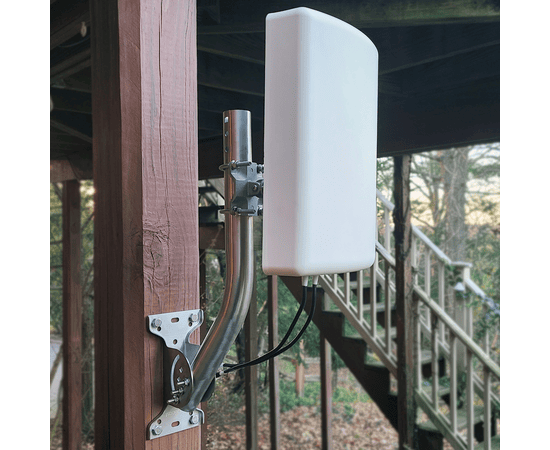
Adjustable Wall Mounting: Adjustable brackets allow for tilting and angling the antenna to optimize read zones.
2. Ceiling Mounting:
Fixed Ceiling Mount: Antennas can be mounted flat against the ceiling for overhead reading, commonly used in retail or warehouse settings.
Adjustable Ceiling Mount: Allows for angling the antenna to cover a specific area below.
3. Pole Mounting:
Fixed Pole Mount: Useful for outdoor or large indoor areas where antennas need to be elevated.
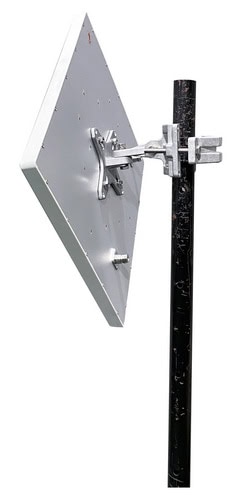
Adjustable Pole Mount: Allows for height and angle adjustments to better target the read zone.
4. Shelf/Rack Mounting:
Fixed Shelf/Rack Mount: Antennas can be mounted on shelves or racks to read tags on items stored there.
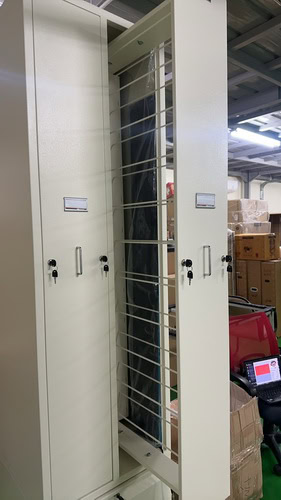
Adjustable Shelf/Rack Mount: Provides flexibility to adjust the angle and position of the antenna for optimal coverage.
5. Floor Mounting:
Fixed Floor Mount: Antennas are mounted on the floor to read tags on passing items, often used in conveyor systems.

Embedded Floor Mount: Antennas are embedded into the floor for a flush surface, useful in areas with heavy traffic.
cURL Too many subrequests.
cURL Too many subrequests.
cURL Too many subrequests.
cURL Too many subrequests.
cURL Too many subrequests.

cURL Too many subrequests.
cURL Too many subrequests.
cURL Too many subrequests.
cURL Too many subrequests.
cURL Too many subrequests.
cURL Too many subrequests.
cURL Too many subrequests.
cURL Too many subrequests.
cURL Too many subrequests.
cURL Too many subrequests.
cURL Too many subrequests.
cURL Too many subrequests.
cURL Too many subrequests.
cURL Too many subrequests.

Implementation in Retail and Inventory Management
1. Tagging Items:
RFID Tags: Attach UHF RFID tags to individual items, cases, or pallets. Tags contain a microchip and an antenna that can store and transmit data.
Encoding Information: Encode each tag with a unique identifier (EPC – Electronic Product Code) and other relevant data (such as product type, size, and expiration date).
2. Readers and Antennas:
Fixed Readers: Install fixed RFID readers at strategic locations such as entry/exit points, shelves, and checkout counters.
Handheld Readers: Use handheld RFID readers for inventory checks, locating items, and verifying shipments.
Antennas: Deploy antennas to extend the reading range and ensure complete coverage in the store or warehouse.
3. Software Systems:
Inventory Management Software: Integrate RFID data with existing inventory management systems to track stock levels, monitor item movement, and manage replenishment.
Point of Sale (POS) Integration: Connect RFID data to POS systems for faster checkouts and real-time inventory updates.

Analytics and Reporting: Utilize software to analyze inventory data, generate reports, and gain insights into sales trends and stock performance.
Benefits of UHF RFID in Retail and Inventory Management
1. Improved Inventory Accuracy:
Real-Time Tracking: Provides real-time visibility into inventory levels, reducing discrepancies and stockouts.
Automated Counting: Automates inventory counts, significantly reducing time and labor costs.
2. Enhanced Operational Efficiency:
Faster Checkouts: Speeds up the checkout process by allowing multiple items to be scanned simultaneously.
Quick Item Location: Helps staff quickly locate items on the sales floor or in the warehouse.
3. Loss Prevention:
Theft Reduction: Enhances security by tracking item movements and detecting unauthorized removal of items.
Shrinkage Control: Reduces shrinkage due to theft, misplacement, or administrative errors.
4. Better Customer Experience:
Stock Availability: Ensures that popular items are always in stock, improving customer satisfaction.
Personalized Service: Enables personalized shopping experiences through targeted promotions and recommendations.
Considerations for Implementing UHF RFID
1. Cost:
Initial Investment: The initial cost of RFID tags, readers, antennas, and software can be significant.
Ongoing Expenses: Consider ongoing costs for tag replenishment, maintenance, and software updates.
2. Integration:
Compatibility: Ensure that RFID systems are compatible with existing IT infrastructure and inventory management systems.
Data Integration: Seamlessly integrate RFID data with other business systems for a unified view of operations.
3. Environmental Factors:
Interference: UHF RFID can be affected by metal objects and liquids, which may require special tags or reader configurations.
Read Range: Optimize the placement of readers and antennas to ensure adequate coverage and minimize blind spots.
4. Privacy and Security:
Data Protection: Implement measures to protect sensitive data stored on RFID tags and transmitted through the system.
Compliance: Ensure compliance with relevant regulations and standards for RFID use in retail.
Conclusion
UHF RFID technology offers significant advantages for retail and inventory management, including improved accuracy, operational efficiency, and customer satisfaction. However, careful planning and consideration of costs, integration, environmental factors, and security are essential for successful implementation. By leveraging UHF RFID, retailers can streamline their operations, reduce losses, and enhance the overall shopping experience.
Supply chain and logistics
Ultra-High Frequency (UHF) Radio Frequency Identification (RFID) technology has become increasingly integral to supply chain and logistics operations. This technology utilizes electromagnetic fields to automatically identify and track tags attached to objects. UHF RFID operates in the frequency range of 300 MHz to 3 GHz, typically around 860-960 MHz, offering several advantages for supply chain and logistics applications. Here are some key aspects of UHF RFID in this context:

Benefits of UHF RFID in Supply Chain and Logistics
cURL Too many subrequests.
cURL Too many subrequests.

cURL Too many subrequests.
cURL Too many subrequests.
cURL Too many subrequests.
cURL Too many subrequests.
cURL Too many subrequests.
cURL Too many subrequests.
cURL Too many subrequests.
cURL Too many subrequests.
cURL Too many subrequests.
cURL Too many subrequests.
cURL Too many subrequests.
cURL Too many subrequests.
cURL Too many subrequests.
cURL Too many subrequests.
cURL Too many subrequests.
cURL Too many subrequests.
cURL Too many subrequests.
2. Transportation and Logistics:

Shipment Tracking: RFID tags on shipments allow for tracking throughout the transportation process.
Load Optimization: Data from RFID tags can help in optimizing load plans for transportation vehicles.
3. Retail and Distribution:
Stock Replenishment: Real-time inventory data helps in maintaining optimal stock levels, reducing out-of-stock situations.
Customer Experience: Faster and more accurate inventory management leads to better fulfillment of customer orders.
4. Manufacturing:
Work-in-Progress Tracking: UHF RFID can track items through various stages of the manufacturing process.
Quality Control: Tags can store information about production batches, helping in quality control and recall management.
Challenges and Considerations
1. Cost:
Initial Investment: The initial cost of implementing RFID technology, including tags, readers, and software, can be high.
Tag Cost: While the cost of tags has decreased, it can still be significant for low-value items.
2. Interference and Readability:
Environmental Factors: Metal and liquid can interfere with UHF RFID signals, affecting readability.
Tag Placement: Proper placement of tags is crucial for reliable reading.
3. Data Management:
Data Volume: The large volume of data generated by RFID systems requires robust data management and analytics capabilities.
Integration: Ensuring seamless integration with existing systems can be complex.
4. Privacy and Security:
Data Security: Protecting the data transmitted by RFID tags from unauthorized access is essential.
Privacy Concerns: There may be concerns about tracking and data collection, particularly in consumer applications.
Future Trends
1. IoT Integration: Combining RFID with IoT (Internet of Things) technologies for enhanced data collection and analytics.

2. Advanced Analytics and AI: Using advanced analytics and artificial intelligence to derive insights from RFID data.
3. Sustainability: Developing more sustainable and eco-friendly RFID tags and systems.
4. Enhanced Read Range and Accuracy: Ongoing improvements in RFID technology to increase read range and accuracy.
In conclusion, UHF RFID technology offers numerous benefits for supply chain and logistics operations, including improved inventory management, enhanced traceability, increased efficiency, and better security. However, challenges such as cost, interference, data management, and privacy concerns need to be addressed to fully realize its potential. As technology advances, the integration of RFID with IoT and AI is likely to further transform supply chain and logistics operations.
Asset tracking
Ultra-High Frequency (UHF) Radio Frequency Identification (RFID) technology is widely used for asset tracking due to its ability to read tags from a distance and at high speeds. Here are some key points about using UHF RFID for asset tracking:
Benefits of UHF RFID for Asset Tracking
1. Longer Read Range: UHF RFID systems can read tags from several meters away, making it suitable for tracking assets across larger areas.
2. High-Speed Reading: UHF RFID can read multiple tags simultaneously, which is useful in environments where many assets need to be tracked quickly, such as in warehouses or manufacturing plants.
3. Improved Inventory Accuracy: With automated tracking, UHF RFID can significantly reduce human error and improve the accuracy of inventory records.
4. Real-Time Tracking: UHF RFID enables real-time visibility of asset locations, which is beneficial for logistics, supply chain management, and security.
5. Durability: RFID tags are generally durable and can withstand harsh environments, making them suitable for tracking assets in various conditions.
Applications of UHF RFID in Asset Tracking
1. Warehouse Management: UHF RFID can track inventory levels, manage stock locations, and streamline the picking and packing process.
2. Healthcare: Hospitals use UHF RFID to track medical equipment, manage patient records, and ensure the availability of critical supplies.
3. Manufacturing: UHF RFID helps in tracking raw materials, work-in-progress items, and finished goods, improving production efficiency.
4. Transportation and Logistics: UHF RFID is used to monitor the movement of goods, ensuring timely deliveries and reducing losses.
5. Retail: Retailers use UHF RFID for inventory management, theft prevention, and enhancing the shopping experience through better stock availability.
Challenges and Considerations
1. Interference: UHF RFID signals can be affected by interference from metal objects and liquids, which may require special tags or readers.
2. Cost: While the cost of RFID tags has decreased, the initial investment in RFID infrastructure can still be significant.
cURL Too many subrequests.
cURL Too many subrequests.
cURL Too many subrequests.
cURL Too many subrequests.
cURL Too many subrequests.
cURL Too many subrequests.
cURL Too many subrequests.
cURL Too many subrequests.
cURL Too many subrequests.
cURL Too many subrequests.
cURL Too many subrequests.

cURL Too many subrequests.
cURL Too many subrequests.
cURL Too many subrequests.

cURL Too many subrequests.
cURL Too many subrequests.
cURL Too many subrequests.

cURL Too many subrequests.
cURL Too many subrequests.
Inventory Control: UHF RFID can be used to secure and track high-value assets within a facility. This ensures that assets are only accessed by authorized personnel and can be quickly located if needed.
Theft Prevention: By integrating UHF RFID with security systems, unauthorized removal of items can trigger alarms and notifications.
4. Event Management:
Ticketing and Admission: UHF RFID can be used for ticketing at events, allowing for quick and secure entry. It can also help in crowd management by tracking the number of attendees in real-time.

Credential Verification: For events requiring different levels of access (e.g., VIP areas), UHF RFID can ensure that only individuals with the appropriate credentials can enter specific zones.
Advantages of UHF RFID in Access Control and Security
1. Long Read Range: UHF RFID systems typically offer read ranges from a few meters up to 12 meters or more, allowing for greater flexibility in system design and user convenience.
2. High-Speed Data Transfer: UHF RFID technology supports fast data communication, which is essential for applications needing quick and reliable access control.
3. Multi-Tag Reading: UHF RFID readers can read multiple tags simultaneously, which is beneficial in high-traffic areas or where multiple items need to be tracked at once.
4. Scalability: UHF RFID systems can be easily scaled to cover large facilities or multiple locations, making them suitable for various organizational needs.
5. Integration with Other Systems: UHF RFID can be integrated with existing security and management systems, such as surveillance cameras, alarms, and databases, to provide a comprehensive security solution.
Considerations for Implementation
1. Environmental Factors: UHF RFID performance can be affected by environmental factors such as metal and liquids, which can interfere with signal transmission. Proper planning and testing are essential to mitigate these issues.
2. Privacy and Security: Ensuring the security of the RFID system itself is crucial. Encryption and secure communication protocols should be used to protect against unauthorized access and data breaches.
3. Cost: While UHF RFID systems can be more expensive to implement than other technologies, the long-term benefits in terms of efficiency, security, and scalability often justify the investment.
4. Regulatory Compliance: UHF RFID operates in specific frequency bands that are subject to regulatory controls. Compliance with local regulations is essential to avoid interference and legal issues.
In conclusion, UHF RFID technology offers significant benefits for access control and security applications. Its ability to provide long-range, high-speed, and multi-tag reading capabilities makes it an ideal choice for a wide range of uses, from building and vehicle access control to asset management and event security. Proper planning, implementation, and consideration of environmental and security factors are key to maximizing the effectiveness of UHF RFID systems.
Industrial automation and manufacturing
Ultra-High Frequency (UHF) Radio Frequency Identification (RFID) technology has become an integral part of industrial automation and manufacturing processes. UHF RFID systems operate in the frequency range of 300 MHz to 3 GHz, typically between 860 MHz and 960 MHz, and offer several advantages that make them suitable for various applications in these sectors. Here are some key aspects and benefits of using UHF RFID in industrial automation and manufacturing:

Key Aspects
1. Longer Read Range: UHF RFID systems can read tags from several meters away, which is beneficial for tracking items on production lines, in warehouses, or across large facilities.
2. Fast Data Transfer: UHF RFID tags can be read quickly, enabling real-time tracking and monitoring of items as they move through different stages of production or logistics.
3. Bulk Reading Capability: UHF RFID readers can read multiple tags simultaneously, which is useful for inventory management and reducing manual scanning efforts.
4. Durability: UHF RFID tags are designed to withstand harsh industrial environments, including exposure to chemicals, high temperatures, and physical wear and tear.
Benefits
1. Improved Inventory Management: UHF RFID enables accurate and real-time tracking of inventory, reducing the risk of stockouts or overstocking and enhancing overall supply chain efficiency.
2. Enhanced Asset Tracking: By tagging equipment and tools with UHF RFID, companies can monitor their location, usage, and maintenance schedules, leading to better asset utilization and reduced downtime.
3. Streamlined Production Processes: UHF RFID can automate data collection and workflow processes, reducing manual labor, minimizing errors, and speeding up production cycles.
4. Quality Control: RFID systems can track components and materials throughout the manufacturing process, ensuring that the correct parts are used and that quality standards are maintained.
5. Traceability and Compliance: UHF RFID provides detailed tracking information that can be used for regulatory compliance, product recalls, and auditing purposes.
6. Security and Anti-Counterfeiting: RFID tags can help verify the authenticity of products and prevent counterfeiting by providing a unique identifier for each item.
Applications
1. Warehouse Management: UHF RFID is used for tracking pallets, crates, and individual items in warehouses, improving inventory accuracy and reducing labor costs.
2. Production Line Automation: Tags on components and products enable automated assembly line processes, ensuring that each item follows the correct path and is assembled correctly.
3. Tool and Equipment Tracking: UHF RFID tags on tools and machinery help in tracking their usage, location, and maintenance schedules, ensuring optimal operation and reducing losses.
4. Work-in-Progress (WIP) Tracking: RFID systems track the progress of items through various stages of production, providing real-time visibility and enabling better workflow management.

5. Supply Chain Visibility: UHF RFID enhances visibility across the entire supply chain, from raw materials to finished products, facilitating better coordination and decision-making.
Challenges and Considerations
1. Interference: UHF RFID signals can be affected by metal objects and liquids, which may require careful planning and positioning of readers and tags.
2. Cost: The initial investment in RFID infrastructure, including readers, tags, and integration with existing systems, can be significant.
3. Data Management: Handling the large volumes of data generated by RFID systems requires robust data management and analytics capabilities.
4. Standardization: Ensuring compatibility and interoperability between different RFID systems and standards is crucial for seamless integration.
Conclusion
UHF RFID technology offers substantial benefits for industrial automation and manufacturing, including improved efficiency, accuracy, and visibility. While there are challenges to consider, the advantages often outweigh the drawbacks, making UHF RFID a valuable tool for modern industrial operations. As technology continues to evolve, the adoption of UHF RFID in these sectors is likely to increase, driving further advancements and innovations.
cURL Too many subrequests.
cURL Too many subrequests.
cURL Too many subrequests. UHF RFID antennas cURL Too many subrequests.
cURL Too many subrequests.
cURL Too many subrequests.
cURL Too many subrequests.
cURL Too many subrequests.
cURL Too many subrequests.
cURL Too many subrequests.
cURL Too many subrequests.
cURL Too many subrequests.
cURL Too many subrequests.
cURL Too many subrequests.
cURL Too many subrequests.
cURL Too many subrequests.
cURL Too many subrequests.
cURL Too many subrequests.
cURL Too many subrequests.
Tuning: Some antennas may require tuning to the specific environment or application. Use tuning tools and software provided by the manufacturer to optimize performance.
6. Testing and Calibration
Field Testing: Conduct thorough testing in the actual deployment environment. Adjust placement and orientation based on real-world performance data.

Calibration: Regularly calibrate the system to account for changes in the environment or system configuration.
7. Maintenance and Monitoring
Regular Maintenance: Periodically inspect and maintain antennas to ensure they are functioning correctly and are free from physical obstructions or damage.
Monitoring: Use monitoring tools to continuously track system performance and identify any issues that may arise.
8. Compliance and Safety
Regulatory Compliance: Ensure that your RFID system complies with local regulations regarding RF emissions and power levels.
Safety Considerations: Install antennas in locations where they are unlikely to cause harm to people or interfere with other sensitive equipment.
By following these best practices, you can optimize the performance of your UHF RFID system and ensure reliable and accurate tag reads.
Avoiding common pitfalls and troubleshooting issues
Using UHF RFID antennas effectively requires understanding and avoiding common pitfalls, as well as troubleshooting issues that may arise. Here are some key considerations and solutions:
Common Pitfalls

1. Improper Antenna Placement
Pitfall: Placing antennas too close to each other can cause interference, while placing them too far apart can create coverage gaps.
Solution: Follow the manufacturer’s guidelines for antenna spacing. Use site surveys to determine optimal placement and ensure even coverage.
2. Incorrect Antenna Orientation
Pitfall: Misaligning the antenna orientation with the RFID tags can significantly reduce read range and accuracy.
Solution: Align antennas according to the polarization of the RFID tags. Use circularly polarized antennas if tag orientation varies.
3. Environmental Interference
Pitfall: Metal surfaces, liquids, and other environmental factors can reflect or absorb UHF signals, reducing performance.
Solution: Use antennas designed for challenging environments, such as those with special enclosures or shielding. Position antennas to minimize reflections and absorption.
4. Inadequate Power Supply
Pitfall: Insufficient power can lead to weak signal strength and poor read rates.
Solution: Ensure the power supply meets the antenna and reader requirements. Use power-over-Ethernet (PoE) if applicable to simplify cabling.
5. Incorrect Cable Length and Quality
Pitfall: Using cables that are too long or of poor quality can degrade signal strength.
Solution: Use high-quality, low-loss cables and keep them as short as possible. Follow the manufacturer’s recommendations for cable specifications.
6. Software Configuration Issues
Pitfall: Incorrect reader settings or software configurations can lead to poor performance.
Solution: Verify that the reader settings (such as power levels, frequency, and protocols) are correctly configured. Use the latest firmware and software updates.
Troubleshooting Issues

1. Poor Read Range
Check Antenna Placement: Ensure antennas are optimally placed and oriented.
Verify Power Levels: Ensure the reader is set to the correct power level.
Inspect Cables: Check for damage or excessive length in cables.
Environmental Factors: Identify and mitigate sources of interference such as metal or liquid.
2. Intermittent Reads
Signal Interference: Check for sources of RF interference from other devices.
Antenna Overlap: Ensure antennas are not overlapping in coverage, causing interference.
Reader Settings: Verify that the reader is not cycling through frequencies too quickly.
cURL Too many subrequests.
cURL Too many subrequests.
cURL Too many subrequests.
cURL Too many subrequests.
cURL Too many subrequests.
cURL Too many subrequests.
cURL Too many subrequests.
cURL Too many subrequests.
cURL Too many subrequests.
cURL Too many subrequests.
cURL Too many subrequests.
cURL Too many subrequests.
cURL Too many subrequests.
cURL Too many subrequests.
cURL Too many subrequests.
cURL Too many subrequests.
cURL Too many subrequests.
cURL Too many subrequests.
cURL Too many subrequests.
Maintenance
1. Regular Inspection:
Visual Inspection: Regularly check the physical condition of the antennas for any signs of wear, damage, or corrosion.
Connection Check: Ensure that all connections (cables, connectors, etc.) are secure and free from damage or corrosion.
2. Cleaning:
Surface Cleaning: Clean the antenna surfaces with a soft, dry cloth. Avoid using harsh chemicals that could damage the antenna.
Connector Cleaning: Use appropriate cleaning tools and solutions to clean the connectors, ensuring good electrical contact.
3. Environmental Protection:
Weatherproofing: Ensure that antennas exposed to the elements are properly weatherproofed.
Enclosures: Use protective enclosures for antennas in harsh environments to shield them from physical damage and environmental factors.
4. Software Updates:
Firmware Updates: Keep the firmware of RFID readers and associated software up to date to benefit from performance improvements and bug fixes.
Performance Optimization
1. Antenna Placement:
Optimal Positioning: Place antennas in positions that maximize read range and coverage while minimizing interference.
Height and Angle: Adjust the height and angle of the antennas to optimize the read zone based on the specific application requirements.
2. Tuning and Matching:
Impedance Matching: Ensure that the antenna impedance is matched to the reader’s impedance to maximize power transfer and minimize reflections.
Tuning: Fine-tune the antenna to the operating frequency (typically around 860-960 MHz for UHF) to ensure optimal performance.

3. Interference Management:
Minimize Interference: Identify and mitigate sources of electromagnetic interference (EMI) that can affect antenna performance.
Channel Management: Use frequency hopping or channel management techniques to avoid interference from other RF devices.
4. Antenna Types and Configurations:
Antenna Selection: Choose the right type of antenna (e.g., linear or circular polarized) based on the application and environment.
Array Configurations: Consider using antenna arrays or multiple antennas to improve coverage and read rates in complex environments.
5. Power Settings:
Adjust Power Levels: Optimize the reader’s power output settings to achieve the desired read range without causing interference or violating regulatory limits.
6. Environmental Considerations:
Temperature and Humidity: Ensure that the antennas are rated for the environmental conditions they will be exposed to.
Physical Obstacles: Be aware of and plan for physical obstacles (e.g., metal, liquids) that can affect RFID performance.
7. Regular Testing and Calibration:
Performance Testing: Regularly test the performance of the RFID system to ensure it meets the required specifications.
Calibration: Periodically calibrate the system to maintain accuracy and reliability.
Troubleshooting
1. Signal Strength and Quality:
RSSI Monitoring: Monitor the Received Signal Strength Indicator (RSSI) to identify weak signals or potential issues.
Error Rates: Check for high error rates in tag reads, which may indicate interference or alignment issues.
2. Tag Orientation and Placement:
Optimal Tag Placement: Ensure tags are placed in orientations that maximize their readability by the antennas.
Tag Quality: Use high-quality tags that are designed for the specific application and environment.
By following these maintenance and optimization practices, you can ensure that your UHF RFID antennas perform reliably and efficiently, leading to improved system performance and longevity.
Chapter 6: Case Studies and Real-World Examples
cURL Too many subrequests.
cURL Too many subrequests.
cURL Too many subrequests.
cURL Too many subrequests.
cURL Too many subrequests. cURL Too many subrequests.

cURL Too many subrequests.
cURL Too many subrequests.
cURL Too many subrequests.
cURL Too many subrequests.
cURL Too many subrequests.
cURL Too many subrequests.
cURL Too many subrequests. cURL Too many subrequests.

cURL Too many subrequests.
cURL Too many subrequests.
cURL Too many subrequests.
cURL Too many subrequests.
cURL Too many subrequests.
Success Story: Production Line Monitoring
cURL Too many subrequests. BMW

Challenge: BMW needed to improve the monitoring and management of its production line to reduce downtime and increase productivity.
Solution: BMW integrated UHF RFID antennas into its production lines to track components and monitor the assembly process.
Outcome: The company achieved a 20% increase in production efficiency and a 15% reduction in production downtime.
Lesson Learned: Implementing UHF RFID technology in manufacturing can lead to significant improvements in production efficiency and reduced downtime, provided there is proper planning and integration.
Logistics and Supply Chain
Success Story: Warehouse Management
cURL Too many subrequests. Amazon

Challenge: Amazon needed to streamline its warehouse operations to handle the high volume of orders efficiently.
Solution: Amazon implemented UHF RFID technology to track items throughout its warehouses.
Outcome: The company achieved a 25% increase in picking efficiency and a 20% reduction in order processing time.
Lesson Learned: UHF RFID technology can significantly enhance warehouse operations by providing real-time visibility and tracking, leading to faster and more accurate order fulfillment.
Agriculture Industry
Success Story: Livestock Management
cURL Too many subrequests. Smithfield Foods

Challenge: Smithfield Foods needed a better way to manage and track its livestock to ensure proper care and compliance with regulations.
Solution: The company implemented UHF RFID tags and antennas to track livestock.
Outcome: The company saw a 15% improvement in livestock tracking accuracy and a reduction in manual record-keeping errors.
Lesson Learned: UHF RFID technology can greatly improve livestock management by providing accurate and real-time tracking, leading to better compliance and operational efficiencies.
Transportation Industry
Success Story: Fleet Management
cURL Too many subrequests. UPS

Challenge: UPS needed to improve the tracking and management of its fleet to enhance delivery efficiency and reduce operational costs.
Solution: UPS implemented UHF RFID technology to track vehicles and manage fleet operations.
Outcome: The company achieved a 10% reduction in fuel consumption and a 15% improvement in delivery efficiency.
Lesson Learned: UHF RFID technology can provide significant benefits in fleet management by offering real-time tracking and data, leading to improved efficiency and cost savings.
Conclusion
UHF RFID antennas have proven to be a versatile and effective technology across various industries. The key lessons learned from these success stories include the importance of real-time visibility, integration with existing systems, and proper planning and execution. By leveraging UHF RFID technology, organizations can achieve significant improvements in efficiency, accuracy, and overall operational effectiveness.
Practical examples of how the right antenna choice improved system performance
Choosing the right antenna for UHF RFID systems can significantly enhance performance in various applications. Here are some practical examples illustrating how the right antenna choice improved system performance:
1. Retail Inventory Management:
Problem: A retail store struggled with inaccurate inventory counts due to poor read rates of RFID tags on items.
Solution: Switching to circularly polarized antennas with a wider beamwidth allowed for better tag detection regardless of orientation. This improved read rates and inventory accuracy.
Outcome: The store achieved near 100% inventory accuracy, reducing stock discrepancies and improving customer satisfaction.
2. Warehouse Logistics:
Problem: A warehouse experienced difficulty reading tags on pallets stacked high on shelves.
Solution: Implementing high-gain, directional antennas focused the RFID reader’s energy more effectively towards the tags on the higher shelves.
Outcome: This change led to reliable tag reads at greater distances, streamlining the inventory process and reducing the need for manual scanning.
3. Asset Tracking in Healthcare:
Problem: A hospital had issues tracking medical equipment due to interference and multipath effects in complex indoor environments.
Solution: Using low-profile, circularly polarized antennas designed for indoor use helped mitigate interference and provided consistent tag reads.
cURL Too many subrequests.
4. Event Management:
cURL Too many subrequests.
cURL Too many subrequests.
cURL Too many subrequests.
cURL Too many subrequests.
cURL Too many subrequests.
cURL Too many subrequests.
cURL Too many subrequests.
cURL Too many subrequests.

cURL Too many subrequests.
cURL Too many subrequests.
cURL Too many subrequests.
cURL Too many subrequests.
cURL Too many subrequests.
cURL Too many subrequests.
cURL Too many subrequests.
cURL Too many subrequests.
cURL Too many subrequests.
cURL Too many subrequests.
Ultra High Frequency (UHF) RFID technology has seen significant advancements in recent years, particularly in the development of antennas, which are crucial for the performance and efficiency of RFID systems. Here are some of the emerging technologies and advancements in UHF RFID antennas:
1. Miniaturization and Compact Designs
Chipless RFID Antennas: These antennas do not require an integrated circuit (IC) chip, making them smaller and cheaper. They rely on unique patterns or materials that reflect specific signals.
Flexible and Printable Antennas: Using materials like conductive inks, these antennas can be printed on various substrates, including paper and textiles, making them more versatile and suitable for a wider range of applications.
2. Advanced Materials
Graphene and Other Nanomaterials: The use of advanced materials like graphene can enhance the performance of RFID antennas by providing better conductivity and flexibility.
Metamaterials: These engineered materials have properties not found in naturally occurring substances and can be used to create antennas with superior performance characteristics, such as higher gain and directivity.
3. Multi-band and Wideband Antennas
Multi-band Antennas: These antennas can operate over multiple frequency bands, making them compatible with different RFID standards and applications.
Wideband Antennas: Capable of operating over a broad range of frequencies, these antennas can support various RFID tags and readers, enhancing interoperability and performance.
4. Adaptive and Reconfigurable Antennas
Smart Antennas: These antennas can adapt their radiation patterns and frequencies in real-time to optimize performance based on the environment and application needs.
Reconfigurable Antennas: Using techniques like electronic tuning, these antennas can change their operating frequency, polarization, or radiation pattern dynamically.
5. Integration with IoT and Other Technologies
RFID and IoT Integration: Combining RFID with IoT platforms allows for real-time data collection and analysis, enhancing the functionality and applications of RFID systems.
Hybrid Systems: Integration with other wireless technologies like NFC, Bluetooth, and Wi-Fi to create hybrid systems that leverage the strengths of multiple communication protocols.
6. Enhanced Read Range and Sensitivity
Beamforming Techniques: Using phased array antennas and beamforming techniques to focus the signal in a specific direction, thereby increasing the read range and sensitivity.
High-Gain Antennas: Designing antennas with higher gain to improve the read range and reliability of RFID systems.
7. Energy Harvesting and Passive Systems
Energy Harvesting Antennas: These antennas can harvest ambient energy (e.g., from RF signals or solar power) to power the RFID tags, making them more sustainable and reducing the need for batteries.
Passive RFID Tags: Enhancements in passive RFID tags, which do not require an internal power source, making them more cost-effective and easier to deploy.
8. Enhanced Security and Privacy
Cryptographic Techniques: Incorporating cryptographic methods into RFID systems to enhance security and protect against unauthorized access and cloning.
Frequency Hopping: Using frequency hopping techniques to mitigate interference and eavesdropping, thereby enhancing the security of RFID communications.
9. Environmental Adaptability
Robust Antennas: Designing antennas that can withstand harsh environmental conditions, such as extreme temperatures, moisture, and physical stress, ensuring reliable performance in various settings.
Self-Healing Materials: Using materials that can repair themselves after damage, extending the lifespan and reliability of RFID antennas.
10. Cost Reduction and Scalability

Mass Production Techniques: Utilizing advanced manufacturing techniques like roll-to-roll printing to reduce the cost of antenna production and enable large-scale deployment.
Standardization and Interoperability: Efforts to standardize RFID technologies and ensure interoperability across different systems and regions.
These advancements are driving the adoption of UHF RFID technology across various industries, including retail, healthcare, logistics, manufacturing, and more, by improving performance, reducing costs, and expanding the range of applications.
Predictions for future developments and their potential impact on RFID applications
Radio Frequency Identification (RFID) technology has seen substantial advancements and increased adoption across various industries over the past few decades. Looking into the future, several developments are likely to shape the trajectory of RFID applications and their impact. Here are some predictions and their potential impacts:
1. Integration with IoT (Internet of Things):
Prediction: RFID tags will become more integrated with IoT networks, enabling real-time tracking and data analytics.
Impact: This will enhance inventory management, supply chain visibility, and asset tracking. Businesses will benefit from improved operational efficiency, reduced losses, and better decision-making capabilities.
2. Enhanced Security Features:
Prediction: There will be significant advancements in RFID security protocols to protect against unauthorized access and data breaches.
Impact: Enhanced security will make RFID more suitable for sensitive applications, such as secure access control, financial transactions, and personal identification, thereby expanding its use in sectors like finance, healthcare, and government.
3. Increased Use of Passive RFID Tags:
cURL Too many subrequests.
cURL Too many subrequests.
cURL Too many subrequests.
cURL Too many subrequests.
cURL Too many subrequests.
cURL Too many subrequests.
cURL Too many subrequests.
cURL Too many subrequests.
cURL Too many subrequests.
cURL Too many subrequests.
cURL Too many subrequests.
cURL Too many subrequests.
cURL Too many subrequests.
cURL Too many subrequests.
8. cURL Too many subrequests. Integration:

cURL Too many subrequests.
cURL Too many subrequests.
cURL Too many subrequests.
cURL Too many subrequests.
Impact: Environmentally friendly RFID solutions will appeal to companies focused on sustainability, reducing the environmental impact of RFID technology and aligning with global sustainability goals.
10. Expansion into New Markets:
Prediction: RFID technology will penetrate new markets such as healthcare, smart cities, and agriculture.
Impact: In healthcare, RFID can improve patient tracking, equipment management, and drug authentication. In smart cities, it can enhance traffic management, waste management, and public safety. In agriculture, RFID can be used for livestock tracking, crop monitoring, and supply chain optimization.
In summary, the future of RFID technology looks promising with advancements that will enhance its capabilities, security, and cost-effectiveness. These developments will drive broader adoption across various industries, leading to significant improvements in efficiency, transparency, and sustainability.
Conclusion
Recap of key points
Sure, here are the key points for UHF RFID (Ultra High Frequency Radio Frequency Identification) antennas:
1. Frequency Range: UHF RFID systems typically operate between 860 MHz and 960 MHz. This range allows for a good balance between read range and data transfer speed.
2. Types of Antennas:
Linear Polarized Antennas: Suitable for fixed reader installations where the orientation of the tag is known and consistent.
Circular Polarized Antennas: Ideal for applications where the orientation of the tag can vary, as they can read tags in multiple orientations.
3. Read Range: UHF RFID antennas can achieve read ranges from a few centimeters to several meters, depending on the power output, tag sensitivity, and environmental conditions.
cURL Too many subrequests.
Supply Chain Management: Tracking inventory and assets.
Retail: Inventory control and loss prevention.
Healthcare: Tracking equipment and patient identification.
Access Control: Managing entry and exit in secure areas.
Logistics: Tracking shipments and cargo.
5. Antenna Design:
Patch Antennas: Compact and typically used in fixed installations.
Yagi Antennas: Directional with higher gain, used for long-range applications.
Dipole Antennas: Simple and cost-effective, often used in handheld readers.
6. Environmental Considerations:
Mounting: Proper mounting is crucial for optimal performance. Antennas should be positioned to cover the desired read zone effectively.
Interference: UHF RFID systems can be affected by metal objects, liquids, and electromagnetic interference, which can impact read range and accuracy.
7. Antenna Gain: Higher gain antennas can provide longer read ranges but may have narrower beams. Gain is measured in dBi (decibels relative to an isotropic radiator).
8. Regulatory Compliance: Different regions have different regulations for UHF RFID frequencies and power levels. Compliance with local regulations is essential for legal operation.
9. Integration: UHF RFID antennas are integrated with RFID readers, and their performance can be influenced by the reader’s capabilities, such as power output and sensitivity.
10. Cost: The cost of UHF RFID antennas can vary widely based on their design, gain, and application-specific features.
Understanding these key points helps in selecting and deploying the right UHF RFID antennas for specific applications, ensuring optimal performance and compliance with regulatory standards.
Final tips for making the right choice
Choosing the right UHF RFID antennas is crucial for the efficiency and reliability of your RFID system. Here are some final tips to help you make the best decision:
1. Understand Your Application Requirements:
Read Range: Determine the required read range for your application. Longer ranges may need higher gain antennas.
Environment: Consider environmental factors such as indoor vs. outdoor use, presence of metal, liquids, and other potential sources of interference.
Tag Density: Assess the number of tags that will be read simultaneously. High-density environments may require antennas with specific beam patterns.
2. Antenna Gain:
Higher gain antennas provide longer read ranges but narrower beamwidths, which can be useful for focused reading areas.
Lower gain antennas offer wider beamwidths, suitable for broader coverage areas.
3. Polarization:
Linear Polarization: Suitable for fixed tag orientations and longer read ranges.
Circular Polarization: Ideal for environments where tag orientation is variable, as it can read tags in multiple orientations.
cURL Too many subrequests.
cURL Too many subrequests.
cURL Too many subrequests.
cURL Too many subrequests.
cURL Too many subrequests.
cURL Too many subrequests.
cURL Too many subrequests.
cURL Too many subrequests.
cURL Too many subrequests.
cURL Too many subrequests.
cURL Too many subrequests.
cURL Too many subrequests.
cURL Too many subrequests.
cURL Too many subrequests.
cURL Too many subrequests.
cURL Too many subrequests.
cURL Too many subrequests.
cURL Too many subrequests.
cURL Too many subrequests.
By carefully considering these factors, you can select UHF RFID antennas that will provide optimal performance for your specific application, ensuring reliable and efficient RFID system operation.
Encouragement to seek expert advice if needed
If you’re working with UHF RFID antennas and encounter challenges or have specific questions, it’s highly advisable to seek expert advice. RFID technology can be complex, involving intricate details about frequency ranges, antenna design, signal propagation, and system integration. Here are some reasons why consulting with an expert can be beneficial:
1. Technical Expertise: Experts can provide in-depth knowledge about the technical aspects of UHF RFID systems, including antenna selection, placement, and tuning for optimal performance.
2. Troubleshooting: If you encounter issues such as poor read rates, interference, or unexpected behavior, an expert can help diagnose and resolve these problems more efficiently.
3. System Integration: Integrating RFID systems with existing infrastructure can be challenging. Experts can offer guidance on seamless integration and compatibility with other technologies.
4. Regulatory Compliance: Ensuring your RFID system complies with local and international regulations is crucial. Experts can help navigate these requirements to avoid legal issues.
5. Customization: If you need a customized solution tailored to your specific application, an expert can provide insights and recommendations that align with your unique needs.
6. Cost Efficiency: Expert advice can help you avoid costly mistakes and optimize your investment by selecting the right components and configurations from the outset.
Consider reaching out to professionals from RFID manufacturers, consulting firms, or academic institutions specializing in RFID technology. Leveraging their expertise can save you time, resources, and ensure the success of your RFID project.
Additional Resources
Here are some links to further reading and research papers on UHF RFID antennas:
1. Books and Comprehensive Guides:
RFID Handbook: Fundamentals and Applications in Contactless Smart Cards, Radio Frequency Identification and Near-Field Communication” by Klaus Finkenzeller.
2. Research Papers and Articles:
“A Comprehensive Review on UHF RFID Antenna Design for Wireless Applications” – This paper provides an in-depth review of various UHF RFID antenna designs and their applications.
[ResearchGate Link] (https://www.researchgate.net/publication/3018375_Antenna_design_for_UHF_RFID_tags_A_review_and_a_practical_application)
“Design of Ultra High Frequency (UHF) RFID Tag Antennas” – An article discussing the design considerations and methodologies for UHF RFID tag antennas.
[IEEE Xplore Link](https://ieeexplore.ieee.org/document/8609257) *(Note: Replace xxxxxx with the actual document number or search for the title on ResearchGate)*
“Compact Multiservice UHF RFID Reader Antenna for Near-Field and Far-Field Operations” – This paper explores a compact design for UHF RFID reader antennas that can operate in both near-field and far-field conditions.
[IEEE Xplore Link](https://ieeexplore.ieee.org/abstract/document/7464255)
3. Technical Standards and Specifications:
**EPCglobal UHF Class 1 Gen 2 Standard** – This is the industry standard for UHF RFID technology, providing guidelines for the design and operation of UHF RFID systems.
[GS1 EPCglobal Link](https://www.gs1.org/epcglobal)
4. Online Courses and Tutorials:
**Coursera** offers various courses on RFID technology that cover UHF RFID systems and their components.
[Coursera RFID Courses](https://www.coursera.org/courses?query=rfid)
**edX** also provides courses related to RFID technology and wireless communications.
[edX RFID Courses](https://www.edx.org/search?q=rfid)
5. University Research Groups:
**MIT Auto-ID Labs** – A leading research group focusing on RFID technology and its applications.
[MIT Auto-ID Labs](http://autoid.mit.edu/)
**University of Cambridge, Centre for Smart Infrastructure and Construction (CSIC)** – Conducts research on RFID and other smart infrastructure technologies.
[CSIC Cambridge](https://www-smartinfrastructure.eng.cam.ac.uk/)
These resources should provide a solid foundation for understanding UHF RFID antennas and their applications. If you need more specific information or have any other questions, feel free to ask!
cURL Too many subrequests.

Here are 20 frequently asked questions (FAQs) about UHF RFID antennas:
cURL Too many subrequests.
A UHF RFID antenna is a device that transmits and receives radio frequency signals in the Ultra High Frequency (UHF) range to communicate with RFID tags.
2. What frequency range do UHF RFID antennas operate in?
UHF RFID antennas typically operate in the frequency range of 860 to 960 MHz, depending on regional regulations.
cURL Too many subrequests.
cURL Too many subrequests.
cURL Too many subrequests.
cURL Too many subrequests.
cURL Too many subrequests.
cURL Too many subrequests.
cURL Too many subrequests.
cURL Too many subrequests.
cURL Too many subrequests.
cURL Too many subrequests.
8. Can UHF RFID antennas be used outdoors?
cURL Too many subrequests.
cURL Too many subrequests.
cURL Too many subrequests.
cURL Too many subrequests.
cURL Too many subrequests.
cURL Too many subrequests.
cURL Too many subrequests.
cURL Too many subrequests.
cURL Too many subrequests.
13. What is the difference between near-field and far-field UHF RFID antennas?
Near-field antennas are used for short-range applications (up to 1 meter), while far-field antennas are used for longer ranges (up to 10 meters or more).
14. Can I use multiple UHF RFID antennas with a single reader?
Yes, many RFID readers support multiple antennas, which can be used to cover larger areas or different zones.
15. What is beamwidth, and how does it affect antenna performance?
Beamwidth is the angle over which the antenna radiates or receives signals. A narrower beamwidth can provide more focused coverage, while a wider beamwidth covers a larger area.
16. How do environmental factors affect UHF RFID antenna performance?
Factors such as temperature, humidity, and physical obstructions can impact signal strength and read range.
17. What is the importance of antenna orientation in UHF RFID systems?
Proper antenna orientation ensures optimal communication with RFID tags, especially when using linear polarized antennas.
18. Can UHF RFID antennas be integrated with other technologies?
– Yes, UHF RFID antennas can be integrated with other technologies such as GPS, Wi-Fi, and sensors for enhanced functionality.
19. What is the typical lifespan of a UHF RFID antenna?
The lifespan can vary based on usage and environmental conditions but generally ranges from several years to over a decade.
20. How do I troubleshoot issues with my UHF RFID antenna?
Common troubleshooting steps include checking connections, ensuring proper orientation, verifying reader settings, and testing with known good tags.
These FAQs cover a broad range of topics related to UHF RFID antennas, providing a solid foundation for understanding their functionality and applications.
Contact Information
If you need further assistance, you can contact Andrew Chen, an antenna expert with 15 years’ experience and know-how from Sanny Telecom. His contact information is as follows:
– Website: www.sannytelecom.com
– Email: andrew@sannytelecom.com
– WhatsApp: +86 189 3430 8461
 German (Switzerland)
  English
  Spanish
  German
  French (France)
  Korean
  Russian
  Indonesian
  French (Canada)
  Vietnamese
  Armenian
  Albanian
  Assamese
  Acehnese
  Amharic
  Czech
Czech  Bulgarian
  Cebuano
  Malayalam
  Japanese
  Dutch
Dutch