 Skip to content

In today’s hyper-connected world, a robust and reliable WiFi connection is no longer a luxury—it’s a necessity. Whether you’re a small business owner striving to provide seamless internet access for your customers, a tech enthusiast looking to optimize your home network, or an IT professional tasked with ensuring uninterrupted connectivity across a sprawling campus, the right WiFi antenna can make all the difference.
However, with a myriad of options available, each boasting unique features and specifications, choosing the perfect WiFi antenna can be a daunting task. This ultimate guide aims to demystify the complexities of WiFi antennas, offering you comprehensive insights and practical advice to help you make an informed decision. From understanding the basics of antenna types and frequencies to evaluating key performance metrics and installation tips, we’ve got you covered. Dive in and discover how to elevate your WiFi experience by selecting the right antenna tailored to your specific needs.

Purpose of the Guide
The purpose of this article is to provide readers with comprehensive and practical information to help them make informed decisions when selecting WiFi antennas. The guide aims to:
1. Educate on Basics: Explain the fundamental concepts of WiFi antennas, including types, frequencies, and how they work.
2. Identify Needs: Help readers assess their specific requirements based on factors such as range, environment, and usage.
3. Compare Options: Present a detailed comparison of different WiFi antennas, including their advantages and disadvantages.
4. Technical Insights: Offer technical insights into specifications like gain, polarization, and radiation patterns.
5. Installation Tips: Provide practical advice on the installation and positioning of WiFi antennas for optimal performance.
6. Troubleshooting: Address common issues and troubleshooting tips to ensure readers can maintain a strong and reliable WiFi connection.
7. Future-Proofing: Discuss considerations for future-proofing their WiFi setup to accommodate evolving technology and increased demand.
By the end of the article, readers should feel confident in their ability to choose the right WiFi antenna for their specific needs, ensuring better connectivity and performance in their wireless networks.
Importance of choosing the right WiFi antenna
Choosing the right WiFi antenna is crucial for several reasons, and it can significantly impact the performance and reliability of your wireless network. Here are some key points highlighting the importance:
1. Coverage Area
Directional vs. Omni-directional: Directional antennas focus the signal in a specific direction, which can extend the range in that direction, making them ideal for point-to-point connections or covering long distances. Omni-directional antennas, on the other hand, distribute the signal evenly in all directions, suitable for covering a broad area around the antenna.
Building Layout: The physical layout of your space (e.g., walls, floors, and obstacles) can affect signal propagation. Choosing the right antenna type can help mitigate these issues and ensure better coverage.
2. Signal Strength and Quality
Gain: Antenna gain, measured in dBi, indicates how well the antenna can amplify the signal. Higher gain antennas can transmit and receive signals over longer distances, but they may also be more directional.
Interference: The right antenna can help minimize interference from other electronic devices, neighboring networks, and physical obstructions, leading to a clearer and more reliable connection.
3. Application Requirements
Indoor vs. Outdoor: Indoor antennas are designed to work within buildings, while outdoor antennas are built to withstand weather conditions. Using the appropriate type ensures durability and optimal performance.
Specific Use Cases: Different applications (e.g., home networking, enterprise environments, remote monitoring) have unique requirements for bandwidth, range, and reliability. The right antenna can meet these specific needs effectively.
4. Network Performance
Throughput: A well-chosen antenna can improve data throughput by providing a stronger and more stable connection, which is essential for high-bandwidth activities like streaming, gaming, and video conferencing.
Latency: Reduced signal degradation and interference lead to lower latency, enhancing the overall user experience, especially for real-time applications.
5. Cost Efficiency
Optimal Investment: Investing in the right antenna can eliminate the need for additional equipment like signal boosters or extra access points, saving money in the long run.
Energy Efficiency: Efficient antennas can reduce the power demand on your WiFi equipment, potentially lowering energy costs.
6. Future-Proofing
Scalability: Choosing an antenna that can handle higher data rates and larger coverage areas can help future-proof your network against growing demands and technological advancements.
7. Regulatory Compliance
Legal Requirements: Different regions have regulations regarding the use of WiFi equipment and antennas. The right antenna ensures compliance with these regulations, avoiding legal issues and potential fines.
8. Ease of Installation and Maintenance
Compatibility: Ensuring that the antenna is compatible with your existing WiFi equipment simplifies installation and reduces the likelihood of technical issues.
Durability: High-quality antennas designed for specific environments (e.g., weather-resistant for outdoor use) require less maintenance and have a longer lifespan.
Conclusion
Selecting the appropriate WiFi antenna is a critical decision that affects the efficiency, reliability, and overall performance of your wireless network. By considering factors such as coverage area, signal strength, application requirements, and regulatory compliance, you can ensure that your network meets current demands and is prepared for future growth.
Overview of what will be covered
cURL Too many subrequests.
cURL Too many subrequests.
Omnidirectional AntennascURL Too many subrequests.
Directional AntennascURL Too many subrequests.
cURL Too many subrequests.
cURL Too many subrequests.
cURL Too many subrequests.
cURL Too many subrequests.
cURL Too many subrequests.
cURL Too many subrequests.
cURL Too many subrequests.
4. Polarization:
cURL Too many subrequests.
cURL Too many subrequests.
cURL Too many subrequests.
cURL Too many subrequests.
cURL Too many subrequests.
cURL Too many subrequests.
cURL Too many subrequests.
6. Compatibility:
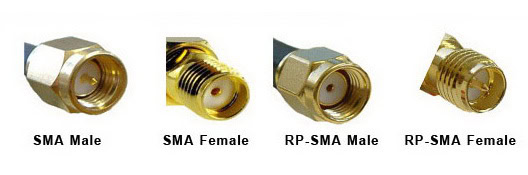
Connector Types: Ensure the antenna connector type (e.g., SMA, RP-SMA, N-type) matches your router or access point.
Device Compatibility: Check if your WiFi device supports external antennas and the specific frequency bands.
7. Regulatory Compliance:
Local Regulations: Be aware of the regulations regarding antenna use and power limits in your country or region.
8. Use Cases:
Home/Office Coverage: Omnidirectional antennas for general coverage.
Point-to-Point Links: Directional antennas for connecting two locations.
Outdoor Coverage: Sector or directional antennas for targeted outdoor areas.
9. Budget:
Cost vs. Performance: Higher gain and specialized antennas may be more expensive but provide better performance for specific applications.
By considering these factors, you can select the right WiFi antenna to meet your specific needs and optimize your wireless network’s performance.
Understanding WiFi Antennas
Basic concepts of WiFi technology
WiFi, short for Wireless Fidelity, is a technology that allows electronic devices to connect to a wireless local area network (WLAN), typically using the 2.4 GHz and 5 GHz radio frequency bands. Here are some basic concepts related to WiFi technology:
1. SSID (Service Set Identifier)
Definition: The SSID is the name of a WiFi network that devices use to identify and connect to it.
Usage: When you search for available networks on your device, the list of names you see represents the SSIDs of nearby WiFi networks.
2. Access Point (AP)
Definition: A device that allows wireless devices to connect to a wired network using WiFi.

Function: It acts as a bridge between the wireless devices and the wired network, often integrated into routers.
3. Router
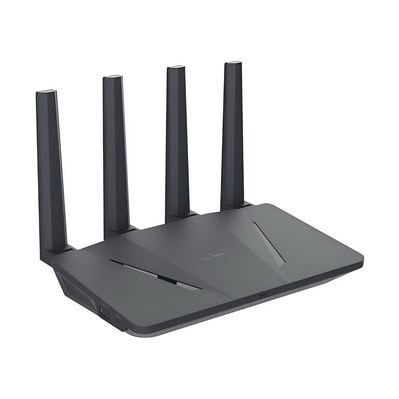
Definition: A device that forwards data packets between computer networks.
Function: In a WiFi network, a router typically includes an access point to provide wireless connectivity and routing capabilities to connect to the internet.
4. Frequency Bands
2.4 GHz Band: Offers wider coverage but is more prone to interference and congestion.
5 GHz Band: Provides faster speeds and less interference but has a shorter range compared to the 2.4 GHz band.
6 GHz Band: The latest addition, offering even faster speeds and lower latency than the 5 GHz band, with less interference due to fewer devices currently operating in this spectrum. However, it has an even shorter range compared to the 5 GHz band.
5. Channels
Definition: Subdivisions of the frequency bands that help reduce interference by separating different networks.
Usage: In the 2.4 GHz band, common channels are 1, 6, and 11 to avoid overlap. In the 5 GHz band, there are more channels available, reducing the likelihood of interference.
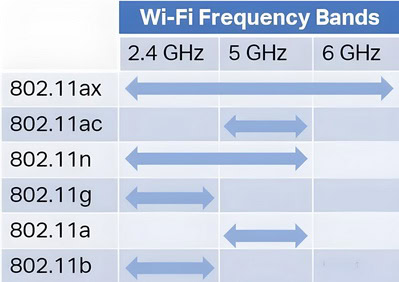
802.11a: Operates in the 5 GHz band. It was one of the earlier standards and provided faster speeds compared to 802.11b but had a shorter range.
802.11b: Operates in the 2.4 GHz band. It was widely adopted due to its longer range and compatibility but offered lower speeds.
802.11g: Also operates in the 2.4 GHz band. It provided higher speeds than 802.11b while maintaining compatibility with it.
802.11n: Operates in both 2.4 GHz and 5 GHz bands (dual-band). It significantly improved speed and range using multiple-input multiple-output (MIMO) technology.
802.11ac: Operates in the 5 GHz band and offers even higher speeds than 802.11n by utilizing wider channels, more spatial streams, and advanced modulation techniques.
cURL Too many subrequests.cURL Too many subrequests.cURL Too many subrequests.
cURL Too many subrequests. cURL Too many subrequests. cURL Too many subrequests.
cURL Too many subrequests.cURL Too many subrequests.
cURL Too many subrequests.
cURL Too many subrequests.
cURL Too many subrequests. cURL Too many subrequests.
cURL Too many subrequests.
cURL Too many subrequests.cURL Too many subrequests.

cURL Too many subrequests.
cURL Too many subrequests.
cURL Too many subrequests.
cURL Too many subrequests.
cURL Too many subrequests.
Range Extenders: Devices that amplify the WiFi signal to cover larger areas.
10. Bandwidth and Throughput
Bandwidth: The maximum rate of data transfer across a given path.
Throughput: The actual rate of successful data transfer, which can be affected by network congestion, signal strength, and interference.
11. Latency
Definition: The time it takes for data to travel from the source to the destination.
Impact: Lower latency is crucial for real-time applications like video conferencing and online gaming.
12. MIMO (Multiple Input Multiple Output)
Definition: A technology that uses multiple antennas to transmit and receive more data simultaneously.
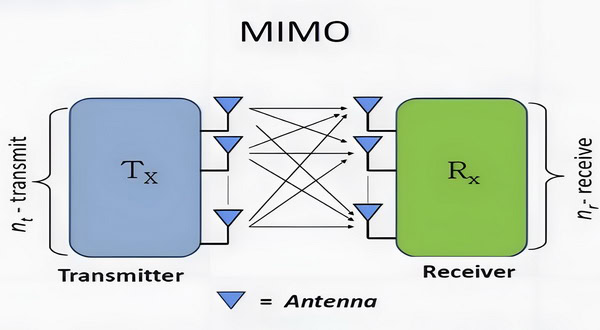
Benefit: Increases the capacity and performance of the WiFi network.
13. Beamforming
Definition: A technique that focuses the WiFi signal directly at a device rather than broadcasting it in all directions.

Benefit: Improves signal strength and quality for the targeted device.
Understanding these basic concepts will help you make informed decisions about setting up, using, and troubleshooting WiFi networks.
Role of antennas in WiFi networks
Antennas play a crucial role in WiFi networks by enabling the transmission and reception of wireless signals between devices. Here are some key roles and functions of antennas in WiFi networks:
1. Signal Transmission and Reception: Antennas convert electrical signals from the WiFi router or access point into electromagnetic waves and vice versa. This allows wireless communication between devices such as laptops, smartphones, tablets, and other WiFi-enabled gadgets.
2. Coverage Area: The design and placement of antennas significantly impact the coverage area of a WiFi network. Different types of antennas (e.g., omni-directional, directional) can be used to optimize coverage in various environments. Omni-directional antennas provide 360-degree coverage, making them suitable for general use, while directional antennas focus the signal in a specific direction, which can be useful for long-range communication or overcoming obstacles.
3. Signal Strength and Quality: Antennas influence the strength and quality of the WiFi signal. High-gain antennas can amplify the signal, potentially extending the range and improving connectivity. Proper antenna placement can also help minimize interference and signal degradation, leading to more stable and faster connections.
4. Frequency Bands: WiFi networks operate on different frequency bands, primarily 2.4 GHz, GHz and 6 GHz. Some antennas are designed to work specifically with one of these bands, while others are dual-band or tri-band, capable of handling multiple frequencies. This flexibility helps in managing network traffic and reducing congestion.
5. MIMO Technology: Modern WiFi standards (such as WiFi 5 and WiFi 6) use Multiple Input Multiple Output (MIMO) technology, which involves multiple antennas to transmit and receive more data simultaneously. This increases the network’s capacity and improves overall performance, especially in environments with many connected devices.
6. Beamforming: Beamforming is a technique that directs the WiFi signal towards specific devices rather than broadcasting it in all directions. This targeted approach enhances signal strength and quality for the intended device, leading to faster and more reliable connections. Beamforming relies on advanced antenna arrays to dynamically adjust the signal direction.
7. Interference Mitigation: Antennas can help mitigate interference from other wireless devices and networks. By carefully designing and positioning antennas, it’s possible to reduce the impact of interference, resulting in a cleaner and more stable WiFi signal.
8. Aesthetic and Practical Considerations: The physical design of antennas can affect their performance and integration into various environments. For example, internal antennas are often used in consumer-grade routers to maintain a sleek appearance, while external antennas may be used in enterprise environments for better performance and flexibility in positioning.
In summary, antennas are a fundamental component of WiFi networks, impacting everything from signal transmission and coverage to network performance and reliability. Proper selection, placement, and configuration of antennas are essential for optimizing the performance of a WiFi network.
Impact of Antenna Size on WiFi Connectivity
The physical size of a WiFi antenna directly influences both the range and reliability of your wireless connection. Generally, larger antennas are capable of broadcasting and receiving signals over greater distances, thanks to their increased surface area and improved ability to capture electromagnetic waves. This can result in a stronger signal, particularly at the edges of a WiFi network’s coverage area.
However, bigger isn’t always better for every situation. While a large antenna typically enhances range and stability, especially in open environments or large homes, it can also be more susceptible to interference in crowded or cluttered spaces. For compact routers or devices, smaller antennas may offer a better balance between performance and aesthetics, particularly where space is a concern.
Ultimately, selecting the right antenna size comes down to your specific coverage requirements and environment. If extending signal range is a top priority—say, to reach multiple floors or distant corners of a property—a larger antenna may provide noticeable benefits in connectivity and consistency.
When is an external WiFi antenna needed for a PC?
While most modern PCs are equipped with internal antennas that are sufficient for everyday web browsing and general use, there are scenarios where upgrading to an external WiFi antenna can make a noticeable difference. Here are some common situations where an external antenna becomes particularly beneficial:
- Challenging Signal Environments: If your computer is positioned far from the wireless router, or if there are thick walls, floors, or other obstacles in the way, the internal antenna may struggle to maintain a strong connection. In such cases, an external antenna—especially one with high gain or directional capability—can help capture a stronger, more stable signal.
- Enhanced Performance for Demanding Applications: For activities that demand high bandwidth or ultra-low latency, such as online gaming, HD streaming, or large file transfers, the standard internal antenna may not deliver optimal results. An external antenna often improves both speed and connection reliability, providing smoother performance for these tasks.
- Dealing with Wireless Interference: If you’re in an area crowded with many WiFi networks or other electronic devices (such as in apartment complexes or office buildings), external antennas can help minimize interference. By choosing antennas engineered to filter signals or focus reception, you may achieve cleaner, more consistent connectivity.
Ultimately, while internal antennas work well for most users, external WiFi antennas offer a valuable upgrade when you need to overcome distance, physical barriers, heavy network traffic, or heightened performance requirements.
Chapter 1: Fundamentals of WiFi Technology
History and Evolution of WiFi
WiFi, short for Wireless Fidelity, has revolutionized the way we connect to the internet and communicate wirelessly. Here is an overview of its history and evolution:
cURL Too many subrequests.
cURL Too many subrequests.
cURL Too many subrequests.
cURL Too many subrequests.
cURL Too many subrequests.
cURL Too many subrequests.
cURL Too many subrequests.
cURL Too many subrequests.
cURL Too many subrequests.
cURL Too many subrequests.
cURL Too many subrequests.
cURL Too many subrequests.
cURL Too many subrequests.
cURL Too many subrequests.cURL Too many subrequests.cURL Too many subrequests.

cURL Too many subrequests.
cURL Too many subrequests.
cURL Too many subrequests.
Home and Office Connectivity: WiFi has become the standard for internet connectivity in homes and offices, enabling wireless access to the internet and local networks.
Mobile Devices: The proliferation of smartphones, tablets, and other mobile devices has been fueled by the availability of WiFi, allowing users to stay connected on the go.
Public Hotspots: WiFi hotspots in public places like cafes, airports, and hotels have made it easier for people to access the internet while traveling or in public spaces.
IoT (Internet of Things): WiFi plays a crucial role in connecting IoT devices, enabling smart homes, smart cities, and various industrial applications.
Conclusion
The history and evolution of WiFi demonstrate its transformative impact on communication and connectivity. From its early beginnings to the latest advancements, WiFi continues to evolve, offering faster speeds, greater efficiency, and improved performance, shaping the future of wireless communication.
WiFi Standards and Protocols
Overview of 802.11 standards (a/b/g/n/ac/ax/be)
1. IEEE 802.11: This is the set of standards developed by the Institute of Electrical and Electronics Engineers (IEEE) for wireless local area networks (WLANs).
2. 802.11a:
Frequency: 5 GHz
Maximum Speed: 54 Mbps
Range: Shorter range compared to 2.4 GHz due to higher frequency
Notes: Less interference but not compatible with 2.4 GHz devices
3. 802.11b:
Frequency: 2.4 GHz
Maximum Speed: 11 Mbps
Range: Better range compared to 5 GHz but more prone to interference
Notes: One of the earliest standards, widely adopted
4. 802.11g:
Frequency: 2.4 GHz
Maximum Speed: 54 Mbps
Range: Similar to 802.11b but faster
Notes: Backward compatible with 802.11b
5. 802.11n:
Frequency: 2.4 GHz and 5 GHz (dual-band)
Maximum Speed: 600 Mbps (theoretical)
Range: Improved range due to MIMO (Multiple Input Multiple Output) technology
Notes: Introduced MIMO and channel bonding
6. 802.11ac:
Frequency: 5 GHz
Maximum Speed: Up to 3.46 Gbps (theoretical, using 160 MHz channels)
Range: Similar to 802.11n on 5 GHz but faster
Notes: Uses wider channels, more MIMO streams, and beamforming
7. 802.11ax (WiFi 6):
Frequency: 2.4 GHz and 5 GHz (dual-band, with future support for 6 GHz)
Maximum Speed: Up to 9.6 Gbps (theoretical)
Range: Improved efficiency and range
Notes: Better performance in dense environments, improved battery life for devices, OFDMA (Orthogonal Frequency Division Multiple Access)
8. 802.11ad:
Frequency: 60 GHz
Maximum Speed: Up to 7 Gbps
Range: Very short range
Notes: High-speed, short-range communication, often used for specific applications like wireless docking stations
9. 802.11ay:
Frequency: 60 GHz
cURL Too many subrequests.
cURL Too many subrequests.
cURL Too many subrequests.
cURL Too many subrequests.
cURL Too many subrequests.
cURL Too many subrequests.
cURL Too many subrequests.
cURL Too many subrequests.
11. cURL Too many subrequests. cURL Too many subrequests.
cURL Too many subrequests.
cURL Too many subrequests.
cURL Too many subrequests.
cURL Too many subrequests.
cURL Too many subrequests.
cURL Too many subrequests.
cURL Too many subrequests.
cURL Too many subrequests.
cURL Too many subrequests.
Security Level: Medium
Notes: Improvement over WEP, introduced TKIP (Temporal Key Integrity Protocol)
3. WPA2:
Security Level: High
Notes: Uses AES (Advanced Encryption Standard), widely adopted and considered secure
4. WPA3:
Security Level: Very High
Notes: Latest security protocol, introduces Simultaneous Authentication of Equals (SAE) for better security, especially on public networks
Other Relevant Technologies
1. MU-MIMO (Multi-User MIMO):
Allows multiple devices to receive data simultaneously, improving efficiency and speed in multi-device environments.
2. Beamforming
Focuses the WiFi signal in the direction of the receiving device, improving range and performance.
3. OFDMA (Orthogonal Frequency Division Multiple Access):
Divides a channel into smaller sub-channels, allowing multiple devices to be served simultaneously, improving efficiency.
4. WiFi 6E:
An extension of WiFi 6 that operates in the 6 GHz band, providing more channels and less interference.
Understanding these standards and protocols can help you choose the right WiFi equipment and configure your network for optimal performance and security, especially as newer technologies like WiFi 6E and WiFi 7 become more widely available.
Future trends: WiFi 7 and beyond
WiFi technology has evolved significantly over the years, with each new generation bringing substantial improvements in speed, capacity, and overall performance. WiFi 7, also known as IEEE 802.11be, is the upcoming standard that promises to push these boundaries even further. Here are some of the expected trends and features for WiFi 7 and beyond:
WiFi 7 (IEEE 802.11be)
1. Higher Data Rates: WiFi 7 aims to achieve data rates up to 30 Gbps, which is significantly higher than the 9.6 Gbps offered by WiFi 6 (802.11ax). This will be made possible through wider channel bandwidths, advanced modulation techniques, and improved spatial multiplexing.
2. 320 MHz Channel Bandwidth: WiFi 7 will support channel bandwidths up to 320 MHz, compared to the 160 MHz in WiFi 6. This wider bandwidth will allow for more data to be transmitted simultaneously, enhancing overall throughput.
3. 4K-QAM (Quadrature Amplitude Modulation): WiFi 7 will introduce 4096-QAM, an improvement over the 1024-QAM used in WiFi 6. This higher-order modulation will enable more bits to be transmitted per symbol, increasing data rates.
4. Multi-Link Operation (MLO): WiFi 7 will support Multi-Link Operation, allowing devices to simultaneously connect to multiple bands (2.4 GHz, 5 GHz, and 6 GHz). This will improve reliability, reduce latency, and increase aggregate throughput.
5. Improved MU-MIMO and OFDMA: WiFi 7 will enhance Multi-User Multiple Input Multiple Output (MU-MIMO) and Orthogonal Frequency Division Multiple Access (OFDMA) technologies, allowing for more efficient use of the spectrum and better performance in dense environments.
6. Low Latency: WiFi 7 aims to significantly reduce latency, making it ideal for applications such as virtual reality (VR), augmented reality (AR), online gaming, and real-time communications.
7. Enhanced Security: Continued improvements in security protocols will be a focus, building on the WPA3 standard to ensure robust protection against emerging threats.
Trends Beyond WiFi 7
1. Terahertz (THz) Communication: Future WiFi generations might explore the use of terahertz frequencies (0.1-10 THz) to achieve even higher data rates and lower latency. THz communication could enable ultra-high-speed wireless links for applications like holographic displays and real-time 8K video streaming.
2. AI and Machine Learning Integration: The integration of AI and machine learning algorithms could optimize network performance by dynamically adjusting parameters such as channel selection, power levels, and beamforming patterns based on real-time conditions.
3. Mesh Networking Evolution: Future WiFi systems will likely see advancements in mesh networking, providing seamless coverage and improved performance in large or complex environments. Self-healing and self-optimizing networks will become more common.
4. IoT and Edge Computing: As the Internet of Things (IoT) continues to grow, future WiFi standards will need to support a massive number of connected devices with varying requirements. Edge computing will play a crucial role in processing data closer to the source, reducing latency and bandwidth usage.
5. Energy Efficiency: Future WiFi technologies will focus on improving energy efficiency, both for battery-powered devices and for overall network infrastructure. This will be essential for supporting a growing number of IoT devices and reducing the environmental impact of wireless networks.
6. Integration with 5G and Beyond: WiFi and cellular technologies will continue to converge, offering seamless connectivity and handoff between different networks. This integration will enable ubiquitous high-speed internet access, whether indoors or outdoors.
7. Advanced Security Features: As cyber threats evolve, future WiFi standards will incorporate more sophisticated security measures, including quantum-resistant encryption and advanced authentication methods.
8. Augmented Reality (AR) and Virtual Reality (VR): Future WiFi standards will be optimized for AR and VR applications, providing the low latency and high bandwidth required for immersive experiences.
Conclusion
WiFi 7 represents a significant leap forward in wireless technology, promising unprecedented speeds, lower latency, and improved efficiency. As we look beyond WiFi 7, the focus will likely shift towards even higher frequencies, smarter networks, and tighter integration with other communication technologies. These advancements will pave the way for new applications and services, transforming how we connect and interact with the digital world.
Chapter 2: Factors to Consider When Choosing a WiFi Antenna
1. Coverage Area and Range
Indoor vs. outdoor usage and range considerations
cURL Too many subrequests.
cURL Too many subrequests.
cURL Too many subrequests.
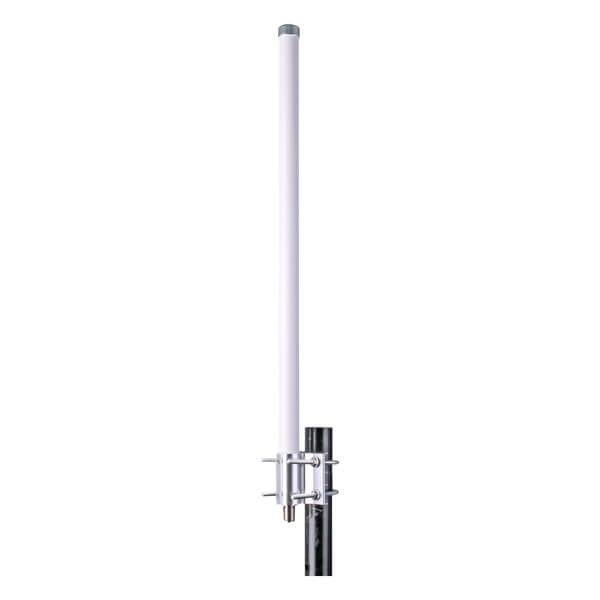
Omni-directional AntennascURL Too many subrequests.
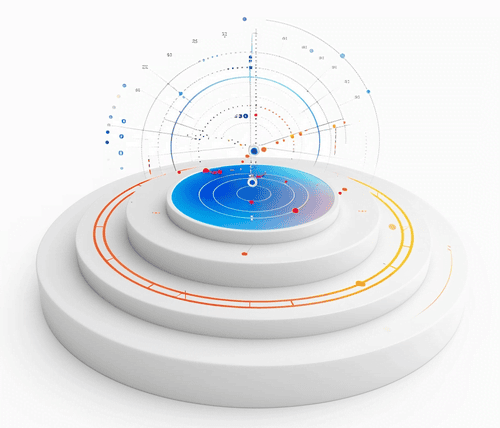
Directional AntennascURL Too many subrequests.
cURL Too many subrequests.
cURL Too many subrequests.
cURL Too many subrequests.
cURL Too many subrequests.
cURL Too many subrequests.
cURL Too many subrequests.
Omni-directional AntennascURL Too many subrequests.
Directional AntennascURL Too many subrequests.
cURL Too many subrequests.
cURL Too many subrequests.
cURL Too many subrequests.
cURL Too many subrequests.
cURL Too many subrequests.
cURL Too many subrequests.
cURL Too many subrequests.
cURL Too many subrequests.
cURL Too many subrequests.
Indoor Antennas: Typically omnidirectional for broad coverage; consider placement and interference from walls and other devices.
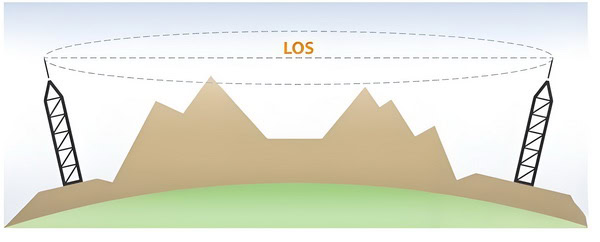
Outdoor Antennas: Can be omnidirectional or directional depending on the coverage area; consider line of sight and weather conditions.
Range: Influenced by antenna type, gain, placement, and environmental factors. Proper selection and installation can maximize performance and coverage.
By carefully considering these factors, you can choose the right WiFi antennas for your specific indoor or outdoor needs, ensuring reliable and efficient wireless connectivity.
Factors affecting coverage area and range (obstacles, interference)
The coverage area and range of WiFi antennas are influenced by various factors, including physical obstacles, interference, and environmental conditions. Here are some key factors to consider:

1. Antenna Characteristics
Gain: Higher gain antennas can transmit signals further, but they often have a narrower beamwidth.
Half-Power Beamwidth (HPBW): This is the angular width where the signal strength falls to half its maximum value. A narrower HPBW focuses the signal more, which can extend range but reduce coverage area.
Type of Antenna: Different types of antennas (e.g., omnidirectional, directional) have different coverage patterns.
Omni-directional Antennas: Radiate signal in all directions, providing wide coverage but shorter range.
Directional Antennas: Focus signal in a specific direction, increasing range but reducing coverage area.
2. Obstacles
Physical Barriers: Walls, floors, and furniture can obstruct WiFi signals. Materials like concrete, metal, and brick are particularly effective at blocking signals.
Human Presence: People can also absorb WiFi signals, affecting coverage in crowded areas.
Foliage: Trees and plants can attenuate WiFi signals, especially in outdoor environments.
3. Interference
Co-Channel Interference: Occurs when multiple devices operate on the same WiFi channel, leading to congestion and reduced performance.
Adjacent Channel Interference: Interference from devices on nearby channels can also degrade signal quality.
Other Wireless Devices: Devices like cordless phones, microwave ovens, and Bluetooth devices can cause interference, particularly in the 2.4 GHz band.
Electrical Noise: Electrical equipment and power lines can introduce noise that interferes with WiFi signals.
4. Environment
Indoor Environment: WiFi signals face more obstacles indoors, such as walls and furniture, which can significantly reduce range and coverage.
Outdoor Environment: Generally offers fewer obstacles, allowing for greater range. However, weather conditions (rain, fog) and terrain (hills, buildings) can still impact performance.
Building Layout: Open floor plans allow for better signal propagation, while complex layouts with many rooms and walls hinder signal spread.
5. Frequency Band
2.4 GHz Band: Offers longer range and better penetration through obstacles but is more prone to interference due to its common use.
5 GHz Band: Provides higher data rates and less interference but has a shorter range and poorer penetration through obstacles.
6 GHz Band: Offers even higher data rates and lower latency compared to the 5 GHz band, with less interference due to its newer adoption. However, it has the shortest range and the poorest penetration through obstacles among the three bands.
6. Transmission Power
Higher Power: Increases range but can cause more interference with other devices.
Regulatory Limits: Different regions have regulations on the maximum allowable transmission power.
7. Signal Reflection and Refraction
Multipath Propagation: Signals can reflect off surfaces, causing multiple signal paths that can interfere with each other, leading to signal degradation.
Refraction: Changes in the medium (e.g., air to glass) can bend the signal, affecting its path and strength.
8. Network Configuration
Channel Selection: Choosing the least congested channel can improve performance.
Access Point Placement: Strategically placing access points to minimize obstacles and maximize coverage.
Mesh Networks: Using multiple access points to create a mesh network can improve coverage and reduce dead zones.
9. User Density
cURL Too many subrequests.
cURL Too many subrequests.
cURL Too many subrequests.
cURL Too many subrequests.
cURL Too many subrequests.
cURL Too many subrequests.
cURL Too many subrequests.
cURL Too many subrequests. WiFi antennas cURL Too many subrequests.
2.4 GHz Band
cURL Too many subrequests.
cURL Too many subrequests.
cURL Too many subrequests.
cURL Too many subrequests.
cURL Too many subrequests.
cURL Too many subrequests.
cURL Too many subrequests.
5 GHz Band
cURL Too many subrequests.
cURL Too many subrequests.
cURL Too many subrequests.
cURL Too many subrequests.
cURL Too many subrequests.
2. Compatibility: Not all older devices support the 5 GHz band.
6 GHz Band
cURL Too many subrequests.
1. Speed: Provides even higher data rates and lower latency compared to both 2.4 GHz and 5 GHz bands. Ideal for future-proofing your network for high-bandwidth applications.
2. Less Congestion: The 6 GHz band is relatively new and less crowded, offering more channels and less interference.
3. Future-Ready: Designed to support the latest WiFi 6E standard, which offers enhanced performance and efficiency.
cURL Too many subrequests.
1. Range: Similar to the 5 GHz band, it has a shorter range and is less effective at penetrating obstacles.
2. Compatibility: Limited device support as of now, but this will improve as more 6E-capable devices become available.
cURL Too many subrequests.
2.4 GHz: Best for range and compatibility but suffers from lower speeds and higher interference.
5 GHz: Offers higher speeds and less interference but has a shorter range and less compatibility with older devices.
6 GHz: Provides the highest speeds and least interference but is limited by range and current device compatibility.
When choosing a WiFi antenna or router, it’s often beneficial to select a dual-band or tri-band device that supports multiple frequencies. This allows you to balance range and speed based on your specific needs and the layout of your environment.
Dual-band and tri-band considerations
When choosing between dual-band and tri-band WiFi antennas, there are several important considerations to keep in mind. Here’s a breakdown of the key points for each type:
Dual-Band WiFi Antennas (2.4GHz and 5GHz)

cURL Too many subrequests.
1. Compatibility: Dual-band routers and antennas are widely compatible with most devices, as 2.4GHz and 5GHz bands are standard in many WiFi-enabled devices.
2. Coverage: The 2.4GHz band offers better range and penetration through walls and obstacles, making it suitable for larger areas or homes with many barriers.
3. Speed: The 5GHz band provides faster speeds and less interference, which is ideal for high-bandwidth activities like streaming and gaming.
cURL Too many subrequests.
1. Congestion: The 2.4GHz band is often crowded due to the number of devices (like microwaves, cordless phones, and Bluetooth devices) that also use this frequency, leading to potential interference and slower speeds.
2. Range: The 5GHz band has a shorter range compared to 2.4GHz and is less effective at penetrating walls and obstacles.
Tri-Band WiFi Antennas (2.4GHz, 5GHz, and 6GHz)
cURL Too many subrequests.
1. Future-Proofing: Tri-band antennas support the latest WiFi 6E standard, which includes the 6GHz band. This makes them more future-proof as more devices start to support this new band.
2. Less Congestion: The 6GHz band is currently less congested, offering cleaner and faster connections with less interference.
3. High Capacity: Tri-band systems can handle more devices simultaneously without a significant drop in performance, which is beneficial for households with many connected devices.
cURL Too many subrequests.
1. Cost: Tri-band routers and antennas are generally more expensive than dual-band ones.
2. Device Compatibility: Not all devices currently support the 6GHz band, so the benefits may not be fully realized until more 6GHz-compatible devices become available.
3. Range:Similar to the 5GHz band, the 6GHz band has a shorter range and is less effective at penetrating obstacles.
Key Considerations
1. Current and Future Needs: If you have a lot of devices and plan to add more in the future, a tri-band system may be more beneficial. However, if your current setup is sufficient and you don’t anticipate a significant increase in connected devices, a dual-band system might be adequate.
2. Environment: Consider the physical environment where the WiFi will be used. If you need to cover a large area with many walls, the 2.4GHz band of a dual-band system might be more effective. For smaller, open areas, the higher bands of a tri-band system can provide better performance.
3. Budget:Weigh the cost against the benefits. Tri-band systems are more expensive but offer better performance and future-proofing. Dual-band systems are more affordable and provide sufficient performance for many users.
4. Interference: If you live in a densely populated area with many WiFi networks, the additional 6GHz band in a tri-band system can help avoid congestion and interference.
By considering these factors, you can make an informed decision on whether a dual-band or tri-band WiFi antenna is best suited for your needs.
3. Gain
Explanation of antenna gain (dBi)
Antenna gain, often expressed in decibels relative to an isotropic radiator (dBi), is a measure of how effectively an antenna directs radio frequency energy in a particular direction compared to an ideal isotropic antenna. An isotropic antenna is a theoretical point source that radiates power uniformly in all directions.
Here’s a detailed explanation of antenna gain (dBi):
1. Isotropic Antenna (0 dBi):
An isotropic antenna is a hypothetical antenna that radiates equal power in all directions, forming a perfect sphere of radiation. It is used as a reference point for measuring antenna gain.
The gain of an isotropic antenna is defined as 0 dBi.
cURL Too many subrequests.
cURL Too many subrequests.
cURL Too many subrequests. cURL Too many subrequests. = cURL Too many subrequests.
cURL Too many subrequests. Ga cURL Too many subrequests., η cURL Too many subrequests.
Αa cURL Too many subrequests.,
λ cURL Too many subrequests. π cURL Too many subrequests.
cURL Too many subrequests.
cURL Too many subrequests.
cURL Too many subrequests.
cURL Too many subrequests.
cURL Too many subrequests.
cURL Too many subrequests.
5. Typical Values:
Omni-directional antennas, like those used in Wi-Fi routers, typically have gains ranging from 2 dBi to 12 dBi.
Directional antennas, such as Yagi or parabolic dish antennas, can have much higher gains, often exceeding 20 dBi.
6. Applications:
High-gain antennas are used in applications where long-distance communication is needed, such as satellite communication, radar, and point-to-point wireless links.
Low-gain antennas are used in applications where wide coverage is more important than range, such as in mobile phones and Wi-Fi access points.
Understanding antenna gain in dBi helps in selecting the right antenna for a specific application, ensuring optimal performance by balancing coverage area and signal strength.
How gain affects range and signal strength
Gain is a critical parameter in the context of antennas and amplifiers, affecting both the range and signal strength of a communication system. Here’s a detailed look at how gain impacts these factors:
1. Definition of Gain
Antenna Gain: It is a measure of how well an antenna can direct or concentrate radio frequency energy in a particular direction compared to an isotropic radiator (an idealized antenna that radiates equally in all directions). It is usually expressed in dBi (decibels relative to an isotropic antenna) or dBd (decibels relative to a dipole antenna).
Amplifier Gain: This is the increase in power of the signal provided by an amplifier, measured in decibels (dB). It indicates how much the amplifier boosts the signal.
2. Impact on Range
Antenna Gain: Higher antenna gain means that the antenna can send or receive signals over a greater distance. This is because the antenna focuses the energy more narrowly in a specific direction, reducing the spread and loss of signal strength. For example, a high-gain directional antenna can significantly extend the range of a wireless communication system compared to a low-gain omnidirectional antenna.
Amplifier Gain: Increased amplifier gain boosts the signal power, which can help overcome losses due to distance, obstacles, and other attenuating factors. This can extend the effective range of the communication system.
3. Impact on Signal Strength
Antenna Gain: Higher gain antennas can improve signal strength at a given distance by focusing the radiated power in a specific direction, thus increasing the received signal strength at the target location. Conversely, it also means that the antenna will be less effective in directions where it does not focus its energy.
Amplifier Gain: Amplifiers increase the signal strength by boosting the power of the transmitted or received signal. This can improve the quality and reliability of the communication, especially in environments with significant signal attenuation or interference.
4. Trade-offs and Considerations
Directionality: High-gain antennas are usually more directional. While this can increase range and signal strength in the desired direction, it can also mean reduced performance in other directions. This makes them suitable for point-to-point communications but less ideal for omnidirectional coverage.
Interference and Noise: Amplifying a signal also amplifies any noise present. Care must be taken to ensure that the signal-to-noise ratio (SNR) remains favorable. High-gain amplifiers might require additional filtering and noise reduction techniques.
Power Consumption: Higher gain amplifiers typically consume more power, which can be a concern in battery-operated or power-sensitive applications.
5. Applications
Long-Range Communications: High-gain antennas and amplifiers are often used in applications requiring long-range communication, such as satellite links, microwave relays, and long-distance Wi-Fi.
Targeted Coverage: In scenarios where specific areas need strong signal coverage (e.g., cellular base stations, point-to-point wireless links), high-gain antennas are beneficial.
cURL Too many subrequests.
In summary, gain directly affects both the range and signal strength of a communication system. Higher gain can extend the range and improve the signal strength in the desired direction but often at the cost of increased directionality and potential power consumption. The choice of gain should be balanced with the specific requirements of the communication application, considering factors such as coverage area, interference, and power availability.
Matching gain to your needs
Gain, in general, refers to the increase in power or amplitude of a signal. The context in which you need to match gain can vary widely, including audio systems, radio frequency (RF) systems, or even financial investments. Here are some guidelines for different scenarios:
Audio Systems

1. Microphones and Preamps:
Dynamic Microphones: Typically require more gain because they produce lower output levels.
Condenser Microphones: Generally need less gain but require phantom power.
Ribbon Microphones: Often need a lot of gain and careful handling.
2. Mixing Consoles:
Gain Staging: Ensure each stage of your audio signal path (microphone, preamp, mixer, etc.) has the appropriate gain to avoid noise and distortion.
Unity Gain: Aim to set levels so that the output is the same as the input, preventing unnecessary noise amplification.
3. Amplifiers and Speakers:
Power Matching: Match the amplifier’s power output to the speaker’s power handling capacity to avoid damage and ensure optimal performance.
Impedance Matching: Ensure the amplifier and speakers have compatible impedance ratings.
Radio Frequency (RF) Systems
1. Antennas and Receivers:
cURL Too many subrequests.
cURL Too many subrequests.
cURL Too many subrequests.
cURL Too many subrequests.
cURL Too many subrequests.
cURL Too many subrequests.
cURL Too many subrequests.
cURL Too many subrequests.
cURL Too many subrequests.
cURL Too many subrequests.
cURL Too many subrequests.
cURL Too many subrequests.
cURL Too many subrequests.
cURL Too many subrequests.
cURL Too many subrequests.
cURL Too many subrequests.
cURL Too many subrequests.
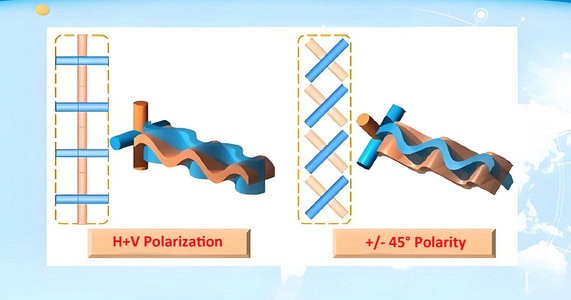
4. Polarization
cURL Too many subrequests.
cURL Too many subrequests.
cURL Too many subrequests.
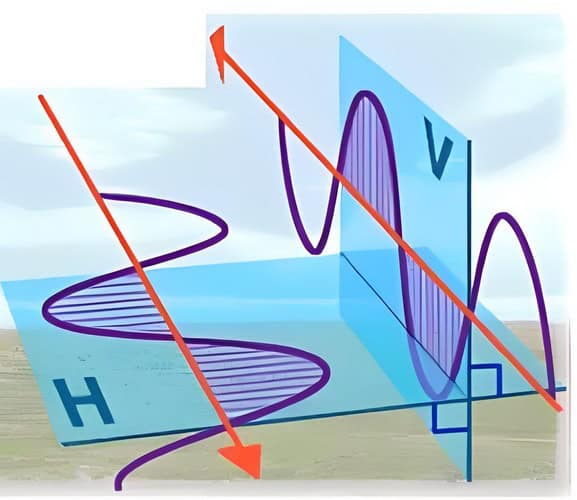
Orientation: The electric field is oriented vertically.

Common Uses: Often used in mobile communications, including WiFi routers and access points, because many client devices (like smartphones and laptops) are used in a vertical orientation.
Advantages:
Better Penetration: Vertical polarization tends to penetrate walls and obstacles better, which can be beneficial in indoor environments.
Omni-directional Coverage: Many vertically polarized antennas are designed to provide omni-directional coverage, making them suitable for broad area coverage.
Disadvantages:
Interference: Vertical polarization can be more susceptible to interference from other vertically polarized signals, which are common in urban environments.
cURL Too many subrequests.
Orientation: The electric field is oriented horizontally.

Common Uses: Often used in point-to-point communication links, such as between buildings or for specific directional applications.
Advantages:
Reduced Interference: Horizontal polarization can experience less interference in environments where vertical polarization is predominant, leading to potentially cleaner signals.
Directional Antennas: Many horizontally polarized antennas are directional, which can focus the signal and increase range and performance in a specific direction.
Disadvantages:
Limited Penetration: Horizontal polarization may not penetrate obstacles as well as vertical polarization, which can be a drawback in indoor environments with many walls.
Alignment Sensitivity: For optimal performance, horizontally polarized antennas need to be properly aligned with each other, which can be more challenging in some installations.
Considerations for WiFi Antennas
1. Environment: In indoor environments with many obstacles, vertical polarization may offer better coverage. In outdoor or point-to-point scenarios, horizontal polarization might be more effective.
2. Interference: Consider the existing sources of interference. If the area is saturated with vertically polarized signals, a horizontally polarized antenna might offer better performance.
3. Antenna Type: Omnidirectional antennas are often vertically polarized, while directional antennas can be either, depending on the specific application.
4. Device Orientation: Since many WiFi client devices are used in a vertical orientation, vertically polarized antennas may offer better connectivity for these devices.
Conclusion
The choice between vertical and horizontal polarization for WiFi antennas depends on the specific application and environment. Vertical polarization is generally better for broad, omnidirectional coverage and indoor environments, while horizontal polarization can be advantageous for point-to-point links and reducing interference. Understanding the characteristics and requirements of your specific scenario will help you make the best choice.
+45° Polarization vs. -45° Polarization
Polarization is a critical factor in the design and performance of WiFi antennas. It refers to the orientation of the electric field of the radio wave. The two common types of linear polarization are vertical and horizontal, but antennas can also be polarized at angles, such as +45° and -45°. Here’s a detailed look at the implications and applications of +45° vs. -45° polarization for WiFi antennas, with a focus on polarity:

Polarization Angles and Their Significance
1. +45° Polarization:
– The electric field of the radio wave is oriented at a 45-degree angle from the horizontal axis.
– Often used in environments where there is a need to reduce interference and improve signal clarity, as it can help differentiate signals from those that are vertically or horizontally polarized.
2. -45° Polarization:
The electric field of the radio wave is oriented at a -45-degree angle from the horizontal axis.
Similarly, it helps in reducing interference and can be used in conjunction with +45° polarization to create a more robust communication link.
Benefits of Using +45° and -45° Polarization
1. Improved Signal Isolation:
Using different polarization angles can help in isolating signals from one another, reducing the likelihood of interference. This is particularly useful in environments with multiple WiFi networks or other RF sources.
2. Enhanced Diversity:
By employing antennas with +45° and -45° polarization, a technique known as polarization diversity can be used. This helps in mitigating multipath fading, where signals take multiple paths to reach the receiver, causing phase shifts and signal degradation.
Polarization diversity can improve the reliability and throughput of the WiFi connection.
3. Better MIMO Performance:
– Multiple Input Multiple Output (MIMO) technology benefits from using antennas with different polarizations. Antennas with +45° and -45° polarization can be part of a MIMO setup, enhancing data rates and overall performance by exploiting spatial diversity.
cURL Too many subrequests.
1. Antenna Placement:
The physical placement and orientation of antennas are crucial. For optimal performance, antennas with +45° and -45° polarization should be positioned to maximize coverage and minimize interference.
2. Compatibility:
Ensure that both the transmitting and receiving antennas are compatible in terms of polarization. Mismatched polarization can lead to significant signal loss. For instance, a +45° polarized antenna will not effectively communicate with a vertically polarized antenna.
3. Environment
The environment in which the antennas are deployed can affect the choice of polarization. Urban environments with many reflective surfaces may benefit more from polarization diversity.
Applications
cURL Too many subrequests.
cURL Too many subrequests.
cURL Too many subrequests.
cURL Too many subrequests.
cURL Too many subrequests.
cURL Too many subrequests.
Conclusion
cURL Too many subrequests.
Dual polarization
cURL Too many subrequests. WiFi antennas cURL Too many subrequests.
cURL Too many subrequests.
cURL Too many subrequests.
cURL Too many subrequests.
cURL Too many subrequests.
cURL Too many subrequests.
cURL Too many subrequests.
cURL Too many subrequests.
cURL Too many subrequests.
cURL Too many subrequests.
cURL Too many subrequests.
3. Enhanced Reliability:
Different polarizations maintain a stable connection even when the orientation of the device changes, ensuring consistent performance.
Applications in MIMO Systems
MIMO (Multiple Input Multiple Output):
Dual polarization is integral to MIMO technology, where multiple antennas are used at both the transmitter and receiver ends. Each polarized element acts as an independent channel, enhancing data throughput and connection reliability.
cURL Too many subrequests.
Antenna Design:
Dual-polarized antennas are designed to handle the orthogonal polarizations efficiently, ensuring minimal cross-polarization interference.
Deployment Scenarios:
Dual polarization is particularly beneficial in environments with high levels of interference or where devices frequently change orientation, such as urban areas or mobile applications.
cURL Too many subrequests.
Dual polarization in WiFi antennas leverages two orthogonal polarization planes, such as vertical/horizontal or +45°/-45°, to enhance wireless communication performance. This approach increases capacity, improves signal quality, and ensures reliable connections, making it a crucial technology in modern wireless communication systems.
Importance of matching polarization
Matching the polarization of WiFi antennas is crucial for optimizing the performance of wireless communication systems. Polarization refers to the orientation of the electric field of the radio wave. Here are some key reasons why matching polarization is important:
1. Maximized Signal Strength: When the transmitting and receiving antennas have the same polarization, the signal strength is maximized. This is because the electric fields are aligned, allowing the maximum amount of energy to be transferred from the transmitter to the receiver.
2. Reduced Signal Loss: Mismatched polarization can lead to significant signal loss. For instance, if a vertically polarized antenna is trying to communicate with a horizontally polarized antenna, the signal loss can be as much as 20 dB, which drastically reduces the effective range and quality of the communication.
3. Improved Data Rates: Stronger and clearer signals, resulting from matched polarization, can support higher data rates. This is particularly important for applications requiring high-bandwidth connections, such as video streaming, online gaming, and large file transfers.
4. Better Signal-to-Noise Ratio (SNR): Matching polarization helps in maintaining a higher signal-to-noise ratio. A higher SNR means that the signal can be more easily distinguished from background noise, leading to more reliable and accurate data transmission.
5. Reduced Interference: In environments with multiple WiFi networks or devices, matched polarization can help in reducing interference. Since many WiFi devices use the same frequency bands, having aligned polarization can help in distinguishing between different signals.
6. Energy Efficiency: Devices with matched polarization require less power to maintain a stable connection. This is particularly beneficial for battery-operated devices, as it can extend their operational life.
7. Consistent Performance: Consistent polarization matching ensures stable and predictable performance of the WiFi network. This is important for applications that rely on continuous and reliable connectivity, such as VoIP calls or real-time data monitoring.
In summary, matching polarization between WiFi antennas is essential for achieving optimal performance, including stronger signal strength, higher data rates, better SNR, reduced interference, and improved energy efficiency. It ensures that the wireless communication system operates efficiently and reliably.
5. Compatibility
Ensuring compatibility with your router or access point
Ensuring compatibility between your WiFi antennas and your router or access point is crucial for optimal performance. Here are some key steps and considerations to ensure compatibility:
1. Connector Type:
SMA Connectors: Many WiFi routers and access points use RP-SMA (Reverse Polarity SMA) connectors. Ensure that the antenna you purchase has the appropriate RP-SMA connector.
Other Connectors: Some devices may use different connectors such as N-type, TNC, or proprietary connectors. Check your device’s specifications to confirm the connector type.
2. Frequency Band:
2.4 GHz and 5 GHz: Ensure the antenna supports the frequency bands your router uses. Most modern routers are dual-band, operating on both 2.4 GHz and 5 GHz. Some newer routers also support the 6 GHz band (Wi-Fi 6E and WiFi 7).
Single vs. Dual-Band: If your router is dual-band, it’s best to use dual-band antennas to ensure compatibility and performance across both frequency ranges.
3. Antenna Type:
Omnidirectional Antennas: These antennas radiate signal in all directions and are suitable for general coverage in homes and offices.
Directional Antennas: These antennas focus the signal in a specific direction, which can be useful for long-distance connections or covering specific areas.
4. Gain:
The gain of an antenna, measured in dBi, indicates how much it can amplify the signal. Higher gain antennas can transmit signals further but may have a narrower coverage area. Ensure the gain is appropriate for your needs and environment.
5. Compatibility with Router’s Antenna Ports:
Some routers have multiple antenna ports for MIMO (Multiple Input Multiple Output) technology. Ensure you have the correct number of antennas and that they are compatible with MIMO if your router supports it.
6. Physical Compatibility:
Ensure that the antenna’s physical size and mounting options are compatible with your router. Some antennas may be too large or may require specific mounting hardware.
7. Regulatory Compliance:
Ensure the antenna complies with local regulations regarding wireless transmissions. Using non-compliant antennas can lead to legal issues and interference with other devices.
8. Manufacturer Recommendations:
Check the router or access point manufacturer’s recommendations for compatible antennas. Sometimes, manufacturers provide a list of tested and approved antennas.
cURL Too many subrequests.
cURL Too many subrequests.
cURL Too many subrequests.
cURL Too many subrequests.
cURL Too many subrequests.
cURL Too many subrequests.
cURL Too many subrequests. WiFi antennas, cURL Too many subrequests.
cURL Too many subrequests.
cURL Too many subrequests.

cURL Too many subrequests.
cURL Too many subrequests.
cURL Too many subrequests.
cURL Too many subrequests.
cURL Too many subrequests.
cURL Too many subrequests.

cURL Too many subrequests.
cURL Too many subrequests.
cURL Too many subrequests.
cURL Too many subrequests.

Characteristics: Very small and delicate, suitable for tight spaces inside devices.
5. TNC (Threaded Neill–Concelman)

Usage: Used in some industrial and commercial WiFi applications.
Characteristics: Similar to BNC connectors but with a threaded coupling, providing better performance in environments with vibration.
Cable Considerations
1. Cable Type
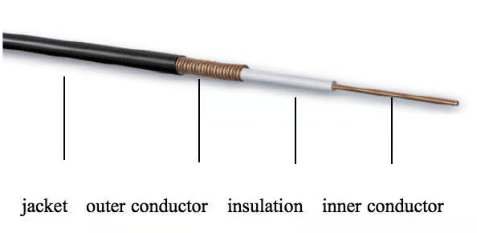
cURL Too many subrequests.: Commonly used for short runs in indoor applications. It has higher loss compared to other types.
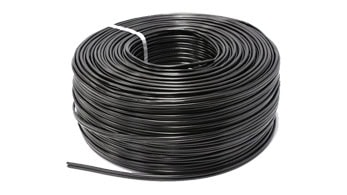
LMR-195, LMR-240, LMR-400: These are low-loss coaxial cables suitable for longer runs. LMR-400, in particular, is preferred for its low attenuation over long distances.
RG-6: Often used for TV and satellite, but can be used for WiFi with appropriate connectors.
2. Cable Length
Signal Loss: The longer the cable, the greater the signal loss. It’s important to keep cable runs as short as possible to minimize attenuation.
Placement: Position antennas as close to the WiFi device as possible to reduce the need for long cables.
3. Cable Quality
Shielding: Good quality cables have better shielding to protect against electromagnetic interference (EMI).
Flexibility: Depending on the installation environment, you may need flexible cables that can be routed easily without damaging the internal conductors.
4. Environmental Considerations
Indoor vs. Outdoor: Use weather-resistant cables for outdoor installations to protect against UV radiation, moisture, and temperature variations.
Temperature Range: Ensure the cable can operate within the temperature range of the installation environment.
Additional Tips
Connector Adapters: Sometimes, you may need adapters to connect different types of connectors. For example, an RP-SMA to N-Type adapter.
Cable Management: Proper cable management can help maintain signal integrity and prolong the life of the cables.
Testing: After installation, use a signal analyzer or WiFi analyzer tool to test the signal strength and quality to ensure optimal performance.
By carefully selecting the right connectors and cables, you can significantly improve the performance and reliability of your WiFi antenna setup.
6. Design and Form Factor
Indoor vs. outdoor design
When designing WiFi antennas for indoor versus outdoor use, several key factors must be considered to ensure optimal performance and reliability. Here are the primary considerations for each environment:
Indoor WiFi Antenna Design
1. Range and Coverage:
Challenges: Indoor environments often have multiple walls, floors, and other obstacles that can attenuate and reflect WiFi signals.
Design Considerations: Use antennas with omnidirectional patterns to provide broad coverage. Multiple antennas (MIMO – Multiple Input Multiple Output) can help improve signal strength and coverage.
2. Interference:
Challenges: Indoor environments may have numerous electronic devices that can cause interference (e.g., microwaves, cordless phones, Bluetooth devices).
Design Considerations: Choose antennas that operate on both 2.4 GHz and 5 GHz bands to mitigate interference and provide better performance.
3. Aesthetic and Space Constraints:
Challenges: Indoor antennas often need to be unobtrusive and fit within limited spaces.
Design Considerations: Compact, low-profile antennas that can be easily mounted on walls, ceilings, or integrated into devices are preferred.
4. Signal Penetration:
cURL Too many subrequests.
cURL Too many subrequests.
cURL Too many subrequests. cURL Too many subrequests.
1. Range and Coverage:
cURL Too many subrequests.
cURL Too many subrequests.
cURL Too many subrequests.
cURL Too many subrequests.
cURL Too many subrequests.
cURL Too many subrequests.
cURL Too many subrequests.
cURL Too many subrequests.
4. Mounting and Installation:
cURL Too many subrequests.
cURL Too many subrequests.
5. Regulatory Compliance:
cURL Too many subrequests.
cURL Too many subrequests.
cURL Too many subrequests.
cURL Too many subrequests.
Outdoor Antennas: Emphasize durability, weatherproofing, high-gain directional coverage, and compliance with regulatory standards to provide reliable long-range connectivity in varied environmental conditions.
By addressing these considerations, you can design WiFi antennas that are well-suited to their respective environments, ensuring optimal performance and user satisfaction.
Aesthetic considerations for home or office environments
When incorporating WiFi antennas into home or office environments, aesthetic considerations can significantly enhance the overall look and feel of the space. Here are some strategies to ensure that WiFi antennas blend seamlessly into your environment:
1. Concealment and Integration
Furniture Integration: Incorporate WiFi antennas into furniture pieces such as bookshelves, desks, or entertainment centers. Custom-built furniture with hidden compartments can house the antennas without compromising on signal strength.
Wall and Ceiling Mounts: Use wall or ceiling mounts that can be painted or covered with decorative elements to match the surrounding decor. In-ceiling antennas can be particularly unobtrusive.
Cabinetry and Enclosures: Design custom cabinetry or enclosures that can hide the antennas while allowing for proper ventilation and signal transmission.
2. Design and Color Coordination
Color Matching: Choose antennas that come in colors that match your walls, furniture, or decor. Many manufacturers offer antennas in various colors or with customizable skins.
Minimalist Designs: Opt for sleek, minimalist designs that blend into modern interiors. Antennas with clean lines and simple shapes can be less obtrusive.
3. Functional Decor
Multi-Functional Items: Use items that serve a dual purpose, such as lamps or picture frames with built-in WiFi antennas. This can help disguise the technology as part of everyday decor.
Decorative Covers: Use decorative covers or cases that can camouflage the antennas as part of the room’s aesthetic. These covers should be made of materials that do not interfere with the signal.
4. Strategic Placement
High Placement: Place antennas high on walls or on top of tall furniture to keep them out of direct sight lines. This not only improves signal distribution but also keeps the antennas less noticeable.
Behind Decor: Position antennas behind decorative items such as plants, sculptures, or artwork. Ensure these items do not block the signal significantly.
5. Cable Management
Concealed Wiring: Use cable management solutions to hide the wires associated with WiFi antennas. This can include running cables through walls, using cord covers, or integrating them into baseboards.
Wireless Solutions: Whenever possible, opt for wireless solutions to reduce the number of visible cables and enhance the clean look of the space.
6. Smart Home Integration
Smart Home Devices: Integrate WiFi antennas with other smart home devices that are already part of your decor, such as smart speakers, thermostats, or security cameras. This can create a cohesive tech environment.

Unified Design: Choose devices from the same manufacturer or product line to ensure a consistent design language across all your tech devices.
By carefully considering these aesthetic strategies, you can ensure that WiFi antennas contribute to the overall design of your home or office rather than detract from it.
7. Installation and Mounting
When installing and mounting a WiFi antenna, there are several factors to consider to ensure optimal performance and coverage. Here’s a detailed guide covering ease of installation and various mounting options:
cURL Too many subrequests.
1. Preparation:
Site Survey: Conduct a site survey to determine the best location for the antenna. Consider factors like signal interference, physical obstructions, and coverage area.
Tools and Equipment: Gather necessary tools such as a drill, screws, anchors, a ladder, and any specific mounting hardware provided with the antenna.
2. Antenna Type:
Indoor vs. Outdoor: Indoor antennas are generally easier to install as they don’t require weatherproofing. Outdoor antennas need to be weather-resistant and may require additional sealing and grounding.

Directional vs. Omni-directional: Directional antennas need to be aimed precisely at the target area, which can be more complex than installing omni-directional antennas that broadcast signals in all directions.
3.Installation Steps:
Mounting Bracket: Secure the mounting bracket firmly to the chosen surface. Ensure it’s level and stable.
Connect Cables: Attach the coaxial cable to the antenna before mounting it. This can be easier than trying to connect it after the antenna is in place.
Secure Antenna: Attach the antenna to the mounting bracket. Use a wrench to tighten any bolts and ensure the antenna is securely fastened.
Test Signal: Once installed, test the signal strength and make any necessary adjustments to the antenna’s position.
Mounting Options
1. Wall Mounting:
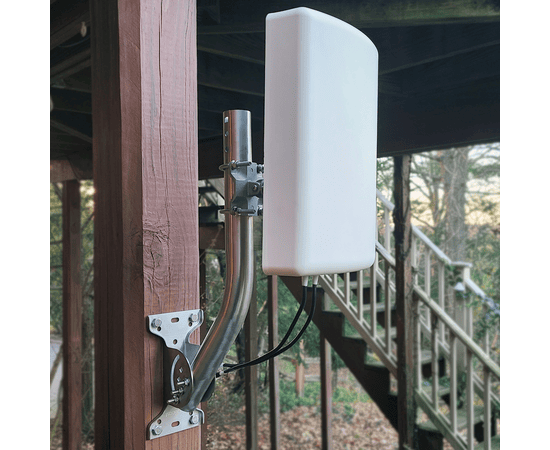
Pros: Easy access for maintenance, good for indoor environments, can be positioned at various heights.
cURL Too many subrequests.
cURL Too many subrequests.
2. Ceiling Mounting:

cURL Too many subrequests.
cURL Too many subrequests.
cURL Too many subrequests.
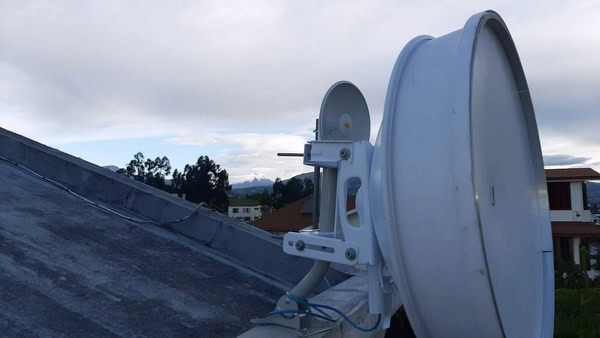
3. Pole Mounting:

cURL Too many subrequests.
cURL Too many subrequests.
cURL Too many subrequests.
cURL Too many subrequests.
cURL Too many subrequests.
cURL Too many subrequests.
cURL Too many subrequests.
Additional Tips
cURL Too many subrequests.
cURL Too many subrequests.
cURL Too many subrequests.
cURL Too many subrequests.
cURL Too many subrequests.
Chapter 3: Popular Types of WiFi Antennas
1. Omni-directional Antennas
Characteristics:
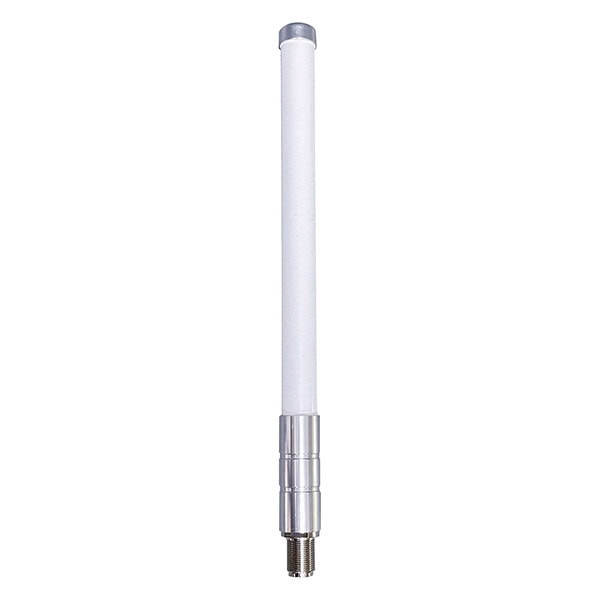
1. Radiation Pattern: Omni-directional antennas emit radio waves in all horizontal directions, creating a 360-degree coverage area. They typically have a doughnut-shaped radiation pattern.
2. Gain: They usually have lower gain compared to directional antennas, generally ranging from 2 dBi to 12 dBi. Higher gain omni-directional antennas can cover larger areas but have a more flattened vertical beamwidth.
3. Polarization: These antennas can be vertically or horizontally polarized, but vertical polarization is more common.
4. Frequency Bands: They can operate on various frequency bands, including 2.4 GHz, 5 GHz, and sometimes dual-band for WiFi applications.
5. Physical Form: They often come in the form of rods or tubes, making them easy to mount on routers, access points, or outdoor fixtures.
Use Cases:
1. Home and Office WiFi Networks: Ideal for providing uniform coverage in homes and small to medium-sized offices where users are spread out across multiple rooms or floors.
2. Public WiFi Hotspots: Commonly used in cafes, parks, and other public spaces to offer broad coverage to multiple users.
3. Warehouses and Large Open Spaces: Useful in environments where devices are scattered over a large area, such as warehouses, factories, or large retail spaces.
4. Outdoor Applications: Suitable for outdoor WiFi coverage in areas like campuses, stadiums, and outdoor event venues.
5. Mobile Applications: Often used in vehicles, such as buses, trains, and boats, to provide WiFi connectivity to passengers.
cURL Too many subrequests.
1. Wide Coverage Area: Provides broad, uniform coverage, reducing dead spots in the coverage area.
2. Ease of Installation: Simple to install without the need for precise alignment, unlike directional antennas.
3. Cost-Effective: Generally less expensive compared to high-gain directional antennas.
4. Versatility: Can be used in various environments, both indoors and outdoors.
5. Multiple Device Support: Can support multiple devices simultaneously, making them ideal for areas with high user density.
cURL Too many subrequests.
1. Lower Gain: Typically offers lower signal strength compared to directional antennas, which can be a limitation in long-range applications.
2. Interference: More susceptible to interference from other devices due to their wide coverage area.
3. Limited Range: Not suitable for long-distance point-to-point communication.
4. Signal Wastage: In scenarios where coverage is only needed in a specific direction, omni-directional antennas can waste signal power in unnecessary directions.
5. Potential for Overlapping Channels: In dense environments with multiple WiFi networks, the broad coverage can lead to overlapping channels and increased interference.
Conclusion:
WiFi omni-directional antennas are versatile and effective for providing broad, uniform coverage in various environments. They are particularly useful in scenarios where users are dispersed over a wide area and ease of installation is essential. However, their lower gain and susceptibility to interference can be limitations in specific applications, making it crucial to choose the right type of antenna based on the specific needs of the network.
2. Dome Antennas
WiFi dome antennas are specialized antennas designed to provide wireless coverage in various environments. They are typically used in scenarios where uniform coverage is required over a wide area, such as in large indoor spaces. Here’s a detailed look at their characteristics, use cases, and the pros and cons:
Characteristics
1. Omni-Directional Coverage: Dome antennas are often omni-directional, meaning they radiate signal uniformly in all directions, providing 360-degree coverage.
2. Frequency Bands: They support multiple frequency bands, commonly including the 2.4 GHz, 5 GHz and 6 GHz bands used in WiFi networks.
3. Gain: They typically have lower gain compared to directional antennas, which means they are designed for broader coverage rather than long-distance communication.
4. Design: Dome antennas are usually compact and aesthetically pleasing, making them suitable for indoor installations where appearance is a consideration.
5. Mounting: They can be mounted on ceilings or walls, making them versatile for different installation scenarios.
Use Cases
1. Large Indoor Spaces: Ideal for areas like shopping malls, airports, conference centers, and large office spaces where uniform coverage is needed.
2. Public Transport: Used in buses, trains, and other public transport systems to provide consistent WiFi coverage throughout the vehicle.
3. Warehouses: Effective in warehouses where goods and equipment can obstruct signals, as the omni-directional nature helps in covering all areas.
Pros
1. Uniform Coverage: Provides consistent signal strength in all directions, reducing dead spots in the coverage area.
2. Aesthetic Design: The sleek, unobtrusive design makes them suitable for environments where appearance is important.
3. Versatility: Can be used in various settings, both indoor and outdoor, making them a flexible solution for different coverage needs.
cURL Too many subrequests.
cURL Too many subrequests.
cURL Too many subrequests.
cURL Too many subrequests.
cURL Too many subrequests.
Conclusion
cURL Too many subrequests.
cURL Too many subrequests.
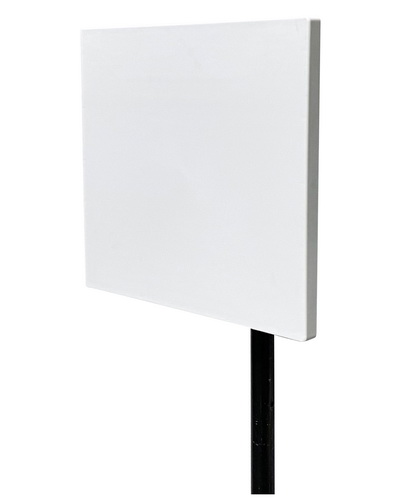
WiFi panel antennas cURL Too many subrequests.
Characteristics
cURL Too many subrequests.
cURL Too many subrequests.
cURL Too many subrequests.
cURL Too many subrequests.
cURL Too many subrequests.
Use Cases
cURL Too many subrequests.
cURL Too many subrequests.
cURL Too many subrequests.
cURL Too many subrequests.
Pros
cURL Too many subrequests.
cURL Too many subrequests.
3. Versatility: Can be used in both indoor and outdoor applications, making them versatile for various deployment scenarios.
4. Interference Mitigation: By focusing the signal, panel antennas can help mitigate interference from other WiFi networks or devices.
cURL Too many subrequests.
1. Limited Coverage Area: The directional nature means that coverage is limited to the area in the direction the antenna is pointed, which may not be suitable for all applications.
2. Installation Complexity: Proper alignment and mounting are crucial for optimal performance, which can make installation more complex compared to omnidirectional antennas.
3. Cost: Panel antennas can be more expensive than omnidirectional antennas, especially those with higher gain and advanced features.
4. Physical Size: While generally compact, some high-gain panel antennas can be relatively large and may require sturdy mounting solutions.
Conclusion
WiFi panel antennas are a powerful tool for enhancing wireless communication in specific directions, making them ideal for targeted coverage scenarios such as point-to-point links, focused indoor coverage, and outdoor deployments. However, their directional nature and installation complexity mean they are not suitable for all applications. Careful consideration of the use case, environment, and installation requirements is essential to maximize the benefits of using a WiFi panel antenna.
4. Parabolic Dish Antennas
Characteristics:
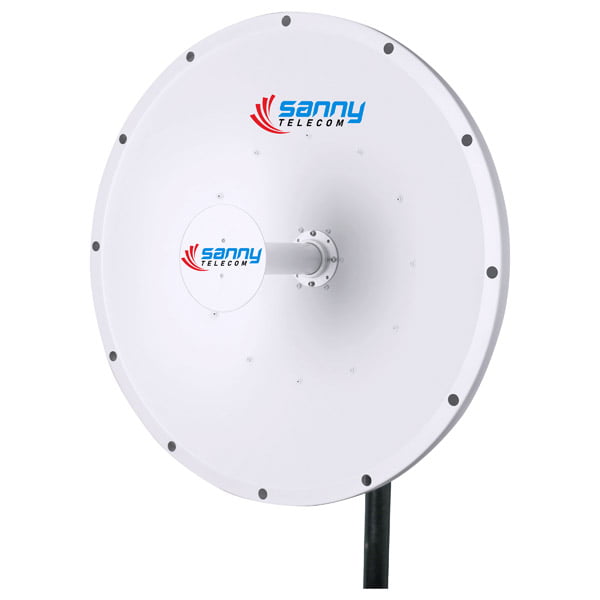
1. High Gain: Parabolic dish antennas offer high gain, typically ranging from 15 dBi to 30 dBi or more. This high gain results from the parabolic shape, which focuses the radio waves into a narrow beam, increasing signal strength.
2. Directional: These antennas are highly directional, meaning they focus the signal in a specific direction. This characteristic is beneficial for point-to-point communication over long distances.
3. Frequency Range: Parabolic dish antennas are designed to operate in specific frequency ranges, commonly within the 2.4 GHz , 5 GHz and 6GHz bands used by WiFi networks.
4. Size and Shape: They are usually larger and more cumbersome compared to other types of WiFi antennas. The dish shape is essential for focusing the signal.
5. Polarization: These antennas can support different types of polarization (horizontal, vertical, or dual polarization), which can be selected based on the specific application and environment.
Use Cases:
1. Long-Distance Communication: Ideal for establishing long-distance point-to-point links, such as connecting two buildings or remote locations where wired connections are impractical.
2. Backhaul Connections: Used in telecommunications to connect base stations to the core network, often over several kilometers.

3. Rural Internet Access: Providing internet access to remote or rural areas where traditional broadband services are unavailable.
4. Wireless Internet Service Providers (WISPs): Used by WISPs to deliver internet services over wide areas.
cURL Too many subrequests.
1. High Gain: Provides strong signal strength and improved performance over long distances.
2. Focused Signal: Reduces interference from other sources by concentrating the signal in a specific direction.
3. Reliable: Suitable for stable, long-range communication links.
4. Scalability: Can be used to scale networks by connecting multiple nodes over large distances.
cURL Too many subrequests.
1. Size and Weight: Typically larger and heavier than other types of antennas, making them less portable and more challenging to install.
2. Alignment: Requires precise alignment to ensure optimal performance, which can be time-consuming and technically demanding.
3. Cost: Generally more expensive than other types of WiFi antennas due to their complexity and materials.
4. Wind Load: The large surface area can be affected by wind, requiring sturdy mounting solutions.
5. Narrow Beamwidth: While beneficial for focusing the signal, it also means the antenna has a limited coverage area, requiring precise aiming.
Conclusion:
WiFi cURL Too many subrequests. are powerful tools for long-distance, point-to-point communication. They offer high gain and focused signals, making them ideal for specific applications like rural internet access and backhaul connections. However, their size, cost, and need for precise alignment can be drawbacks. Proper consideration of these factors is essential when deciding whether a parabolic dish antenna is the right choice for a particular use case.
5. Parabolic Grid Antennas

Characteristics
1. Design:
Parabolic grid antennas typically feature a parabolic reflector made from a grid or mesh material. This design helps focus the radio waves into a narrow, high-gain beam.
2. Gain:
These antennas offer high gain, often ranging from 18 dBi to 24 dBi or more. High gain means they can transmit and receive signals over long distances.
3. Directional:
They are highly directional, meaning they focus energy in a specific direction, which helps in achieving long-range communication.
4. Frequency Range:
Commonly used in the 2.4 GHz and 5 GHz bands, which are standard for WiFi communication.
5. Polarization:
They can be designed for either vertical or horizontal polarization, or even dual-polarization in some cases.
6. Construction Material:
Typically made from aluminum or other lightweight, durable materials that can withstand outdoor conditions.
7. Mounting:
Usually come with mounting hardware that allows for precise alignment and adjustment.
Use Cases
cURL Too many subrequests.
cURL Too many subrequests.
cURL Too many subrequests.
cURL Too many subrequests.
cURL Too many subrequests.
cURL Too many subrequests.
cURL Too many subrequests.
cURL Too many subrequests.
cURL Too many subrequests.
cURL Too many subrequests.
Pros
cURL Too many subrequests.
cURL Too many subrequests.
cURL Too many subrequests.
cURL Too many subrequests.
cURL Too many subrequests.
cURL Too many subrequests.
cURL Too many subrequests.
cURL Too many subrequests.
cURL Too many subrequests.
Can be used in both small-scale and large-scale deployments.
cURL Too many subrequests.
1. Alignment Sensitivity:
Requires precise alignment to achieve optimal performance, which can be challenging and time-consuming.
2. Size and Weight:
Can be bulky and heavy, making installation more difficult and requiring sturdy mounting solutions.
3. Narrow Beamwidth:
The narrow beamwidth means that any movement or misalignment can significantly affect performance.
4. Aesthetic and Space Concerns:
May not be aesthetically pleasing and can take up significant space, making them less suitable for residential areas.
Conclusion
WiFi parabolic grid antennas are powerful tools for long-distance, high-gain communication. They are particularly useful in point-to-point links, rural internet setups, and backhaul networks. However, they require careful alignment and sturdy installation to perform optimally. Their high gain and directional focus make them excellent for targeted communication, but their size and sensitivity to alignment can be drawbacks in some scenarios.
6. cURL Too many subrequests.
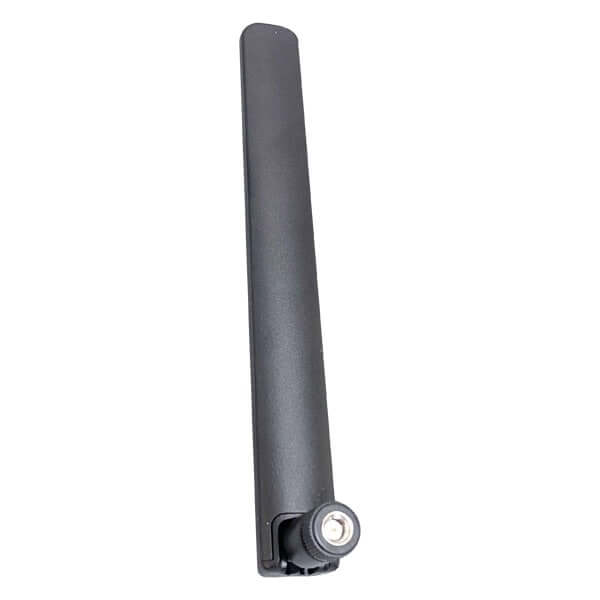
Characteristics:
1. Design:
Typically, rubber duck antennas are cylindrical and encased in a rubber or plastic material, providing durability and flexibility.
They are often articulated, allowing for adjustment in orientation to optimize signal reception and transmission.
cURL Too many subrequests.
Most commonly designed for the 2.4 GHz,5 GHz and 6GHz frequency bands used in WiFi networks.
Some models may cover other frequency ranges depending on their specific application.
cURL Too many subrequests.
The gain of rubber duck antennas usually ranges from 2 dBi to 5 dBi.
Higher gain antennas are available but may come with trade-offs in terms of size and radiation pattern.
4. Radiation Pattern:
Typically omnidirectional, meaning they radiate signal uniformly in all horizontal directions.
This makes them suitable for general-purpose use where the signal needs to be distributed evenly around the antenna.
5. Connector Types:
Common connectors include SMA, RP-SMA, and N-type, allowing compatibility with a wide range of WiFi devices such as routers, access points, and USB WiFi adapters.
Use Cases:
1. Home and Office WiFi:
Ideal for boosting WiFi signals in small to medium-sized areas.
Commonly used with home routers and office access points to improve coverage and reduce dead zones.
2. Portable WiFi Devices:
Used in USB WiFi adapters and portable WiFi hotspots to improve signal reception and transmission.
Convenient for travelers and mobile workers who need reliable internet connectivity.
3. IoT Devices:
Suitable for IoT devices requiring stable WiFi connectivity.
Often used in smart home devices, security cameras, and industrial IoT applications.
4. Public WiFi Networks:
Deployed in cafes, libraries, and other public spaces to provide consistent WiFi coverage.
Can be used in conjunction with other types of antennas to create a comprehensive network.
cURL Too many subrequests.
1. Durability:
The rubberized or plastic casing makes these antennas resistant to physical damage and environmental factors.
2. Flexibility:
The articulated design allows for easy adjustment to optimize signal direction.
3. Ease of Use:
Simple to install and replace, often requiring no technical expertise.
cURL Too many subrequests.
Generally affordable, making them a popular choice for a wide range of applications.
cURL Too many subrequests.
cURL Too many subrequests.
cURL Too many subrequests.
cURL Too many subrequests.
cURL Too many subrequests.
2. Interference:
cURL Too many subrequests.
cURL Too many subrequests.
cURL Too many subrequests.
cURL Too many subrequests.
cURL Too many subrequests.
cURL Too many subrequests.
cURL Too many subrequests.
cURL Too many subrequests.
cURL Too many subrequests.
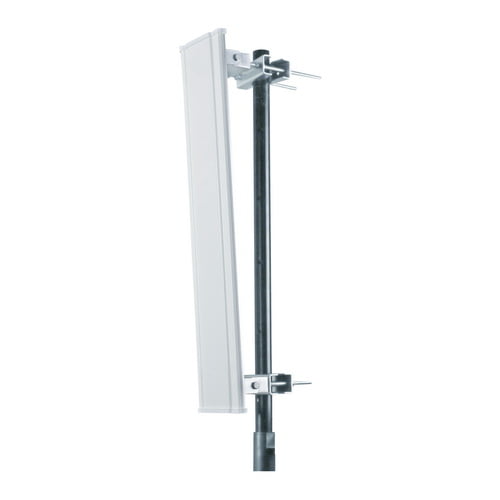
cURL Too many subrequests.
Characteristics
cURL Too many subrequests.
cURL Too many subrequests.
cURL Too many subrequests.
2. Gain:
cURL Too many subrequests.
3. Polarization:
They can be either single-polarized or dual-polarized, supporting both horizontal and vertical polarizations to improve signal quality and reduce interference.
4. Frequency Bands:
Designed to operate in specific frequency bands, commonly 2.4 GHz and 5 GHz for WiFi applications.
5. Physical Design:
Typically rectangular or sector-shaped, with a robust and weatherproof design for outdoor installations.
Use Cases
1. Outdoor WiFi Hotspots:
Ideal for providing WiFi coverage in outdoor areas such as parks, campuses, and stadiums. Multiple sector antennas can be used to cover different directions.
2. Point-to-Multipoint (PtMP) Networks:
Used in wireless Internet Service Provider (WISP) networks to connect multiple clients from a central access point.
3. Urban and Rural Areas:
Effective in both urban and rural settings to provide targeted coverage without excessive signal spillover, which can cause interference.
4. Event Venues:
Suitable for temporary installations at events, festivals, and concerts where focused and reliable WiFi coverage is needed.
5. Industrial and Enterprise Environments:
Used in large warehouses, factories, and enterprise campuses to cover specific areas with high-density WiFi needs.
Pros
1. Focused Coverage:
Provides targeted coverage, reducing interference and improving signal quality in the desired direction.
2. Scalability:
Multiple sector antennas can be used together to cover large areas, offering flexibility in network design.
3. High Gain:
The high gain of sector antennas extends the coverage area and improves signal strength.
4. Reduced Interference:
Narrow beamwidth helps in minimizing interference from other WiFi networks or devices.
5. Cost-Effective:
Often more cost-effective than omnidirectional antennas for covering large areas with focused coverage.
cURL Too many subrequests.
1. Limited Coverage Angle:
The focused beamwidth means that multiple antennas are needed to cover 360 degrees, increasing complexity and cost.
2. Installation Complexity:
Requires precise alignment and mounting, which can be more challenging compared to omnidirectional antennas.
3. Interference Management:
While sector antennas reduce interference, careful planning is needed to avoid overlap and interference between adjacent sectors.
4. Physical Size:
Sector antennas are generally larger and more conspicuous than omnidirectional antennas, which can be a concern in some installations.
5. Environmental Factors:
Outdoor installations must consider weatherproofing and environmental durability, which can increase maintenance requirements.
Conclusion
WiFi sector antennas are a powerful tool for providing focused, high-quality WiFi coverage in various scenarios. Their ability to reduce interference and extend coverage makes them ideal for outdoor hotspots, PtMP networks, and large venues. However, their limited coverage angle and installation complexity require careful planning and management. Understanding these characteristics, use cases, pros, and cons will help in making informed decisions when deploying WiFi sector antennas in a wireless network.
8. Symmetrical Horn Antennas
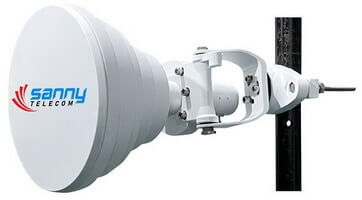
Characteristics:
1. Symmetrical Radiation Pattern: These antennas emit signals in a symmetrical, circular pattern, providing consistent coverage in all directions within the beamwidth.
2. Beamwidth: They come in various beamwidths, typically ranging from 30 to 90 degrees, allowing for precise control over the coverage area.
3. Frequency Range: Designed for WiFi frequencies, usually covering 5 GHz and 6 GHz bands.
4. Gain: Typically, symmetrical horn antennas offer moderate gain, often between 10 to 20 dBi.
5. Polarization: They can support different types of polarization, including horizontal, vertical, and dual-polarity.
cURL Too many subrequests.
cURL Too many subrequests.
Use Cases:
cURL Too many subrequests.
cURL Too many subrequests.
cURL Too many subrequests.
cURL Too many subrequests.
cURL Too many subrequests.
cURL Too many subrequests.
cURL Too many subrequests.
cURL Too many subrequests.
cURL Too many subrequests.
cURL Too many subrequests.
cURL Too many subrequests.
cURL Too many subrequests.
cURL Too many subrequests.
cURL Too many subrequests.
cURL Too many subrequests.
cURL Too many subrequests.
cURL Too many subrequests.
cURL Too many subrequests.
Conclusion
cURL Too many subrequests.
9. Yagi Antennas
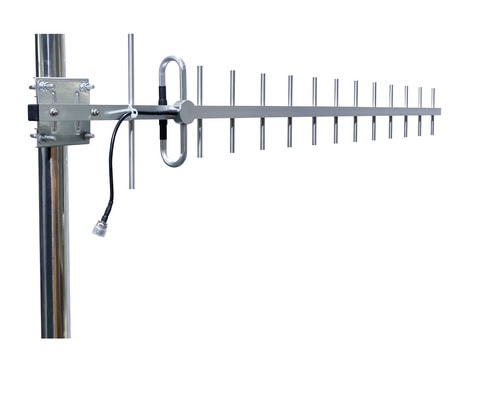
Characteristics:
1. Design: Yagi antennas, also known as Yagi-Uda antennas, consist of multiple parallel elements in a line, usually made of metal rods. The elements include a single driven element (connected to the transmitter or receiver), one or more passive elements (directors and reflectors).
2. Directional: Yagi antennas are highly directional, meaning they focus the signal in a specific direction. This makes them ideal for point-to-point communication.
3. Gain: They typically offer high gain, which means they can transmit and receive signals over longer distances compared to omnidirectional antennas.
4. Frequency Range: WiFi Yagi antennas are designed to operate in the 2.4 GHz or 5 GHz frequency bands, which are common for WiFi networks.
5. Polarization: They can be designed for either vertical or horizontal polarization, depending on the orientation of the elements.
Use Cases:
1. Long-Distance WiFi Links: Ideal for establishing long-distance WiFi connections between two fixed points, such as between buildings or across large open areas.
2. Rural Internet Access: Useful in rural areas where internet service is sparse, allowing users to connect to distant WiFi hotspots.
3. Wireless Bridges: Often used in setting up wireless bridges to connect two or more networks over a significant distance.
4. Amateur Radio: Sometimes used by amateur radio enthusiasts for WiFi-based communication projects.
5. Surveillance Systems: Can be used in surveillance systems to connect cameras to the network over long distances.
cURL Too many subrequests.
1. High Gain: Provides stronger signal strength and longer range compared to omnidirectional antennas.
2. Directional Focus: Reduces interference from other signals, as it focuses on a specific direction.
3. Improved Performance: Enhances the quality and reliability of the wireless connection.
4. Cost-Effective: Generally more affordable than some other high-gain directional antennas like parabolic dishes.
cURL Too many subrequests.
1. Directional Limitation: The highly directional nature means it must be precisely aimed, which can be a disadvantage if the target moves or if a wider coverage area is needed.
2. Size and Installation: Can be larger and more cumbersome to install compared to omnidirectional antennas.
3. Narrow Beamwidth: The narrow beamwidth can be a drawback in environments where the signal needs to cover a broader area or multiple directions.
Conclusion
WiFi Yagi antennas are powerful tools for specialized applications requiring long-range, point-to-point communication. Their high gain and directional focus make them ideal for specific use cases, but they come with limitations that need to be considered, such as precise aiming and installation challenges.
Chapter 4: Placement and Installation
Indoor vs. Outdoor Antennas
When it comes to WiFi antennas, there are significant differences between indoor and outdoor models, each designed to cater to specific needs and environments. Understanding these differences can help you choose the right antenna for your situation. Here are some key points to consider:
Indoor WiFi Antennas

1. Design and Durability:
Design: Typically smaller, more compact, and designed to blend in with home or office decor.
Durability: Built to withstand indoor conditions and are generally less rugged compared to outdoor antennas.
cURL Too many subrequests.
Range: Usually have a shorter range compared to outdoor antennas, sufficient for covering rooms or small office spaces.
Coverage: Designed to provide coverage within buildings, taking into account walls and other obstacles that can attenuate signals.
3. Installation:
Ease of Installation: Generally easier to install, often requiring minimal setup. They can be placed on desks, mounted on walls, or attached to routers.
Positioning: Can be moved easily to optimize signal strength within the indoor environment.
4. Types:
Omni-directional Antennas: Emit signals in all directions, suitable for general indoor use.
Directional Antennas: Focus the signal in a specific direction, useful for targeting specific areas within a building.
Outdoor WiFi Antennas
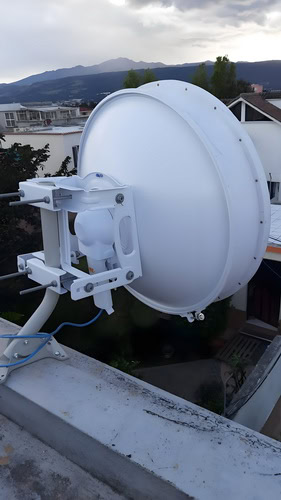
1. Design and Durability:
Design: Larger and more robust, designed to withstand harsh weather conditions such as rain, wind, and extreme temperatures.
Durability: Made from materials that resist corrosion and are often weatherproof or waterproof.
cURL Too many subrequests.
Range: Typically have a longer range, capable of covering large outdoor areas such as parks, campuses, or industrial sites.
Coverage: Designed to provide coverage over wide open spaces without the interference of walls and other indoor obstacles.
3. Installation:
Complexity: Installation can be more complex, often requiring mounting on poles, rooftops, or other elevated structures to maximize coverage.
cURL Too many subrequests.
4. Types:
cURL Too many subrequests.
cURL Too many subrequests.
Key Considerations
cURL Too many subrequests.
cURL Too many subrequests.
cURL Too many subrequests.
cURL Too many subrequests.
cURL Too many subrequests.
cURL Too many subrequests.
cURL Too many subrequests.
cURL Too many subrequests.
cURL Too many subrequests.
cURL Too many subrequests.
cURL Too many subrequests.
cURL Too many subrequests.
cURL Too many subrequests.
cURL Too many subrequests.
cURL Too many subrequests.
cURL Too many subrequests.
Channel Selection: Choose a less congested WiFi channel. Modern routers often have an automatic channel selection feature, but you can manually select a channel using a WiFi analyzer app.
5. Multiple Access Points
Large Areas: For larger areas or multi-story buildings, use multiple access points or a mesh network to ensure comprehensive coverage. Place additional APs strategically to cover dead zones.
Overlap Coverage: Ensure that the coverage areas of multiple APs overlap slightly to provide seamless connectivity as you move around.
6. Antenna Orientation
Directional Antennas: If using directional antennas, point them towards the areas where you need the strongest signal.
Omni-Directional Antennas: For omni-directional antennas, which radiate signal in all directions, ensure they are placed in a central location and oriented vertically.
7. Use of Extenders and Repeaters
WiFi Extenders: If you have specific dead zones, consider using WiFi extenders or repeaters to boost the signal in those areas.
Placement of Extenders: Place extenders halfway between the router and the area with poor signal to ensure they receive a strong enough signal to rebroadcast.
8. Regular Updates and Maintenance
Firmware Updates: Keep your router’s firmware updated to benefit from performance improvements and security patches.
Rebooting: Occasionally reboot your router to clear any temporary issues and improve performance.
9. Advanced Configurations
Beamforming: If your router supports beamforming, enable it to direct the WiFi signal towards connected devices.
Quality of Service (QoS): Use QoS settings to prioritize important traffic, such as video calls or gaming, to ensure a stable connection.
10. Testing and Adjustment
WiFi Analyzer Tools: Use WiFi analyzer tools to test signal strength and coverage throughout your space. Adjust the placement of your router or APs based on the results.
Iterative Process: Be prepared to move your devices and retest several times to find the optimal placement.
By following these guidelines and considering the specific characteristics of your environment, you can significantly improve your WiFi coverage and performance.
Installation Tips and Best Practices
Installing WiFi antennas can significantly enhance your wireless network’s performance. However, proper installation is crucial to achieve optimal results and ensure safety. Below are some comprehensive tips and best practices for installing WiFi antennas, along with the necessary tools, equipment, and safety precautions.
Tools and Equipment Needed
1. WiFi Antenna: Choose the appropriate type (e.g., cURL Too many subrequests., directional) based on your needs.
2. Mounting Bracket: For securing the antenna.

3. Coaxial Cable assembly: To connect the antenna to the router or access point.
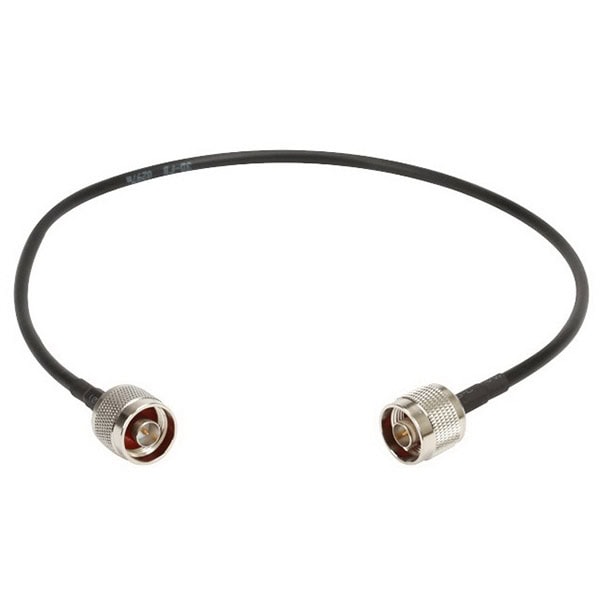
4. Cable Ties: For organizing and securing cables.
5. Drill and Drill Bits: For making holes to mount the antenna.
6. Screwdrivers: For securing screws and mounting brackets.
7. Wrench/Spanner: For tightening bolts.
8. Ladder: If installation is at a height.
9. Multimeter: For checking electrical connections.
10. Compass and Map: For aligning directional antennas.
11. Waterproofing Materials: Such as silicone sealant and electrical tape, especially for outdoor installations.
12. Personal Protective Equipment (PPE): Such as gloves, safety glasses, and a hard hat.
Safety Precautions
1. Electrical Safety: Ensure the power to the router or access point is turned off before connecting or disconnecting the antenna.
2. Height Safety: When working at heights, use a stable ladder and consider using a safety harness.
3. Weather Conditions: Avoid installing antennas during adverse weather conditions like rain or thunderstorms.
cURL Too many subrequests.
cURL Too many subrequests.
cURL Too many subrequests.
cURL Too many subrequests.
cURL Too many subrequests.
cURL Too many subrequests.
cURL Too many subrequests.
cURL Too many subrequests.
cURL Too many subrequests.
cURL Too many subrequests.
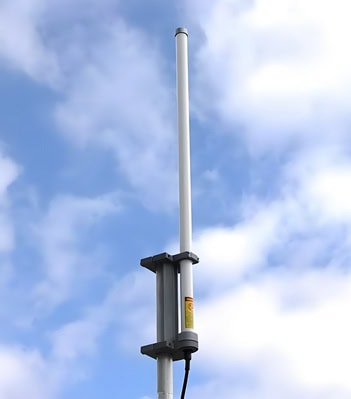
cURL Too many subrequests.
cURL Too many subrequests.
cURL Too many subrequests.
cURL Too many subrequests.
cURL Too many subrequests.
cURL Too many subrequests.
cURL Too many subrequests.
cURL Too many subrequests.
cURL Too many subrequests.
Use cable ties to secure the cable and prevent it from sagging.
Ensure all connections are tight and secure.
6. Weatherproofing:
Use silicone sealant to seal any gaps where the cable enters the building.
Wrap outdoor connections with electrical tape to protect against moisture.
7. Testing and Optimization:
Power on the router or access point and check the signal strength.
Use a WiFi analyzer tool to measure signal strength and coverage.
Adjust the antenna position if necessary to achieve the best performance.
8. Regular Maintenance:
Periodically check the antenna and connections for any signs of wear or damage.
Ensure the antenna remains securely mounted and aligned.
By following these tips and best practices, you can ensure a successful and safe installation of your WiFi antenna, leading to improved wireless network performance.
Chapter 5: Enhancing WiFi Performance with Antennas
1. Improving Range and Signal Strength
Improving the range and signal strength of WiFi antennas can significantly enhance network performance, especially in environments where coverage is critical. Below are practical tips and techniques, along with case studies and real-world examples to illustrate their effectiveness.

Practical Tips and Techniques
1. Optimal Placement of WiFi Router/Access Point:
Central Location: Place your router in a central location to ensure even distribution of the signal.
Elevated Position: Position the router on a shelf or mount it on a wall to minimize obstructions.
Minimize Interference: Keep the router away from electronic devices and metal objects that can cause interference.
2. Upgrading Antennas:
High-Gain Antennas: Replace the router’s standard antennas with high-gain directional or omni-directional antennas to extend the range.
External Antennas: Use external antennas with better specifications for improved performance.
3. Using WiFi Extenders/Repeaters:
Placement: Place extenders halfway between the router and the area with weak signal to boost coverage.
Mesh Networks: Consider a mesh network system for seamless coverage across larger areas.
4. Adjusting Router Settings:
Channel Selection: Use a less congested WiFi channel to reduce interference from neighboring networks.
Transmit Power: Increase the transmit power settings in the router’s configuration if possible.
5. Firmware Updates:
Regular Updates: Ensure the router’s firmware is up to date to benefit from performance improvements and security patches.
6. Using Reflectors and Boosters:
DIY Reflectors: Create simple reflectors using aluminum foil or purchase commercial reflectors to direct the signal.
Signal Boosters: Use signal boosters to increase the strength of the WiFi signal.
7. Wired Backhaul:
Ethernet Cables: Use Ethernet cables to connect access points directly to the router, reducing wireless congestion.
cURL Too many subrequests.
cURL Too many subrequests.
cURL Too many subrequests.

cURL Too many subrequests.
cURL Too many subrequests.
cURL Too many subrequests.
cURL Too many subrequests.
cURL Too many subrequests.
cURL Too many subrequests.
cURL Too many subrequests.
cURL Too many subrequests.
cURL Too many subrequests.
cURL Too many subrequests.
cURL Too many subrequests.
cURL Too many subrequests.
cURL Too many subrequests.
cURL Too many subrequests.

cURL Too many subrequests.
Directional AntennascURL Too many subrequests.
cURL Too many subrequests.
cURL Too many subrequests.
Result: The campus achieved robust outdoor WiFi coverage, allowing students and staff to stay connected while moving around the campus.
Conclusion
Improving WiFi range and signal strength involves a combination of proper placement, hardware upgrades, configuration adjustments, and sometimes additional equipment. By implementing the practical tips and techniques outlined above, and learning from real-world case studies, you can significantly enhance your WiFi network’s performance to meet your specific needs.
2. Reducing Interference
Reducing interference for WiFi antennas is crucial to ensure optimal performance and connectivity. Interference can come from various sources, and identifying these sources is the first step towards mitigating their impact. Here’s a detailed guide on identifying sources of interference and potential solutions to minimize their impact:
Identifying Sources of Interference
1. Electronic Devices:
Microwave Ovens: Operate around the 2.4 GHz frequency, which can interfere with WiFi signals.
Cordless Phones: Some models use the 2.4 GHz or 5 GHz bands.
Bluetooth Devices: These also operate in the 2.4 GHz band.
Baby Monitors:Often use the 2.4 GHz frequency.
Wireless Video Cameras: Can operate on the same frequencies as WiFi.
2. Physical Obstructions:
Walls and Floors: Especially those made of concrete, brick, or metal can significantly attenuate WiFi signals.
Furniture and Appliances: Large objects can block or reflect signals.
3. Other WiFi Networks:
Neighboring Networks: Nearby WiFi networks can cause congestion, especially in densely populated areas.
4. Environmental Factors:
Weather Conditions: Heavy rain or thick fog can sometimes affect WiFi signals.
Radio Frequency Interference (RFI): From other wireless devices or industrial equipment.
Solutions to Minimize Impact
1. Optimal Placement of WiFi Router:
Place the router in a central location, elevated from the floor.
Avoid placing the router near walls, metal objects, or large furniture.
Keep the router away from other electronic devices that can cause interference.
2. Changing WiFi Channels:
Use a WiFi analyzer tool to identify the least congested channel.
For 2.4 GHz, channels 1, 6, and 11 are typically the best options to avoid overlap.
For 5 GHz, there are more channels available, so select the one with the least interference.
3. Using Dual-Band or Tri-Band Routers:
Utilize the 5 GHz band, which has more channels and is less crowded than the 2.4 GHz band.
Consider tri-band routers for more bandwidth and less interference.
4. Upgrading Router Firmware:
Ensure your router’s firmware is up-to-date to benefit from the latest performance and security enhancements.
5. WiFi Range Extenders or Mesh Networks:
Use range extenders to cover larger areas or dead zones.
Consider a mesh network system for seamless coverage across larger homes or offices.
6. Shielding and Insulating:
Use RF shielding paint or materials to block external interference.
Insulate your WiFi router from nearby electronic devices.
7. Advanced Settings:
Enable Quality of Service (QoS) to prioritize certain types of traffic.
cURL Too many subrequests.
cURL Too many subrequests.
cURL Too many subrequests.
cURL Too many subrequests.
cURL Too many subrequests.
cURL Too many subrequests.
Conclusion
cURL Too many subrequests.
cURL Too many subrequests.
cURL Too many subrequests.
cURL Too many subrequests.
cURL Too many subrequests.
cURL Too many subrequests.
cURL Too many subrequests.
cURL Too many subrequests.
cURL Too many subrequests.
cURL Too many subrequests.
cURL Too many subrequests.
cURL Too many subrequests.
cURL Too many subrequests.
Self-Healing: If one node fails, the network can reroute traffic through other nodes.
Easy Expansion: Additional nodes can be added to extend coverage.
WiFi Extenders:
Coverage Boost: Extends the WiFi signal to areas with weak or no signal.
Simple Setup: Generally easier to set up than mesh networks, though they may not offer the same seamless experience.
3. MU-MIMO (Multi-User MIMO)
MU-MIMO allows a WiFi router to communicate with multiple devices simultaneously, rather than sequentially. This is particularly useful in environments with many connected devices.
cURL Too many subrequests.
Increased Efficiency: Reduces the time each device has to wait for a signal.
Higher Throughput: Multiple devices can receive data at the same time.
Better Performance: Enhances overall network performance in busy environments.
4. OFDMA (Orthogonal Frequency Division Multiple Access)
OFDMA is a key feature in WiFi 6 (802.11ax) that improves efficiency by dividing channels into smaller sub-channels, allowing multiple devices to share the same channel simultaneously.
cURL Too many subrequests.
Reduced Latency: More efficient use of available spectrum reduces the time devices wait for access.
Improved Capacity: Supports more devices with better performance.
Enhanced Efficiency: Particularly beneficial for IoT devices with low bandwidth requirements.
5. Beamforming
Beamforming is a technique that focuses the WiFi signal in the direction of the receiving device, rather than broadcasting it in all directions. This can be done using both hardware and software techniques.
cURL Too many subrequests.
Stronger Signal: Focuses the signal where it is needed, improving strength.
Better Range: Extends the effective range of the WiFi network.
Increased Speed: Improves data rates by reducing interference and focusing the signal.
Conclusion
These advanced technologies and configurations have collectively transformed WiFi networks, providing better coverage, higher data rates, and improved reliability. As WiFi continues to evolve, we can expect even more sophisticated techniques to enhance wireless communication further.
Chapter 6: WiFi Antenna Maintenance and Troubleshooting
1. Regular Maintenance Tips
Regular maintenance of your WiFi antennas is crucial to ensure optimal performance and longevity. Here are some detailed tips for cleaning, inspecting, and updating your WiFi antennas:
Cleaning and Inspecting Your Antenna
1. Turn Off Power: Before performing any maintenance, ensure that your WiFi router or access point is turned off and unplugged to avoid any electrical hazards.
2. Physical Inspection:
Visual Check: Look for any visible signs of damage such as cracks, bends, or corrosion on the antenna and its connectors.
Connection Points: Ensure that the antenna is securely connected to the router or access point. Loose connections can cause signal loss or interference.
3. Cleaning:
Dust Removal: Use a soft, dry cloth or a can of compressed air to remove dust and debris from the antenna and its surroundings. Avoid using water or any liquid cleaners as these can damage the components.
Contact Cleaning: If you notice any corrosion or dirt on the connectors, use a contact cleaner spray designed for electronics. Apply it sparingly and wipe with a clean, dry cloth.
4. Environmental Check:
Location: Ensure that the antenna is placed in a location free from obstructions and interference sources such as thick walls, metal objects, or other electronic devices.
Temperature and Humidity: Ensure the environment is within the recommended temperature and humidity range specified by the manufacturer. Extreme conditions can affect performance and longevity.
Software Updates and Firmware
1. Check for Updates:
Manufacturer’s Website: Regularly visit the router or access point manufacturer’s website to check for firmware updates. These updates often include performance improvements, security patches, and bug fixes.
Automatic Updates: Enable automatic updates if your device supports it. This ensures that you always have the latest firmware without needing to manually check.
2. Update Process:
cURL Too many subrequests.
cURL Too many subrequests.
cURL Too many subrequests.
cURL Too many subrequests.
cURL Too many subrequests.
cURL Too many subrequests.
cURL Too many subrequests.
cURL Too many subrequests.
Additional Tips
cURL Too many subrequests.
cURL Too many subrequests.
cURL Too many subrequests.
cURL Too many subrequests.
cURL Too many subrequests.
cURL Too many subrequests.

cURL Too many subrequests.
cURL Too many subrequests.
cURL Too many subrequests.
cURL Too many subrequests.
cURL Too many subrequests.
Reduce Interference: Keep your router away from other electronic devices like microwaves, cordless phones, and Bluetooth devices. These can interfere with the WiFi signal.
Firmware Update: Ensure your router’s firmware is up to date. Manufacturers often release updates to improve performance and reduce interference.
Use Wired Connections: For devices that require a stable connection, consider using Ethernet cables instead of WiFi.
2. Weak Signal and Dead Zones
cURL Too many subrequests.
Weak signals and dead zones are areas in your home or office where the WiFi signal is too weak to maintain a stable connection. This can be due to distance from the router, physical obstructions, or the router’s placement.

cURL Too many subrequests.
Optimal Placement: Place your router in a central location, elevated, and free from obstructions. Avoid placing it near thick walls, metal objects, or large appliances.
WiFi Extenders or Mesh Systems: Use WiFi extenders or a mesh WiFi system to expand coverage to dead zones. These devices can help distribute the signal more evenly throughout your space.
High-Gain Antennas: Replace the router’s standard antennas with high-gain antennas to increase the signal strength and range.
Adjust Antennas: If your router has adjustable antennas, position them for optimal coverage. Generally, one antenna should be vertical and the other horizontal.
Power Settings: Check your router’s settings to ensure it’s operating at full power. Some routers allow you to adjust the transmission power.
3. Connectivity Problems
cURL Too many subrequests.
Connectivity problems can manifest as frequent disconnects, difficulty connecting to the network, or inability to find the network.
cURL Too many subrequests.
Reboot Router: Sometimes, simply rebooting the router can resolve connectivity issues.
Check Cables: Ensure all cables are securely connected and in good condition.
Network Settings: Verify that your device’s network settings are configured correctly. Ensure you’re connecting to the correct SSID and using the correct password.
IP Conflicts: Make sure there are no IP address conflicts on your network. You can do this by assigning static IP addresses or ensuring your router’s DHCP settings are properly configured.
Device Compatibility: Ensure your device supports the WiFi standards used by your router (e.g., 802.11ac, 802.11n).
Security Settings: Check your router’s security settings. Ensure you’re using WPA2 or WPA3 encryption and not outdated protocols like WAP.
Factory Reset: As a last resort, perform a factory reset on your router. This will erase all settings and return the router to its default state. You will need to reconfigure your network settings afterward.
Additional Tips
Regular Maintenance: Periodically check and update your router’s firmware and settings.
Professional Help: If you continue to experience issues, consider consulting a professional technician who can diagnose and resolve more complex problems.
By systematically addressing these common issues, you can significantly improve your WiFi performance and reliability.
3. When to Replace Your WiFi Antenna
Replacing your WiFi antenna can significantly improve your network’s performance and reliability. Here are some key indicators and scenarios when you should consider replacing your WiFi antenna:
Signs of Wear and Tear
1. Physical Damage: Look for visible signs of damage such as cracks, bends, or breaks in the antenna. Physical damage can severely impact the antenna’s ability to transmit and receive signals.
2. Corrosion: If your antenna is exposed to the elements, check for any signs of rust or corrosion. This is particularly important for outdoor antennas.
3. Loose Connections: Over time, the connections between the antenna and the router or access point can become loose. If you notice that the connection is not as secure as it used to be, it may be time for a replacement.
4. Decreased Performance: If you notice a significant drop in signal strength or an increase in connectivity issues, it could be due to a failing antenna.
Upgrading to Newer Technology
1. Improved Performance: Newer antennas often come with advanced technology that can provide better range, speed, and reliability. Upgrading can help you take full advantage of the latest WiFi standards like WiFi 6.
2. Compatibility with New Devices: If you have upgraded other network components (e.g., router, access points) or devices (e.g., smartphones, laptops) to support newer WiFi standards, an older antenna may not be able to provide optimal performance.
3. Better Coverage: Modern antennas are designed to offer better coverage, reducing dead zones and providing a more stable connection throughout your home or office.
4. Specific Needs: If your network needs have changed (e.g., you need better outdoor coverage, or you have more devices connected), upgrading to a specialized antenna can help meet those specific requirements.
Other Considerations
1. Interference: If you are experiencing interference from other electronic devices, upgrading to an antenna with better shielding or different frequency capabilities can help mitigate these issues.
2. Aesthetics and Placement: Sometimes, newer antennas are more aesthetically pleasing or easier to place in optimal locations compared to older models.
Conclusion
Regularly assessing the condition of your WiFi antenna and staying updated with the latest technology can ensure that you maintain a robust and efficient network. If you notice any signs of wear and tear or if you’re looking to upgrade your network’s capabilities, it might be time to replace your WiFi antenna.
Chapter 7: Case Studies and Real-World Applications
Residential WiFi Networks
cURL Too many subrequests.
cURL Too many subrequests.
cURL Too many subrequests.
cURL Too many subrequests.
cURL Too many subrequests.
cURL Too many subrequests.
cURL Too many subrequests.
cURL Too many subrequests.
cURL Too many subrequests.
cURL Too many subrequests.
cURL Too many subrequests.
cURL Too many subrequests.
cURL Too many subrequests.
cURL Too many subrequests.
cURL Too many subrequests.
cURL Too many subrequests.
cURL Too many subrequests.
cURL Too many subrequests.
cURL Too many subrequests.
cURL Too many subrequests.
cURL Too many subrequests.
cURL Too many subrequests.
cURL Too many subrequests.
cURL Too many subrequests.
cURL Too many subrequests.
cURL Too many subrequests.
Strong Passwords: Using complex, unique passwords for WiFi networks.
Encryption: Enabling WPA3 encryption for better security.
Firmware Updates: Regularly updating router firmware to patch vulnerabilities.
Guest Networks: Creating a separate guest network for visitors to keep the primary network secure.
5. Compatibility Issues
cURL Too many subrequests.
Older devices may not be compatible with newer WiFi standards, leading to connectivity issues.
cURL Too many subrequests.
Backward Compatibility: Ensuring that the router supports older WiFi standards (e.g., 802.11n, 802.11g).
Device Upgrades: Upgrading older devices to newer models that support current WiFi standards.
Dual-Band Routers: These can support both older and newer devices by operating on multiple frequencies.
6. Bandwidth Hogging
cURL Too many subrequests.
Certain applications (e.g., streaming, gaming) can consume a large amount of bandwidth, affecting other devices.
cURL Too many subrequests.
Bandwidth Management: Using QoS to allocate bandwidth based on the priority of applications.
Parental Controls: Limiting the bandwidth usage of certain devices or applications.
Monitoring Tools: Using apps or router interfaces to monitor and manage bandwidth usage.
Real-World Applications
Case Study 1: Smart Home Integration
Challenge: A family with multiple smart home devices (thermostats, cameras, lights) experienced frequent disconnections and slow performance.

Solution: Implementing a mesh WiFi system improved coverage and stability. The family also upgraded to a dual-band router and used QoS to prioritize smart home device traffic.
Case Study 2: Work-from-Home Setup
Challenge: A remote worker faced frequent video call drops and slow internet speeds due to multiple family members using the network simultaneously.
Solution: Upgrading to a higher bandwidth plan and using a smart router with QoS to prioritize work-related traffic ensured stable and fast connections for video calls and file transfers.
Case Study 3: Gaming and Streaming Household
Challenge: A household with multiple gamers and streamers faced lag and buffering issues during peak usage times.
Solution: Installing a dual-band router and using QoS to allocate sufficient bandwidth for gaming and streaming activities. Additionally, upgrading to a fiber-optic internet plan provided higher speeds and lower latency.
By addressing these common challenges with targeted solutions, residential WiFi networks can be optimized to meet the diverse needs of modern households.
Enterprise WiFi Networks
Designing Enterprise WiFi Networks for High-Density Environments: Case Studies and Real-World Applications
High-density environments such as corporate offices, stadiums, conference centers, and educational institutions present unique challenges for WiFi network design. These environments require robust solutions to handle numerous simultaneous connections, high data throughput, and seamless roaming. Here, we explore several case studies and real-world applications to illustrate effective strategies for designing WiFi networks in high-density settings.
1. Corporate Office: XYZ Corporation
Background:
XYZ Corporation, a multinational company, has a headquarters with 2,000 employees spread across 10 floors. Each floor has open office spaces, meeting rooms, and collaboration areas. The company required a WiFi solution that could support high user density, seamless roaming, and high-speed internet access.
cURL Too many subrequests.
Access Point (AP) Placement: APs were strategically placed to ensure optimal coverage and capacity. A combination of ceiling-mounted and wall-mounted APs was used to address different areas.
Frequency Planning: Dual-band APs (2.4 GHz and 5 GHz) were deployed to balance the load and minimize interference. Channel planning ensured minimal overlap and reduced co-channel interference.
Capacity Planning: High-capacity APs with MU-MIMO (Multi-User, Multiple Input, Multiple Output) technology were used to handle multiple simultaneous connections.
Seamless Roaming: Fast roaming protocols (802.11k, 802.11r, and 802.11v) were implemented to ensure seamless connectivity as employees moved throughout the building.
Network Management: A centralized WiFi management system was employed to monitor network performance, manage bandwidth, and troubleshoot issues in real-time.
Outcome:
The new WiFi network provided reliable, high-speed connectivity across all floors, enabling employees to work efficiently without connectivity issues. The centralized management system allowed IT staff to maintain optimal network performance and quickly address any problems.
2. Stadium: ABC Sports Arena
Background:
ABC Sports Arena, with a seating capacity of 50,000, hosts various sporting events and concerts. The management wanted to provide fans with high-speed WiFi for live streaming, social media sharing, and accessing event-related content.
cURL Too many subrequests.
High-Density AP Deployment: High-density APs were installed throughout the stadium, focusing on areas with the highest user concentration such as seating areas, concourses, and concession stands.
cURL Too many subrequests.
cURL Too many subrequests.
cURL Too many subrequests.
cURL Too many subrequests.
Outcome:
cURL Too many subrequests.
cURL Too many subrequests.
Background:
cURL Too many subrequests.
cURL Too many subrequests.
cURL Too many subrequests.
cURL Too many subrequests.
cURL Too many subrequests.
cURL Too many subrequests.
cURL Too many subrequests.
Outcome:
cURL Too many subrequests.
Conclusion
cURL Too many subrequests.
cURL Too many subrequests.
cURL Too many subrequests.
cURL Too many subrequests.
cURL Too many subrequests.
cURL Too many subrequests.

Challenges
Harsh environmental conditions including dust, extreme temperatures, and moisture.
Large coverage area with uneven terrain.
High levels of electromagnetic interference from heavy machinery.
Solution
Ruggedized Access Points: Deployed weatherproof and dust-resistant access points capable of operating in extreme temperatures.
Mesh Network: Implemented a mesh network to ensure seamless connectivity across the sprawling site.
Frequency Management: Utilized advanced frequency management to minimize interference from machinery.
Results
Improved operational efficiency through real-time data collection and communication.
Enhanced worker safety with reliable communication channels.
Reduced downtime due to robust and resilient network infrastructure.
Case Study 2: Agricultural Farms
cURL Too many subrequests.
A large-scale agricultural farm needed a WiFi network to support IoT devices for monitoring soil moisture, weather conditions, and crop health.
Challenges
Vast open areas requiring extensive coverage.
Variable weather conditions including rain, wind, and extreme temperatures.
Limited power sources in remote areas.
Solution
Solar-Powered Access Points: Installed solar-powered access points to ensure uninterrupted connectivity in remote areas.
Directional Antennas: Used directional antennas to extend WiFi coverage over long distances.
Weatherproof Enclosures: Deployed access points in weatherproof enclosures to protect against environmental factors.
Results
Enhanced crop management through real-time data from IoT sensors.
Increased yield and reduced resource usage by optimizing irrigation and fertilization.
Reliable network performance regardless of weather conditions.
Case Study 3: Smart City Initiatives
cURL Too many subrequests.
A city government aimed to implement a smart city initiative that included public WiFi, smart lighting, and surveillance systems.

Challenges
Dense urban environment with high interference from buildings and other wireless networks.
Need for high bandwidth to support multiple applications.
Security concerns for public WiFi and surveillance data.
Solution
High-Density Access Points: Deployed high-density access points capable of handling numerous simultaneous connections.
Advanced Security Protocols: Implemented WPA3 and other advanced security measures to protect data integrity.
Centralized Management: Used a centralized management system to monitor and optimize network performance.
Results
Improved quality of life for residents with free public WiFi and enhanced safety through smart surveillance.
Efficient city management with smart lighting and other IoT applications.
Secure and reliable network supporting various smart city initiatives.
Case Study 4: Outdoor Events and Festivals
cURL Too many subrequests.
Organizers of a large outdoor music festival required a temporary WiFi network to support ticketing, vendor transactions, and attendee connectivity.
Challenges
Temporary setup with a need for rapid deployment and teardown.
High user density leading to potential network congestion.
Variable weather conditions and limited power sources.
Solution
Portable Access Points: Used portable, battery-powered access points for rapid deployment.
Load Balancing: Implemented load balancing techniques to manage high user density.
cURL Too many subrequests.
Results
cURL Too many subrequests.
cURL Too many subrequests.
cURL Too many subrequests.
Conclusion
cURL Too many subrequests.
cURL Too many subrequests.
cURL Too many subrequests.
cURL Too many subrequests. WiFi antenna cURL Too many subrequests.

cURL Too many subrequests.
cURL Too many subrequests.
cURL Too many subrequests.
cURL Too many subrequests.
cURL Too many subrequests.
cURL Too many subrequests.
cURL Too many subrequests.
cURL Too many subrequests.
cURL Too many subrequests.
cURL Too many subrequests.
Smart Antennas:
Adaptive Arrays: Smart antennas use adaptive array processing to dynamically adjust the radiation pattern based on the environment and user location. This improves signal quality and reduces interference.
Direction of Arrival (DoA): Smart antennas can estimate the direction of incoming signals using techniques like MUSIC (Multiple Signal Classification) and ESPRIT (Estimation of Signal Parameters via Rotational Invariance Techniques). This information is used to optimize the antenna pattern.
Interference Mitigation: By dynamically adjusting the radiation pattern, smart antennas can mitigate interference from other devices, improving overall network performance.
Beamforming:
Phased Array Antennas: Beamforming is often implemented using phased array antennas, which can electronically steer the beam without moving the antenna physically. This allows for rapid and precise beam adjustments.
Digital Beamforming: Modern beamforming techniques use digital signal processing to control the phase and amplitude of the signal at each antenna element. This provides greater flexibility and accuracy compared to analog beamforming.
Hybrid Beamforming: A combination of analog and digital beamforming, hybrid beamforming is used in systems where fully digital beamforming is too complex or costly. It offers a balance between performance and complexity.
Applications and Benefits
Enhanced Coverage and Capacity: Advanced antenna technologies improve coverage and capacity, making it possible to support more users and devices with higher data rates.
Reduced Latency: By optimizing signal paths and reducing interference, these technologies can significantly reduce latency, which is critical for applications like online gaming, virtual reality, and autonomous vehicles.
Energy Efficiency: Smart antennas and beamforming can improve energy efficiency by focusing the signal where it’s needed, reducing power consumption and extending battery life for mobile devices.
Robustness and Reliability: Improved interference mitigation and adaptive capabilities make networks more robust and reliable, even in challenging environments with many competing signals.
Conclusion
The advancements in WiFi antenna technology, driven by 5G and WiFi 7, along with the development of smart antennas and beamforming, are revolutionizing wireless communication. These technologies are not only enhancing performance and capacity but also paving the way for new applications and services that require reliable, high-speed wireless connectivity.
2. Market Trends
Emerging Brands and Products
1. New Entrants and Innovations:
Ubiquiti Networks: Known for its high-performance antennas and networking technology.

TP-Link: Continues to innovate with a range of WiFi antennas designed for both consumer and enterprise markets.

Netgear: Offers advanced WiFi antennas integrated into their routers and extenders.
Huawei: Expanding its presence with innovative WiFi solutions, particularly in the 5G space.

Linksys: Continues to be a strong player with new products focusing on mesh networking.
2. Product Trends:
Mesh WiFi Systems: These systems use multiple antennas to provide seamless coverage across larger areas.
High-Gain Antennas: Increasing demand for high-gain antennas to improve range and signal strength.
5G Integration: Emerging products that integrate 5G capabilities to enhance speed and connectivity.
Noteworthy Antenna Models and Features
- Alfa 9dBi WiFi Antenna: A popular omni-directional choice, the Alfa 9dBi WiFi Antenna stands out for its wide coverage area and notable signal reception—ideal for boosting connectivity in challenging environments.
- TP-Link TL-ANT2409A: This 9dBi omni-directional antenna by TP-Link is engineered to significantly extend the wireless range and coverage of home or office networks, making it a favorite among users looking for reliable, everyday performance.
- NETGEAR Nighthawk AC1900: For those needing robust, long-range connections, the NETGEAR Nighthawk AC1900 offers a high-gain, dual-band, directional design, delivering exceptional performance and stability.
- Asus AC68 Dual-Band Wi-Fi Antenna: With its 3×3 MIMO configuration, the Asus AC68 enhances signal strength and consistency, appealing to users who demand reliable coverage for high-bandwidth activities.
cURL Too many subrequests.
cURL Too many subrequests.
cURL Too many subrequests.
cURL Too many subrequests.
cURL Too many subrequests.
cURL Too many subrequests.
cURL Too many subrequests.
cURL Too many subrequests.
cURL Too many subrequests.
cURL Too many subrequests.
cURL Too many subrequests.
cURL Too many subrequests.
cURL Too many subrequests.
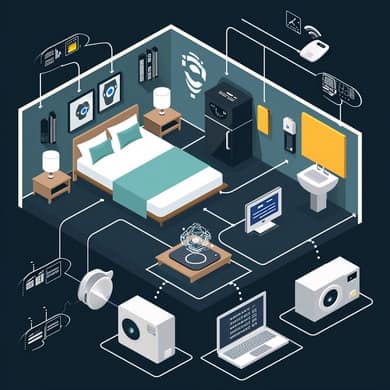
cURL Too many subrequests.
cURL Too many subrequests.
cURL Too many subrequests.
cURL Too many subrequests.
cURL Too many subrequests.
cURL Too many subrequests.
Data Transmission: Efficient WiFi antennas are necessary for the high-speed transmission of data between connected devices.
Sustainability and Energy Efficiency
1. Energy-Efficient Designs:
Low Power Consumption**: Development of WiFi antennas that consume less power, contributing to overall energy efficiency.
Eco-Friendly Materials: Use of sustainable materials in the manufacturing of WiFi antennas.
2. Green Technologies:
Solar-Powered WiFi: Emerging trend of solar-powered WiFi systems, particularly in remote areas.
Energy Harvesting: Technologies that enable WiFi antennas to harvest ambient energy to power themselves, reducing the need for external power sources.
3. Regulatory Compliance:
Adherence to Environmental Standards: Manufacturers are increasingly focusing on meeting environmental regulations and standards to promote sustainability.
In summary, the WiFi antenna market is experiencing significant growth and innovation, driven by consumer demand for seamless connectivity, advancements in smart home and IoT technologies, and a strong focus on sustainability and energy efficiency. Emerging brands and products continue to shape the market, with a clear trend towards integrating green technologies and improving overall performance.
Conclusion
1. Recap of Key Points
The “Ultimate Guide to Choosing the Right WiFi Antennas” provides comprehensive insights into selecting the most suitable WiFi antennas for various applications. Here are the key points:
cURL Too many subrequests.
Omni-directional Antennas: Radiate signals in all directions, ideal for general coverage in homes and offices.
Directional Antennas: Focus signals in a specific direction, suitable for long-distance point-to-point communication.
cURL Too many subrequests.
2.4 GHz: Offers broader coverage but lower speeds and more interference.
5 GHz: Provides higher speeds and less interference, but with a shorter range.
Dual-Band and Tri-Band Antennas**: Support multiple frequency bands for flexibility and better performance.
cURL Too many subrequests.
Measured in dBi, it indicates the antenna’s ability to focus energy in a specific direction. Higher gain means a more focused and longer-range signal.
4. Polarization:
Refers to the orientation of the radio waves. Matching the polarization of antennas can improve signal quality and reduce interference.
5. MIMO (Multiple Input, Multiple Output):
Utilizes multiple antennas to improve communication performance and reliability, crucial for modern high-speed WiFi standards.
6. Antenna Placement:
Proper placement is critical for optimal performance. Factors include height, obstacles, and the environment.
7. Use Cases:
Home and Small Office: Omni-directional antennas for general coverage.
Large Buildings and Campuses: Combination of omni-directional and directional antennas for comprehensive coverage.
Outdoor and Long-Distance: Directional and sector antennas for targeted and extensive reach.
8. Regulatory Compliance:
Ensure antennas comply with local regulations and standards to avoid legal issues and interference problems.
2. Final Tips for Choosing the Right WiFi Antenna
Choosing the right WiFi antenna can significantly improve your wireless network’s performance, range, and reliability. Here are some practical tips and recommendations to help you make an informed decision:
1. Understand Your Needs
Coverage Area: Determine the size and layout of the area you need to cover. Larger areas or those with multiple obstructions (walls, floors) may require different antenna types.
Usage: Consider the number of devices and the type of activities (e.g., streaming, gaming, browsing) that will be using the network.
2. Types of Antennas
Omni-Directional Antennas: These provide 360-degree coverage and are ideal for general use in homes or offices where you need coverage in all directions.
Directional Antennas: These focus the signal in one direction, which is useful for long-distance connections or when you need to target a specific area. Examples include Yagi and parabolic antennas.
3. Frequency Bands
2.4 GHz vs. 5 GHz:
cURL Too many subrequests.
cURL Too many subrequests.
cURL Too many subrequests.
cURL Too many subrequests.
cURL Too many subrequests. cURL Too many subrequests.
cURL Too many subrequests.
cURL Too many subrequests.
cURL Too many subrequests.
cURL Too many subrequests.
cURL Too many subrequests.
cURL Too many subrequests. cURL Too many subrequests.
cURL Too many subrequests.
cURL Too many subrequests.
cURL Too many subrequests.
cURL Too many subrequests.
cURL Too many subrequests.
cURL Too many subrequests.
10. Brand and Reviews
Stick with reputable brands and read user reviews to get an idea of the antenna’s performance and reliability.
11. Professional Help
If you’re unsure about the technical details, consider consulting with a professional who can assess your needs and recommend the best solution.
Recommendations
For Home Use: An omni-directional antenna with moderate gain (5-8 dBi) is usually sufficient.
For Office Use: Consider a combination of omni-directional and directional antennas to cover different areas effectively.
For Long-Distance Connections: A high-gain directional antenna like a Yagi or parabolic antenna is ideal.
For Outdoor Coverage: Use weatherproof sector antennas to cover large outdoor areas.
By considering these factors—including size, gain, frequency compatibility, connector type, and environmental challenges—along with your specific needs and environment, you can choose the right WiFi antenna for a robust, reliable wireless network.
3. Additional Resources
Books
1. “Wireless Communications: Principles and Practice” by Theodore S. Rappaport
A comprehensive guide to the principles of wireless communication, including antenna theory and design.
2. “Antenna Theory: Analysis and Design” by Constantine A. Balanis
This book provides a detailed exploration of antenna theory and practical design considerations.
3. “Modern Antenna Design” by Thomas A. Milligan
Focuses on the design and application of modern antennas, including WiFi antennas.
4. “Wireless Networking: Understanding Internetworking Challenges” by Jack L. Burbank, William T. Kasch, and Jon Ward
A practical guide to setting up and optimizing wireless networks, including antenna selection.
Websites
A comprehensive resource for understanding different types of antennas, their characteristics, and applications.
2. RF Wireless World (rfwireless-world.com)
Offers tutorials on various wireless technologies, including WiFi and antenna design.
3. Wi-Fi Alliance (wi-fi.org)
Provides information on WiFi standards, certifications, and best practices for network setup.
4. IEEE Xplore Digital Library (ieeexplore.ieee.org)
Access to numerous research papers and articles on wireless communication and antenna technology.
Forums
cURL Too many subrequests.
cURL Too many subrequests.
cURL Too many subrequests.cURL Too many subrequests.)
cURL Too many subrequests.
cURL Too many subrequests.
cURL Too many subrequests.
cURL Too many subrequests.cURL Too many subrequests.)
cURL Too many subrequests.
cURL Too many subrequests.
cURL Too many subrequests.
cURL Too many subrequests.
cURL Too many subrequests.
cURL Too many subrequests.
cURL Too many subrequests.
cURL Too many subrequests.
cURL Too many subrequests.
cURL Too many subrequests.
5. WiFi Explorer (Mac)
A WiFi network scanner for macOS, offering detailed information on nearby networks and signal strength.
By leveraging these resources, you can gain a deeper understanding of WiFi antennas and make informed decisions for optimizing your wireless network.
Appendices
cURL Too many subrequests.

1. What is a WiFi antenna?
A WiFi antenna is a device that transmits and receives radio waves to and from a wireless router or access point, enabling wireless communication between devices.It plays a crucial role in determining the strength, stability, and speed of your wireless network connection by facilitating the exchange of data over the air.
Modern PCs typically come with built-in antennas, which are generally sufficient for everyday browsing and basic needs. However, there are scenarios where an external WiFi antenna becomes essential:
Interference Issues: In environments crowded with multiple wireless networks or electronic devices, external antennas can help filter signals more effectively, reducing interference and improving performance.
Weak Signal Reception: If your PC is located far from the router or is separated by thick walls, the built-in antenna may struggle to maintain a strong connection, resulting in slow or unstable internet.
High-Performance Needs: Gamers and professionals requiring high data transfer rates and low latency often find that built-in antennas fall short, and an external antenna can help achieve a more reliable and faster connection.
2. How does a WiFi antenna work?
A WiFi antenna converts electrical signals into radio waves and vice versa, allowing data to be transmitted wirelessly over a network.
3. What are the types of WiFi antennas?
Common types include omnidirectional antennas, which radiate signals in all directions, and directional antennas, which focus the signal in a specific direction.
4. What is the difference between 2.4 GHz and 5 GHz antennas?
2.4 GHz antennas have longer range but lower data rates and more interference, while 5 GHz antennas offer higher data rates and less interference but shorter range.
5. Can I use any antenna with my WiFi router?
Not all antennas are compatible with all routers. Ensure the antenna’s connector type matches the router’s and that the antenna supports the same frequency bands.
6. How can I improve my WiFi signal with an antenna?
Position the antenna correctly, use a higher-gain antenna, or switch to a directional antenna to focus the signal where it’s needed most.
7. What is antenna gain?
Antenna gain measures how well an antenna can direct or concentrate radio waves in a specific direction, usually measured in decibels (dBi).
8. What is the range of a typical WiFi antenna?
The range can vary, but typical indoor ranges are about 100-150 feet for 2.4 GHz and 50-100 feet for 5 GHz, depending on obstacles and interference.
9. Can I replace the antenna on my WiFi router?
If your router has detachable antennas, you can replace them. Check the router’s manual for compatibility and instructions.
10. What is a MIMO antenna?
MIMO (Multiple Input Multiple Output) antennas use multiple antennas to send and receive more data simultaneously, improving speed and reliability.
11. How do I position my WiFi antenna for the best signal?
For omnidirectional antennas, position them vertically. For directional antennas, point them toward the area where you need the strongest signal.
12. What is a high-gain antenna?
A high-gain antenna has a higher dBi rating, meaning it can transmit and receive signals over longer distances or more focused areas.
13. Can WiFi antennas be used outdoors?
Yes, but ensure the antenna is weatherproof and designed for outdoor use to withstand environmental conditions.
14. What is a dual-band antenna?
A dual-band antenna can operate on both 2.4 GHz and 5 GHz frequencies, providing flexibility and better performance for different devices.
15. Do WiFi antennas interfere with each other?
They can if placed too close together or if operating on the same frequency. Proper placement and frequency management can help minimize interference.
16. Can I use a WiFi antenna to extend my network range?
Yes, a higher-gain or directional antenna can extend the range, but you may also need additional access points or repeaters for optimal coverage.
17. What is the best antenna for long-range WiFi?
cURL Too many subrequests.
cURL Too many subrequests.
cURL Too many subrequests.
cURL Too many subrequests.
cURL Too many subrequests.
cURL Too many subrequests.
cURL Too many subrequests.
Contact Information
If you need further assistance, you can contact Andrew Chen, an antenna expert with 15 years’ experience and know-how from Sanny Telecom. His contact information is as follows:
– Website: www.sannytelecom.com
– Email: andrew@sannytelecom.com
– WhatsApp: +86 189 3430 8461
 German (Switzerland)
  English
  Spanish
  German
  French (France)
  Korean
  Russian
  Indonesian
  French (Canada)
  Vietnamese
  Armenian
  Albanian
  Assamese
  Acehnese
  Amharic
  Czech
Czech  Bulgarian
  Cebuano
  Malayalam
  Japanese
  Dutch
Dutch