 Skip to content
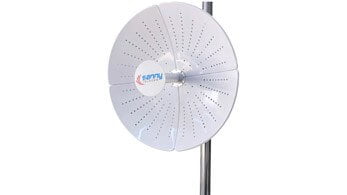
In the realm of WLAN and wireless backhaul, parabolic dish antennas stand out for their efficiency and range. Optimized for frequencies including 5GHz and 6.4GHz, they’re crucial for establishing stable, long-distance wireless connections. This technology underpins the seamless flow of data across our increasingly connected world.
A parabolic dish antenna is a high-precision device that utilizes a parabolic reflector to focus radio waves onto a specific focal point. This structure enables it to capture and emit signals with high efficiency, making it indispensable in telecommunications, broadcasting, and research. The dish’s parabolic shape ensures that signals are focused, resulting in enhanced signal strength and range.
Now that we’ve grasped the fundamental concept, let’s dive deeper into the workings and applications of this fascinating antenna.
What Are the Main Types of Parabolic Dish Antennas?
When it comes to cURL Too many subrequests., there are three primary designs you’ll encounter, each with unique structural nuances tailored to specific use-cases.
Prime Focus Antenna:
This is the classic form most often conjured in the mind’s eye—a symmetrical dish with its feed antenna (the part that collects or transmits signals) stationed right at the focal point, dead center in front of the reflector. While this central placement means a straightforward design and is widely used in satellite ground stations and radio telescopes, it can also block a small amount of the incoming or outgoing signal, much like standing under an umbrella blocks a bit of rain.
Offset Feed Antenna:
To sidestep the signal blockage found in prime focus designs, offset feed antennas shift the feed assembly off-center. This not only clears the “signal lane,” reducing obstruction and minimizing interference, but also makes these antennas especially efficient for satellite TV dishes and fixed point-to-point links. Their design resembles a portion, or “slice,” of a larger dish and is particularly well-suited for rooftop installations where space and aesthetics matter.
Cassegrain Antenna:
For situations that demand maximum signal gain—think long-distance satellite communications or deep-space research—the Cassegrain design comes into play. This setup introduces a secondary reflector that bounces signals back through a hole in the primary dish to the feed, typically mounted behind the reflector. The result is improved performance without requiring huge dish diameters—a configuration favored by observatories and advanced communication arrays.
Understanding the strengths of each type makes it easier to match the right antenna to your unique connectivity needs.
How Does the Parabolic Dish Antenna Work?
A parabolic dish antenna works by reflecting and focusing radio waves onto a single point, known as the focal point. The shape of the parabolic dish allows the waves to be reflected in a specific direction, increasing the antenna’s gain and directing the signal towards a specific target.
When radio waves hit the parabolic dish, they are reflected towards the focal point. The shape of the dish is designed so that all the waves converge at this point, resulting in a stronger and more focused signal. This is similar to how a magnifying glass focuses sunlight onto a single point.
The parabolic dish antenna consists of three main components: the dish reflector, the feedhorn, and the mounting bracket. The dish is a large, curved metal surface that reflects the radio waves. The feedhorn is a small, horn-shaped device located at the focal point. It collects the radio waves and sends them to the receiver or transmitter. The focal point is the point where the waves converge and where the feedhorn is located.


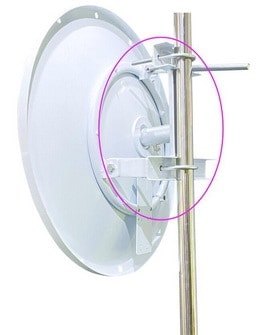
The size of the parabolic dish antenna is directly related to its gain. A larger dish will have a higher gain because it can collect more radio waves and focus them more effectively. This is why parabolic dish antennas used for long-distance communication or satellite reception are often quite large.
Parabolic dish antennas are commonly used for wireless point-to-point communications, wireless internet, and microwave links. They are also used for radio astronomy, where the dish is used to collect and focus radio waves from space.
What Role Do Parabolic Dish Antennas Play in Military Operations?
cURL Too many subrequests. are vital assets in military communications and operations, especially in environments where reliability and long-range connectivity are paramount. Their precise focusing abilities enable robust, high-gain transmission and reception of microwave signals across vast distances—even in challenging terrains or remote areas where traditional infrastructure may be lacking.
These antennas support various mission-critical tasks, such as:
- Secure Communications: By directing signals to specific targets, parabolic dishes help establish encrypted, interference-resistant links for command and control.
- Battlefield Surveillance: Many military radar systems use parabolic reflectors to detect and track objects over extended ranges.
- Data Link Support: They enable rapid, high-capacity data transfer between field units, mobile command centers, and remote outposts—even aboard naval and airborne platforms.
With these capabilities, parabolic dish antennas empower military forces to maintain reliable lines of communication, gather vital intelligence, and coordinate operations with precision—regardless of geographic or operational constraints.
What is an Offset Feed Antenna and What Are Its Benefits?
An offset feed antenna is a specialized type of parabolic dish antenna in which the feedhorn is positioned off to the side, rather than at the center of the reflector. This design innovation eliminates any obstruction that the feedhorn or its supporting structures might otherwise cause to incoming signals. As a result, the antenna achieves higher overall efficiency and reduced signal loss.
By moving the feedhorn out of the dish’s main path, offset feed antennas can:
- Minimize blockage and shadowing, ensuring that more of the dish’s surface area is available to collect and focus radio waves.
- Deliver improved signal clarity, thanks to fewer sources of internal signal reflection or interference.
- Offer a more compact and aesthetically pleasing profile—one reason they’re a popular choice for satellite TV dishes on homes and balconies.
You’ll frequently spot offset feed antennas in residential satellite TV systems, small business networks, and long-distance point-to-point wireless links, where maintaining high signal quality is essential. Their superior efficiency makes them a go-to solution whenever maximum gain and minimal interference are required.
What is a Prime Focus Antenna and How Does it Function?
A prime focus antenna is a specific configuration of a parabolic dish antenna where the feedhorn is positioned directly at the central focal point of the dish. In this arrangement, all incoming radio waves collected by the curved reflector are directed straight to the feedhorn, which sits on an arm extending from the dish’s surface.
cURL Too many subrequests.“
cURL Too many subrequests.
cURL Too many subrequests.
cURL Too many subrequests.
cURL Too many subrequests.
cURL Too many subrequests.
- cURL Too many subrequests. cURL Too many subrequests.
- cURL Too many subrequests. cURL Too many subrequests.
- cURL Too many subrequests. cURL Too many subrequests.
- cURL Too many subrequests. cURL Too many subrequests.
- cURL Too many subrequests. cURL Too many subrequests.
cURL Too many subrequests.
cURL Too many subrequests. parabolic dish antenna cURL Too many subrequests.
These frequencies are in the microwave portion of the electromagnetic spectrum. For example, a parabolic dish antenna used for satellite TV reception typically operates in the frequency range of 10.7 to 12.75 GHz.
On the other hand, a parabolic dish antenna used for microwave communication might operate in the frequency range of 4.9 to 6.5 GHz or 5.85GHz to 7.125GHz. The specific frequency or frequency range used by a parabolic dish antenna will depend on the applications and the regulations of the country in which it is being used.
Types of Parabolic Dish Antennas
Parabolic dish antennas come in several designs, each tailored for specific requirements:
- Prime Focus Antenna: Features a simple, compact design where the feedhorn is located directly at the focal point of the dish. This setup is common in satellite ground stations and radio telescopes, though the feedhorn can partially block incoming signals.
- Cassegrain Antenna: Incorporates a secondary reflector that bounces signals between the primary dish and the feedhorn. This arrangement reduces blockage and is favored in high-gain applications such as advanced satellite communication.
What’s the Gain of the Parabolic Dish Antenna?
The gain of a parabolic dish antenna is determined by its aperture, which is the area of the dish that collects the radio waves. The gain is given by the formula:
Gain = (π * Diameter^2) / (4 * λ^2)
Where:
– Gain is the antenna gain in decibels (dB)
– Diameter is the diameter of the dish in meters (m)
– λ is the wavelength of the radio waves in meters (m)
As the formula shows, the gain is directly proportional to the square of the diameter and inversely proportional to the square of the wavelength. Therefore, larger dishes and shorter wavelengths (higher frequencies) result in higher gains.
The gain of a parabolic dish antenna is expressed in decibels (dB), which is a logarithmic unit of measurement. A higher gain value indicates a stronger and more focused signal transmission and reception.
In summary, the gain of a parabolic dish antenna is directly related to its size and the frequency of operation. Larger dishes and higher frequencies typically result in higher gains, meaning stronger and more focused signal transmission and reception.
What is a Parabolic Dish Antenna Made Of?
cURL Too many subrequests. are made of metal or other reflective materials, with aluminum being a common choice due to its lightweight and reflective properties. Other metals such as steel or copper can also be used, but they may be heavier and more expensive. The dish reflector is typically coated with a layer of paint to extend its service life. The reflector is then mounted on a support structure, such as a metal frame or a pole, to hold it in place and direct the signal.
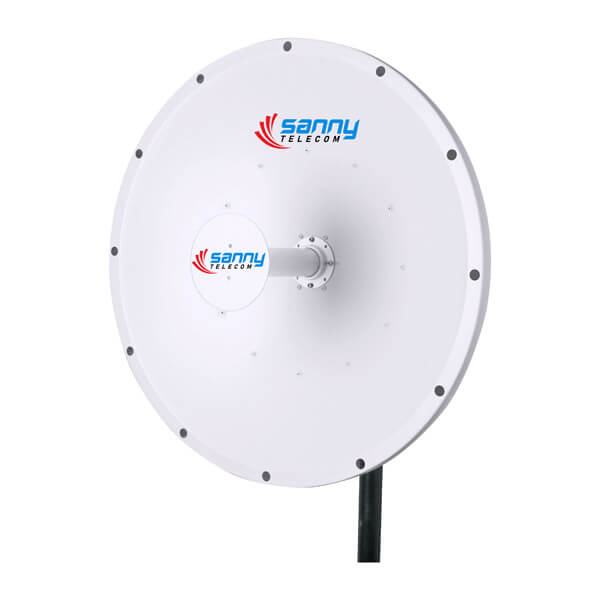
In addition to the dish itself, parabolic dish antennas also consist of other components such as a feed horn, which is the device that captures the radio waves and sends them to the receiver, and a support structure to hold the dish in place. These components are typically made of aluminum, copper and ABS plastic as well.
Additionally, mounting kits or brackets are essential for installing a parabolic dish antenna. These kits allow you to securely attach the reflector with the feedhorn to a mast or tower. These accessories are usually made of steel with a powder coat finish. They are designed to withstand harsh weather conditions and provide stability for the antenna. The mounting kits typically include all the necessary hardware, such as clamps, bolts, and braces, for easy installation. Additionally, some kits may also include a level or bubble to ensure the dish is properly aligned during installation. It is important to choose a mounting kit that is compatible with the size and weight of your parabolic dish antenna to ensure a secure and stable installation.
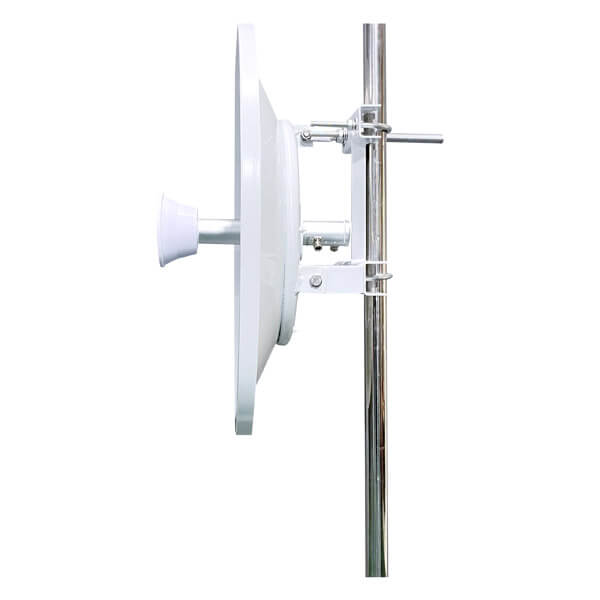
Overall, the key material in a parabolic dish antenna is the metal used for the dish itself, which is typically aluminum due to its lightweight and reflective properties.
What is the Difference Between Parabolic Dish Antenna and Horn Antenna?
Parabolic dish antennas are characterized by their curved shape, which allows them to focus incoming signals onto a single point. This design results in high gain and narrow beamwidth, meaning that they can transmit and receive signals over long distances with high accuracy and precision. Parabolic dish antennas are commonly used for satellite communication, wireless internet, and long-distance point-to-point links.
Meanwhile, horn antennas—distinguished by their flared, horn-like structure—offer a broader beamwidth and are preferred when wider coverage is needed, such as for broadcasting, radar, and urban wireless systems. Both types play unique roles in shaping how we connect, communicate, and explore the world around us.
Horn antennas, on the other hand, have a flared shape that resembles a horn. They are designed to provide a wider coverage area and have a broader beamwidth compared to parabolic dish antennas. Horn antennas are typically used for applications that require a broader coverage area, such as broadcasting, radar systems, and wireless communication in urban environments.
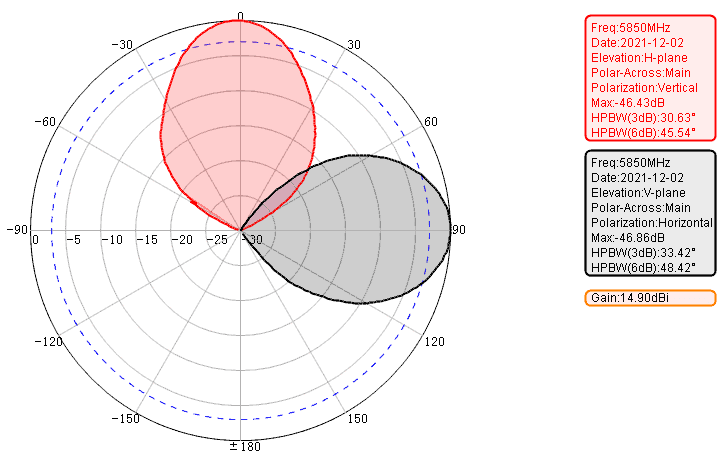
In summary, the main differences between parabolic dish antennas and horn antennas are:
1. Gain: Parabolic dish antennas offer higher gain due to their ability to focus signals onto a single point, while horn antennas provide lower gain.
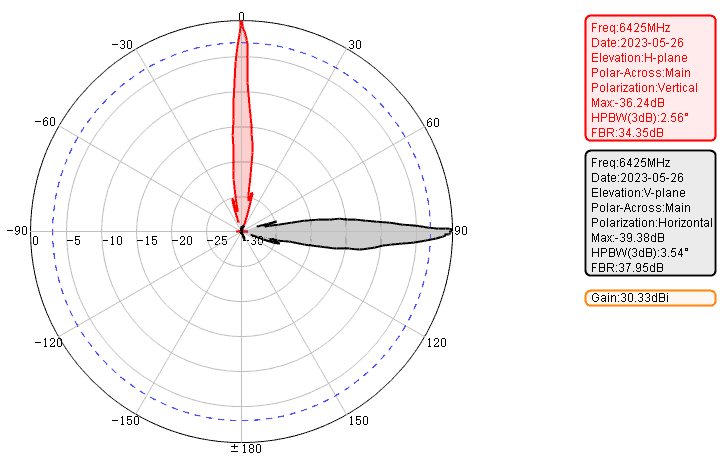
2. Range: Parabolic dish antennas have a longer range because of their high gain and narrow beamwidth, whereas horn antennas have a shorter range due to their lower gain and wider beamwidth.
3. Beamwidth: Parabolic dish antennas have a narrow beamwidth, resulting in a more focused signal, while horn antennas have a wider beamwidth, providing a broader coverage area.
4. Applications: Parabolic dish antennas are commonly used for point-to-point links and long-range communication, while horn antennas are used for applications that require wider coverage, such as broadcasting and radar systems.
What is a Cassegrain Antenna and Where is it Used?
cURL Too many subrequests.
cURL Too many subrequests.
- cURL Too many subrequests. cURL Too many subrequests.
- cURL Too many subrequests. cURL Too many subrequests.
- cURL Too many subrequests. cURL Too many subrequests.
cURL Too many subrequests.
cURL Too many subrequests.
cURL Too many subrequests.
cURL Too many subrequests.
cURL Too many subrequests.
cURL Too many subrequests.
cURL Too many subrequests.
cURL Too many subrequests.
cURL Too many subrequests.
cURL Too many subrequests.
cURL Too many subrequests.
In summary, cURL Too many subrequests. are essential for long-distance communication, facilitating global TV broadcasts and deep space communication. Despite their complexities and limitations, their unmatched efficiency and versatility make them indispensable in our interconnected world.
Beyond their well-known use in microwave transmission, cURL Too many subrequests. are adept at handling both radio waves and microwaves, making them a flexible solution for a wide array of applications. Whether it’s relaying signals from distant satellites, supporting NASA’s deep space missions, or enabling clear connections for international broadcasters like the BBC, these antennas excel at both capturing and sharing signals across the spectrum. Their adaptability is exactly why they remain the preferred choice wherever reliable, far-reaching signal capture and transmission are required.
 German (Switzerland)
  English
  Spanish
  German
  French (France)
  Korean
  Russian
  Indonesian
  French (Canada)
  Vietnamese
  Armenian
  Albanian
  Assamese
  Acehnese
  Amharic
  Czech
Czech  Bulgarian
  Cebuano
  Malayalam
  Japanese
  Dutch
Dutch