 Skip to content

In the rapidly evolving world of technology, RFID antennas play a pivotal role in wireless communication systems, enabling the seamless tracking and management of assets, inventory, and data across numerous industries. But what exactly is a RFID antenna, and how does it function within an RFID system?
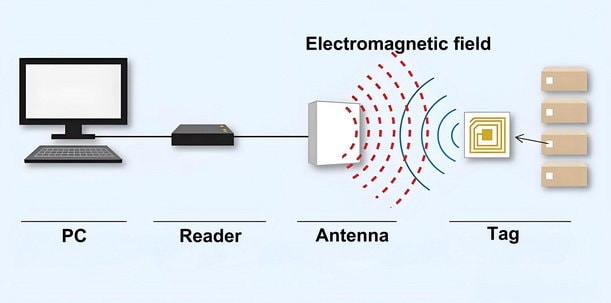
A RFID antenna is a device that is used to transmit and receive radio frequency signals in an RFID system. It is a critical component that enables the communication between the RFID reader and the RFID tags.
With a clear understanding of RFID antennas’ fundamental role, let’s dive deeper into how they operate, their types, and their applications.
What is the Antenna in an RFID System?
The antenna in an RFID system is responsible for transmitting and receiving radio frequency signals. It is typically a conductive element that is designed to radiate electromagnetic waves into free space or capture them from the environment.
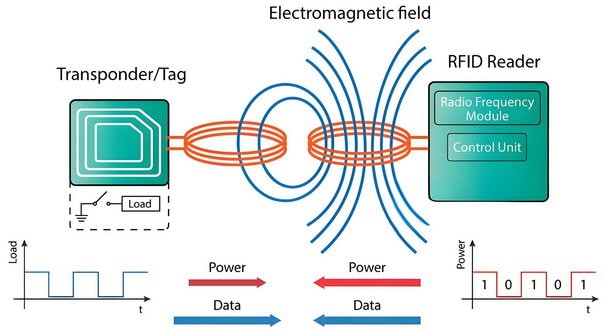
When an RFID reader wants to communicate with an RFID tag, it uses the antenna to transmit a radio frequency signal. The reader sends an electrical current through the antenna, which creates an oscillating magnetic field around it. This oscillating magnetic field generates an oscillating electric field, and together they form an electromagnetic wave that propagates through space.
When an RFID tag is within range of the reader’s antenna, the electromagnetic wave emitted by the antenna induces a voltage in the tag’s antenna. This voltage powers the tag’s circuitry and allows it to respond to the reader’s signal. The tag then modulates the electromagnetic wave by either reflecting it back to the reader or absorbing it, depending on the specific RFID technology being used.
The reader’s antenna detects the modulated electromagnetic wave that is reflected or absorbed by the tag. It converts the received electromagnetic energy into an electrical current, which the reader’s circuitry can interpret as data from the tag.
In summary, the antenna in an RFID system converts electrical energy from the reader into electromagnetic waves, allowing the reader to communicate with RFID tags.
What is the Purpose of RFID Antenna?
The main purpose of an RFID antenna is to enable communication between an RFID reader and tags. It is important for the efficient tracking and management of data in the system.
Understanding the details of RFID antennas not only improves the efficiency of tracking systems but also opens up possibilities for innovative applications in different industries. As we continue to utilize RFID technology, the significance of antennas in this ecosystem cannot be emphasized enough.
How does the RFID antenna work?
RFID (Radio Frequency Identification) antennas are used to transmit and receive radio waves in an RFID system. They play a crucial role in the communication between RFID tags and readers.
RFID antennas are typically designed using conductive materials like copper or aluminum. They consist of a loop or coil of wire that is wound in a specific pattern to create a magnetic field when an electric current flows through it. This magnetic field allows the antenna to interact with RFID tags.
When an RFID tag enters the range of the antenna, it receives power from the radio waves transmitted by the antenna. The tag then uses this power to send back a response signal containing its unique identification information. The antenna of the reader captures this response signal and transfers it to the RFID reader for further processing.
The performance of an RFID antenna depends on various factors such as its size, shape, material, and the frequency it operates at. These factors determine the range, directionality, and efficiency of the antenna. Different types of RFID antennas are used based on the specific requirements of the application, such as proximity or long-range reading.
How Does the Alignment of Antenna and Tag Polarity Impact Read Range?
One important yet often overlooked factor in RFID performance is the alignment of antenna polarity between the reader and the tag. Both the RFID antenna and the tag have a specific polarization, which refers to the orientation of the electromagnetic field they emit or receive.
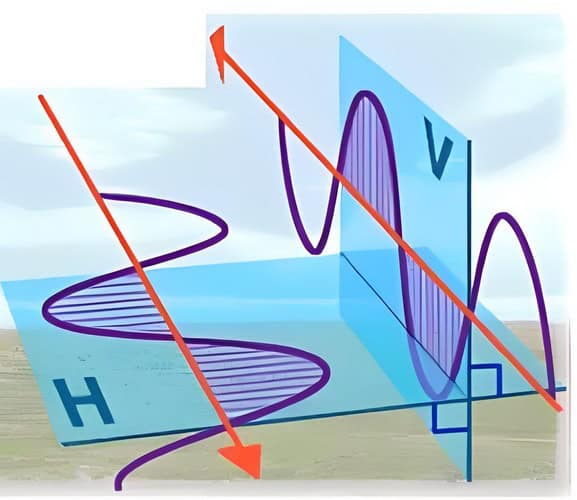
For optimal read range, the polarity of the reader antenna and the tag’s antenna should be aligned—that is, both should be oriented either horizontally or vertically relative to each other. When these polarities match, the electromagnetic waves couple efficiently, allowing for maximum energy transfer and improved communication. If the polarities are misaligned, such as one being vertically polarized while the other is horizontal, the energy transfer drops significantly and the effective read range can decrease by a large margin.
In practical terms, ensuring that the reader and tag share the same polarization is a simple step with a big impact on the effectiveness and reliability of your RFID system. This is especially crucial in environments where maximizing read distance is important or tags may be oriented in unpredictable ways.
What is the Difference Between RFID Antenna and RFID Reader?
The RFID reader acts as the central hub of the system. It is responsible for initiating communication with the RFID tags, sending commands, and receiving data from the tags. The reader is also responsible for processing the received data and taking appropriate actions based on the information gathered from the tags.
On the other hand, the RFID antenna is designed to emit radio waves and receive signals from the RFID tags. The antenna is responsible for transmitting the radio frequency signals generated by the reader to the tags, and it also receives the signals back from the tags. The antenna is specifically designed to optimize the transmission and reception of radio waves, ensuring efficient and reliable communication between the reader and the tags.
In summary, the RFID reader controls the system and handles the communication with the tags, while the RFID antenna facilitates the transmission and reception of radio waves between the reader and the tags.
Do You Need a RFID Antenna?
The RFID antenna is responsible for transmitting the radio frequency signals from the reader to the RFID tags and receiving the signals from the tags back to the reader. Without an antenna, the reader would not be able to communicate with the tags, rendering the RFID system useless. Therefore, the RFID antenna is a critical component in any RFID system.
What is the Frequency Range of RFID Antenna?
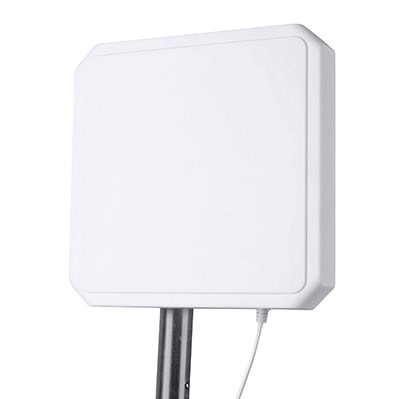
RFID antennas are designed to operate within specific frequency bands. The most common frequency bands used in RFID systems are Low Frequency (LF), High Frequency (HF), and Ultra High Frequency (UHF).
LF RFID antennas typically operate at frequencies between 125 kHz and 134 kHz. These antennas are commonly used for applications such as access control, animal tracking, and proximity sensing. LF RFID systems have a short read range, typically up to a few centimeters.
HF RFID antennas operate at frequencies between 13.56 MHz and 27.12 MHz. These antennas are used for applications such as contactless payment, ticketing, and identification cards. HF RFID systems have a slightly longer read range compared to LF systems, typically up to a few meters.
UHF RFID antennas operate at frequencies between 860 MHz and 960 MHz. These antennas are commonly used for applications such as inventory management, supply chain tracking, and asset tracking. UHF RFID systems have a longer read range compared to LF and HF systems, typically up to several meters or even tens of meters, depending on the specific antenna and reader used.
cURL Too many subrequests.
cURL Too many subrequests.
cURL Too many subrequests.
cURL Too many subrequests.
cURL Too many subrequests.
cURL Too many subrequests.
cURL Too many subrequests.
cURL Too many subrequests.
cURL Too many subrequests.
cURL Too many subrequests.
cURL Too many subrequests.
cURL Too many subrequests.
cURL Too many subrequests.
cURL Too many subrequests. RFID antennas cURL Too many subrequests.
cURL Too many subrequests.
cURL Too many subrequests.
cURL Too many subrequests.

cURL Too many subrequests.
5. Near-Field Antenna: This type of antenna is designed for near-field or short-range applications. It is used when the distance between the reader and the tag is very close, such as in contactless payment systems.
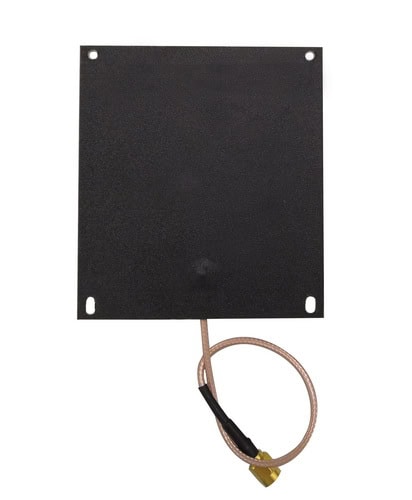
It is important to select the right type of RFID antenna for your application to ensure optimal performance and read range. Consulting with an RFID expert or supplier can help you determine the best antenna for your specific requirements.
RFID Antennas: Indoor vs. Outdoor Ruggedness
When selecting an RFID antenna, it’s crucial to consider where the antenna will be used, as this directly impacts its required ruggedness.
Indoor RFID Antennas:
These antennas are typically designed for environments with minimal exposure to harsh elements. They are perfect for warehouses, retail stores, libraries, and healthcare facilities where conditions are controlled. Their casings are often lightweight and compact, making installation simple on walls, ceilings, or shelving.
Outdoor RFID Antennas:
For outdoor applications—such as logistics yards, shipping docks, parking lots, or agricultural sites—antennas need to withstand rain, dust, extreme temperatures, and UV exposure. Outdoor-rated RFID antennas feature robust, weather-resistant enclosures (sometimes IP65-rated or higher) to protect the sensitive electronics inside. Brands like Zebra and Impinj offer models specifically built to handle rugged, unpredictable outdoor conditions.
Choosing the right level of ruggedness ensures not only long-lasting performance but also reduces maintenance and replacement frequency. Always match your antenna’s environmental tolerance to the demands of your application site.
How to Choose RFID Antenna?
Some key factors to consider when selecting an RFID antenna are:
1. Frequency range: RFID systems operate at different frequency ranges, such as low frequency (LF), high frequency (HF), and ultra-high frequency (UHF). The antenna must be compatible with the reader’s frequency range.
2. Environmental conditions: Consider the environment in which the antenna will be installed. Factors such as temperature, humidity, and exposure to chemicals or water can affect the antenna’s performance.
3. Read range: Determine the desired read range for the application. Different antennas have different read ranges, and the selection should be based on the distance at which tags need to be read.
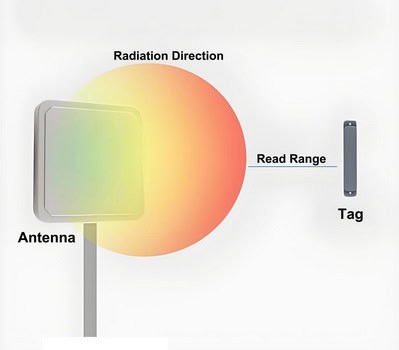
4. Polarization type: RFID antennas can be linearly or circularly polarized. Linear polarization is suitable for applications where tags are aligned in a specific orientation, while circular polarization provides better read rates for tags in various orientations.
5. Compatibility with existing systems: If you already have an RFID system in place, make sure the new antenna is compatible with your existing reader and tags.
6. Physical installation constraints: Consider the size, shape, and mounting options for the antenna. Ensure it can be easily installed in the desired location and that it meets any size or space constraints.
By carefully considering these factors, you can select an RFID antenna that meets your application’s unique requirements and ensures optimal system performance.
What is the Best Antenna for RFID?
Choosing the optimal RFID antenna requires considering the specific needs of the application, such as tag orientation, read range, and environmental conditions.
Circular polarization antennas are versatile and can read tags regardless of their orientation, making them suitable for applications where tags and items move unpredictably, such as in logistics and retail operations.
Circularly polarized antennas emit waves that rotate continuously between horizontal and vertical planes, providing increased flexibility for reading RFID tags in multiple directions. However, because the energy is split between these two planes, circularly polarized antennas typically have a shorter read range than linear antennas of similar gain.
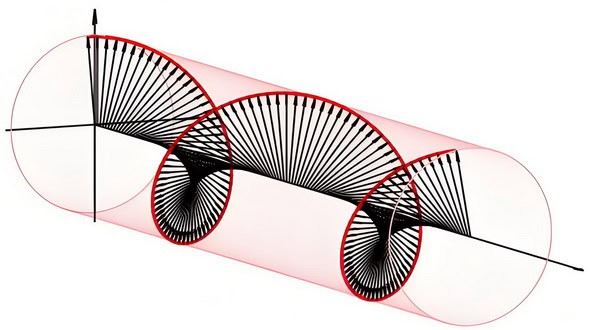
Linear polarization antennas offer greater read range in applications where tag orientation is consistent and controlled.
In summary, there is no one-size-fits-all answer to the question of the best RFID antenna. The optimal antenna will depend on the specific requirements of the application, including read range, tag orientation, environmental conditions, and physical constraints. Thorough testing in the intended operational environment is essential to ensure the best performance.
and impedance matching, prototyping the antenna, and performing real-world testing. By following this process, designers can create effective and efficient RFID antennas for a wide range of applications.
How to Install a RFID Antenna?
Here are the steps to properly install an RFID antenna:
1. Determine the desired read zone shape: Before installing the antenna, you need to decide the shape and size of the area you want to cover. This will depend on the specific application and the items you want to track. For example, if you are tracking items on a conveyor belt, you may want a long and narrow read zone.
2. Consider the environment: The environment in which the antenna will be installed is crucial. Factors like metal objects, walls, and other obstructions can affect the performance of the RFID system. Make sure to identify and take into account any potential obstacles that could block the radio waves.
3. Choose the appropriate mounting location: Based on the desired read zone shape and the environment, select the best location to mount the antenna. This could be a wall, a ceiling, or a pole, depending on the specific requirements. Keep in mind that the antenna should be mounted as high as possible to maximize coverage.
4. Position the antenna: Once you have chosen the mounting location, position the antenna properly. The antenna’s polarization is an essential factor to consider. RFID antennas can have either linear or circular polarization. Linear polarization antennas should be mounted parallel to each other, while circular polarization antennas can be mounted at any angle.
It’s also important to match the type of RFID antenna to your environment and application needs. Antennas are commonly grouped by polarity (circular versus linear) and ruggedness (indoor versus outdoor). For instance, circular polarization antennas offer greater flexibility and are ideal in dynamic environments where tag orientation varies—think busy warehouse docks or retail stock rooms. Linear polarization antennas, on the other hand, excel in controlled settings where tags are consistently oriented, such as along a conveyor belt.
Additionally, consider the physical durability required for your deployment. Outdoor antennas are built to withstand harsher environmental conditions, while indoor models may prioritize aesthetics and compactness. By thoughtfully positioning the antenna and selecting the right type, you lay the groundwork for optimal RFID performance.
5. Test the read zone: After mounting the antenna, test the read zone to ensure that it covers the desired area. Use RFID tags and a reader to check the coverage and make any necessary adjustments.
6. Fine-tune the installation: If the read zone is not satisfactory, you may need to fine-tune the installation. This could involve adjusting the angle or position of the antenna, or adding additional antennas to improve coverage.
By following these steps, you can ensure that your RFID antenna is properly installed, maximizing coverage and minimizing any potential issues.
How Can I Boost My RFID Signal?
To boost an RFID signal, there are several strategies that can be employed to overcome the limitations of distance, interference, and physical barriers. One of the most effective ways to improve signal strength and reliability is to ensure proper placement and orientation of the RFID antenna. The antenna should be positioned in a way that minimizes obstructions and interference from metal objects or electronic equipment.
Using signal amplifiers or repeaters can extend the effective range of RFID systems, allowing tags to be read from greater distances or through challenging environments. These devices boost the power of the signal, making it easier for the RFID reader to communicate with the tags.
cURL Too many subrequests.
cURL Too many subrequests.
cURL Too many subrequests.
cURL Too many subrequests.
cURL Too many subrequests.
cURL Too many subrequests.
cURL Too many subrequests., RFID antennas cURL Too many subrequests.
 German (Switzerland)
  English
  Spanish
  German
  French (France)
  Korean
  Russian
  Indonesian
  French (Canada)
  Vietnamese
  Armenian
  Albanian
  Assamese
  Acehnese
  Amharic
  Czech
Czech  Bulgarian
  Cebuano
  Malayalam
  Japanese
  Dutch
Dutch